
Yes, clipped bird wings do grow back. When a bird's flight feathers are trimmed, those feathers will eventually shed during the natural molting process and be replaced by fully grown new ones. This is not a permanent change. The bird is not injured in the traditional sense, and with the right care during the waiting period, most birds recover full flight capability. That said, there are important things to check right now to make sure what you are looking at is actually a clip and not a real injury.
Do Clipped Bird Wings Grow Back? What to Do Now
Marcus Chen
14 Apr 2026
What clipped wings actually are (and what they're not)
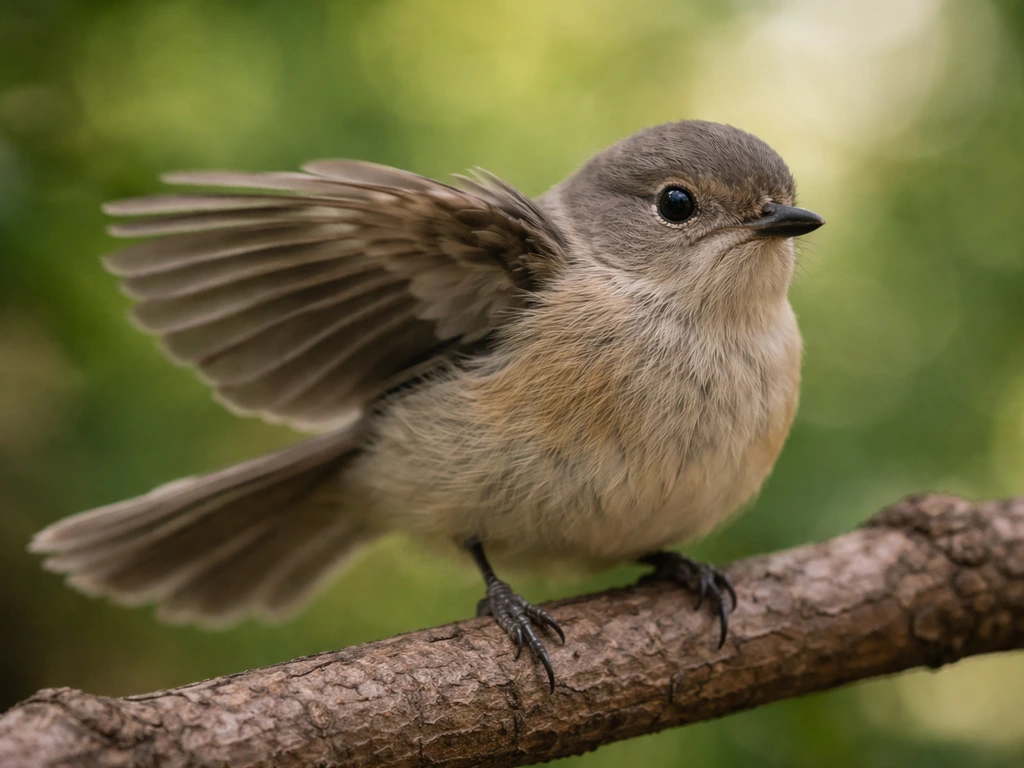
Wing clipping is the trimming of a bird's primary flight feathers, the long feathers at the tip of each wing called remiges. A proper clip cuts those feathers below the primary coverts, removing roughly half to a third of their length. The goal is to reduce lift so the bird can't fly far or gain much height, but it doesn't remove the feather entirely and it doesn't touch the bone or tissue underneath.
Clipping is not the same as a broken wing, a dislocated joint, nerve damage, or any kind of wound. When done correctly, both wings are trimmed evenly. If only one wing is clipped, the bird can end up flying in circles because of the imbalance, which looks alarming but is still just a feather issue. A clip also shouldn't involve the secondary flight feathers (the ones closer to the body) or the major primary coverts. If those have been cut, or if there's any bleeding, that's a red flag worth taking seriously.
One thing worth knowing: blood feathers, also called pin feathers, are new feathers actively growing in with a blood supply running through the shaft. If a blood feather gets accidentally cut during a trim, it can bleed heavily. This is not normal clipping, and it needs prompt attention. A properly clipped wing should show clean, dry stubs with no blood.
Will the feathers grow back? What the molt timeline looks like
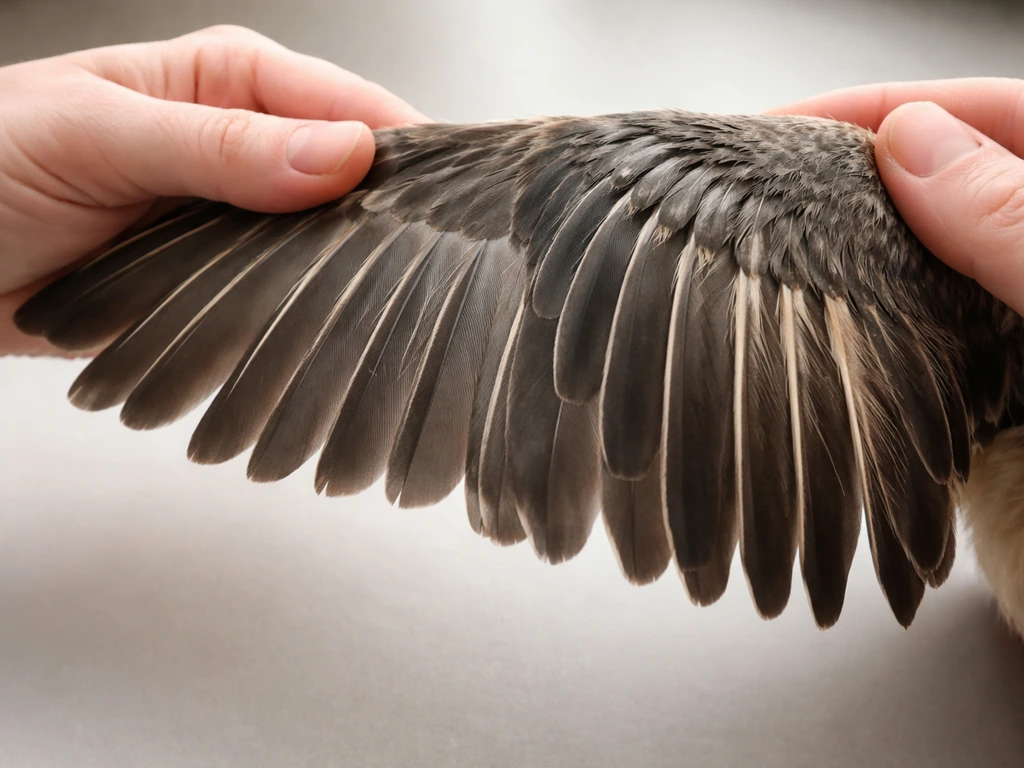
Clipped feathers grow back through molting, the natural cycle where birds shed old feathers and replace them with new ones. Once a clipped feather is shed, a new, full-length feather grows in to replace it. Most birds lose and replace the majority of their feathers at least once a year, with many species having two significant molts, typically in spring and autumn. The Merck Veterinary Manual notes that birds normally lose and replace most feathers at least once a year through molting, and often have a partial molt about 6 months later molting occurs at least once a year and often includes a partial molt about 6 months later. That means a clipped bird could regain full flight anywhere from a few months to a full year depending on where it is in its molt cycle when you found it.
In practical terms, avian vets typically recommend re-clipping wings every one to three months after a molt cycle begins, because new feathers are already growing in during that window. So if you're watching a bird closely, you may start noticing small pin feathers appearing at the wing tips within weeks. Those new feathers contain blood in the shaft while they're developing, which is totally normal, but it means you need to be careful not to damage them during handling.
If you're wondering whether a bird with clipped wings can ever fly again, the short answer is yes, once the full molt cycle completes and new feathers come in fully, flight is restored. There's no permanent damage from a proper clip.
Clipping vs a real wing injury: how to tell the difference
This is the most important check you can do right now, because the two can look similar at first glance. A drooping wing is a key sign that something might be wrong, but drooping can come from feather damage, soft-tissue trauma, a joint injury, or a true fracture. You can't tell just by looking at the wing position alone.
Compare what you're seeing against these two pictures:
| Sign you're seeing | Likely clipped wings | Possible real injury |
|---|---|---|
| Wing position | Hangs slightly lower but symmetrical; bird can fold it | One wing droops or sticks out at an odd angle; bird can't fold it normally |
| Bleeding or wounds | None; feather stubs are dry and clean | Active bleeding, wet feather stubs, or visible wounds near the wing |
| Swelling or bruising | None | Visible swelling, lumps, or discoloration at the wing or shoulder |
| Perching | Can perch and grip normally | Falls off perch, can't balance, or refuses to use feet |
| Response to touch | Tolerates gentle handling | Cries, bites, or flinches sharply when wing is touched gently |
| Breathing | Normal | Open-mouthed breathing, tail bobbing, wheezing |
| Movement | Moves around, alert | Collapsed, unresponsive, or holding very still and puffed up |
Birds are very good at hiding pain, so even mild-looking signs can still mean something serious. If the bird is showing any of the warning signs in the right column above, don't assume it just needs time. Get it evaluated. The same drooping wing that looks like a simple clip could be a fracture that heals much better with fast stabilization than with waiting.
It's also worth understanding what "wounded bird syndrome" actually means, because some behavioral signs of distress can be mistaken for physical injury and vice versa. Knowing the difference helps you triage more accurately before you decide whether to call for help.
What to do right now while feathers grow back
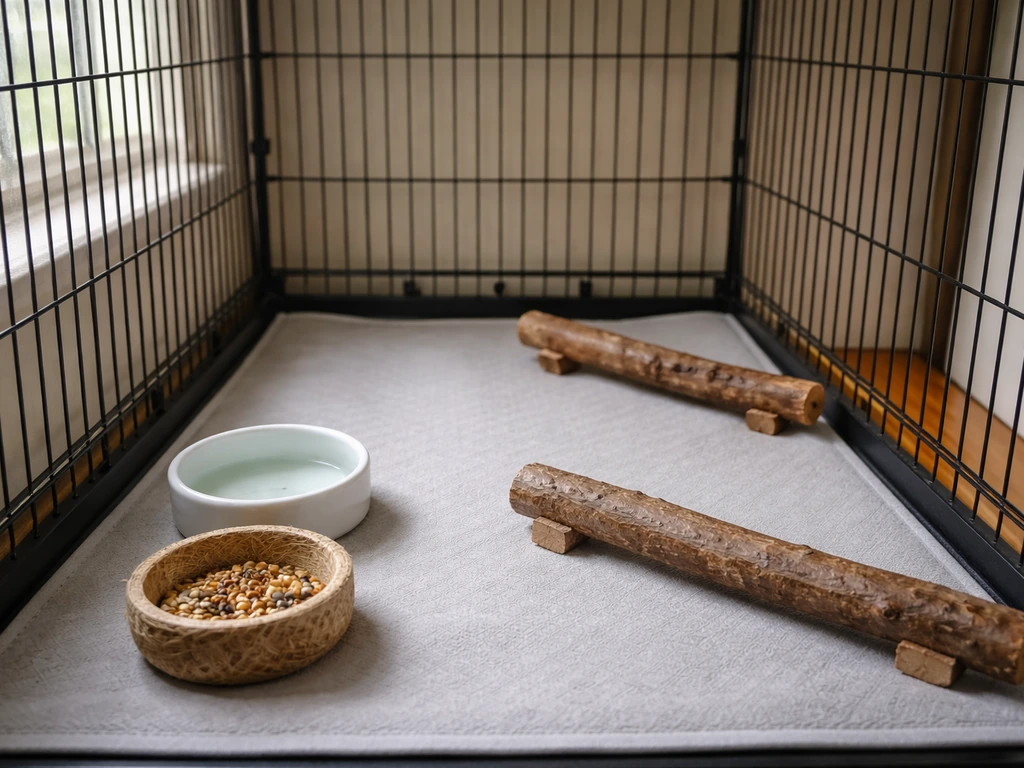
If you've checked the bird and you're confident it's a clip with no injury signs, your job right now is to keep it safe during the regrowth period. A clipped bird is vulnerable in ways a fully flighted bird isn't: it can't escape predators, it can fall from height without being able to slow itself, and it can overheat or chill quickly.
Set up a safe temporary space
Keep the bird in a well-ventilated enclosure that's appropriately sized, not so large that it can attempt long flights and crash-land. Perches should be low to the ground so falls don't cause injury. Remove anything the bird could fly into or get tangled in. If it's a wild bird in your care temporarily, a well-ventilated cardboard box or transport carrier works fine as a short-term space while you figure out next steps.
Keep handling to a minimum
Stress is genuinely dangerous for birds. Don't hold the bird in your hands more than necessary. If you need to transport it, place it in a secure, enclosed container with minimal gaps. You can put a towel-wrapped warm water bottle under part of the carrier floor to provide gentle warmth without direct contact, which helps if the bird is cold or in shock. Keep the environment quiet and dark during transport.
Don't treat wounds without guidance
If you notice any cuts or abrasions near the wing, resist the urge to reach for the first thing in your medicine cabinet. Hydrogen peroxide is not safe for bird wounds and can cause tissue damage. The same goes for most human antiseptic ointments. If there's a wound, keep it clean and dry and get the bird to a vet. You can read more about what you can safely put on a bird wound if you're waiting for professional help, but always err on the side of doing less rather than more.
Watch the pin feathers as they come in
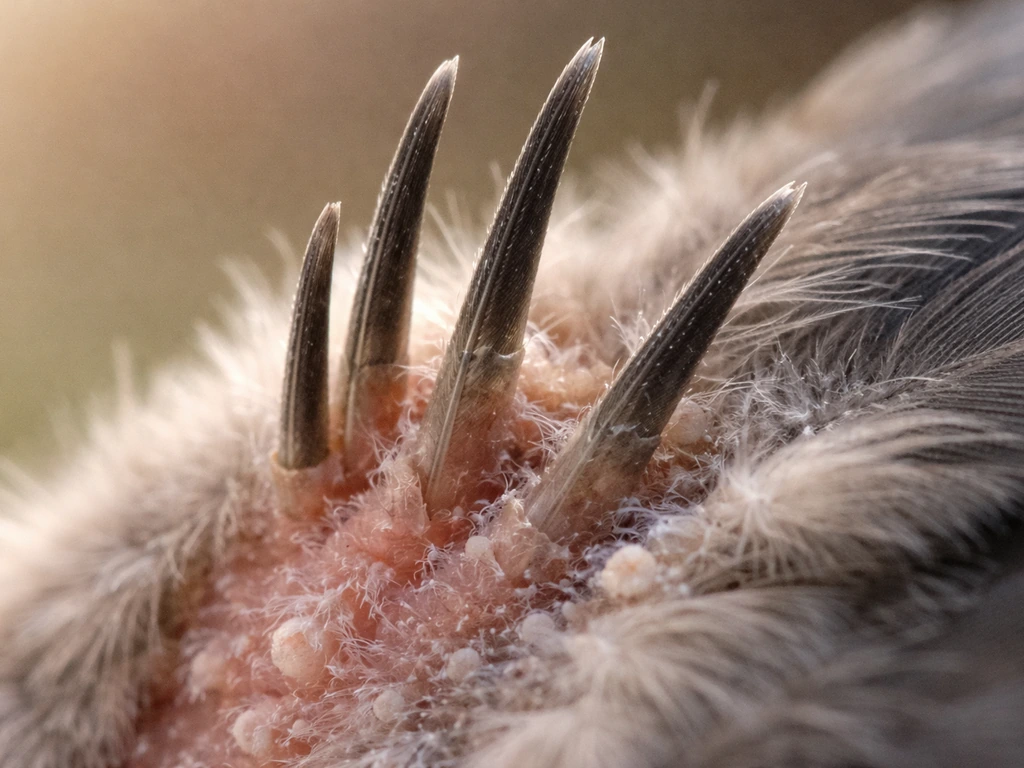
As regrowth begins, you'll see small dark-shafted pin feathers emerging at the wing tips. These are fragile and will bleed if broken. Don't try to clip them, pull them, or trim anything during this phase. Just let them grow. Once the blood recedes into the follicle and the feather matures, it becomes a normal, safe feather.
When to call an avian vet or wildlife rescue right now
Some situations don't warrant a wait-and-see approach. Call for help immediately if you see any of the following:
- Active bleeding that doesn't stop within a few minutes
- A wing held at a clearly abnormal angle that the bird can't fold
- Open wounds, swelling, or visible bone near the wing
- Open-mouthed breathing, tail bobbing, or wheezing
- The bird collapses, can't stand, or becomes unresponsive
- The bird can't perch or keep its balance
- Any blood feather that has been cut and is bleeding heavily
These are not "wait for the feathers to grow back" situations. Fast stabilization dramatically improves outcomes for true wing injuries, and some of these signs point to conditions that can become life-threatening within hours. A bird that's struggling to breathe or bleeding from a damaged blood feather needs emergency care, not a quiet box.
It's also worth keeping in mind that some birds can manage mild injuries on their own, but others can't. Whether a bird wound can heal on its own depends heavily on the type and severity of the injury, and most wing injuries benefit from professional stabilization even when they look minor. Similarly, whether an injured bird can heal itself without intervention is something a vet is far better placed to answer than you are from a photo or quick glance.
If you're not sure whether the bird needs emergency care right now, it almost always helps to call a wildlife rehab hotline or avian vet and describe what you're seeing. They can triage over the phone. You don't have to be certain before you make that call.
How to find help and what to do before the appointment
For a pet bird, your first call should be to an avian veterinarian, not a general small-animal vet. Avian vets have the specific knowledge to distinguish a clipped wing from a fracture, assess blood feather damage, and advise you on the regrowth timeline for your specific species. If you don't have one already, search for "avian vet near me" or ask your regular vet for a referral.
For a wild bird, you'll want a licensed wildlife rehabilitator. A downloadable wildlife rehabilitator locator/list is provided as a directory of licensed rehabilitators a licensed wildlife rehabilitator. You can find one through the National Wildlife Rehabilitators Association (NWRA) directory, your state's fish and wildlife agency website, or state-level organizations like the Florida Wildlife Rehabilitators Association, which maintains a searchable map of permitted rehabbers. The Finger Lakes Wildlife Hotline is another example of a regional resource that lists licensed rehabbers by area. PETA's website also points readers to these national directory resources if you're not sure where to start searching. Local animal control can also connect you with wildlife services in your area.
Before you head to the appointment, here's what to do:
- Place the bird in a well-ventilated, secure container (a cardboard box with air holes or a pet carrier works well). Don't use a wire cage that allows the bird to grip and flap against the sides.
- Keep the environment dark and quiet during transport to reduce stress and prevent the bird from injuring itself trying to escape.
- If the bird seems cold, place a towel-wrapped warm water bottle under one side of the carrier floor so the bird can move away from the heat if it gets too warm. Don't put heat directly against the bird.
- Do not offer food or water unless specifically advised by a vet or rehabber over the phone. Some birds can aspirate easily when stressed.
- Write down everything you observed: when you found the bird, what the wings look like, whether you saw any bleeding, and the bird's behavior. This helps the vet triage faster.
- Call ahead if possible so the clinic or rehabber knows you're coming and can prepare.
One thing to know before you go: understanding what a bird actually receives during a veterinary visit for an injury can help set expectations. An avian vet examining a wing will typically do a physical assessment, may take X-rays to rule out fractures, and can advise you on exactly where the bird is in its molt cycle and when to expect feathers back.
Finally, don't confuse a clipped bird with a bird that has suffered a traumatic accident like a window strike. High-impact collision injuries can look superficially similar to a clipped wing because the bird may be grounded and unable to fly, but the underlying cause and care are completely different. When in doubt, treat it like an injury until a professional tells you otherwise.
FAQ
How long after a proper wing clip will a bird be able to fly normally again?
Timing depends on where the bird is in its molt cycle when you noticed the clip. If the bird is already close to shedding, you may see improved wing coverage within weeks, but for others it can take up to about a full year. An avian vet can estimate the timeline by checking feather stage and whether pin feathers are already present.
Will both wings grow back at the same rate if only one wing was clipped?
They often re-balance over time, but growth can be uneven if the clip lengths differed or if handling caused additional feather damage. If you see persistent imbalance, circling, or a drooped wing on one side, get the bird assessed to rule out fracture or other injury.
Is it safe to speed up regrowth by trimming the remaining feathers later?
No. Don’t trim or pull feathers during regrowth, especially pin feathers (blood feathers), because they are fragile and can bleed. Also, partial re-trimming can create a new lift imbalance, which can increase crash risk while the bird is grounded.
What does a normal clipped-feather regrowth look like, and what looks abnormal?
Normal regrowth typically shows clean, dry feather stubs first, then dark-shafted pin feathers at the wing tips. Abnormal signs include wet or bleeding shafts, ragged wounds, exposed tissue, or feathers that look broken rather than shedding, which suggests something more than a simple clip.
Can a clipped bird still fly a little, or will it be completely flightless?
Most clipped birds have reduced lift, not zero flight. They may be able to short-hop or flutter and then fall, especially if the enclosure has perches or open space. Because of that, safety-proofing matters even if the bird doesn’t look totally unable to fly.
If I clip feathers myself, will they grow back the same way and be harmless?
Even if feathers eventually regrow, at-home clips commonly go wrong in placement and depth, which can cut into blood feathers or cause uneven trim. Uneven clipping can lead to persistent balance problems, and any signs of bleeding or a one-sided droop mean you should get professional guidance rather than trying again.
How can I tell the difference between a true wing injury and a clip without X-rays?
Visual cues can help, but they are not definitive. Look for clean, dry trimmed stubs (suggesting a clip), vs bleeding, exposed tissue, or a wing that droops with pain behavior. If the bird can’t perch normally, avoids using the wing, or shows swelling, treat it as an injury and seek an avian vet evaluation.
What should I do if pin feathers start bleeding while the bird is regrowing?
Don’t try to apply random ointments or re-trim. Keep the bird calm and warm, and contact an avian vet or wildlife rehab for immediate advice. Blood feathers can bleed heavily because of their active blood supply, and prompt triage prevents shock and tissue damage.
Can a clipped bird overheat or chill while waiting for regrowth?
Yes. Because it can’t escape hazards the way a fully flighted bird can, it’s more exposed to temperature swings and direct sun or drafts. Use a well-ventilated, stable-temperature enclosure, and avoid heat lamps that could create hot spots if the bird can’t move away.
When should I stop waiting and treat it like an emergency?
If you see labored breathing, heavy bleeding, bleeding pin feathers, uncontrolled flailing, or the bird collapses and cannot maintain posture, don’t wait for regrowth. These signs can indicate serious trauma or a rapidly worsening condition, and immediate professional care is safest.
Next Articles
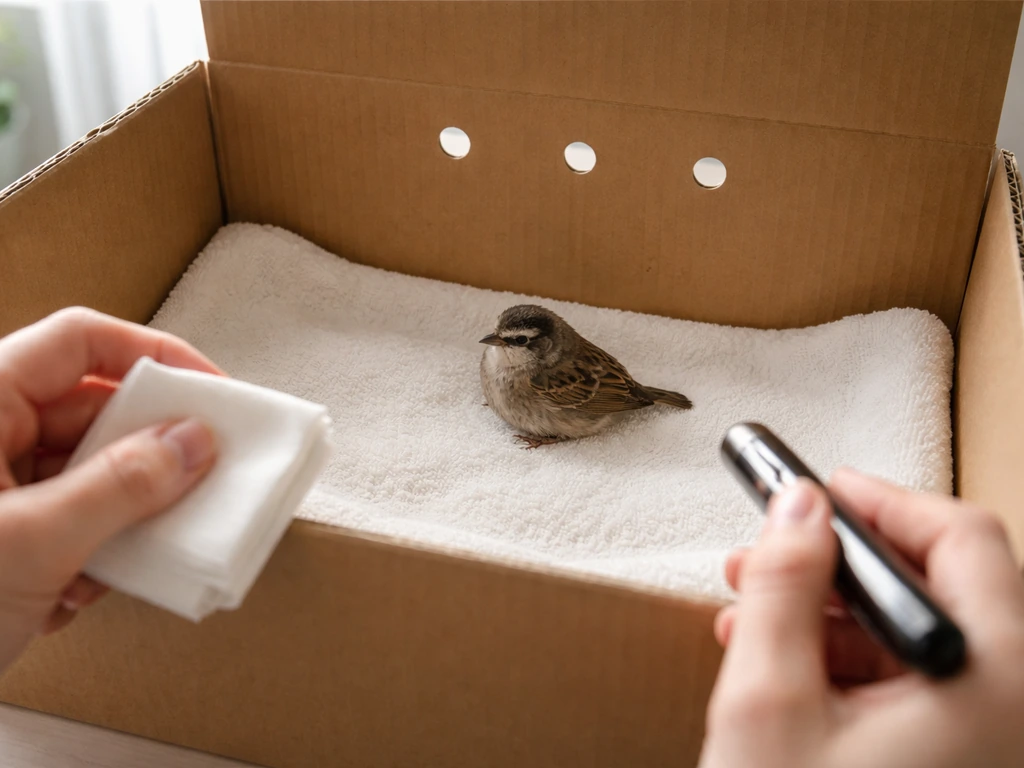
Can a Bird Wound Heal on Its Own? What to Do Now
Can a bird wound heal on its own? Learn how to assess wing injuries, give safe first aid, and spot when to call help fas
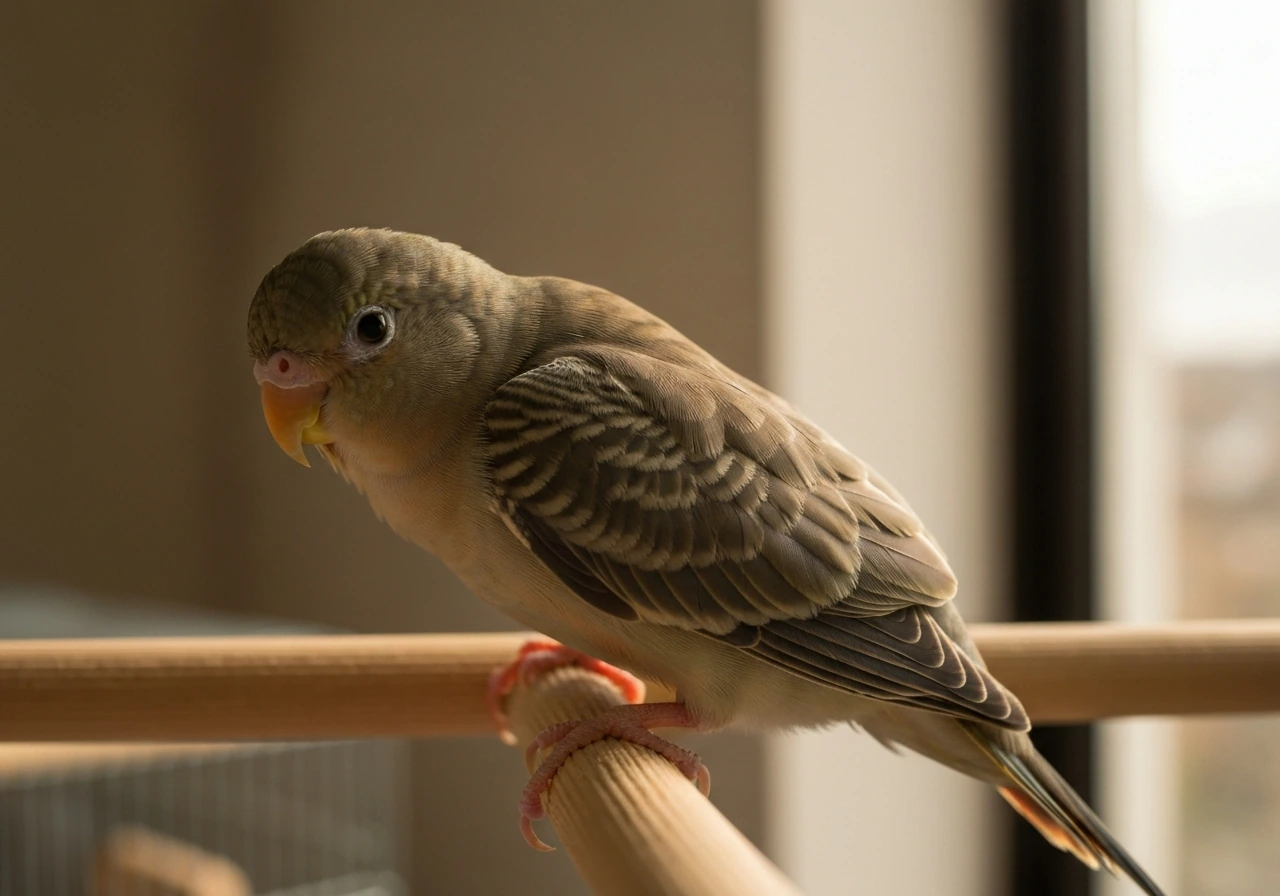
Can a Bird With Clipped Wings Ever Fly Again? What to Do
Yes, sometimes. Learn if clipped wings can regrow, what to check now, and when to contact a vet or rescue.
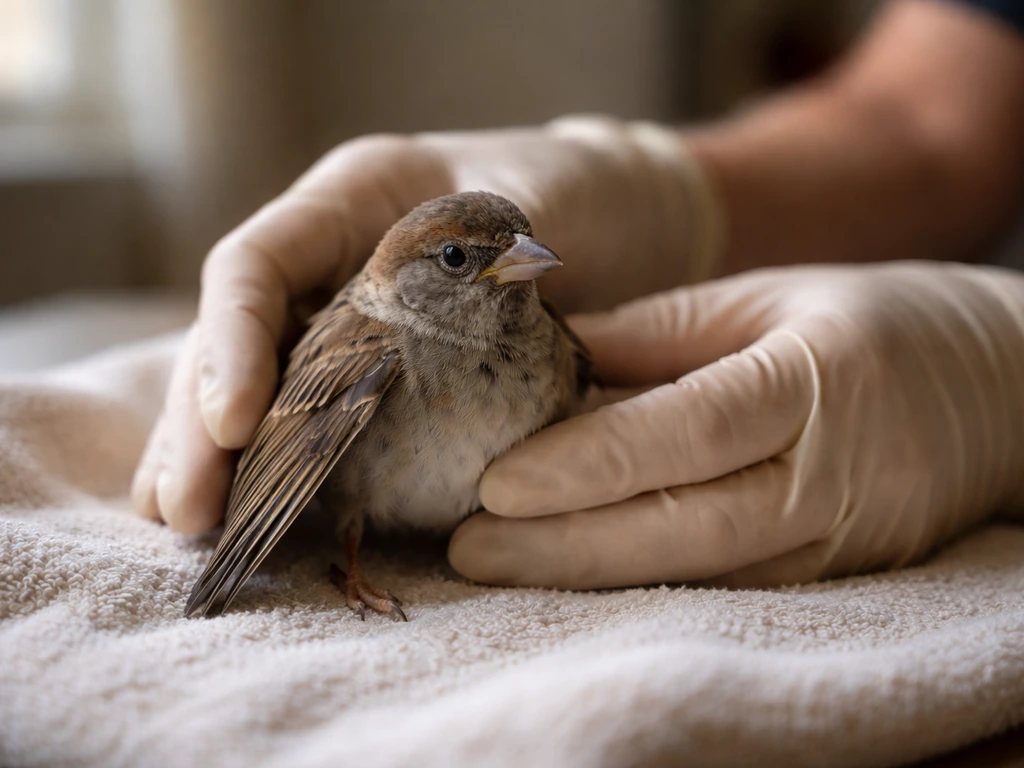
Can a Bird Live With One Wing? Survival and First Aid
Can a bird live with one wing? Injury outcomes and step-by-step first aid, plus when to get urgent help.