When people say 'wounded bird syndrome,' they almost always mean one thing: a bird that's clearly hurt, grounded, or in distress and needs someone to step in. It's not a formal medical diagnosis. It's everyday shorthand for the moment you spot a bird that can't fly, is sitting hunched on the ground, or just got clipped by a window or a cat. The phrase is sometimes used figuratively in pop psychology to describe people who are drawn to 'rescuing' others, but on a practical bird-care level, it simply means you've found an injured or distressed bird and need to figure out what to do next. That's exactly what this guide covers.
Wounded Bird Syndrome Meaning: What to Do for an Injured Bird
Marcus Chen
11 May 2026
What people actually mean by 'wounded bird syndrome'
The term floats between two very different worlds. In pop psychology, 'wounded bird syndrome' describes a personality pattern where someone is drawn to helping damaged or vulnerable people, sometimes to their own detriment. That's not what we're here for. In bird-rescue conversations, the phrase is used more literally: someone encountered a bird that's visibly hurt, acting strangely, or just sitting in a place it shouldn't be, and they're trying to describe that situation in plain language. Think of it as a catch-all for 'I found an injured bird and I don't know what I'm looking at.' If you're on this site, you're in the literal camp, and the rest of this guide is written for you.
Is the bird actually hurt, or just on the ground?
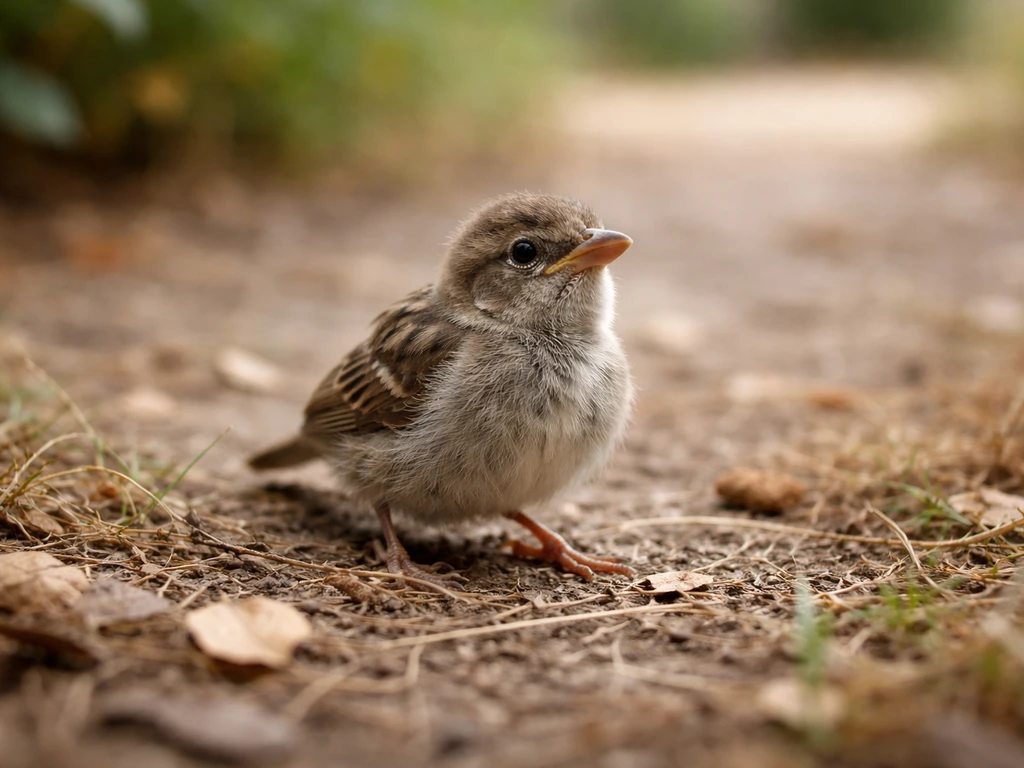
Not every bird on the ground is in trouble. Before you scoop it up, spend thirty seconds watching it from a few feet away. Fledglings, for instance, spend days hopping around on the ground after leaving the nest. They look helpless but they're fine, and their parents are usually nearby. A bird that hops away from you, looks alert, and has a full coat of feathers probably doesn't need your help. The U.S. Fish and Wildlife Service offers a useful rule of thumb: a baby bird generally doesn't need intervention unless it is featherless or has its eyes closed.
An adult bird that's truly injured will usually show clear signs. It won't try to get away from you, or it'll try and fail. It might sit in an abnormal posture, lean heavily to one side, or keep one wing lower than the other. Look for a drooping wing, a leg being held up, labored or open-mouth breathing, visible blood, or a bird that's just frozen and not responding normally to your presence.
If a bird's wing was clipped, the injury may still heal over time, but whether it can fly again depends on the exact damage clipped wings. If the tail is cocked noticeably to one side, that can sometimes suggest a spinal issue. Any of these signs mean the bird needs help.
Before you touch anything: keep it safe for you and the bird
First priority: get pets out of the area immediately. Dogs and cats don't have to bite or scratch to cause serious harm. Cat saliva contains bacteria that can cause fatal systemic infections in birds, even when there's no visible wound. If a cat or dog has already been near the bird, that's a medical emergency on its own, regardless of how the bird looks. Get it to a wildlife rehabilitator as fast as you can. International Bird Rescue’s mission centers on rescuing and rehabilitating aquatic birds in crisis, which explains why they are a relevant resource for readers seeking guidance on aquatic bird emergencies.
If you do need to handle the bird, wear gloves if you can find them. Even small songbirds can scratch, and some larger birds can bite hard enough to break skin. Use a light towel or cloth to scoop the bird gently, covering it mostly as you pick it up. Covering a bird's eyes and keeping it in the dark calms it down significantly. The less you handle it, the better. Stress alone can kill an already-injured bird, so restraint is a gift you give both of you.
What injuries look like: what to check for
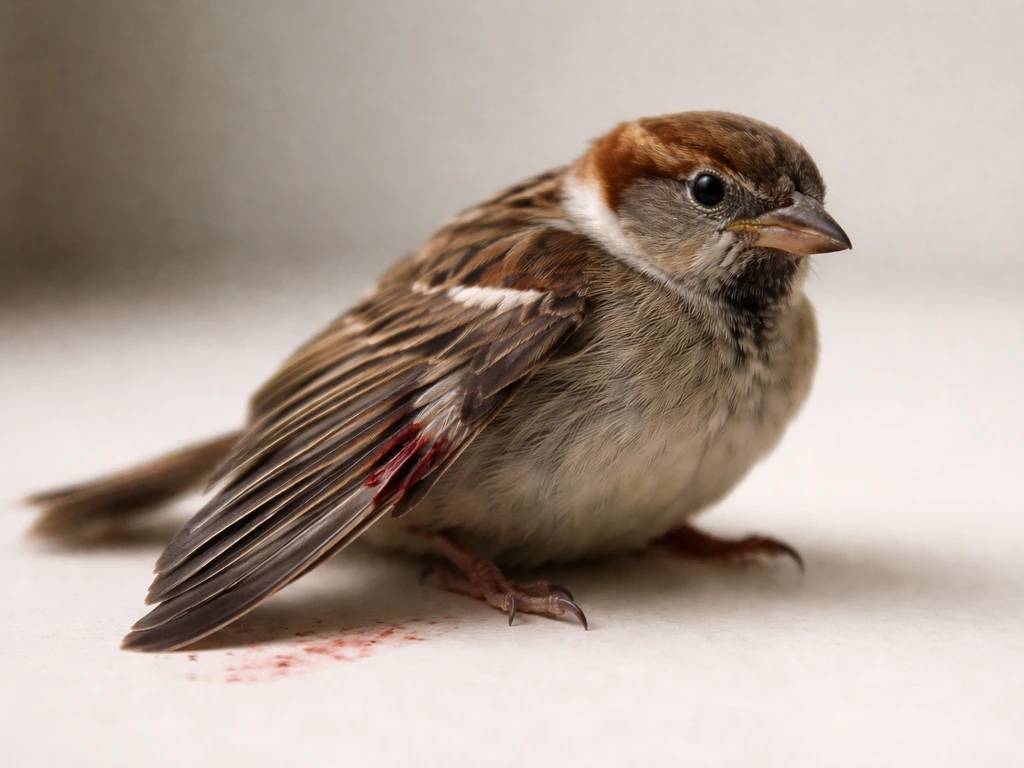
You don't need to do a full examination. In fact, you shouldn't. But a quick visual scan can help you give useful information to a rescuer or vet when you call. Here's what to look for without touching more than necessary: An air crash investigation can also help wildlife experts understand what happened and how to respond when birds are injured.
- Wing droop: one wing hangs lower than the other or is held out awkwardly from the body, which often points to a fracture or dislocation
- Leg injury: the bird can't stand, holds one leg up, or the leg appears twisted or at an unnatural angle
- Beak damage: a cracked, misaligned, or bleeding beak, which is painful and can prevent the bird from eating
- Breathing problems: open-mouth breathing (when the bird isn't overheated), rhythmic tail bobbing with each breath, raspy or wheezing sounds, or labored heaving of the chest
- Bleeding: active bleeding from any wound, which needs professional attention fast
- Abnormal posture: hunched, leaning, tilted head, inability to hold itself upright, or a tail cocked sharply to one side
Any signs of respiratory distress, like open-mouth breathing or visible tail bobbing with each breath, are serious and need prompt professional attention. Do not wait and see if those improve on their own.
Safe first aid for beginners: the warm, dark, quiet rule
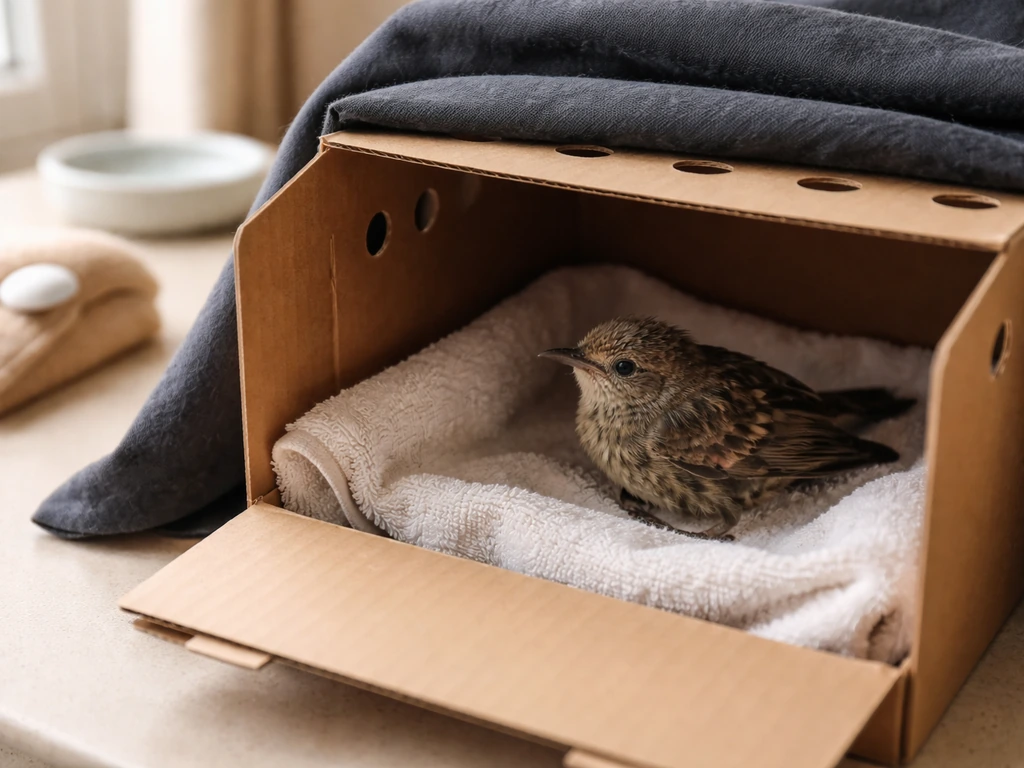
The single best thing you can do for an injured bird before you can get it professional help is: warm, dark, and quiet. That's it. Put the bird in a cardboard box or shoebox lined with a cloth, paper towels, or a light towel. Make sure there are a few air holes. Put the lid on. Place the box somewhere away from noise, bright light, pets, and children. If the bird seems cold or is in shock, you can place a warm (not hot) water bottle wrapped in a towel next to, not under, the bird. Avoid heating pads set directly against the bird, and keep any heat source indirect to prevent burns or dehydration.
The one thing most people get wrong: do not try to feed or give water to an injured bird. It's one of the most common well-meaning mistakes, and it can cause serious harm. A bird in shock or with internal injuries can aspirate water or food into its lungs. Even if the bird looks hungry, hold off.
This applies especially to young birds. The same guidance comes from Tufts, Audubon, the Golden Gate Bird Alliance, and virtually every wildlife rehabilitator out there: no food, no water, just warmth, darkness, and quiet until you can get professional guidance. Give the bird no food or water and transport it to a wildlife rehabilitator as soon as possible [no food, no water, just warmth, darkness, and quiet until you can get professional guidance. ](https://www.
audubon. org/cbop/get-involved/how-help-sick-or-injured-raptor). Linking to wounds can be confusing, but in general you should avoid applying anything to the wound unless a vet or wildlife rehabilitator tells you to what can i put on a bird wound.
When to call for help right away (and what not to do)
Some situations should not wait. Call a licensed wildlife rehabilitator or avian vet immediately if you see any of the following:
- Active bleeding that isn't stopping
- Open-mouth breathing, tail bobbing, or wheezing
- The bird has been in contact with a cat or dog, even briefly
- The bird cannot stand or hold itself upright at all
- Visible bone or severe wound
- The bird hit a window hard and is not recovering within about an hour
- Signs of head or neck injury: circling, rolling, extreme head tilt, seizure-like movements
- The bird is completely unresponsive to nearby movement
What not to do: don't try to splint a wing yourself, don't apply hydrogen peroxide or antiseptic without vet guidance, and don't keep a wild bird at home hoping it will recover on its own. Hydrogen peroxide can damage delicate tissue, so it should only be used if a vet or wildlife rehabilitator specifically tells you to.
Even if the bird can seem okay at first, serious injuries often require professional care, because an injured bird may not be able to heal itself. A licensed wildlife rehabilitator has the training, permits, and equipment to actually help. Stabilization in a trauma case can take 12 to 48 hours even in professional hands, so the earlier the bird gets there, the better.
To find help near you, search for 'wildlife rehabilitator' plus your city or state, or call your state's fish and wildlife agency. In the U. S. , many states also have wildlife alert lines.
Your local animal shelter can often refer you as well.
Three common scenarios: window strikes, pet attacks, and nest emergencies
Window collisions
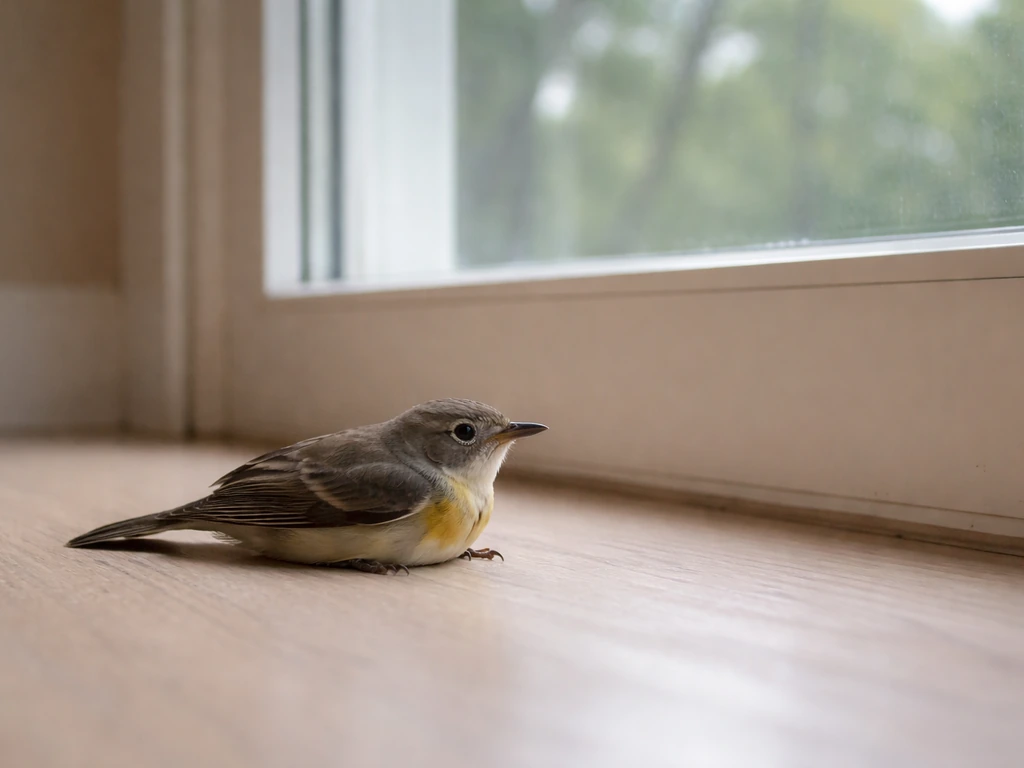
A bird hitting a window is one of the most common calls wildlife rescuers get. The bird may look stunned or even unconscious but not visibly injured. Don't assume it's fine. Window strikes can cause internal head trauma that isn't obvious from the outside.
Box the bird using the warm, dark, quiet method described above, and give it about an hour. If it recovers and seems fully alert, you can take it outside, open the box in a safe spot away from windows and predators, and let it fly away on its own. If the bird had clipped wings or other injuries, it may need rehabilitation before it can fly normally again can a bird with clipped wings ever fly again.
If it hasn't recovered or shows any of the serious signs listed above, call for help. Do not feed it or offer water at any point.
Cat or dog attacks
This one is genuinely urgent. A bird that has been grabbed by a cat, even briefly, is at serious risk from bacterial infection even when there's no visible wound. Cat saliva bacteria can spread rapidly into the bloodstream and be fatal within hours. Don't observe and wait. Box the bird carefully, keep pets completely away, and contact a wildlife rehabilitator immediately. Let the rehabilitator know it was a cat-contact case so they can start treatment for infection right away. The same principle applies to dog attacks, though cat bacteria are particularly dangerous to birds.
Baby birds and nest emergencies
If you find a featherless, pink, or eyes-closed baby bird on the ground, it genuinely needs help. If you can see or reach the nest it fell from and your hands are clean, you can gently place the baby back. The idea that a parent will reject a baby you've touched is a myth. If the nest is gone or unreachable, put the bird in a small container lined with tissue and keep it warm while you call a rehabilitator. A fledgling with feathers and open eyes hopping around near bushes is almost certainly fine and being watched by its parents. Observe from a distance for an hour before intervening.
Getting the bird to help: transport and what to tell rescuers
When you transport the bird, keep the box in a dark, quiet part of your car. Don't put it on a seat where it can slide around. No music, no AC blowing directly at it. Keep the ride as calm as possible. Birds are extremely sensitive to stress, and a rough or noisy transport after an injury can make things worse.
When you reach the rehabilitator or vet, be ready to share the following information. The more specific you are, the faster they can help:
- Where you found the bird (indoors, outdoors, near a window, in a yard with pets, etc.)
- What you saw happen, if anything (window strike, cat contact, fell from a tree, found on the road)
- How long the bird has been in your care
- What the bird looked like when you found it: posture, breathing, any visible injuries
- Whether you gave it food or water (so they can assess aspiration risk)
- The species if you know it, or a description if you don't
You've already done the most important part by not ignoring the bird and not making things worse. Whether a bird wound can heal on its own depends entirely on the type and severity of the injury, which is exactly why getting eyes on it from a professional matters. Once the bird is in trained hands, trust the process. Most wildlife rehabilitators are volunteers who genuinely care, and your quick, calm response gave the bird its best chance.
FAQ
What does “wounded bird syndrome meaning” actually refer to in bird rescue versus pop psychology?
In rescue, it means you found a bird that is visibly injured or behaving abnormally and needs immediate stabilization before professional care. In pop psychology, it is used to describe a people-helping personality pattern, which is not a medical way to classify an actual bird’s condition.
How can I tell if a grounded bird is a fledgling that is still being cared for?
If it looks well-feathered, is responsive, hops away when approached, and you see nearby adult activity (or it is near bushes and the parents are watching), it’s often a normal fledgling situation. Give it about an hour of distance viewing before intervening, and only step in sooner if it has blood, drooping posture, breathing trouble, or can’t move/stand.
Is it okay to pick up a bird just to move it out of danger?
Only if you must prevent an immediate threat, like traffic or an active cat zone. Use the same warm, dark, quiet box method, minimize handling, and do not try to examine it beyond a quick look. If the bird seems lethargic, not trying to escape, or has breathing issues, treat it as injured and call for help.
What if the bird seems “stunned” after a window hit but I don’t see blood?
Still treat it as potentially internally injured. Use the warm, dark, quiet containment and monitor for about an hour. If it does not look fully alert when you open the box, or if you notice any breathing effort, crooked tail, or inability to right itself, contact a rehabilitator instead of releasing it.
How long can I keep the bird warm and contained while I wait to call someone?
Keep it warm, dark, and quiet immediately, then contact a licensed wildlife rehabilitator or avian vet as soon as possible. If you are waiting for a callback, continue minimizing stress, and prioritize transport. Do not add food or water while waiting.
Should I give the bird a towel or blanket to “cover it,” and can that overheat it?
Covering with a cloth helps calm it, but avoid putting heat directly against the bird. If you use a warm water bottle, place it next to the container, wrapped in a towel, so the bird can move away from the warmth if needed.
What’s the safest way to transport an injured bird in a car?
Place the box in a stable, dark location where it cannot slide, keep the car quiet, avoid direct airflow from vents, and do not drive with frequent stops and loud activities. A smooth, calm ride helps prevent added stress after trauma.
If I accidentally touched the bird’s wound area, should I clean it with something?
Avoid applying antiseptics, peroxide, or ointments unless a vet or rehabilitator tells you exactly what to use. Instead, focus on containment (warm, dark, quiet), and when you call, mention what you applied or touched so they can advise on next steps.
Is it ever okay to try feeding an adult bird that looks hungry?
No. Do not give food or water, even if it appears awake and seeking. Injured birds can aspirate and worsen quickly, and shock or internal trauma can make feeding unsafe.
What should I say when I call a rehabilitator to speed up triage?
Provide the location, how you found the bird (window hit, cat/dog contact, dropped from a height), species if known, what signs you observed (drooping wing, open-mouth breathing, blood, tail bobbing), and how long it has been in your possession. The more specific the scenario, the faster they can determine urgency and treatment needs.
Do I need to worry about infection even if the bird has no visible wound from a cat or dog?
Yes, especially with cat contact. Bacteria can cause serious systemic infection even when there is no outward injury. Treat cat contact as an urgent medical risk, keep pets away, box the bird carefully, and call immediately.
What if I can return a baby bird to the nest, is there anything I should do before touching it?
If the nest is reachable and hands are clean, you can gently place the baby back. Keep the interaction brief, avoid forcing it, and then step away. If the nest is gone or unreachable, contain it warmly and contact a rehabilitator.
Should I attempt to splint a wing or set a fracture myself?
No. Improvised splints can cause further damage or misalignment and increase stress. Contain the bird and seek professional stabilization, especially when a bird cannot control posture or shows signs consistent with trauma.
Next Articles
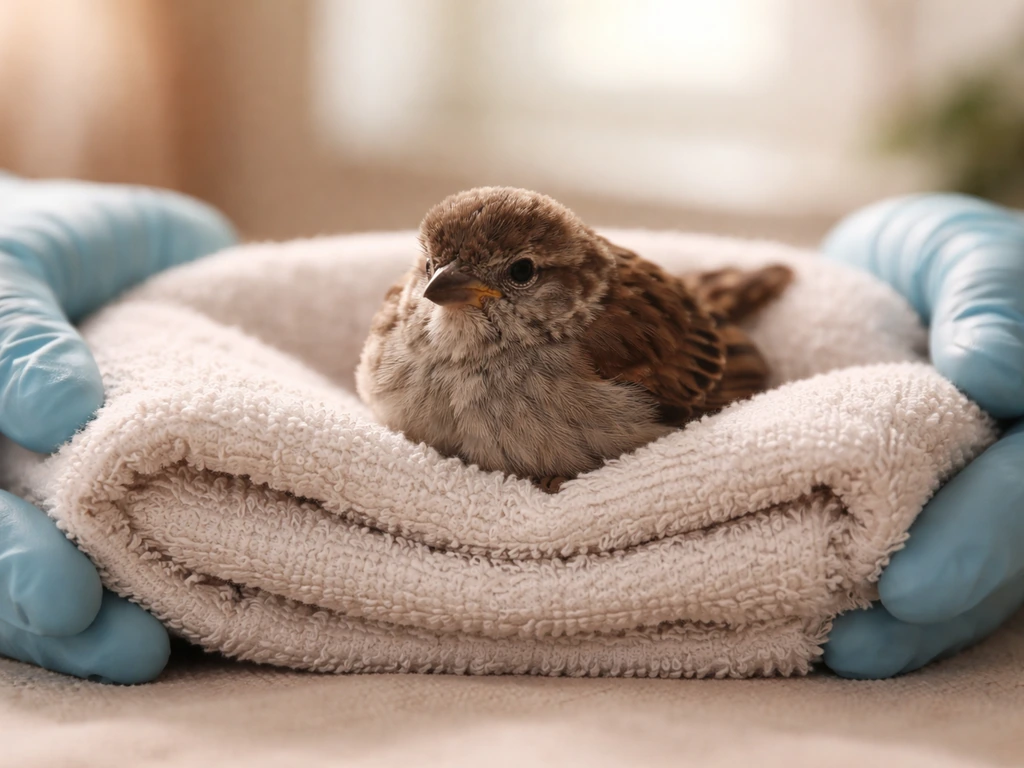
What Does a Bird Receive When It Gets Hurt? First Steps
Learn what an injured bird immediately needs and what to do next: safety, basic first aid, and when to call rescue or a
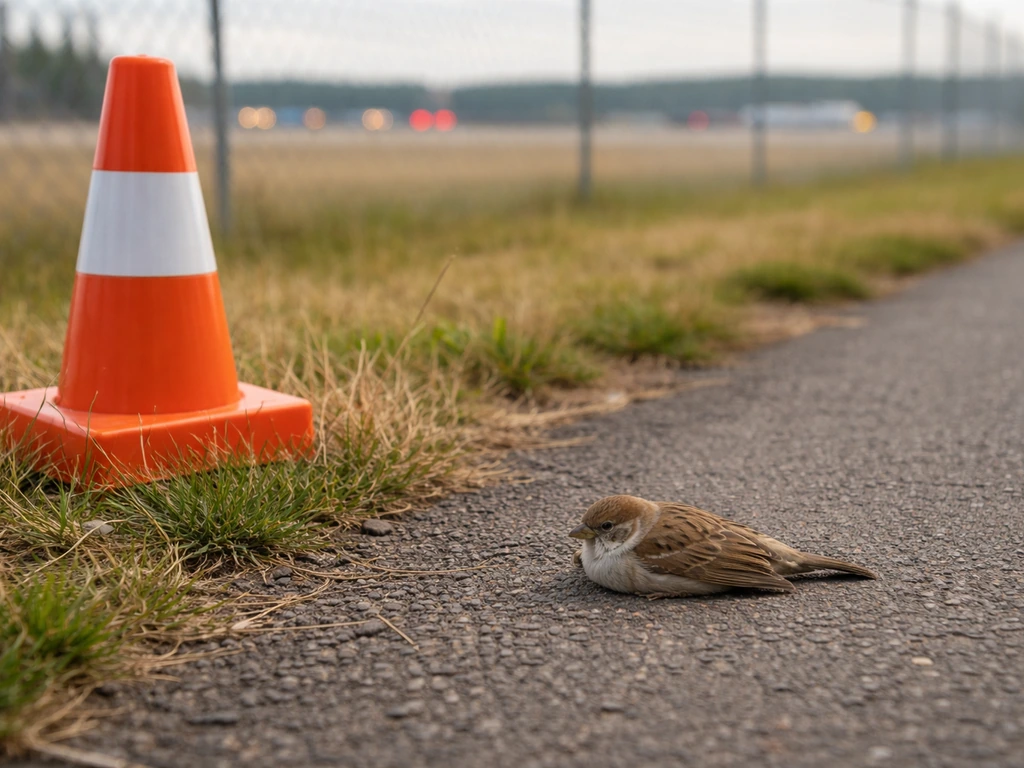
Air Crash Investigation Wounded Bird: First Aid Steps
Immediate first aid for a severely injured wild bird near an airfield or road, with safe triage and rescue contact steps
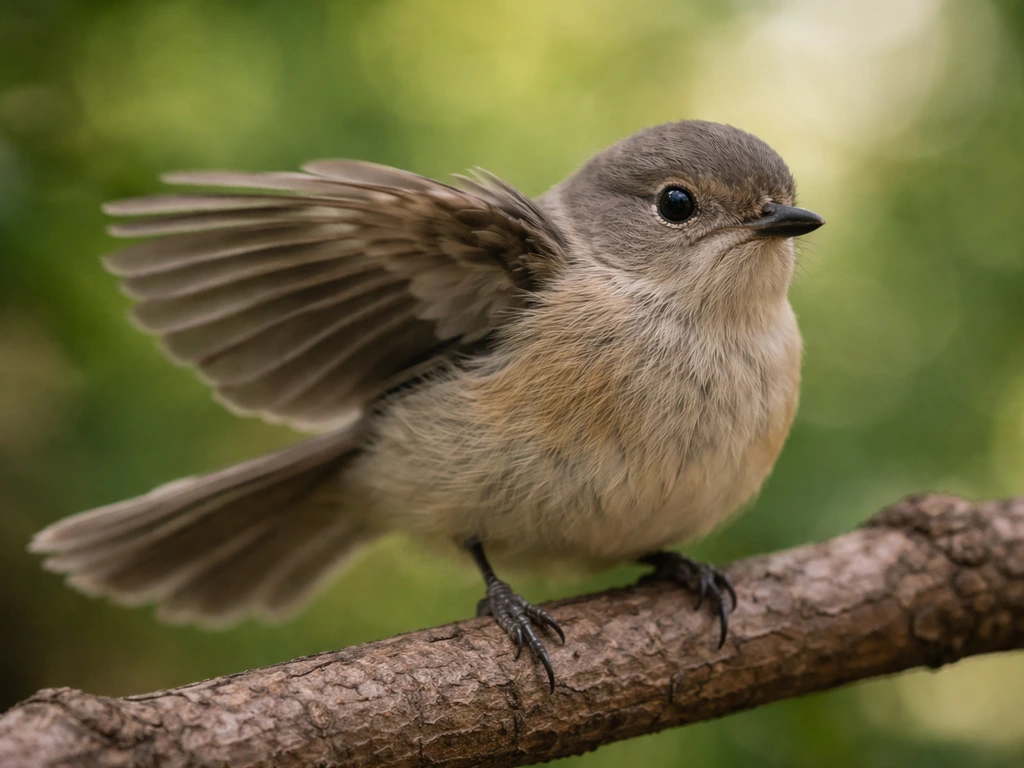
Do Clipped Bird Wings Grow Back? What to Do Now
Do clipped bird wings grow back? Learn regrowth timelines, how to spot true wing injury, and safe next steps.