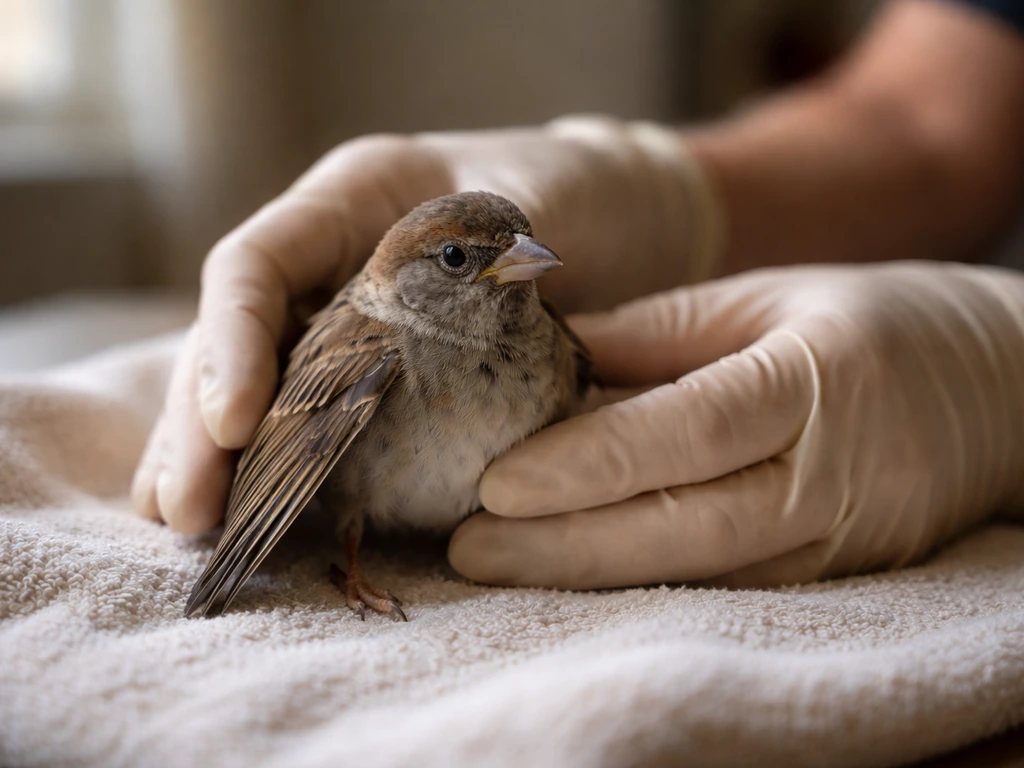
Yes, a bird with clipped wings can often fly again, but whether that actually happens depends on a few critical factors: whether only the feathers were trimmed (versus bones, joints, or soft tissue being damaged), how severely the clipping was done, the bird's species, its current health, and whether any additional injury occurred alongside the clip. If the underlying wing structure is intact and the bird is healthy enough to molt, there is a real, documented path back to flight. But if the clipping was extreme, or if there's a fracture or soft-tissue injury hiding underneath, the picture gets more complicated.
Can a Bird With Clipped Wings Ever Fly Again? What to Do
Marcus Chen
12 Apr 2026
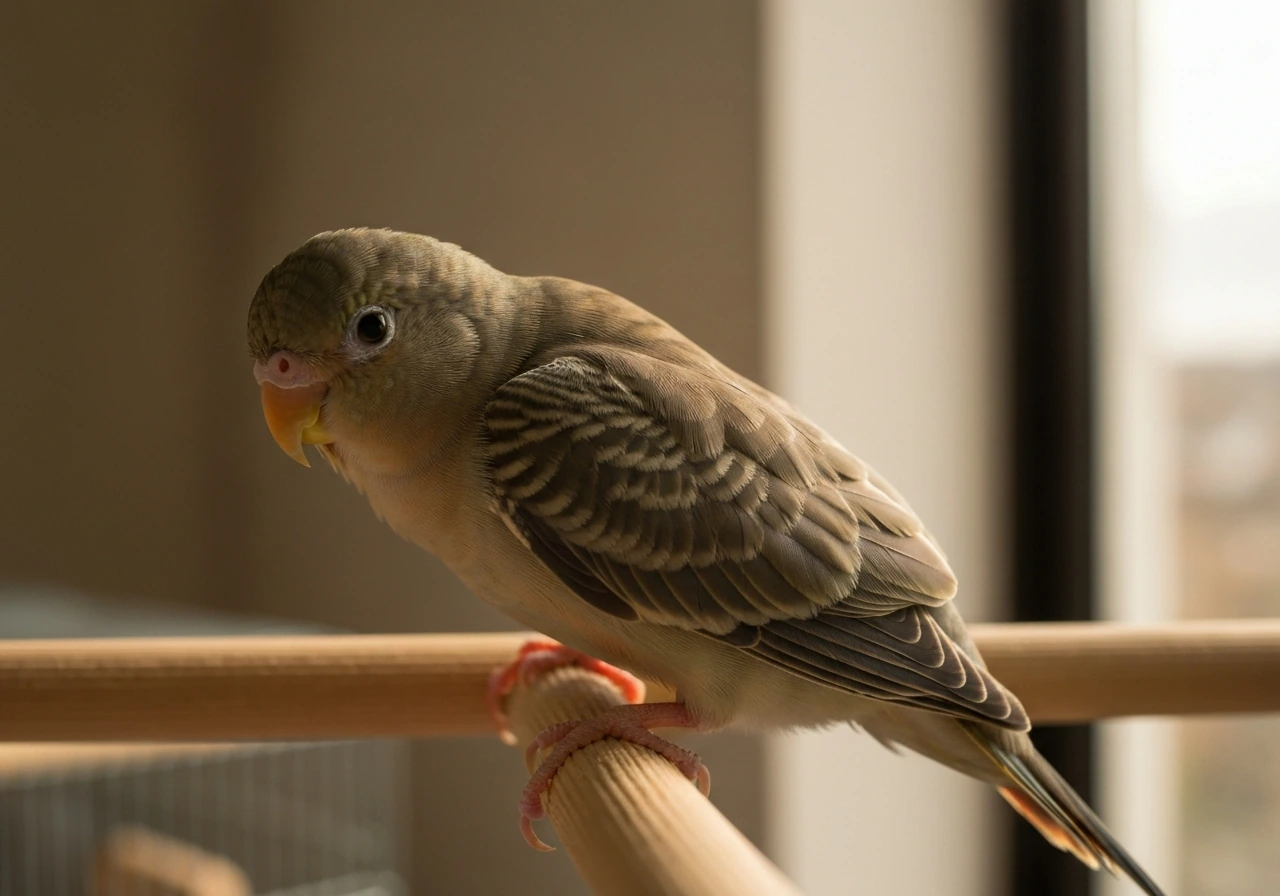
What 'clipped wings' really means and whether flight is possible
Wing clipping, at its core, means trimming the primary flight feathers, the long outer feathers that generate lift. When done correctly on a pet bird, it reduces lift just enough to prevent sustained flight while leaving the bird able to glide and brake safely. When done too aggressively, it removes so much feather that the bird essentially plummets rather than glides, which can cause real physical injuries on impact. In wildlife rescue situations, feathers sometimes get clipped or lost through traps, net entanglement, or predator contact, and those cases are handled differently from an intentional pet-bird trim.
The hopeful news is that feathers are not permanent structures. They regrow during molt, meaning a bird that has only lost or trimmed flight feathers, with no damage to the follicles (the root structures in the skin), has a genuine chance of recovering flight. There are documented cases, including a cardinal rescued from a glue trap at the CROW wildlife center, where feathers grew back enough after weeks of care for the bird to return to flight.
The key word is "enough": feathers regrow at roughly 3 to 4 mm per day during molt, and a grey parrot, for example, can take around 40 days just to regrow a single primary feather. So patience is genuinely part of the equation. If you want a deeper look at this process, do clipped bird wings grow back walks through the biology in more detail.
The complicating factor is when clipping caused or coincided with structural damage. Bones, joints, and soft tissue don't regrow the way feathers do. A bird with a fractured humerus or damaged flight muscles faces a much longer, harder road, and some never return to sustained flight. There's also an advanced veterinary technique called imping, where damaged or missing flight feathers are replaced with complete feathers through a surgical repair, which can restore flight capability much faster than waiting for molt. The imping procedure for birds is performed with the bird under general anesthesia to reduce stress and prevent movement from destroying the freshly repaired feather. But that's a professional procedure, not something you attempt at home.
Quick checks to tell clipping apart from injury or collision
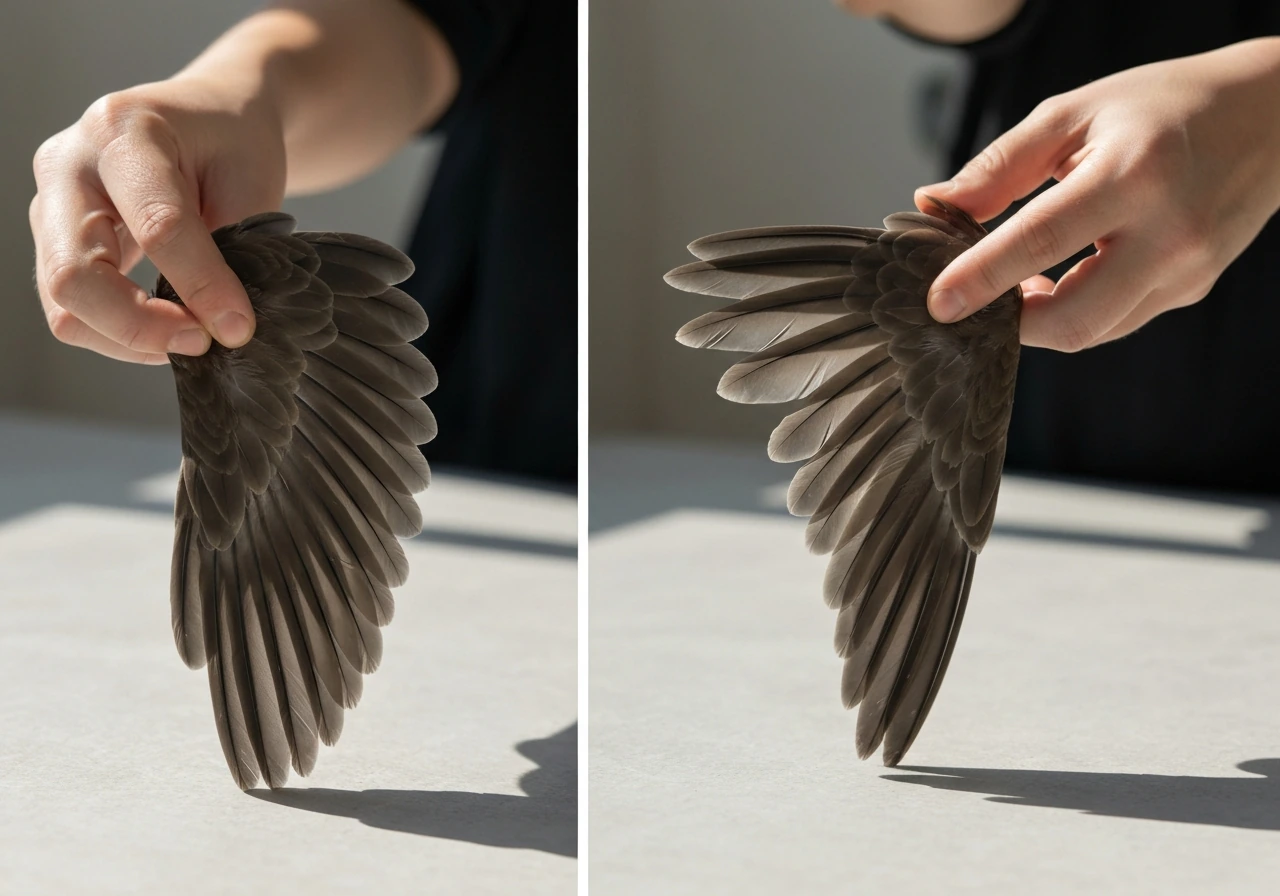
Before you do anything else, you need a quick visual assessment to figure out what you're actually dealing with. This isn't about diagnosing the bird yourself; it's about gathering information so you can make the right call about next steps. In a similar way, air crash investigation procedures can help determine what likely happened to a bird after a collision. Keep your distance as much as possible during this check, since handling a stressed bird can make things worse.
- Look at the wings side by side. If one wing droops lower than the other or hangs at an abnormal angle, that's a sign of a fracture or soft-tissue injury, not just a trim.
- Check the feather shafts. Cleanly cut feathers with straight, even ends suggest intentional clipping. Broken, bent, frayed, or missing feathers with uneven or jagged edges suggest trauma (predator attack, window collision, trap entanglement).
- Watch how the bird holds its body. A bird sitting hunched with a drooping head, puffed feathers, or labored breathing is showing signs of serious illness or injury, not just grounded-from-clipping.
- Note whether the bird can perch. Inability to grip a perch is a serious warning sign that goes beyond feather status and points toward neurological involvement, fractures, or severe shock.
- Look for visible swelling, bleeding, or asymmetry around the wing joints (shoulder, elbow, wrist). Any of these escalate the situation beyond a simple feather issue.
- Listen for abnormal breathing: clicking, open-beak breathing, or wheezing are urgent red flags that need a vet immediately, regardless of wing status.
If the bird flew into a window recently or was caught by a cat or dog, assume trauma until proven otherwise. Window strikes and predator contact can cause internal injuries and concussions that aren't visible from the outside. The absence of external bleeding does not mean the bird is fine.
What to do right now for safety and stress reduction
This is the most important practical section if you are reading this in a hurry. The single biggest mistake people make is doing too much: picking the bird up repeatedly, offering food or water, trying to "test" whether it can fly. All of those actions add stress, and stress can kill an already compromised bird faster than the original injury.
- Get a cardboard box or a secure container with ventilation holes. Line the bottom with a non-slip surface like a folded paper towel or a small piece of cloth so the bird can grip.
- Place the bird inside gently, using a light towel to cover your hands and reduce direct skin contact. Minimal handling is the goal.
- Put the lid on. A dark, enclosed space dramatically reduces panic and calms the bird's nervous system.
- Keep the box in a warm (not hot), quiet area away from pets, children, and loud noise. Room temperature around 75 to 80 degrees Fahrenheit is appropriate for most birds.
- Do not offer food or water unless a licensed rehabilitator or avian vet specifically instructs you to. Aspiration (water going into the lungs) is a real risk with a stressed or injured bird, and an incorrect diet can cause more harm than going without for a few hours.
- Do not attempt to splint the wing, apply any ointments, or give any medication without professional guidance.
You might be wondering whether any topical treatment is appropriate while you wait. Understanding what you can put on a bird wound is genuinely useful context, but the short answer for most situations is: nothing, until you've spoken with a vet or rehabilitator. Even well-intentioned products can interfere with feathers and skin.
Rehab expectations: how recovery may (or may not) happen and timelines
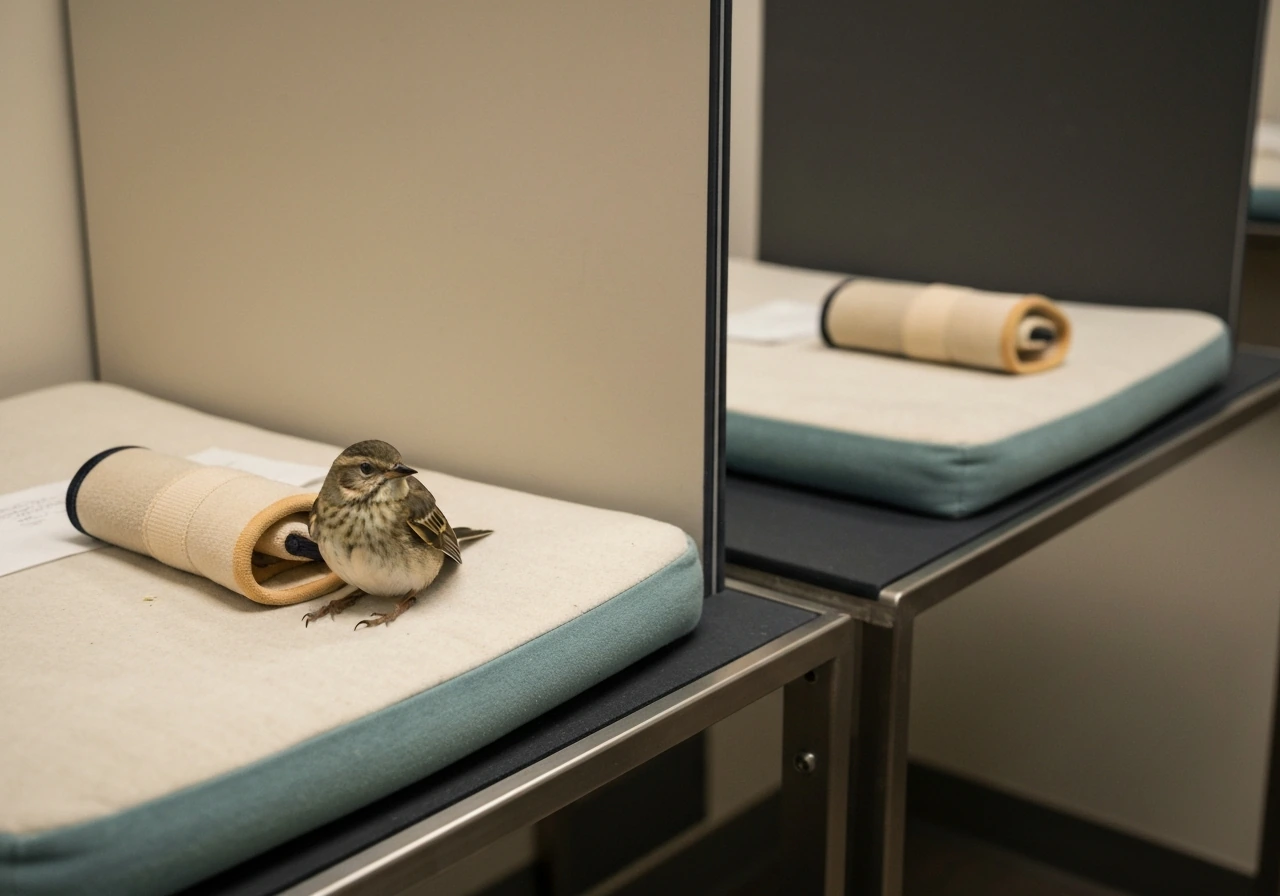
If the wings were trimmed cleanly and no structural damage exists, the bird's path back to flight runs through molt. Feathers regrow at molt, but the timing is not a fixed schedule. It depends on species, the time of year (day length triggers molting in many birds), nutrition, and individual health status. "Months" is a realistic general answer for inappropriate or excessive trims, and some feathers clipped too short may regrow deformed or bent, which affects aerodynamics even after regrowth. Chronic stress or malnutrition will slow or impair feather growth further, which is why proper housing and diet during recovery matter so much.
For birds with skeletal injuries alongside the clipping, recovery is slower and the outcome less predictable. Fractured bones need immobilization, time, and often surgical intervention before feather regrowth even becomes relevant. Some birds recover partial function but not full sustained flight, meaning they can use their wings for balance, short glides, or short hops rather than true aerial flight. That partial recovery can still represent a meaningful quality of life, especially for pet birds in a safe indoor environment.
There is also the imping option for birds under professional care. When a bird's primary feathers are the main limitation and a set of donor feathers is available, a skilled avian vet or rehabilitator can graft complete feathers onto the damaged shafts, restoring flight much faster than waiting for molt.
On Reddit’s r/parrots, people discuss “feather implants” (imping) and note concerns that newly replaced flight feathers can break while they are still growing, which may affect balance and lead to crash risks feather implants (imping). The results can be dramatic, essentially returning a bird to flight capability in a single procedure.
But this is a professional technique and requires the right materials, skills, and a bird stable enough to tolerate the procedure.
It's worth noting that some wounds and injuries do stabilize on their own to a degree, but that's different from full recovery. To understand the difference between self-healing and situations that actually need intervention, can an injured bird heal itself covers that distinction in a way that's helpful for setting realistic expectations.
When to seek an avian vet or wildlife rescue immediately
Some situations do not benefit from a wait-and-see approach. Contact a licensed wildlife rehabilitator or avian veterinarian right now if you observe any of the following:
- Drooping wing at an abnormal angle, especially if asymmetrical (one wing hangs differently from the other)
- Visible swelling, deformity, or bone fragment near the wing joint or along the wing
- Open-beak breathing, clicking or rattling sounds, or labored respiratory effort
- Active bleeding that isn't stopping
- Inability to stand or perch at all
- Unconsciousness, extreme limpness, or obvious neurological signs like head tilting or spinning
- The bird was caught by a cat or dog (puncture wounds carry serious infection risk even when invisible)
- The bird hit a window and is not recovering after 20 to 30 minutes in a dark, quiet box
When you call, be ready to describe: the species if you know it, where the bird was found, what happened (clipping, collision, predator contact, unknown), the physical signs you're observing, and how long the bird has been like this. That information helps the professional triage over the phone and give you appropriate guidance for the next hour.
For wild birds specifically, keep in mind that most countries and U.S. states require a permit to possess and care for wild birds. Handling should be limited to getting the bird safely contained and transported to a licensed facility as quickly as possible. You are not expected to provide treatment yourself, and attempting to do so without training can cause more harm. To understand more about the scope of care that professionals provide in these situations, what a bird receives when it gets hurt gives a helpful overview of what rehabilitation actually looks like.
One thing that sometimes trips people up is assuming a bird that looks okay externally is doing fine. Some serious internal injuries, including broken coracoid bones (common in window strikes) and internal bleeding, present with relatively subtle external signs early on. Coracoid fractures and luxations can happen with frontal collisions, and clinicians should check for associated injuries such as internal organ damage blank" rel="noopener noreferrer">broken coracoid bones (common in window strikes). Don't let a bird's ability to hold its head up or sit upright reassure you out of getting professional eyes on it. The question of whether a bird wound can heal on its own is relevant here: minor surface issues sometimes do, but structural problems rarely resolve without help.
If it can't fly: quality-of-life support and safe housing
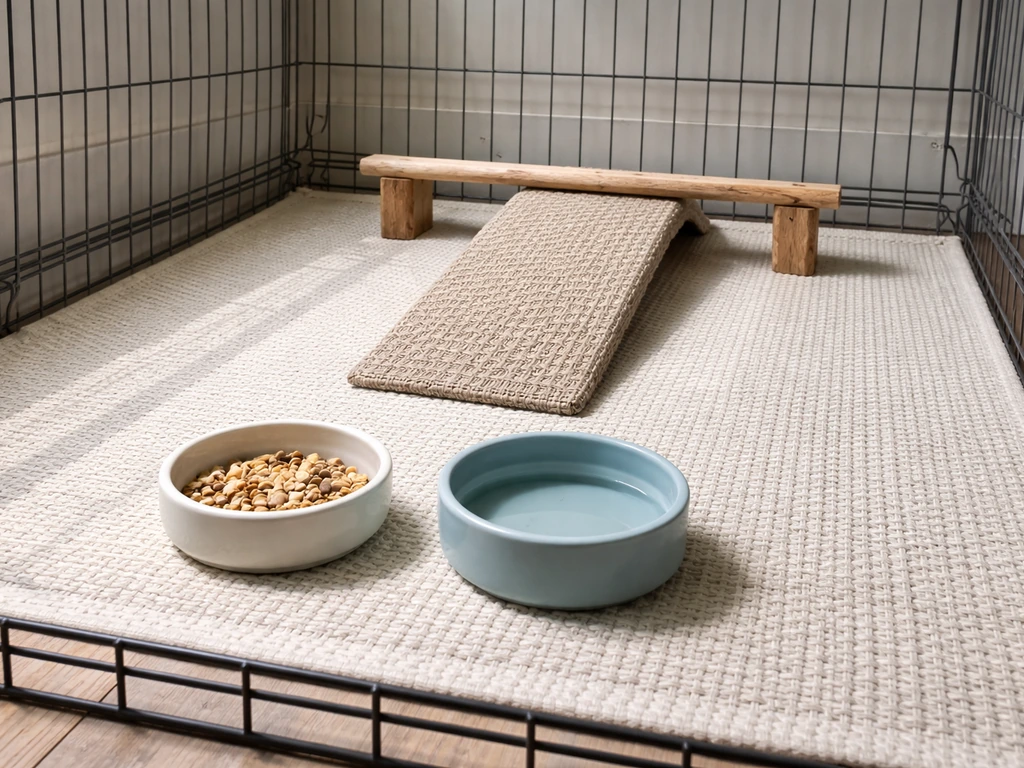
Not every bird that comes through a clipping situation will return to full flight, and that reality deserves an honest conversation rather than false reassurance. For a wild bird that cannot be released because of a nonreleasable injury, wildlife rehabilitators and facilities work through specific welfare evaluations to determine whether a good quality of life is possible in a captive educational setting, or whether humane euthanasia is the kindest outcome. These are not easy decisions, but they're made with the bird's welfare at the center.
For pet birds that were intentionally clipped and are now grounded, the focus shifts to safe housing. A bird that can't fly is far more vulnerable to household hazards: floor-level dangers, other pets, and falls from surfaces it climbs to. Enclosures should have horizontal bars for climbing rather than just vertical perches, and the height of accessible surfaces should be limited to prevent injury from falls. Enrichment, social interaction, and mental stimulation become even more important when a bird's physical range of motion is reduced.
Even a bird that has been grounded by clipping may regain some flight capability as feathers regrow, sometimes faster than expected. A couple of new primary feathers growing in can provide enough lift to become a flight risk again in an indoor environment, so monitor regularly and reassess safety precautions as feathers come in. The prevention piece here is creating a consistently safe environment rather than relying on repeated clipping as a control method, since aggressive repeated clipping carries its own risks of follicle damage that can permanently impair regrowth.
If you're supporting a grounded bird and noticing unusual behavior alongside the wing issue, it's worth understanding the concept of wounded bird syndrome and what it actually describes behaviorally, since some presentations of distress in birds can be mistaken for pure physical injury when there's a behavioral or psychological component as well.
Clipping vs. true injury: a side-by-side comparison
| Feature | Simple feather clip (no structural damage) | Injury or trauma alongside clipping |
|---|---|---|
| Feather appearance | Clean, even cuts on primary feathers | Broken, frayed, missing, or bloody feather shafts |
| Wing position | Both wings held symmetrically | One wing drooping or held at abnormal angle |
| Ability to perch | Usually intact | Often impaired or absent |
| Breathing | Normal | Labored, clicking, or open-beak breathing possible |
| Swelling or deformity | None | Possible at wing joints or along bone |
| Flight prognosis | Good to excellent with molt/regrowth | Guarded; depends on fracture/soft tissue severity |
| Recommended action | Secure housing, monitor, contact vet if uncertain | Contact avian vet or wildlife rescue immediately |
A note on what not to do (this matters as much as what to do)
Do not try to "test fly" the bird to see if it can fly. This is one of the most common and damaging mistakes. A bird that plummets from height because it's clipped can fracture its keel bone, injure its beak, or sustain head trauma on impact. What started as a feather-only issue becomes a fracture. Keep the bird contained, keep it low to the ground, and let professionals assess when flight testing is appropriate.
Do not apply hydrogen peroxide to any wounds you notice around the wing. It's a reflex for many people reaching for a first-aid kit, but it damages bird tissue. If you're unsure what's safe to use topically, whether hydrogen peroxide is safe for bird wounds addresses this directly, and the answer will probably surprise you.
And finally, avoid the temptation to keep a wild bird longer than necessary to "nurse it back to health" yourself. The stress of human proximity, incorrect diet, and an inappropriate environment can work against recovery even when your intentions are entirely good. Getting the bird to a licensed professional quickly is almost always the kindest and most effective option, and it's what the bird actually needs most.
FAQ
How can I tell if clipped wings are feather-only versus something more serious at home?
Look for subtle injury cues, not just obvious bleeding. Watch for uneven wing shape, drooping, pain when the bird shifts weight, changes in breathing effort, or reluctance to perch. If one wing sits lower than the other, or the bird can’t push up on a perch, assume possible joint or muscle damage until a vet or rehabilitator confirms otherwise.
If the feathers grow back, will the bird’s ability to fly fully return?
Not always. Even when flight feathers regrow, they can regrow at a slightly wrong length or shape, or the underlying follicles may have been damaged, reducing lift or altering aerodynamics. After several new primaries appear, reassess daily safety first, since “partial” lift can still make the bird a fall and collision risk indoors.
Can I wait it out at home for a few weeks instead of contacting a professional?
Wait only for clearly verified feather trimming in a healthy pet bird that is otherwise alert, breathing normally, and not showing wing pain or fractures. If there was any collision, cat or dog contact, glue or trap exposure, or unknown cause, contact an avian vet or licensed wildlife rehabilitator right away rather than waiting for regrowth.
How long should I expect before any improvement happens?
Feather regrowth can start within weeks during molt, but timing varies by species, nutrition, and time of year. Improvement might appear as new quills at the skin surface before true flight returns, and full sustained flight can take longer than “some lift” even in favorable cases.
Is it safe to re-clip the wings to prevent a bird from injuring itself while it regrows?
Generally no. Re-clipping increases the risk of permanent follicle damage and can create a cycle where feathers never catch up. Instead, use a safer setup (low surfaces, monitored climbs, secure perch height limits) until feathers lengthen naturally.
What should I do immediately if a pet bird plummets after clipping and seems “okay” afterward?
Treat it as trauma until proven otherwise. Keep the bird warm and contained at ground level, minimize handling, and arrange a vet check if you notice changes in balance, lethargy, open-mouth breathing, repeated head tilts, or refusal to perch. Birds can have internal injuries even without obvious external wounds.
Can a wild bird regain flight after losing flight feathers from a trap, net, or predator contact?
Sometimes, but outcomes depend heavily on whether the follicles and wing structure were damaged, and whether the bird has other injuries or dehydration. Also, wildlife handling rules differ by location, and many jurisdictions require permits, so the practical next step is contacting a licensed facility quickly.
What topical products are safest to use if I see a wing wound while waiting for help?
Avoid most home first-aid products until a professional advises. Some substances commonly used on mammal wounds can be harmful to birds, including hydrogen peroxide. If you must do something, focus on gentle containment and keeping the area clean and dry without scrubbing, then follow vet or rehabilitator guidance.
Should I offer food or water right away while waiting for a call back from a vet or rehabilitator?
Usually yes, but avoid repeated handling to “check” flight or administer water by force. Place food and water within easy reach in a secure container and let the bird settle. If you suspect concussion or severe injury, ask the professional for specific guidance before attempting anything more.
When do I need to stop thinking about flight recovery and shift to quality-of-life decisions?
If there’s persistent inability to perch, ongoing pain, recurring breathing difficulty, or structural injuries that cannot heal adequately for safe movement, flight recovery may not be realistic. In wildlife settings, professionals also consider whether release is possible, and for nonreleasable injuries they may recommend humane options focused on welfare.
Next Article
Can a Bird Live With One Wing? Survival and First Aid
Can a bird live with one wing? Injury outcomes and step-by-step first aid, plus when to get urgent help.