
The safest thing to put on a bird wound right now is sterile saline solution, used to gently flush or rinse the wound. That's it. No hydrogen peroxide, no rubbing alcohol, no Neosporin, no essential oils. After rinsing, cover the wound loosely with a non-stick sterile gauze pad and focus on keeping the bird warm, dark, and calm while you get it to a wildlife rehabilitator or avian vet as quickly as possible. blank" rel="noopener noreferrer">Your main job is stabilization, not treatment.
What Can I Put on a Bird Wound Safely First Aid
Marcus Chen
15 May 2026
Quick triage: bleeding, breathing, and can it stand?
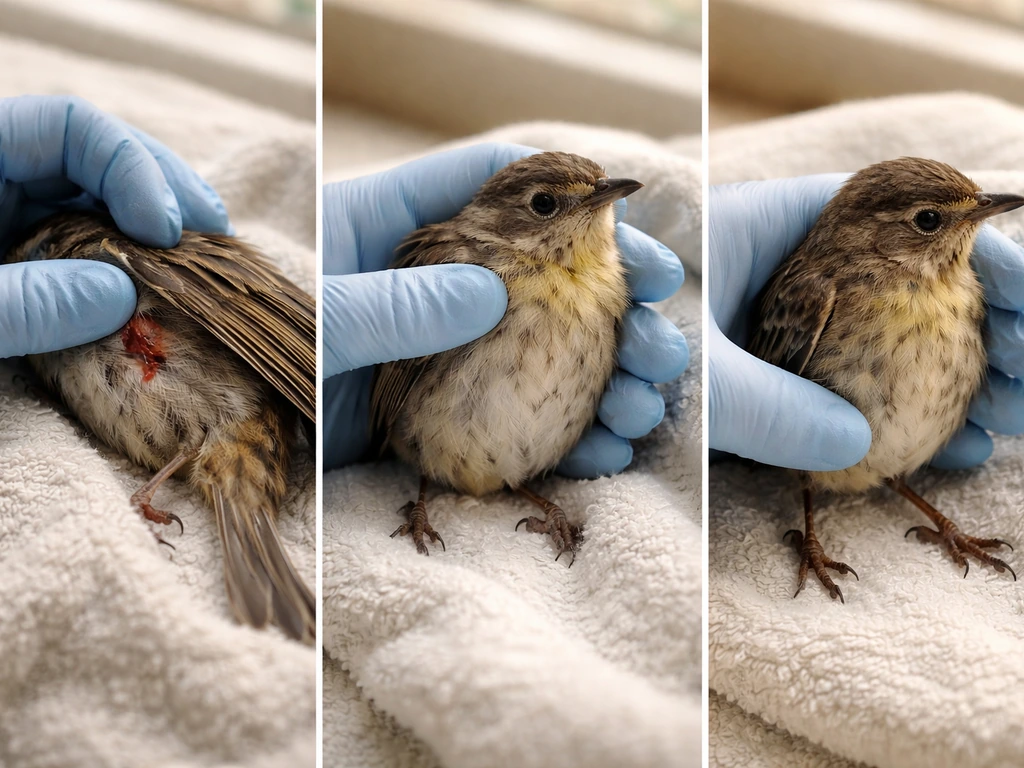
Before you touch the bird or think about wound care, take 15 seconds to assess these three things. They tell you how urgent the situation is and what to prioritize.
- Bleeding: Is there active blood flow? A small amount of dried blood is less urgent than fresh, bright red bleeding that hasn't stopped on its own.
- Breathing: Is the bird breathing with its mouth open, moving its tail up and down rhythmically, or showing exaggerated chest movement? Those are signs of respiratory distress and mean you need professional help fast.
- Posture: Can it stand at all, or is it lying on its side? A bird that can't hold itself upright is in shock or has a significant injury.
Active bleeding is the most immediately dangerous situation. It contributes directly to shock, which can kill a bird quickly. If bleeding hasn't stopped on its own within about 5 minutes, you need to act. Apply gentle, firm pressure directly over the wound using a sterile gauze pad (or the cleanest cloth you have). This usually stops bleeding within a couple of minutes. Keep pressure steady and don't keep lifting the pad to check. Wild birds are also very good at hiding pain, so don't assume a calm, still bird isn't seriously hurt. Stillness in a wild bird often means it's in shock, not that it's okay.
Immediate first aid while you wait for help
The single most important thing you can do for an injured wild bird is contain it, warm it, and keep it quiet. Stress alone can kill a bird that's already compromised. Every time it flaps, panics, or tries to escape, it burns energy and worsens any internal bleeding or shock. Here's how to handle this part well.
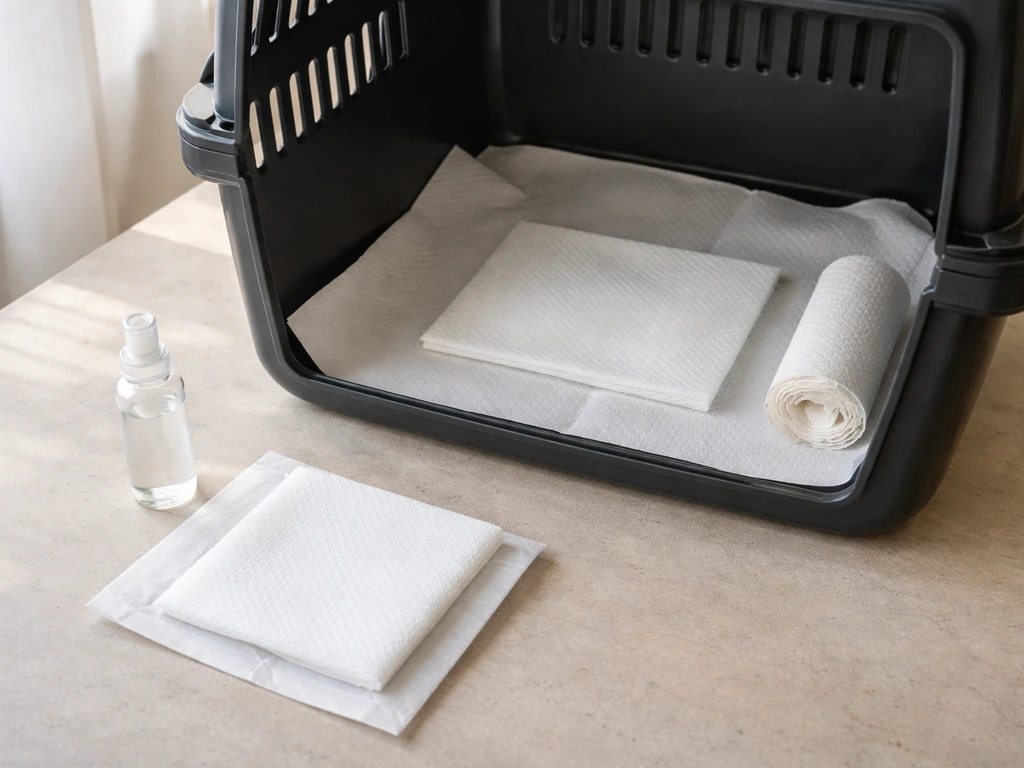
- Find a cardboard box or paper bag with air holes punched in the sides. Line it with crumpled paper towels or a small folded cloth so the bird has something to grip.
- Place the bird gently inside and close the lid or fold the top of the bag. Darkness immediately reduces stress and helps the bird stay still.
- Keep the container somewhere warm and quiet, away from pets, kids, and noise. A room-temperature environment is fine; you can place the box on a heating pad set to low, with half the box off the pad so the bird can move away if it gets too warm.
- Do not offer food or water. This is one of the most common well-meaning mistakes. Forcing food or water on a stressed, injured bird risks aspiration and can cause more harm than good. Leave feeding to the professionals.
- Check on the bird as little as possible. Opening the box repeatedly adds stress. If you need to check, do it once, quickly, and close it again.
While the bird is contained, call a wildlife rehabilitator or avian vet immediately. Don't wait to see if it improves on its own. In many cases, an injured bird cannot heal properly on its own, so getting help quickly matters can an injured bird heal itself. The sooner it gets professional care, the better its chances.
What to actually put on an open bird wound
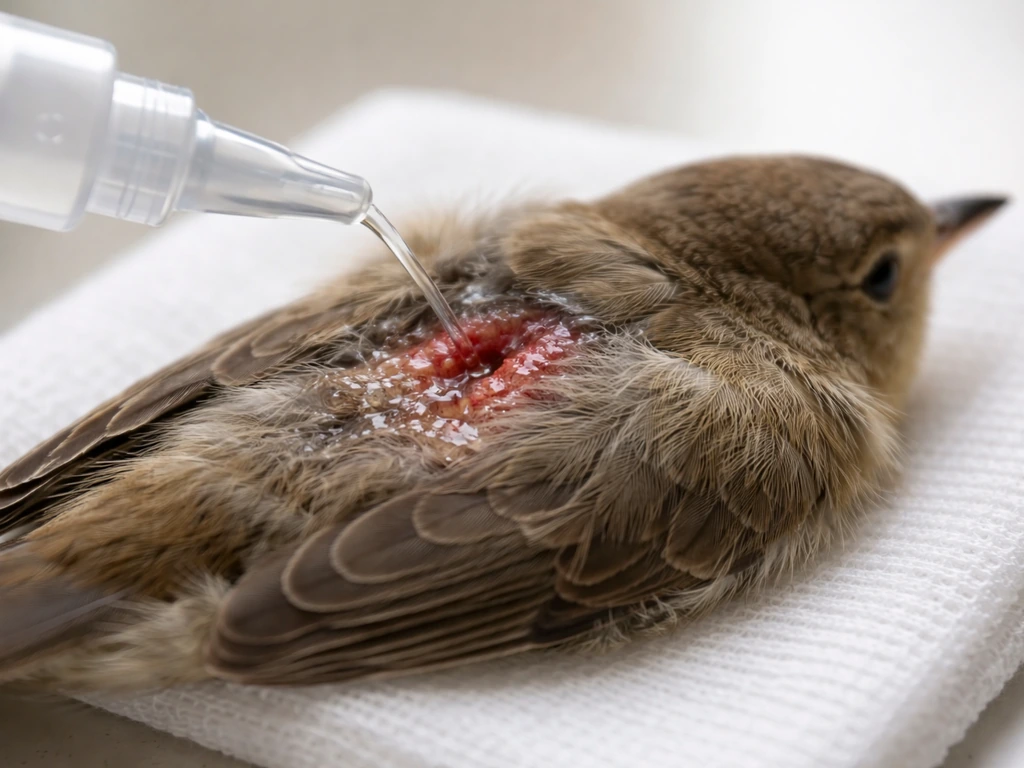
If the wound is open, dirty, or actively bleeding and you need to do something with it before transport, here's what's safe and what isn't.
What's safe to use
- Sterile saline solution (0.9% sodium chloride): This is the gold standard for flushing a bird wound. You can buy it as wound wash or contact lens saline with no additives. Use it to gently rinse debris, dirt, or blood from the wound. For burns specifically, bathing in tepid 0.9% saline for 5 to 10 minutes is appropriate. You can also use it to moisten sterile gauze before placing it over a wound.
- Sterile non-stick gauze pads: Place one loosely over an open wound to protect it and keep it moist without sticking to the tissue. Non-stick is important, because regular gauze can bond to a wound and cause damage when removed.
- Light, gentle pressure using gauze: For bleeding wounds only. Don't wrap tightly; just hold steady pressure.
What to keep away from a bird wound
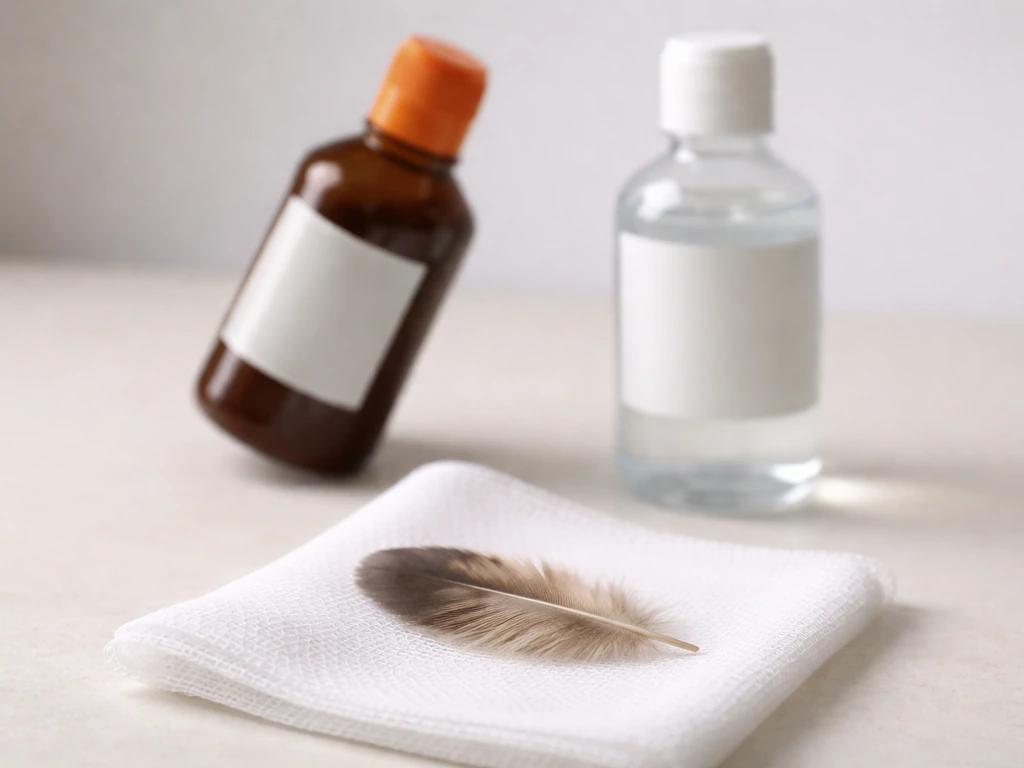
Birds are extremely sensitive to topical products that would be fine on humans or even dogs and cats. Their skin absorbs chemicals differently, and many common first-aid products are genuinely toxic to them.
- Hydrogen peroxide: It damages tissue and delays healing. While it's sometimes mentioned in clinical avian settings, it requires veterinary guidance on dilution and use. Don't apply it at home.
- Rubbing alcohol: Same issue. It kills healthy cells along with bacteria and causes pain and tissue damage.
- Neosporin, antibiotic ointments, or any creams: Do not apply ointments or creams to a bird's skin or feathers unless a vet specifically tells you to. They can mat feathers, interfere with thermoregulation, and some contain ingredients that are harmful to birds.
- Betadine (povidone-iodine) at full strength: If you have Betadine, it needs to be diluted to a very weak tea-colored solution before use, and even then it's better left to a professional. Full-strength Betadine is too harsh.
- Styptic powder directly on a skin wound: Styptic powder is sometimes used to stop bleeding from a broken blood feather, but it should never be applied directly to a skin wound.
- Essential oils, herbal remedies, vinegar, baking soda, or bleach: All of these are hazardous to birds. Keep them away entirely.
The guiding principle here is: if you're not certain it's safe, don't use it. A clean saline rinse and a non-stick pad are almost always the right call. The goal of at-home first aid is blank" rel="noopener noreferrer">stabilization, not definitive wound treatment. Understanding concepts like wounded bird syndrome meaning can also help you recognize why early, calm stabilization matters before professional care stabilization, not definitive wound treatment.
How to dress or cover the wound safely
Once the wound is rinsed, cover it with a non-stick sterile gauze pad. Secure it very loosely with first-aid tape or a self-adhesive bandage wrap, just enough to keep the pad in place. Do not wrap tightly. A wrap that's too tight restricts breathing, cuts off circulation, and can cause additional injury. Birds have air sacs throughout their bodies, and chest compression is life-threatening.
For a wing or leg injury, do not try to splint it yourself unless you have training. If a bird has clipped or damaged wing feathers, it may heal on its own only in some cases, but a rehabber should assess whether the wing can regrow normally do clipped bird wings grow back. Improper splinting often causes more damage than leaving it alone until a professional can assess it. If a wing is hanging oddly, you can gently hold it against the body by wrapping a loose figure-eight bandage around both wings (over the back), but only do this if the bird is actively injuring itself by flapping. Otherwise, the dark box will do the same job with less risk.
Avoid any dressing with frayed edges or loose threads that a bird's talons or beak can catch on. And remember that any dressing you put on is temporary. It needs to come off at the rehab intake, so keep it simple.
Specific scenarios: what to do in each situation
Window collision
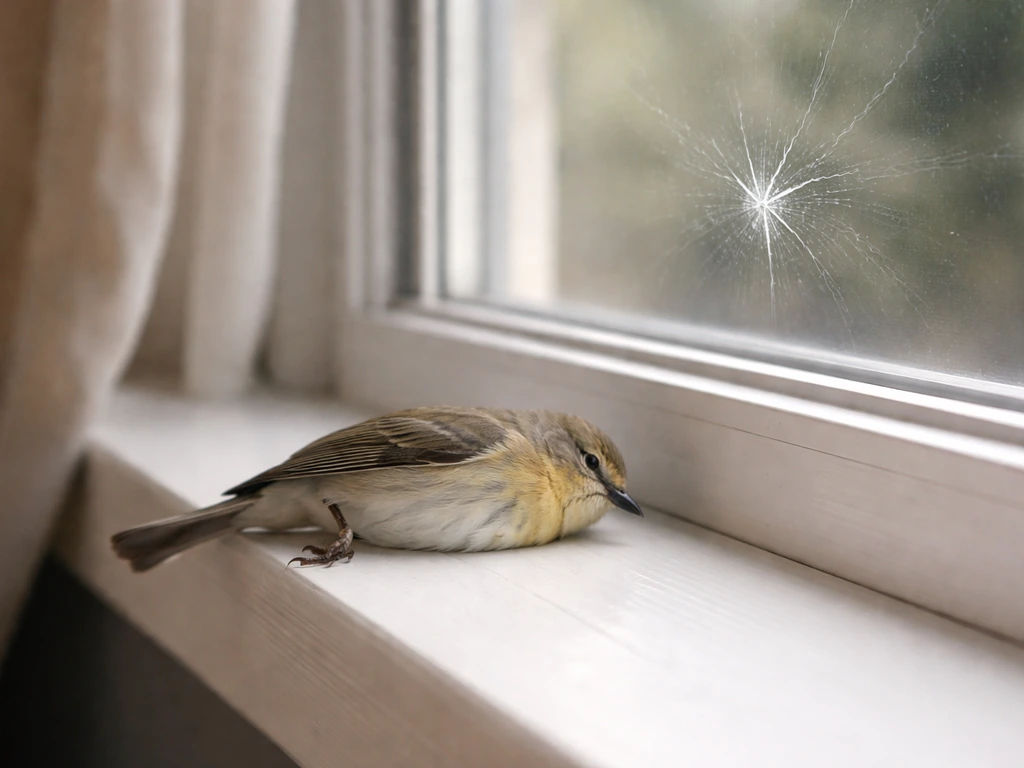
A bird that hit a window may look fine but have serious internal injuries including brain trauma and internal bleeding. There is often no visible wound at all. Don't let the absence of a wound fool you. Place the bird immediately into a closed box with air holes, keep it warm and dark, and give it up to an hour to recover. If it's alert and flying normally after that time, you can release it outside. Many clipped-wing birds can improve and sometimes regain the ability to fly again after proper rehabilitation. If it's still dull, tilting its head, unable to fly, or not responding normally, it needs a rehabber. Do not offer food or water, and do not keep opening the box to check.
Pet attack (especially cat bites)
This is one of the most urgent situations even when the bird looks okay. Cat bites and scratches introduce Pasteurella bacteria deep into tissue, and a bird that appears to have only minor wounds can die within 24 to 48 hours from infection without antibiotics. Injured birds can also be at risk of infection from the bite itself, which affects what they receive during treatment once they reach a vet receive treatment. Even if there is no visible wound, a bird that has been in a cat's mouth or claws must see a vet or rehabilitator the same day. Do not wait and watch. Rinse any visible puncture wounds with sterile saline, cover loosely with gauze, contain the bird, and get it to professional care immediately.
Broken wing or leg
A drooping wing or an awkwardly held leg is a clear sign of a fracture. Keep the bird still and contained. Don't try to straighten or splint the limb at home. The dark, calm box is the best first aid you can provide. If there's an open wound alongside the fracture (a compound fracture), rinse it gently with saline and cover with a non-stick pad, but don't probe it or try to push anything back. Get the bird to a rehabber or avian vet as fast as you can.
Beak injury
Beak injuries can bleed a surprising amount. Apply gentle pressure if there's active bleeding. Don't try to realign or repair a cracked or broken beak yourself. Rinse away any visible blood or debris with saline if you can do so gently and without causing more stress, then get the bird contained and to a professional. Beak injuries affect the bird's ability to eat and drink, so even a minor crack needs professional assessment.
When to stop and call for help immediately
Some situations are beyond what at-home first aid can address, and trying to treat them yourself wastes time the bird doesn't have. Call a wildlife rehabilitator or avian vet right now if you see any of the following. A thorough air crash investigation often reveals how and why birds were injured, which can inform prevention and response for future events.
- Bleeding that doesn't stop with steady pressure after 5 minutes
- Open-mouth breathing, tail bobbing, or labored chest movement
- The bird cannot stand or keep itself upright
- A wound that is deep, large, or has visible tissue or bone
- Any bird that has been in contact with a cat, even with no visible injury
- A bird that is unresponsive or only barely responsive to your presence
- Obvious spinal injury or complete paralysis of a wing or leg
- Swelling around the eye, face, or joints
To find help, search for a licensed wildlife rehabilitator in your area through the National Wildlife Rehabilitators Association (NWRA), the Wildlife Rehabilitators directory at the NWRA website, or call your local animal shelter, wildlife agency, or Humane Society, as they often keep referral lists. When you call, tell them the species if you can identify it, how you found it, what visible injuries you see, and what you've already done. That information helps them triage over the phone.
While some wounds do have the ability to begin healing with minimal intervention, most significant injuries to wild birds, especially punctures, fractures, and any wound that breaks the skin, need professional cleaning, antibiotics, and monitoring that simply isn't possible at home. The best thing you can do for the bird is keep it stable, keep it calm, and move fast to get it to someone equipped to treat it.
| Product or Action | Safe to Use at Home? | Notes |
|---|---|---|
| Sterile saline (0.9%) | Yes | Best option for rinsing wounds; use as wound wash or to moisten gauze |
| Non-stick sterile gauze pad | Yes | Cover open wounds loosely; do not press into deep wounds |
| Gentle direct pressure (gauze) | Yes | For active bleeding only; hold steady, don't wrap tightly |
| Hydrogen peroxide | No | Damages tissue; only under veterinary instruction |
| Rubbing alcohol | No | Too harsh; kills healthy cells and causes pain |
| Neosporin or antibiotic ointment | No | Do not apply unless a vet directs; can mat feathers and harm birds |
| Full-strength Betadine | No | Must be diluted heavily; better left to professionals |
| Styptic powder on skin wound | No | For blood feathers only, never on open skin wounds |
| Essential oils, vinegar, bleach | No | All are toxic to birds; keep away entirely |
FAQ
What if I do not have sterile saline, what can I use to rinse a bird wound?
If you do not have sterile saline, the safer substitute is plain sterile water (or boiled-then-cooled water) for a single gentle rinse. Avoid soaking the bird or using long flushes, and stop if the bird becomes more stressed or bleeding worsens. After the rinse, use a non-stick pad and get it to a rehabber quickly.
Can I put antibiotic ointment or “natural” cream on a bird wound?
Do not use ointments for open wounds. Even products that are “antibiotic” or “natural” can be toxic or cause birds to ingest residue while preening. If you are tempted to add something, default back to rinsing with saline and covering loosely with a non-stick pad.
Why not hydrogen peroxide or rubbing alcohol, even if the wound looks dirty?
Skip peroxide and alcohol. They can damage living tissue and slow healing, and birds can be harmed if products enter the wound or if the bird licks residue. The practical rule is, for at-home care use only a saline rinse and a simple non-stick dressing.
What should I do first if the bird wound is bleeding but I also need to clean it?
If the wound is bleeding, you should focus on pressure first. Apply gentle firm pressure with sterile gauze for several minutes without repeatedly lifting to check. Once bleeding is controlled, rinse with saline if possible, then cover loosely. If bleeding does not stop after about 5 minutes, treat it as urgent.
The bird looks okay from the outside. Should I still put something on the skin?
If you are unsure the bird even has an external wound, you still should not apply any topical product. Contain, keep warm and dark, and contact a wildlife rehabber. Do not routinely check inside the box, and do not offer food or water, since stress and aspiration are risks.
How tight should I wrap a bird’s wound dressing?
For dressing, use non-stick sterile gauze and secure it loosely enough that the bird can breathe normally. A loose wrap that stays in place is better than a tight wrap that restricts movement. If the bandage edge looks frayed or can snag on talons or beak, use a different dressing style.
What if there is debris or something stuck in the wound, can I pick it out?
Do not remove embedded material with force. If there is debris or a puncture, the safest home step is a gentle saline rinse around what you can see, then cover with a non-stick pad and get professional care. Probing can worsen a puncture and damage deeper tissue.
Can I splint or tape a bird’s leg or wing to help it heal?
If a wing or leg looks fractured, home “straightening” and splinting are higher-risk than doing nothing beyond stabilization. Keep the bird still and warm, use the dark calm box, and get to a rehabber or avian vet. If there is an open wound alongside the fracture, rinse gently with saline and cover loosely.
I found a bird with a clipped wing. What can I put on the skin, and what should I avoid?
For a clipped wing, a rehab professional should assess healing potential and any swelling or infection. At home, prioritize containment, warmth, and quiet, and do not tighten bandages around the chest or force the wing into a fixed position.
If there is only a small bite mark from a cat, is it still an emergency?
If a cat bite or scratch left even a small puncture, it is urgent. You should rinse visible punctures with sterile saline, cover loosely with non-stick gauze, and seek same-day professional care even if the wound looks minor or closed.
What should I do for a bird with a cracked or bleeding beak?
If the beak is cracked and bleeding, gently control active bleeding with light pressure using gauze, then rinse visible blood or debris with saline if it can be done gently. Do not try to glue, realign, or tape the beak. Cracks can affect feeding, so treatment should be prompt.
A bird hit my window and seems fine. Should I check the wound and use a topical product?
If a window-hit bird has no visible wound, do not apply anything to “prevent infection.” Put it in a closed, air-holed box, keep it warm and dark, and leave it alone for up to an hour. If it is not alert and flying normally afterward, contact a rehabber.