
If you've found a severely injured wild bird near an airfield, roadway, or anywhere close to what looks like an aircraft incident, your job in the next 10 to 30 minutes is simple: keep yourself safe first, contain the bird calmly, keep it warm and dark and quiet, and get it to a licensed wildlife rehabilitator or avian vet as fast as you can. Do not feed it, do not give it water, and do not attempt any repair work on your own. That's the whole plan. The sections below walk you through each piece of it.
Air Crash Investigation Wounded Bird: First Aid Steps
Marcus Chen
24 Apr 2026
What people usually mean by "air crash investigation wounded bird"
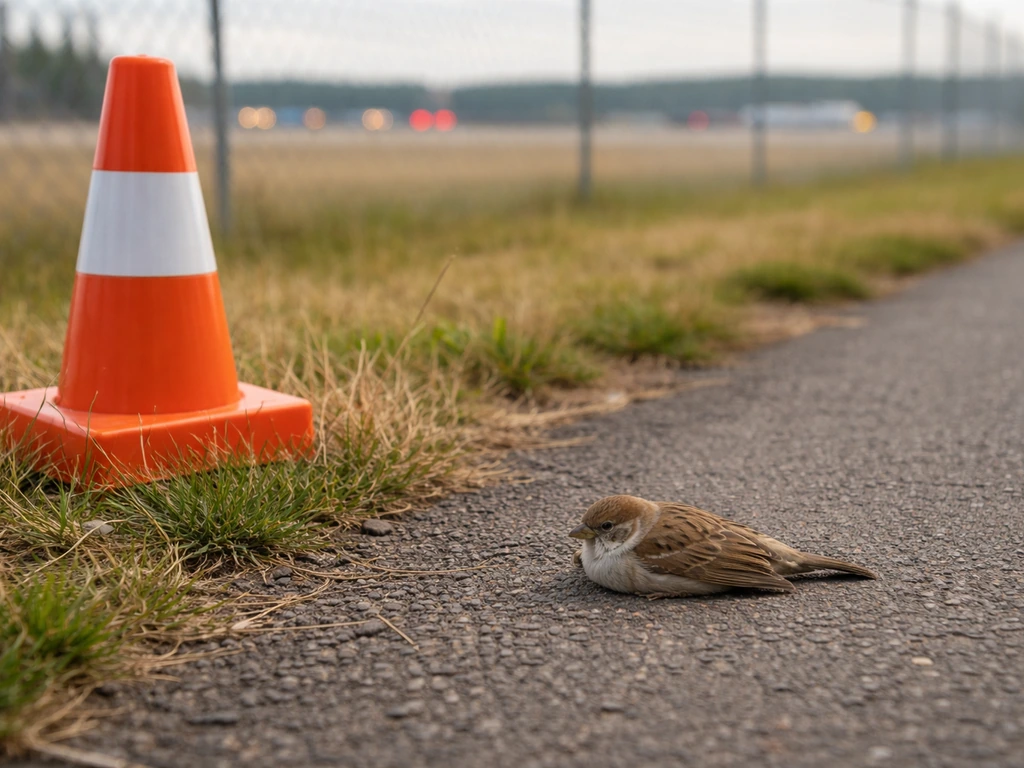
This phrase gets searched by people who have stumbled on an injured bird in or near an aviation-related incident: near an airfield perimeter, along a road running through airport access land, or in an area where something came down. The "investigation" part usually just reflects the searcher's panicked attempt to figure out what happened and what to do. It is not typically a question about official accident investigation processes. If you're reading this, you probably found a badly hurt bird and you want to know how to help it right now. That is exactly what this article covers. Wounded bird syndrome meaning refers to how repeated stress, fright, and delayed care can lead to rapid deterioration after an initial injury.
It's also worth saying: if you are actually at or near an active aviation incident site, there may be official investigation teams, airport rescue and firefighting (ARFF) personnel, or law enforcement on scene. You are not the investigator. Responders are trained and authorized to manage the hazard zone. Your one job is to stay safe, stay out of restricted areas, and then deal with the bird from a safe position.
Your safety comes before the bird's
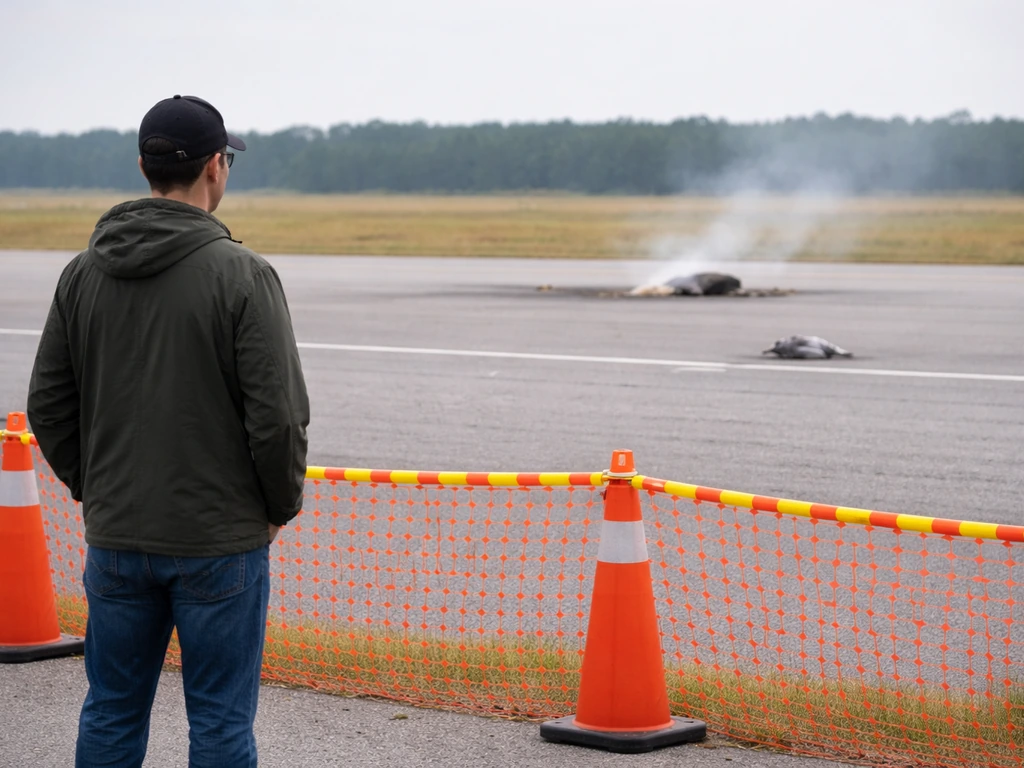
I know it feels urgent to run straight to the bird, but a crash-adjacent scene can have serious hazards: spilled aviation fuel, sharp metal debris, unstable ground, smoke, moving emergency vehicles, and restricted airside areas where you legally cannot be. Aviation fuel ignites. You will not help the bird if you are injured or detained.
- Stay back from any visible fuel spills, smoke, or fire. Do not approach until you are sure the area is not an active hazard zone.
- If airport or emergency personnel are present, check with them before moving toward the bird. Ask whether it is safe to approach your location.
- Do not cross airside fencing or enter restricted areas for any reason.
- Watch for moving vehicles: emergency trucks, fuel tenders, and law enforcement vehicles move fast in these environments.
- Once you are in a confirmed-safe spot, then focus on the bird.
If the scene is genuinely active and chaotic, the honest answer is: note approximately where the bird is, keep it in sight if possible, and wait for the scene to stabilize before attempting any contact. A few extra minutes of waiting is far better than you getting hurt.
Quick injury triage: what to look for in 60 seconds
You don't need veterinary training to spot the signs that tell you whether this bird needs emergency-level help or just a quiet container. Run through this mental checklist as you observe the bird from a short distance before touching it.
Signs this is a genuine emergency (call for help immediately)
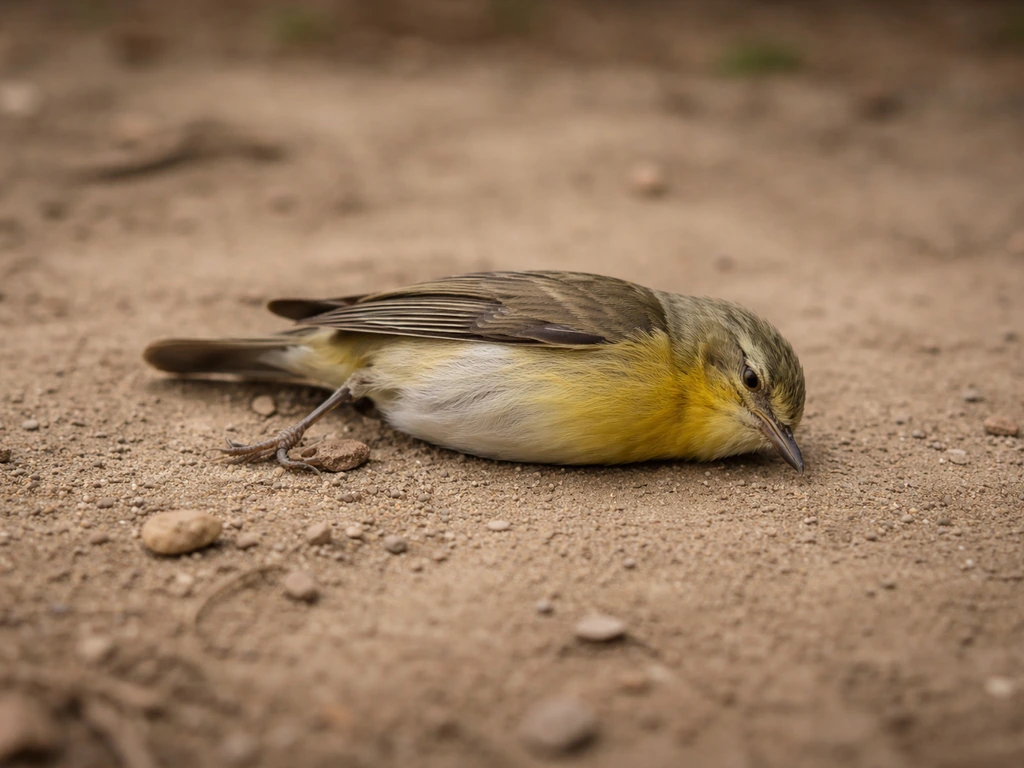
- Trouble breathing: open-mouth breathing, tail pumping up and down with each breath, or gurgling sounds.
- Non-responsive or lying completely on its side and not reacting to your presence.
- Profuse or active bleeding that is not slowing.
- A wing or leg that is clearly bent at a wrong angle, hanging limp, or has visible bone.
- Extensive wounds, deep lacerations, or puncture wounds (especially from a cat or dog, which carry dangerous bacteria even in small punctures).
- Head tilting to one side or the bird circling involuntarily, which suggests a neurological or head/neck impact injury.
- Large bubbles or swelling under the skin, which can indicate subcutaneous air leaking from a respiratory injury.
Signs the bird needs help but is not in immediate collapse
- It runs or hops but cannot fly away when you approach.
- One wing is drooping lower than the other.
- It is alert and reactive but clearly cannot get airborne.
- Minor visible wound with no active bleeding.
Either category still means professional care is needed. The difference is urgency: the first list means call someone while you are actively containing the bird, and the second means contain it first and then call. In both cases, do not chase the bird. Chasing a shocked bird burns its last energy reserves and can worsen injuries. Move slowly and calmly.
First aid basics you can actually do on the spot
The goal of field first aid for an injured wild bird is stabilization, not treatment. You are trying to keep the bird alive and as calm as possible until a professional takes over. Here is what that looks like in practice.
Warmth
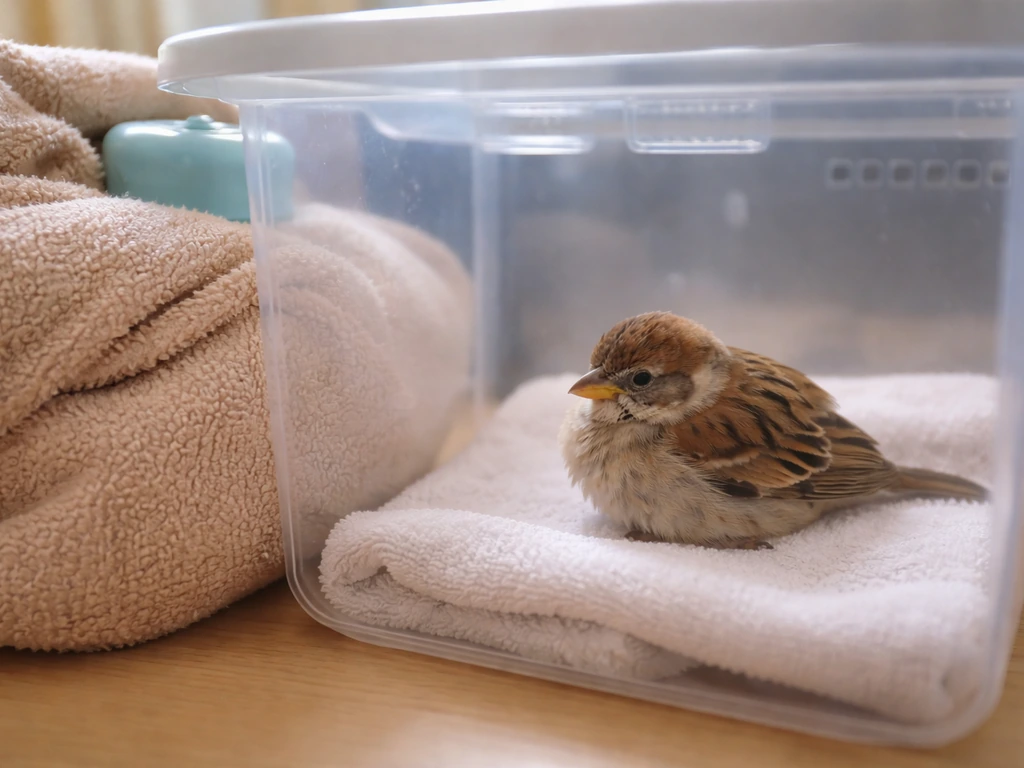
Injured birds lose body heat fast, especially in shock. Once the bird is in a container, keep it warm. If you have a hot water bottle or heat pack, wrap it in a cloth and place it under one side of the box so the bird can move away from the heat if it gets too warm. In a car, turn the heat up. Do not place the bird directly on a heat source.
Controlling bleeding
If the bird has an actively bleeding wound and you need to intervene before professional help arrives, apply very gentle, direct pressure with a clean cloth or folded paper towel. If you are trying to figure out what to put on a bird wound right away, it is safest to stick to gentle measures like direct pressure for bleeding and avoid antiseptics what can i put on a bird wound. Hold it steady. Do not press hard enough to restrict the chest (birds breathe by expanding their whole ribcage). Do not use hydrogen peroxide or antiseptic sprays on the wound. If you are wondering about whether hydrogen peroxide is safe for bird wounds, the guidance above is to avoid it and stick to gentle direct pressure until a professional can help is hydrogen peroxide safe for bird wounds. These can cause more tissue damage than they prevent. In most cases, bird wounds should not be assumed to heal on their own, so get professional care as soon as possible can a bird wound heal on its own.
Immobilization
You do not need to splint a broken wing or leg. Leave that to the professionals. What you can do is contain the bird in a snug box so it cannot thrash around and make things worse. A cardboard box with air holes punched in the sides and a soft cloth on the bottom works well. Placing the bird in a dark space also reduces panic and helps it stay still naturally.
Keep it dark and quiet
Darkness is genuinely calming for birds. A closed box in a quiet space does more good than most first-aid interventions. Keep it away from pets, children, and loud noise. If you are transporting the bird, keep the car quiet and avoid sudden movements or loud music.
What not to do
- Do not give food or water. Forcing food or water into a stressed or unconscious bird can cause it to aspirate (inhale liquid into its lungs), which is often fatal. This rule holds even if the bird seems hungry.
- Do not try to splint wings or legs yourself. An untrained splinting attempt almost always makes the injury worse.
- Do not try to "fly" the bird off your hand to test it or encourage it to recover. This is dangerous for the bird.
- Do not leave the box in direct sunlight or a hot car, which can cause fatal overheating.
- Do not handle the bird more than necessary. Every extra second of handling is stress.
Choosing the right care path
Not every rescue situation has the same best next step. Here is how to think through it quickly.
| Situation | Best first contact | Notes |
|---|---|---|
| Bird is breathing, stable, contained | Licensed wildlife rehabilitator | Most common route; rehabilitators are trained and legally permitted to care for wild birds |
| Bird shows emergency signs (breathing trouble, profuse bleeding, non-responsive) | Wildlife rehabilitator AND avian vet simultaneously if possible | Call while en route; every minute counts |
| No rehabilitator reachable within reasonable time | Avian veterinarian (bird-specialist vet) | Not all general vets treat wild birds; call ahead to confirm |
| You are near an active airfield incident | Airport ARFF or emergency personnel first, then wildlife rehabilitator | Get scene clearance before handling; then follow normal wildlife steps |
| After hours, no local rehab available | 24/7 wildlife hotline for guidance; then nearest emergency vet willing to triage | Hotlines like Bi-State Wildlife Hotline operate around the clock |
Keep in mind that in most states it is actually illegal to keep or care for injured wild birds yourself unless you are a permitted wildlife rehabilitator. This is not a bureaucratic technicality; it exists because wild bird care is genuinely specialized. The goal is to get the bird into licensed hands quickly, not to take on the care yourself.
How to find help right now
- Search "wildlife rehabilitator near me" or "bird rescue [your city/state]" right now while the bird is contained.
- If you are in Virginia, call the Virginia Wildlife Conflict Helpline at 1-855-571-9003 (Monday through Friday, 8:00 AM to 4:30 PM) to be referred to a permitted rehabilitator near you.
- The Wildlife Center of Virginia can also refer you to a rehabilitator closer to your location if you call with your location and a description of the species.
- 24/7 hotlines like Bi-State Wildlife Hotline can give you immediate phone guidance and help you locate a rehabber in their region even outside business hours.
- When you call, give your location, what kind of bird it is if you know, and the injury signs you observed. That information helps them route you quickly.
Getting the bird there safely: transport that gives it a real chance
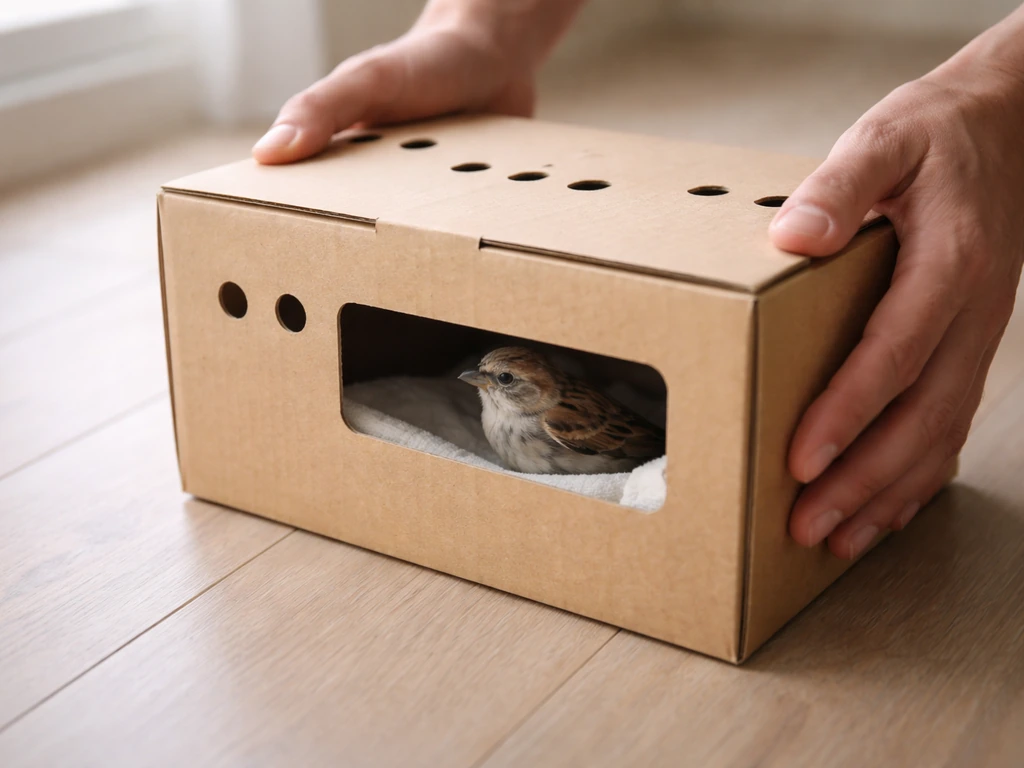
How you transport the bird matters as much as what you do on the ground. A lot of birds that survive initial rescue die in transport from stress and cold. The principle is simple: heat, dark, and quiet, all the way to the door of the rehab center or vet.
- Place the bird in a well-ventilated cardboard box with a soft cloth or paper towels lining the bottom. Punch several small air holes in the sides if the box does not already have them.
- Add a gentle heat source: a warm (not hot) water bottle or hand warmer wrapped in a cloth placed under one side of the box. The bird should be able to move away from it if needed.
- Close the box fully and secure it so it cannot pop open during the drive.
- Place the box on the car seat (not the floor where engine vibration is strongest), and consider using a seatbelt to keep it from sliding.
- Keep the car warm, radio off, and driving smooth. Sudden stops and loud sounds spike the bird's stress hormones.
- Do not open the box to check on the bird during transport unless you hear signs of active distress. Darkness is helping.
- Never hold the bird in your hands while someone else drives. The stress of direct human contact throughout a trip can be fatal, and it is a road safety hazard.
- Call ahead to the rehab center or vet so they are ready to receive the bird the moment you arrive.
If the bird has visible head trauma or signs of neurological injury (circling, head tilt, complete disorientation), handle it especially minimally and prioritize speed. These birds can deteriorate quickly, and the sooner a professional can assess them the better.
One last thing: once you have handed the bird over, you have done your part. A lot of people feel guilty leaving a hurt animal with strangers, but a permitted wildlife rehabilitator is exactly the right person to continue this bird's care. Questions about whether bird wounds can heal on their own, what treatments a bird typically receives after injury, or whether certain first-aid products are safe on wounds are all best answered by the rehabber or vet who takes the bird. Questions about whether bird wounds can heal on its own are best answered by the rehabber or vet who takes the bird can a bird wound heal on its own. If you are wondering can an injured bird heal itself, treat it as an adjacent question to whether the wound can heal on its own and get the bird to a rehabber or avian vet as soon as possible. Rehabilitators can also tell you whether a bird with clipped wings can ever fly again, depending on the injury and how quickly it receives proper care can a bird with clipped wings ever fly again. They will give you honest information about the bird's chances and, in many cases, update you on its progress if you ask.
FAQ
How can I tell if I should wait for responders before touching the bird?
If you see smoke, fuel sheen, ongoing emergency work, or active law enforcement control (cones, tape, restricted airside signs), wait. Note the bird’s exact location and keep it in view from a safe distance, then contact airport staff or emergency services when it is still reachable. If you cannot approach safely, your best contribution is reporting, not handling.
What should I use if I do not have an appropriate bird box or container?
A sturdy cardboard box or small pet carrier with ventilation holes works. Line the bottom with a soft, dry cloth, and avoid loose blankets that can snag feathers or toes. If only a towel is available, use it to make a quick lining inside a rigid container rather than holding the bird loosely, because loose handling increases thrashing and heat loss.
Can I give an injured bird water if it seems thirsty?
Do not offer water or food. Even small amounts can increase choking and aspiration risk, especially if the bird is in shock or has head trauma. Hydration and feeding should be handled by a wildlife rehabilitator after they assess airway and swallowing.
Is it okay to try to bandage a wound or cover it with ointment?
Do not apply ointments, bandages, or medicated products unless the rehabilitator directs you. Adhesives and thick coverings can trap heat, restrict breathing if applied around the chest, and complicate assessment of bleeding. For active bleeding, use gentle direct pressure with a clean cloth until professional help takes over.
How long can the bird wait before I contact a rehabilitator?
Move from contact to arrival as quickly as you can, but stabilization first matters. If the scene is active, spend a few minutes documenting location and waiting for safety, then call immediately. Once you have containment, prioritize getting the bird to licensed care the same day, because shock and cold can worsen rapidly.
What if the bird keeps bleeding after I stop pressing?
Continue gentle direct pressure without repeatedly lifting to “check.” Only increase or adjust pressure if the cloth is soaked through. If bleeding continues despite steady pressure, treat it as urgent and tell the rehabilitator what you observed (start time, how long bleeding persisted, and whether the bird was alert or unresponsive).
Should I cover the bird’s eyes or hold it to calm it?
Covering is generally not necessary and holding tightly can harm breathing or increase panic. The calming effect usually comes from darkness and reduced handling. Place the bird in the container, keep it quiet, and minimize touching to what is required to get it contained safely.
Can I transport the bird in a warm room or should I keep it cool?
Keep the bird warm but not overheated. Use indirect heat (heat pack or hot water bottle under one side of the container wrapped in cloth) so the bird can move away. Avoid leaving it in direct sun or near heater vents, and do not put it directly on a heat source.
What should I do if the bird is unconscious or very unresponsive?
Handle minimally and prioritize speed. Unresponsiveness can indicate severe shock, head trauma, or internal injury. Keep the bird warm and dark, avoid giving anything by mouth, and arrange immediate transfer to an avian vet or wildlife rehabilitator.
Is it safe to take photos or videos at the scene?
Yes, but only if it does not distract you from safety. Take quick photos from a safe distance to help responders identify location and condition, then stop filming and focus on containment and contact. If the area is restricted, do not enter just to get a better shot.