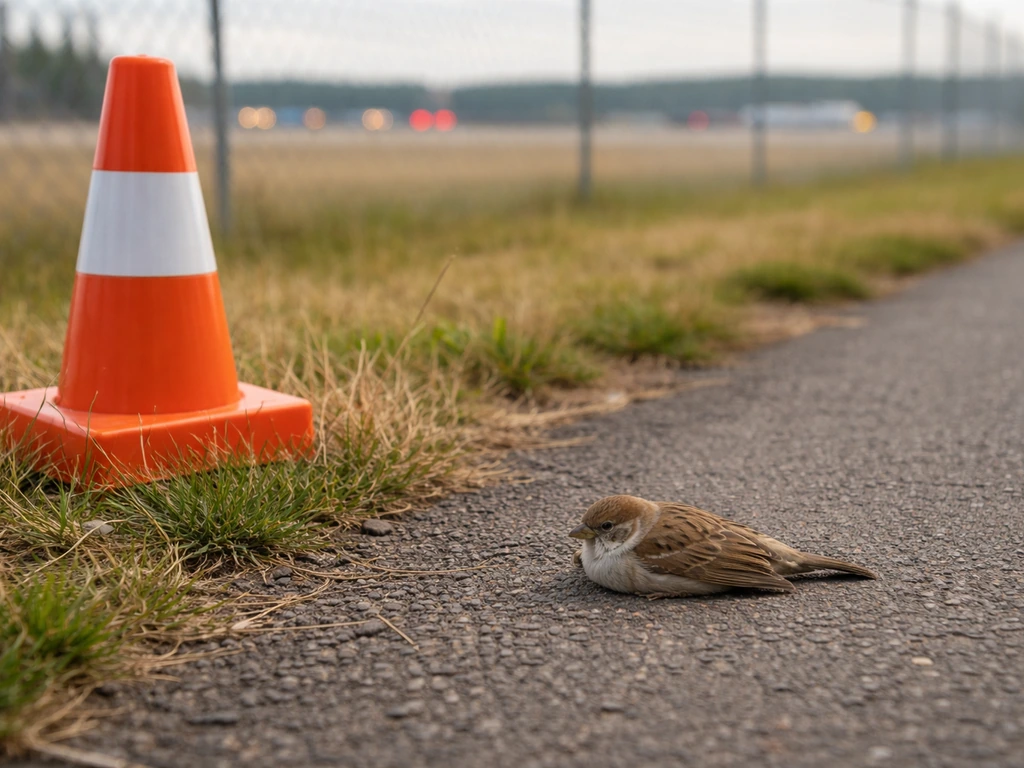
When a bird gets hurt, it immediately receives a cascade of physical and physiological stress: pain, shock, blood loss (sometimes internal), respiratory distress, and a surge of fear hormones that can actually be fatal on their own. What you can give it right now is warmth, darkness, quiet, and a secure container while you arrange professional help. That combination buys critical time without making things worse.
What Does a Bird Receive When It Gets Hurt? First Steps
Marcus Chen
26 Apr 2026
What a bird actually "receives" the moment it's injured
Understanding what's happening inside the bird helps you respond smarter. The moment a bird is hurt, whether from a window strike, a cat attack, or a fall from a nest, its body goes into a trauma response very similar to what mammals experience. Here's what it's dealing with all at once:
- Pain: birds feel pain acutely, even if they rarely vocalize it the way mammals do.
- Shock: blood pressure drops, circulation is compromised, and the bird can crash fast, especially small species.
- Bleeding: external wounds are visible, but internal bleeding from a collision or crush injury is silent and equally dangerous.
- Respiratory stress: swelling, fluid, or trauma to the chest can make breathing labored or open-mouthed.
- Mobility loss: a broken wing or leg means the bird can no longer escape predators, adding a terror response on top of the physical injury.
- Dehydration: an injured bird that can't move or drink begins to dehydrate within hours.
- Capture myopathy: the sheer stress of being handled by a human can trigger fatal muscle breakdown in some wild birds, which is why calm, minimal handling matters enormously.
None of this is meant to overwhelm you. It's meant to explain why the most important things you can do are actually very simple: reduce stress, conserve heat, and get the bird to someone qualified as fast as you reasonably can.
Quick triage: check breathing, bleeding, and responsiveness first
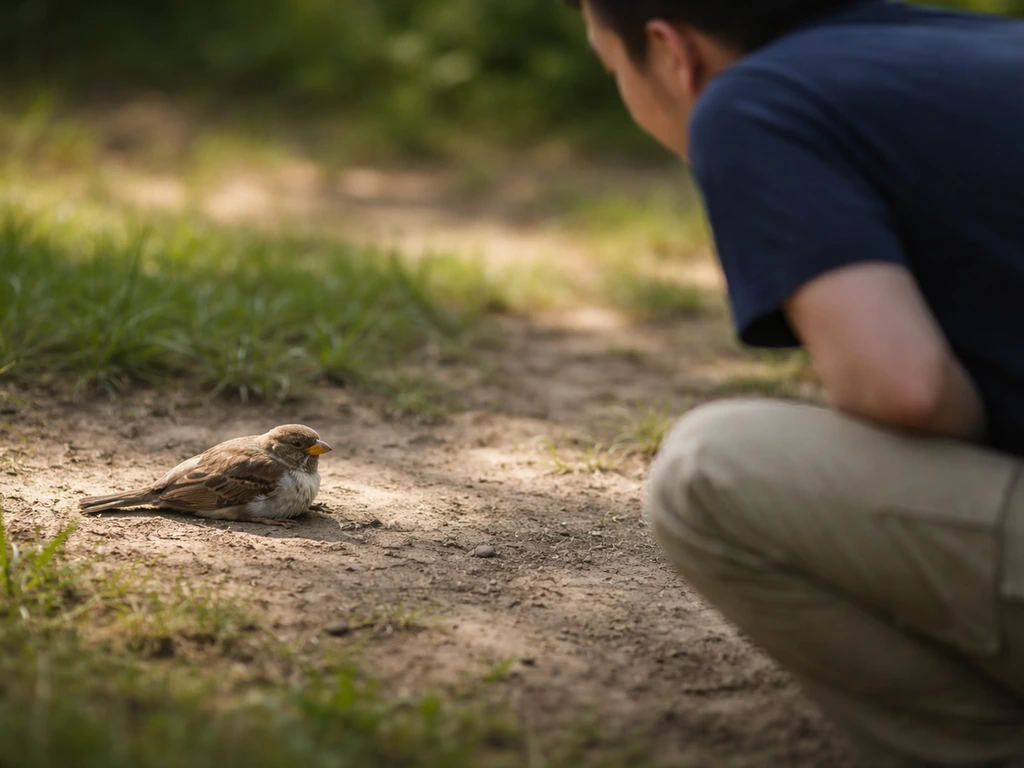
Before you do anything else, spend thirty seconds doing a quick visual check. You don't need to pick the bird up yet. Just observe from a short distance.
- Breathing: is the bird breathing at all? Watch the chest or look for tail bobbing, which is a sign of labored breathing. Open-mouthed breathing in a bird that isn't overheated is a red flag for respiratory distress.
- Bleeding: is there visible blood on feathers, the beak, or the ground around it? Profuse or ongoing bleeding is an emergency that needs a professional today, not tomorrow.
- Responsiveness: does the bird react when you approach slowly? A bird lying completely on its side, non-responsive, or unable to hold its head up is in critical condition.
- Posture: a healthy bird rights itself and tries to flee. A bird that just sits hunched, eyes closed, or with a wing dragging is injured and needs help.
- Obvious trauma: check for a visibly broken or drooping wing, a leg held at an odd angle, or a damaged beak.
If the bird is non-responsive, bleeding heavily, or struggling to breathe, that is a wildlife emergency. Contact a wildlife rehabilitator or avian vet immediately, even before you move it. If it's alert but grounded and clearly injured, you have a little more time to prepare properly, but you still need professional help today. In serious cases, like those involved in an air crash investigation of injured wildlife, the same urgency and careful handling can make the difference between survival and irreversible harm professional help.
Common injury scenarios and what to do right away
Window strikes and collisions
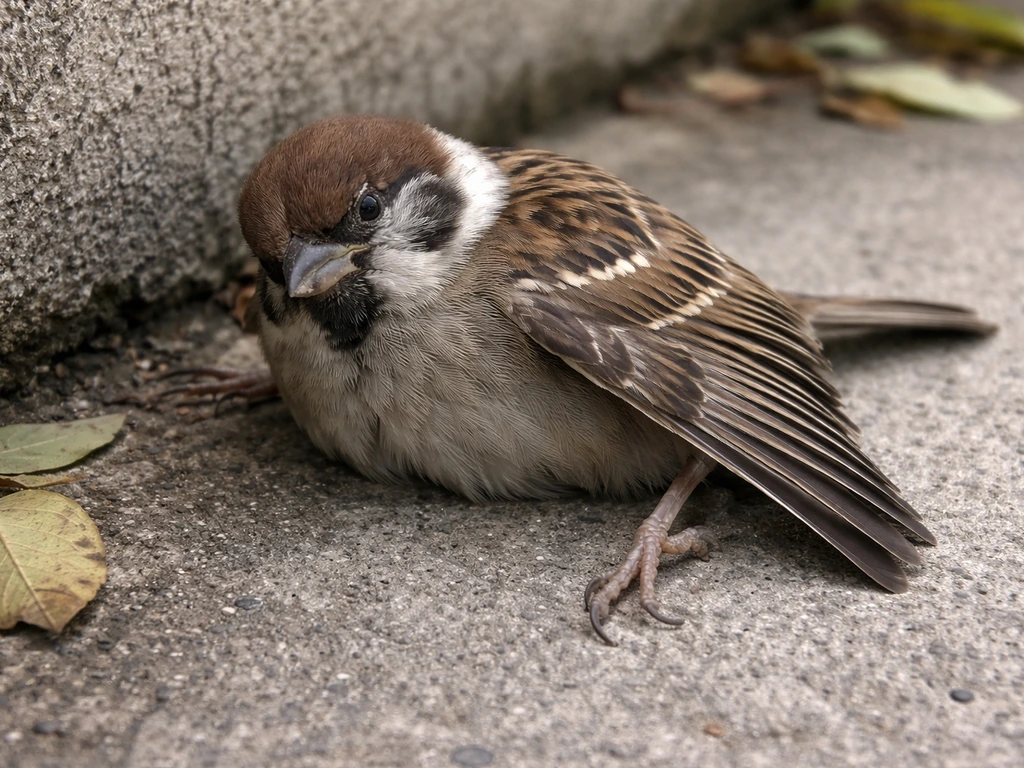
This is the most common scenario. The bird hit glass, fell, and is now sitting dazed on the ground. Many window-strike birds are stunned, not dead, and can recover within an hour if given quiet and safety. Gently pick the bird up using a light cloth or gloved hands, place it in a ventilated box, and put it somewhere dark and quiet away from pets and kids. Check it again after 30 to 60 minutes. If it's perching and alert, you can release it in a sheltered spot. If it's still on the ground, lethargic, or showing any of the distress signs above, it needs veterinary evaluation because internal head trauma or bleeding may not be visible.
Broken wings or legs
A wing drooping at the wrong angle or a leg held up consistently is almost certainly a fracture. Do not try to splint it yourself. Bird bones are hollow and incredibly fragile, and an incorrectly applied splint can cut off circulation or cause more damage. Your only job here is safe containment: get the bird into a secure, padded box where it can't thrash around and make the injury worse, keep it warm and quiet, and get it to a rehabilitator or avian vet the same day. Fractures that aren't treated promptly can cause permanent disability.
Beak injuries
A cracked, broken, or misaligned beak is a serious injury because a bird uses its beak for absolutely everything: eating, drinking, preening, and defense. Even a partial beak fracture can prevent it from feeding and lead to starvation quickly. Don't try to realign or repair it yourself. Keep the bird calm and contained, and prioritize getting it to an avian vet who can assess whether the beak can be repaired or treated. This is not a wait-and-see situation.
Nest emergencies
If you've found a nestling (a very young bird with little or no feathers) that has fallen, look for the nest first. If you can safely reach it, place the bird back in. The myth that parent birds reject touched babies is false. If the nest is destroyed or unreachable, a makeshift nest (a small container lined with dry tissue or leaves, secured in the tree) can work temporarily. Fledglings (feathered, hopping birds) are often supposed to be on the ground while they learn to fly, so if it looks healthy and the parents are nearby, leave it alone. If the bird is clearly injured, very cold, or the parents haven't returned after two hours, it needs a wildlife rehabilitator.
What you can safely provide in the meantime
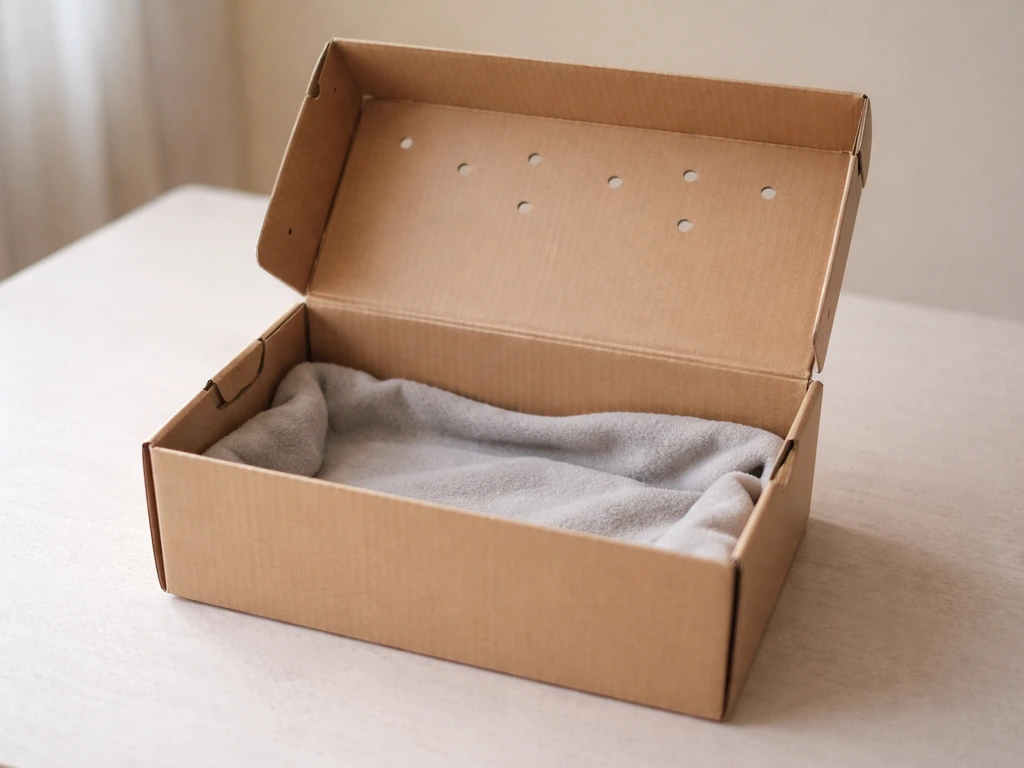
Your role as a temporary helper is stabilization, not treatment. Help Wild Birds also advises not to feed the bird any food, water, or liquids, and instead to keep it warm and follow proper wildlife-rescue steps blank" rel="noopener noreferrer">stabilization, not treatment. Tufts Wildlife Clinic advises keeping a found sick or injured songbird in a warm, dark, quiet place and blank" rel="noopener noreferrer">not giving it food or water, since an incorrect diet can cause injury or death. Here's what actually helps: For most bird wounds, the safest thing you can put on it is nothing or only gentle first aid while you arrange professional help, because the right treatment depends on the injury helps:.
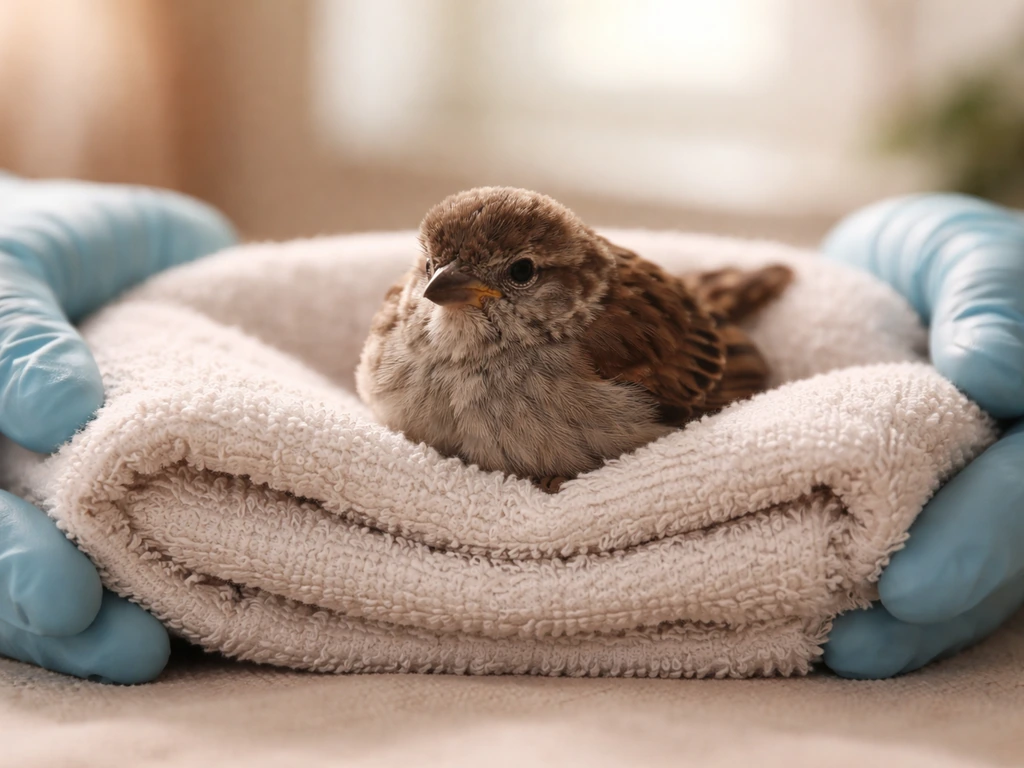
- A secure container: a shoebox or small cardboard box with a few air holes punched in the lid works well. Line it with a soft cloth or paper towels. The lid stays on to prevent escapes and reduce stimulation.
- Warmth: injured birds lose body heat fast. Place a heating pad on the lowest setting under half the box (so the bird can move off it if too warm), or use a hot water bottle wrapped in a cloth. Aim for gentle, not hot.
- Darkness and quiet: covering the box and keeping it away from noise, pets, and activity significantly reduces stress and the risk of the bird injuring itself further by thrashing. Birds with head trauma especially benefit from a dark environment.
- Minimal handling: once the bird is in the box, leave it alone. Every time you peek in or pick it up, you're adding stress. Resist the urge to check on it constantly.
What not to do (this list matters as much as the rest)
Well-meaning mistakes can seriously harm an injured bird. These are the most common ones: For details on which household products are safe or risky on open wounds, see whether is hydrogen peroxide safe for bird wounds as an adjacent option.
- Do not give food or water: a bird in shock may aspirate liquid into its lungs and die. Even if it seems hungry, do not offer anything to eat or drink. This is one of the clearest pieces of guidance from wildlife rehabilitation experts.
- Do not give any medication: human pain relievers like ibuprofen and acetaminophen are toxic to birds. Antiseptics like hydrogen peroxide can damage tissue and delay healing. Leave wound care to professionals.
- Do not attempt to set bones or splint injuries yourself: the risks of causing additional trauma or cutting off circulation are high. Immobilization via a secure, padded box is enough from your end.
- Do not force it to stand, fly, or move: testing whether a bird can fly by tossing it in the air is harmful. Keep it still and contained.
- Do not place it in direct sunlight or near a heat source without temperature control: overheating is also dangerous.
- Do not leave it outside unattended: even in a box, an injured bird is vulnerable to predators and temperature changes.
When to call for professional help, and how urgently
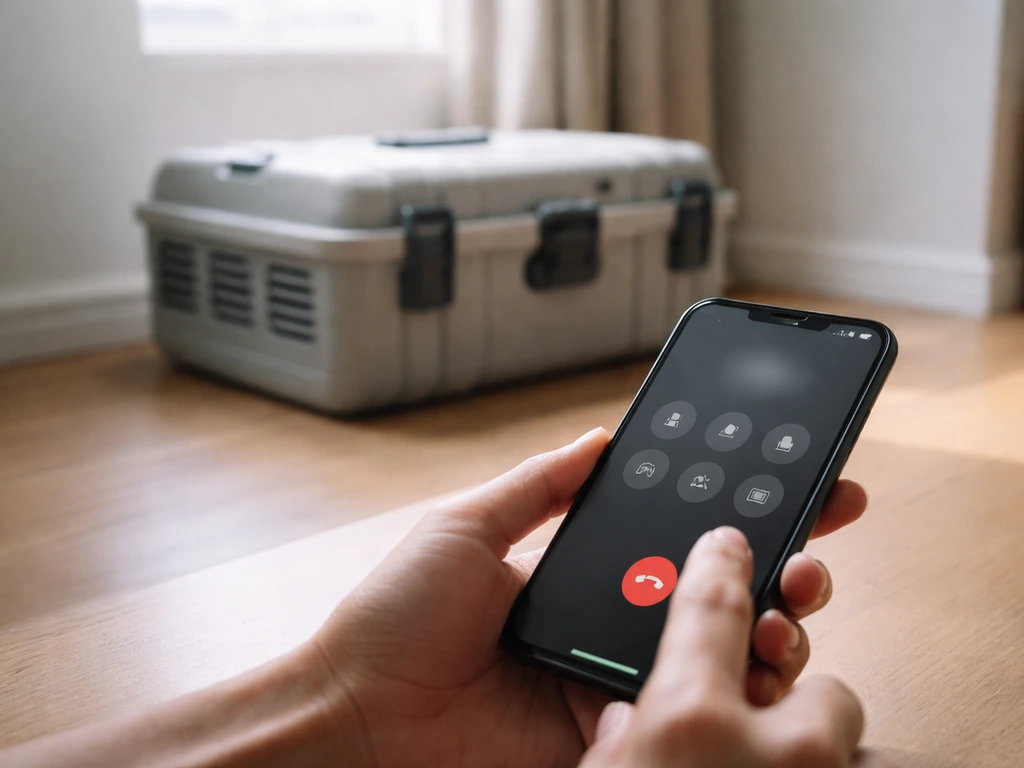
Some injuries are emergencies that require you to call before you even finish reading this. Others give you a short window to get organized. Here's how to tell the difference:
| Signs you're seeing | How urgent is it? |
|---|---|
| Not breathing or gasping; unresponsive; lying on its side | Call immediately, do not wait |
| Profuse or ongoing bleeding | Call immediately, do not wait |
| Open-mouthed breathing or visible tail bobbing | Call within the hour |
| Visibly broken wing or leg | Call today, same-day care needed |
| Cat or dog attack wounds (even small punctures) | Call today, infection risk is very high |
| Beak injury | Call today |
| Window-strike bird still grounded after 1 hour | Call today |
| Window-strike bird alert and upright after 30 to 60 minutes | Safe to release; monitor briefly first |
Cat and dog attack wounds deserve special mention. Even a small puncture from a cat's claw or tooth injects bacteria deep into the tissue, and birds can die from sepsis within 24 to 48 hours without antibiotics. If a cat or dog touched the bird at all, treat it as an emergency regardless of how minor the visible injury looks.
A note on your own safety: wild birds can carry salmonella and other pathogens, and some can bite or scratch hard enough to break skin. Use gloves or a thick cloth when handling any wild bird, and wash your hands thoroughly afterward. This protects both of you.
How to prepare the bird for transport and find help near you
Getting the bird to the right hands is the most important thing you can do. Here's how to make that happen smoothly:
- Get the bird into a secure, ventilated box as described above before you start making calls. A bird loose in a car is dangerous for everyone.
- Call a local wildlife rehabilitator first. In the US, the National Wildlife Rehabilitators Association (NWRA) and the National Wildlife Federation both maintain searchable directories online. Search 'wildlife rehabilitator near me' or visit your state's wildlife agency website.
- If you can't reach a rehabilitator quickly, call an avian vet (a vet who specializes in birds). General practice vets can sometimes help in an emergency but may not have the specific training for wild birds.
- In the US, you can also call your local animal control, humane society, or the wildlife division of your state's department of natural resources. Many have after-hours contacts for emergencies.
- When you call, describe the species if you know it, the type of injury you observe, and how the bird is behaving. This helps them triage over the phone.
- During transport, keep the box in a warm, quiet spot in your car. Avoid blasting heat or music. Drive calmly. The goal is to minimize additional stress.
One practical tip: if you live in a rural area with limited access to wildlife rehabilitators, ask the nearest avian vet to point you toward their closest wildlife contact. Many vets maintain informal referral networks even if they don't treat wild birds themselves. You're not alone in figuring this out, and most professionals in this space are genuinely glad to help you get the bird where it needs to go.
Once the bird is with a professional, the question of whether the injury will heal fully depends on the type and severity of the wound. In general, a bird wound might seem to heal on its own, but the risk of complications means you should still seek guidance from a wildlife rehabilitator or avian vet can a bird wound heal on its own.
You may wonder can an injured bird heal itself, but for best outcomes you should assume the bird needs proper assessment and care whether the injury will heal fully. If you're wondering can a bird wound heal on its own, the safest answer is that many injuries need professional care to prevent complications heal fully.
For clipped-wing injuries, it also depends on the cause and the extent of damage, but many birds can regain flight with proper rehabilitation can a bird with clipped wings ever fly again. Whether do clipped bird wings grow back depends on the extent of the clipping and how quickly the bird receives proper rehabilitation clipped-wing injuries. Some injuries resolve completely with rest and proper care, while others, like severe fractures or deep infections, may result in permanent limitations.
That's a realistic part of bird rescue, and it's why getting help fast gives the bird its best shot at a full recovery. In some cases, the bird can also develop wounded bird syndrome, which affects its ability to recover and behave normally even after the initial injury wounded bird syndrome meaning.
FAQ
How long can I wait if the bird seems awake but is clearly hurt?
If it is alert but injured, you can keep it warm and in a dark, quiet container while you arrange care, but do not delay professional evaluation for things that are hard to see, such as internal head trauma or internal bleeding. Recheck breathing and responsiveness after 30 to 60 minutes, and treat any worsening as an emergency.
Should I feed or give water to an injured bird right away?
Do not offer food or water while the bird is stressed or lying on the ground, because choking or aspiration is a risk if it is breathing poorly. The safest immediate approach is containment, warmth, and darkness until a rehabilitator or avian vet assesses hydration and swallowing ability.
What kind of container is safest for temporary holding?
Use a sturdy ventilated box or carrier lined with something non-slippery, and keep the lid closed to prevent additional thrashing. Avoid oversized containers that let the bird bump into walls, and avoid loose towels where claws can snag.
When a bird hits glass and seems dazed, how do I decide if it needs help now?
For window strikes, recovery is possible within about an hour if the bird is only stunned. That said, if it stays grounded, appears weak, or shows any respiratory distress, it needs veterinary or rehabilitator care the same day because internal injury may not be obvious.
What medicines or first aid products are safe to use at home?
Do not give human pain relievers, antibiotics, or antiseptics unless a professional specifically instructs you. Many common household medications are unsafe for birds, and incorrect dosing can be fatal. If you must do anything, focus on warmth, quiet, and rapid transfer to care.
If I think a bird has a broken wing or leg, can I splint it quickly?
If you suspect a fracture, splinting at home is risky because bird bones can be easily damaged and a poorly fitted splint can restrict circulation. Instead, secure the bird in a padded container to limit movement and get it evaluated promptly.
My bird has a beak that looks cracked. How urgent is that compared with other injuries?
A misaligned or cracked beak should be treated as urgent. The bird may not be able to preen or eat, and even partial fractures can worsen during struggling. Keep it contained and seek an avian vet to assess whether repair or supportive care is possible.
I found a nestling. If I return it to the nest or use a temporary box, should I feed it?
For nestlings, the best option is returning them to the nest if you can do so safely. For temporary housing, use a small container with dry, soft lining, keep it warm, and limit handling. Do not attempt to feed unless a professional tells you how, because improper feeding can injure the respiratory tract.
How do I tell whether a fledgling should be left alone or rescued?
If the bird is a fledgling that is alert enough to hop and the parents are nearby, leaving it alone is often best because it is learning to fly. If it is cold, lethargic, injured, or parents do not return within about two hours, contact a wildlife rehabilitator.
Why is a small cat claw puncture considered an emergency for birds?
Cat or dog puncture wounds are dangerous even when the surface looks small, because bacteria can be introduced deep into tissue and infection can progress quickly. If a cat or dog touched the bird, treat it as an emergency and seek care immediately, not after waiting to see if it improves.
What should I do for my own safety after handling a wild bird?
After handling a wild bird, wash hands thoroughly and avoid touching your face until you do. If you have open cuts or you touched the bird without protection, contact a medical professional if you develop symptoms, since handling can involve pathogens and bacteria even when you clean well.
If a window-strike bird seems better after an hour, when and where can I release it?
If you are releasing a window-strike bird after it recovers, do it in a sheltered area where it can rest and where it is less likely to strike glass again. If it cannot perch, remains wobbly, or shows ongoing breathing issues, do not release it and instead arrange care.
What if I live far from wildlife rehabilitators or there is no one available immediately?
If you cannot find an avian vet or wildlife rehabilitator quickly, call the closest option you can reach, even if they are not specifically wild-bird specialists. Many professionals provide referral guidance so you can get the right contact fast.
Can an injured bird recover on its own without professional treatment?
Many injuries heal poorly without proper treatment, especially fractures and wounds that develop infection. Even when recovery is possible, complications like chronic pain, impaired feeding, or breathing problems can appear later, which is why follow-up with a professional matters.
Next Article
Air Crash Investigation Wounded Bird: First Aid Steps
Immediate first aid for a severely injured wild bird near an airfield or road, with safe triage and rescue contact steps