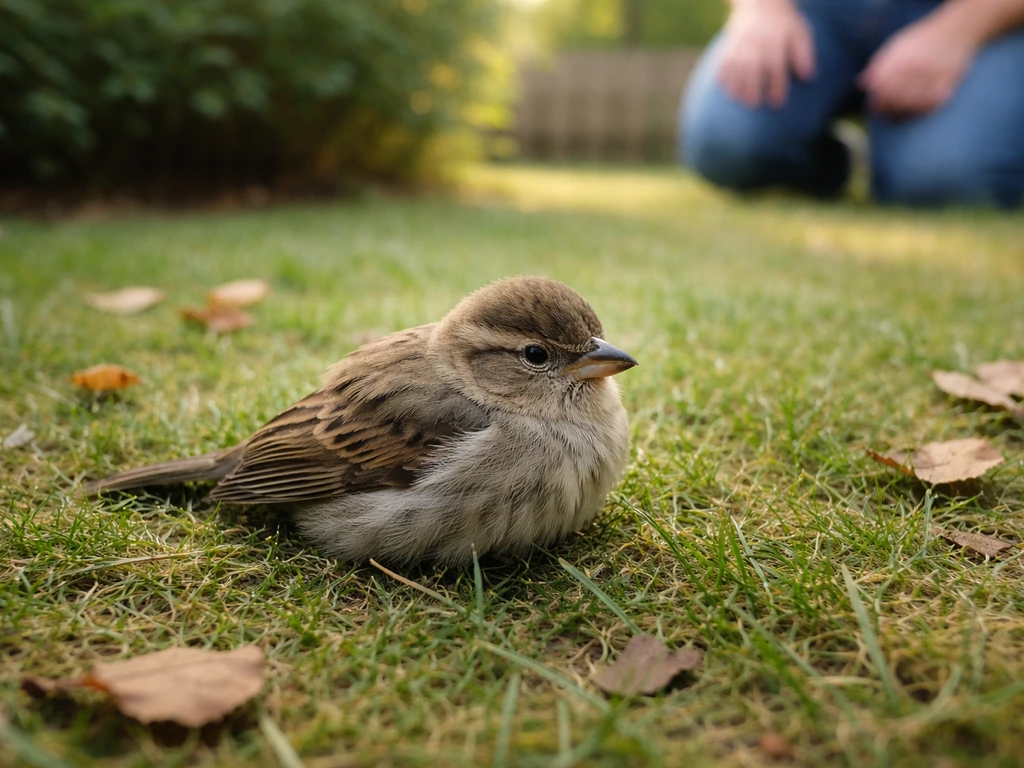
Yes, birds can absolutely be blind, either from birth or as a result of injury, illness, or trauma. If you're reading this because you've just found a bird that seems confused, keeps bumping into things, or has visibly damaged eyes, you're in the right place. This guide will walk you through what bird blindness looks like, what causes it in real rescue situations, and exactly what to do right now to keep the bird safe until a professional can take over.
Can a Bird Be Blind? Signs and First Aid for Rescuers
Marcus Chen
8 Jun 2026
Can birds be blind, and how does it happen?
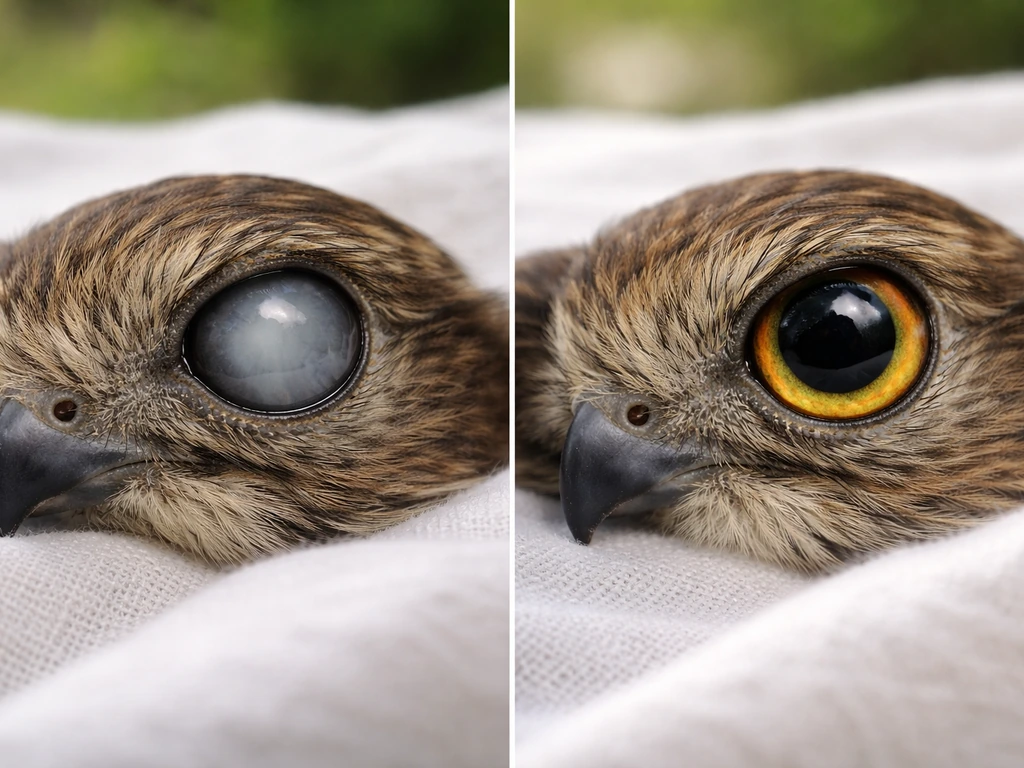
Birds can lose vision partially or completely, and it can happen in more ways than most people realize. Some birds are born with congenital eye defects. Others develop vision loss over time from conditions like cataracts, where the lens becomes increasingly opaque and visual acuity drops until the bird is functionally blind. Untreated infections like conjunctivitis can also progress to cataracts if left alone, meaning what starts as a treatable eye issue can eventually cost the bird its sight.
In wild bird rescue situations, the causes are usually more sudden and more severe. A window strike can cause head trauma or direct eye injury that results in immediate vision loss. A cat or dog attack often leaves puncture wounds or scratches directly on or around the eye. Exposure to chemicals, debris, or foreign material can cause rapid damage to the cornea. Severe illness, neurological damage, or extreme malnutrition and dehydration can all affect vision too, though these tend to come with a wider set of symptoms.
Signs a bird may be blind vs. simply injured or disoriented
This distinction matters a lot. A bird that just flew into a window might sit dazed on the ground for 30 to 60 minutes and then fly off fine. A bird with a serious eye injury or neurological problem needs professional care, not just a quiet rest. If you are wondering how do you know if a bird is suffering, pay close attention to pain, distress, and whether the bird cannot see normally. Knowing which situation you're dealing with helps you act faster. If you're trying to figure out whether your bird’s behavior is a sign it needs help, focus on sudden blindness symptoms like disorientation, cloudy eyes, and trouble tracking movement a bird may be blind vs. simply injured or disoriented.
Signs that point specifically to vision problems include bumping into objects or walls repeatedly, missing food or water when it's placed directly in front of them, poor or crash landings, and an inability to track movement with their eyes. You might notice the bird tilting its head at an unusual angle or circling, both of which can indicate neurological involvement affecting vision. Eyes that look cloudy, swollen, have visible discharge, or are held shut are a serious red flag, as are pupils that appear fixed, unequal in size, or don't respond to changes in light.
Disorientation from a window collision looks different. The bird is usually alert and upright, just temporarily stunned. It may pant or sit quietly but will often right itself and attempt to move. A bird that is clearly trying to orient but struggling, or one that keeps falling over or circling without improvement after an hour, has likely progressed beyond simple stunning. Signs of pain, distress, or other urgent conditions overlap with vision issues too, so if you're unsure whether what you're seeing is blindness versus something else entirely, treat it as an emergency regardless. If you notice signs a bird is in pain, contact a wildlife rehabilitator or avian vet immediately. If you suspect the bird is in distress because of vision problems, follow the red-flag guidance and get help right away how to tell if a bird is in distress.
Common causes in real-life rescue scenarios
Window collisions are one of the most common reasons birds end up with eye injuries and head trauma. The force of hitting glass at speed can cause direct ocular damage, internal bleeding behind the eye, or neurological injury that disrupts vision even when the eyes themselves look intact. Hundreds of birds are admitted to wildlife rehabilitation centers every year for window strike injuries alone.
Pet attacks, especially from cats, are another major cause. Cats have bacteria in their claws and mouths that cause rapid infection, and a scratch to the face or eye area can cause serious damage within hours. If a cat has had any contact with the bird, that alone is a reason to get the bird to a vet or rehabilitator the same day, even if the injuries look minor.
Infections are a slower but equally serious pathway to vision loss. Bacterial, viral, fungal, or parasitic conjunctivitis can all cause eye inflammation that, left untreated, may progress to permanent damage. Chemical exposure from pesticides, cleaning products, or even dirty water can irritate or burn the eyes quickly. And in birds that are already severely weakened from illness, dehydration, or starvation, vision problems can appear as part of a broader systemic collapse. Dehydration can also cause serious, sudden changes in how a bird looks and acts, so it helps to know how to tell if a bird is dehydrated.
Immediate first aid you can do right now
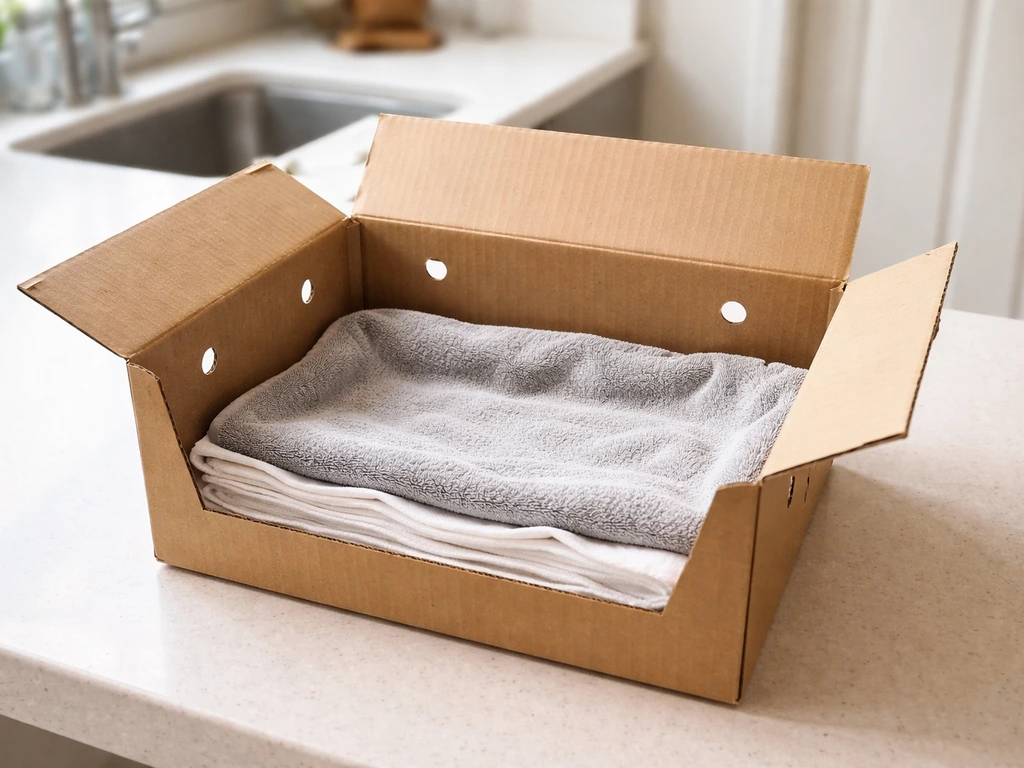
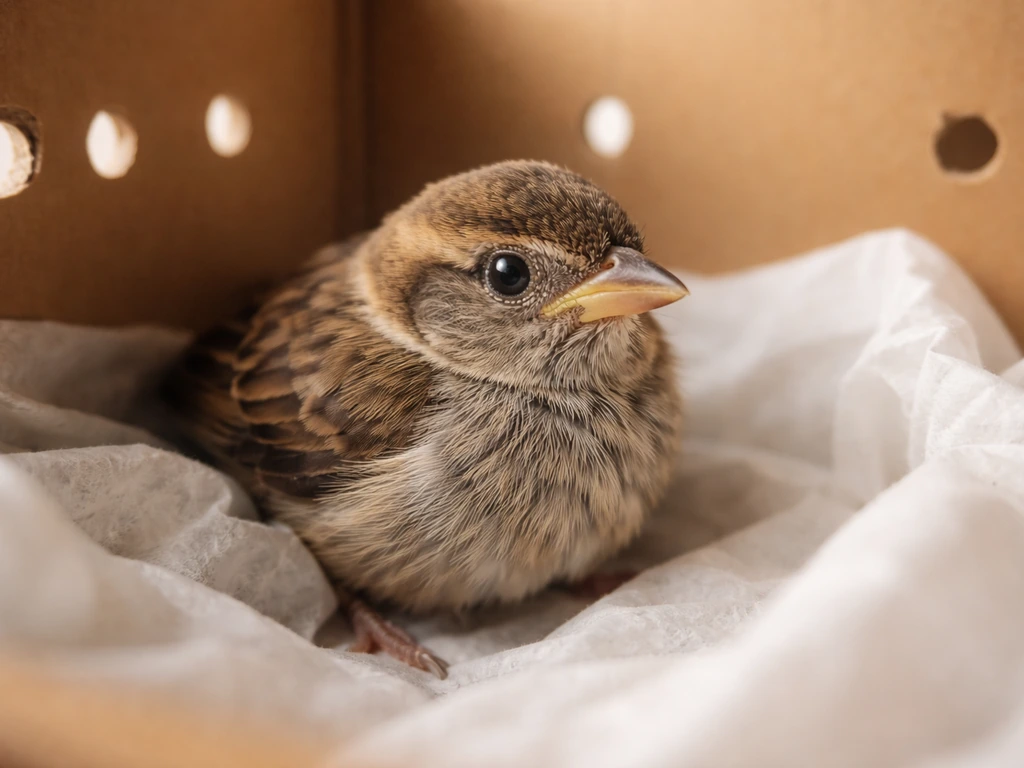
The most important thing you can do for a bird with possible eye injuries or blindness is to contain it safely and reduce stress. If you suspect the bird is very weak, check for signs of breathing so you can determine how urgent it is before getting help how to check if a bird is breathing. Stress alone can kill an injured bird, so your first job is to create a calm, dark, warm environment as quickly as possible.
- Find a cardboard box or container with ventilation holes. Line it with a cloth or paper towel so the bird has traction and feels secure.
- Place the bird gently inside. Wear gloves if you have them, or use a light cloth to avoid direct skin contact. Do not grip around the chest, as this can restrict breathing.
- Keep the box in a warm, quiet, dark place away from pets, children, and noise. A bathroom or closet works well.
- Do not offer food or water. This is counterintuitive but important. Giving water or food to an injured bird incorrectly can cause aspiration or other harm, and it delays you getting the bird to someone who can actually help.
- Do not attempt to clean or treat the eyes yourself. Rinsing with tap water or applying any drops not prescribed by a vet can make things worse.
- If the bird feels cold to the touch, provide gentle external warmth. Place a heating pad set to low under one half of the box (not the whole base), or use a hot water bottle wrapped in a towel placed beside the box. The bird must be able to move away from the heat source.
- Check on the bird minimally. Resist the urge to peek repeatedly. Darkness and quiet are genuinely therapeutic for a stunned or injured bird.
That's genuinely it for at-home first aid. Anything beyond containment and warmth should be left to a professional. These steps are based on guidance from multiple wildlife rehabilitation centers and are designed to keep the bird stable, not to treat the underlying problem.
When to get urgent help: red flags and timelines
Call a wildlife rehabilitator or avian vet immediately, without waiting, if you see any of the following: Rabies is rare in birds, but because it can be deadly, avian vets treat any unusual neurological signs as a reason to check for serious causes right away how to know if a bird has rabies.
- Visible bleeding anywhere, including around or from the eye
- A penetrating wound to the eye or surrounding tissue
- Severe swelling, discharge, or an eye that appears collapsed or ruptured
- The bird cannot perch, stand, or hold its head upright
- Rapid deterioration: the bird was alert when you found it but is now limp, unresponsive, or has stopped moving
- Any known or suspected cat or dog contact, even if wounds aren't visible
- Signs of neurological distress: circling, persistent head tilt, seizure-like movements
If none of those red flags are present and the bird appears to just be stunned, give it up to one hour in the dark quiet box. If it hasn't clearly improved and recovered enough to attempt flight after that window, that's your signal to transport it to a wildlife rescue center or avian vet. Don't wait longer than that hoping it will sort itself out, because vision-related injuries and infections can deteriorate fast.
What to do while waiting for a vet or wildlife rehabber
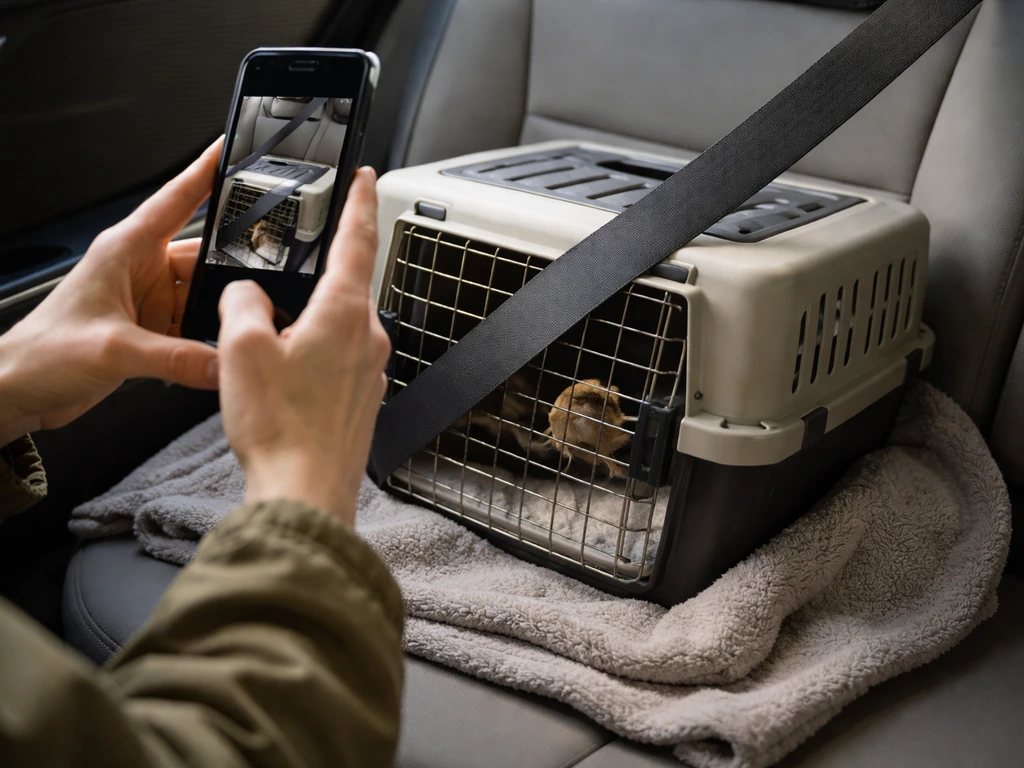
Once you've decided the bird needs professional help, your job shifts to safe transport and documentation. Keep the bird in the box, secured so it can't tip. During the drive, keep the car warm and turn off the radio. Gibsons Wildlife Rehabilitation Centre also advises keeping the car warm during transport keep the car warm. Loud music and sudden temperature changes add stress to an already compromised bird.
Before you go, take a few photos or a short video of the bird and the location where you found it. Capture any visible eye abnormalities, wounds, or behavioral signs like head tilting or circling. This is genuinely useful information for the rehabilitator and can help them assess the severity and likely cause faster. Note approximately when you found the bird, what it was doing when you first saw it, and whether any animals (cats, dogs) had contact with it.
When you call ahead to the rehab center or vet, mention specifically that you suspect eye injury or vision problems. Describe what you saw: cloudy eyes, discharge, inability to track movement, head tilt, or whatever prompted your concern. They may give you additional instructions based on the species or severity before you arrive.
Comparing key signs: eye injury, blindness, and disorientation
| Sign | Likely cause | Urgency |
|---|---|---|
| Sitting quietly, alert, upright after window strike | Temporary stunning | Monitor for up to 1 hour, then transport if no improvement |
| Cloudy, swollen, or visibly damaged eye | Direct eye trauma or infection | Call a vet or rehabber immediately |
| Persistent head tilt and circling | Neurological or inner ear damage affecting vision | Urgent, call now |
| Missing food placed right in front of it | Vision loss in one or both eyes | Transport to a professional the same day |
| Eye held shut or excessive blinking | Pain, infection, or injury | Call a vet or rehabber immediately |
| Discharge or crust around the eye | Infection (bacterial, viral, fungal) | Call a vet or rehabber immediately |
| Stumbling or crash landings repeatedly | Partial or full vision loss | Transport to a professional the same day |
| Unresponsive or rapidly deteriorating | Serious trauma or systemic illness | Emergency, get help now |
Prevention tips to reduce eye injuries and collisions

Window collisions are largely preventable, and since they're one of the top causes of eye and head injuries in wild birds, this is worth addressing. The key principle is that deterrents need to be on the outside of the glass to work. Decals or blinds placed on the interior side do not break up reflections during daylight, so birds still see sky and trees reflected in the glass. You can prevent window strikes by making the glass visible to birds, such as by applying window clings or decals and using deterrent film, as recommended by the Wisconsin Humane Society Decals or blinds placed on the interior side do not break up reflections during daylight.
- Apply window decals, tape, or a visual pattern on the outside of the glass. Space markers in a grid no wider than 2 inches by 2 inches to be effective.
- Use one-way transparent film on the outside of windows. It appears opaque from outside so birds see a barrier, while you still see out clearly from inside.
- Install external screens or mesh. These break up reflections and also slow a bird if it does fly toward the glass.
- Close or partially close blinds and curtains on windows that face gardens, feeders, or areas of heavy bird activity.
- Position bird feeders either within 3 feet of a window (too close for birds to build up dangerous speed) or at least 30 feet away (far enough that birds don't confuse reflections for open sky).
- Keep cats indoors, especially during peak bird activity in the morning. Even a cat that stays in the yard creates stress for birds and risks attack injuries.
- Check your yard for obvious hazards like exposed wire, netting with large holes, or containers with standing chemicals. Birds can get debris or chemical splashes in their eyes from ground-level sources too.
If you've already found an injured bird and you're in triage mode, prevention is a later conversation. Right now, focus on getting the bird contained, calm, and to a professional. But once things settle, even small changes to your windows and yard setup can prevent the same scenario from repeating for the next bird that passes through.
FAQ
Can a bird be blind from birth, and how do I tell with a baby bird?
Yes. In many species, hatchlings and fledglings can have reduced or absent vision due to congenital defects, infections acquired early, or injuries before you find them. If a very young bird repeatedly bumps into objects or cannot orient to food when it is placed right in front of it, treat it as an emergency rather than assuming it will “grow out of it.”
How can I quickly tell if my bird cannot see versus just being stunned or weak?
You can reduce handling errors by checking whether the bird can follow movement with its eyes when you move a finger slowly in front of it (without forcing the bird’s head). If it cannot track at all, or it bumps repeatedly, that points to vision loss. If the bird is tracking but is unsteady, it may be stunned or neurological rather than blind.
Is it okay to put saline or antibiotic drops in a bird’s eyes at home?
Avoid giving any eye drops, ointments, or human products, even “natural” saline, unless a vet or rehabilitator directs you. Corneal damage and infections can worsen if the wrong substance is applied, and some medications are unsafe for birds. The only at-home steps that are generally appropriate are dark, warm containment and minimizing stress.
Should I inspect the eye closely or cover it to keep it calm?
Do not attempt to cover the eyes tightly, tape the beak, or restrain the bird to “check” the eye closely. That kind of pressure can worsen corneal injury and increase panic. Use a dim box for visual comfort and, if you need to document, take photos from a distance when the bird is calm.
If a bird seems blind, can I release it back outside after a short wait?
If the bird cannot see, it also often cannot judge distance, so flight attempts can lead to further head or eye trauma. Do not release it outdoors “to see if it recovers.” Follow the one-hour dark, quiet containment window only if there are no major red flags, then transport if it cannot clearly improve.
Can blindness come on suddenly, or is it usually gradual?
Yes, but the timing matters. Cataracts and some chronic eye problems tend to worsen gradually, while trauma, cat scratches, chemical burns, and corneal damage can cause rapid deterioration over hours. If you notice sudden changes in orientation or eye appearance, prioritize same-day professional care.
What eye signs are most concerning, even if the bird looks otherwise alert?
Unequal pupils or fixed pupils that do not respond to light can be a sign of serious ocular or neurological issues. Birds also can hold eyes in a partly closed position when they have pain or inflammation. If you see these signs together with disorientation or discharge, treat it as urgent and do not wait for improvement.
If the bird is circling or head-tilting, does that always mean it’s blind?
Yes. Head tilt and circling can be from inner ear or neurological problems, not only vision. Because the cause can be hard to distinguish in the field, the safe approach is the same: if the bird is persistently falling, circling, or not improving after the short containment period, get it evaluated promptly.
What should I do if I think a cleaning product or pesticide got in the bird’s eye?
If you suspect chemical exposure, the immediate goal is to prevent further irritation by keeping the bird warm, calm, and contained, then getting professional help quickly. Try not to rinse the eye yourself, because you can spread the chemical further or damage tissue. Tell the rehab center or vet exactly what product or substance you think it contacted.
If a cat touched the bird but I don’t see a scratch, should I still get it checked?
If cats or dogs made any contact (even without visible wounds), there is a meaningful risk of deep infection. Keep the bird contained and contact an avian vet or wildlife rehabilitator the same day, because infections around the face and eyes can accelerate quickly and may not show fully at first.
What photos or videos are most useful to send to a wildlife rehab center?
Documenting can help your call go faster. A short video (5 to 15 seconds) showing whether the bird tracks movement, bumps objects, or tries to fly can be more informative than still photos alone. Include the time you found the bird and the environment (window location, indoor/outdoor exposure, weather).
How should I handle urgent transport if the bird’s breathing looks abnormal?
During transport, keep the bird in a dark, breathable container, reduce temperature swings, and avoid loud sounds. If the bird is breathing heavily or you cannot tell how it is breathing, that changes urgency. In that case, prioritize immediate intake rather than waiting for a scheduled time.
What’s the most effective way to prevent future window strikes, beyond interior decals?
Prevention is critical for window strikes. After you change the outside-of-glass cues, give the area a test period for a few weeks, because birds may still attempt the route if you only partially address reflections. If you cannot modify the glass, use exterior solutions like netting or properly placed window films designed for bird safety.
Next Articles
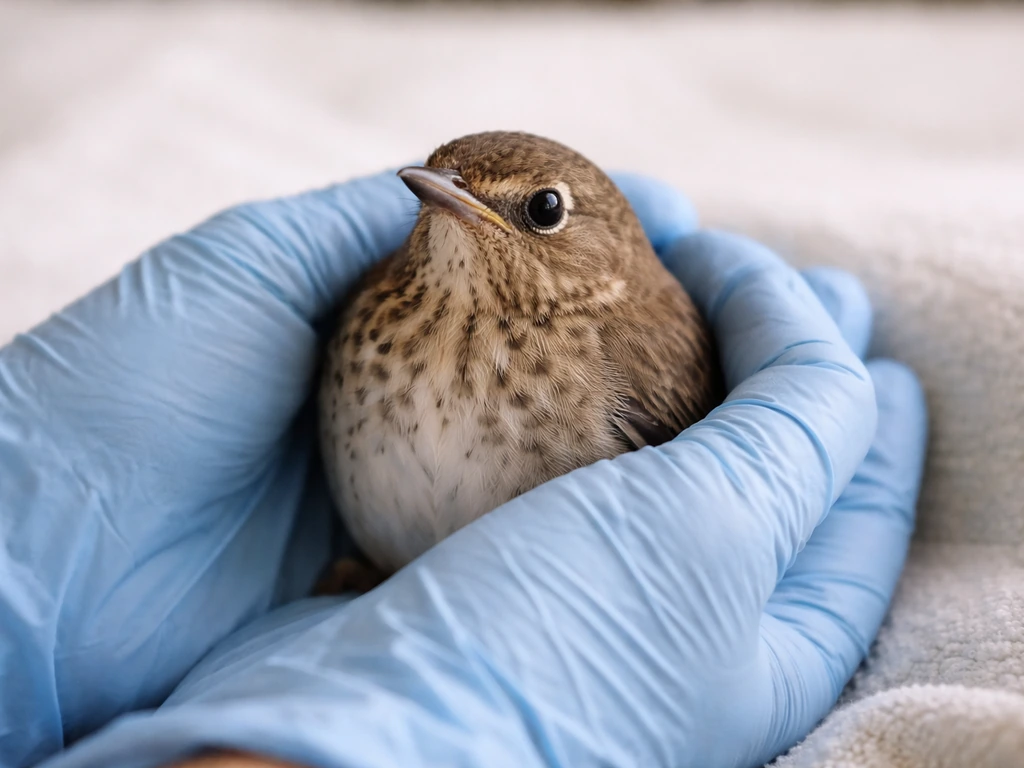
How to Check If a Bird Is Breathing: Quick First Aid
Learn quick, safe breathing checks for injured birds and what to do immediately if breathing is absent or uncertain.
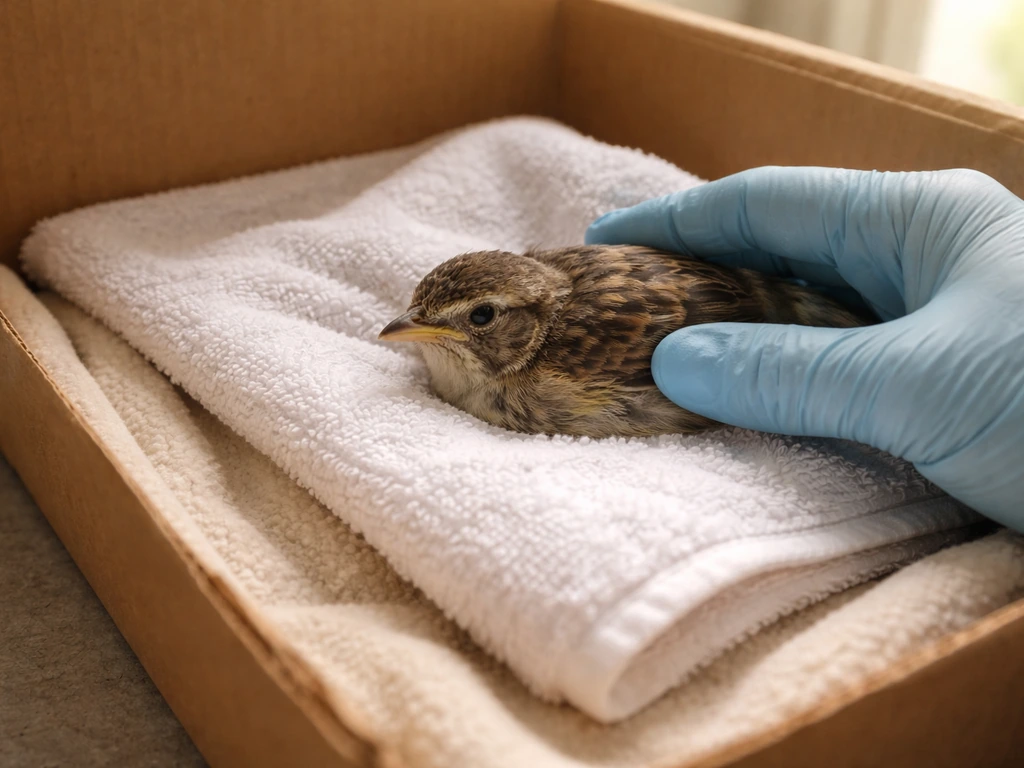
Signs a Bird Is in Pain: What to Do Next Today
Learn signs a bird is in pain and get step-by-step actions, triage, and urgent guidance to help it fast.
How to Tell If a Bird Is in Distress and What to Do
Spot distress signs in wild birds, assess injuries safely, and get the right help fast with first-aid tips.