Birds cannot get rabies. This is the most important thing to know right now. Rabies is a disease of mammals only, and no bird species can contract or transmit it. So if you are watching a wild bird act strangely and wondering whether it has rabies, you can set that specific fear aside. That said, a bird behaving oddly still needs your attention, and if the bird has bitten or scratched you, there are other real health risks to take seriously. Here is exactly what to do.
How to Know If a Bird Has Rabies: Safe Steps Now
Marcus Chen
3 May 2026
Why rabies comes up with birds (and why it doesn't apply)
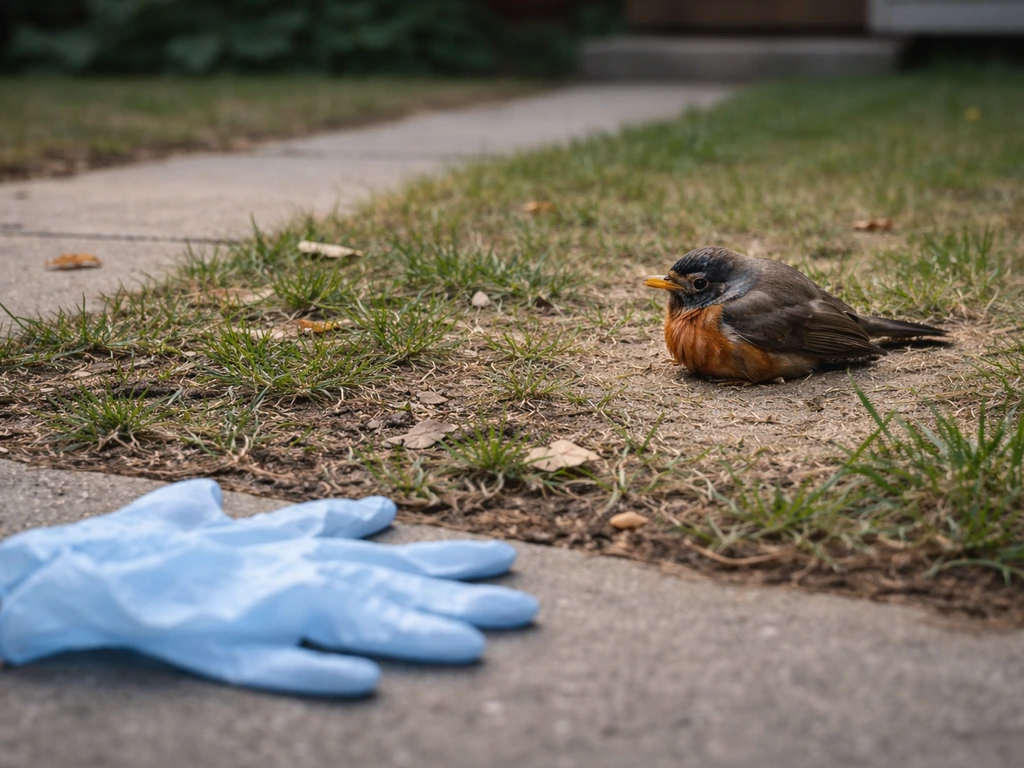
It makes complete sense to wonder about rabies when you see a bird stumbling around, unable to fly, or acting aggressive. Those are the kinds of behaviors we associate with rabies in mammals, and it is a reasonable instinct to connect the dots. But every major public health authority, including the CDC, the Virginia Department of Health, and DC Health, states clearly that rabies is a disease of mammals. Birds do not have the biological receptors the rabies virus needs to take hold. They cannot get infected, and they cannot pass it to you.
The animals that actually carry and transmit rabies are bats, raccoons, skunks, foxes, and other wild mammals. If you recently had contact with any of those animals in addition to the bird, that is a separate conversation worth having with your local health department. But the bird itself is not a rabies vector.
What is actually causing those weird behaviors
When a bird looks "rabid," something else is almost always going on. In my experience working with injured wildlife, the list of real culprits is long, and most of them are treatable if you act quickly.
- Window collision: One of the most common causes of disorientation, stumbling, circling, or inability to fly. The bird has essentially suffered a concussion and needs time and quiet to recover.
- Toxin or pesticide exposure: Birds that have eaten poisoned insects or ingested rodenticide (from eating a poisoned rodent) often show neurological symptoms including tremors, loss of coordination, and seizures.
- Avian illness or infection: Diseases like Newcastle disease, West Nile virus, avian influenza, and salmonellosis can cause severe neurological and physical symptoms in birds.
- Physical injury: A broken wing, leg, or spinal injury can make a bird act erratic or aggressive out of pain and fear.
- Stress and shock: A bird that has been chased by a cat or dog, hit by a car, or caught in netting may appear unresponsive, floppy, or unusually tame simply because it is in shock.
- Parasites or malnutrition: Severe cases can cause weakness, balance problems, and unusual behavior that looks alarming but has a treatable cause.
You genuinely cannot tell which of these is happening just by watching. And that is okay. Your job right now is not to diagnose the bird. It is to keep yourself and others safe, contain the situation, and get the right people involved. If you are also noticing signs like the bird refusing to open its eyes, labored breathing, or visible wounds, those are signals the bird is in distress and needs professional evaluation quickly.
How to approach a strange-acting bird safely (or whether to at all)
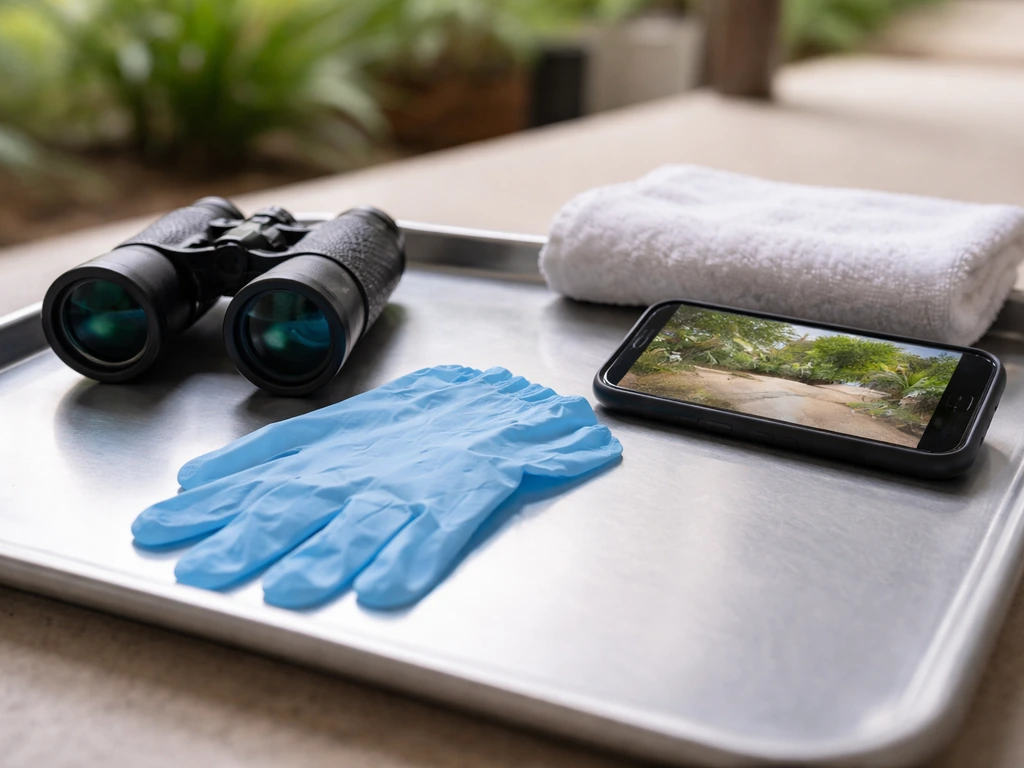
Even though rabies is off the table, you still need to be careful. Here is how to tell if a bird is in distress: look for signs that it is injured, unable to fly, or acting unusually and then keep distance until help arrives distressed or injured bird. A distressed or injured bird will bite and scratch, and bird bites and scratches carry their own infection risks, including bacterial infections like Pasteurella and Salmonella, as well as potential exposure to avian diseases. Here is the general rule: the stranger the bird is acting, the more distance you should keep until you have a plan.
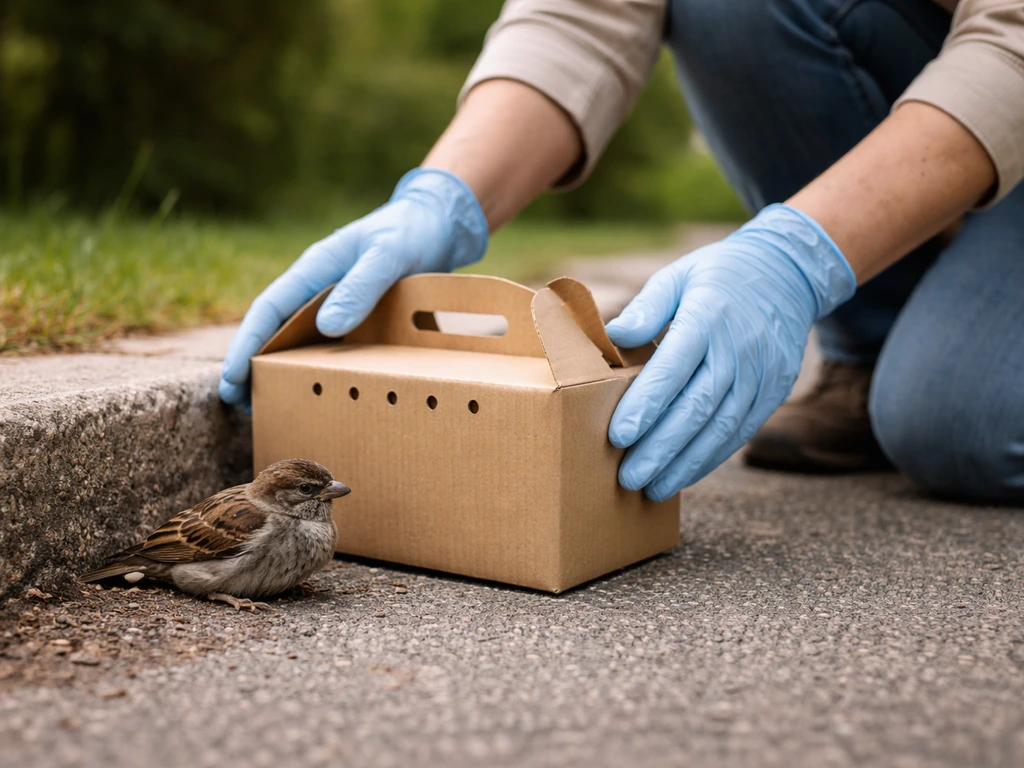
- Do not pick the bird up with bare hands. If you need to move it out of immediate danger (like off a busy road), use thick gloves, a folded towel, or a cardboard box to create a barrier.
- Keep pets and children away from the area immediately. A bird that is stressed or sick may lash out, and children especially tend to want to touch or comfort it.
- Do not offer food or water at this stage. It sounds kind, but an injured or neurologically impaired bird can aspirate liquids easily, and the wrong food can make things worse.
- If the bird is in a safe location (not in traffic, not accessible to cats or dogs), you may be better off watching from a distance and calling for help rather than trying to handle it at all.
- If you need to confine it, place a ventilated cardboard box over it gently and slide a piece of cardboard underneath to lift it into the box. Keep the box dark and quiet, away from noise and heat.
Immediate steps: isolate, don't handle, and call for help
Once you have secured the area and made sure no one is at immediate risk, your next move is containment and contact. Do not try to rehabilitate the bird yourself, especially if it is showing neurological symptoms. Many avian diseases are zoonotic, meaning they can pass to humans, and some are notifiable diseases that wildlife authorities need to know about.
- Keep the bird in a dark, quiet, ventilated box away from people and pets. Do not check on it repeatedly. Quiet is genuinely one of the most helpful things you can provide.
- Do not place it in a wire cage or anywhere it can see activity. Stimulation makes the stress worse.
- Call your local wildlife rehabilitator or animal control right away. If you are not sure who to call, search for your state's wildlife agency or a licensed wildlife rehabilitation center in your area.
- If the bird is a raptor (hawk, owl, eagle, falcon), contact your nearest raptor center. Many states have dedicated facilities for birds of prey.
- While you wait, note the bird's species if you can identify it, where you found it, any behaviors you observed, and whether it has been moved.
If you were bitten, scratched, or exposed to the bird's fluids
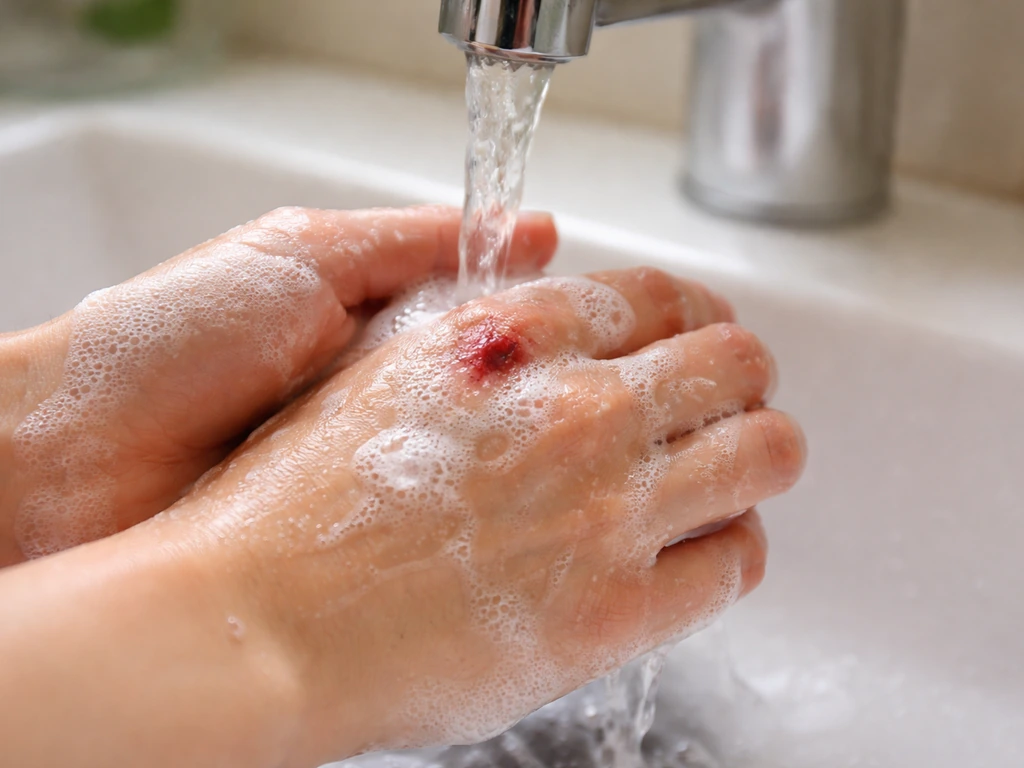
Again, rabies is not your concern here. But a bird bite or scratch still needs prompt attention, and here is what to do right now if it happened.
- Wash the wound immediately and thoroughly with soap and water for at least 5 minutes. This is the single most important first step and reduces infection risk significantly.
- If saliva, blood, or other fluids made contact with your eyes, nose, mouth, or an open cut, rinse those areas thoroughly with clean water.
- Call your doctor or urgent care within the same day. Bird bites can introduce bacteria deep into tissue and may require antibiotics or a tetanus booster depending on your vaccination history.
- Tell your provider exactly what happened: what species of bird if known, how the exposure occurred (bite, scratch, saliva contact), what part of your body was affected, and the date and time.
- If you are unsure whether the contact involved broken skin or a mucous membrane, err on the side of caution and describe it fully to your provider. They will help you determine the appropriate next steps.
- Do not wait to see if it gets infected before calling. Infections from bird bites can escalate quickly, particularly with deep puncture wounds.
To be direct about the rabies question one more time: since birds cannot carry rabies, post-exposure prophylaxis (PEP), which is the vaccine series and immune globulin treatment given after mammal exposures, is not indicated for bird bites. The Delaware Department of Agriculture notes that rabies does not occur in reptiles, amphibians, birds, fish, or insects, so birds do not carry rabies. Your doctor will confirm this, but you do not need to be anxious about starting that protocol. Focus on bacterial infection prevention.
What professionals test for and how you can help them
When a wildlife rehabilitator or avian veterinarian receives the bird, they will do a full physical assessment: checking for trauma, testing neurological responses, looking at eyes and beak, assessing body condition and hydration. Among the things they assess is hydration, since dehydration can cause weakness, sunken eyes, and other warning signs. They may run blood panels, take cultures, or perform imaging depending on what they find. If avian influenza or another notifiable disease is suspected, they are required to report it and may submit samples to a state or federal laboratory for testing.
You can help the process significantly by telling them everything you observed before they arrived: the bird's exact location when found, how long it had been there if you knew, any other dead birds in the area (a cluster of sick or dead birds is an important public health signal), whether any pets or people had contact with it, and what it was doing when you first noticed it. This context helps them triage faster and choose the right diagnostic path.
As a layperson, you cannot confirm or rule out any specific illness in a bird just by observing its behavior. If you are wondering whether birds can be blind, it helps to understand that vision loss can happen from injury, disease, or congenital conditions, and it may affect how they behave can a bird be blind. Neurological symptoms, disorientation, and abnormal tameness all have a long list of possible causes. If you notice signs a bird is in pain, treat that as a reason to keep your distance and get a trained wildlife professional involved quickly. Professionals use laboratory testing precisely because clinical signs overlap across many conditions. Your role is observation and containment, not diagnosis. If you need to assess the bird’s condition, you can start by checking if it is breathing normally before you contact a wildlife professional check if a bird is breathing.
How to report it and find local help

Reporting a sick or injured bird is not bureaucratic busywork. It genuinely matters. If the bird has an illness like avian influenza or West Nile virus, wildlife agencies need that information to track outbreaks and protect both animal and public health. Here is how to find the right resources.
- Search your state's wildlife agency website for a list of licensed wildlife rehabilitators. Most states maintain a searchable database by county.
- Call your local animal control office. Even if they do not handle wild birds directly, they can refer you to the right agency.
- The USDA's Wildlife Services program handles reports of suspicious-acting wild animals and can connect you with field staff in your area.
- If you believe the bird may have a reportable disease (especially if there are multiple sick birds in one area), contact your state veterinarian's office or your state department of agriculture.
- For birds of prey specifically, a quick search for 'raptor rehabilitation center' plus your state will usually turn up a specialized facility.
- If you had any personal exposure (bite, scratch, or fluid contact), also notify your local or state health department in addition to seeing a doctor. They track animal-related exposures and can advise on next steps.
Once you have handed the bird off to a professional, your follow-up job is to monitor yourself for any signs of infection at the site of a bite or scratch (redness, swelling, warmth, discharge, or fever) and to follow up with your doctor if you were told to. The bird will be in far better hands with a trained rehabilitator than at home, and getting it there quickly is the best thing you can do for its welfare.
Finding a bird acting strangely is stressful, and it is completely natural to worry about worst-case scenarios. If you are worried a bird may need help, keep your distance, avoid handling it, and contact a local wildlife rehabilitator or avian veterinarian for guidance a bird acting strangely. But now you know: blank" rel="noopener noreferrer">rabies is simply not one of them when it comes to birds. What matters is keeping your distance, avoiding bare-handed contact, getting the right people on the phone, and seeking medical attention promptly if you had any physical contact. If you are wondering how to know if a bird is suffering, focus on clear signs of distress or injury and contact a wildlife professional for next steps seeking medical attention promptly. That combination covers both the bird's welfare and your own.
FAQ
If birds cannot get rabies, should I still call public health after seeing a “rabid-looking” bird?
Call a wildlife rehabilitator or avian veterinarian rather than public health for the bird itself. Public health involvement is more relevant when you have had exposure to rabies-carrying mammals, or when there is a unusual cluster of sick or dead birds that could indicate another reportable illness.
What should I do if a bird bites or scratches me but I never handled it directly?
Even without direct handling, treat the injury as a bite or scratch. Wash the area right away with plenty of soap and running water, apply an appropriate antiseptic, and seek medical advice, especially if you are unsure how deep the injury is or if you have facial, eye, or hand involvement.
Do I need rabies shots if I was scratched by a bird that acted strangely?
Rabies post-exposure treatment is not indicated for bird bites or scratches because birds do not carry or transmit rabies. Still, get medical care for wound infection risk and to confirm your situation in case there was contact with a rabies-relevant mammal.
Can a bird drool, foam, or show neurological signs that look like rabies?
Yes, birds can show abnormal behavior from many non-rabies causes, such as trauma, poisoning, severe infection, or neurologic disease. You cannot confirm rabies from appearance, so focus on keeping distance and getting professional evaluation.
How long should I wait before I contact help if the bird seems “fine” but is acting oddly?
If the behavior is persistent, worsens, or you notice clear distress (unable to fly, repeated collisions, open-mouth breathing, inability to stand, or unusual aggression), contact help promptly. Many treatable conditions in injured wildlife improve when the animal is evaluated early.
What if there were bats or other mammals around where I found the bird?
That does not change the rabies risk from the bird, but it can matter for your exposure history. If you had any bite, scratch, or close contact with a bat or other rabies-relevant mammal, contact your local health department or a clinician for guidance on whether rabies evaluation is needed.
Should I capture the bird to bring it to a rehabber faster?
Avoid handling. Capturing yourself increases bite and scratch risk, and some conditions worsen with stress. Instead, keep others away, note the bird’s location and behavior, and ask the rehabber about safest capture or transfer options.
What wound symptoms after a bird scratch mean I should get urgent medical care?
Seek urgent evaluation if you develop rapidly worsening redness, significant swelling, warmth, pus or drainage, red streaking up the limb, fever, or worsening pain. Hand and face injuries also merit a lower threshold for urgent care because infections can spread quickly.
If I see multiple sick or dead birds in one area, does that change anything about rabies?
Rabies still is not the cause because birds cannot contract or transmit it. However, a cluster can indicate another outbreak risk, so report the pattern to local wildlife authorities, and avoid contact with carcasses or contaminated materials.
What can I safely do at the scene before help arrives?
You can safely observe from a distance, block off space to prevent people and pets from approaching, and take notes (time, exact location, and what you saw). Do not attempt to feed, water, or administer medications, and do not put your hands near beaks or feet.
Next Article
How Do You Know If a Bird Is Suffering? Signs and First Aid
Learn how to tell if a bird is suffering and what to do next with safe, step-by-step first aid and when to call.