A dehydrated bird can go downhill fast, and the tricky part is that birds are wired to hide how sick they feel until they really can't anymore. By the time a bird looks obviously unwell, it's often more dehydrated than you'd guess. So if something feels off and you're trying to figure out whether dehydration is part of the problem, trust your instincts and work through these checks now.
How to Tell If a Bird Is Dehydrated: Signs and Next Steps
Marcus Chen
21 Apr 2026
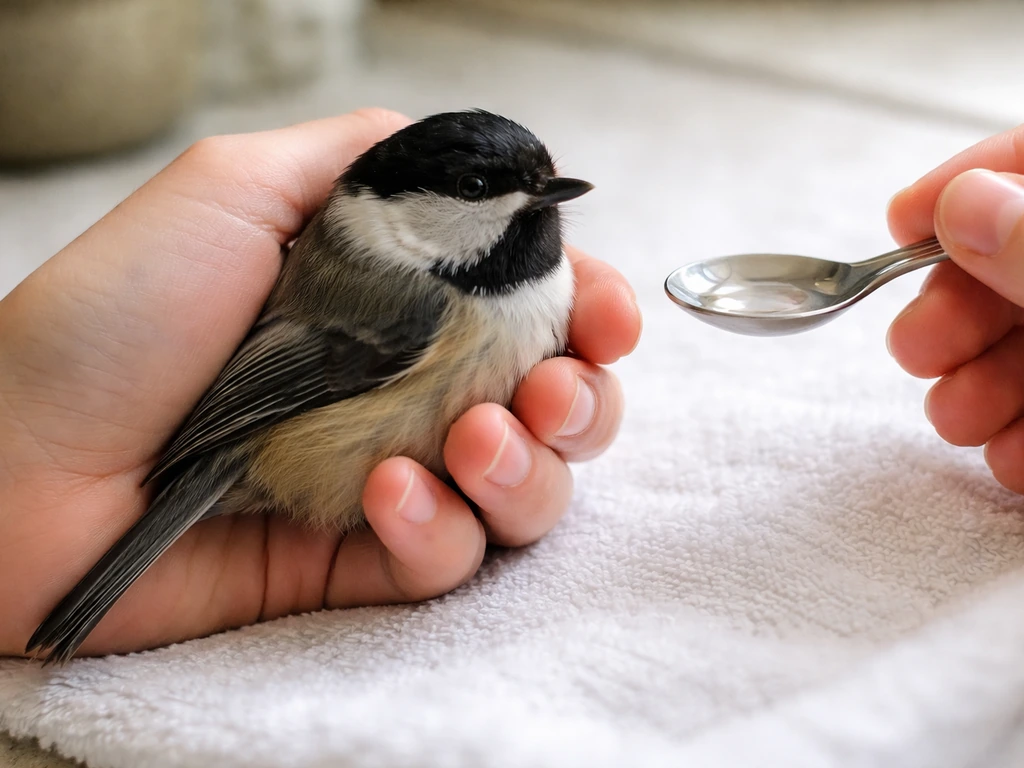
Common dehydration risk signs in birds
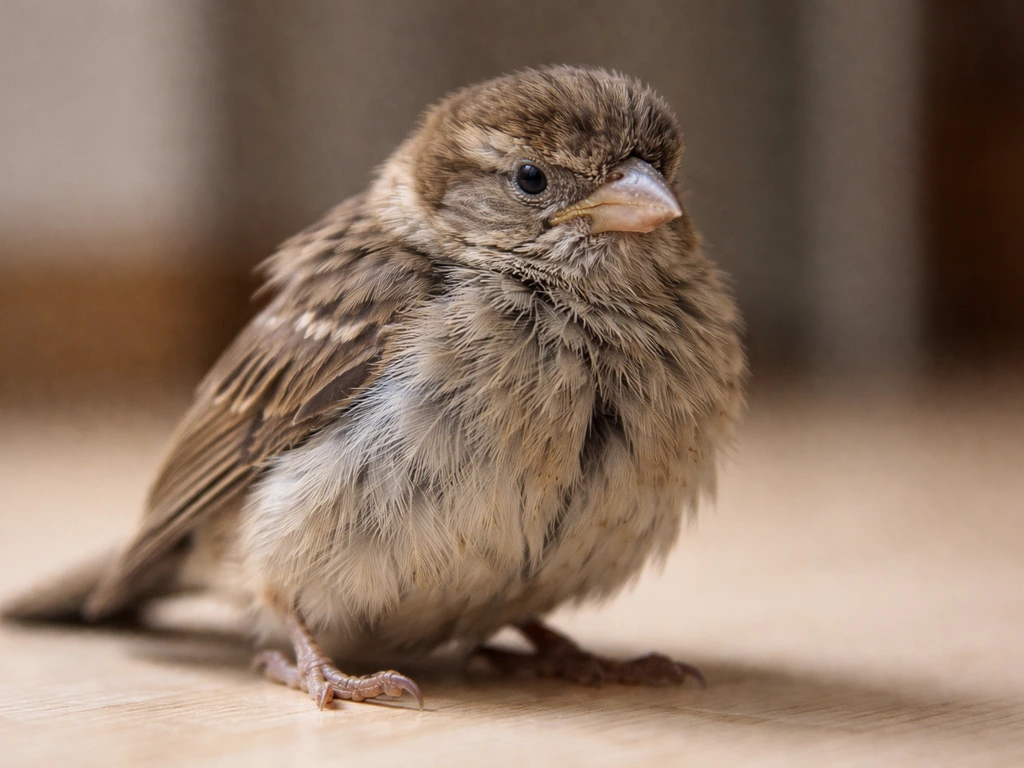
Dehydration in birds doesn't always announce itself with one obvious sign. It usually shows up as a cluster of things that together paint a picture. Here's what to watch for before you even touch the bird:
- Lethargy or unusual stillness: the bird isn't moving much, seems glued to one spot, or isn't reacting to your presence the way a healthy bird would
- Fluffed feathers: feathers puffed up and held tightly even in a warm environment is a classic sign something is wrong
- Hunched or drooping posture: head pulled down toward the body, tail drooping, or the bird struggling to hold itself upright
- Reduced or absent appetite: not eating when food is offered, or showing no interest in water
- Labored or rapid breathing: breathing that looks like effort, open-beak breathing in a bird that isn't overheated, or a tail bobbing with each breath
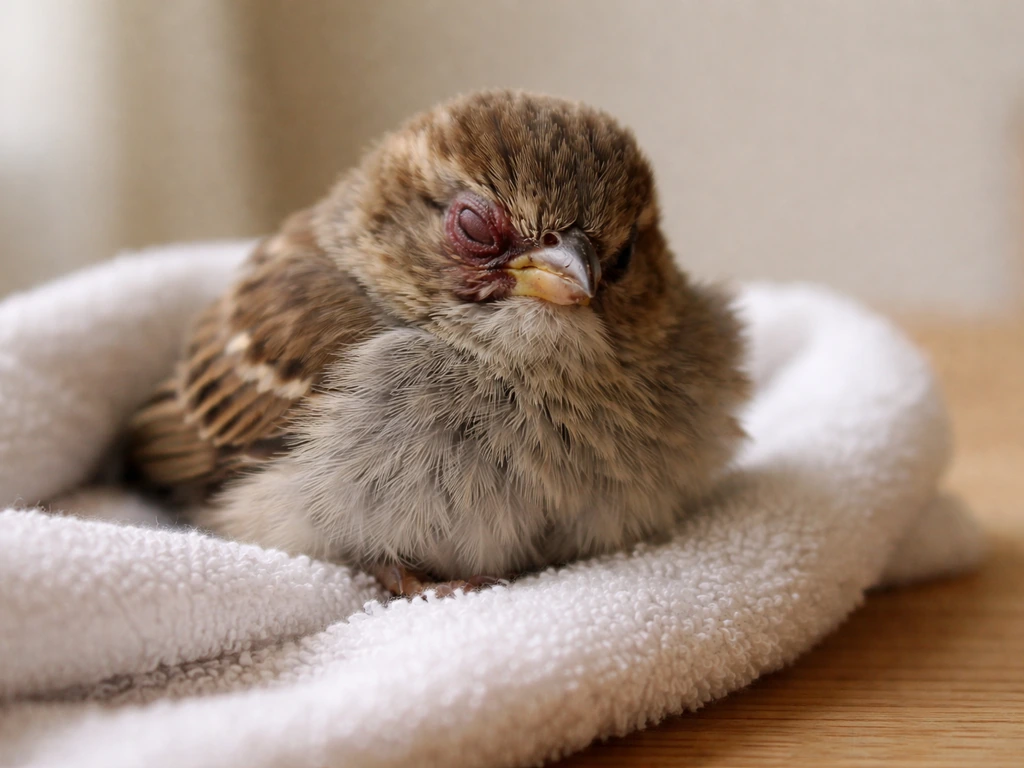
- Dull, sunken, or half-closed eyes: eyes that look smaller than normal, or that seem to be receding into the head
- Tacky or dry-looking mouth tissues: any time you can safely observe the inside of the beak, dry or sticky-looking membranes are a red flag
- Reduced or absent droppings, or very concentrated urates: the white part of the dropping looks thicker, more yellow, or there's very little liquid urine portion
These signs can overlap with other problems too, including pain, infection, and trauma. Dehydration is often a consequence of those issues rather than the only thing going on, so keep that in mind as you work through the checks below.
Quick at-home checks you can do right now
These four checks are the core of assessing hydration status in a bird at home. You don't need any equipment, just steady hands and a calm approach. Handle the bird as little as possible and work efficiently.
Eyes
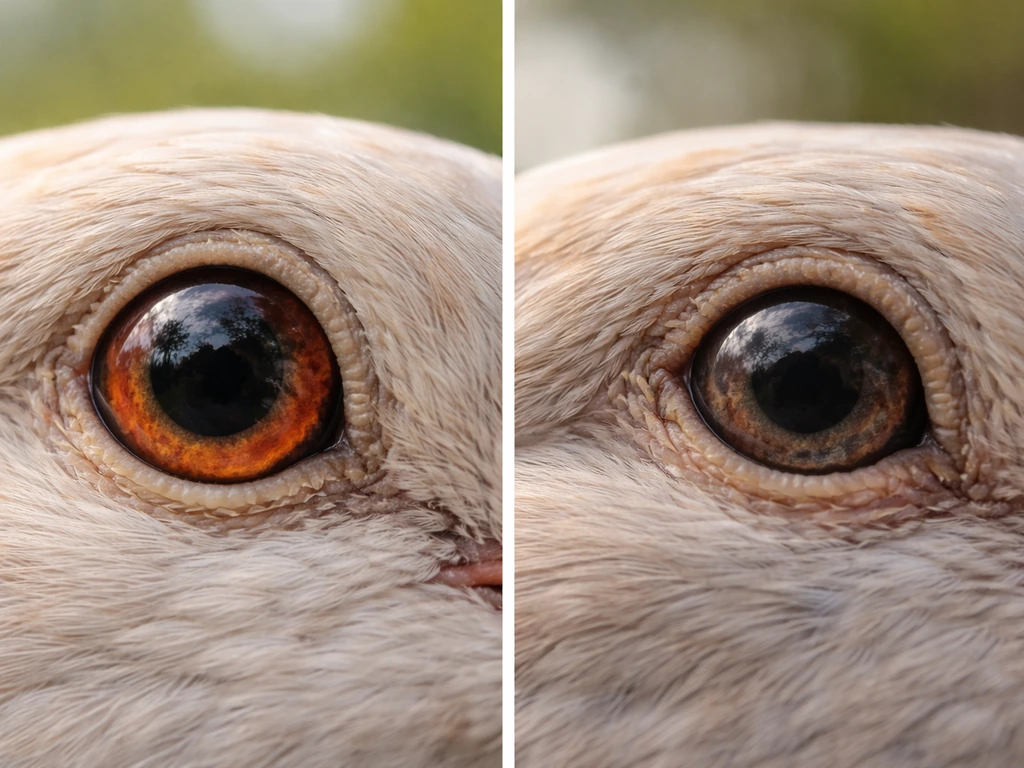
Look at the eyes straight on and from the side. A well-hydrated bird's eyes are bright, full, and sit naturally in the socket. When a bird is around 8% dehydrated, the eyes look slightly depressed or recessed. At around 10% dehydration or more, they look clearly sunken and dry, sometimes with a dull or glazed appearance. Sunken eyes combined with the cere (the fleshy area at the base of the beak) looking dried out or shriveled is a serious warning sign.
Mouth and mucous membranes
If you can safely get a brief look inside the beak, check whether the tissues look moist and pink or dry and tacky. Healthy oral membranes are slick and pale pink. At moderate dehydration (around 8%), they'll feel tacky if touched and may look dull. At severe dehydration (10% or more), they look pale, dry, and in extreme cases can have thick sticky mucus clinging to them. Pale oral membranes alongside dryness suggest the bird may be going into circulatory compromise, which is urgent.
Skin turgor (skin tent test)
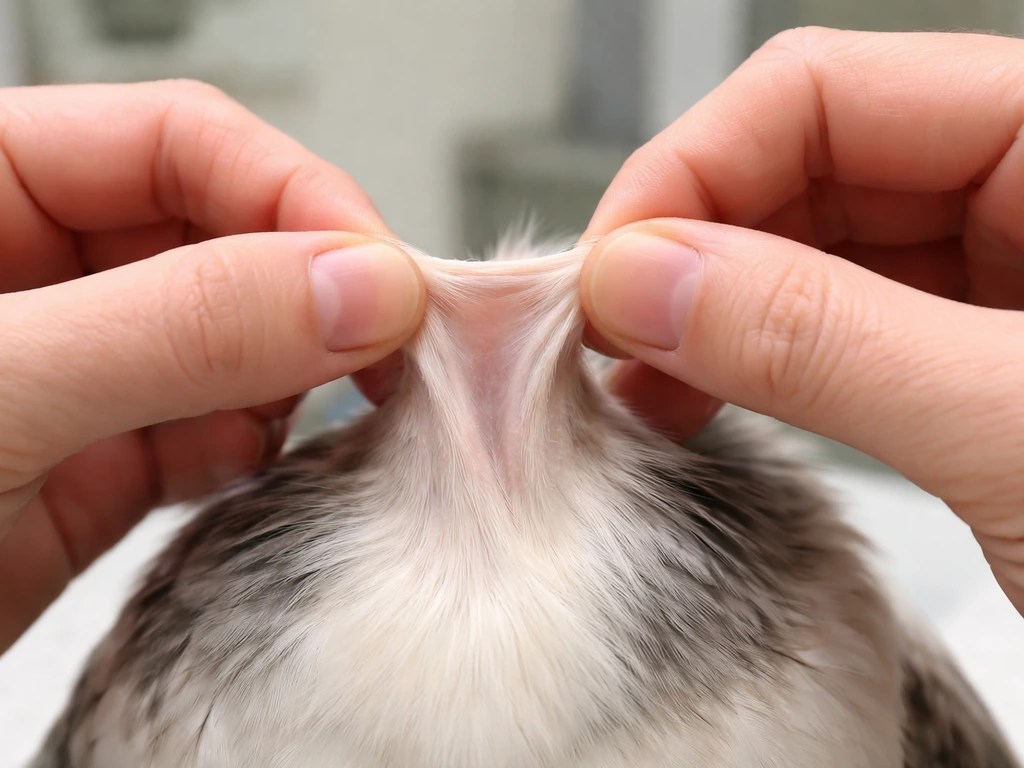
This test checks how quickly the skin springs back after being gently pinched. In birds, the best place to do this is the skin over the breast or the back of the neck. Gently pinch a small amount of skin between two fingers, hold for one second, then release and count how long it takes to flatten back down. In a well-hydrated bird, the skin snaps back almost instantly (under one second). At around 8% dehydration, the skin takes 2 to 3 seconds to return to normal. At 10% dehydration, it takes 3 to 5 seconds or longer. In extreme dehydration, the skin may barely move at all and feel like it's sticking to the underlying muscle tissue. Do this test quickly and minimize how long you're handling the bird.
Droppings
Normal bird droppings have three parts: dark fecal matter, white or cream urates, and clear liquid urine. In a dehydrated bird, the liquid urine portion shrinks or disappears, and the urates may look darker yellow or more concentrated. At severe dehydration, there may be little to no urine production at all, and you might see just dry, scant droppings or nothing for a prolonged period. Stress can also cause watery droppings in some birds, so context matters, but dry, scant, or absent droppings alongside other signs points strongly toward dehydration.
Nestlings vs. adult birds: what changes and what to check
Baby birds and adult birds both show the core signs of dehydration, but there are some important differences in what you're looking for and how reliable each test is.
Nestlings and fledglings
Very young birds (nestlings still without full feathers) dehydrate much faster than adults because of their small body size and higher metabolic rate. In a nestling, the skin turgor test is one of the most useful checks: the skin at the back of the neck or over the abdomen should spring back immediately in a healthy bird. Any noticeable delay is a warning sign. Eyes in healthy nestlings are bright and full even before they fully open, so sunken or dull-looking eyes on a baby bird are a red flag. The mouth check is also useful: the inside of the beak should look moist and bright in a healthy nestling. Dry, sticky, or pale tissues mean the bird needs help quickly. Droppings in very young birds should be soft and often encased in a fecal sac, and a nestling that hasn't produced a dropping in a normal feeding cycle may be dehydrating. Because nestlings depend entirely on their parents for both food and hydration (they get moisture from the food they're fed), a nestling on the ground without a parent is at dehydration risk almost immediately.
Adult birds
In adult birds, all four checks above apply. The skin turgor test can be slightly less sensitive in older birds or birds with thickened skin, so use it alongside the eye and mouth checks rather than relying on it alone. An adult bird that has been injured (from a window collision, a cat attack, or getting grounded), or one that's been found in extreme heat, is at high dehydration risk even if the outward signs seem mild at first. Birds mask illness well, as experienced wildlife rescuers know all too well, and by the time an adult bird is visibly struggling to stand or hold its head up, it's already significantly dehydrated.
What to do immediately if you suspect dehydration
This is where a lot of well-meaning people make mistakes, so read this part carefully before you do anything else.
Do not force food or water
Multiple wildlife organizations, including the Wildlife Center of Virginia, Virginia Department of Wildlife Resources, and Cornell Wildlife Hospital, are consistent on this: do not give food or water to an injured or distressed bird unless a licensed wildlife rehabilitator or veterinarian specifically tells you to. This isn't overcautious advice. Forcing fluids into a bird that's unable to swallow properly can cause aspiration (fluid going into the lungs), which can kill the bird faster than the dehydration itself. Food can also complicate treatment when the bird reaches professional care.
What you can do: warmth and a calm environment
The most helpful thing you can do right now is create a safe, calm, warm holding environment. Place the bird in a cardboard box or paper bag with air holes, lined with a soft cloth or paper towel. Keep it in a quiet, dark space away from pets, children, and noise. Warmth helps a sick bird conserve energy: a temperature around 26 to 29 degrees Celsius (79 to 85 degrees Fahrenheit) is a reasonable supportive range. You can achieve this by placing one end of the box near a heat source (like a heating pad on its lowest setting under half the box) so the bird can move away from the heat if needed. Adding a little humidity to the environment, such as placing a small dish of warm water nearby in the box without risk of the bird falling in, can help ease breathing. If the bird seems lethargic or in respiratory trouble, checking whether it is breathing normally is another important step check if a bird is breathing. Do not put the bird in direct sunlight or a hot car.
If a rehabilitator instructs you to offer water
In some situations, a licensed rehabilitator may advise you to offer a small amount of water while you arrange transport. In that case, offer it in a shallow dish so the bird can drink on its own terms, and never use a dropper or syringe to put water in the bird's mouth unless you've been specifically trained and instructed. A bird that is alert enough to drink voluntarily is in a much better situation than one that cannot.
Red flags: when dehydration becomes a medical emergency
Dehydration on its own is serious. Knowing how to tell if a bird is in distress can help you spot these red flags sooner and get the right help dehydration becomes a medical emergency. If you are wondering how do you know if a bird is suffering, these dehydration red flags are a good place to start. But these signs tell you the bird is in immediate danger and needs professional intervention as fast as you can get it:
- Unable to stand or hold its head up, or lying flat and prostrate
- Eyes closed and unresponsive to your presence or touch
- Cold extremities (feet and legs feel cold to the touch)
- Visible bleeding or wounds alongside dehydration signs
- Seizure-like movements, trembling, or loss of muscle control
- Open-beak breathing or severe respiratory distress
- Skin that doesn't return to normal at all after the turgor test (takes more than 5 seconds or stays tented)
- No droppings at all for an extended period alongside extreme lethargy
- Pale or blue-tinged mucous membranes (suggests circulatory compromise)
These signs, especially when several appear together, indicate the bird may be in shock, experiencing organ distress, or dealing with a broader medical emergency on top of dehydration. This is not a wait-and-see situation. Start making calls to a wildlife rehabilitator or avian vet immediately while you keep the bird warm and quiet.
It's worth knowing that dehydration symptoms can overlap significantly with other serious problems. Rabies is a separate emergency concern, so if the bird is behaving abnormally or appears neurologically impaired, seek urgent veterinary or wildlife guidance right away. If you're also noticing that the bird can't seem to see properly, is showing signs of neurological issues, or seems in obvious pain, those situations carry their own urgency that goes beyond dehydration alone. If the bird can't seem to see properly, check for blindness as well, because eye and neurological problems can show up at the same time how to tell if a bird is blind.
Prevention and supportive care after the bird appears to recover
If the bird was a wild bird and has been cleared by a rehabilitator for release, or if it's a pet bird that had a dehydration episode and is recovering under veterinary guidance, here's how to support ongoing health and prevent reoccurrence.
For pet birds
Make sure fresh, clean water is available at all times and check it daily. Dehydration in pet birds is often caused by illness, overheating, or stress, so addressing the underlying cause is critical. After a dehydration episode, your vet may recommend a short period of electrolyte supplementation or diet changes. Keep the bird's environment at a stable, comfortable temperature and avoid drafts. Monitor droppings for several days after recovery: droppings should return to a normal three-part appearance with clear liquid urine. Continue checking the bird's eyes and energy levels daily, and return to your vet if anything seems off.
For wild birds in care
Wild birds in temporary holding before transfer to a rehabilitator benefit from a quiet, dark, warm environment with minimal handling. Once a rehabilitator takes over, they will manage rehydration properly, often with subcutaneous or oral fluids administered safely. Your job in the meantime is to keep the bird calm and stable. After release, there's not much follow-up you can do for a wild bird, but if you have feeders or water sources in your yard, keeping clean water available in shallow, safe dishes is genuinely helpful for local bird populations during hot weather.
When to call for help and what to tell them
If the bird is wild and showing dehydration signs, the answer is almost always: call a licensed wildlife rehabilitator now, not after you've tried to fix it yourself. Many centers are available seven days a week during daylight hours. Your state or regional wildlife agency website should have a directory, and organizations like the Wildlife Center of Virginia also provide public advice lines to help you locate the right contact.
If it's a pet bird, call an avian vet rather than a general vet if at all possible. Avian vets are trained specifically in bird physiology and will assess dehydration far more accurately and safely than a general practitioner.
When you call, be ready to give them the following information clearly and quickly:
- Species if you know it, or a description (small brown songbird, large black bird, parrot, etc.) and approximate size
- Whether it's a baby, juvenile, or adult bird
- Where you found it and when (backyard, road, near a window, in a bush)
- What signs you noticed and when they started (lethargy since this morning, found it on the ground, saw it hit a window, etc.)
- What, if anything, you've already done (placed it in a box, offered water, handled it)
- The current environment temperature and conditions (hot day, indoors, in shade)
- Whether you can see any visible injuries like bleeding, drooping wing, or wounds
The more specific you can be, the faster the rehabilitator or vet can assess the urgency and guide your next steps. Don't wait until the bird looks worse to make the call. With dehydration especially, acting early is what gives the bird the best chance.
| Dehydration Level | Eye Appearance | Mucous Membranes | Skin Turgor (seconds to return) | Urine in Droppings | Action Needed |
|---|---|---|---|---|---|
| Mild (~5%) | Normal or slightly dull | Slightly tacky | Under 2 seconds | Reduced | Monitor closely, contact vet or rehabilitator |
| Moderate (~8%) | Slightly sunken or depressed | Tacky, dull pink | 2 to 3 seconds | Little to none | Contact vet or rehabilitator urgently |
| Severe (~10%+) | Clearly sunken and dry | Pale, very dry or sticky | 3 to 5+ seconds | None | Seek professional help immediately |
| Extreme | Sunken, glazed, closed | Very dry with thick mucus, pale | Skin barely returns or stays tented | None | Emergency: call now, keep bird warm and still |
FAQ
How quickly do I need to act if I suspect dehydration in a bird?
Treat suspected dehydration as time-sensitive. Especially in nestlings, deterioration can happen within hours, so begin transport or phone triage immediately after you notice sunken eyes, dry mouth tissues, delayed skin snap, or reduced urine and do not wait for more signs to appear.
Is the skin turgor test always reliable in birds with thick feathers or thick skin?
It is less reliable in birds with thickened skin or certain species. Use it as one data point, not the deciding factor, and rely on the eye appearance and mouth tissue moisture together with the presence and appearance of droppings.
What can make a bird’s eyes look sunken that is not dehydration?
Severe fatigue, shock, certain infections, neurologic issues, and eye problems can also alter eye appearance. If the bird also shows abnormal neurologic behavior, visible eye injury, or inability to focus, skip further home testing and contact a rehabilitator or avian vet right away.
Can stress or temperature alone cause dry-looking oral tissues?
Stress can change droppings, but oral membranes typically become notably dry or tacky mainly when hydration is impaired or circulation is compromised. If the mouth tissues look pale, dry, or sticky and you also see scant urine or sunken eyes, assume dehydration is a major contributor.
If the bird is eating or drinking, can it still be dehydrated?
Yes. A bird may look temporarily more alert after a feeding opportunity, but dehydration signs like recessed eyes, delayed skin snap, and reduced urine can persist. Continue monitoring and get professional guidance, particularly for nestlings or any bird found overheated or grounded.
What should I do if the bird seems too weak to drink on its own?
Do not force fluids with a dropper or syringe unless a trained professional tells you to. If it cannot drink voluntarily and you see dehydration signs, focus on warmth and minimizing handling, then arrange immediate care with a licensed rehabilitator or avian vet.
How do I avoid making the bird worse while providing a warm holding environment?
Use gentle warmth, not direct sun or a hot car. Provide a gradient so the bird can move away from heat, keep the space quiet and dark, and avoid overheating because increased breathing rate and stress can worsen dehydration and respiratory strain.
Should I offer water to a bird I found in good condition but with one mild dehydration sign?
Generally, avoid offering food or water to an injured or distressed bird unless a licensed rehabilitator or veterinarian specifically instructs you. For a single mild sign, contact triage anyway, because the combination of signs often matters and dehydration can progress quickly.
How can I distinguish dehydration from constipation or other digestive problems?
Look for matching hydration patterns. Dehydration often reduces or eliminates clear liquid urine and makes urates darker or more concentrated, whereas constipation may involve difficulty passing formed waste but does not typically produce the same changes in urine and eye and mouth moisture.
What droppings pattern is most concerning for severe dehydration?
Very scant droppings or a prolonged period without urine, paired with darker, concentrated urates and no clear liquid component, is concerning. If combined with sunken eyes or dry, pale mouth tissues, treat it as urgent and call immediately.
Do pet birds dehydrate the same way as wild birds?
The core indicators are similar, but home tests can vary in reliability across species and age. In pet birds, dehydration is often triggered by illness, overheated housing, or stress, so if dehydration signs appear, contact an avian vet to address the underlying cause, not just rehydrate.
After professional rehydration, how do I prevent the problem from returning?
Keep fresh water available daily, maintain stable comfortable temperatures without drafts, and monitor droppings for several days so the three-part pattern returns. If your vet recommended electrolyte or diet changes, follow that plan and recheck eyes and energy levels, and return promptly if symptoms recur.
If I can’t find a rehabilitator right away, what is the safest next step?
Prioritize keeping the bird warm, quiet, and minimally handled while you place calls or arrange transport. Avoid giving food or forced fluids, and take note of when you found the bird, what conditions it was in (heat, window strike, cat exposure), and which dehydration signs you observed so responders can triage faster.
Next Articles
How to Tell If a Bird Is Blind: Signs and Next Steps
Step-by-step signs of blindness in birds, safe home checks, red flags, and what to do and document next.
Can a Bird Live With One Wing? Survival and First Aid
Can a bird live with one wing? Injury outcomes and step-by-step first aid, plus when to get urgent help.
Can a Bird Survive With One Eye? What to Do Now
Learn if birds can cope with one eye and what to do now for an injured bird’s eye safely and urgently.