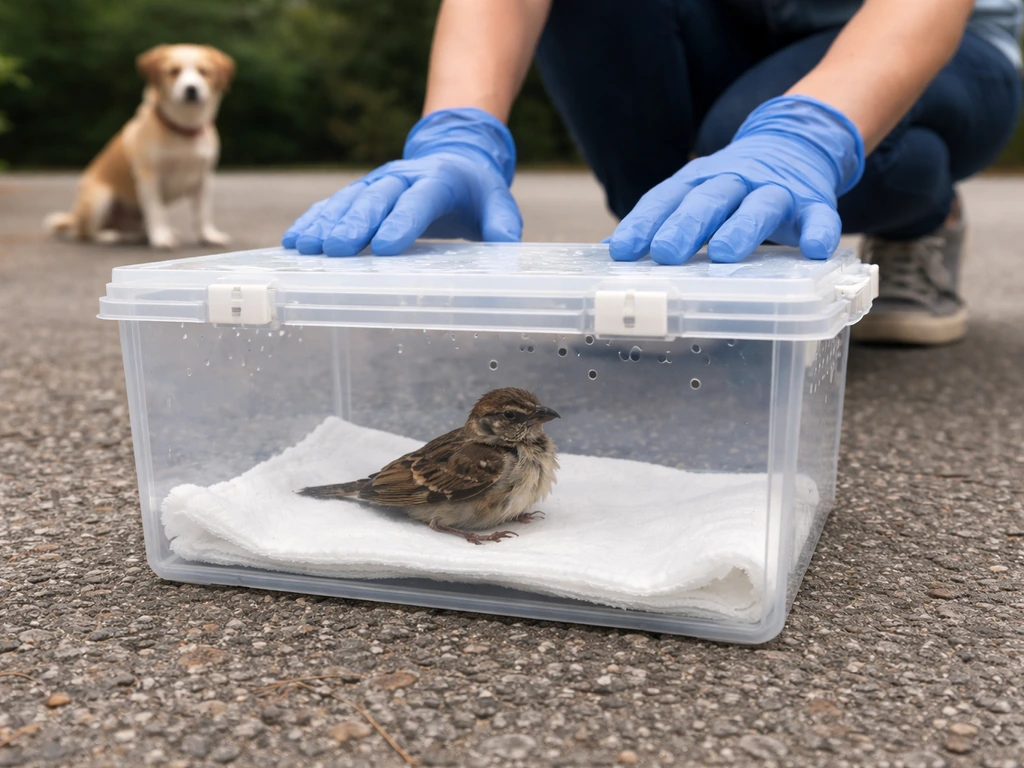
Get the dog away from the bird immediately, then put the bird in a small, dark, ventilated box lined with a towel and place it somewhere warm and quiet. Do not offer food or water. Call a wildlife rehabilitator or avian vet right now, even before you finish assessing the bird. Dog attacks cause puncture wounds, internal injuries, and shock that are invisible from the outside, and a bird that looks "okay" can crash within hours without treatment. Speed is everything here.
How to Treat a Bird Attacked by a Dog: First Aid Steps
Marcus Chen
9 Jun 2026
Immediate safety steps after a dog attack
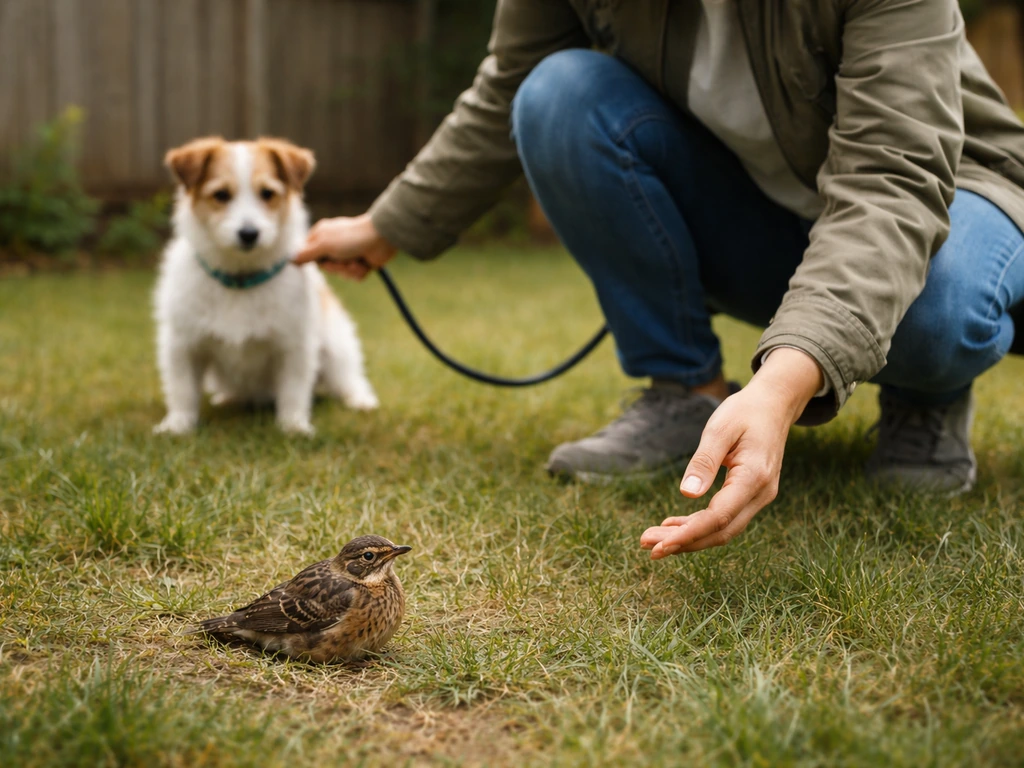
Your first job is to separate the dog from the bird. If you need step-by-step help right now, focus on separating the dog from the bird and getting the bird to a wildlife rescue or avian vet as soon as possible my dog caught a bird what do i do. Stay calm, move quickly, and get the dog inside or on a leash before you do anything else. Dogs instinctively re-engage, and even a gentle nudge from a curious dog can finish off a bird that's already in shock.
Once the dog is secured, resist the urge to scoop the bird up immediately. Take five seconds to look at it from a few feet away. Is it upright? Moving? Breathing visibly? This quick look tells you a lot before you add the stress of being handled.
When you do pick up the bird, drape a light towel or cloth over it first. Cover the head gently, tuck the wings against the body, and lift with two hands supporting the chest and abdomen. Birds calm down significantly when their head is covered, and it also protects you from bites and scratches. If it's a larger bird (crow, pigeon, duck), be especially careful to keep the wings pinned and watch the beak and feet.
Place the bird into a cardboard box or plastic tote with small ventilation holes punched in the sides. Line the bottom with a non-frayed towel or paper towels. Put the lid on. Keep the box away from other pets, kids, and noise. That's the foundation everything else builds on.
Quick assessment: bleeding, breathing, mobility, and shock
You don't need to be a vet to do a basic triage. You're looking for four things: active bleeding, abnormal breathing, inability to stand or use limbs, and signs of shock. Do this quickly and with minimal handling. The goal is information, not a full examination.
- Bleeding: Is there fresh blood on the feathers, beak, or feet? Is it actively dripping or just dried? Active bleeding that won't stop within a few minutes needs immediate attention.
- Breathing: Watch the bird's chest and tail from a short distance. Tail bobbing up and down, open-mouth breathing, or labored gasping all signal respiratory distress. This is a vet emergency, full stop.
- Mobility: Can the bird stand on both feet? Does it hold one wing lower than the other? Can it grip a perch or your finger? A drooping wing or inability to stand usually means a fracture or severe soft-tissue injury.
- Shock: A bird in shock may sit very still, feel cold to the touch, look fluffed up, and be unresponsive to movement around it. Shock is life-threatening and requires immediate professional care.
If the bird is unconscious or completely unresponsive, handle it as little as possible and get it to a wildlife rescue or avian vet within the hour. Minimize movement of the head and neck in case of spinal injury from the dog's bite or shaking.
Stop bleeding and protect wounds (what to do and what to avoid)
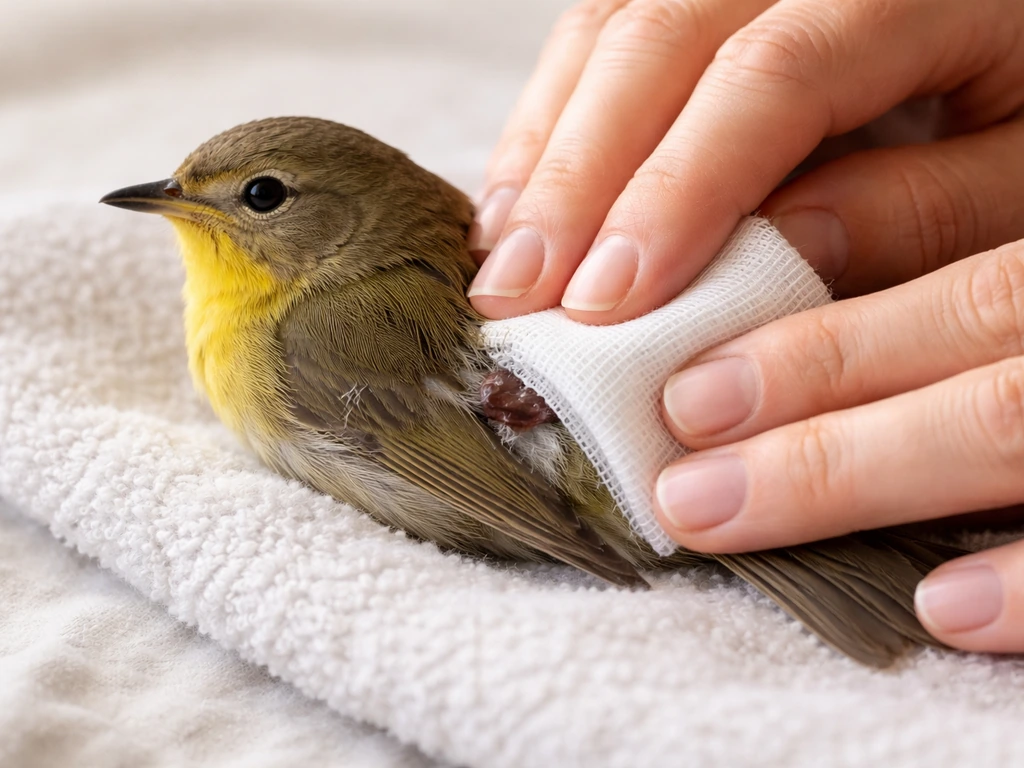
If you see active bleeding, apply gentle, direct pressure with a clean cloth or gauze for several minutes. Most minor surface wounds will slow down with steady pressure. If bleeding doesn't stop within five minutes, that's your signal to start first aid and treat this as urgent.
For small bleeding wounds on the skin or at the base of a feather, styptic powder (the kind sold for pet nail trims) can help clot the blood. However, never apply styptic powder or gel to large open wounds, the vent area, the inside of the mouth, or near the eyes. Those locations can be made significantly worse by styptic products.
Dilute hydrogen peroxide can be used carefully to clean blood off feathers and skin around a wound. Avoid getting it in the eyes, ears, or beak. Do not use rubbing alcohol directly on open wounds as it damages tissue.
Here's something that surprises a lot of people: puncture wounds from dog teeth are often far more dangerous than they look. A dog's mouth carries bacteria that cause rapid, life-threatening infection in birds. A tiny hole in the skin is a medical emergency. If the injury is from a dog bite or attack, antibiotics are often needed even when the bird looks okay at first how to help a bird that has been attacked. Even if the wound looks small or the bird seems fine, it needs antibiotics from a vet, period. This is not a wait-and-see situation.
A few things to absolutely avoid when handling wounds on a bird attacked by a dog:
- Do not try to close or bandage deep wounds yourself.
- Do not apply human antiseptics like undiluted alcohol or Betadine without guidance.
- Do not attempt to pull out feathers to see the wound better.
- Do not try to flush a wound with a syringe unless instructed by a vet or rehabilitator on the phone.
Stabilize and keep the bird calm for transport
Warmth is one of the most important things you can give a traumatized bird right now. A bird in shock loses body heat fast. Your target temperature for the bird's environment is around 85°F (29.4°C). The safest way to provide heat is a heating pad set to low, placed under one half of the box only. This lets the bird move away from the heat if it gets too warm. Do not use a heat lamp, which can burn skin and dry out mucous membranes.
Keep the box in a dark, quiet place. Darkness calms birds. Noise and activity spike their stress hormones, which can kill a bird that's already in shock. Keep children and other pets away. Resist the urge to keep checking on it every few minutes.
Do not offer food or water. It sounds counterintuitive, but a bird with internal injuries, a fractured beak, or compromised swallowing can aspirate water into its lungs. Unless a wildlife professional on the phone specifically tells you to offer water, don't do it.
When you transport the bird, keep the box level and secure so it doesn't slide around in the car. Turn the heat on in the vehicle. Drive calmly, avoid blasting music, and get to your destination as quickly as you safely can.
When to seek emergency help vs watchful waiting
Honestly? After a dog attack, there's almost never a case for watchful waiting. Any bird bitten or grabbed by a dog needs professional evaluation the same day. If your dog eats a bird, treat it as an immediate medical emergency and get professional guidance the same day. Any time your dog grabs or bites a bird, treat it as an urgent wildlife emergency rather than a wait-and-see situation my dog ate a bird what do i do. The question isn't really whether to get help, it's how urgently.
Get emergency help right now if the bird shows any of these:
- Active bleeding that won't stop after several minutes of pressure
- Open-mouth breathing, tail bobbing, or audible wheezing
- Complete inability to move, stand, or respond to stimuli
- Visible puncture wounds, even small ones
- A drooping or obviously broken wing or leg
- Head tilting, circling, or seizure-like movements
- Unconsciousness or extreme unresponsiveness
If the bird seems relatively alert, is breathing normally, is standing, and has no visible wounds or active bleeding, you can take an hour to stabilize it in a warm dark box and make calls to find the right facility. In the Merck Veterinary Manual, this includes warming the bird in an oxygenated incubator right after presentation and watching for respiratory distress, perching and use of both legs, and wing droop. But even in that scenario, you're still calling a wildlife rehabilitator or avian vet today, not tomorrow.
One thing I've seen too many times: people wait overnight because the bird "seemed okay," then find it dead in the morning. Dog bites introduce bacteria that cause infection to progress very fast in small birds. If in doubt, go.
Handling broken wings, broken legs, beak injuries, and head trauma
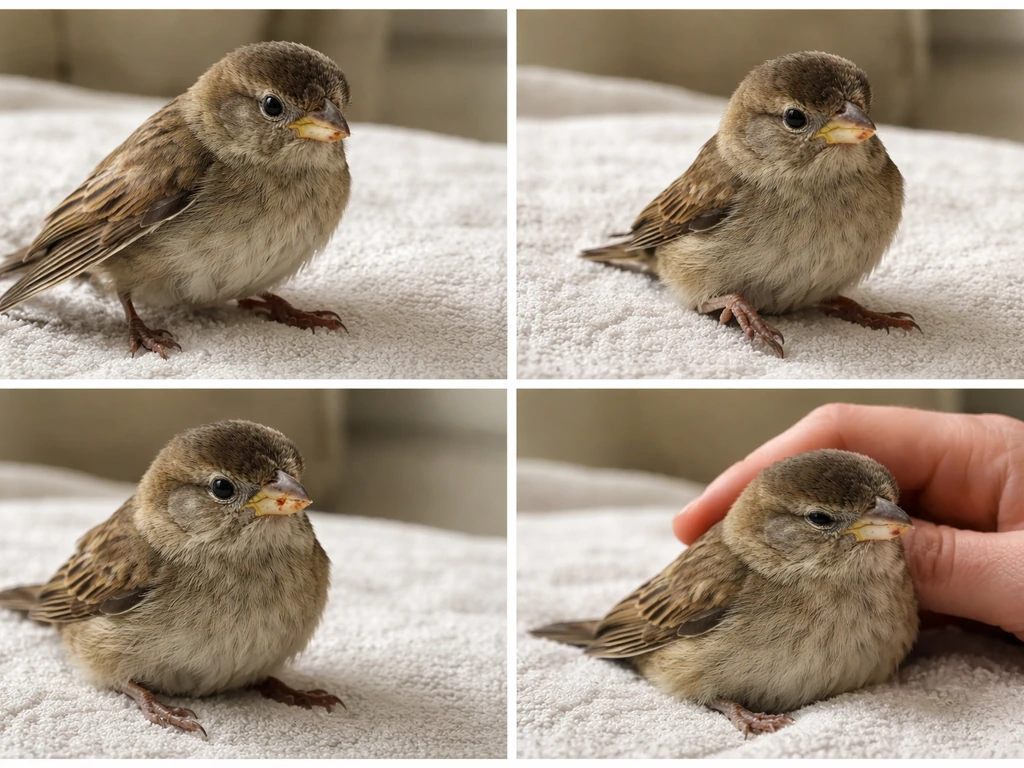
These are common after dog attacks, and the right approach is mostly the same for all of them: do not try to fix it yourself. Here's what you should and shouldn't do for each.
Broken wing
A drooping wing that hangs lower than the other one is a classic sign of a fracture. Gently fold the wing against the body as naturally as possible when you pick up the bird. Do not try to splint it, tape it, or "set" it back in place. Improper splinting causes more damage and severe pain. The towel wrap technique (holding the wing gently against the body while transporting) is the safest thing you can do until a vet takes over.
Broken leg
If a leg looks twisted, is hanging, or the bird can't bear weight on it, suspect a fracture. Don't attempt to straighten or splint the leg. Line the transport box with a non-slip towel so the bird doesn't slide around and worsen the injury. Keep the box small enough that the bird can't thrash around but large enough that it's not cramped.
Beak injuries
A cracked or broken beak is both a structural injury and a feeding emergency. Don't try to glue or bandage a damaged beak. Do not offer food or attempt to get the bird to eat. Keep the area clean and get to a vet quickly. Beak injuries are painful and can prevent the bird from eating permanently if not treated correctly.
Head trauma and neurological signs
If the dog grabbed or shook the bird by the head or neck, treat it as a potential spinal injury. Move the bird as little as possible. Support the head and neck gently and keep movement to an absolute minimum during transport. Signs of head trauma include a head tilt, circling, loss of balance, dilated or uneven pupils, and general disorientation. This is a same-hour emergency.
Get help now: finding an avian vet or wildlife rescue and what to report
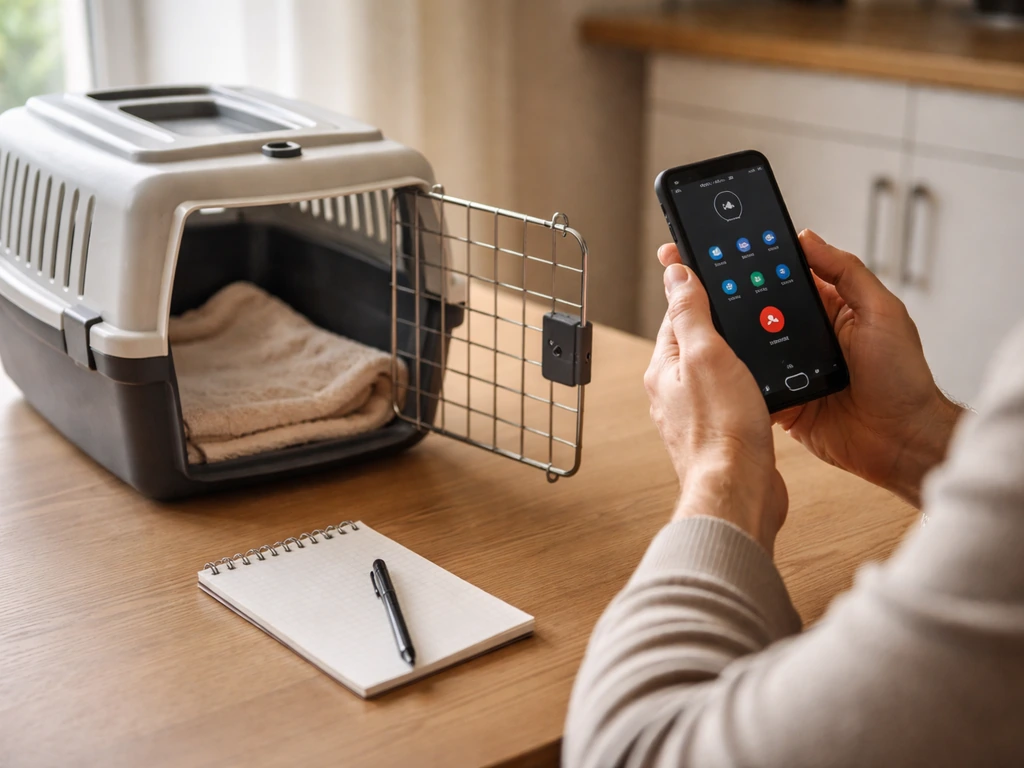
Start making calls while the bird is in the box. Time matters more than having the perfect plan before you dial.
- Search for a licensed wildlife rehabilitator in your area using the National Wildlife Rehabilitators Association (NWRA) or Wildlife Rehabilitator directory at wildlifehotline.com. Many states also have a state wildlife agency hotline.
- Search for an avian vet or exotic animal emergency clinic near you. Not all general vets treat birds, so specifically ask if they handle avian patients or wildlife.
- Call your local animal control or humane society. They often have direct contact with local wildlife rescue networks.
- In the US, the USDA Wildlife Services can sometimes point you toward regional resources.
When you call, be ready to give a clear, fast report. The person on the phone will ask questions similar to what a vet uses for phone triage: level of consciousness, breathing pattern, type of injury, and timeline. Have these answers ready:
| What they'll ask | What to tell them |
|---|---|
| How was it injured? | Attacked by a dog (specify breed/size if relevant) |
| When did it happen? | Exact time or estimated time since attack |
| Is it conscious and responsive? | Alert, semi-alert, or unresponsive |
| Is it breathing normally? | Normal, labored, open-mouth, or tail bobbing |
| Is there visible bleeding? | Active bleeding, dried blood, or none visible |
| Can it stand or use its wings? | Standing, one leg down, wing drooping, or can't stand |
| Are there visible wounds? | Punctures, lacerations, broken bones, beak damage |
| What species is the bird? | Describe size, color, markings if you don't know the species |
If you genuinely cannot find a wildlife rehabilitator or avian vet within a reasonable drive, call the nearest general veterinary emergency clinic anyway. Explain the situation. Many will at least triage and stabilize a bird until you can reach a specialist, especially for bleeding control or oxygen support.
One last thing: if the bird attacked by your dog is a wild bird (sparrow, robin, pigeon, hawk, etc.), it is almost always illegal to keep it without a wildlife rehabilitation license. Your job is to stabilize it and hand it off to a licensed professional, not to nurse it back to health at home. The best outcome for the bird is a licensed rehabilitator with the right equipment, medications, and experience. Getting it there fast is the single most important thing you can do.
FAQ
What if there’s more than one bird injured (or I find additional birds after the attack)?
If you have multiple birds, or you find more than one after the dog attack, treat each bird as a separate emergency. Put every bird in its own small dark ventilated container to prevent stress from social exposure and to avoid cross-contamination from blood or saliva.
Should I inspect the wounds closely before transporting the bird?
If the bird is actively bleeding or breathing abnormally, do not waste time trying to examine feathers closely. Use a quick visual check, apply gentle pressure if there is bleeding, then go straight to professional help. Detailed wound exploration often increases handling time and stress.
Can I offer water or food to help the bird recover during transport?
Do not try to “rehydrate” a bird with a dropper, syringe, or food. Even a small amount of liquid can be inhaled, especially if the bird has head trauma or swallowing issues. Unless a wildlife professional specifically tells you to give fluids, keep the bird without food or water until treated.
What should I do if I touch the bird’s blood or the dog’s saliva?
If you get blood or dirt on your hands, wash with soap and water after you are done handling the bird. Avoid using household disinfectants on the bird. The priority is stabilizing warmth and transport safety, then professional care.
What’s the safest way to support a suspected wing, leg, or beak injury before the vet sees it?
Do not attempt to set, tape, splint, or glue fractures or beak injuries. For transport, use gentle towel control, pin wings close to the body, and keep the container small and secure so the bird cannot thrash and worsen damage.
If I’m driving to a facility and can’t get there immediately, can I get triage advice on the phone?
Yes, you can call for guidance even while you are driving. Keep the bird warm and calm, stay on the phone if possible, and be ready to describe breathing, responsiveness, visible bleeding, and whether the dog grabbed or shook the bird.
What if the bird vomits or has fluid coming from its beak or mouth after the attack?
If the bird vomits or has fluid around the mouth after you arrive, do not attempt to wipe the inside of the mouth or force swallowing. Keep the bird calm, positioned safely in the container, and let the wildlife professional manage airway concerns.
What if the bleeding won’t stop even after a few minutes of pressure?
If the bird is bleeding heavily through punctures or you cannot stop bleeding with gentle pressure, treat it as urgent life-threatening injury. Maintain steady pressure with clean gauze, keep the bird warm, and go straight to emergency veterinary care while still calling ahead.
What container can I use if I don’t have a box or tote with ventilation holes?
If you must use a carrier you have at hand, make sure it is ventilated and lined with non-frayed material that prevents slipping. The box should be small enough to limit thrashing but not so tight that the bird cannot breathe comfortably.
If the bird seems alert now, do I still need to get it treated the same day?
After a dog attack, even “minor” injuries can worsen fast, so you should not wait overnight. If the bird seems alive but weak or lethargic, continue warmth and immediate transport plans, and call professionals today for same-day evaluation.
What if there are no visible wounds, but the bird is acting strange?
If the bird has no visible wounds and seems upright but is not acting normal (for example, it fluffs up for long periods, appears uncoordinated, or is unusually quiet), treat that as a possible internal injury or shock. Keep it warm and calm and still contact a wildlife rehabilitator or avian vet immediately.
How can I prevent accidental overheating when using a heating pad?
Use the lowest safe heat setting and place the heat source under only part of the container so the bird can move away. Also avoid over-warming by limiting how long the pad runs at high levels, and reassess by whether the bird can comfortably stay in the preferred position.
What should I do about my dog’s safety while I’m treating the bird?
If your dog is the one that injured the bird, this is separate from treating the bird, but it still matters for safety. Secure the dog first (indoors, on leash, or behind a barrier) so re-engagement cannot happen while you handle the bird.
Is it ever okay to keep a wild bird at home after a dog attack until it gets better?
Wild birds are typically protected by law, and keeping them without proper licensing can create legal and welfare risks. Stabilize and transport to a licensed wildlife rehabilitator as the intended end goal.
What should I do if I can’t transport the bird right away?
If you need to transport the bird but can’t go immediately, do not cool it down. Keep it warm around the recommended target, in a dark quiet ventilated container, and continue trying to reach a professional even if you have to wait a short time.
Next Article
How to Fix a Hard Mouth Bird Dog Safely Today
Step-by-step plan to fix a hard-mouth bird dog safely, build soft retrieves, and handle bird-welfare risks.