If your dog just ate or killed a bird, here is what you need to do right now: separate your dog from the bird, assess whether the bird is alive or dead, clean up any contamination on your dog, and then decide whether the bird needs immediate wildlife help. Most of the time this situation looks scarier than it is, but there are real health risks on both sides of the leash worth knowing about. This guide walks you through every decision point, step by step.
What to Do If Your Dog Eats a Bird: Step-by-Step
Marcus Chen
10 Apr 2026
Immediate safety steps for you and your dog
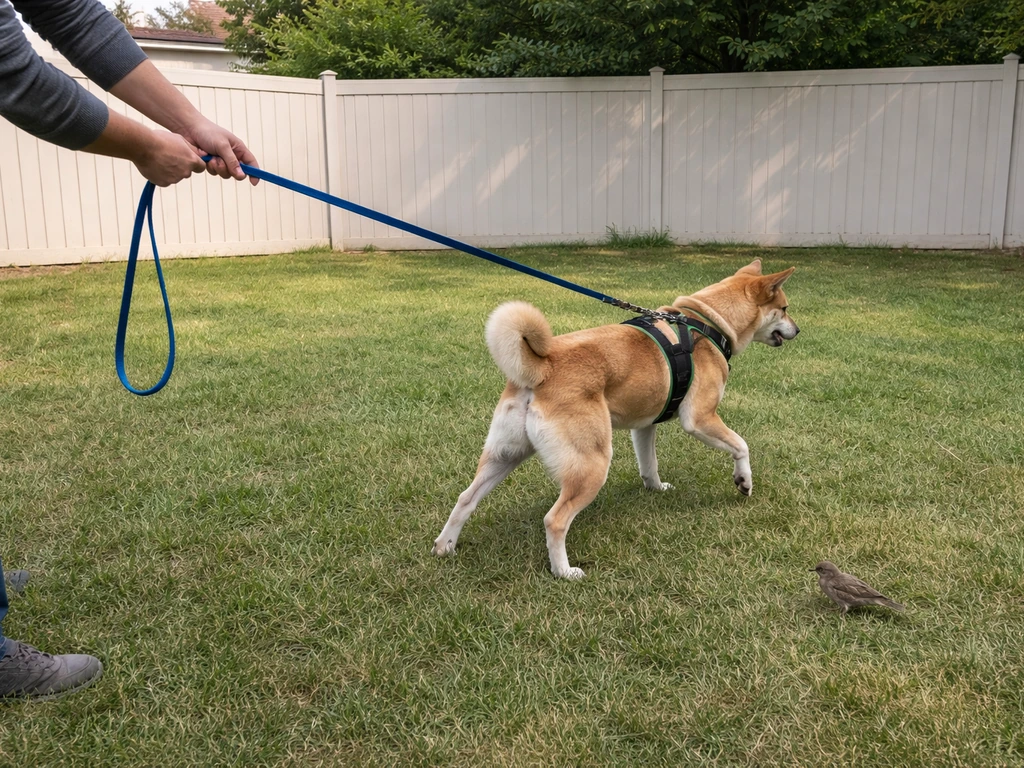
Your first move is to calmly get your dog away from the bird. Don't yell or panic, because a stressed dog may swallow more of the bird faster or clamp down harder. Use a firm but calm "leave it" or "come" command, or gently take hold of your dog's collar and lead them away. Put them inside, on a leash, or behind a gate so they cannot return to the scene.
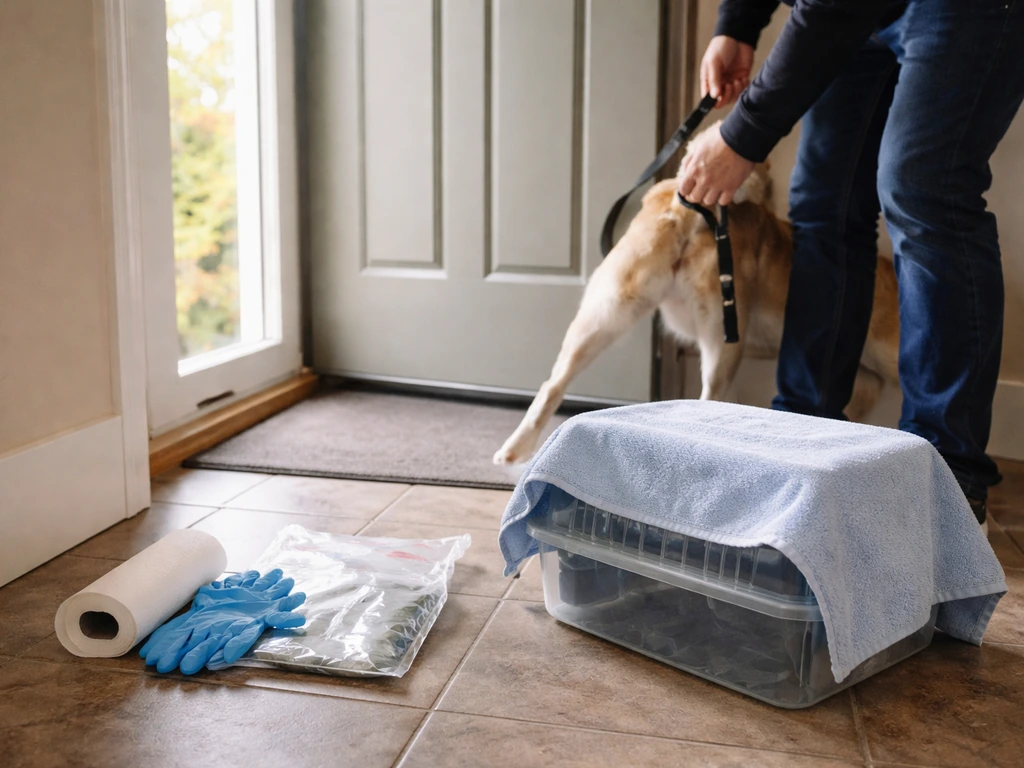
Once your dog is separated, do not touch the bird with your bare hands. Use gloves if you have them, or improvise with a plastic bag turned inside out over your hand. Bird carcasses and body fluids can carry Salmonella, avian influenza, and other pathogens, and you can pick those up through skin contact or by touching your face afterward. The CDC specifically notes that you should not pick up bird droppings or handle dead birds without protective covering, and the same logic applies here.
If your dog was scratched or bitten during the encounter, wash those wounds on your dog right away with soap and water. The same goes for any scratches or bites you received. The CDC advises cleaning any bite or scratch from an animal immediately with soap and water and seeking medical attention if the wound is more than superficial.
Dead bird or alive? Figuring out what you're dealing with
The answer to "what happened" changes your next steps significantly. Check from a safe distance whether the bird is moving, breathing, or showing any eye movement. If it is visibly dead, you are mostly dealing with a dog health and sanitation situation. If the bird is still alive but injured, you have an urgent wildlife rescue situation on your hands alongside the dog concerns.
A dog that ate a fully dead bird (one it found on the ground, not one it killed) is a common scenario and the risks are real but manageable. A dog that caught and killed a live bird has likely transferred more body fluids and may have feathers, internal tissue, or parasites in its mouth. If you are dealing with the second situation, knowing what to do when your dog kills a bird will give you additional detail specific to that scenario.
For the bird itself, look for these signs of life from a distance: chest movement, blinking, any attempt to right itself, or vocalizations. A bird that is alive but lying on its side, not moving its wings, or has visible blood needs immediate attention. Even a bird that looks "okay" after a dog encounter is almost certainly injured internally, because dogs carry bacteria in their saliva that is lethal to birds even without visible wounds.
What injuries to look for in a surviving bird
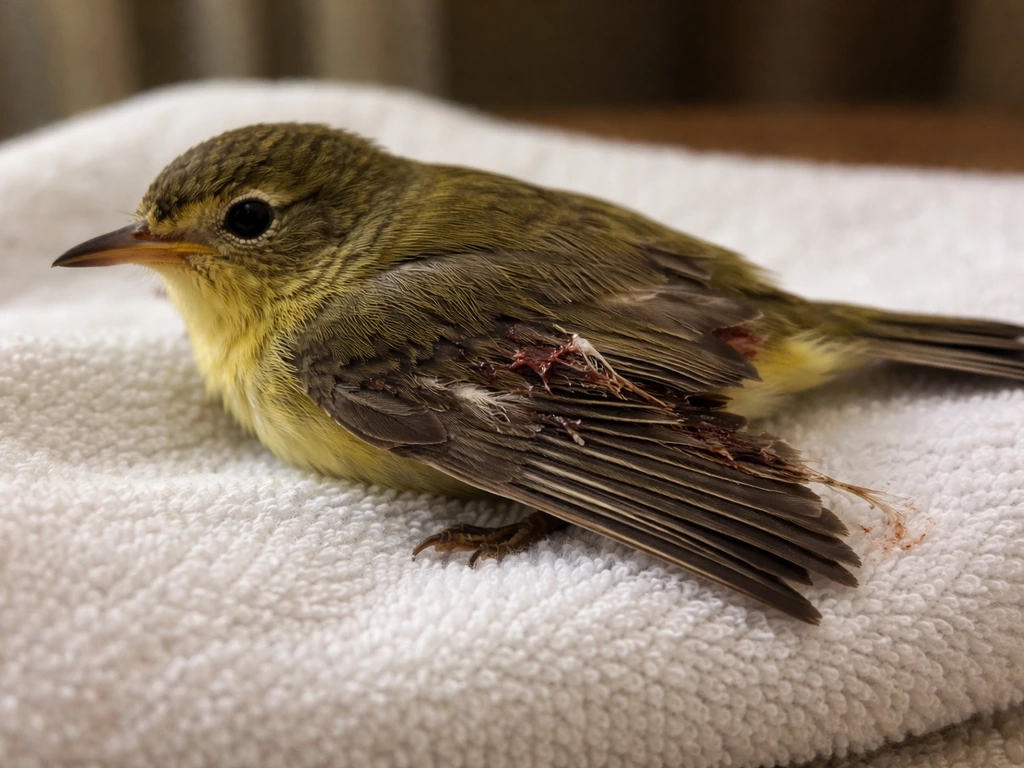
Dogs can cause puncture wounds, broken bones, internal bleeding, and shock in birds even when they seem to just be "holding" the bird. If the bird is alive, assume it is injured. You won't be able to fully assess internal damage, and that's okay. Your job right now is containment and getting the bird to professionals, not diagnosis. If you want a deeper look at what types of injuries a dog attack typically causes and how serious they are, this guide on how to treat a bird attacked by a dog covers the injury patterns in more detail.
Health risks from birds: what your dog (and you) could be exposed to
This is the part people tend to either over-panic about or completely ignore, and neither extreme is helpful. There are genuine risks, but they're not a death sentence if you act promptly.
Salmonella is the most common concern. Wild songbirds can carry Salmonella, and a 2020-2021 CDC outbreak investigation linked to wild songbirds actually detected a related Salmonella strain in a pet dog's mouth wound, meaning household contamination from bird contact is a documented real-world risk, not just a theoretical one. One important thing to understand is that a dog can pick up Salmonella and shed it in their feces without showing any symptoms themselves, which means your dog may look totally fine while still being able to spread bacteria around your home.
Avian influenza (including H5N1) is a more serious but less common risk. The CDC confirms that pets can become infected with avian influenza by eating or being exposed to sick or dead birds. The Merck Veterinary Manual specifically notes that avian influenza in dogs and cats is most commonly associated with eating an infected bird carcass. With H5N1 detections in wild birds increasing during fall migration seasons, this is not something to brush aside, especially if the bird was a waterfowl species or if you are in an area with known outbreaks.
Other potential exposures include Giardia (a parasitic infection that can cause diarrhea and vomiting) and various external parasites like mites or lice from feathers. Giardiasis can sometimes be asymptomatic in dogs, so you won't always know your dog picked something up just by watching them.
Puppies need extra caution
If it was a puppy that ate the bird rather than an adult dog, bump your concern level up. The Merck Veterinary Manual notes that very young animals are significantly more susceptible to salmonellosis than adults, meaning a puppy's immune system is less equipped to fight off what an adult dog might shrug off. Call your vet the same day regardless of whether your puppy is showing symptoms.
Warning signs to watch in your dog over the next 24 to 72 hours
- Vomiting or diarrhea, especially if it starts within a few hours of the incident
- Blood in the stool or noticeably foul-smelling stool
- Lethargy or unusual tiredness
- Loss of appetite or refusing water
- Fever (warm ears, nose, shivering, or visible discomfort)
- Coughing, sneezing, or difficulty breathing (potential respiratory signs of avian flu)
- Neurological signs such as stumbling, head tilt, or disorientation
If any of these appear, don't wait. Call your vet or an emergency animal hospital. The ASPCA is clear that you should not wait for symptoms to worsen before reaching out; if the exposure could be hazardous, get guidance even if your dog seems fine. You can also call the ASPCA Animal Poison Control Center at (888) 426-4435 for tailored advice on whether the specific situation warrants immediate action.
Cleaning up your dog (and yourself) after the incident
Before your dog comes back inside and starts licking furniture or people, do a quick decontamination. This doesn't have to be dramatic, but it does matter.
- Put on gloves before handling your dog's mouth, face, or paws.
- Wipe your dog's muzzle and lips with a damp cloth or pet-safe wipe to remove visible feathers, tissue, or blood.
- Rinse your dog's paws with clean water if they were in contact with the bird, especially if there is visible debris.
- Wash your own hands thoroughly with soap and water for at least 20 seconds, even if you were wearing gloves.
- If your dog was chewing on the bird for any length of time, a gentle rinse of their mouth with clean water can help, but do not attempt to force their mouth open or cause distress trying to retrieve feathers they've already swallowed.
Do not attempt to induce vomiting at home unless a vet specifically tells you to. Hydrogen peroxide 3% is the only substance recommended by veterinary guidance for at-home emesis, but even that comes with real risks including severe vomiting and mucosal irritation, and veterinary resources are clear that it should only be used when directed by a professional. Call your vet first.
When to call the vet right away vs. when to monitor
| Situation | What to do |
|---|---|
| Puppy ate any part of a bird | Call vet today, don't wait for symptoms |
| Dog ate a dead wild bird (whole or partially) | Call vet for guidance; monitor closely 24-72 hours |
| Dog caught and killed a live bird, ate some | Call vet same day; higher contamination risk |
| Dog is showing vomiting, diarrhea, or lethargy now | Emergency vet visit immediately |
| Dog has respiratory signs or neurological symptoms | Emergency vet visit immediately; mention bird exposure |
| Dog seems fine, ate a small amount of feathers | Monitor closely; still worth a vet call for advice |
| You or a family member was bitten or scratched | Wash wound immediately; seek medical care |
What to do for the bird right now
If the bird is still alive, time matters. Dog saliva contains bacteria that can kill a bird within hours even without obvious external injuries. Getting the bird to a wildlife rehabilitator or avian vet as fast as possible is genuinely the difference between life and death in many cases. For a full breakdown of the immediate steps when a dog has attacked a live bird, this guide on what to do when your dog attacks a bird is worth reading alongside this one.
Contain the bird safely before you make calls
Your goal right now is to get the bird into a secure, dark, quiet container while you figure out who to call. Use gloves or a folded towel to pick it up. Do not squeeze it or hold it tightly. Multiple wildlife organizations recommend using a cardboard box with air holes and a small towel or piece of carpet at the bottom so the bird has grip and isn't sliding around. The box should be large enough that the bird isn't tightly packed in, but secure enough that it can't escape. Keep the lid closed and put the box somewhere dark and quiet indoors, away from pets and noise. Do not offer food or water. Do not attempt to treat wounds yourself.
If the bird is larger (like a pigeon, dove, or waterfowl), use a bigger box or a covered pet crate with a towel inside. Back To The Wild suggests using a broom or shovel to gently guide the bird into a container if you can't safely pick it up directly, which is a smart move if the bird is still capable of some movement. The overall approach for containing and calming an injured bird is consistent across wildlife organizations: dark, quiet, contained, minimal handling.
Finding help for the bird near you
Call a local wildlife rehabilitator as your first move. You can find one by searching the National Wildlife Rehabilitators Association directory online, calling your local animal control office, or calling a local wildlife agency. Many areas have 24-hour wildlife hotlines. If you are unsure where to start and the bird is clearly in distress, this guide on how to help a bird that has been attacked has specific direction on finding the right kind of care quickly.
An avian veterinarian can also help in an emergency if a wildlife rehabilitator isn't immediately reachable. Not every vet treats wild birds, so call ahead and ask. When you call, tell them the bird was in contact with a dog, because that changes the treatment priority significantly. Dog-attack birds need antibiotics quickly to combat bacteria from the dog's saliva, and a professional needs to make that call.
If the bird was already dead when your dog found it, there is no rescue action needed. Dispose of the carcass using gloves and a sealed plastic bag, and wash your hands thoroughly afterward. The CDC advises washing hands after touching birds, their droppings, or items in their cages wash your hands thoroughly afterward. The Oregon Department of Agriculture advises against touching dead wild birds with bare hands and recommends reporting dead wild birds (especially waterfowl) to your state's fish and wildlife agency if you are in an area with known avian flu activity.
The bigger picture: dogs, birds, and recurring situations
If this is not the first time your dog has gone after a bird, that pattern is worth addressing. Some dogs have a very strong prey drive and will repeatedly pursue and catch birds in your yard or on walks. Understanding what to do when your dog catches a bird is useful preparation, but the more important long-term step is working on reliable "leave it" training and keeping your dog leashed or closely supervised in areas with bird activity.
For hunting breeds specifically, there is a related training concept sometimes called hard mouth, where a dog grips birds too aggressively instead of delivering them gently. If you are working with a bird dog and this is a training concern rather than a random backyard incident, guidance on how to address hard mouth in a bird dog covers that situation from a training perspective.
The most important thing to understand about any dog-bird encounter is that it has two victims who both need attention at once: your dog, who may have been exposed to pathogens, and the bird, who may be injured and dying. You can manage both at the same time. Separate the dog, contain the bird, make your vet call, then make your wildlife rescue call. It is a lot to juggle in a stressful moment, but each step is straightforward on its own. You've got this.
One last note: if you've landed here because you're not sure exactly what happened and want to cover your bases for a slightly different scenario, this dedicated guide on what to do if your dog ate a bird goes deeper on the ingestion side of things, and this resource on what to do when a bird has been attacked by a dog focuses more on the bird's side of the situation. Both are worth a quick read depending on what you are dealing with.
FAQ
How can I tell if the bird is actually alive if it is lying still?
If the bird is alive or you are unsure, treat it as injured. From a distance, watch for chest movement, eye movement, or any attempt to right itself. If it is moving or twitching, get it into a dark, quiet container and contact a wildlife rehabilitator or avian vet immediately, because internal injuries can be fatal even when the bird looks “still standing.”
What should I clean on my dog and around the house after this happens?
Gloves are mainly for preventing exposure, but they are not a substitute for hygiene. After any bird contact, remove gloves carefully without touching the outside, bag them if possible, and wash with soap and water. Also disinfect the area the dog licked (floor, couch, crate) using an appropriate household disinfectant, then keep the dog from grooming himself until everything is dry.
Should I induce vomiting if my dog ate a bird?
Yes, but only in specific circumstances. If the bird was swallowed, the best next step is to call your vet for ingestion guidance rather than trying to induce vomiting yourself. Never use home remedies like salt or mustard, and do not use peroxide unless your vet tells you to, because vomiting can cause aspiration or worsening irritation.
What symptoms in my dog mean I should call the vet right away?
Call promptly if your dog shows any concerning signs, even if mild at first. Watch for repeated vomiting, diarrhea, lethargy, fever, trouble breathing, loss of appetite, drooling, or blood in stool. Puppies, senior dogs, and dogs with weaker immune systems should be discussed with a vet the same day, even without symptoms.
What if I am not sure whether my dog actually swallowed any of the bird?
If the dog only mouthed or carried the bird and you are not sure what it swallowed, you still should decontaminate and call for advice. Bird saliva and body fluids can matter even without a full bite. Tell the vet whether it was a found carcass versus a bird the dog caught, and whether you saw feathers, blood, or the dog repeatedly chewing.
Does the risk change if the bird was a waterfowl or looked sick?
Track the timing and contact a vet sooner if the event involved a waterfowl or a sick-looking bird. For avian influenza risk, exposure guidance depends on the bird type and local outbreak activity, so provide location, date, and species (if known) when you call. Your vet can also advise on whether any household contacts need extra precautions.
Can my dog spread infection even if it seems completely normal?
Yes. Dogs can shed certain pathogens after an exposure without showing any illness. That means prevention matters for the next several days: prevent your dog from licking faces or food-prep areas, pick up and bag stool promptly, and wash hands after bathroom breaks, especially before eating or handling kids.
Will my dog need antibiotics after eating a bird?
You generally do not need to give antibiotics at home, but you may need them quickly based on the situation. If the dog had direct contact that likely involved saliva, your vet may recommend treatment or monitoring. If there are oral wounds in the dog or if the dog was scratched, describe the injury, because bite and scratch infections change the urgency.
What if my dog swallowed most of the bird, including feathers?
If your dog swallowed a whole bird, you do not always know whether feathers or tissue were passed. Call your vet and mention that the dog may have ingested foreign material, especially for small-breed dogs where obstruction risk can be higher. Follow the vet’s advice on monitoring or imaging if symptoms develop, like persistent gagging, abdominal pain, or no appetite.
What should I do to prevent this from happening again on walks or in my yard?
If your dog is leashed, the main strategy is management before training fails. During walks in bird-heavy areas, use a longer line or harness setup that limits muzzle access, keep distance from flocks, and avoid letting the dog search for “retrieval” during times when birds are active. If your dog has a repeating pattern, schedule training focused on reliable leave it and impulse control before you can fully trust off-leash freedom.