Separate your dog from the bird immediately, then get the bird into a small, dark, ventilated box as quickly and calmly as you can. Most birds attacked by dogs are in shock even when they look okay on the outside, and the clock matters. Once the bird is contained and the scene is safe, you can assess injuries and decide whether this is an avian vet situation or a wildlife rehab call. Either way, you need professional help today, not tomorrow.
My Dog Attacked a Bird What Do I Do Right Now
Marcus Chen
7 May 2026
First: Make the scene safe for everyone
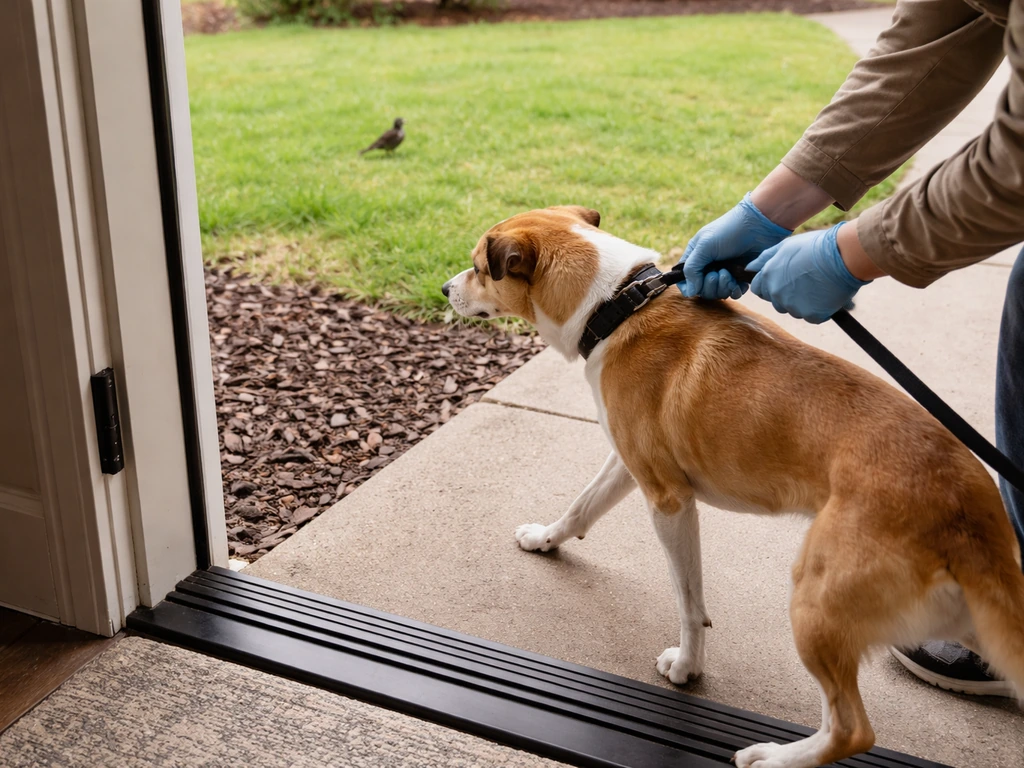
Your first priority is stopping any further contact between your dog and the bird. Calmly but firmly get your dog inside the house or secured on a leash in another area. Do not yell or make the scene chaotic, since a panicked bird will thrash and hurt itself further. If there are other pets or children nearby, move them away from the area too.
Before you touch the bird, put on gloves if you have them. Even lightweight rubber gloves or garden gloves work. Wild birds can carry bacteria and, rarely, pathogens in their saliva and on their feathers, so this protects you as much as it protects the bird. If you have no gloves, use a folded towel or cloth to act as a barrier. Wash your hands thoroughly with soap and water immediately after handling the bird or anything it contacted.
Once your dog is secured and you have basic hand protection, approach the bird slowly and quietly. Crouch low rather than looming over it. Fast movement from above mimics a predator and will send an already stressed bird into a panic response it can't afford right now.
Quickly check the bird's condition, what you're looking for
You don't need a veterinary background to do a useful quick assessment. You're looking for a handful of specific red flags that tell you how urgent this is.
- Active bleeding: any visible blood on feathers, skin, or the ground around the bird
- Open-mouth breathing or tail bobbing with each breath: these are signs of serious respiratory distress and mean get moving right now
- Wing droop: one or both wings hanging lower than normal, which can indicate a fracture or deep muscle injury
- Inability to stand or use both legs: sitting flat on the ground without attempting to right itself is a major red flag
- Puncture wounds or torn skin: dog bites often create small entry wounds that look minor but go deep
- Visible bone or extreme swelling
- The bird is completely still and unresponsive, or conversely, in a constant uncontrolled flapping panic it cannot stop
Any one of these signs means you are dealing with a genuine emergency. Even a bird that seems to be sitting calmly and looking around may be in shock. Shock in birds can look like stillness and quiet, which is easy to mistake for 'it seems fine.' If your dog made contact, assume there is more going on than you can see.
Safe handling and basic first aid for bite wounds
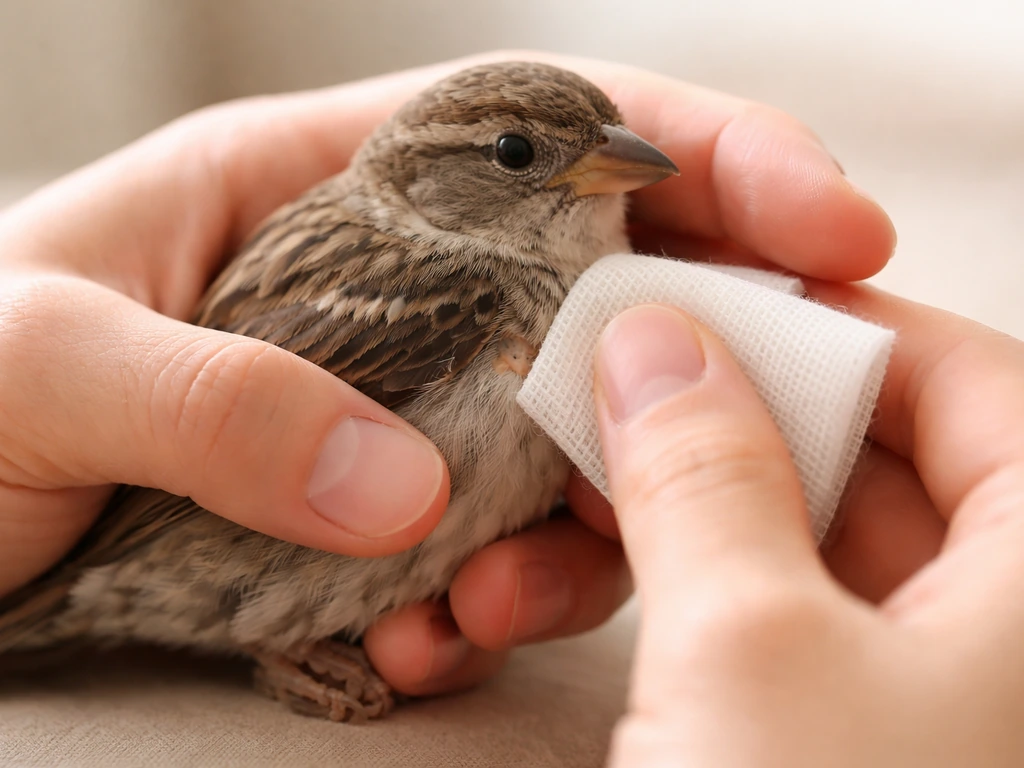
If the bird is bleeding, gently press the wound with a clean, dry cloth or piece of gauze and hold steady pressure for a few minutes. That's the most useful thing you can do for bleeding right now. Don't rub, don't apply hydrogen peroxide, and don't use antiseptic sprays. Saline solution (0.9% sodium chloride, the kind sold in pharmacies) is the safest thing to gently rinse a visible wound with if you have it on hand, since it's the least damaging to tissue. But do not probe the wound or try to clean deep inside it.
Dog bite wounds are especially tricky because they tend to create punctures: small openings at the surface with much more damage underneath. The bird's feathers can hide these almost completely. Even if you see nothing obvious, a bite from a dog requires veterinary evaluation. If you are dealing with a bird attacked by a dog, follow these emergency steps and seek avian or wildlife help right away bird attacked by dog what to do. Dog mouths carry bacteria that can cause serious, fast-moving infections in birds. blank" rel="noopener noreferrer">This is not a wait-and-see situation.
Don't try to splint a wing or leg yourself. It sounds helpful but almost always causes more damage than it prevents when done without training. Don't try to force the bird's wing back into position. Your job right now is to control bleeding if present, minimize handling, and get the bird contained for transport as quickly as possible.
Getting the bird contained and comfortable
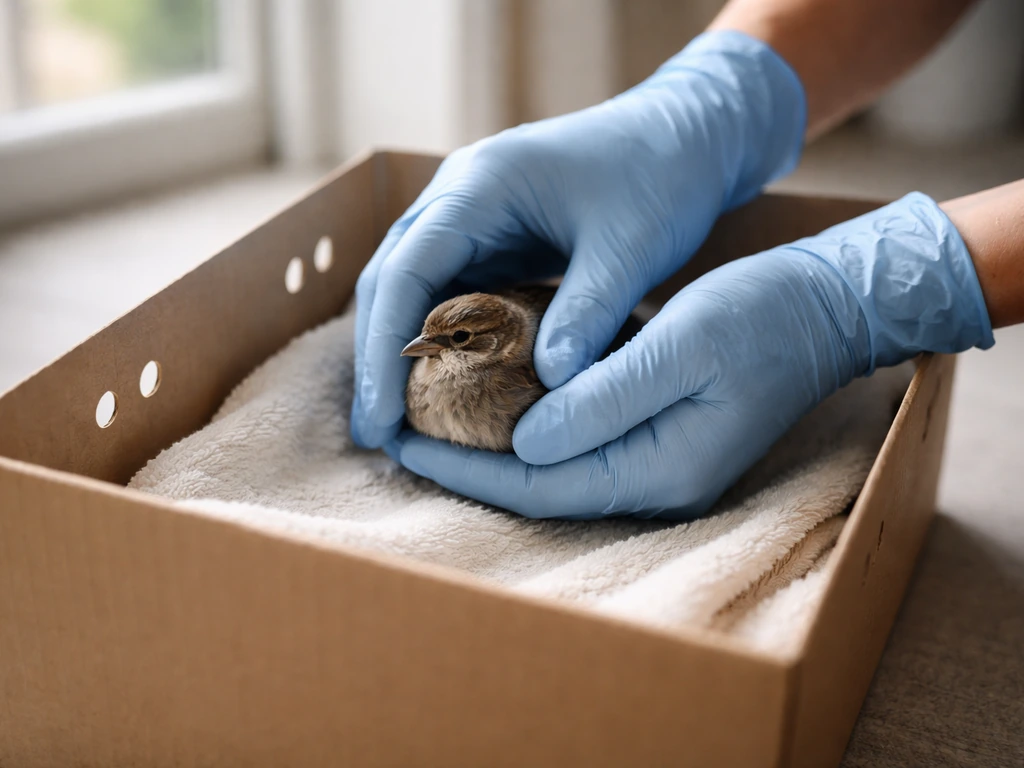
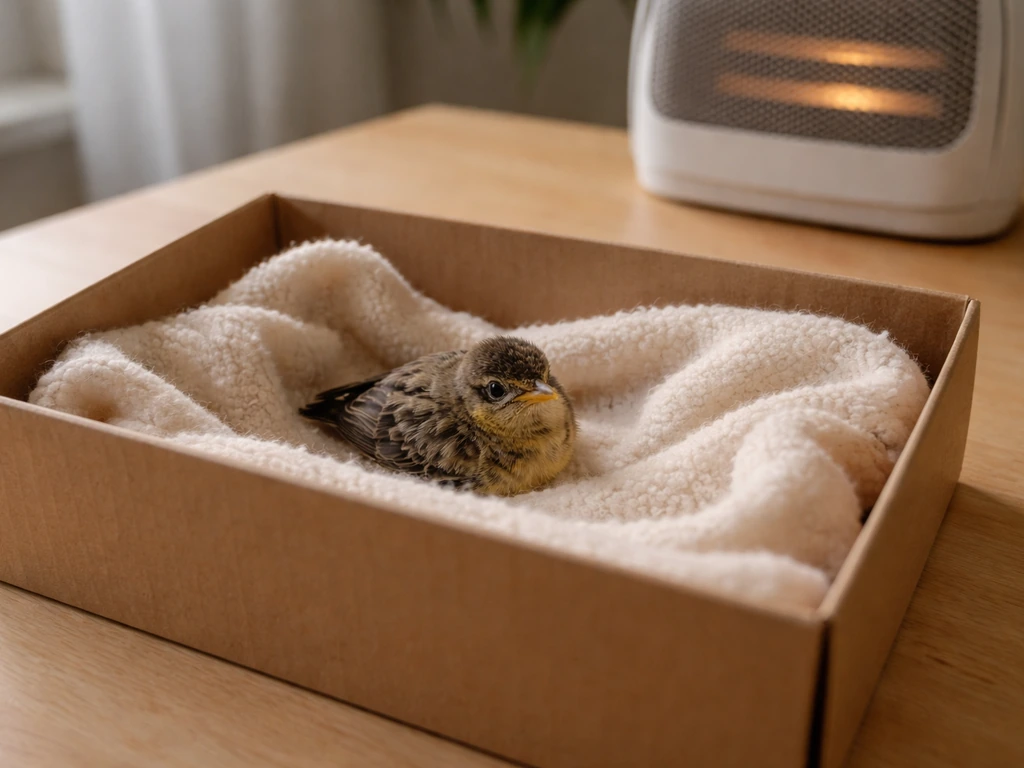
Find a cardboard box slightly larger than the bird. Poke several small ventilation holes in the sides or lid, then line the bottom with a folded towel, paper towels, or a cloth. Gently scoop the bird up using your gloved hands or a towel, fold its wings against its body, and place it in the box. Close the lid. Darkness immediately reduces the bird's stress response and prevents it from thrashing and injuring itself further.
Warmth is critical. An injured bird loses body heat fast, especially when in shock. Fill a water bottle or a zip-lock bag with warm (not hot) tap water, wrap it in a towel, and place it against one side of the box so the bird can lean toward it or away from it as needed. Never put the heat source directly against the bird. The goal is a warm microenvironment, not a hot one.
Put the box in a quiet, warm room away from pets, children, and noise. No radio, no TV nearby. Leave the bird alone. I know the instinct is to check on it constantly, but every time you open that box you're adding stress to an animal that is already in physiological crisis. Check once every 20 to 30 minutes maximum, and only to confirm it is still breathing.
When to call for help, and who to call
If the bird has any of the red flags listed above, especially bleeding that won't stop, open-mouth breathing, or suspected puncture wounds, you need professional help within the hour if at all possible. If your hard mouth dog keeps injuring birds, you can also look for bite-wound specific guidance and how to prevent further damage after the attack. This isn't a situation for home treatment.
The right contact depends on the bird. If it's a wild bird (songbird, pigeon, crow, hawk, duck, etc.), call a licensed wildlife rehabilitator or wildlife rescue center first. They are specifically trained and legally permitted to care for native wild birds. You can find one by searching your state or province's wildlife agency website, or by calling a local animal shelter or humane society and asking for a referral. Organizations like the National Wildlife Rehabilitators Association (NWRA) also have finder tools online.
If it's a pet bird (a parakeet, parrot, canary, or similar), call an avian veterinarian directly. General-practice vets sometimes see birds, but an avian vet has specific training that makes a meaningful difference in outcomes for bird trauma cases. Call ahead and describe what happened so they can prepare.
| Situation | Who to call | Urgency |
|---|---|---|
| Wild bird with visible wounds or bite marks | Licensed wildlife rehabilitator or wildlife rescue center | Today, within the hour if possible |
| Wild bird showing breathing distress or uncontrolled bleeding | Wildlife rescue center or emergency avian vet | Right now, this is critical |
| Pet bird (parrot, budgie, canary, etc.) attacked by dog | Avian veterinarian | Immediately, same-day appointment minimum |
| Bird seems calm but was definitely bitten | Wildlife rehabilitator (wild) or avian vet (pet) | Today, do not wait overnight |
How to transport the bird and what to say when you arrive
Keep the bird in the box the entire trip. Don't open it to check on the bird while driving. Keep the car warm, around the same temperature as a comfortable room, and turn the radio off. A quiet, dark, warm box in a quiet car is the best possible transport environment you can provide without medical training.
When you call ahead or arrive at the wildlife center or vet, be ready to tell them the following things clearly:
- What kind of bird it is, or your best description if you don't know the species
- Exactly what happened: your dog attacked it, how long ago, and how long the contact lasted if you know
- What injuries you can see: bleeding, wing droop, trouble breathing, inability to stand
- What first aid you have already done
- How long the bird has been in the box and what the conditions are
Being specific about the dog attack matters to the professional because dog bites require a different treatment approach than other trauma. If you are wondering what to do if your dog eats a bird, treat it like a potential bite and get professional help as soon as possible dog attack. The vet or rehabilitator will need to evaluate for puncture wounds and likely treat with antibiotics to prevent infection. The more detail you give them upfront, the faster they can act.
What not to do while you wait for help
There are a few things people do with good intentions that genuinely make things worse. Avoid all of these until the bird is in professional hands.
- Do not offer food or water. A bird in shock or with an undetected internal injury can aspirate water into its airway, and an incorrect diet can cause serious harm. Professionals will handle nutrition.
- Do not try to force the bird to drink by opening its beak
- Do not apply antiseptics like hydrogen peroxide, iodine, or alcohol to wounds
- Do not leave the bird outside to 'see if it recovers on its own' after a dog bite — puncture wounds need veterinary attention regardless of how the bird looks
- Do not handle the bird repeatedly to check on it or show it to others
- Do not place the bird in a container with another bird or animal
- Do not put a heat lamp directly over the bird or use a hot pad without a towel buffer
Between getting the bird boxed and getting it to a professional, your single most useful job is to do as little as possible. The warmth, darkness, and quiet are doing more good than almost anything else you could try at home. Following these steps on how to treat a bird attacked by a dog can improve the bird's chances while you arrange proper care. Keep your dog separated and away from the area where the attack happened, and keep checking that the bird is still breathing until you can hand it off to someone with the training to actually help it.
If you're dealing with a situation where the bird was swallowed or fully killed rather than injured, that's a different scenario with its own considerations around your dog's health. But if the bird is alive and injured from a dog attack, the steps above give it the best chance possible while professional help is on the way. If your dog has killed a bird, treat it as an urgent wildlife and pet safety situation and contact a wildlife rehabilitator or avian vet for guidance. If your dog swallowed the bird or it seems fully killed, check your dog's health immediately and contact a vet for guidance, since the approach differs from treating an injured bird my dog ate a bird what do i do.
FAQ
What if I can’t get the bleeding to stop after a few minutes?
If the bird is fully bleeding but you cannot stop it within a few minutes of steady, gentle pressure, treat it as an emergency and get professional help immediately (within the hour if at all possible). Also check for open-mouth breathing or repeated gasping, those are “do not wait” signs even if bleeding seems minor.
Should I give the bird water or food while I’m waiting for help?
Do not feed, give water by mouth, or offer food treats to an injured bird. Birds in shock can aspirate liquid or struggle, which worsens injuries. Keep the bird in the warm, dark box and only handle it for containment and minimal bleeding control.
The bird seems lifeless, how do I know if it’s actually alive?
If the bird appears dead, do not assume it is safe to leave it alone or assume it is beyond help. Birds can look still in shock. Check breathing before transport and tell the rehabilitator or vet what you observed (for example, “breathing not obvious” or “breathing present but slow”).
What if I don’t see any obvious injuries on the bird after the attack?
Yes, dog bite trauma often has hidden punctures even when you see no obvious wounds. If a dog mouthed or bit the bird at all, you should plan on veterinary or wildlife rehab evaluation. Avoid probing and do not attempt to clean deep inside the feathers or skin.
What should I do if my dog attacked more than one bird?
If your dog injured multiple birds, repeat containment steps for each bird and keep your dog secured so it cannot access them again. Call the wildlife rehabilitator or avian vet and tell them how many birds are involved, since staffing and intake instructions can change.
How should I handle it if I’m not sure whether the dog bit or just scratched the bird?
If you are unsure whether it was a “bite” versus a scratch, treat it as a bite because puncture wounds can be tiny and hidden. The professional can evaluate for infection risk and internal damage, especially for dog-mouth contamination.
How do I clean up safely after handling the bird and containing it?
You should remove any feathers, cloth, or gloves that contacted the bird by bagging them and washing your hands thoroughly afterward. Wipe down any surfaces the bird or body fluids contacted. Avoid touching your face until after washing.
How can I keep the bird warm during a long drive?
If you have to travel a long distance, keep the box warm and shaded, and minimize how often you open it. Recheck only at 20 to 30 minute intervals to confirm breathing. If the bird becomes noticeably colder or the water bottle cools, replace the warm wrap with a similarly warm (not hot) source.
My dog has a pattern of attacking birds, what should I do after this emergency?
Do not sedate your dog, and do not try to restrain the dog by force near the bird. Use calm separation steps (leash, separate room, baby gate) to prevent another incident. If the dog has a history of attacking birds, ask the vet or a qualified behavior professional about bite risk management and evaluation after the immediate emergency.
What if I think my dog swallowed the bird instead of just injuring it?
If the bird was swallowed or the attack resulted in no visible injury and your dog may have eaten it, contact your veterinarian for guidance on potential choking and infection. Do not induce vomiting unless a vet instructs you, and keep your dog monitored for breathing trouble, lethargy, or repeated gagging.