If your dog just caught a bird, the next 10 minutes matter a lot. If your dog attacked a bird, the safest next step is to separate your dog and get professional help as soon as possible. Get your dog away from the bird first, then check whether the bird is alive and alert, contain it safely, and call a wildlife rehabilitator or avian vet. That's the short version. Here's exactly how to do each of those steps, even if you've never dealt with an injured bird before.
My Dog Caught a Bird What Do I Do Next
Marcus Chen
21 Apr 2026
Immediate steps after your dog catches a bird
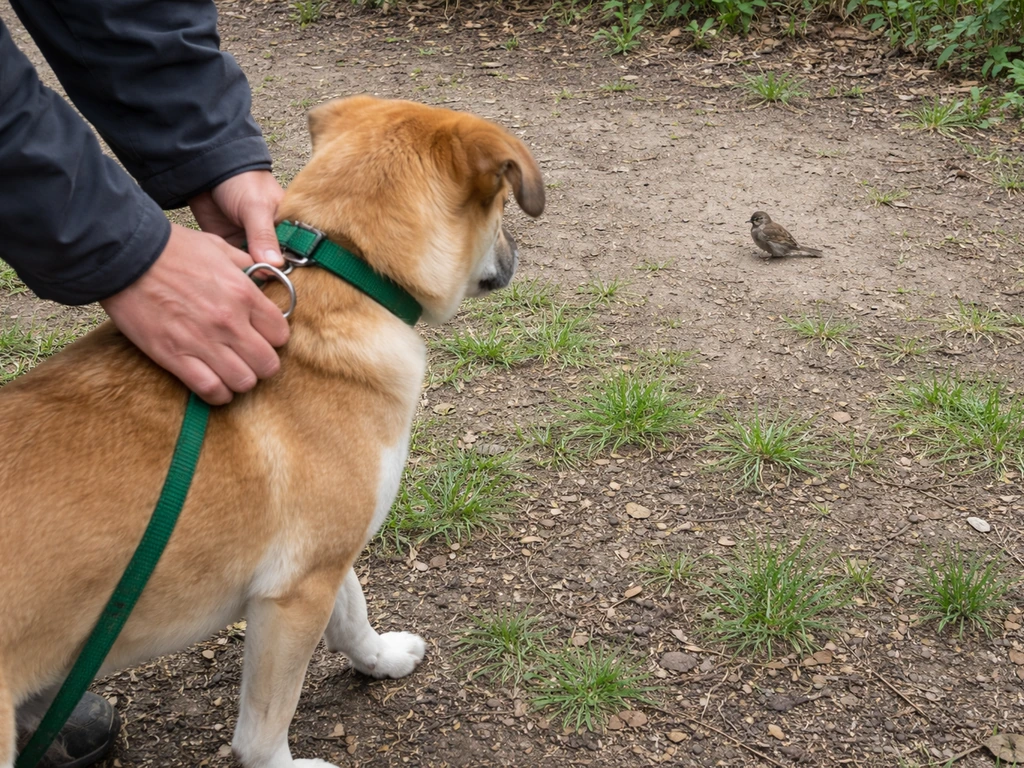
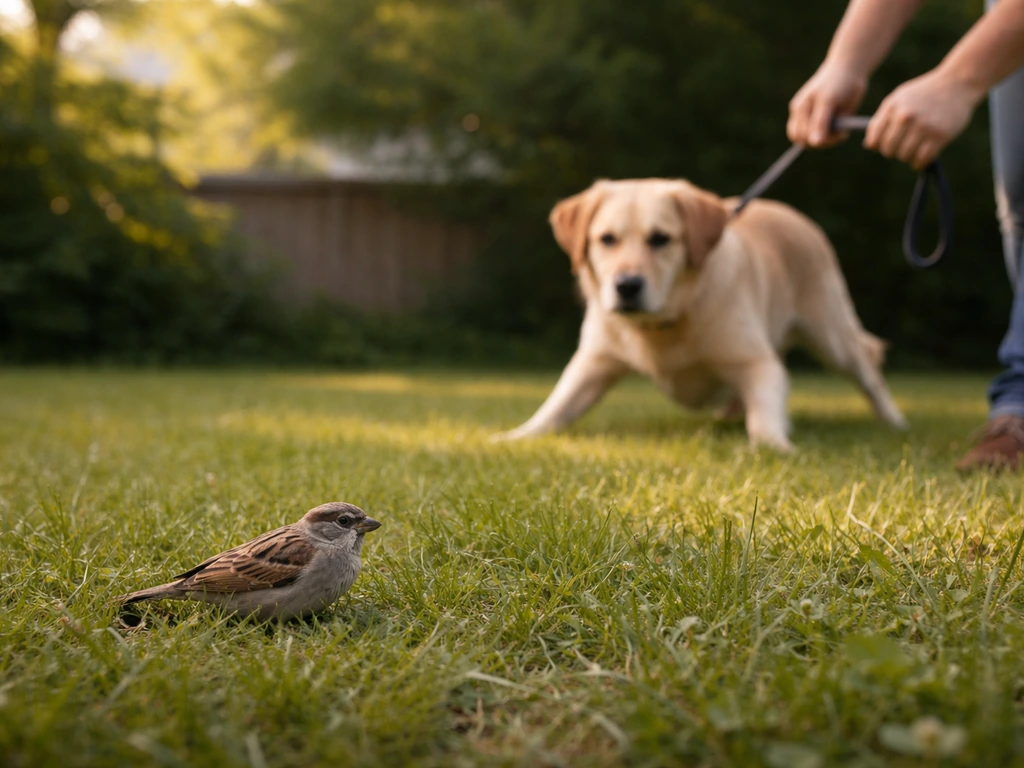
Your first job is separation. Calmly remove your dog from the area, don't yell or create chaos, because stress makes things worse for both the bird and the situation. Put your dog inside or on a leash well away from where the bird landed. If the bird is still in your dog's mouth, use a firm, calm 'drop it' command. Do not try to pry your dog's mouth open or grab the bird forcibly, that risks further injury to the bird and a bite to you. For related next steps, review what to do if a bird attacked by dog needs immediate attention.
Once your dog is clear, take a breath and look at the bird from a short distance before touching it. If it immediately flies away strongly, that's a good sign. But don't assume it's fine just because it flew a little, even a bird that hops or flutters away after a dog contact can have serious internal injuries or puncture wounds you can't see. Wildlife rehabilitators consistently emphasize this: any bird that has been in a dog's (or cat's) mouth needs to be examined, even if there's no visible blood.
- Remove your dog from the area calmly and secure them away from the bird.
- Observe the bird briefly from a few feet away without approaching yet.
- If the bird is on the ground and not flying away, proceed to containment.
- Put on gloves if you have them. If not, use a cloth or towel as a barrier.
- Wash your hands thoroughly before and after any handling.
How to assess the bird's condition
Once the bird is still and your dog is secured, you can look more closely. You're checking for two things: is the bird alive, and how badly is it hurt? A bird in shock can look almost dead, it may be limp, barely responsive, or just sitting with its eyes half-closed, but still be alive and recoverable with prompt help.
Signs of shock
- Body feels cold or unusually cool to the touch
- Breathing that is fast and shallow
- Weak or rapid pulse
- Pale membranes around the mouth or eyes (can indicate internal bleeding)
- Limp posture, not attempting to move or flee
- Eyes partially or fully closed while sitting still
Signs of specific injuries
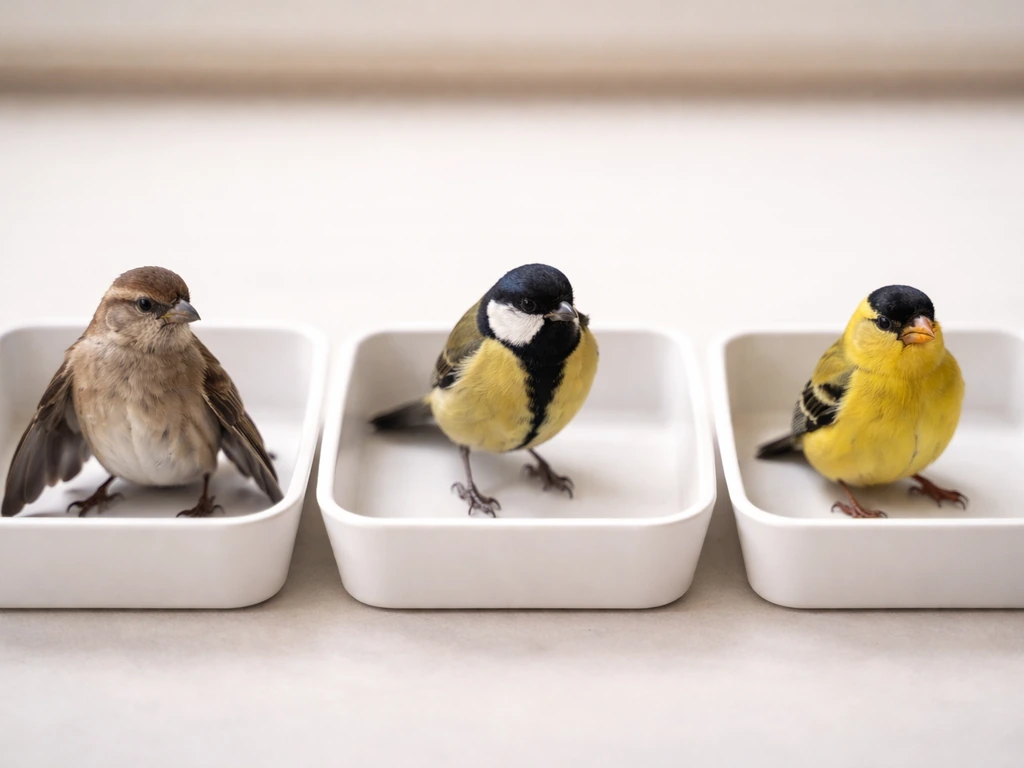
Look without handling the bird if you can. A drooping wing that hangs lower than the other, a leg that won't bear weight, a beak that looks misaligned or cracked, and any visible blood are all signs that something is broken or punctured. Blood coming from the mouth is especially serious and indicates internal damage, this is an emergency call situation. A head tilt or the bird spinning in circles suggests a head or neurological injury, often from impact.
Even if the bird looks physically intact, no blood, no obvious fracture, don't assume it's okay. Dog mouths carry bacteria, and puncture wounds in feathers are easy to miss. A bird that was gripped, even briefly, can have internal bruising, a punctured air sac, or crush injuries that aren't visible. Wildlife rehab guidance is consistent on this: when in doubt, get it checked.
| What you see | What it likely means | Urgency level |
|---|---|---|
| Bird flew away strongly | Possibly okay, but monitor if you can | Low — but still worth a quick call to a rehabber |
| Sitting still, alert eyes, no blood | Shock or mild injury | Moderate — contain and call a rehabber today |
| Drooping wing, not flying | Possible wing fracture | High — needs professional care soon |
| Visible blood or wound | Laceration or puncture | High — call wildlife rehab or vet now |
| Blood from mouth, head tilt, spinning | Internal injury or neurological damage | Emergency — call immediately |
| Limp, cold, barely breathing | Severe shock or critical injury | Emergency — call immediately |
Safe handling and basic first aid you can do at home
Your goal right now is not to treat the bird, it's to keep it stable, warm, calm, and contained until it can reach a professional. That's genuinely the most helpful thing you can do. Home treatment almost always makes things worse, not better. If you are wondering how to help a bird that has been attacked, start by separating it from the pet and containing it safely while you arrange professional care Home treatment almost always makes things worse, not better..
How to pick up and contain the bird
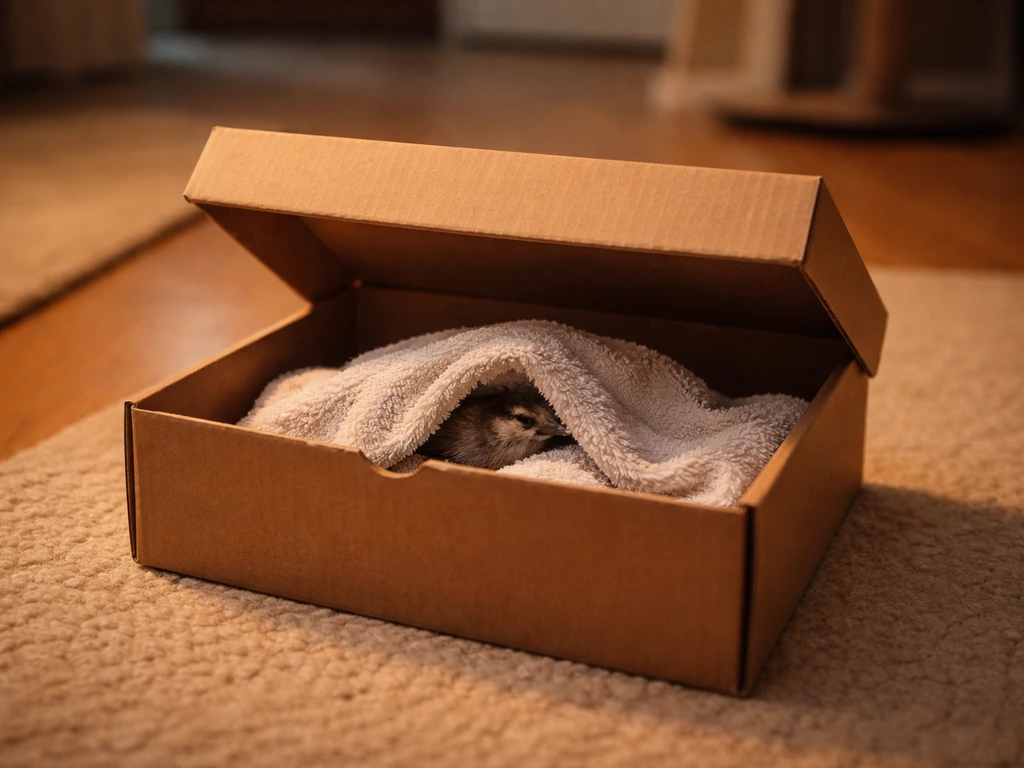
Drape a light towel or cloth over the bird and gently scoop it up, keeping gentle but firm pressure so it can't thrash and injure itself further. Place it into a cardboard box with ventilation holes punched in the sides. The box should be just large enough for the bird to sit upright, too much space means it can flutter around and hurt itself more. Put a small piece of paper towel or a light cloth on the bottom so the bird has something to grip.
Close the box and keep it in a warm, dark, quiet room away from pets, children, and noise. Darkness is calming to birds and helps reduce stress significantly. Don't keep peeking inside to check on it, every time you open the box, you reset the bird's stress response. Keep conversation and noise around the box to a minimum.
Keeping the bird warm safely
Warmth is critical for an injured bird, especially one in shock. You can place a hot water bottle wrapped in a towel next to (not under) the box, or put a heating pad on its lowest setting under one half of the box only. The key is giving the bird the option to move away from the heat source if it gets too warm. A bird that is overheated will breathe with its mouth open or stretch its neck out flat, if you see that, remove the heat source immediately.
If there's active bleeding
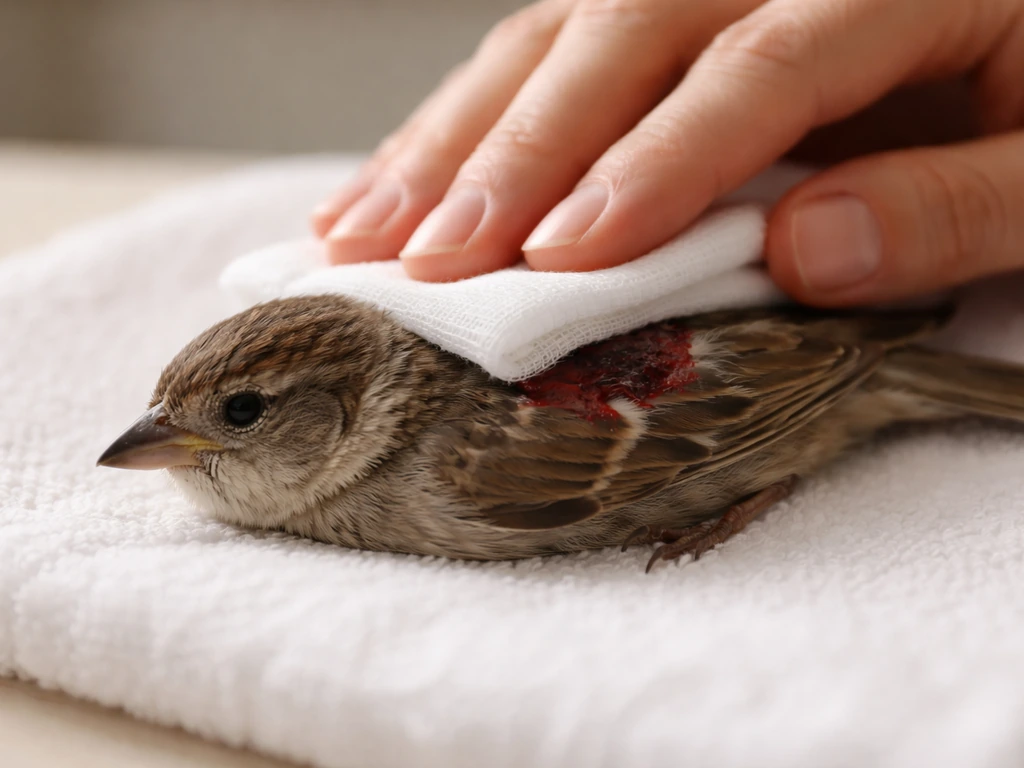
If you see a wound that is actively bleeding, you can apply very gentle pressure with a clean cloth. Do not use adhesive bandages, tape, or anything that wraps around a wing or leg, circulation in birds is fragile and cutting it off even slightly causes serious damage. Do not try to clean a wound with hydrogen peroxide or antiseptic. Gentle pressure, then get the bird to a professional as fast as possible.
When to call a wildlife rescue or avian vet right now
The honest answer is: if your dog caught the bird, you should call a licensed wildlife rehabilitator or avian vet regardless. That said, here's how to triage how quickly you need to act.
Call immediately if the bird has blood coming from its mouth, a severe head tilt, is spinning or seizing, is completely limp and cold, or has a large open wound. These situations need emergency care within hours, and many birds only have a few hours in which rehabilitation can make a real difference.
Call urgently (within the hour) if the bird has a drooping wing, is not using a leg, has visible bleeding from puncture wounds, or has been sitting in the same spot without attempting to move for more than 20 to 30 minutes. Even if none of these apply, call a rehabber the same day, because you cannot see puncture wounds under feathers, and bacteria from a dog's mouth can be fatal to a bird within 24 to 48 hours without antibiotic treatment.
How to find help near you
- Search 'wildlife rehabilitator near me' or 'bird rescue [your city/state]' online.
- Call your local humane society or animal control — they often have rehabber contacts.
- In the US, the USDA APHIS Wildlife Services hotline can connect you to your state's resources.
- Many wildlife hospitals have 24-hour intake lines or emergency contacts — call ahead before showing up.
- Any licensed avian veterinarian can provide emergency stabilization even if they don't do full wildlife rehab.
In most US states, it's legal for a member of the public to transport an injured wild bird to a licensed rehabilitator without a permit, as long as you do so within 24 hours and don't attempt to keep or treat the animal yourself. You are a Good Samaritan in this situation, you're allowed to help get the bird to someone who can actually treat it.
What NOT to do
This section matters as much as the rest of the article. A lot of well-meaning instincts will actually harm the bird. Do not give an injured wild bird food or water, because an incorrect diet can lead to injury or death.
- Do not give the bird food or water. Injured birds can aspirate easily, and the wrong food can cause serious metabolic problems. This rule is consistent across every wildlife rehab organization.
- Do not try to splint a broken wing or leg yourself. Even a slightly too-tight wrap cuts off circulation, and birds are far more fragile than they look.
- Do not put the bird in a wire cage or hard carrier with bars — a thrashing injured bird can cause additional fractures on the cage bars.
- Do not leave the bird outside unattended or try to 'return it to nature' before it can fly. It will be exposed to your dog, other predators, or weather.
- Do not keep opening the box to check on the bird. Every peek is a stressor.
- Do not attempt to bathe, warm with a hair dryer, or apply any products to the bird.
- Do not handle the bird more than necessary — even gentle handling causes stress that can tip a bird in shock over the edge.
- Do not touch your face while handling, and wash your hands thoroughly before and after. Wild birds can carry salmonella and other pathogens.
Special situations: baby birds and window-collision birds
If the bird is a baby (nestling or fledgling)
Baby birds need slightly different handling. A nestling (no feathers, or just pin feathers, eyes may still be closed) that has been grabbed by a dog should be treated as an emergency, it has no ability to thermoregulate and is extremely fragile. Place it in a small box with a soft cloth, add gentle warmth as described above, and contact a rehabber immediately.
A fledgling (feathered, hopping, short tail feathers) is trickier because fledglings normally spend several days on the ground while their parents still feed them. If your dog grabbed a fledgling and it now has any signs of injury, uneven wing droop, bleeding, weakness, shivering, pick it up and get it to a rehabber. If it looks physically unharmed and is alert and hopping, you can place it in a nearby shrub or raised surface out of your dog's reach and watch from a distance for an hour to see if a parent returns. If the mother doesn't come back within three hours or before dark, bring it inside and call for help.
Do not try to hand-feed baby birds while waiting for rehab. Even experienced rehabbers use specialized formulas and feeding techniques, improper feeding is one of the most common ways baby birds die in rescue situations.
If the bird also hit a window
Sometimes a bird hits a window and then a dog catches it while it's stunned on the ground. Window-collision birds often have concussions and internal head injuries even when they look intact. The same dark-box-and-warmth protocol applies, but give a window-collision bird up to two hours in a quiet dark space before deciding it's okay. If it doesn't fly away strongly when you carefully open the box outside after that rest period, call a rehabber. Even birds that eventually do fly away after a window strike can have injuries that become fatal within days, so if there's any doubt, get it checked.
How to keep the bird stable and transport it to rehab
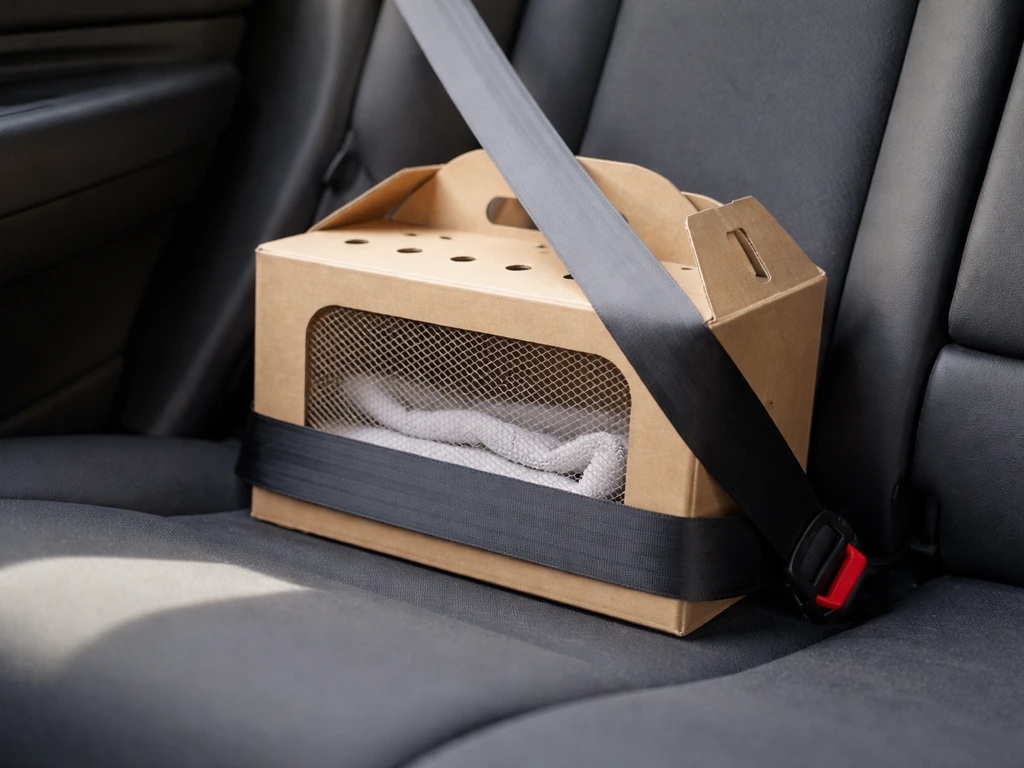
Once you've contained the bird and called ahead to a rehabber or vet, here's how to transport it safely. For the correct state Wildlife Services office, you can call 866-4USDA-WS (866-487-3297) for routing based on your area code call ahead to a rehabber or vet. The principles are the same whether you're driving 10 minutes or an hour.
- Keep the box on a flat surface in the car — the floor of the back seat is ideal. Don't put it on a seat where it can slide.
- Do not turn on loud music. Keep the car quiet and conversation minimal.
- Maintain a comfortable car temperature — not too hot, not cold. The bird should be in its box, not exposed to air conditioning or heat vents directly.
- Do not open the box during transport. Resist the urge to check on the bird.
- Call ahead so the rehab center or vet knows you're coming and can prepare for intake.
- When you arrive, let the staff handle removal from the box — they have the experience to do it without causing additional stress or injury.
Time genuinely matters here. Many birds have only a narrow window in which professional care can make a difference. The bird you just contained has a much better chance if it reaches a rehabilitator within a few hours than if you wait until tomorrow morning. Make the call, get directions, and go.
If this situation is a step beyond what happened to you, for example, your dog actually consumed the bird, or the bird did not survive the encounter, those scenarios have their own set of concerns and next steps worth reading up on separately, both for the bird's welfare and for your dog's health. If your dog actually consumed the bird, follow the urgent guidance for your dog's health as well. If your dog ate a bird, the risks can also affect your dog's health, so follow urgent guidance for your dog too your dog actually consumed the bird. If your dog ate a bird, you still need urgent guidance because the risks can extend beyond injuries to the bird your dog actually consumed the bird.
FAQ
How do I keep my dog from going after the bird again while I’m calling for help?
After you separate them, keep your dog in a different room or outdoors on a secure leash, not just “away for a second.” Many dogs will redirect and return if they still smell the bird, so bring a second person if possible to prevent repeated contact while you prep the box and make the call.
Should I put the bird back outside after I capture it, or keep it indoors?
Keep it indoors in a warm, dark, quiet place until you hand it off. Outdoor transfer can expose it to temperature swings, predators, and stress that reduces its chances, even if you plan to release it later. Only release it if a rehabber specifically tells you to.
What if the bird seems okay, it’s breathing and can hop, but my dog had it in its mouth?
Assume it needs professional examination. A bird that escaped can still have puncture wounds or internal injuries that are not visible, including infection risk from bacteria in dog mouths. Call the rehabber the same day if there was any grip or mouth contact.
Can I give the bird water or food while waiting for a rehabilitator?
No. Do not offer water, bird seed, worms, or formula. Injured birds can aspirate fluid and worsen shock, and baby birds can die from incorrect feeding or timing. Focus on warmth, darkness, and containment only.
How tightly should I wrap the towel over the bird or hold it when scooping it up?
Use gentle but firm control so it cannot thrash, but do not compress the chest. If you see the bird breathing hard, gasping, or repeatedly stretching its neck flat to cool down, adjust immediately and remove heat. The aim is calm stability, not restraint.
What if there are no obvious wounds, but the bird keeps its eyes closed or won’t move?
That can still be shock or neurological injury. Treat it as urgent and contact a rehabber the same day. Don’t rely on “no blood” as proof it is fine, especially after a dog mouth contact.
Is it okay to use a heating pad directly on the bird box?
Use indirect warming only. Place a heating pad under one half of the box on the lowest setting, or use a hot water bottle wrapped in a towel beside the box (not underneath). Always give the bird an escape from heat by letting it move away if it gets too warm.
What should I do if the bird is bleeding but I can’t tell where the bleeding is coming from?
Apply very gentle pressure with a clean cloth over the bleeding area if you can see it, just long enough to slow it. Do not bandage or wrap around limbs or the torso. After initial pressure, prioritize containment and call a professional immediately.
How long can the bird wait after I transport it, before it gets seen?
Plan for same-day care when possible. Many cases worsen over hours due to internal injuries and infection risk, especially puncture wounds. If the rehabber can’t take it right away, ask for the next instruction on where and how to keep it until they accept it.
Does it matter if the bird was a certain species, like a small songbird versus a larger bird?
Yes for how you handle the size and stress level, but not for the core rule that dog-mouthed birds need evaluation. Larger birds may require different box sizing to avoid pressure on wings and legs, and tiny birds can cool quickly, so adjust containment warmth accordingly and still contact a rehabber.
What if my dog swallowed the bird, should I wait and just watch?
Don’t wait. Follow urgent guidance for your dog’s health as well, because swallowing can cause choking, gastrointestinal injury, or internal complications. Contact your veterinarian or emergency vet and tell them your dog may have eaten a wild bird and when it happened.
If I can’t reach a wildlife rehabber, what’s the best backup option?
Call an avian vet or a general emergency vet that can assess wildlife injuries. If nobody answers, ask who in your area handles injured birds and whether they recommend keeping the bird contained until transfer. Keep the bird warm and dark in the meantime.
Next Articles
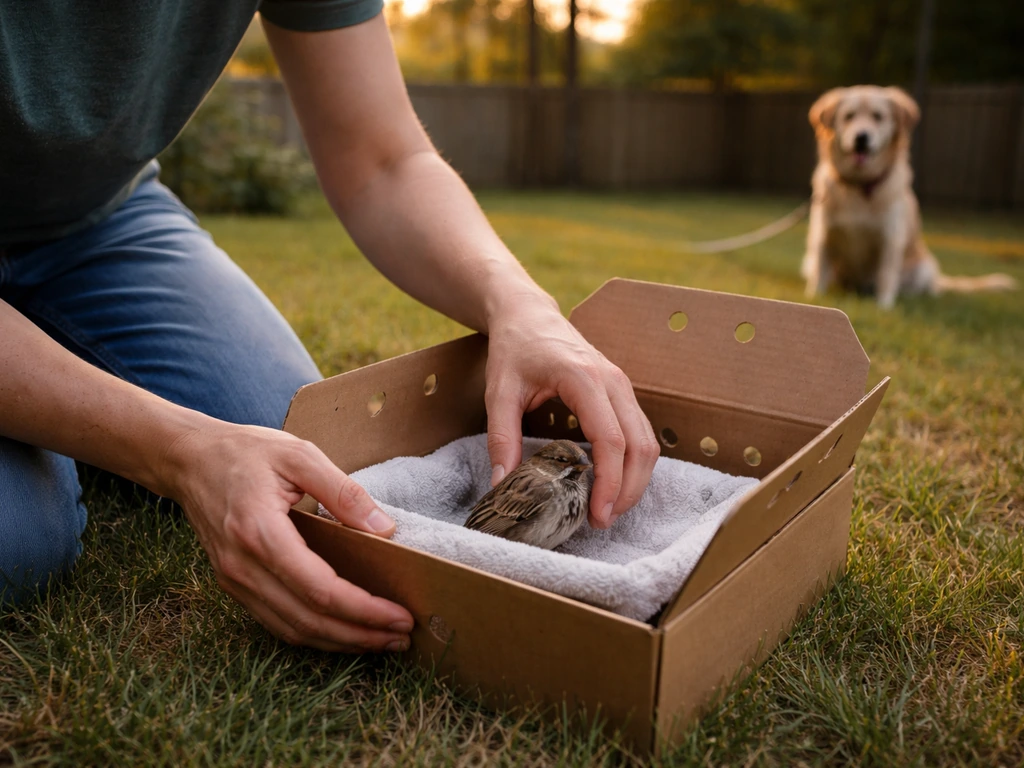
My Dog Killed a Bird: What Should I Do Next?
Immediate steps after your dog kills or injures a bird: safety, containment, first aid, and when to call wildlife rescue
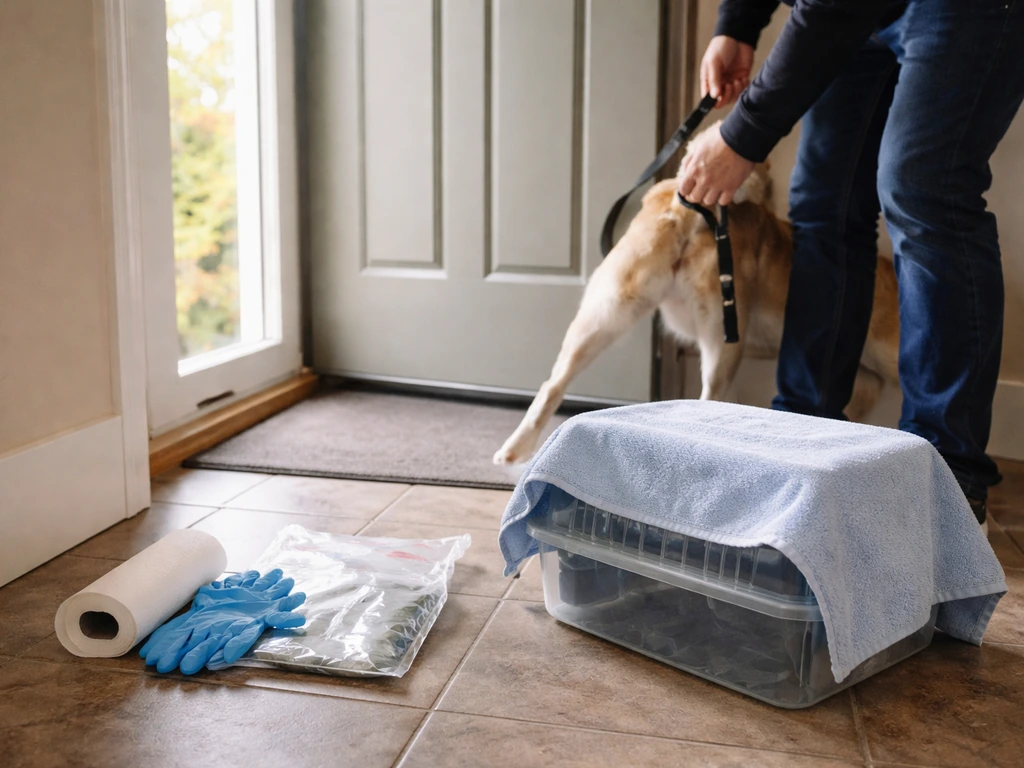
What to Do If Your Dog Eats a Bird: Step-by-Step
Immediate steps if your dog eats a dead or live bird, cleanup, health risks, and what to do for the bird.
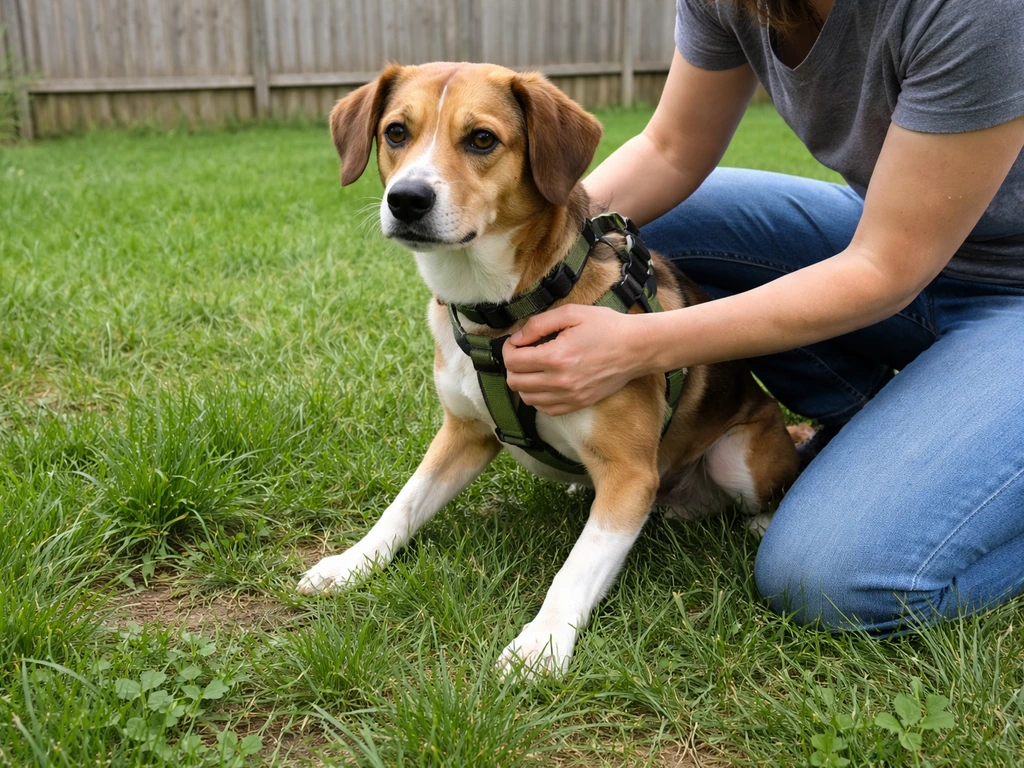
My Dog Ate a Bird: What Do I Do Right Now?
Immediate steps after my dog ate a bird, assess injuries, rescue options, and when to call a vet or wildlife rescue.