
Yes, pick it up, but only if the bird is in immediate danger, clearly injured and unable to move, or has just hit a window. If it's sitting quietly and alert, blank" rel="noopener noreferrer">observe from a distance for 20 to 30 minutes before you do anything. A bird that can right itself, hold its head up, and blink is often just stunned and may recover on its own. One that's lying flat, can't stand, has a drooping wing, or is bleeding needs your help getting into a safe box as quickly as possible, and then your job is to contact a wildlife rehabilitator, not to treat it yourself.
Should You Pick Up an Injured Bird? Safe Steps and When to Call
Marcus Chen
21 May 2026
Quick decision: should you pick it up right now?
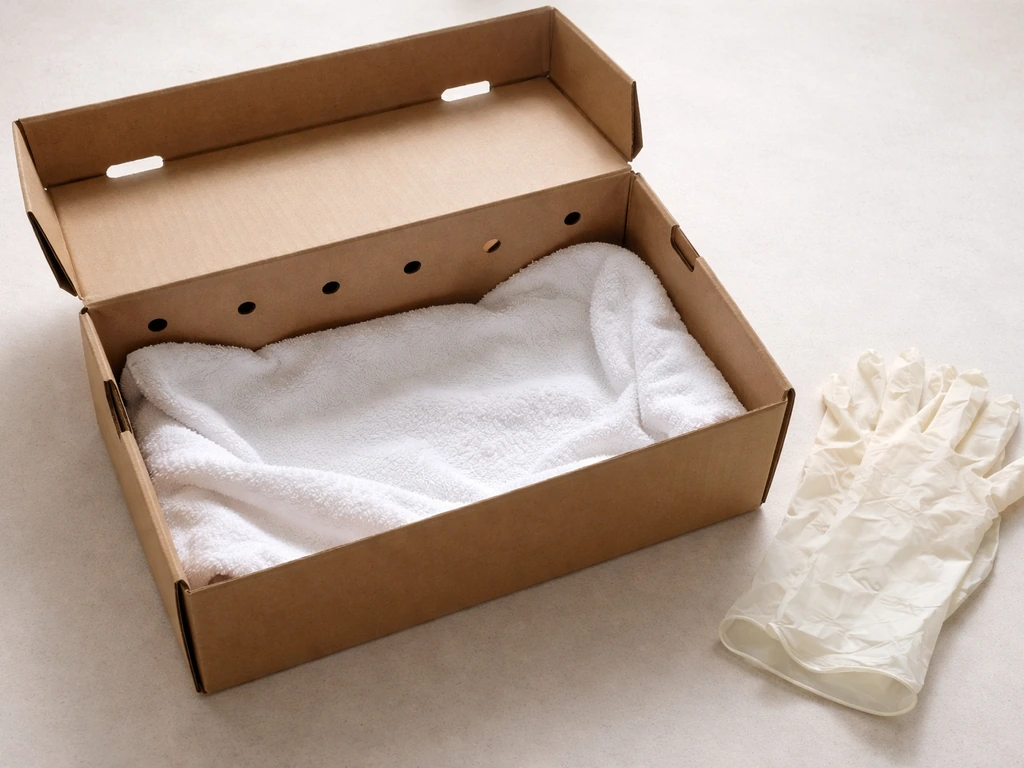
The fastest way to decide is to watch the bird for a minute or two without getting close. Ask yourself three questions: Is it in immediate danger (on a road, near a cat, in water)? Does it have obvious injuries like a drooping wing, bleeding, or inability to stand? Is it completely unresponsive to your presence? If the answer to any of those is yes, intervention makes sense. If the bird is alert, upright, and reacting to you by trying to move away, it may not need to be picked up at all. Picking up a bird that doesn't need it causes real stress and can actually make things worse.
One situation where people hesitate and shouldn't: a cat attack. Even if the bird looks completely fine after a cat grabs it, it needs to see a rehabilitator that same day. Cat saliva contains bacteria that can cause fatal systemic infection within hours, even from a tiny scratch you can't see. Don't wait and see with a cat-attacked bird.
One situation where people rush in and shouldn't: fledglings on the ground. A fledgling is a young bird with some feathers, short tail, and floppy hops. They spend days on the ground while their parents continue feeding them. This is completely normal. Unless a fledgling is obviously injured or a predator is circling, leave it alone. If you suspect the bird is a fledgling, avoid picking it up unless it is obviously injured or in immediate danger, and contact a wildlife rehabilitator for guidance should i help a fledgling bird. If you're unsure whether you're looking at a fledgling versus an injured adult, that's a good reason to call a wildlife rehabber before you touch it.
Spot the danger: approach safely and reduce stress
Before you get close to the bird, scan the area. Are there cats, dogs, or other predators nearby? Is the bird on a road with traffic? Is there a hazard to you, like a busy highway or a steep ledge? Your safety comes first, always. If there's an active predator, try to shoo it away or get it indoors before approaching the bird.
Move toward the bird slowly and quietly. Approach from the side rather than straight on, and avoid making direct eye contact, which birds read as a threat. Crouch down rather than looming over it. The goal is to keep the bird as calm as possible, because a panicked bird can injure itself further, and a bird that's already stressed has a harder time recovering.
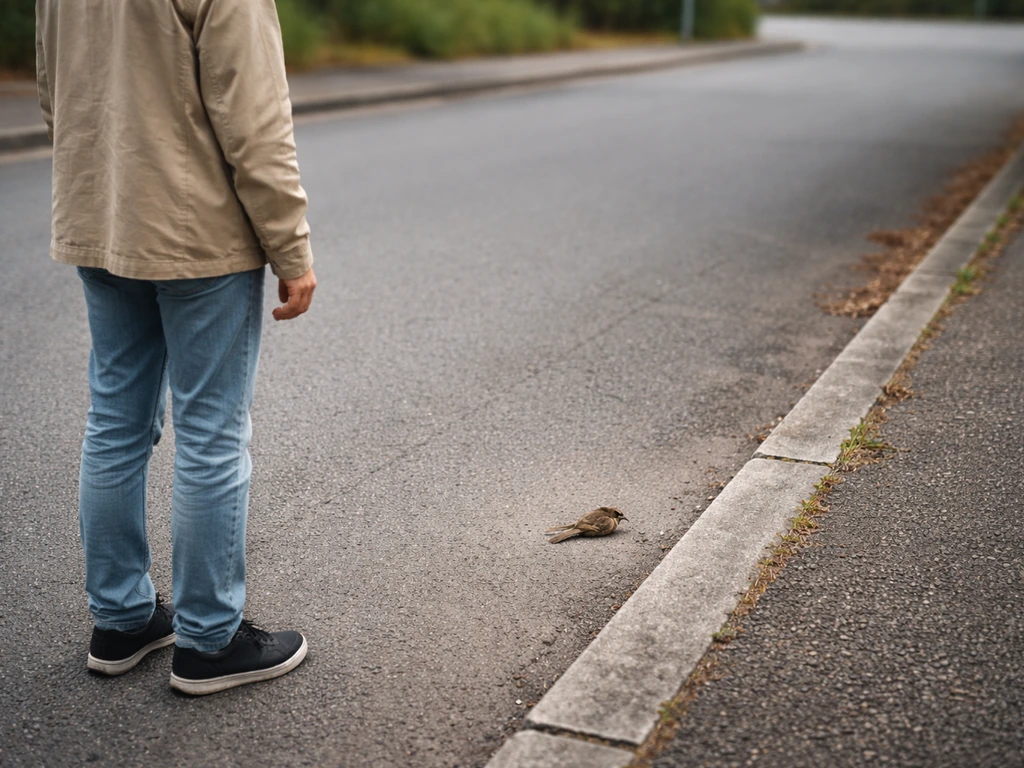
Protect yourself too. Even small birds can scratch and peck, and larger birds like herons, raptors, or geese can cause real injury. Always use thick gloves if you have them, or wrap your hands in a folded towel. Don't handle a bird bare-handed if you can avoid it. After any contact with a wild bird, wash your hands thoroughly with soap and water. This isn't alarmist, it's just basic hygiene the CDC recommends for anyone who handles wildlife.
How to move or contain an injured bird if pickup is necessary
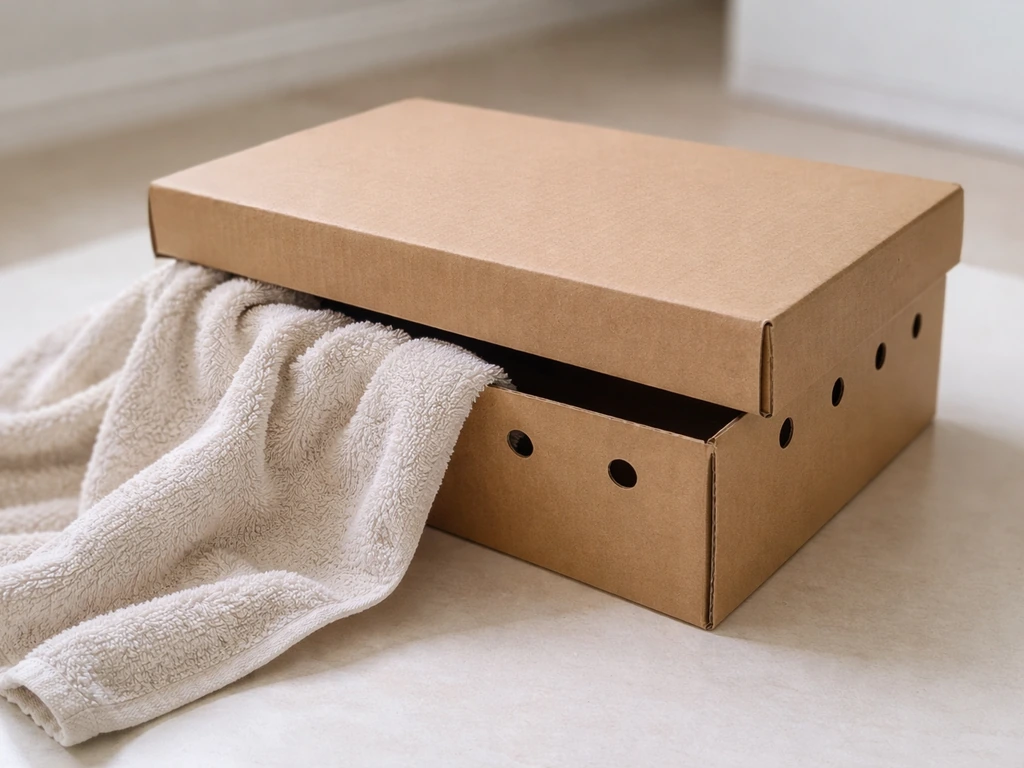
Get your box ready before you pick up the bird. Use a cardboard shoebox or any cardboard box with a secure lid. Punch a few air holes in the sides with a pen or scissors. Line the bottom with a folded cloth, paper towel, or newspaper so the bird has something to grip. Don't use a wire cage, a plastic bin with no airflow, or anything see-through. Darkness calms injured birds significantly.
To pick up the bird, drape a light towel or cloth over it first. This limits its field of vision and reduces panic. Then scoop it up gently but firmly from underneath with both hands, keeping the wings tucked against its body. Place it into the box immediately. Close the lid and secure it. Don't peek in repeatedly to check on it. Every time you open the box, you restart the stress response.
For larger birds like ducks, geese, raptors, or herons, be especially cautious. Raptors have talons that can puncture skin deeply. Herons aim for eyes. If you're dealing with a large bird and don't have proper gloves, it's worth calling a wildlife rehabilitator to talk you through it, or waiting for someone more experienced if the bird is stable and not in immediate danger.
Scenario guidance: window strikes, pet encounters, and nest emergencies
Window strikes
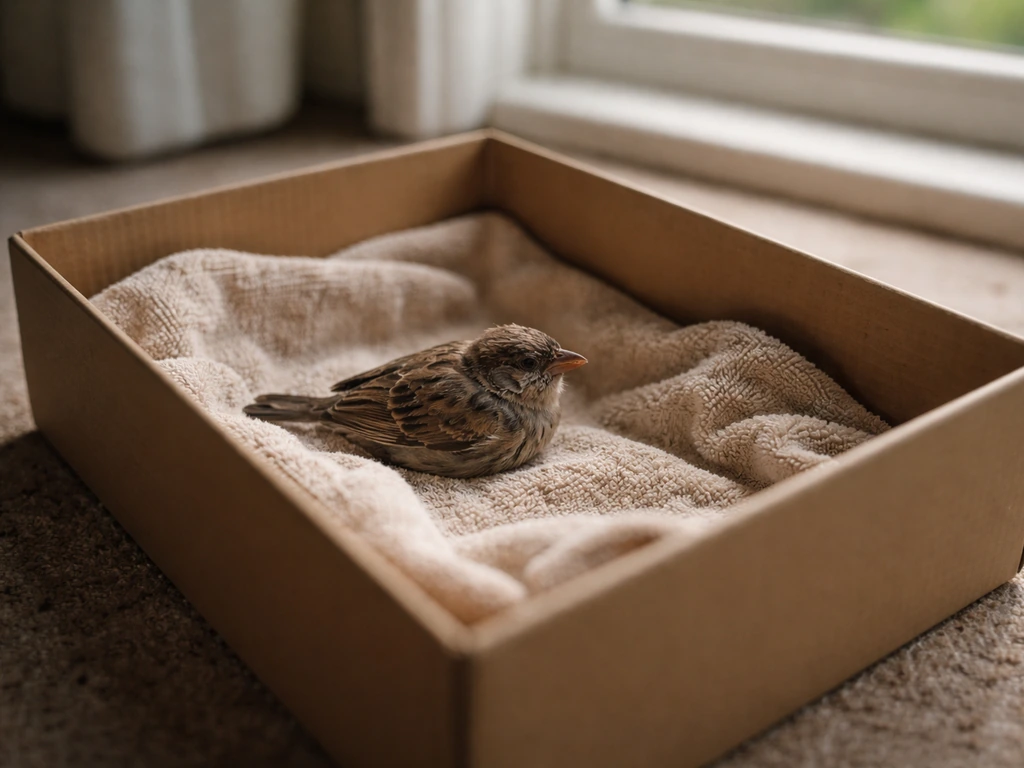
Window collisions are one of the most common reasons people find injured birds. If a bird has just hit a window, place it gently in a shoebox and keep it in a warm, dark, quiet spot. According to Tufts Wildlife Clinic, birds that are merely stunned will typically revive within a few minutes to a couple of hours in a dark, calm environment.
After about 30 to 60 minutes, take the box outside, open it near a bush or shrub, and step back. After that initial recovery period, only keep it in the box until you can contact a wildlife rehabilitator or release it with confidence how long to keep an injured bird in a box. If the bird flies off, great. If it doesn't move or can't fly, it needs professional help.
Cat or dog attacks
As mentioned above: treat every cat attack as an emergency regardless of visible injury. Pick up the bird using a towel, place it in a ventilated box, and contact a wildlife rehabilitator immediately. Do not leave it outside to recover. Dog attacks vary more in severity, but the same approach applies: box it, contain it, and call a pro.
Nest emergencies
If you find a nestling (a very young bird with little or no feathers, eyes sometimes still closed) on the ground, try to locate the nest and return it. The myth that parent birds abandon chicks touched by humans is false. Birds have a very limited sense of smell.
If you can't find the nest, place the nestling in a small container lined with tissue or dry grass and attach it to the tree or nearby structure as high as you can reach. Then watch from a distance for the parents to return. If no parent appears within two to three hours, or by dark, bring the bird inside in a warm, dark box and call a wildlife rehabilitator first thing in the morning.
Common injury signs and what they mean for action
| What you see | What it likely means | What to do |
|---|---|---|
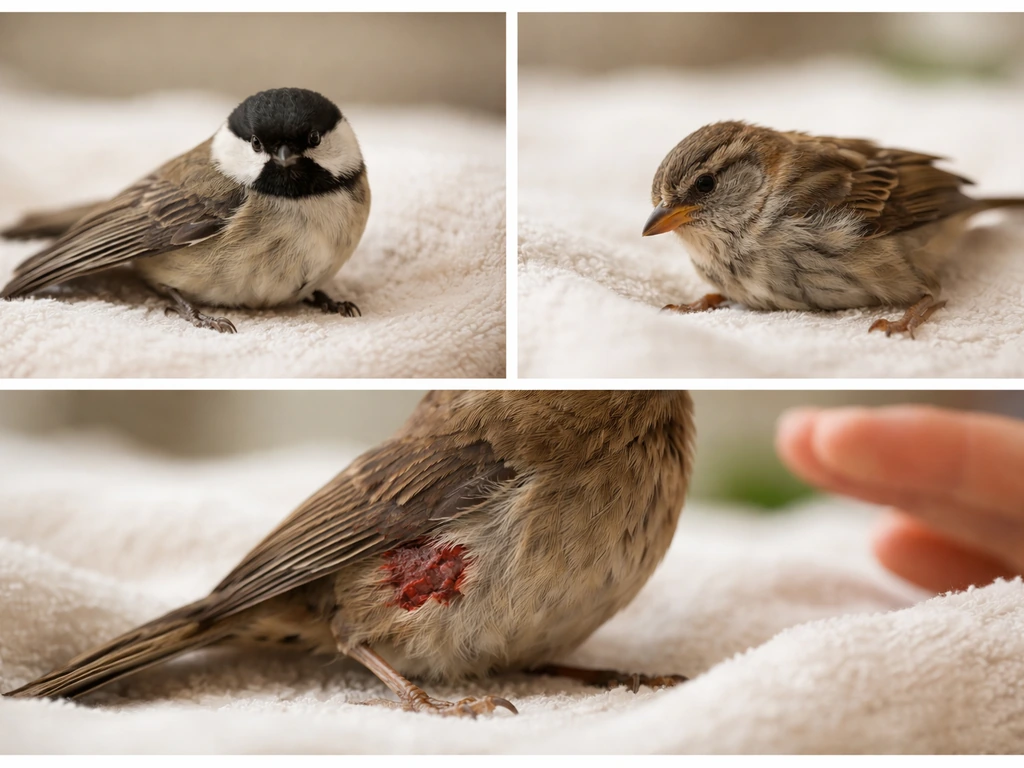
| Drooping or dragging wing | Possible fracture | Box and call a rehabilitator today |
| Can't stand or keeps tipping over | Head trauma, leg fracture, or internal injury | Box immediately, minimize handling, call now |
| Visible bleeding | Open wound | Box gently, keep calm, call immediately |
| Limp or unable to grip with feet | Leg/foot injury or shock | Box with soft lining, call a rehabilitator |
| Open beak, labored breathing | Shock, respiratory distress, or internal injury | Dark quiet box, call urgently |
| Sitting fluffed with eyes closed | Sick, cold, or seriously injured | Warm box, call immediately |
| Alert, upright, trying to move away | May be stunned or mildly concussed | Observe 20 to 30 min, then reassess |
One important note on bleeding: do not try to bandage an injured bird yourself unless you've been trained. Improperly applied bandages can cut off circulation and cause limb loss. The safest thing you can do is get the bird into a dark, quiet box and get it to a professional as quickly as possible.
What not to do
This is where well-meaning people cause the most accidental harm. The instinct to feed, warm, or care for an injured bird is natural, but most of the common approaches make things significantly worse.
- Do not feed the bird. This is the most repeated rule from every wildlife clinic and rehabilitator. Force-feeding baby birds can push food into the airway and cause aspiration pneumonia. Even giving the wrong food to an adult bird can cause serious harm. Don't do it.
- Do not give water. Never squirt or drip water into a bird's beak. It can go directly into the lungs. If a bird is dehydrated, a professional needs to handle rehydration.
- Do not try to splint or bandage a wing or leg yourself. Improper wrapping causes more damage than the original injury.
- Do not keep the bird somewhere warm and bright. Heat lamps, heating pads directly under the bird, and sunny windowsills can all overheat a bird rapidly. If you use a heating pad, put it on the lowest setting and place it under only one half of the box so the bird can move away from the heat.
- Do not leave it in an open space or cage. A bird that can see predators, people, or open sky cannot rest and recover. Darkness is not cruel, it's calming and essential.
- Do not keep it longer than necessary. This is temporary containment, not rehabilitation. The goal is professional handoff, ideally within hours.
Another common mistake: assuming "it's just shocked" means it's fine. Shock in birds can mask serious internal injuries. A bird that looks okay after an hour in a box may still have a fracture, internal bleeding, or infection that only a vet can assess. Don't release a bird that can't fly confidently just because it's alert.
When to call a professional and how to find help
Call a wildlife rehabilitator or avian vet right away if the bird is bleeding, can't stand, has a drooping wing, was attacked by a cat, is a raptor or large waterbird, appears very young (nestling), or shows any sign of labored breathing. Some people wonder should you put an injured bird out of its misery, but euthanasia is a decision for a licensed professional rather than a DIY call. Don't wait to see if it gets better on its own once it's boxed.
To find licensed help near you, start with your state's wildlife agency website. Many states, including New York through the NYSDEC, maintain searchable directories of licensed wildlife rehabilitators. The USDA's APHIS and the National Wildlife Rehabilitators Association also have locator tools. If it's after hours, call anyway: many rehabilitators have voicemail with emergency contacts, and some hotlines like the Bi-State Wildlife Hotline operate 24 hours a day. Your local humane society or animal control can also point you toward options, and some cities have drop-off programs through Animal Care Centers.
If you can't find a wildlife rehabber, an avian vet (a vet who specializes in birds) is your next best option. General practice vets vary widely in their bird experience, so calling ahead to ask specifically about wild bird injury is worth doing. Be aware that wildlife vet care may come at your own expense depending on your location and situation.
While you wait: warmth, darkness, quiet, and transport
Once the bird is in the box, your job is mostly to leave it alone. If you are wondering whether you should leave an injured bird alone, the safest default is to minimize handling and get it to a wildlife professional as soon as possible should i leave an injured bird alone. blank" rel="noopener noreferrer">Place the box somewhere warm (around 70 to 75°F or room temperature), dark, and quiet. Keep it away from pets, children, loud music, and air conditioning vents.
Don't check on it every few minutes. If you need to use a heating pad for warmth, put it on the lowest setting under one side of the box only, and place a towel between the pad and the box to prevent direct heat.
For cold songbirds, Tufts Wildlife Clinic also instructs warming one end of the shoebox on a heating pad set on low, and it advises not to give the bird food or water put it on the lowest setting under one side of the box only.
If it's nighttime and no rescue center is open, keep the bird in the dark box overnight in a quiet, safe space. As Golden Gate Bird Alliance notes, if it's after hours, a dark box overnight is fine as long as you call first thing in the morning. Don't try to "help" it through the night by checking, feeding, or handling. The most helpful thing you can do is nothing.
When you're ready to transport the bird to a rehabilitator or vet, keep it in the closed box. Put it on the floor of the car rather than a seat where it can slide. Turn the radio off. Don't talk to it or open the box to reassure it. A quiet, dark, still ride is the most comfortable journey you can give it. Tufts Wildlife Clinic specifically advises keeping the car quiet during transport because noise amplifies stress for injured birds.
Finally, wash your hands thoroughly after any handling, and keep the encounter brief. You've done the most important thing by getting the bird contained and heading toward professional care. In general, you should not keep an injured wild bird yourself; it needs licensed professional care can i keep an injured wild bird. That's genuinely the best outcome most people in this situation can achieve, and it matters.
FAQ
If I have bird seed or pet food, should I feed an injured bird while I wait for help?
No. Feeding can worsen stress and can also cause aspiration if the bird is weak. Keep it in a dark, quiet box and focus on transport and contacting a wildlife rehabilitator or avian vet.
What’s the best container if I don’t have a shoebox or towel?
Use any plain cardboard box with a secure lid and add ventilation by punching small air holes. If you lack a towel, a clean cloth can still be used to cover the bird during scooping, but avoid wire cages and open tubs that allow the bird to thrash.
How warm should the bird be if it’s cold out or it was found at night?
Warmth should be gentle, not hot. Aim for room-temperature warmth, or if needed use a heating pad on the lowest setting under only one side of the box, with a towel between the pad and the box so the bird can move away from excess heat.
Should I check the bird every few minutes to see if it’s waking up?
Minimize checks. Opening the container repeatedly restarts the bird’s stress response and can delay recovery. Instead, keep the box in a quiet spot and monitor from a distance until you can call and transport.
Can I give water to an injured bird?
In most cases, no. Injured birds may not be able to swallow safely. Unless a wildlife professional directs you, it’s safest to keep the bird contained and let rehab handle hydration and feeding.
If the bird is bleeding, do I need to stop the bleeding before boxing it?
Do not attempt to bandage or apply pressure unless you are trained. The priority is to get it into the dark, ventilated box promptly and contact a wildlife rehabilitator or avian vet, because delays increase risk of shock and infection.
What if the bird seems alive but won’t move after I put it in the box?
Wait for a realistic recovery window that matches the situation. For window-stunned birds, it may revive within minutes to a couple of hours in a dark, calm box, but if it still cannot stand or move normally, treat it as injured and contact a professional.
Is it okay to release the bird once it looks better?
Only release if you are confident it can fly or move normally and leave without lingering. If it’s still not flying confidently, can’t stand, has visible injuries, or you suspect internal trauma, keep it boxed and contact a wildlife professional instead of releasing.
What should I do if the bird is in my yard but won’t let me get close safely?
Do not risk your safety to approach. Scan for predators or hazards, keep pets indoors, and use a safer option like waiting for help or calling a wildlife rehabilitator for guidance, especially for large birds or raptors.
If it’s a nestling or fledgling, should I always call before touching it?
Not always, but call if you’re unsure. If it’s not obviously injured and predators are not nearby, often it should be left alone. If you cannot tell whether it’s a fledgling versus an adult injury, contact a rehabilitator before handling.
What should I say when I call a wildlife rehabilitator to get the fastest instructions?
Share what happened (window hit, cat or dog attack, on road, found indoors), describe what you see (drooping wing, bleeding, can’t stand, breathing difficulty), and tell them your location and whether the bird is warm and responsive, so they can triage urgency and handling steps.
How long can the bird be in a box before I transport it?
Keep the time as short as possible, especially if there are signs like bleeding, cat attack, labored breathing, or inability to stand. If transport will be delayed, keep the box dark, quiet, and warm at room temperature, and contact a professional as soon as you can.