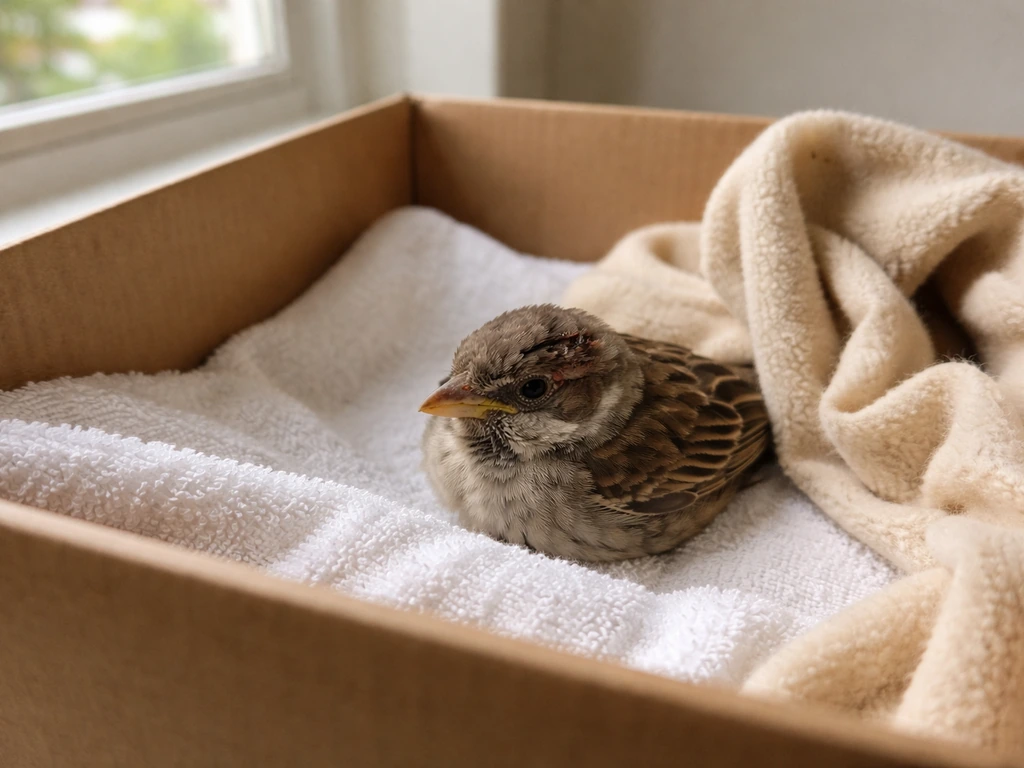
For most injured birds, keep them in the box for no more than one to two hours before contacting a wildlife rehabilitator or avian vet. If the bird hit a window and seems stunned but otherwise unharmed, check on it every 15 minutes and let it go if it flies. If it hasn't recovered within a couple of hours, that's your cue to get it to a professional. And if there's any visible bleeding, a dangling wing or leg, head trauma, or the bird can't stand upright, stop waiting entirely and call for help right now.
How Long to Keep an Injured Bird in a Box
Marcus Chen
13 May 2026
What the box is actually for
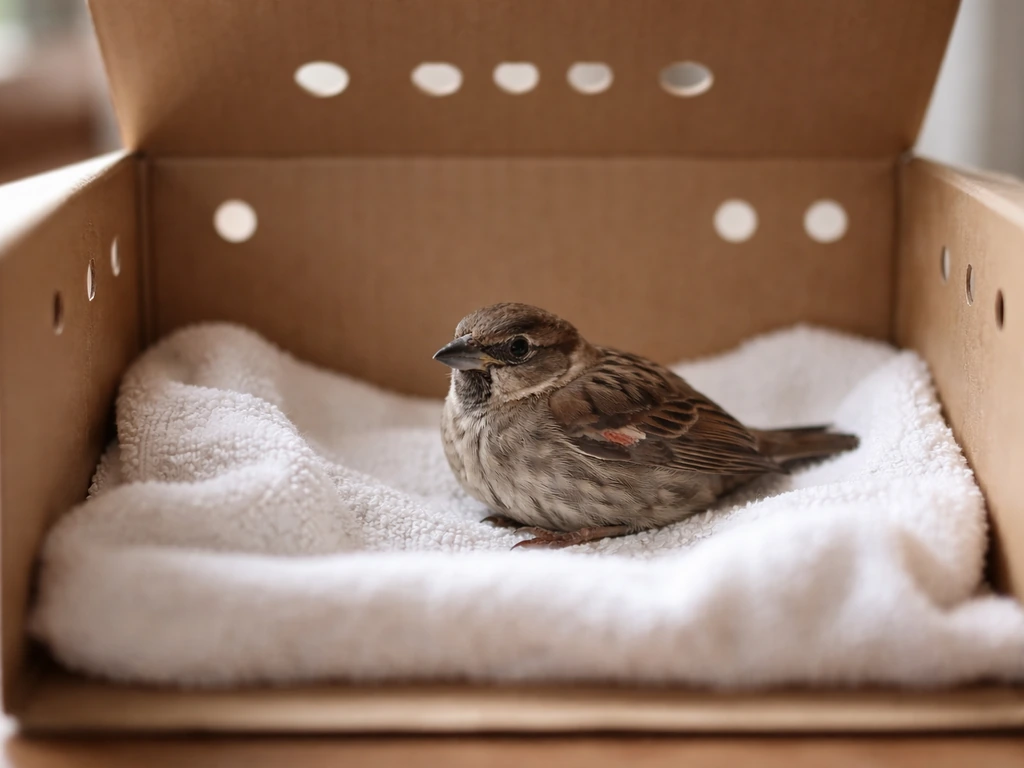
The box isn't treatment. It's a holding space that buys the bird a little time and prevents things from getting worse. When a bird is injured or stunned, its stress response kicks in hard. Being out in the open, exposed to noise, pets, people, and light, can be just as dangerous as the injury itself. Containment in a dark, quiet box slows that stress response down and stops the bird from thrashing around and injuring itself further.
It's appropriate any time you've found a bird that clearly can't fly away on its own, appears disoriented or lethargic, or has an obvious injury. It's also the right first move after a window collision, a cat or dog attack, or finding a bird tangled in something. What it is not appropriate for is as a substitute for professional care, or as a reason to delay calling a rehabilitator. If you’re wondering whether to euthanize, pause and focus on getting the bird to a licensed wildlife rehabilitator instead should i kill an injured bird. If you are wondering what to do after you find an injured bird, the safest next step is to contact a licensed wildlife rehabilitator or avian vet right away. If you are wondering, "should i help a fledgling bird," the safest approach is to focus on temporary holding, then contact a licensed wildlife rehabilitator right away a substitute for professional care. Think of it as stabilization, not recovery.
How long to actually keep it in there
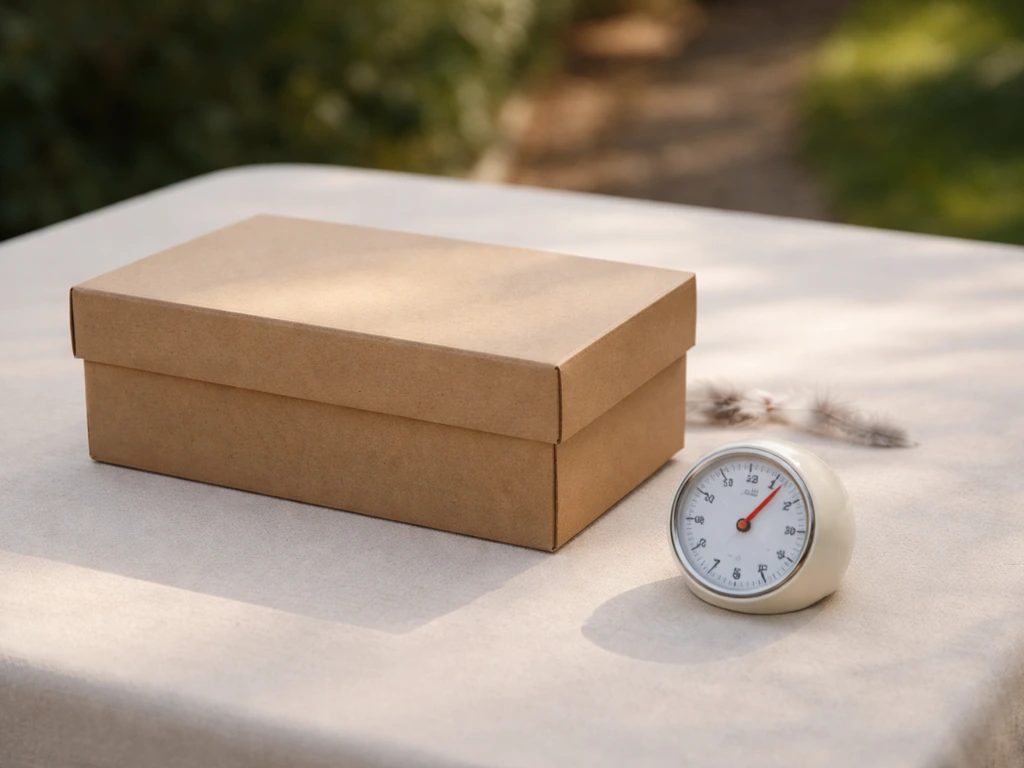
The timing depends on why the bird is in the box. Here's how to think about it by scenario:
| Scenario | Expected recovery window | When to escalate immediately |
|---|---|---|
| Window collision (stunned, no visible injury) | A few minutes to 2 hours; check every 15 min | No improvement after 2 hours, or any worsening |
| Mild shock or disorientation (unknown cause) | Up to 1 hour in dark/quiet box | If still unresponsive or unable to stand after 1 hour |
| Visible injury (wing, leg, bleeding, beak) | Do not wait; call a rehabilitator immediately | Right now — do not delay for observation |
| After-hours (no rehabber available until morning) | Overnight in a properly set-up box | Emergency vet if condition deteriorates overnight |
| Cat or dog attack (even with no visible wounds) | Do not wait; bacterial infection risk is severe | Call immediately regardless of how the bird looks |
The clearest rule is this: if the bird is improving, you have a little time. If it's staying the same or getting worse, you don't. A stunned bird from a window strike should start showing signs of alertness within minutes. Darkness calms the bird and helps it revive. If it's not showing any recovery within two hours, something is wrong beyond simple shock, and it needs professional assessment.
If you're after hours and can't reach anyone until morning, an overnight hold in a properly set-up box is acceptable for a bird that is alert, upright, and breathing normally. But this is a last resort, not a plan. The sooner an injured bird gets to a licensed wildlife rehabilitator, the better its chances. Every hour matters.
How to set the box up safely
Use a cardboard shoebox or similarly sized box. It needs to be large enough for the bird to sit or stand upright comfortably, but not so large that it can flap around and hurt itself. Punch small air holes in the sides for ventilation, but keep them small enough that the bird can't catch a foot or wing on the edges.
Line the bottom with a plain cloth or a few layers of paper towel. Avoid anything with frayed edges, loops, or holes where toes can get caught. Do not use wire mesh or slippery surfaces. The goal is a soft, stable floor the bird can grip or rest on without sliding.
Warmth matters a lot. Injured birds lose heat quickly, and hypothermia makes everything worse. Place the box half on and half off a heating pad set to low, so the bird can move away from the heat if it gets too warm. If you don't have a heating pad, a hot water bottle wrapped in a cloth works. Aim for a warm environment around 85°F (about 29°C) inside the box. Keep one end slightly cooler as an escape zone.
Darkness is your friend here. A dark box calms the bird significantly more than a bright one. Once the bird is inside, put the lid on and place the box somewhere genuinely quiet: a spare room, a bathroom, anywhere away from other pets, children, and noise. No TV, no loud conversations nearby, no peeking every few minutes out of curiosity. Stress alone can be fatal to an injured bird.
How injury type changes your urgency
Not all injuries are equal. Some let you take a breath and make a phone call. Others mean you should already be on the phone.
Bleeding
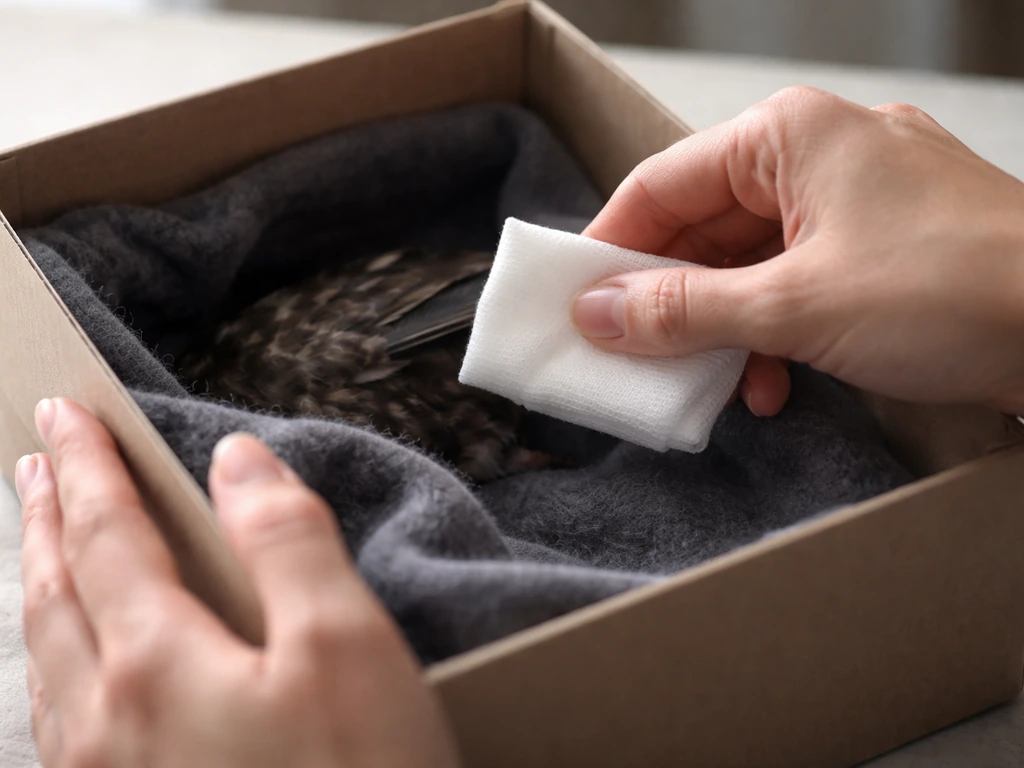
Any active bleeding that doesn't slow within about 5 minutes is an emergency. Birds have small blood volumes and lose blood fast. Do not wait and observe. Call a wildlife rehabilitator or emergency animal clinic immediately. If the bleeding is minor and stops on its own, the bird still needs professional care the same day.
Wing injuries
A wing that droops, hangs at an odd angle, or that the bird won't fold against its body is almost certainly broken or dislocated. This is a professional repair job, not a wait-and-see situation. Get the bird contained, keep it calm, and call for help. Do not try to splint or tape the wing yourself.
Leg injuries
If the bird can't stand or is holding one leg up and avoiding putting weight on it, that's a leg injury until proven otherwise. Like wings, leg fractures need a rehabber or avian vet. Make sure the box floor is soft so the bird isn't putting pressure on a damaged leg, and move quickly.
Beak injuries
A cracked, broken, or misaligned beak is serious because birds use their beaks for everything, including breathing in some cases. Don't try to manipulate it. Keep the bird in the box and get it to a professional as fast as possible. Do not offer food or water, since a bird with a beak injury may aspirate if it tries to eat.
Shock and severe lethargy
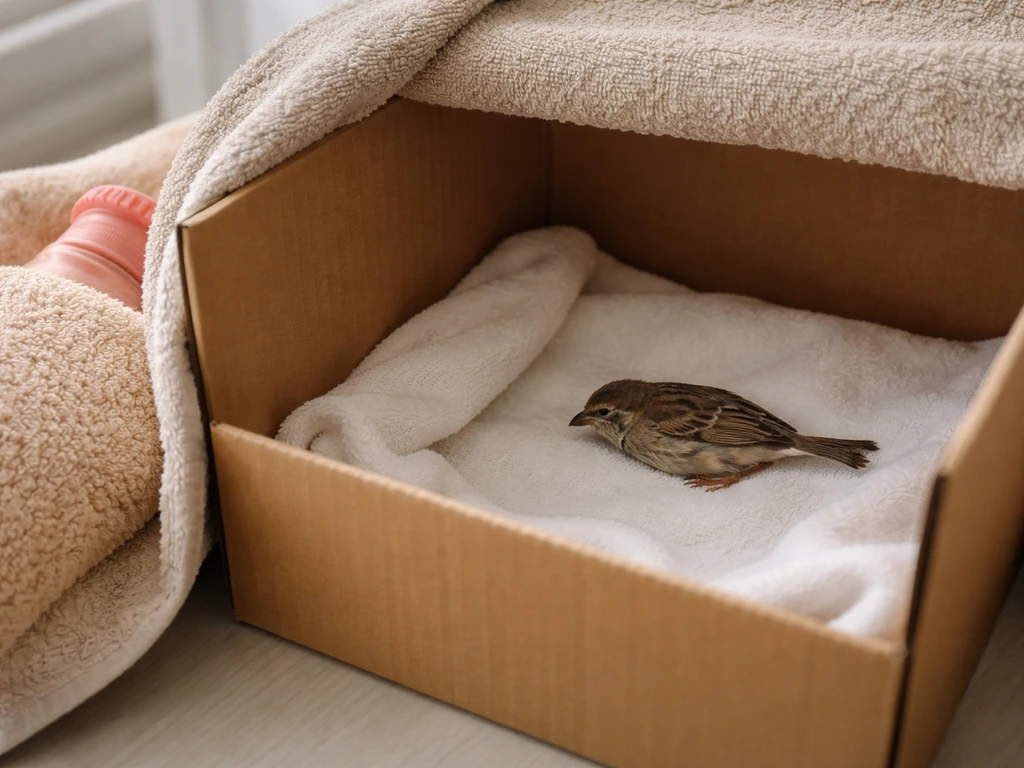
A bird that is limp, unresponsive, or barely reacting to being handled is in serious trouble. Warmth is the most important thing you can provide right now. Get the box warm (using the half-on-heating-pad method), keep it dark and quiet, and call for help immediately. Do not assume it will improve on its own.
Head trauma
Birds that hit windows can sustain real concussions. Signs include tilting to one side, circling, inability to hold the head up, rapid eye movement, or seizure-like twitching. A stunned bird from a window strike might look like this at first, and sometimes it does resolve within an hour or two. But if these neurological signs persist past that window, the bird needs imaging and care you cannot provide at home. Don't wait.
Cat or dog attack
Even if a bird attacked by a cat or dog looks totally fine externally, it needs to be seen by a professional the same day. Cat saliva in particular carries bacteria that cause fatal infection in birds within hours. There are no visible wounds with many puncture injuries. This is a no-wait scenario every single time.
What to do while the bird is in the box
The short answer is: mostly nothing. If you are wondering should you put an injured bird out of its misery, the safest answer is to contact a licensed wildlife rehabilitator or avian vet right away for guidance. The most helpful thing you can do is leave the bird alone in a warm, dark, quiet space and use that time to contact a wildlife rehabilitator. Handling the bird repeatedly to check on it causes stress that can undo any recovery that's happening. If you’re wondering whether you can touch an injured bird, the safest move is to avoid handling it unless you must call for help or get it into the box Handling the bird repeatedly.
Do not offer food or water. This is one of the most common mistakes people make, and it comes from a good place, but it can seriously harm the bird. An injured or shocked bird's swallowing reflex may not be working properly, meaning food or water can go into the lungs instead of the stomach. Leave feeding to the professionals.
If you need to check on the bird, do it briefly and gently. Open the box slowly, look for the following, then close it again:
- Is the bird upright, or slumped on its side? (Upright is good.)
- Is the chest visibly moving with regular breathing? (Labored, open-beak breathing or tail-bobbing with each breath is a bad sign.)
- Does the bird react to your presence? (Some awareness is better than none.)
- Is there any new bleeding or discharge?
- Is it getting any warmer to the touch compared to when you first found it?
A bird that is breathing normally, staying upright, and reacting to you is stable for now. A bird that is lying on its back (which makes breathing harder), unresponsive, or breathing with its beak open in distress needs help right now. Keep pets out of the room entirely, and keep children away too. Even well-meaning attention is stress the bird doesn't have to spare.
When the time's up: getting it to help
Before you transport the bird anywhere, call ahead. Explain what you have, what it looks like, and what happened. Wildlife rehabilitators and avian vets can give you advice specific to your situation, and some locations may not accept certain species or may be at capacity. Calling ahead also means someone is ready when you arrive.
To find a licensed wildlife rehabilitator near you, try the National Wildlife Rehabilitators Association (NWRA) or your state's wildlife agency website. Many areas also have local Audubon societies or bird rescue organizations that can point you to the right contact. If it's after hours, search for emergency avian vets in your area or call a general emergency animal hospital, as some will see wild birds or at least help you find someone who will.
It's worth knowing that in the U.S., a federal Good Samaritan provision allows any person who finds a sick, injured, or orphaned migratory bird to take possession of it temporarily for the sole purpose of transporting it to a licensed rehabilitator. You are legally in the clear to pick it up and drive it to help. You are not legally permitted to keep it as a pet or attempt to rehabilitate it yourself at home without a license. If you are wondering can i keep an injured wild bird temporarily, the law and the bird's safety both point you to transport it to a licensed wildlife rehabilitator instead.
Transport tips for the drive
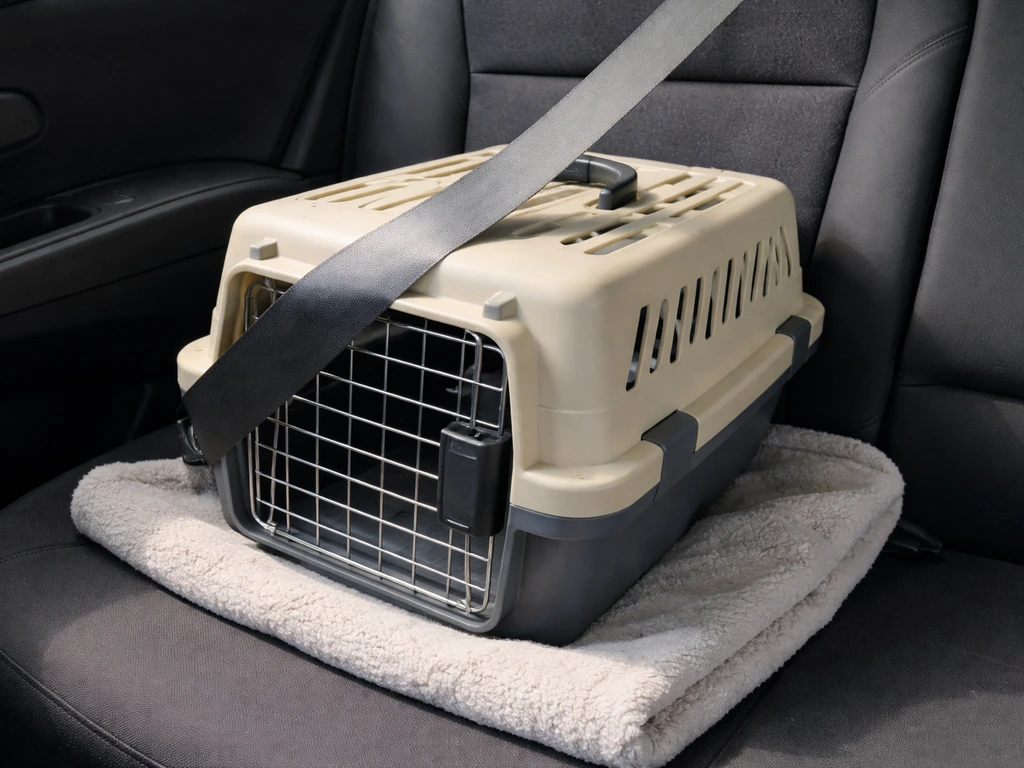
Keep the bird in the same box during transport. Don't move it to a different container just before you leave. Place the box on a flat, stable surface in the car where it won't slide or tip. Keep the car quiet: radio off, conversation low. Avoid sudden braking or sharp turns. Keep the box out of direct sunlight through the windows, and don't blast the air conditioning directly at it. A moderate, stable temperature is what you're aiming for.
Don't open the box during the drive to check on the bird. It's dark in there, which is exactly what it needs. When you arrive, hand the box to the person receiving the bird rather than transferring the bird yourself, so they can handle it with the right equipment and experience.
The box did its job: it kept the bird safe, calm, and contained long enough to get it to someone who can actually help. Everything after that is in better hands than ours.
FAQ
How long to keep an injured bird in a box if it seems better after 30 minutes but still can’t fly normally?
If it is not flying away under its own power, treat it as not fully recovered and contact a wildlife rehabilitator the same day. “Seeming better” can mean reduced shock, but injuries like concussions, fractures, or internal trauma may not be obvious.
Is it okay to keep the bird in the box longer if I can keep it warm and quiet overnight?
Overnight holding can be acceptable only as a last resort when you cannot reach anyone, but only if the bird is alert, upright, and breathing normally. If you notice any decline, persistent distress, bleeding, or difficulty breathing, do not extend the wait.
What if the bird is breathing with its beak open while it is in the box, how long should I wait?
Do not wait. Beak-open breathing is a sign of respiratory distress. Keep it warm and dark, reduce noise immediately, and contact emergency or a wildlife rehabilitator right away.
Can I leave the box in a different room while I’m waiting, as long as it’s quiet?
Try to keep it in the same quiet location you set up initially, and avoid repeated moving. Sudden changes in temperature, light, and sound can restart stress. If you must move it, do so calmly and only once.
How often should I check on the bird during the first hour?
Check briefly and gently, not repeatedly. For window strikes, you can look every 15 minutes to see if it becomes alert and can fly, but limit handling and do not keep opening the lid for “comfort checks.”
Should I remove the heating pad after a while or keep it on until the bird is seen?
Use low heat so the bird can move away if it gets too warm. Keep the half-on, half-off setup running until you reach a professional, but watch that the box is not overheating. If the bird is panting or very hot-feeling in the area near the heat, reduce heat.
What if the cardboard box becomes too small once the bird relaxes?
It should be large enough for the bird to sit or stand upright comfortably, without flapping freely. If it is clearly cramped or the bird cannot adopt an upright posture, use the closest similarly sized box you have ready before transport, and avoid spending time on repeated transfers.
Is there ever a reason to skip the “one to two hours” rule?
Yes. If there is active bleeding not slowing within about 5 minutes, a dangling wing or leg, head trauma signs, inability to stand, seizures or persistent neurological signs, or a cat or dog attack history, you should not wait for the one to two hour window.
How long can the bird stay in the box if it is cold, even though it’s not injured visibly?
Cold makes recovery less likely and can worsen shock. Warm it first using the half-on, half-off low-heat approach, then contact help without delay if you do not see improvement quickly. Persistent lethargy after warming still warrants professional assessment.
What should I do if I accidentally open the box during the waiting period?
Close it promptly and minimize further handling. The goal is to avoid restarting the bird’s stress response. If the bird becomes more agitated, less responsive, or starts breathing differently after you open it, contact a rehabilitator sooner rather than later.
Can I put multiple birds from the same incident in one box to save time?
No. Keep birds separated. Close-contact holding increases stress and risks spread of illness. If more than one bird is involved, prepare separate boxes and label them so each bird can be received correctly.
How long should I transport the bird once I’ve started driving?
Transport as quickly and safely as possible without making the situation worse. The “timing in the box” is about stabilization, but long delays without reaching a rehabilitator still count against the bird, so keep driving and call ahead when possible.
Is it okay to offer water to prevent dehydration while waiting?
No. Do not provide food or water during holding. Dehydration risk is real, but a bird with injury or shock may not swallow properly, increasing the risk of aspiration. Professionals can decide when hydration is safe.
Citations
Audubon advises placing an injured bird somewhere quiet, then calling a local wildlife rehabilitator; for a contained bird, the page states to keep it in a quiet place for one hour before proceeding (e.g., if it does not fly away, contact the rehabber).
https://www.audubon.org/debs-park/about-us/what-do-if-you-find-injured-orphaned-bird
Tufts advises that after a window strike, place the bird in a dark container (e.g., shoebox) in a warm, quiet place; it should revive “within a few minutes,” and if it doesn’t recover “in a couple of hours,” take it to a veterinarian or wildlife rehabilitator.
https://vet.tufts.edu/tufts-wildlife-clinic/resource-library/bird-strikes-and-windows
Wisconsin Humane Society recommends placing an injured bird in a box/bag with small air holes and then keeping it in a dark, quiet, warm place while you call your local wildlife rehabilitator; the page emphasizes minimizing stress and that “the sooner an animal gets to a licensed wildlife rehabilitator for treatment, the better.”
https://www.wihumane.org/resource/injured-bird/
USFWS emphasizes calling ahead and making arrangements before transporting, and keeping birds/cases directed toward a rehabilitator/vetted care pathway.
https://www.fws.gov/story/what-do-if-you-find-baby-bird-injured-or-orphaned-wildlife
Virginia DWR instructs that if birds strike windows, they should be immediately placed in a shoe box or unwaxed paper bag.
https://dwr.virginia.gov/wildlife/injured/birds/
The Wisconsin Humane Society PDF stresses that once an animal is injured “the clock is ticking,” and you should get the bird to a licensed wildlife rehabilitator as soon as possible (while using interim box confinement to reduce harm/stress).
https://www.wihumane.org/wp-content/uploads/2026/03/Sick_Birds_2024.pdf
Wildlife Welfare’s general guidance instructs bringing the animal inside and placing it in a well ventilated box lined with a towel (no frayed edges/holes) and notes placing the box half on/half off a heating pad to allow movement away from heat if too warm.
https://wildlifewelfare.org/injured-wildlife
Tufts Wildlife Clinic advises keeping a captured injured bird in the box/crate for transport and keeping the transport car quiet (radio off).
https://vet.tufts.edu/tufts-wildlife-clinic/found-wildlife/what-do-if-you-found-sick-or-injured-other-birds
Tufts advises covering the bird with a light cloth and placing it in a box/crate; if the bird is cold, put one end of a shoebox on a towel over a heating pad set on low; also keep the bird warm, dark, and quiet, and do not give food or water.
https://vet.tufts.edu/tufts-wildlife-clinic/found-wildlife/what-do-if-you-found-sick-or-injured-songbirds
The Avian Welfare supportive care document states that a heated enclosure should be at least 85°F (29.4°C) and that birds have high metabolic rates; it frames supportive care as immediate for sick/injured birds (within a shelter/temporary enclosure context).
https://www.avianwelfare.org/shelters/pdf/NBD_shelters_supportive_care.pdf
Wisconsin Humane Society notes birds have more difficulty breathing when they are on their back, reinforcing upright/stress-minimized containment and prompt professional help.
https://www.wihumane.org/resource/injured-bird/
Best Friends emphasizes quick action and that on the drive you should keep the box out of direct sun and air-conditioning—i.e., temperature control and minimizing environmental stress during interim confinement.
https://bestfriends.org/pet-care-resources/how-help-injured-wild-bird
Tufts states darkness will calm the bird while it revives, which should occur within a few minutes unless it is seriously injured.
https://vet.tufts.edu/tufts-wildlife-clinic/resource-library/bird-strikes-and-windows
Golden Gate Bird Alliance advises against attempting to provide food, water, or first aid beyond containment; it also recommends placing an injured bird in a warm, dark, quiet place in a shoebox lined with cloth/paper towel.
https://goldengatebirdalliance.org/birding-resources/birding-information/injured-birds/
Hawaiʻi Audubon states to use a cardboard box/plastic tub/dog-cats carrier large enough for the bird to comfortably sit or stand, and if it is after hours, keep the bird in the container in a dark, quiet, warm area until the next morning.
https://hiaudubon.org/injured-birds/
VINS advises providing a quiet, dark place (box with air holes or pet carrier) for birds to rest while waiting for transport and notes contacting their rehab center for assistance (and that licensed rehab is needed for many injured birds).
https://vinsweb.org/wild-bird-rehab/wild-bird-rescue/
This USFWS refuge guidance (for window-collision stunned birds with no other injury signs) instructs to open the box every 15 minutes to give it a chance to fly away.
https://www.fws.gov/rivers/carp/carp/refuge/turnbull/inw-reference-wildlife-calls
Tufts gives an explicit timing threshold for window hits: if no recovery within a couple of hours, take to a vet or wildlife rehabilitator.
https://vet.tufts.edu/tufts-wildlife-clinic/resource-library/bird-strikes-and-windows
The Wisconsin Humane Society PDF reiterates: keep the bird contained in a suitable box (after covering/placing into containment) while you arrange care, and emphasizes obtaining licensed rehab ASAP.
https://www.wihumane.org/wp-content/uploads/2026/03/Sick_Birds_2024.pdf
LafeberVet’s avian first aid guidance states that for a medical emergency you need immediate qualified care; it also includes bleeding guidance such as initiating first aid if bleeding does not stop within 5 minutes (within the context of first aid, not long-term “waiting”).
https://www.lafeber.com/vet/wp-content/uploads/Avian-First-Aid.pdf
LafeberVet emphasizes that first aid is for emergency stabilization and is not a substitute for qualified avian care—supporting the “stop waiting immediately and escalate” framing when injuries are severe.
https://lafeber.com/vet/dos-and-donts-of-avian-first-aid/
Tufts specifically instructs: do not give food or water to sick/injured songbirds in interim containment (aside from warmth/rest).
https://vet.tufts.edu/tufts-wildlife-clinic/found-wildlife/what-do-if-you-found-sick-or-injured-songbirds
Golden Gate Bird Alliance explicitly says not to attempt to provide food or water during interim rescue; it positions containment and contacting the rehabber as the best practice.
https://goldengatebirdalliance.org/birding-resources/birding-information/injured-birds/
Wisconsin Humane Society emphasizes minimizing stressors (loud noises, talking, excessive handling, proximity of pets/people) because stress can be life-threatening—relevant monitoring/containment urgency during the box stage.
https://www.wihumane.org/resource/injured-bird/
The Avian Welfare supportive care PDF frames supportive care as including appropriate warmth and a quiet environment and states that birds that are unable to perch and refusing to eat or drink should be seen by a veterinarian immediately.
https://www.avianwelfare.org/shelters/pdf/NBD_shelters_supportive_care.pdf
Tufts states that window-hit birds placed in a dark container should revive within a few minutes; serious injury is implicated if they do not revive quickly.
https://vet.tufts.edu/tufts-wildlife-clinic/resource-library/bird-strikes-and-windows
Wisconsin Humane Society recommends keeping the bird covered/contained with secure enclosure plus calling the rehabilitator, with a strong emphasis that the earlier the bird gets licensed rehab care, the better.
https://www.wihumane.org/resource/injured-bird/
Wisconsin Humane Society’s guidance for orphaned birds states that if there are cuts/bruises/signs of blood on a baby bird, it is unlikely to survive unless brought to a licensed wildlife rehabilitator.
https://www.wihumane.org/resource/orphaned-birds/
USFWS explains the Good Samaritan provision allows any person who finds a sick, injured, or orphaned migratory bird to take possession in order to immediately transport it to a permitted rehabilitator (supports “immediate transport,” not prolonged waiting).
https://www.fws.gov/service/3-200-10b-migratory-bird-rehabilitation
Next Article
Can I Keep an Injured Wild Bird? What to Do Right Now
Learn can you keep an injured wild bird, what to do now, safe first aid, and when to call a wildlife rescue