
No, you should not kill an injured bird. If the question is “should you put an injured bird out of its misery,” the answer is almost always no, because a licensed rehabilitator can assess whether the bird can recover or needs humane euthanasia. Even if a bird looks like it is suffering badly, killing it yourself is almost never the right call, and in most cases it is illegal.
Should I Kill an Injured Bird? What to Do Instead
Marcus Chen
17 May 2026
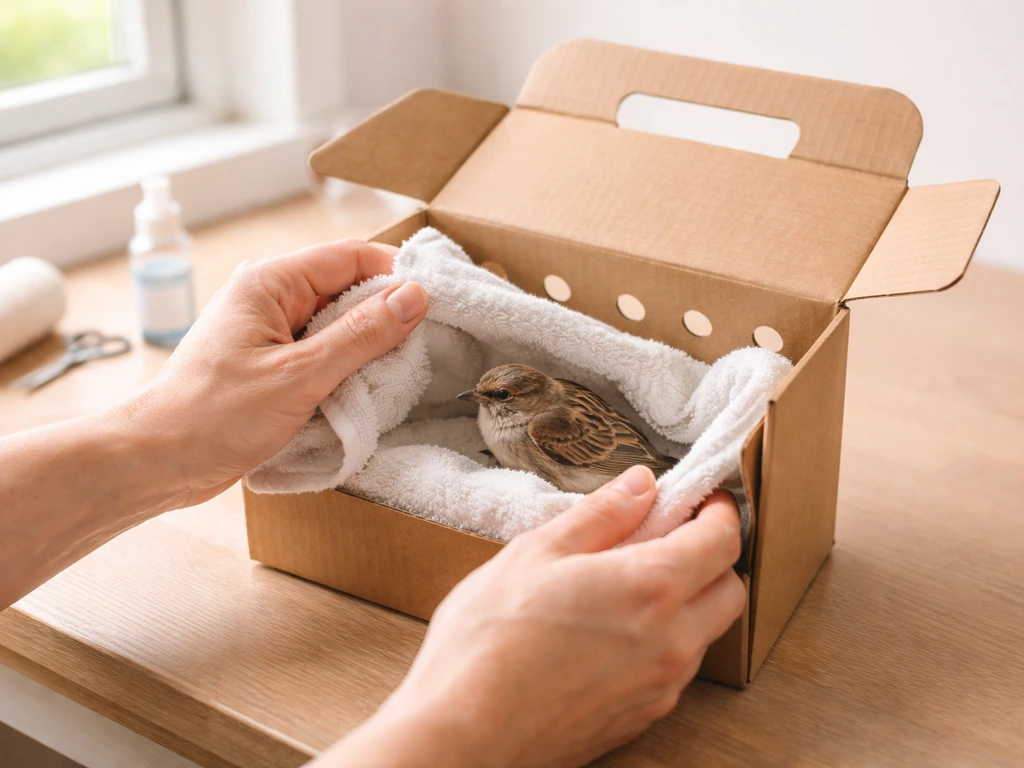
The right move right now is to safely contain the bird, keep it warm and quiet, and get it to a licensed wildlife rehabilitator or avian vet as fast as you can. That is true for the vast majority of situations, whether the bird hit a window, has a broken wing, is bleeding, or just seems stunned and disoriented.
What to do in the first 5 minutes
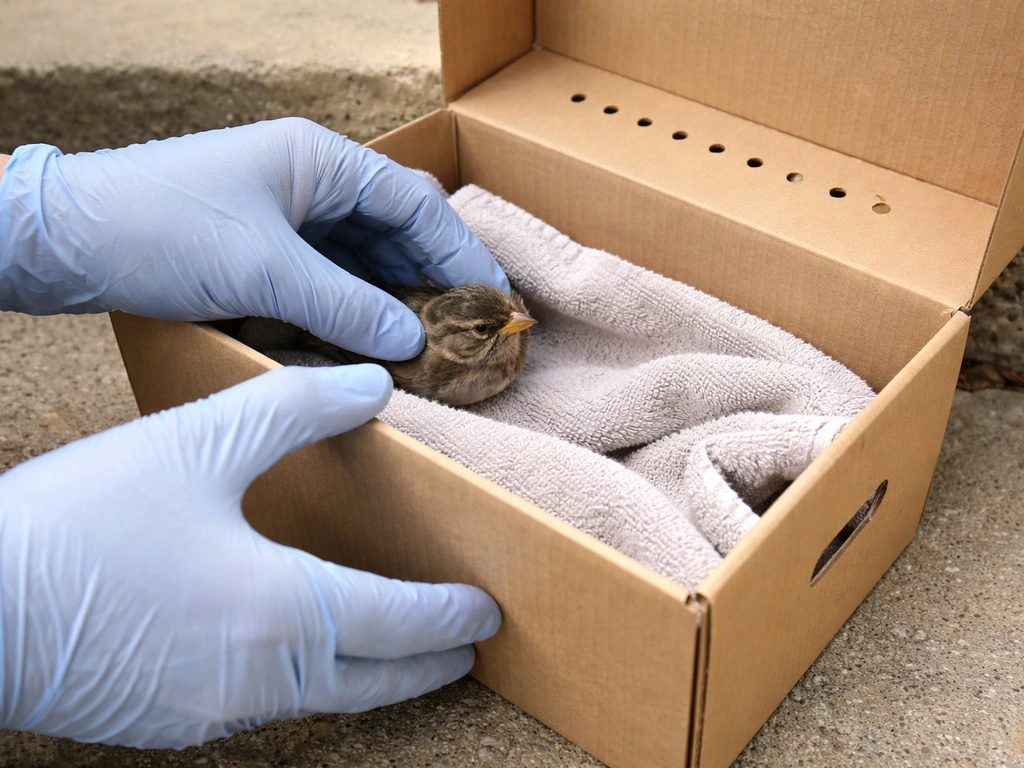
Before you do anything else, protect yourself and reduce stress on the bird. If you are wondering, can you touch an injured bird, the safest approach is to avoid direct handling and protect yourself while you contain it and get help from a wildlife rehabilitator. Even a small injured bird can scratch or bite, and wild birds can carry parasites. Grab a pair of gloves if you have them, or use a folded towel as a barrier. If a cat or dog is nearby, move them away from the scene immediately. The bird's stress level right now is already dangerously high, so every second of calm you can give it matters.
Once you are ready, gently pick up the bird using the towel and place it inside a cardboard box. A shoebox works perfectly. Poke a few small air holes in the lid, line the bottom with a paper towel or soft cloth, and close it. Put the box somewhere warm, dark, and quiet, away from drafts, pets, children, and noise. Do not put it in direct sunlight. If the bird seems cold, you can place one end of the box on top of a heating pad set to low, leaving the other end off the pad so the bird can move away from the heat if needed.
Do not give the bird food or water. This is one of the most important rules, and it gets broken constantly with good intentions. Force-feeding or giving water to an injured, stunned, or baby bird can cause aspiration and death. Leave the feeding to the professionals.
Is the bird seriously hurt or just stunned?
Not every bird that looks injured actually needs emergency care. A bird that hit a window, for example, may just be stunned from the impact and could recover on its own within an hour or two in a quiet, dark box. But some birds have injuries that are not obvious to the untrained eye. Internal injuries from window strikes, for instance, often leave no visible marks at all.
Here is a practical way to think about it. Birds that are likely stunned but possibly recoverable tend to sit still, breathe somewhat normally, and have no visible blood or obvious deformity. Birds that are clearly in serious trouble show one or more of the signs below.
- Visible blood or an open wound anywhere on the body
- A wing or leg hanging at an unnatural angle (possible break)
- Cannot stand or keep its head upright
- Tilting or rolling its head (a sign of head trauma or neurological injury)
- Cat or dog bite or puncture wounds, even tiny ones
- Maggots or unusual swelling or bubbles under the skin
- Breathing with an open beak and labored effort
- Completely unresponsive or seized
If you see any of those signs, this is not a wait-and-see situation. The bird needs professional assessment today. Even a tiny puncture from a cat's tooth introduces bacteria that can be fatal within 24 to 48 hours without antibiotics. There is also a difference between an injured adult bird and a young fledgling you might mistake for hurt.
If you are wondering, "should i help a fledgling bird," the safest approach is to determine whether it is actually injured or simply learning to fly, then contact a wildlife rehabilitator if you are unsure. If the bird has feathers and is hopping around but not flying, it may be a fledgling learning to fly and not injured at all. A genuinely injured bird typically cannot move away from you and shows at least one of the signs above.
Basic first aid for common situations
Window collisions
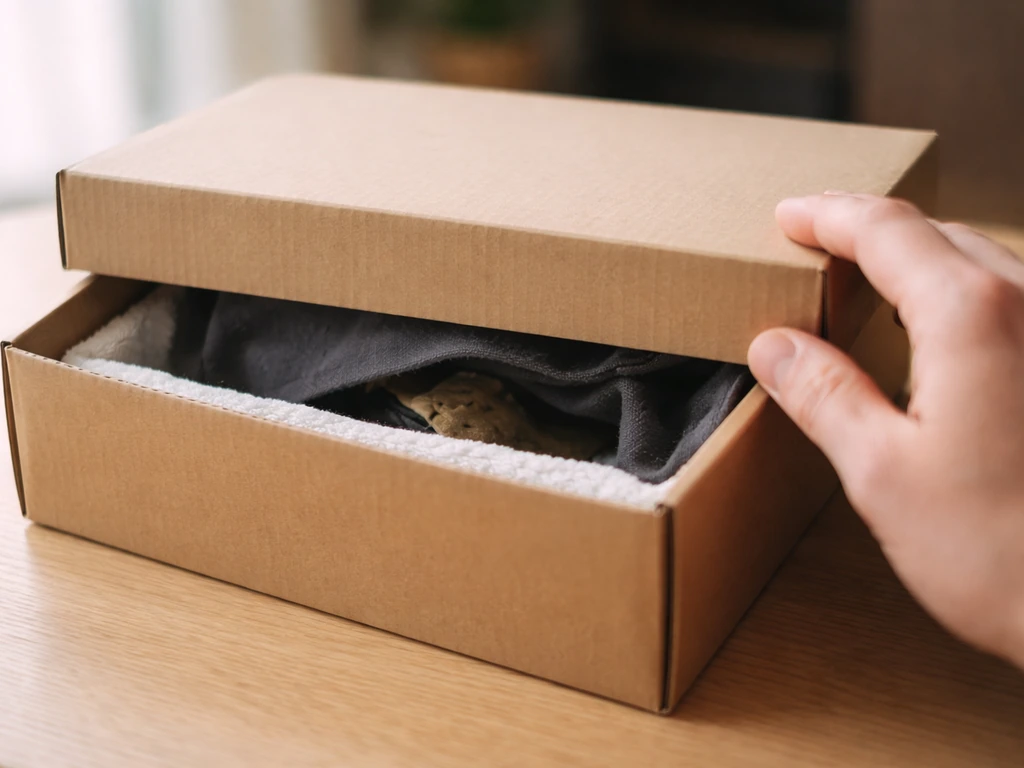
This is one of the most common calls I hear about. If a bird has hit a window, gently pick it up with a towel and place it in a closed shoebox or an unwaxed paper bag (not plastic). Keep it in a warm, quiet spot for up to an hour.
In general, keep the injured bird in the box only until it is warm and calm, then get it to a wildlife rehabilitator or avian vet without unnecessary delay warm, quiet spot. If the bird is recovered and alert after that time, you can open the box outside and let it fly away on its own. If it is still dazed, not standing properly, or shows any of the warning signs above, call a wildlife rehabilitator.
Window strikes regularly cause internal bleeding and head injuries that are invisible from the outside.
Broken wings or legs
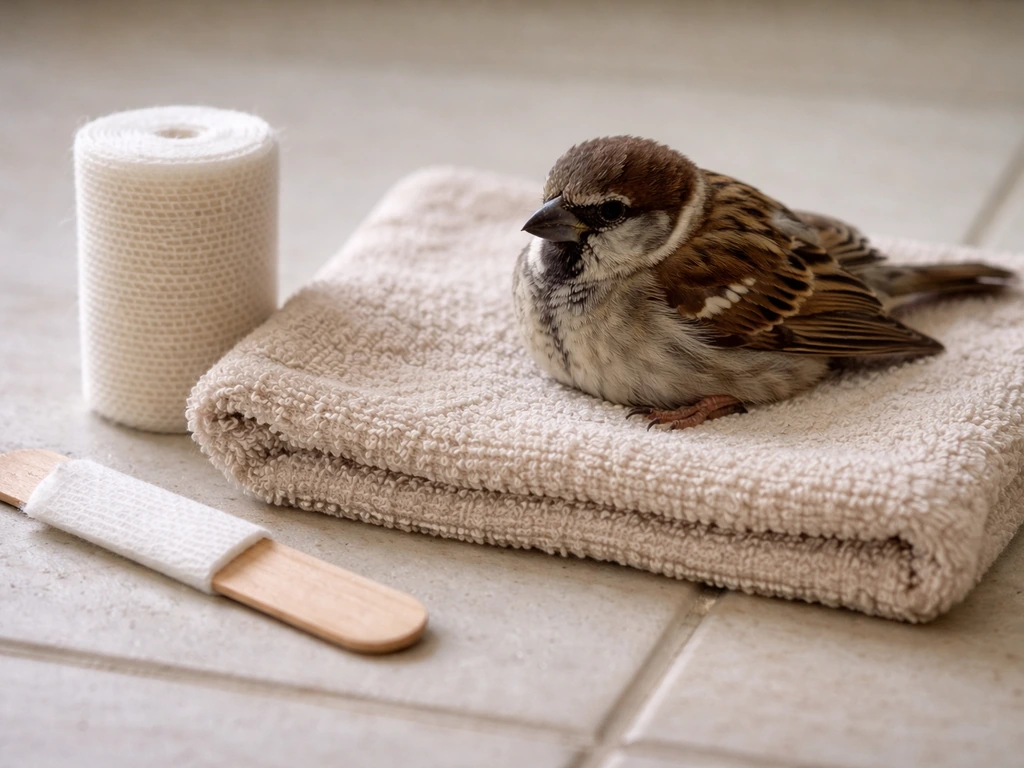
Do not try to splint or wrap a broken wing or leg at home. I know it seems helpful, but an incorrect wrap can cut off circulation and cause permanent damage fast. The only thing you should do is contain the bird in the box so it cannot thrash around and make the injury worse, then get it to a rehabilitator or avian vet urgently. A bird with a broken limb is in pain and shock, and the sooner it gets proper pain management and care, the better its odds.
Bleeding
If a bird is actively bleeding, you can apply very gentle pressure using a clean cloth or gauze for a minute or two to slow the bleeding, but be careful not to restrict the bird's ability to breathe. Then get the bird into the box immediately. Active bleeding is always a reason to call for professional help right away.
Beak injuries
A cracked or damaged beak is serious because birds use their beaks for everything. Do not try to clean or repair it yourself. Contain the bird and call a wildlife vet or rehabber as soon as possible. These injuries often need professional assessment to determine whether the bird can eat and survive.
Nest and baby bird emergencies
If you find a very young bird, meaning featherless or with eyes closed, it has likely fallen from a nest and does need help. If you can safely reach and identify the nest, you can gently place the bird back in it. The myth that a parent will reject a chick you have touched is just that: a myth.
If the nest is gone or unreachable, place the chick in a small container lined with a soft cloth, keep it warm, and call a wildlife rehabilitator immediately. Do not attempt to feed it. If the bird is feathered and hopping, it is probably a fledgling that is just fine and does not need rescuing.
If you are wondering whether you should pick up an injured bird, use the signs above and when in doubt call a wildlife rehabilitator should you pick up an injured bird.
When to call for professional help right now
Call a wildlife rehabilitator or avian vet immediately if the bird shows any of the serious injury signs listed above. Also call right away if the bird was in a cat's or dog's mouth, if it has been injured for more than an hour and is not improving, or if you simply are not sure what you are looking at. When in doubt, call. Most wildlife rehabilitators and wildlife agency helplines would rather answer a question about a bird that turns out to be fine than have someone wait too long on one that needed urgent care.
One thing worth knowing: most migratory birds in the U.S. are protected under federal law. That means treating or keeping them yourself without a permit is not just inadvisable, it may be illegal. If you are wondering can i keep an injured wild bird at home, the safest answer is to arrange professional care and follow local rules and permits. The U.S. Fish and Wildlife Service's Good Samaritan provision covers you for the act of picking up an injured bird to transport it immediately to a permitted rehabilitator, but it does not cover providing ongoing treatment or keeping the bird at home.
What about euthanasia: who decides, and who can do it
Sometimes a bird's injuries are so severe that euthanasia is genuinely the most humane outcome. But that decision belongs to a licensed wildlife rehabilitator or avian veterinarian, not a bystander. Professionals are trained to recognize which injuries are survivable and which are not. Some injuries, like a wing amputation at or above certain joints, mean a bird cannot be released into the wild and euthanasia may be the only humane path forward. That judgment requires medical knowledge and experience that most people simply do not have.
Attempting euthanasia at home carries serious risks. Methods that seem quick and painless often are not, and causing more suffering to an already injured bird is the exact outcome you want to avoid. The International Wildlife Rehabilitation Council frames euthanasia as a professional decision made within a care and treatment context, not a first response by a member of the public. If you genuinely feel the bird is suffering terribly and you cannot reach anyone, the single best thing you can do is keep it contained, dark, and quiet while you keep trying to reach a rehabber. A calm, dark box dramatically reduces a bird's stress and perceived pain response while you get help.
How to find help and get the bird there safely today
Finding a wildlife rehabilitator or avian vet does not have to take long. Here is a fast sequence to work through right now.
- Search online for 'wildlife rehabilitator near me' or 'bird rescue [your city or state]'. The National Wildlife Rehabilitators Association and the Wildlife Center of Virginia both have searchable directories.
- Call your state's wildlife agency. Many have a dedicated wildlife helpline. In Virginia, for example, the DWR runs a toll-free wildlife conflict helpline available on weekdays during business hours.
- Contact a local avian veterinarian. Even if they cannot treat wildlife, they often know who can and may accept the bird for stabilization while you arrange transfer.
- If it is evening and no rescue organization is open, keep the bird in its dark, quiet box overnight and call first thing in the morning. The Golden Gate Bird Alliance and many other organizations specifically note this approach is acceptable for overnight situations.
- When you reach someone, be ready to describe what you saw: where the bird was found, what it looks like, what injuries you can see, and how long ago you found it. That information helps the rehabber prioritize and give you the right instructions.
To transport the bird, keep it in the closed box. Do not open it to check on the bird during the drive. Keep the car quiet and at a comfortable temperature. The less stimulation the bird gets between your hands and the professional's, the better its chances.
If you are reading this because you found a bird and are not sure whether to pick it up or leave it alone, or whether it is truly hurt versus just a young fledgling doing normal fledgling things, those are slightly different questions worth thinking through carefully before you act. The short version is: assess first, act second, and when in doubt, call a professional before you intervene.
A quick reference: do this, not that
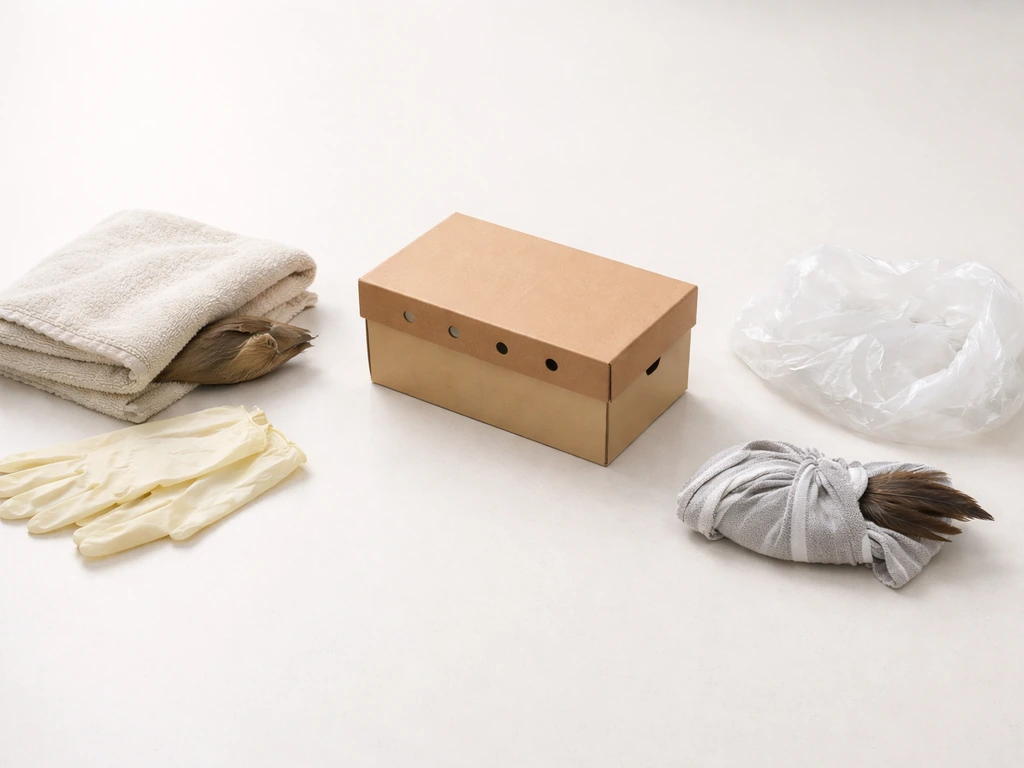
| Do this | Do not do this |
|---|---|
| Wear gloves or use a towel when handling | Handle the bird with bare hands if avoidable |
| Place the bird in a ventilated, closed shoebox | Leave the bird exposed to weather, pets, or predators |
| Keep the box warm, dark, and quiet | Keep the bird in a bright, noisy, or cold area |
| Call a wildlife rehabilitator or avian vet immediately | Attempt home treatment, splinting, or feeding |
| Transport in a closed box with minimal disturbance | Open the box repeatedly to check on the bird |
| Let a professional decide if euthanasia is needed | Attempt euthanasia yourself |
FAQ
What should I do if I can’t immediately reach a wildlife rehabilitator or avian vet?
If you cannot reach a wildlife rehabilitator or avian vet right away, do not euthanize at home. Keep the bird contained in a warm, dark, quiet box (air holes, not plastic, out of direct sun) and keep trying to contact help. If the bird is actively bleeding, was in a cat or dog mouth, or shows serious distress, prioritize emergency calls to local animal services, a vet ER, or an agency wildlife hotline when available.
Does it ever make sense to euthanize if the bird seems to be suffering?
No. Even if the bird is still moving, you cannot safely tell whether it is suffering or whether its injuries are survivable. Signs like heavy bleeding, gasping, inability to stand, severe deformity, or collapse mean professional assessment today. The humane choice is containment plus rapid transport to a permit-holding professional, not deciding on the spot to euthanize.
What are the most common mistakes people make after finding an injured bird?
A common mistake is offering food or water. Another is putting the bird in a cage, letting it hop around, or handling it repeatedly to “see if it’s better.” Each extra movement increases shock and stress, and food or water can lead to aspiration. Instead, keep the bird in the box with minimal handling, warmth only if it is cold, and focus on getting to help.
How can I reduce the risk to myself and the bird when I need to contain it?
Use a barrier, gloves if you have them, and avoid direct contact as much as possible. The bird can scratch or bite, and wild birds can carry parasites. Also keep pets and children away immediately, and avoid talking loudly or taking photos with the bird out of the box longer than necessary.
Can I warm an injured bird using a heating pad or other household heat sources?
Use the warm, quiet box setup rather than a “blanket nest” that can overheat. If you use a heating pad, keep it on low and warm only one end so the bird can move away. Stop and reassess if the bird seems overheated or lethargic, and do not use direct sunlight, hot water bottles, or heat lamps.
I found a bird after it hit a window, should I wait an hour or call right away?
Window strikes often cause hidden trauma even when the outside looks fine. A bird that remains dazed beyond an hour or is not standing normally should be treated as urgent. Also consider contacting a rehabber sooner if the bird has trouble breathing, is bleeding internally or externally, or appears unable to coordinate.
What should I do if the bird is very young, like a baby with little or no feathers?
If the bird is featherless with eyes closed, it likely needs help, but feeding it yourself is risky. If the nest is accessible, you can gently place it back in the nest. If the nest is not reachable, keep it warm in a small container with a soft cloth and contact a rehabilitator immediately, without trying to feed.
How do I tell whether a feathered fledgling is injured or just learning to fly?
Feathered birds that are hopping around may be fledglings learning to fly rather than injured. The safest approach is to look for clear injury signs (unable to move away, bleeding, obvious deformity, or serious distress). If you are not sure, contact a wildlife rehabilitator rather than attempting to “save” it by taking it home.
What’s the best way to transport an injured bird if I’m driving to a vet or rehabber?
For transport, keep the bird in the closed box and do not open it to “check” on it during the drive. Keep the car quiet and at a comfortable temperature, and put the box somewhere stable to prevent jostling. After transport, follow the professional’s instructions, including whether and when to release outdoors.
Is it illegal to keep an injured wild bird at home “temporarily”?
If you are unsure whether the bird is legally protected, assume it is and do not keep it long-term. In the U.S., many migratory birds are protected, and keeping or treating wildlife without authorization can be illegal. Arrange professional care and follow local rules, and do not attempt ongoing treatment or housing at home.
Why is a bird’s contact with a cat or dog an emergency?
If a bird was in a cat or dog mouth, treat it as high risk because of bacteria and puncture wounds that may not be obvious. Containment in a box plus urgent professional help is the right path, even if the bird looks mostly okay. Do not delay waiting to see if it improves.