
If you're holding a bird with a drooping or twisted wing right now, here's the short answer: take it to a licensed wildlife rehabilitator or an avian veterinarian as soon as possible. If there's active bleeding or you suspect a cat attack, head to the nearest emergency animal hospital right now and call ahead on the way. Broken wings almost never heal on their own, and every hour without professional care reduces the bird's chances. This guide will walk you through exactly where to go, how to get there safely, and what to do in the meantime.
Where Can I Take a Bird With a Broken Wing Today
Marcus Chen
11 Apr 2026
First: Is this actually a broken wing? Quick triage
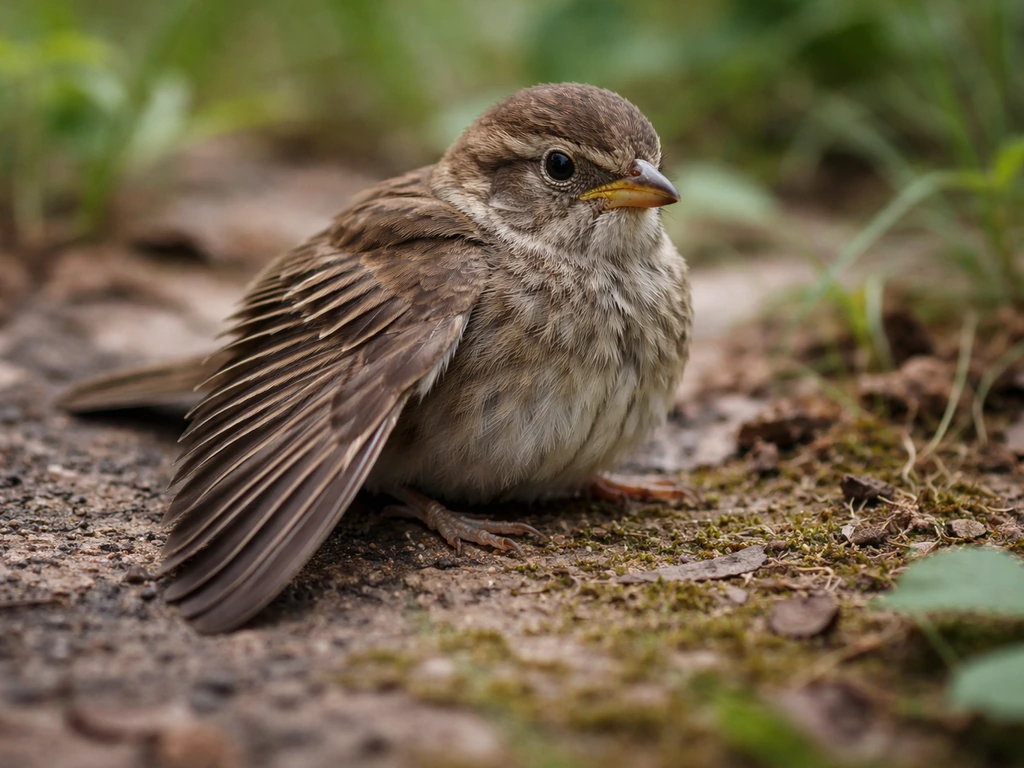
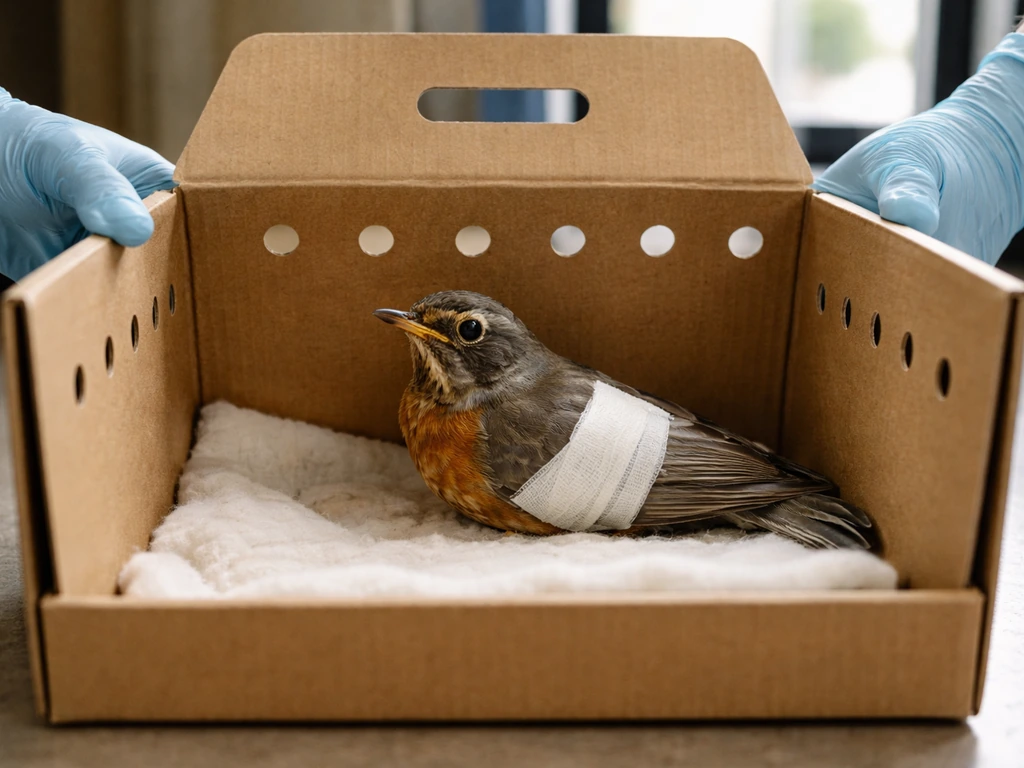
You don't need to be a vet to recognize the red flags. A bird with a broken wing will usually hold one wing lower than the other, or at an odd angle it can't correct. It may not be able to fly at all, or it will try and immediately drop back to the ground. Other urgent signs include visible bleeding, a deformed or bent limb, a cat bite or puncture wound (even a small one), maggots anywhere on the body, a head tilt, or large bubbles under the skin. Any one of those signs means the bird needs a professional assessment today, not tomorrow.
One thing worth knowing: some birds fake a broken wing on purpose. The killdeer is famous for this. If you're dealing with a ground-nesting bird that's dragging a wing dramatically while moving away from you, read up on the killdeer bird broken wing act before you scoop it up, because that bird may be perfectly fine and luring you away from its nest. But if the bird isn't moving away, isn't reacting normally, and can't fly after more than an hour on the ground, treat it as an injury.
Also keep in mind that wing injuries don't always come alone. A bird that hit a window or was struck by a car may have internal injuries, eye damage, or head trauma that isn't visible. That's exactly why a quick visual check is triage, not diagnosis. The bird needs hands-on assessment from someone qualified.
Where to actually take the bird: your three real options
You have three main options, and the right one depends on what's available near you and how serious the injury looks. Here's how to think through them quickly.
Licensed wildlife rehabilitator (best first choice for most wild birds)
A licensed wildlife rehabilitator is specifically trained and legally permitted to care for wild birds. They're often your best option because they have the species-specific knowledge, proper facilities, and legal authorization to hold and treat wild animals. Many work out of small centers or even home setups, and they're distributed across every state. The intake process is usually fast if you call ahead, and many rehab centers have staff or veterinarians available seven days a week. Contact a rehabilitator as soon as possible, and if they can't take the bird directly, they'll usually point you to someone who can.
Avian veterinarian (best for serious injuries or if no rehabber is nearby)
An avian vet has the medical tools to stabilize a broken wing, treat infection, manage pain, and perform surgery if needed. Not every general vet is trained in bird care, so it's worth specifying "avian vet" when you search. If the bird has severe injuries and you can reach an avian vet faster than a rehabilitator, go there. Some avian vets work directly with local wildlife rehab networks and can coordinate the bird's next steps after stabilization.
Emergency animal hospital (for active bleeding, cat bites, or after-hours crises)
If the bird is bleeding heavily, was in a cat's mouth, or you simply cannot locate a rehabilitator or avian vet quickly, drive to the nearest emergency animal hospital and call ahead on the way. Cat saliva carries bacteria that cause fatal sepsis in birds within 24 to 48 hours, even when there's no visible wound. That's not a situation where you wait until morning. Emergency vets may not specialize in birds, but they can stabilize, manage pain, and treat infection while you work on finding longer-term wildlife care.
| Option | Best for | Availability | Cost consideration |
|---|---|---|---|
| Licensed wildlife rehabilitator | Most wild birds with broken wings | Varies; many open 7 days | Usually free or donation-based |
| Avian veterinarian | Serious injuries, surgical needs | Business hours primarily | Standard vet fees apply |
| Emergency animal hospital | Active bleeding, cat bites, after-hours emergencies | 24/7 in most cities | Higher emergency fees |
The recommendation: start with a wildlife rehabilitator. If you can't reach one within a reasonable time or the injury is severe, go straight to an emergency vet or avian vet. Don't wait at home hoping things improve.
What to do before you leave the house
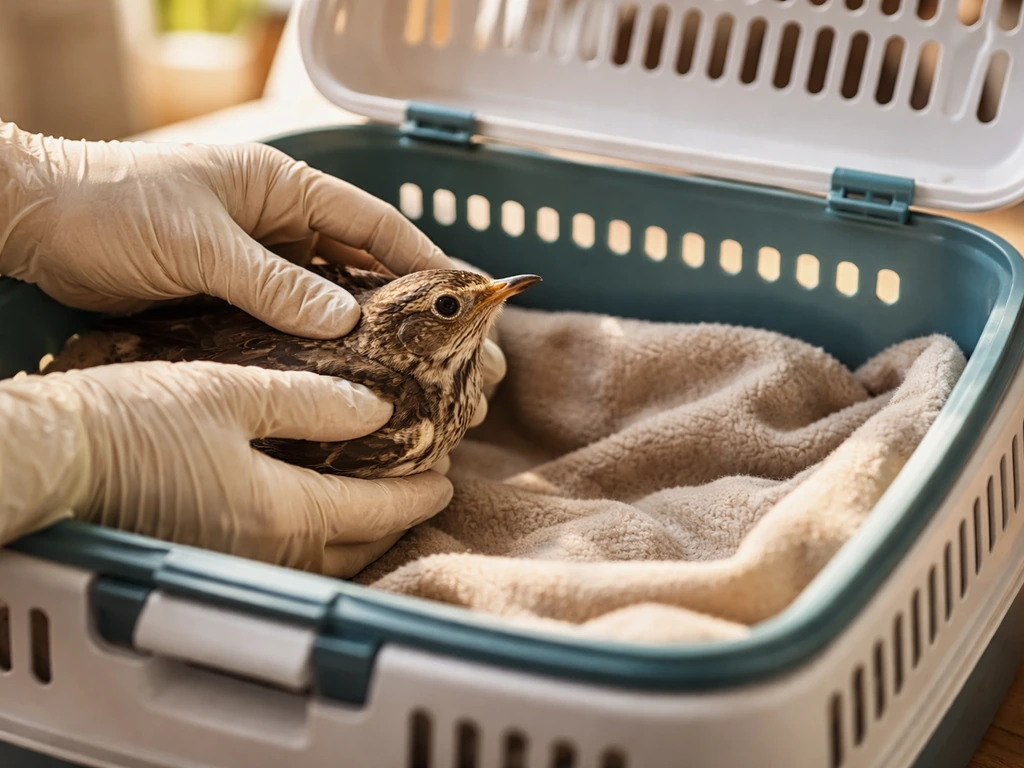
Proper handling before transport can genuinely make the difference between a bird that survives and one that doesn't. The goal is simple: contain the bird safely, keep it warm and calm, and minimize your own handling of it. If you've ever wondered about what to do with a bird with a broken wing in those first critical minutes, this is it.
- Put on gloves if you have them. Wild birds carry parasites and can scratch or bite. Gloves also reduce the stress your body heat and scent cause the bird.
- Use a cardboard box with a lid. Poke a few small holes in the sides for airflow. Line the bottom with a thin layer of paper towels or a soft cloth. Do not use a cage, basket, or anything the bird can see out of.
- Place the bird gently inside and close the lid. Do not force the bird or pick it up by the wing. Scoop it up from underneath, supporting its body.
- Warm the box. Wrap a water bottle in a thin towel and place it on one side of the box (not directly under the bird). This gives the bird a heat source it can move away from if needed. Keep the car warm during transport.
- Do not feed or give water. This is important enough to say twice: no food, no water, no dropper, no seeds, no bread. Food can overwhelm an injured bird's system and interfere with treatment. Wait for the rehabber or vet to advise.
- Turn off the radio in the car. Keep the ride as quiet as possible. Noise is a significant stressor for injured birds and can cause shock.
- Keep the box closed during transport. No peeking. No checking. Every time you open the box, you're adding stress.
If you're dealing with what looks like a foot or leg problem alongside the wing issue, that's a separate concern worth mentioning to the intake staff. Understanding bird broken leg symptoms can help you give more accurate information when you call.
What to say when you call or walk in
The faster you can give intake staff the right information, the faster they can prepare for the bird and prioritize care. Keep it brief and factual. Here's what to tell them:
- The species, if you know it ("small brown songbird," "pigeon," "red-tailed hawk" -- whatever you can observe)
- Where you found it (street address or general area, including whether it was near a road, building, or water)
- How it happened, if you know (window collision, cat attack, found in the yard, unknown)
- How long ago you found it
- Whether there is visible bleeding, a drooping wing, inability to stand, or any other obvious signs
- Whether a cat or dog has made contact with the bird
That last point about cat contact is critical to mention even if the bird looks fine. Staff need to know so they can treat preemptively for bacterial infection. Don't assume "it didn't break the skin" means it's safe. Even a brief contact can transfer enough bacteria to be fatal.
How to find the right place near you right now
Finding local help is easier than it used to be, and you have several fast routes. Try these in order based on your situation.
- Search "wildlife rehabilitator near me" or "injured bird rehab [your city or county]" in Google. Many licensed rehabilitators have basic web listings even if they don't have a full website.
- Go to animalhelpnow.org and enter your zip code. It's a real-time directory of wildlife rehabilitators and emergency wildlife resources across the U.S., and it's the fastest single tool for finding someone local.
- Search "avian vet near me" if you can't find a rehabilitator or if the injury looks severe.
- Call your state's fish and wildlife agency. Many states have a hotline or directory. For example, Virginia's Department of Wildlife Resources has a hotline at 1-855-571-9003 (8 AM to 4:30 PM, Monday through Friday) that can connect you with a licensed rehabilitator in your area.
- Call your local animal control or humane society. They often have direct contacts for wildlife rehab even if they can't take the bird themselves.
- If you're outside the U.S., the International Wildlife Rehabilitation Council maintains directories of authorized rehabilitators internationally.
If you're starting from the beginning and not sure what you're even looking at, it helps to understand what a found bird with broken wing situation actually involves, including the legal side. In most U.S. states, it is illegal to keep a wild bird at home, even temporarily, without a permit. The right move is always to route the bird to licensed care as fast as possible.
Things that feel helpful but actually make it worse
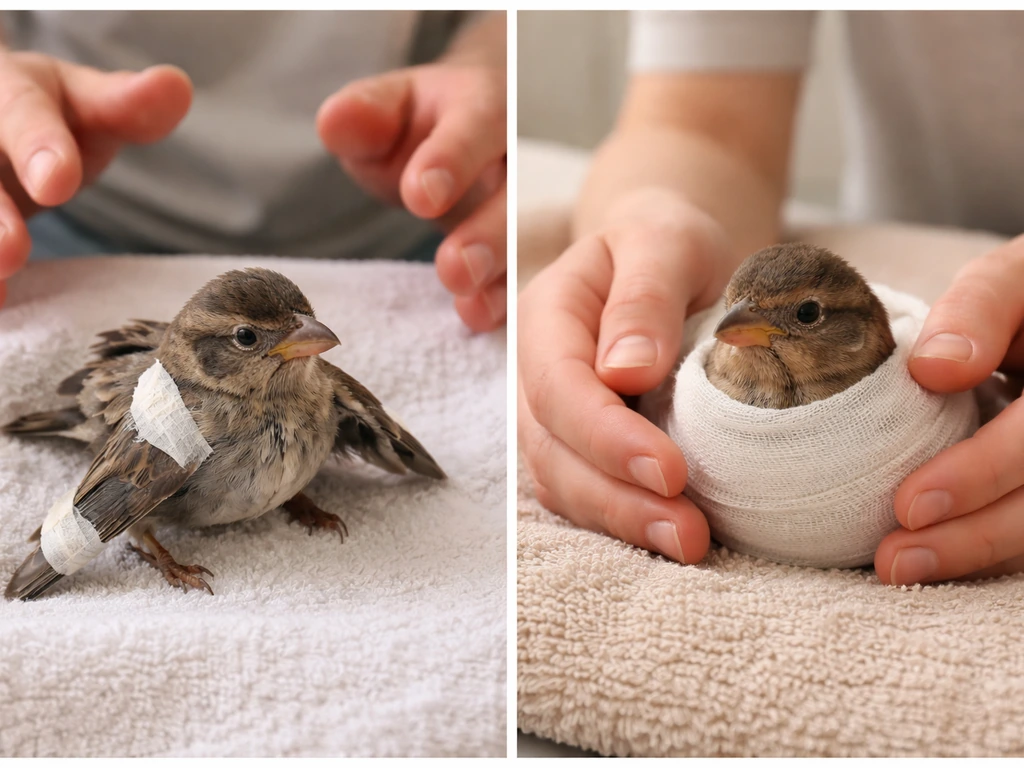
People mean well. But there are a handful of very common mistakes that can seriously harm a bird with a broken wing. Avoid every one of these.
- Trying to splint the wing yourself. Without knowing the exact type of fracture and proper technique, DIY splinting can cause more damage, cut off circulation, or trap the bird in a painful position.
- Feeding or watering the bird. Even if the bird looks hungry, food and water can cause aspiration, interfere with anesthesia if surgery is needed, and overwhelm a compromised system.
- Keeping the bird in a bright, noisy, or open space. Stress can kill an already injured bird. A well-lit room with people moving around and sounds is genuinely dangerous.
- Letting children or other pets near the box. Even gentle curiosity adds stress. Keep the bird isolated.
- Waiting more than a few hours to seek help. There's no "let's see if it improves" approach with a broken wing. Bones begin to set within 24 to 48 hours, and improper healing can make later treatment much harder or impossible.
- Releasing the bird outside because it seems calmer. A bird in shock often looks calm. That's not recovery, that's a warning sign.
- Assuming a general vet can handle it. Not all vets treat birds. Call ahead and confirm they have avian experience before making the drive.
For a deeper look at what professional care actually involves, understanding the basics of bird broken wing treatment can help you set realistic expectations and have a more informed conversation with the rehab staff.
If you genuinely can't get the bird to help right now
Sometimes it's 2 AM, you're in a rural area, everything is closed, and you have an injured bird in a box. Here's what to do until you can reach professional help.
- Keep the box in a warm, dark, quiet room. A closet or bathroom works well. Aim for a room temperature of around 75 to 85°F for small birds. Use a wrapped warm water bottle as a gentle heat source if the room is cool.
- Leave a message with your nearest wildlife rehab center or call their after-hours line if they have one. Some centers have veterinarians on call for wildlife emergencies after hours.
- Do not open the box overnight. The bird needs complete quiet. Check on it in the morning by listening, not by opening.
- First thing in the morning, call again. Try animalhelpnow.org, your state wildlife agency, and your local humane society if you haven't already.
- If the bird is deteriorating visibly (labored breathing, unresponsive, heavy bleeding), that becomes an emergency vet situation regardless of the hour. Drive to the nearest 24-hour animal hospital.
Knowing how long a bird broken wing takes to heal can also help you understand what recovery actually looks like and why immediate professional intervention matters so much for the long-term outcome. It's not a fast process, and the earlier treatment starts, the better the prognosis.
One more thing: if the bird is also showing problems with its feet or legs alongside the wing, mention that to the rehab staff specifically. A bird broken foot can complicate transport positioning and affects how the bird is housed during recovery, so staff will want to know upfront.
The bottom line is this: you've already done the most important thing by recognizing the bird needs help and looking for answers. Now the job is to get it into professional hands as quickly and calmly as possible. For the next steps after intake, review bird broken wing treatment so you know what professional care typically includes. Keep the bird warm, dark, and quiet. Don't feed it. Call ahead. When you blank" rel="noopener noreferrer">call ahead, the AVMA wildlife decision-tree PDF advises contacting the appropriate state wildlife management agency or licensed wildlife rehabilitator in wildlife emergencies. And go.
FAQ
Can I bring the bird to a regular animal shelter instead of a wildlife rehabilitator or avian vet?
Some shelters accept wild birds, but many do not have the permits, facilities, or staff training for triage and stabilization. Call first and ask specifically whether they can transfer the bird to a licensed wildlife rehabilitator or an avian veterinarian the same day.
What should I do if I cannot tell whether the bird is injured or just acting to distract me (like a killdeer)?
Use behavior and the ability to function as your guide. If the bird is actively relocating with normal movement but displays a “broken wing” distraction, avoid handling and protect the nest area. If the bird cannot fly after about an hour on the ground, isn’t reacting normally, or has other red flags like bleeding, treat it as an injury.
Is it safe to try to splint or bandage the wing myself while I’m waiting for transport?
Usually no. Improper bandaging can worsen circulation or misalign a fracture, and many wing injuries also involve internal damage that needs professional imaging and stabilization. Focus on safe containment, warmth, and minimizing handling until licensed care can assess it.
Should I warm the bird immediately if it’s cold, or can heat make it worse?
Warmth is helpful, but avoid overheating. Use a gentle, indirect heat source (such as a warm water bottle wrapped in cloth placed near, not touching, the container) and keep the environment dark and calm. If the bird is panting or the box feels uncomfortably hot, reduce the heat.
If there’s no bleeding, do I still need to treat it as urgent?
Yes. Lack of visible bleeding does not rule out fracture, internal injury, or infection risk. A wing that is drooping at an odd angle and cannot support flight is enough to warrant same-day professional assessment.
How should I talk to the rehab intake staff, what details are most important?
Provide location where you found it, time of discovery (and how long it has been on the ground), the bird’s behavior (can it stand, can it fly, is it alert), any visible injuries (including eye issues), and any cat exposure you suspect. Mention anything structural like suspected window impact or car strike, even if the skin looks intact.
Can I keep the bird in my house “just overnight” if I can’t find help right away?
In most places, keeping a wild bird at home without a permit is illegal, and the delay can significantly reduce survival odds. If licensed care is closed, focus on emergency containment and warmth, then contact a rehabilitator or emergency vet at the earliest opening time.
What if the bird is a protected species, does that change where I can take it?
Your next step should not change. Take it to a licensed wildlife rehabilitator or an avian veterinarian experienced with wild birds, because they are authorized to legally handle and treat protected species. Don’t attempt to transport it yourself for long distances unless instructed by professionals.
Should I offer water or food to a bird with a broken wing?
Do not feed. Birds with wing injuries often cannot swallow safely, and food or water can increase aspiration risk. Keep the bird quiet and contained, then let rehab staff determine hydration needs.
What transport setup is safest for a bird with a broken wing?
Use a small, well-ventilated container with a dim, dark environment and stable footing, so the bird cannot thrash and worsen the injury. Avoid loose bedding that can tangle, and do not allow the bird to move around the car. Call ahead so you arrive when intake can see it quickly.
What if the bird also has an eye problem or was hit by a window or car?
Treat it as multi-system trauma. Intake should know about the suspected strike, any head tilt, abnormal blinking, swelling around the eye, or inability to track movement. Eye injury and concussion can be missed without an exam, so same-day care matters even when the wing looks the main problem.
How can I tell whether I should go to an emergency animal hospital versus waiting for a rehabilitator?
Go to emergency care if there is heavy bleeding, a puncture wound or cat contact, signs of severe distress, or you cannot reach a rehabilitator/avian vet quickly. If you can reach appropriate wildlife care within a reasonable time and there are no critical red flags, starting with the rehabilitator is often the fastest overall path.
After the bird is in professional care, can I follow up on what treatment to expect?
Yes. Ask what they suspect (fracture versus soft tissue injury), whether they need imaging, and how they will stabilize the wing and prevent infection. Inquire about housing restrictions during recovery so the bird does not re-injure the wing, and request guidance on what not to do if you are asked to monitor remotely.
Next Articles
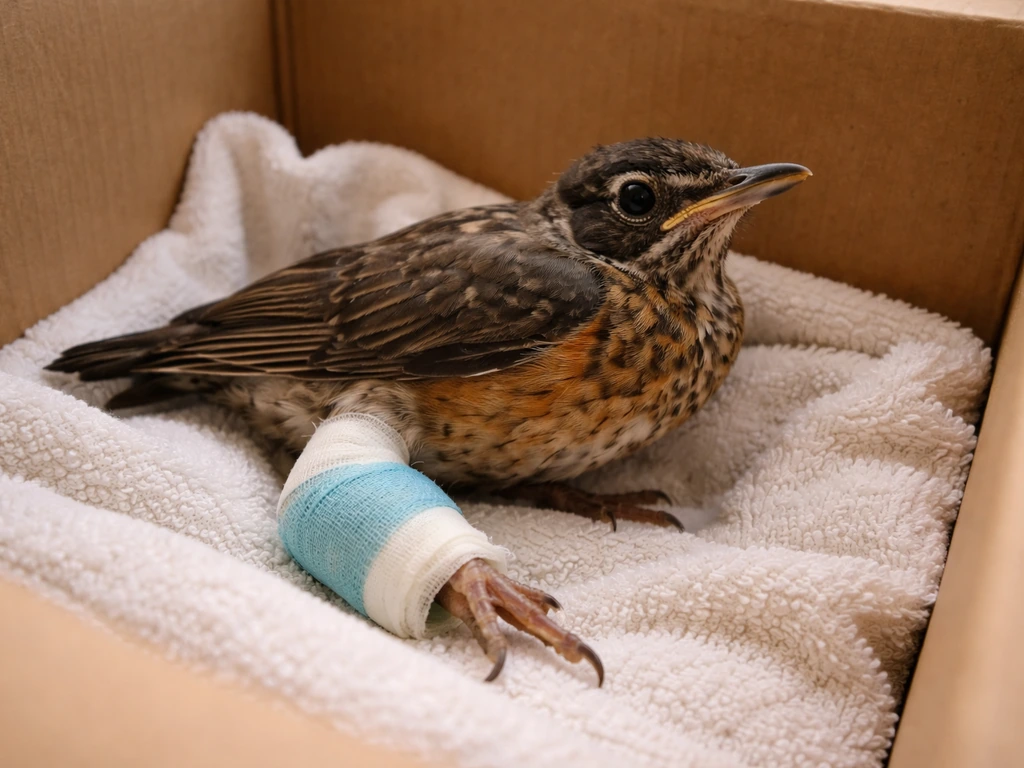
Bird Broken Foot What to Do Now: First Aid Guide
Step-by-step first aid for a bird broken foot or toe: stabilize, keep warm, reduce stress, and get vet or rehab help fas
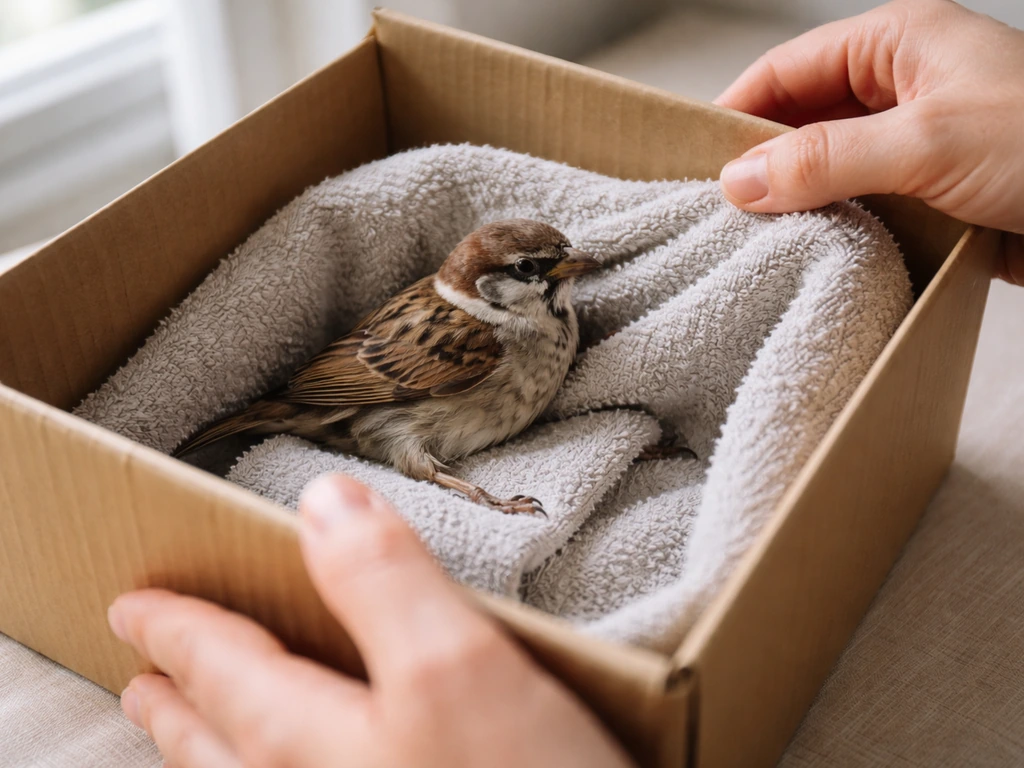
Bird Broken Leg Symptoms: First Aid and What to Do Now
Spot bird broken leg symptoms fast and follow step-by-step first aid, red flags, and aftercare guidance.
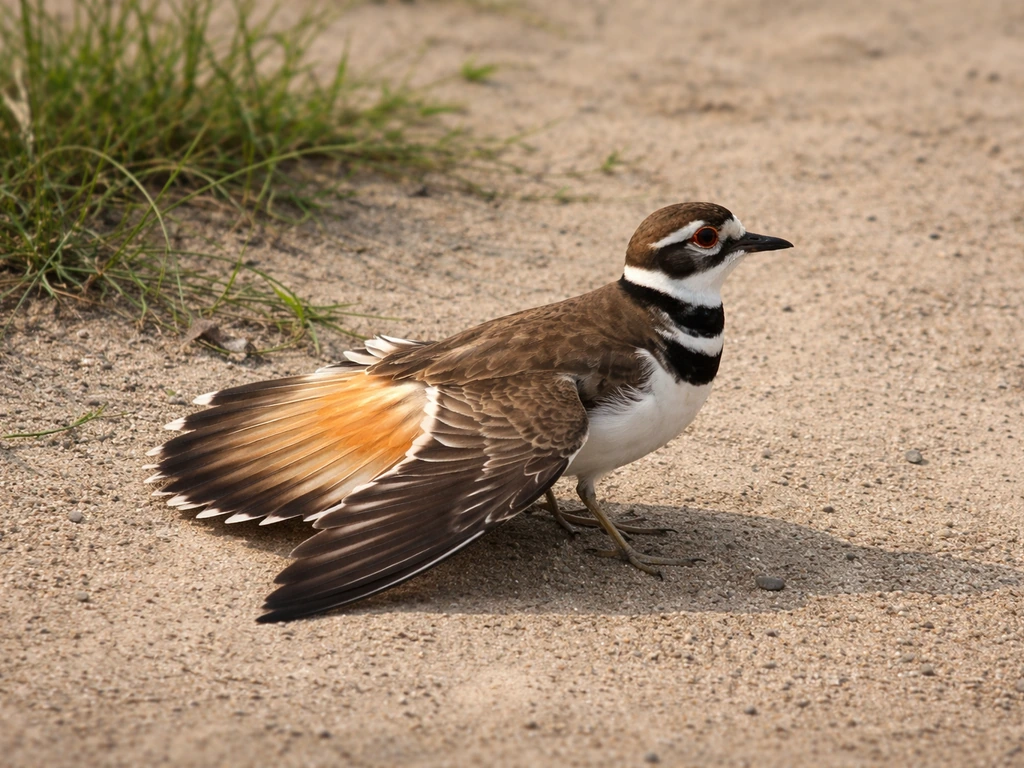
Killdeer Bird Broken Wing Act: Injury vs Decoy and What to Do
How to tell killdeer broken wing decoy from real injury, then take safe steps to care or get help fast.