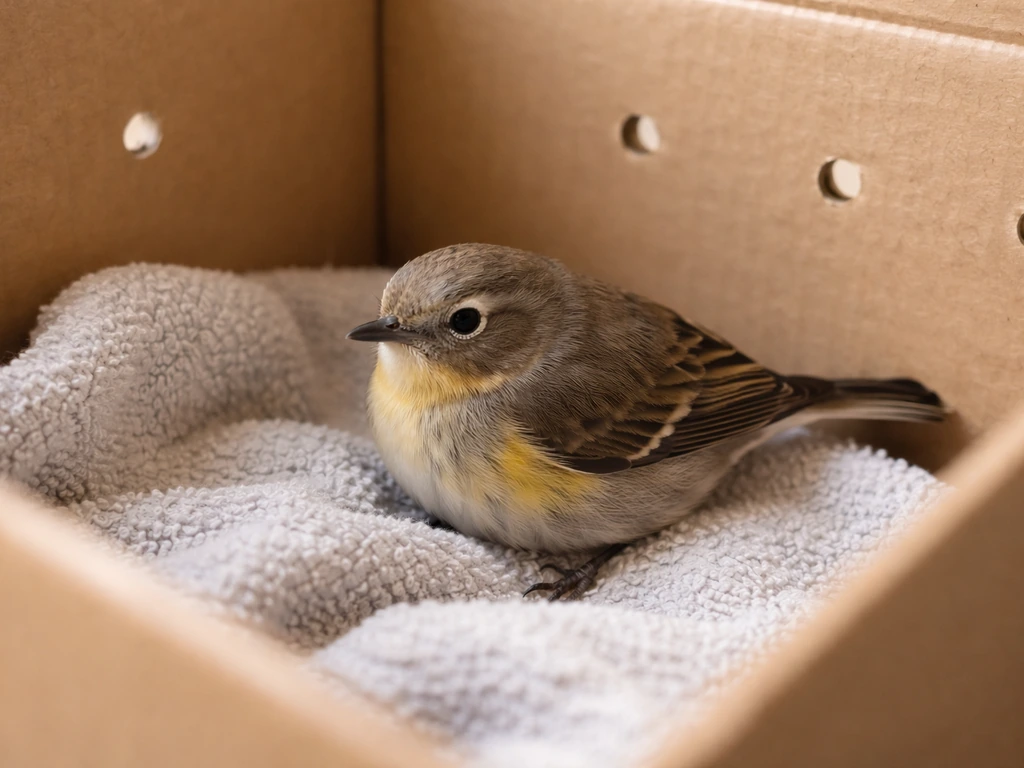
If you've just found a bird with a broken wing or broken leg, the most important thing you can do in the next 30 to 60 minutes is this: contain it safely, keep it warm and dark and quiet, and contact a licensed wildlife rehabilitator or avian vet. That's the core of it. Everything below will walk you through exactly how to do that without accidentally making things worse.
Found a Bird With a Broken Wing: What to Do Now
Marcus Chen
5 Apr 2026
First actions after you find the bird
Before you touch anything, take a breath. A hurt bird is already stressed, and a stressed bird can go into shock quickly. Your job right now is to assess and contain, not to fix.
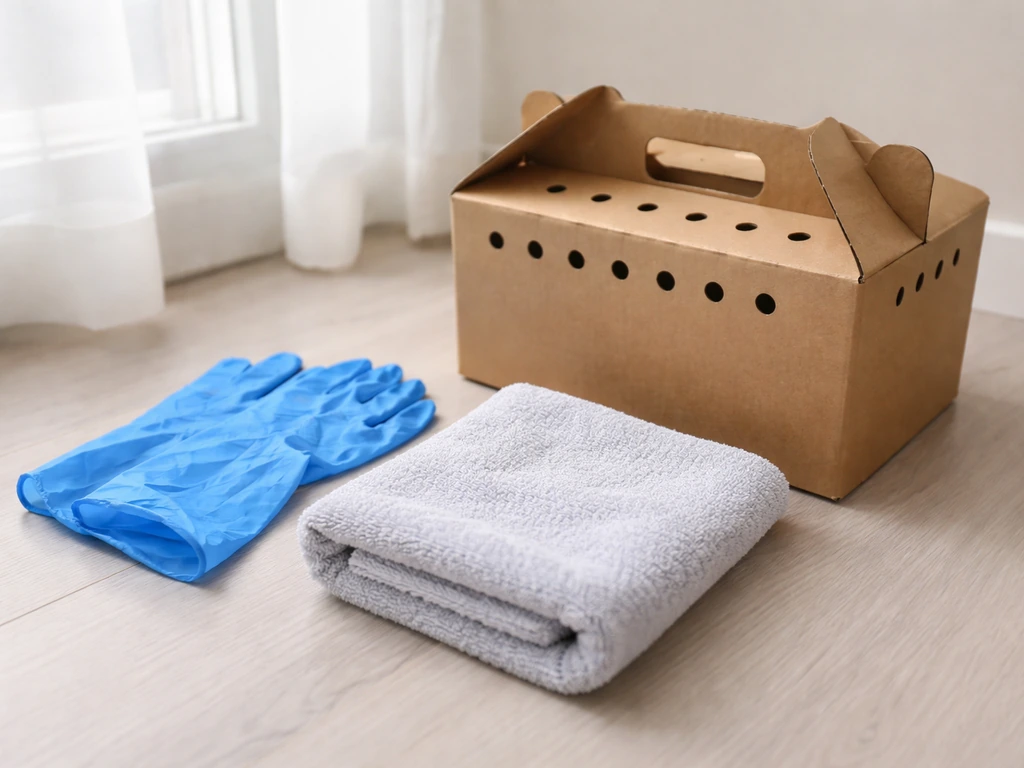
First, protect yourself. Most wild birds will try to bite or scratch when handled, and even small birds can draw blood. Wear gloves if you have them, or use a folded towel as a barrier. Wash your hands thoroughly after any contact with a wild bird.
Second, do a quick visual check before you get close. Look for obvious signs that the bird genuinely needs help: a wing or leg drooping or held out at an odd angle, visible bleeding, an inability to stand or move normally, or labored breathing. If the bird is just sitting still and watching you, it might be a fledgling (a young bird still learning to fly) rather than an injured adult. More on that in a later section.
Keep pets and children away from the bird immediately. Stress from nearby animals can kill an already-injured bird just as surely as the injury itself.
Broken wing or broken leg? Here's how to tell
You don't need to handle the bird extensively to get a sense of what's injured. A calm, close visual observation from about a meter away is usually enough.
For a broken wing, look at how the bird holds its wings when at rest. One wing drooping lower than the other, hanging at an awkward angle, or jutting out from the body in a way that looks asymmetrical is a strong indicator of a wing fracture. The bird may also use its wings to drag itself along the ground instead of walking or hopping. If you need a more detailed breakdown of what these signs look like in practice, this guide on bird broken wing treatment covers the injury types and what each means for care options.
For a broken leg or foot, watch how the bird moves on the ground. Limping, holding one leg up, or a leg that sticks out at an unnatural angle are the key signs. The bird may be able to flutter its wings normally but struggle or refuse to bear weight. For a closer look at what to watch for, the article on bird broken leg symptoms goes into more specific detail that can help you communicate clearly with a rehabilitator when you call.
In some cases you'll see both types of injury together, especially after a collision or predator attack. And sometimes the injury isn't obvious at all. If the bird is clearly grounded and not behaving normally, treat it as injured regardless of what you can and can't see.
| Sign you observe | Likely injury area | What to watch for |
|---|---|---|
| One wing drooping lower than the other | Wing (possible fracture) | Asymmetry when bird is at rest |
| Wing jutting out at odd angle | Wing (possible fracture or dislocation) | Wing held away from body unnaturally |
| Bird dragging itself using wings | Wing or leg | Ground movement without normal hopping |
| Limping or refusing to bear weight | Leg or foot | Favoring one side, holding leg up |
| Leg or foot sticking out sideways | Leg or foot (possible fracture) | Visible misalignment compared to other leg |
| Visible bleeding or open wound | Could be either or both | Look for source before containing |
Immediate first aid: what to do and what to avoid
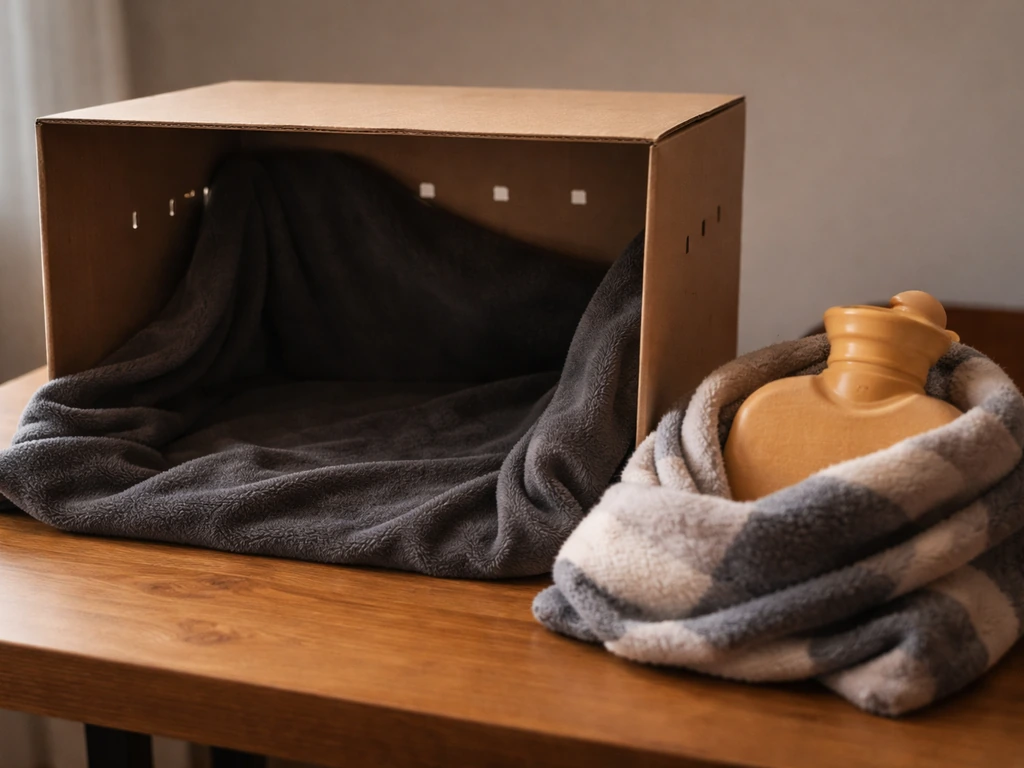
The most effective first aid you can give a wild bird is containment combined with a warm, dark, quiet environment. That combination alone dramatically reduces shock and prevents the bird from injuring itself further.
How to contain the bird
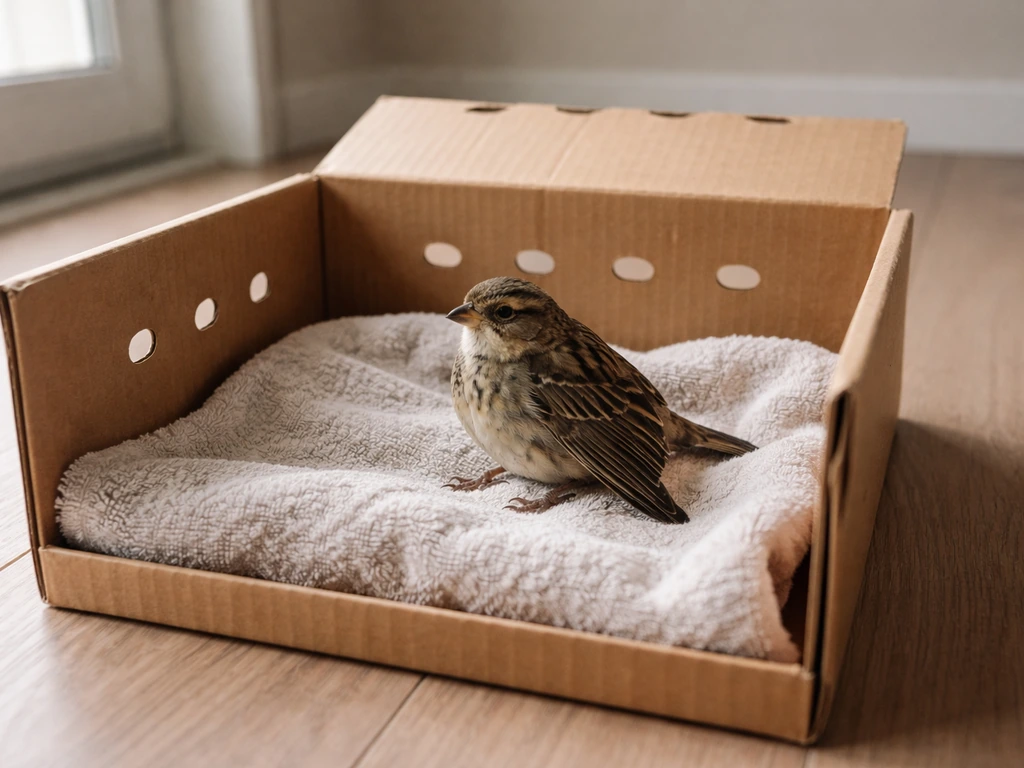
Find a cardboard box that's large enough for the bird to sit comfortably but not so large that it can thrash around and worsen the injury. Poke several small holes in the sides for ventilation. Line the bottom with a soft, non-terry cloth towel (terry loops can catch on claws). Gently place the bird inside by draping a light towel over it first, then scooping it up from underneath, pinning its wings lightly to its body. Place it in the box and close the lid.
If you want to add warmth, fill a plastic bottle or zip-lock bag with warm (not hot) water, wrap it in a sock or cloth, and place it against one side of the box so the bird can move away from it if needed. Don't use a heating pad directly, as these can overheat a small bird quickly.
Put the box somewhere warm, quiet, and away from noise, pets, and foot traffic. A closet or a quiet room works well. Keep it away from fans, vents, or direct sunlight.
The don'ts (these are just as important)
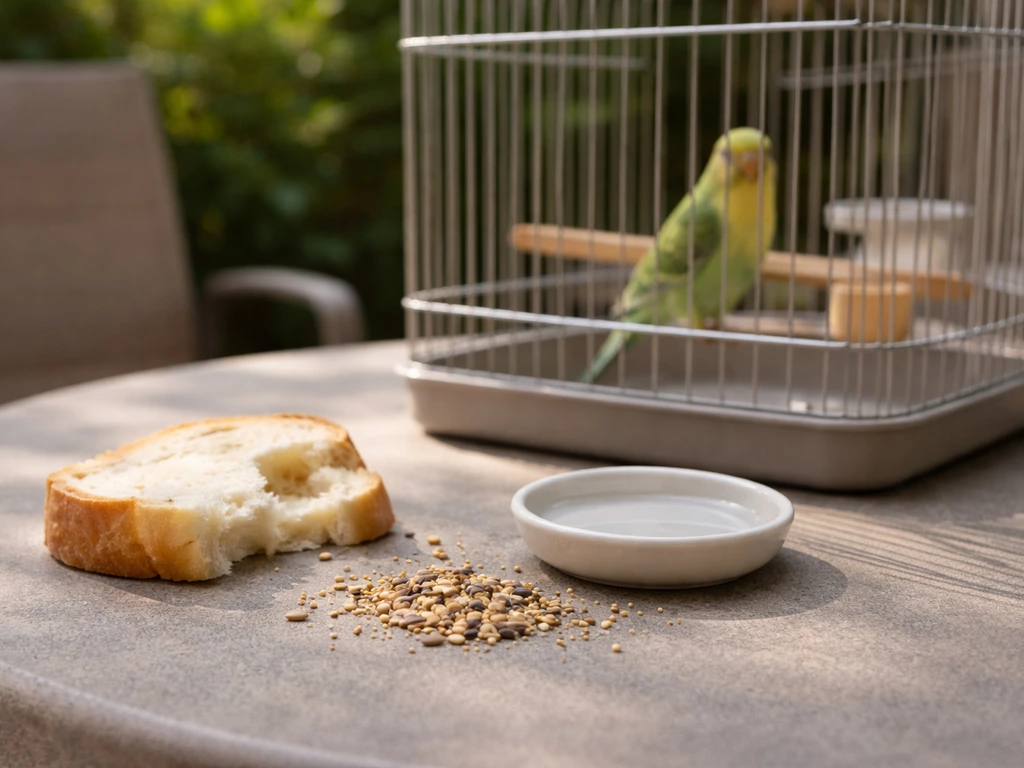
- Do not feed the bird anything. No bread, seeds, water, or anything else. Force-feeding or giving water can cause the bird to aspirate and die. This applies even if the bird seems hungry or is gasping. Every major wildlife rescue organization says the same thing: no food, no water.
- Do not try to splint the wing yourself at home. Unless you've been trained in bird handling, improvised splinting usually causes more damage than it prevents by restricting blood flow or placing the bone in the wrong position.
- Do not leave the box in your car without checking the temperature. Cars heat up fast, and a bird in a closed box can overheat within minutes.
- Do not assume the bird will recover on its own. A broken wing or leg will not heal correctly without professional intervention. Most birds that are left alone after a fracture either die from stress and exposure or end up with a permanent disability.
- Do not handle the bird more than absolutely necessary. Every time you open the box or pick the bird up, you're adding stress. Check in minimally and keep interactions brief.
For a comprehensive look at everything that goes into proper at-home handling before a bird reaches professional care, the full guide on bird with broken wing what to do covers those steps in depth and is worth reading while you wait for a callback from a rehabilitator.
When to get professional help and how to transport the bird
Any bird with a visibly broken wing or leg needs professional care. This is not a wait-and-see situation. A wing or leg held out from the body, trouble breathing, squinting eyes, or visible bleeding all mean: call for help now, not later. Virginia’s Department of Wildlife Resources notes that birds with broken bones, bleeding, deformity, cat bites or puncture wounds, or maggots (warbles) should be taken to a wildlife rehabilitator or wildlife veterinarian for diagnosis and treatment.
Your first call should be to a licensed wildlife rehabilitator. Many can be found through your state or provincial wildlife agency's website, or through national databases like the Wildlife Rehabilitators directory from the National Wildlife Rehabilitators Association. Be aware that most rehabilitators cannot come to you, so once you get instructions, you'll likely need to transport the bird yourself. Where to take a bird with a broken wing is a useful resource if you're not sure what options are available in your area.
If you can't reach a wildlife rehabilitator quickly, your next option is an avian veterinarian. Not all vets treat wild birds, so call ahead before you show up. If you're in a rural area with limited access, try calling your local humane society or animal control office. They often have contacts for wildlife rescue even if they can't help directly.
During transport, keep the box in a dark, quiet space. Don't put it on the passenger seat where sunlight and noise can stress the bird. The back seat or the trunk (if it's not too hot) with the box secured so it doesn't slide is ideal. Keep the car as quiet as possible, avoid loud music, and drive smoothly.
One important exception: if the bird was attacked by a cat, treat it as an emergency even if it looks physically okay. Cat bites introduce bacteria that cause fatal septicaemia, and without antibiotics ideally within a few hours of the attack, the bird's chances drop dramatically. Don't wait to see if it improves. Get it to a vet or rehabilitator immediately.
What if the bird is in or near a nest, or you suspect a collision?
Nest and fledgling situations
Not every bird you find on the ground is injured. Fledglings, which are young birds that have left the nest but haven't mastered flight yet, are frequently found hopping around on the ground and look vulnerable when they're actually perfectly normal. If the bird is feathered, can hop and stand, and doesn't show any of the injury signs above, it may just be a fledgling doing its thing.
In that case, keep your distance and watch from indoors if possible. Parents are usually nearby and will continue feeding the fledgling on the ground for several days. Your presence near the bird may be the only thing keeping the parents away. Keep pets inside and resist the urge to intervene.
If you find a very young nestling (pink, mostly featherless, clearly too young to be out of the nest) on the ground and can see the nest nearby, you can gently place it back in the nest. The myth that parent birds will reject a nestling if it's been touched by humans is not true. If the nest is gone or unreachable, place the nestling in a small container lined with tissue or dry leaves and attach it to a branch as close to the original nest location as possible, then watch from a distance for an hour or two to see if parents return.
One bird worth singling out here is the killdeer. If you see a killdeer dragging its wing along the ground near a nest site, that's almost certainly a distraction display, a behavioral trick they use to lure predators away from their eggs or chicks. The bird is not injured. Understanding this can save you a panicked 20-minute chase. The full explanation of the killdeer bird broken wing act is worth a quick read if you're not sure what you're looking at.
Window collisions
Window strikes are one of the most common causes of grounded birds. A bird that has hit a window may be stunned rather than structurally injured. If there's no drooping wing, no obvious leg injury, no bleeding, and the bird seems to be recovering (holding itself upright, eyes open and tracking), place it in a ventilated box and check every 15 minutes. If it perks up and seems alert within an hour or two, you can open the box outdoors and allow it to fly away. If after two hours it still can't fly or shows any of the injury signs we listed, it needs professional evaluation.
Even if a stunned bird seems to recover and flies off, there may be internal injuries. If you can contain it, getting it checked is always the safer option.
What recovery actually looks like (and what you can't do at home)
Here's the honest reality: a broken wing or leg in a wild bird is a serious injury that requires professional care to heal correctly. At home, there is very little you can do beyond safe containment. You cannot splint a wing safely without training. You cannot administer the pain medication or antibiotics the bird may need. And you cannot provide the controlled environment that allows proper healing.
With proper veterinary or rehabilitation care, a broken wing can take roughly 3 to 6 weeks to heal depending on the species, the bird's age, and the severity of the fracture. Larger birds can take longer, sometimes 4 to 8 weeks of strict cage rest followed by a period of supervised flight training before release. Some fractures, especially those involving the humerus or femur, require surgical intervention to have any hope of full recovery. If you're curious about what the healing process looks like and what influences it, the article on bird broken wing healing time goes into this in detail.
Leg and foot injuries follow a similar pattern. A bird that has injured a foot may appear to be managing, but without treatment, infections, necrosis, and permanent disability are real outcomes. If you've found a bird and aren't sure whether what you're seeing is a leg or a foot injury, the guide on bird broken foot can help you understand the difference and what it means for the bird's prognosis.
The bottom line: your job in the first hour is containment, warmth, quiet, and getting the bird to someone who can actually help. A Reddit user shared that when blank" rel="noopener noreferrer">no wildlife rehab centers were open after-hours, they placed an injured bird in a warm, dark, ventilated box in a garage while waiting until morning. You are not expected to treat the injury, and trying to do so usually causes more harm. Wildlife rehabilitators and avian vets are trained for exactly this. Getting the bird to them as quickly as possible is the single best thing you can do.
Quick reference: your first-hour action plan
- Observe from a safe distance first. Confirm the bird is genuinely injured, not a fledgling or a performing killdeer.
- Protect yourself with gloves or a towel. Keep pets and children away.
- Contain the bird in a ventilated cardboard box lined with a soft towel. Close the lid.
- Add a warm (not hot) water bottle wrapped in cloth to one side of the box for warmth.
- Place the box somewhere warm, dark, and quiet. No fans, no loud noises, no curious pets nearby.
- Do not feed or give water under any circumstances.
- Call a licensed wildlife rehabilitator or avian vet immediately. Have the box ready to transport.
- If the bird was caught by a cat, treat it as an emergency and get to a vet as fast as possible regardless of visible injury.
- Transport the bird in the dark, quiet box with minimal handling and drive smoothly to your destination.
FAQ
How can I tell if it is truly a broken wing versus the bird just being exhausted or stunned?
A stunned bird may still hold wings more evenly and can often sit upright, eyes open, and track you as it regains strength. In contrast, a fracture is suggested by persistent drooping at rest, an awkward wing angle that does not improve after the bird is contained, visible bleeding, or the bird dragging with that wing instead of normal hopping or walking.
Should I give water or food to a found bird with a broken wing?
No, do not offer food or water by hand. Many injured birds aspirate fluids or choke, and you cannot safely judge swallow ability. Containment, warmth, and getting professional help is the priority.
Can I tape or splint the wing at home to keep it still?
Avoid splinting unless you are trained. Improper bandaging can cut off circulation, shift a fracture, or restrict breathing and worsen the injury. Light pinning of wings to the body during initial containment is different from a rigid splint, and you should not attempt fracture fixation.
What if the bird is bleeding, should I stop the bleeding before calling?
Focus on containment and minimizing handling stress. Brief, gentle towel handling to place the bird in the box is fine, but do not apply adhesives, powders, or tight wraps. Bleeding can be treated properly at a rehab center or avian clinic.
How warm is “warm enough,” and how do I avoid overheating?
Warmth should be comfortable to the touch, not hot. If you use a warm bottle or bag, place it on one side so the bird can move away. Recheck periodically, especially in summer, because small birds overheat quickly.
Is it safe to use a heating pad in any situation?
Not directly. Direct heat sources like heating pads can overheat a small bird or create hot spots. If you need extra warmth, use a bottle or bag wrapped in cloth and monitor the temperature and bird behavior closely.
How often should I check on the bird once it is contained?
Check only to confirm breathing, that it stays warm, and that the box is secure. Excessive lifting increases stress and can worsen shock. For window-strike birds with no injury signs, the article’s guidance to recheck about every 15 minutes applies, but for obvious wing or leg injuries, priority is contacting a professional and keeping the bird undisturbed.
What should I use as the box, and does size matter?
Yes, size matters. Use a box large enough to sit comfortably but small enough that the bird cannot thrash much. Ventilation holes are important, and the bottom lining should be non-slip and non-looping so claws do not get snagged.
Can I cover the box with a blanket or towel to make it darker?
You can reduce light, but keep airflow in mind. A partially covering towel is okay if ventilation holes remain unobstructed. Do not fully seal the box in a way that reduces oxygen exchange.
What if I cannot keep the bird warm because I am traveling or waiting for pickup?
Keep it in a warm, quiet interior space as soon as possible, and use the warm bottle or bag against one side of the box. If you are driving, keep the box from sitting in direct sun. Plan to get to the rehab center or vet promptly rather than extending long waits in a cold environment.
Do I need to separate the bird from other pets or wildlife in my home?
Yes. Keep cats and dogs away completely, and do not let them smell or watch through the door. Even one brief interaction can lead to a second injury or stress response that is especially dangerous for a bird already at risk of shock.
What if the bird fell onto its back or cannot right itself, is that automatically an injury?
It can be a serious sign. Birds that cannot right themselves after being placed in a dark quiet box should be treated as injured and evaluated professionally. Breathing effort, weakness, and inability to stand are reasons to call immediately even if you cannot see a deformity.
What does “strict cage rest” mean after the bird is admitted, and why is it necessary?
It typically means minimal movement and no flapping or perching on branches that could disrupt healing. Rehab centers often use small spaces or controlled flight recovery plans because a partially healed fracture can become worse if the bird uses the wing or leg too soon.
If it was attacked by a cat but I cannot see puncture wounds, do I still need emergency care?
Yes. Cat bites can be subtle, puncture wounds may be tiny, and infection risk can still be present. Treat any cat attack as an emergency and get the bird to a vet or rehab as quickly as possible.
What should I say when I call a wildlife rehabilitator or avian vet?
Tell them exactly what you observed: species if known, where you found it, whether there is drooping wing or abnormal leg angle, whether there is bleeding, breathing quality, and whether any cat or window strike is suspected. Also mention your location and how soon you can transport, since many responders rely on quick triage instructions.
Should I move a fledgling if I think it is injured?
If it is feathered and can hop and stand, it may be a fledgling rather than an injured adult. The safer approach is to keep distance and watch from indoors. If you see an injury sign like consistent drooping at an odd angle or inability to bear weight, then treat it as injured and contact a rehabilitator.
How long should I wait for a window-strike bird to improve before deciding it needs help?
If there are no visible injury signs and it looks like it is regaining strength, you can monitor as described in the article and recheck every 15 minutes. If it still cannot fly within about two hours, or if injury signs appear, it needs professional evaluation. Even if it flies off, internal injuries are possible, so obtaining a check can be the safer choice.
Next Article
Bird With Broken Wing What to Do: Emergency First Aid
Step-by-step first aid for a bird with broken wing or leg: safe handling, warmth, transport, and when to call rehab or a