If a bird near you is dragging its leg, refusing to stand, or holding one leg up in an obviously wrong position, there is a good chance it has a broken leg. That is the short answer. The longer answer is that a broken leg looks a lot like several other serious injuries, so this guide walks you through exactly what to look for, what to do right now, and when to stop reading and make a phone call instead.
Bird Broken Leg Symptoms: First Aid and What to Do Now
Marcus Chen
6 Apr 2026
How to tell a broken leg from other leg injuries
Not every limping bird has a fracture, but you cannot know for sure without an X-ray. What you can do is observe carefully. A broken leg typically shows one or more of the following signs: the leg hangs at an unnatural angle, the bird drags it along the ground, the bird cannot put any weight on it at all, or there is obvious swelling along the bone or around the joint. You may also see visible bruising, redness along the leg, or, in the worst cases, bone breaking through the skin.
Other injuries can look similar. A sprain or dislocation may cause limping but often allows the bird to bear some weight and the leg stays roughly in the right position. Paralysis or neurological problems (sometimes caused by a head injury, spinal issue, or toxin) may look like a broken leg but both legs are often affected equally, and the bird may also show other symptoms like head tilting or confusion. Entanglement in string or fishing line can cause leg swelling and weakness without any fracture. Burns or pressure sores show up as dark, discolored, or peeling skin. If you notice the bird moving both legs but struggling with coordination, or if you can see thread or string wrapped around the leg, those are clues pointing away from a simple fracture.
The clearest fracture signs are: a leg that hangs or droops completely, a limb held at a sharp angle that is obviously wrong, the bird sitting flat on the ground because it cannot stand, or swelling that appeared after a known impact like a window strike or cat attack. It is worth knowing that a bird with a broken foot can look similar to a leg fracture from a distance, so check whether the abnormality is in the upper leg, lower leg, or the toes and foot itself. The treatment approach differs depending on location.
How to check for red flags: pain, bleeding, shock, and open fractures
Before you touch the bird, take thirty seconds to observe it from a short distance. This protects both you and the bird. You are looking for the following warning signs, any of which means you need professional help urgently rather than a wait-and-see approach.
- Active bleeding or an open wound on or near the leg
- Bone visibly poking through the skin (open or compound fracture)
- Severe swelling that looks taut or discolored (dark purple, black, or greenish)
- The leg or foot looks cold, pale, or much darker than the other one
- Obvious deformity: the leg is bent in a place where there is no joint
- The bird is fluffed up, sitting very low or flat on the ground, and barely responding to movement nearby
- Rapid, labored breathing or open-mouth breathing
- The bird is completely unresponsive or only weakly responsive when approached
That last cluster of signs, where the bird is fluffed up, weak, cold to the touch, and barely responding, points to shock. Shock in birds progresses quickly. Signs include fluffed feathers, weakness, cool feet, pale or bluish mucous membranes, rapid or labored breathing, and very poor responsiveness. A bird in shock needs warmth and calm immediately, and it needs a vet or wildlife rehabilitator the same day, not tomorrow.
An open fracture, where the bone has broken through the skin, carries a serious infection risk on top of the structural injury. If you see bleeding that might indicate a compound fracture, there will often be redness or swelling around the wound site as well. This is not something you can manage at home. Get the bird to care fast.
When to get help right now vs. when you can monitor briefly
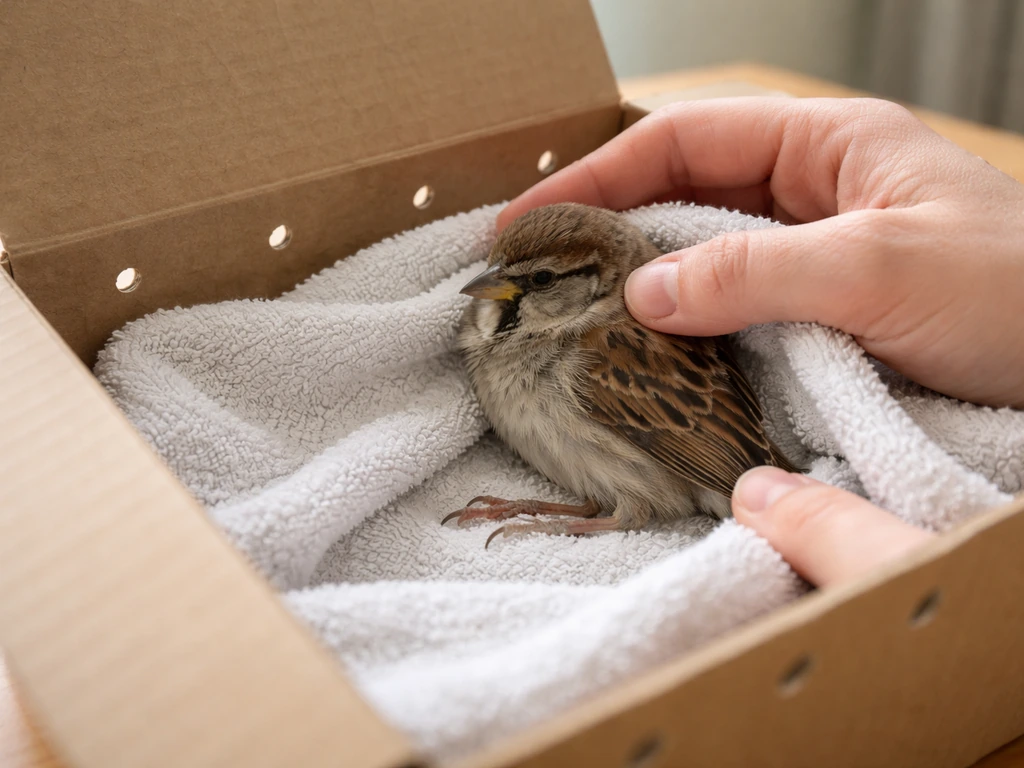
Honestly, any bird with a suspected broken leg should be seen by a professional. But the urgency level matters. Call immediately (do not wait) if you see any of the red flags listed above: open wounds, bone exposure, heavy bleeding, signs of shock, or a bird that is cold and unresponsive. These are life-threatening situations where hours make a real difference.
You can take a little more time to arrange transport (while still moving quickly, within a few hours) if the bird is alert and responsive, the leg looks broken but there is no open wound or bleeding, and the bird is holding its own weight even just slightly. Even in these cases, do not leave it overnight hoping it improves. A bird with a broken leg cannot forage or escape predators. Every hour it stays untreated increases the risk of infection, further injury, and deterioration.
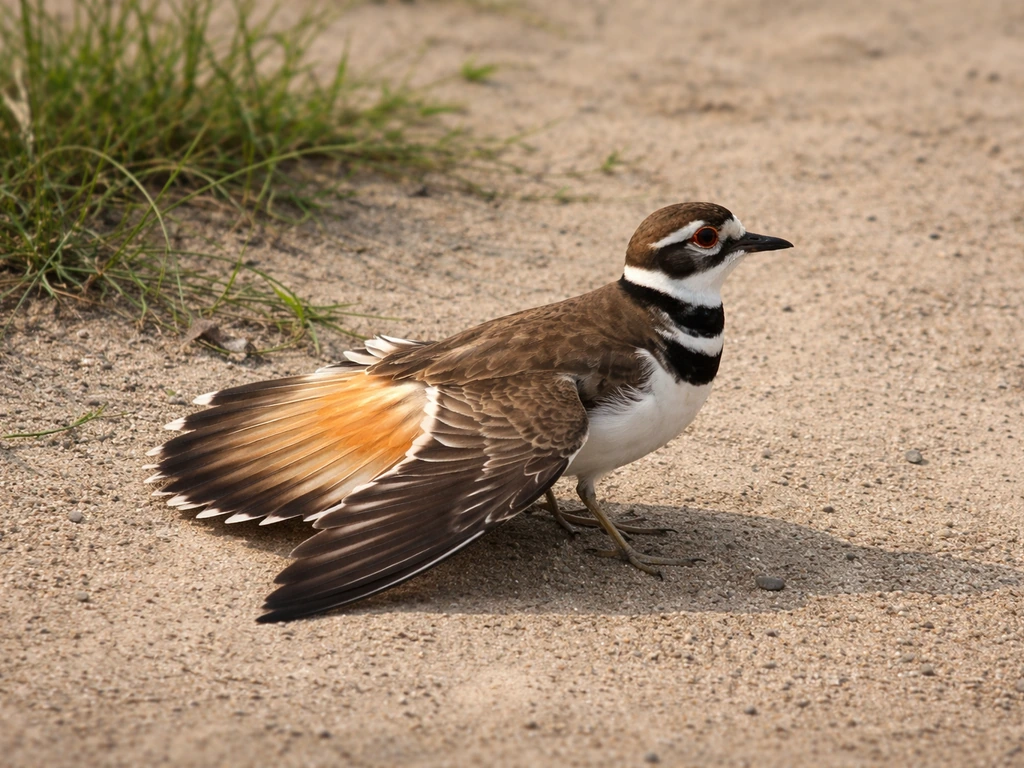
If you are unsure whether the bird you found is actually hurt or just performing a distraction display, it is worth knowing about the killdeer bird's broken wing act, where this specific species deliberately drags a wing or limps dramatically to lure predators away from its nest. If the bird is a killdeer and it suddenly flies away when you approach closely, it probably was not injured at all.
Immediate first aid for a bird with a suspected broken leg
Your job right now is not to fix the leg. Your job is to keep the bird alive, calm, and stable until a professional can treat it. That is genuinely all you need to do, and you can do it well.
Step 1: Protect yourself and approach calmly
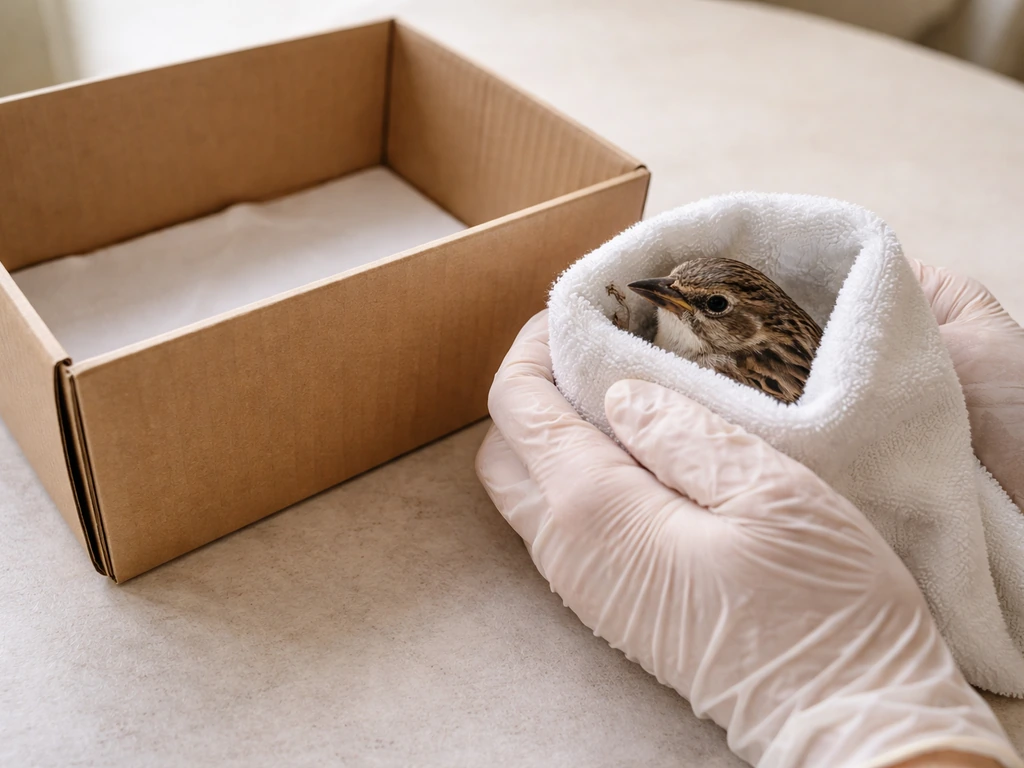
Wear gloves if you have them, especially with wild birds. Even small birds can bite and scratch when frightened. Move slowly and quietly. Sudden movements raise the bird's stress level dramatically, which can push a bird in borderline shock over the edge.
Step 2: Gently contain the bird
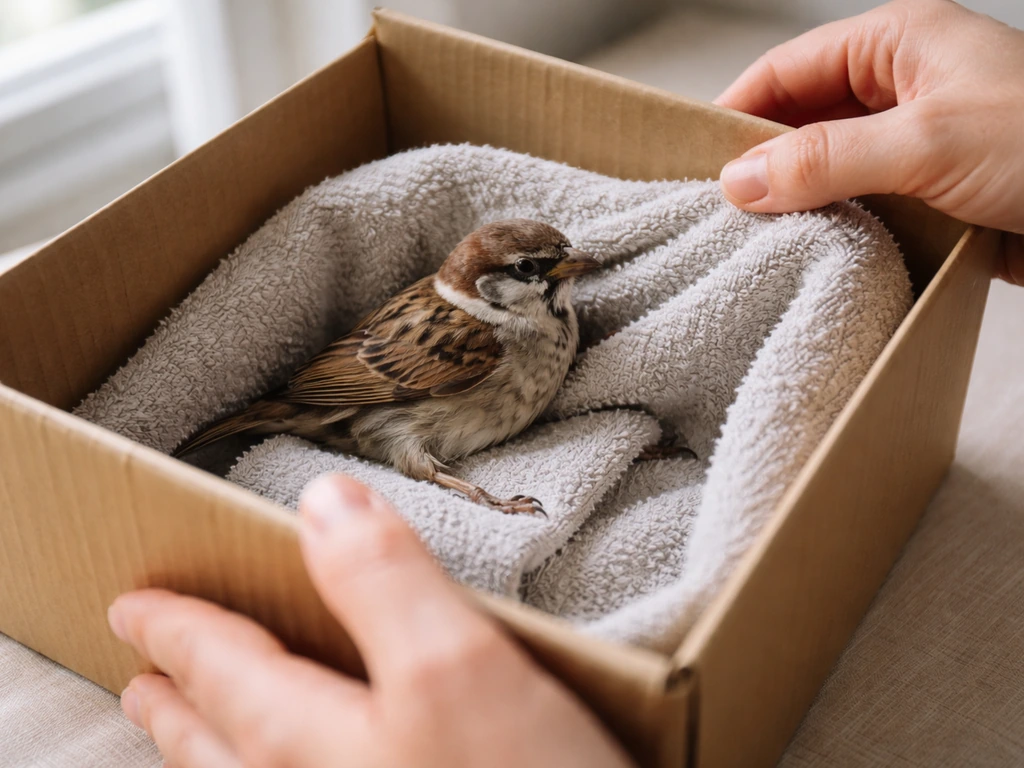
Cover the bird loosely with a light towel or cloth, then scoop it up using both hands to keep the wings against its body. Do not squeeze. Place it into a cardboard box or paper bag that is appropriately sized: small enough to limit movement and prevent the bird from flapping around and hurting itself more, but large enough that it is not cramped. An unwaxed paper bag works well for smaller birds. For a cardboard box, punch a few small air holes in the sides. Place a paper towel or a scrap of soft cloth on the bottom so the bird has something to grip, which keeps it more stable and upright. Do not put the bird in a wire cage where the leg could catch.
Step 3: Address any active bleeding
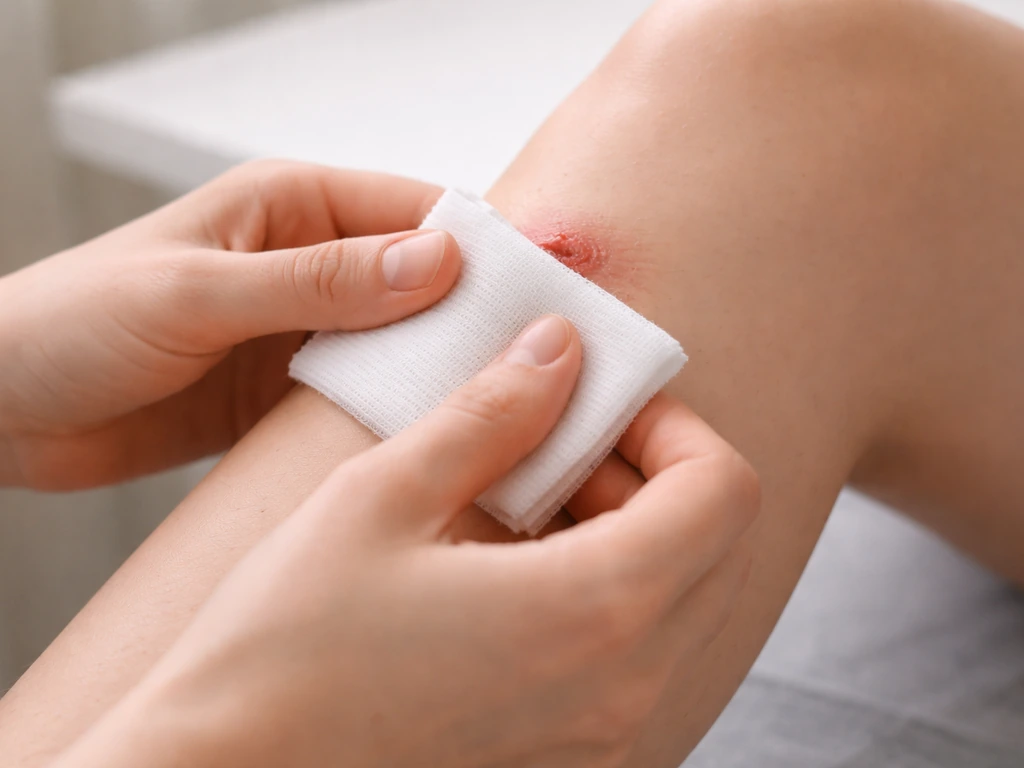
If there is bleeding, apply very gentle, light pressure with a clean cloth or gauze. Do not press hard on a leg where you suspect a fracture; you can make the injury worse. If bleeding is heavy or will not stop within a few minutes of gentle pressure, that is an emergency and you need to head to a vet or wildlife rescue while continuing to hold the cloth in place.
Step 4: Keep the bird warm, dark, and quiet
This step is critical and easy to underestimate. Place the box somewhere warm and quiet, away from children, pets, loud noises, and bright light. Golden Gate Bird Alliance recommends blank" rel="noopener noreferrer">placing injured birds in a warm, dark, quiet place, such as a shoebox lined with cloth or paper towel. Keep the injured bird blank" rel="noopener noreferrer">warm, dark, and quiet until you can get professional help, as recommended by Tufts Wildlife Clinic. A dark environment calms birds significantly and reduces stress. The target temperature is around 80 to 90 degrees Fahrenheit (roughly 27 to 32 degrees Celsius). If the bird is cold to the touch, you can place a heating pad set to low under half of the box, or put a small bottle of warm (not hot) water wrapped in a cloth inside the box next to, but not touching, the bird. Do not put the bird in water. Do not put it in direct sunlight.
Step 5: Do not give food, water, or medication
This is one of the most common mistakes people make with the best intentions. Do not offer food, water, or any medication unless a vet specifically tells you to. An injured bird can aspirate water or food easily, especially if it is weak or in shock. It can also cause problems if the bird needs anesthesia for treatment. Keep it contained, warm, and calm instead.
Step 6: Do not try to splint the leg yourself
I know this feels counterintuitive. It seems like you should do something. But attempting to apply a homemade splint without training almost always causes more harm. You can cut off circulation, worsen the fracture, cause additional pain, or stress the bird to the point of fatal shock. The best immobilization you can offer at home is the small, snug box itself. Confining the bird in a small transport container restricts movement naturally and gently, which is exactly what the leg needs right now. Leave the splinting to the professionals.
Safe handling and transport without making things worse
When you pick the bird up and when you transport it, keep these principles in mind. Never hold or wrap a bird so tightly around its chest that the chest cannot expand. Birds breathe by expanding their chest wall, so any pressure there is potentially life-threatening. Hold the wings gently against the body with your hands, and keep your grip around the body, not the chest specifically.
Keep the bird upright in the box, not lying on its side. A bird on its side has a much harder time breathing and may aspirate if it vomits. During transport, keep the car quiet and as dark as reasonable. Do not play loud music. Try to drive smoothly. Keep the box stable so it does not slide around. If someone else can drive while you keep a hand on the box to steady it, that is ideal.
If you have found a wild bird with what looks like a wing injury alongside the leg injury, the handling approach is similar, but the containment is even more critical. Reading about what to do when you find a bird with a broken wing can help you understand how to keep the bird steady without causing additional trauma to the wings during transport.
What to expect at the vet or wildlife rescue
When you get the bird to an avian vet or licensed wildlife rehabilitator, the first thing they will do is a physical exam to assess the bird's overall condition, including whether it is in shock, dehydrated, or has other injuries. For the leg specifically, they will palpate the bone and joints to feel for fractures, crepitus (the grinding sensation of broken bone ends), or dislocations. After that, an X-ray is typically needed to confirm where the fracture is, how severe it is, and whether it is displaced.
Treatment options
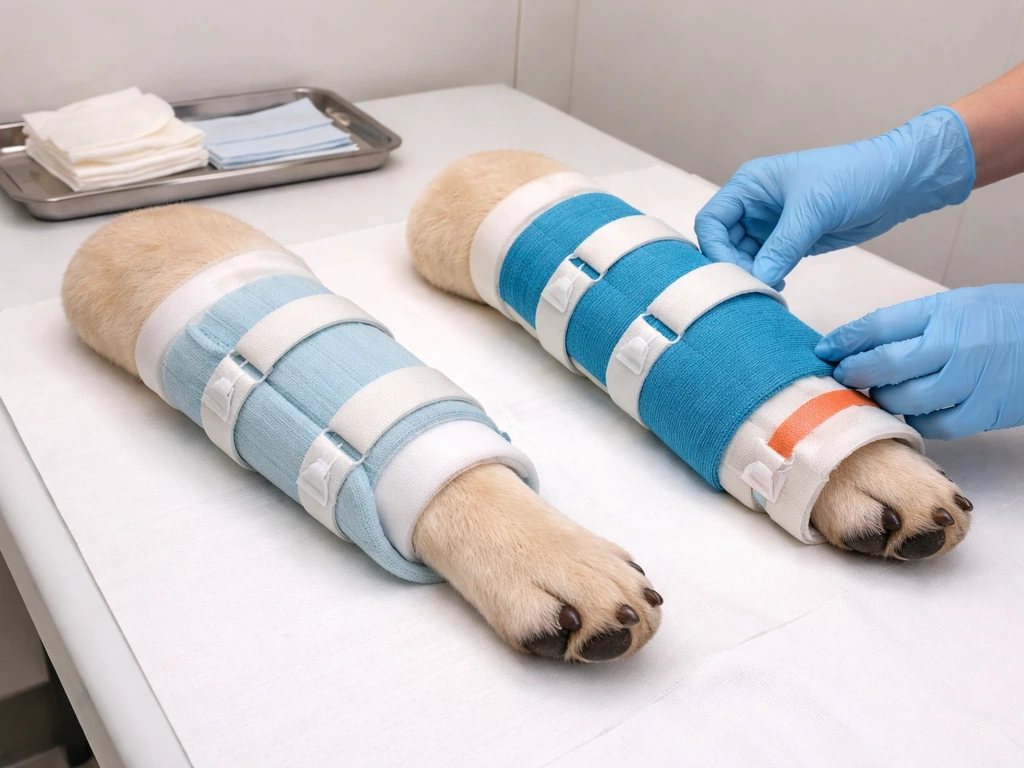
Treatment depends on the fracture location, the severity, and the species. Here is a general breakdown of what professionals might use.
| Treatment type | When it is used | General outcome |
|---|---|---|
| External coaptation (splinting/bandaging) | Simple, non-displaced fractures, especially in the lower leg; green-stick fractures in young birds | Good for many fractures; healing can take 3 to 6 weeks or more depending on species and location |
| Intramedullary (IM) pins or K-wires | Fractures in larger bones or where splinting alone is inadequate; combined with external support in birds under 300g | Faster union time; radiographic healing in roughly 5 weeks vs. up to 8 weeks with external coaptation alone in some studies |
| External skeletal fixation (ESF) | More complex or unstable fractures; commonly used for wild bird rehab cases | Well-established method; healing observed in approximately 21 to 40 days in some species |
| Surgical repair with plates or wires | Severe or highly displaced fractures in larger birds where fixation strength is needed | Longer recovery but restores function in cases that would otherwise not heal well |
| Humane euthanasia | Severe open fractures with extensive soft tissue damage, poor healing prognosis, or where the bird's quality of life cannot be maintained | Considered when recovery and release are not realistic; a welfare-first decision made by the vet |
Fractures below the knee joint in birds (the tarsometatarsal area) are sometimes managed with a padded stirrup-style finger splint designed to encourage some weight bearing during healing. Fractures higher up may require the leg to be immobilized more fully. In all cases, the bird is typically given pain relief and may receive fluids if dehydrated or in shock. If you want a broader picture of what the treatment process looks like, the section on bird broken wing treatment covers the clinical approach in useful detail, and most of the same principles apply to leg fractures.
For wild birds especially, the goal is always return to the wild if possible. A bird that cannot fly, walk, or survive independently after healing may need to be assessed for permanent captivity placement or, in some cases, euthanasia. That decision is made by the vet or rehabilitator, not by you, and it is always based on what is best for the animal.
Care during recovery and keeping the bird calm
If you are caring for a pet bird at home during recovery under vet guidance, or if a rehabilitator has asked you to hold a wild bird temporarily, the priority is limiting movement and keeping stress low. A quiet, small enclosure is key. The bird should not be jumping to high perches or flapping around. Remove perches that require the bird to strain the injured leg. Line the bottom of the enclosure with a soft, non-slip surface.
Keep the bird in a low-traffic part of your home, away from other pets and loud noises. Cover part of the enclosure to keep it dim. Minimize your own contact with the bird to what is necessary for feeding and monitoring. Handling a recovering bird frequently delays healing and keeps stress hormones elevated, which genuinely slows recovery.
If the bird has a splint or bandage, check it daily for signs of slipping, swelling above or below the wrap, skin irritation, or a bad smell (which can indicate infection). Never try to remove or reapply a splint yourself unless your vet has specifically shown you how. Follow up appointments matter enormously. Avian bone healing can be assessed by X-ray and the vet needs to confirm union before the bird returns to full activity. You can read more about how long a broken wing takes to heal in birds for a realistic sense of typical recovery timelines, which apply broadly to leg fractures as well.
Watch for complications: the leg looking more swollen rather than less, the bird losing appetite entirely, the skin around the injury becoming dark or smelling bad, or the bird becoming increasingly dull and unresponsive. Any of these warrant a call to your vet before the next scheduled appointment.
Finding the right help nearby
For wild birds, your best first call is usually a licensed wildlife rehabilitator rather than a standard veterinary clinic. Many general vets are not equipped to treat wild birds, and some wildlife clinics provide free care for injured wildlife. Search for wildlife rehabilitators in your area through your state or national wildlife agency, or call a local animal shelter and ask for a referral. For pet birds, contact an avian vet rather than a general small-animal vet if at all possible, since avian medicine is a specialty and leg fractures in birds require specific expertise.
If you need help figuring out exactly where to bring a bird in your area, the guidance on where you can take a bird with a broken wing covers how to locate both wildlife rehab centers and avian vets, and the same resources apply when the injury is a broken leg. Do not wait until the bird worsens to start making calls. You can call while the bird is contained and resting.
If you have already had experience helping an injured bird once, or even if this is the first time, knowing what steps to take confidently makes a real difference in outcomes. The process for handling a bird with a broken wing follows the same core principles: contain, warm, calm, and get to professional care as fast as you reasonably can. The bird's survival depends far more on how quickly it reaches a trained rehabilitator than on any home remedy you could apply.
FAQ
How can I tell if a bird limping is a fracture versus something like a sprain?
If the bird is alert and warm but simply limping, you still cannot assume it is not broken. Watch for weight bearing, leg position, and whether swelling shows up after an impact (like a window strike or cat attack). If the bird cannot bear any weight, holds the leg at a sharply wrong angle, or shows drooping, treat it as a fracture and arrange professional care the same day.
What if the bird seems stable right now, can a broken leg get worse overnight?
Yes, a bird can worsen quickly even if it seems “okay” at first, especially during transport. Any red flag like cold, very weak, pale or bluish mouth tissue, heavy bleeding, open wounds, or worsening responsiveness means you should not wait for an appointment time, call immediately, and prioritize urgent transport.
Is it okay to put pressure or a bandage on a suspected broken leg?
Avoid home splinting, but you can manage small bleeding safely. Use light, direct pressure with clean gauze or cloth, and if bleeding does not slow within a few minutes or looks heavy, that is an emergency. Do not apply tourniquets or tight wraps around the injured leg.
What should I look for if I suspect it could be a dislocation or entanglement instead of a fracture?
Heavier limping can happen with dislocation, nerve injury, entanglement, or fractures of different segments. The most useful quick check is function and position: can it bear any weight, is the leg drooping or sharply angled, and does it show swelling that started after trauma. If there is string entanglement you may see thread around the leg or finger joints, and that shifts urgency toward urgent removal by professionals.
If there is no rehab center nearby tonight, what is the safest way to hold the bird until morning?
If you cannot reach a professional right away, focus on warmth, darkness, and minimal movement. Keep the bird in a small, padded box, warm to about 80 to 90°F (27 to 32°C), and avoid handling. Do not give food or water, and do not try to “check” the leg repeatedly.
Should I let the bird walk around to test if the leg works?
Do not keep the bird in the open and do not let it flap “to see if it gets better.” Movement and flapping increase pain and can convert a partial injury into a worse one. The safest approach is confinement in a snug transport container, then professional assessment.
What temperature should I aim for while waiting for help, and when should I warm it?
If the bird is cold to the touch or barely responsive, warm gradually before transport if you can do it safely. Use a heating pad on low under half the box, or warm water in a cloth next to the bird, not touching. If it is actively bleeding heavily or there is bone exposure, prioritize urgent care and keep warming while you transport.
Should I call ahead to the vet or rehabilitator, and what details matter?
Yes, especially for wild birds and in emergency situations, you should call rehab or an avian vet before you arrive if possible. Tell them what you observed (limping, drooping angle, swelling timing, any impact like a window strike, bleeding, and whether the bird is fluffed, cold, or unresponsive). This helps them prepare for shock care and safe handling.
Why does fracture location matter so much for treatment, and can I guess the severity at home?
Do not attempt to identify species or estimate healing progress at home. Birds need an X-ray to confirm fracture location and severity, and the treatment plan (splint type, immobilization level, pain control) differs by fracture segment. Even a small fracture can still require immobilization to prevent displacement.
Does the advice change if the bird is my pet rather than a wild bird?
If a pet bird was injured, follow the same safety priorities, contain movement, keep it warm and calm, and contact an avian vet urgently. Pet birds may have different complications, but tight chest handling and homemade splints can still cause serious harm. Do not let the bird perch high or jump during recovery.
What is the safest way to position and transport the bird in the car?
Keep the bird upright in the box for breathing safety, and do not place it on its side. Also keep the box stable during transport to prevent sliding and repeated jostling, which can increase pain and swelling.
What signs during recovery mean I should call the vet sooner than the next appointment?
Avoid letting the bird be near other animals, children, or loud noise during waiting. Infection and stress are both real risks, and stress hormones slow healing. If the leg starts looking more swollen, skin darkens, or there is a new bad odor, call your vet or rehab immediately even if you already scheduled a visit.
Next Article
Killdeer Bird Broken Wing Act: Injury vs Decoy and What to Do
How to tell killdeer broken wing decoy from real injury, then take safe steps to care or get help fast.