
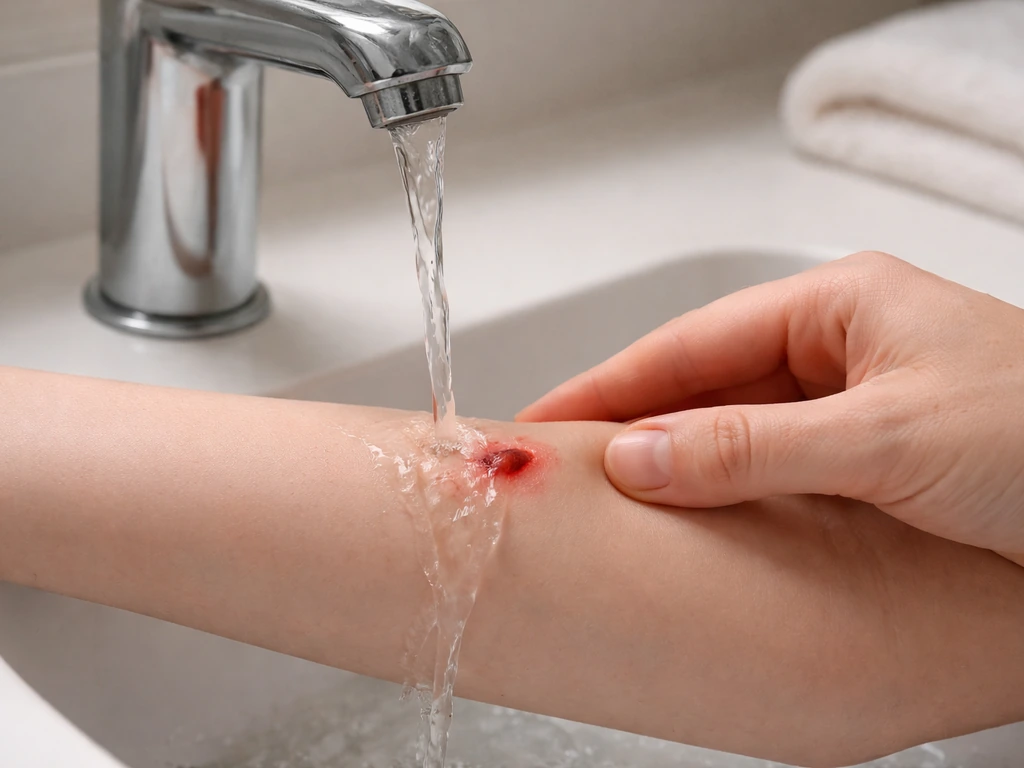
Wash the bite wound with soap and running water for at least 15 minutes, control any bleeding with gentle pressure, then cover it with a clean bandage. That is the first thing to do, right now, before anything else. Once you have handled your own wound, turn your attention to the bird: put it in a dark, quiet, ventilated box lined with a soft cloth and leave it alone while you figure out next steps. Both of those actions, treating yourself and stabilizing the bird, take about five minutes and make a real difference in what happens next.
How to Treat a Bird Bite: First Aid and What to Do Next
Marcus Chen
5 Jun 2026
What to do the moment you get bitten
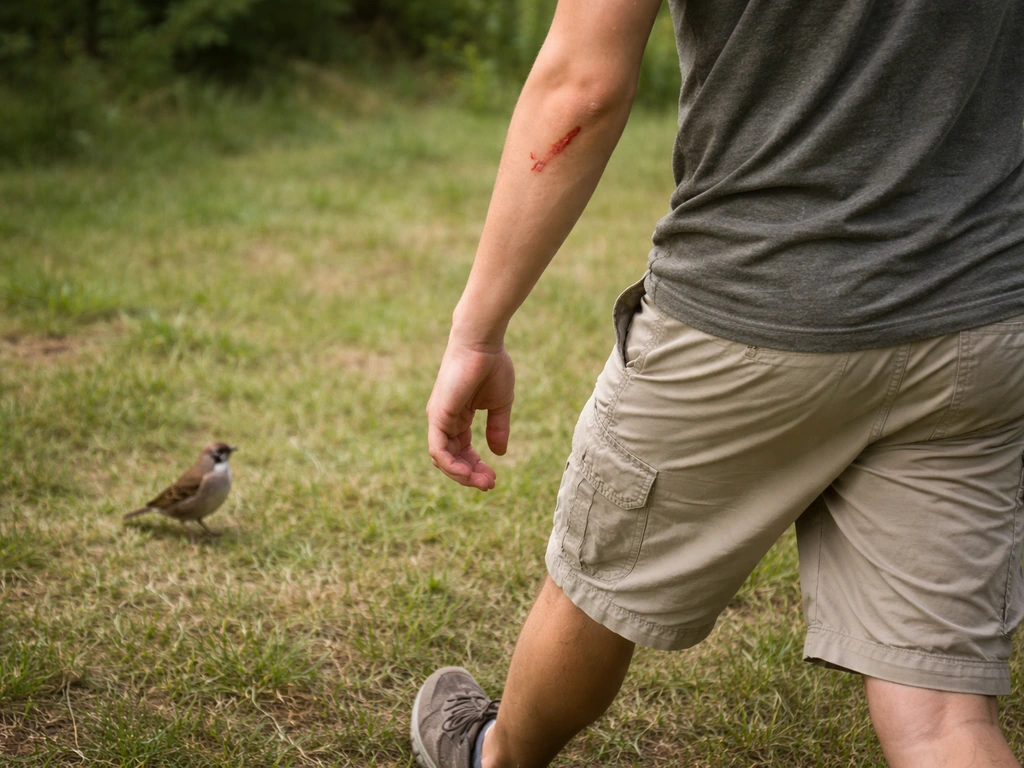
The first thing to do is get some distance between you and the bird. That sounds obvious, but when adrenaline kicks in people sometimes freeze, keep holding the bird, or try to immediately inspect the wound while still in range of another bite. Step back, set the bird down gently on a flat surface if you were holding it, and let go. Your safety comes first, and a second bite is both more painful and harder to treat.
If the bird is a wild bird and it is still in the open, do not chase it. Give it space to calm down. If it is a pet bird, return it to its cage or a secure perch before you do anything else. The calmer the bird is, the easier it will be for you to assess its condition later, and the less stress you will cause it in an already difficult moment.
One quick note on rabies: birds do not carry or transmit rabies. This is different from mammal bites, where rabies post-exposure care (including immediate wound washing, human rabies immune globulin, and a four-dose vaccine series) is a real concern. With a bird bite you do not need to worry about rabies, but you do need to take the wound seriously for other reasons, including bacterial infection and tetanus.
Assess the bite and the bird before you do anything else
Take ten seconds to actually look at both the wound and the bird before you start treating anything. This tells you whether you are dealing with a minor situation you can manage at home or something that needs professional attention today.
Evaluating your wound
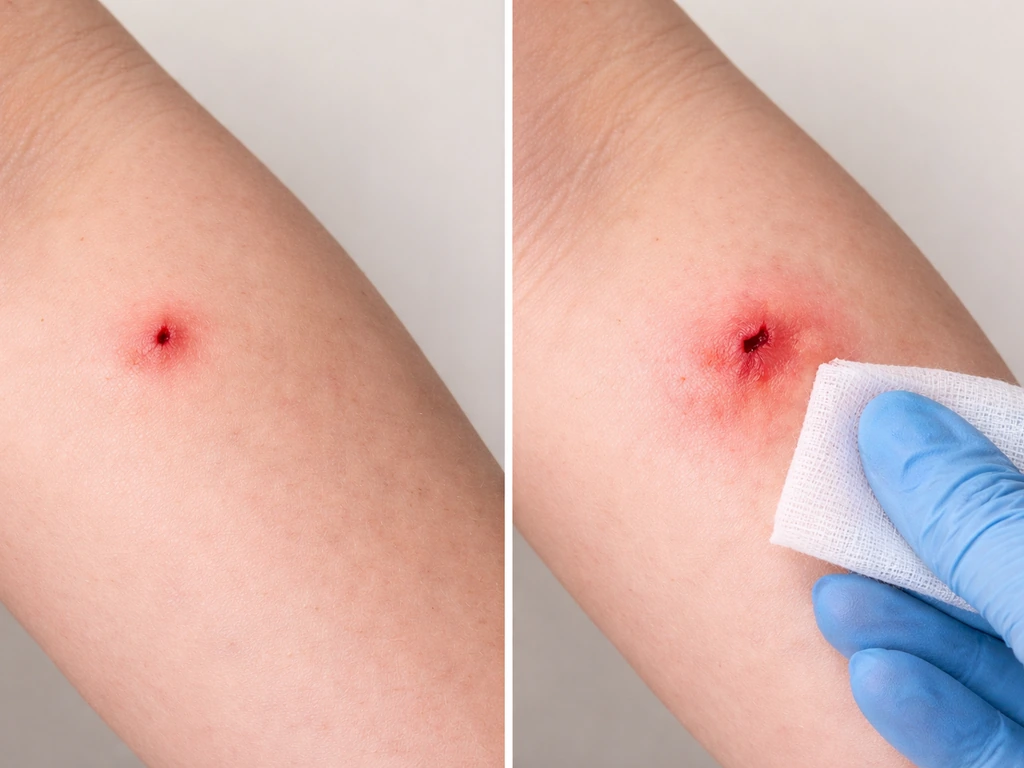
Most bird bites are shallow and bleed a little. A bite from a small songbird or a parrot nip usually breaks the skin but does not go deep. Those are manageable at home with good first aid. What you are looking for are the more serious signs: a deep puncture wound (especially from a large bird of prey or a large parrot with a powerful beak), heavy bleeding that is not slowing down with gentle pressure, a wound on your hand or fingers, or a wound on your face. Those locations and injury types carry a higher infection risk and deserve a call to your doctor or an urgent care visit within 24 hours, if not sooner.
Checking on the bird
While you were bitten, the bird was also under stress and may have been injured in the same interaction, especially if it is a small bird that was grabbed, squeezed, or dropped. Look at it from a short distance before you pick it up again. Is it standing upright? Is it holding both wings normally?
If a bird loses tail feathers, it may be a sign of injury or stress and should be evaluated the same way as other visible problems lost tail feathers. Is there any visible bleeding or a wing hanging at an odd angle? Is it alert and watching you, or is it huddled, puffed up, or sitting on the ground without moving? A bird that looks alert and reactive is likely stressed but okay.
A bird that is lethargic, unresponsive, bleeding visibly, or cannot hold its wings normally needs hands-on help and probably professional care. If you notice bleeding, treat it as an urgent injury and contact an avian vet or wildlife rescue for guidance right away.
First aid for your wound
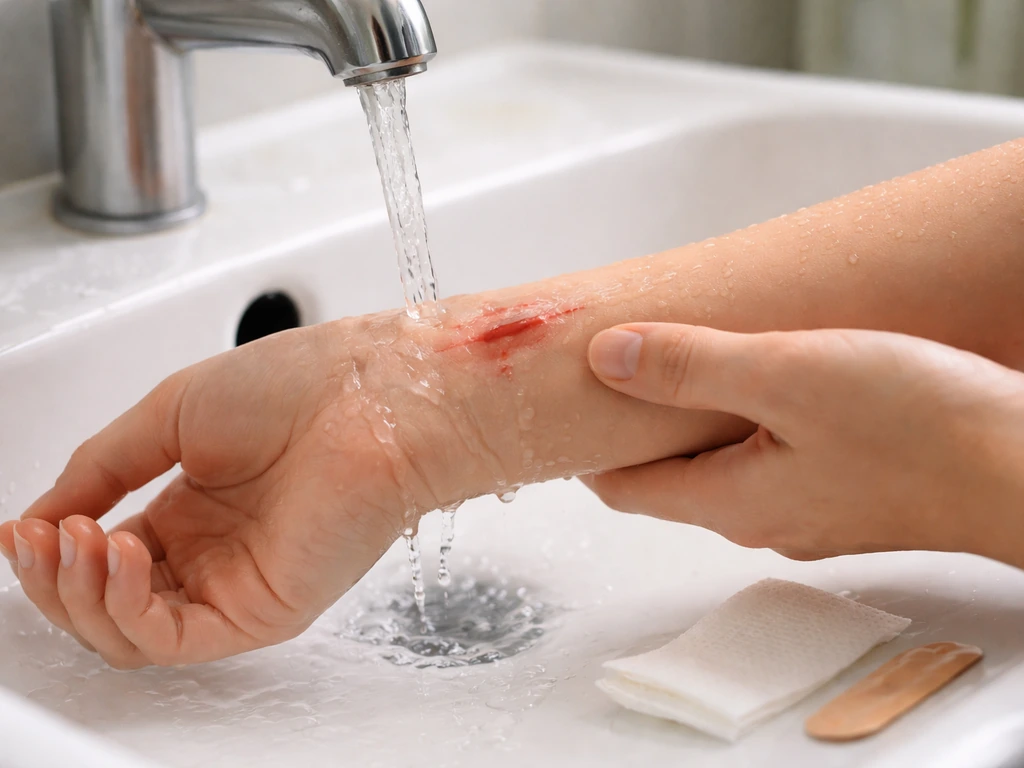
The single most important thing you can do for a bird bite is clean the wound thoroughly and quickly. The CDC, WHO, and the American Academy of Pediatrics all point to meticulous wound cleaning as the foundation of bite wound management, and for good reason: bird beaks carry bacteria, and the longer you wait the more likely an infection becomes.
- Rinse the wound under running tap water for at least 15 minutes. Do not rush this step. Use cool or lukewarm water and let it run over and through the wound to physically flush out bacteria.
- Apply soap directly to the wound and wash gently. Work the soapy water into any puncture or cut, then rinse again with more running water.
- Control any bleeding by applying gentle, steady pressure with a clean cloth or sterile gauze for several minutes. Most bird bite wounds will stop bleeding on their own. Do not press hard enough to cause more damage.
- Pat the wound dry with a clean cloth or sterile gauze.
- Apply a thin layer of antibiotic ointment (such as bacitracin or Neosporin) if you have it, then cover with a clean bandage or sterile dressing.
- Do not use hydrogen peroxide, rubbing alcohol, iodine, or Mercurochrome on the wound. These agents can damage tissue and actually slow healing. Plain soap and water followed by an antibiotic ointment is the right approach.
Do not try to close a deep puncture wound yourself with tape or butterfly bandages. Johns Hopkins Medicine specifically advises against this because sealing a bite wound can trap bacteria inside and increase the risk of a serious infection. Leave deep punctures open and loosely covered, and get them looked at by a healthcare provider.
After cleaning, check your tetanus status. Bird bites fall into the category of wounds that contain saliva and potential contaminants, which means they affect tetanus risk management. If you have not had a tetanus booster in the last five years, or if you are not sure, mention it when you speak with a healthcare provider.
Caring for the bird after the bite
Once your wound is cleaned and bandaged, give the bird the quiet it needs to recover from the stress of the encounter. Whether this is a wild bird or a pet, the priority right now is minimizing additional handling and keeping it calm and warm.
For a wild bird, gently guide or place it into a ventilated cardboard box (a shoebox with a few air holes works well) lined with a soft cloth or paper towels. Put the lid on loosely so it has air but is in the dark, which helps reduce stress. Set the box in a warm, quiet room away from kids, pets, and noise. Do not offer food or water.
Do not try to splint, medicate, or treat the bird yourself. If you are looking for a more complete guide, see our article on how to treat a poisoned bird, since those steps are for serious toxin exposure and need different actions than basic first aid Do not try to splint, medicate, or treat the bird yourself. .
Your job at this stage is simply to keep it contained, calm, and stable while you decide whether it needs professional help.
For a pet bird, return it to its cage and cover part of the cage to reduce stimulation. Keep the environment warm (around 85 to 90 degrees Fahrenheit if the bird seems in shock or is acting lethargic), dim the lights, and keep the household quiet for at least an hour. Watch it from a distance. A bird that was just startled or defensive will usually settle down and return to normal behavior within 30 to 60 minutes. One that continues to sit fluffed up at the bottom of the cage, breathes heavily, or does not respond normally is showing signs of shock or injury and needs an avian vet today.
If you noticed bleeding on the bird during your initial check, that warrants a closer look. Visible feather loss can mean the bird is stressed, injured, or infected, so it is best to get an avian professional to assess it. Visible blood around the feathers, on the skin, or from a break in the skin is not something to wait on.
Visible blood around the feathers, on the skin, or from a break in the skin is not something to wait on, and for guidance on what do i do if my bird is bleeding, see the related steps below. If you are dealing with a feather loss from normal shedding or a minor injury, the bird may be uncomfortable but it is usually not a medical emergency unless there are signs of pain, bleeding, or infection. If the feather loss is from a real injury, the bird may still need an avian vet assessment for pain and possible infection feather loss from normal shedding.
If a blood feather (a growing, vascularized feather) is broken or damaged, it can bleed significantly and may need to be addressed. This is one situation where getting a professional involved quickly makes a real difference.
When you need urgent medical care for yourself
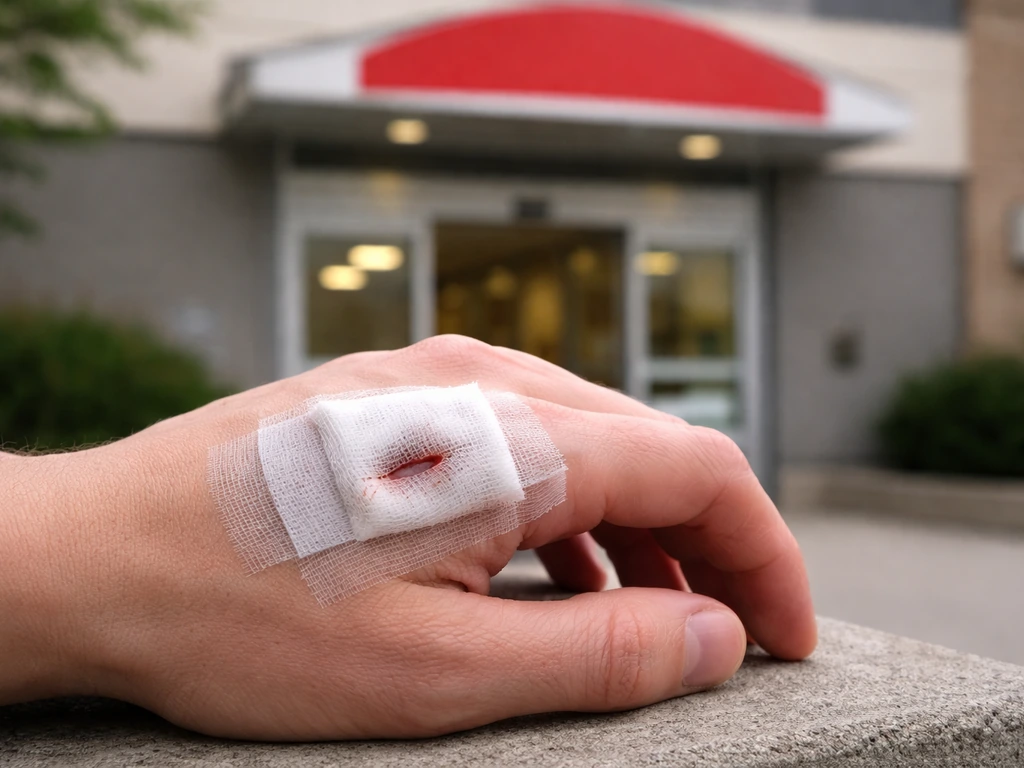
Most bird bites you can manage at home with the steps above and then follow up with your regular doctor within a day or two. But some situations call for going to urgent care or the emergency room today. Do not wait and hope for the best if any of these apply.
- The bite is a deep puncture wound, especially if you cannot tell how deep it goes
- The bleeding is heavy and does not slow down after 10 to 15 minutes of steady pressure
- The wound is on your hand, fingers, or face (these locations have higher infection risk due to complex anatomy and proximity to joints or tendons)
- You notice redness, swelling, warmth, or pus around the wound in the hours or days after the bite (these are infection signs that need antibiotic treatment)
- You develop a fever above 100.4 degrees Fahrenheit (38 degrees Celsius)
- You have a weakened immune system, diabetes, or other health conditions that make infection more dangerous
- You are not up to date on your tetanus vaccination
- The bite was from a large bird of prey (hawk, eagle, owl) whose talons or beak created a more serious wound
- You are simply not sure how serious the wound is
MedlinePlus recommends getting medical attention within 24 hours for any bite that breaks the skin. That is a reasonable benchmark. If you are on the fence, err toward seeing someone. A healthcare provider can assess the depth of the wound, check for tendon or joint involvement, prescribe antibiotics if needed, and update your tetanus protection. Infections from animal bites can escalate quickly, especially on the hands.
When to call a wildlife rescue or avian vet for the bird
This is where a lot of people hesitate, mostly because they are not sure who to call or whether the situation is serious enough. Here is the guidance: if you are not sure, call. A wildlife rehabilitator or avian vet can help you assess the situation over the phone and tell you whether you need to bring the bird in. You are not wasting anyone's time.
For a wild bird, contact a licensed wildlife rehabilitator or your state wildlife office. The CDC recommends this route for any wild bird that is badly injured or looks very sick. You can find a local wildlife rehabilitator through the National Wildlife Rehabilitators Association or your state's fish and wildlife agency. Keep in mind that under federal law, most migratory birds cannot be kept by the public without a permit, so your role is to stabilize the bird and get it to someone with the proper authorization to treat it.
For a pet bird, call your avian vet. If you do not have one, search for a bird-specialist vet in your area rather than taking a bird to a general-practice veterinarian who may not have experience with avian patients.
- The bird is visibly bleeding or has an open wound
- A wing or leg is hanging at an abnormal angle
- The bird cannot stand or hold its body upright
- It is huddled, puffed up, lethargic, or unresponsive after more than an hour of quiet rest
- It is sitting at the bottom of the cage (for pet birds) without moving
- It is breathing heavily, with a tail bobbing up and down with each breath (a sign of respiratory distress)
- You can see any broken or damaged feathers with blood at the base
- The bird was dropped, squeezed, or had any significant physical force applied to it during the encounter
The MSD Veterinary Manual is clear that birds showing signs of lethargy, unresponsiveness, or laying on the cage bottom should be treated as an emergency. Birds hide illness and injury very well as a survival instinct, so by the time a bird looks obviously unwell, it has often been struggling for a while. Do not wait to see if it improves on its own if you are seeing those signs.
Follow-up care and how to prevent it from happening again
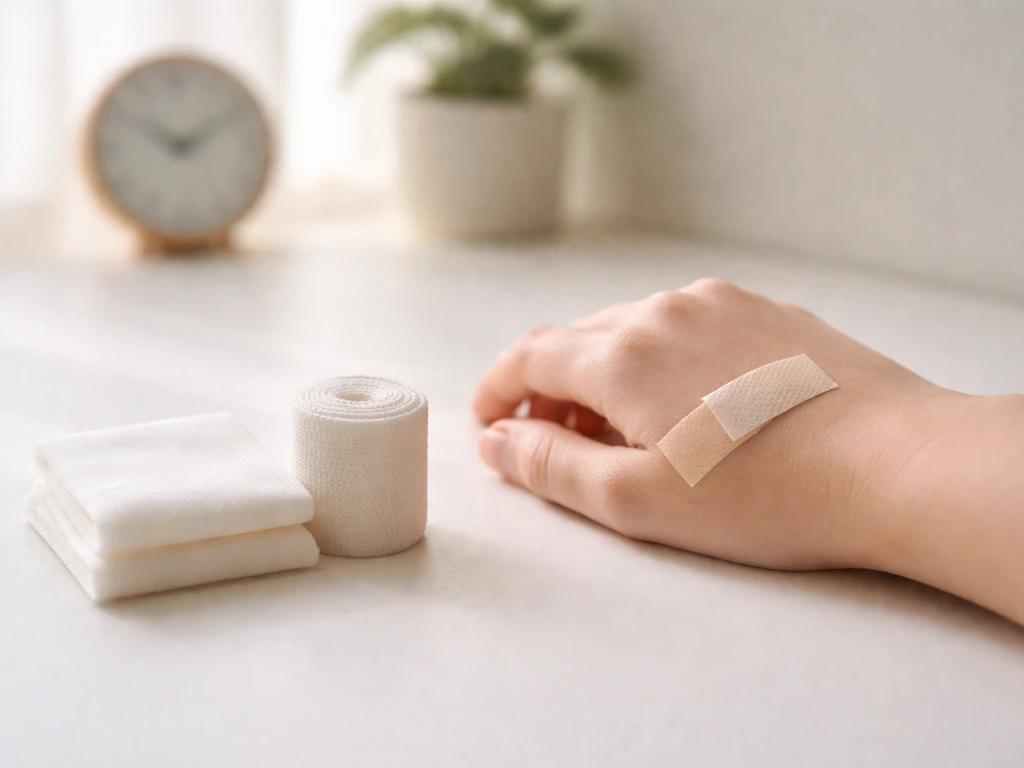
For yourself, check the wound every day for the next three to five days. You are watching for increasing redness, swelling, warmth, discharge, or any red streaking moving away from the wound (which can signal a spreading infection). Keep the area clean and covered with a fresh bandage daily. If you were seen by a doctor and prescribed antibiotics, finish the full course even if it looks better after a few days.
For the bird, monitor its behavior over the next 24 to 48 hours if it is a pet. Is it eating and drinking normally? Interacting with you? Perching properly? A return to normal behavior is a good sign. Any ongoing changes, like reduced appetite, unusual posture, or being less active than normal, are reasons to follow up with an avian vet.
On the prevention side, most bird bites happen when birds feel threatened, trapped, or startled. The more you understand why the bite happened, the easier it is to avoid a repeat. Wild birds bite when they are cornered or being handled and cannot escape. Pet birds bite when they are overstimulated, scared, or communicating a boundary. Learning to read bird body language, moving slowly and calmly around birds, and never grabbing a bird from above (which mimics a predator attack) will reduce the chance of being bitten significantly.
When handling an injured wild bird in the future, use a thick towel or gloves to protect your hands and reduce the bird's direct contact with your skin. This protects you and also helps keep the bird calmer, since direct human skin contact can increase stress. Approach from the side, cover the bird with the towel gently but firmly, and scoop it up without grabbing the wings. These small changes make the whole experience safer for both of you.
One last thing worth knowing: if the bird that bit you was a wild bird that appeared sick or was behaving strangely before it bit you, mention that to your healthcare provider. It does not change the basic first aid, but it is context that can matter for follow-up care. When in doubt about anything related to the bird's health or your own recovery, a quick call to an avian vet or your doctor costs nothing and can save a lot of trouble.
FAQ
If it bled a little but looks superficial, do I still need to be seen?
If the bird bite breaks the skin, you should plan on getting medical advice even if it seems minor. Ask a clinician to assess for deeper puncture injury, and if the wound is on your hand or fingers, do not delay because infection there can involve tendons and joints even when the outer opening looks small.
What can I use for pain or wound care after I’ve cleaned and bandaged it?
For ongoing pain, use acetaminophen as directed on the label unless you have a medical reason to avoid it. Avoid putting antibiotic ointment or creams inside a deep puncture, if there is one, and do not soak the wound. After cleaning, keep it loosely covered with a fresh bandage and change it daily or sooner if it gets wet or dirty.
Should I remove jewelry after a bird bite on my hand or finger?
Remove rings, watches, or tight items on the affected hand immediately, even if swelling has not started yet. Hand bites can swell quickly, and constricting jewelry can reduce circulation and make infection harder to monitor.
Is it okay to clean a bird bite with hydrogen peroxide or alcohol?
Do not use hydrogen peroxide, alcohol, or iodine on an open bite wound. These can damage tissue and slow healing. Stick to thorough irrigation with running water and mild soap on the surrounding skin, then cover it with a clean dressing.
I’m not sure when my last tetanus shot was. What should I do?
If you do not remember when your last tetanus shot was, treat it as uncertain and mention it to a clinician. They can decide whether you need a booster and whether you need additional tetanus protection based on the wound type and your immunization history.
What symptoms mean the bite is no longer “watch and wait”?
Get urgent care sooner if the wound is getting worse rather than better, if you see spreading redness, increasing warmth, pus or bad-smelling drainage, red streaks, fever, numbness, or trouble moving a finger or thumb. Those signs suggest infection or deeper involvement that home monitoring may miss.
What if the bite won’t stop bleeding after I apply pressure?
If bleeding does not slow after 10 to 15 minutes of gentle, steady pressure, or if blood spurts or soaks through repeatedly, seek urgent care. Persistent bleeding can indicate a deeper vessel injury or a puncture that needs evaluation.
Can I close a puncture wound with tape or skin glue to keep it from reopening?
Avoid trying to suture or close a puncture wound with tape, glue, or butterfly closures. Closing can trap bacteria under the skin. If it is a deep puncture, loosely cover it after cleaning and have a clinician decide whether any closure is appropriate.
What if the bird bit me more than once, or there are multiple small punctures?
If the bird had access to you while you were bitten multiple times, treat each break in the skin as a separate event. Clean all wounds thoroughly, check whether multiple sites are on the same hand, and tell the clinician the number of bites and where they occurred so they can assess infection risk accurately.
If the wild bird seems in pain, can I give it anything to help?
For a wild bird, do not try to give food, water, antibiotics, or pain medicine. Even “safe” human meds can be dangerous to birds, and giving food before they stabilize can cause aspiration. Focus on quiet containment and contact a licensed wildlife rehabilitator.
When should I treat the bird’s situation as an emergency for a pet?
If your pet bird cannot hold its wings normally, is breathing heavily, is unresponsive, is staying fluffed up on the bottom, or you see active bleeding, treat it as urgent and contact an avian vet today. Birds hide illness well, so waiting to see if it improves can cost time.
What should I do if the bird bite is near my eye or eyelid?
If the bite involved the eye area, especially any splash, puncture near the eye, or skin break on the eyelid, get same-day medical evaluation. Eye-region wounds can require prompt assessment to prevent complications beyond skin infection.