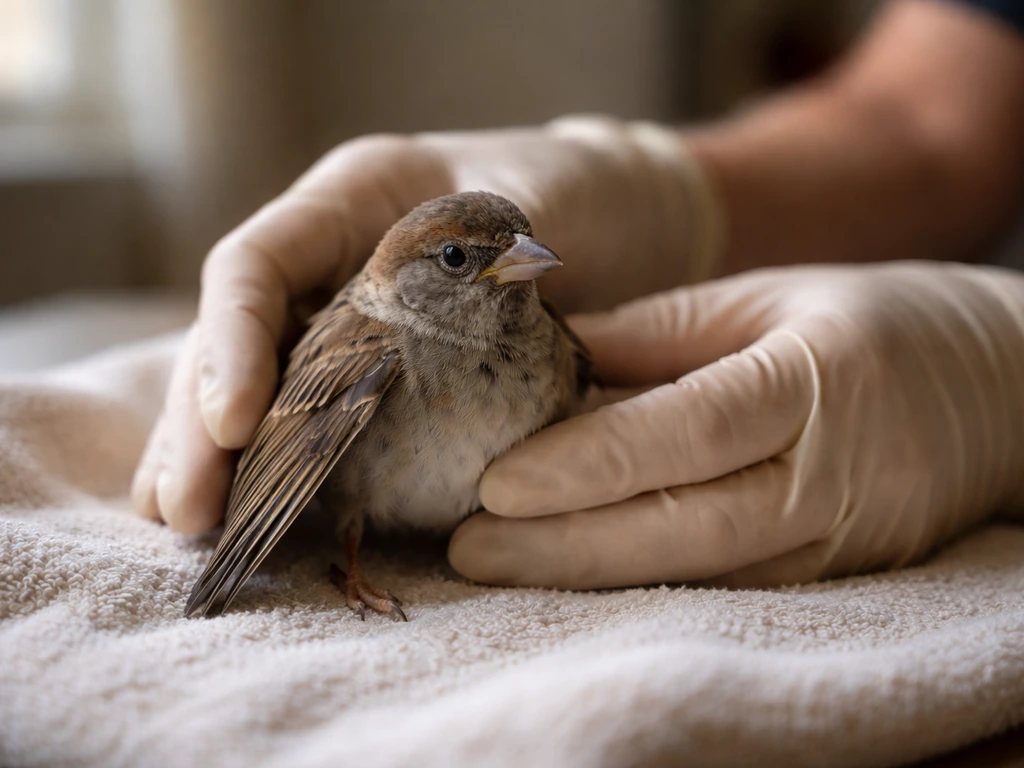
If your bird is bleeding right now, press clean gauze or a folded cloth gently against the wound and hold steady pressure for at least three minutes without lifting to check. That one step handles the majority of minor bleeding situations. While you hold pressure, stay calm, keep the bird warm and quiet, and start thinking about whether this needs a vet today or whether you can manage it at home. If you are unsure what to do next, review the full step-by-step on how to treat a bleeding bird. The answer depends on where the blood is coming from and how much there is, so keep reading while someone else holds the bird if possible.
What Do I Do If My Bird Is Bleeding Right Now
Marcus Chen
5 May 2026
Immediate safety steps and who to call first
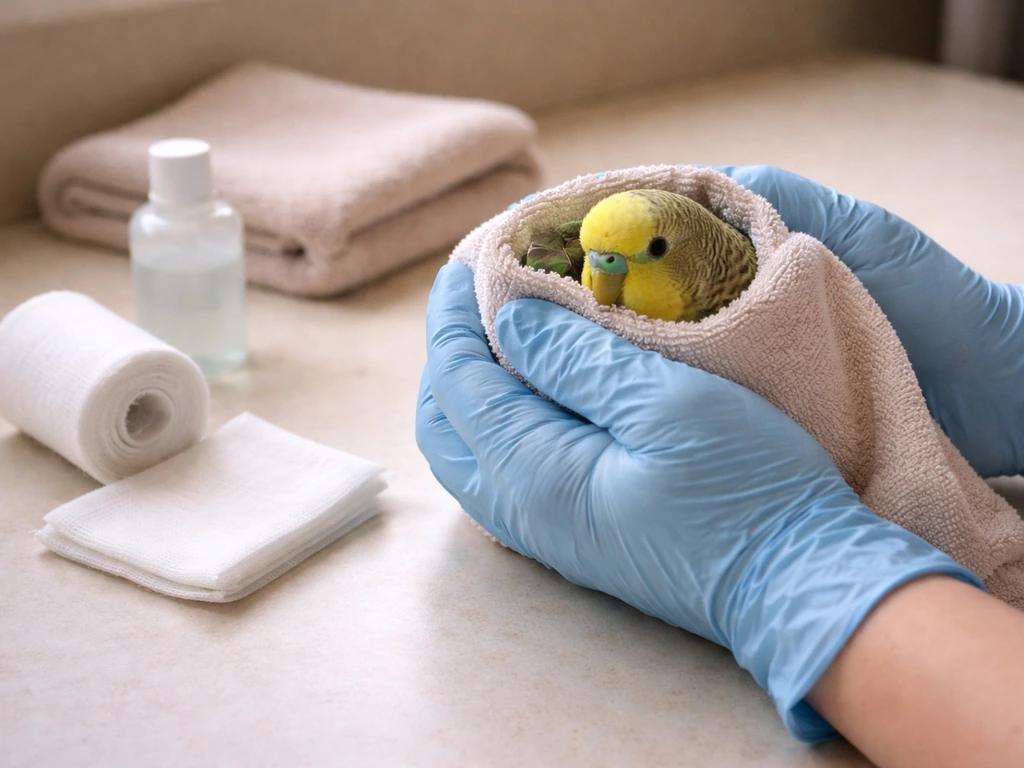
Before anything else, wash your hands or pull on gloves if you have them. Even small pet birds can bite when scared, and wild birds can carry bacteria. Then gently contain the bird. Wrapping it loosely in a small towel is the fastest way to hold it still without squeezing, and a tube sock with the toe cut out works well for smaller birds like finches or parakeets. Slide the bird in head-first so the wings are held against the body. This immobilizes the bird, protects you from bites, and reduces the frantic flapping that makes bleeding worse.
Once the bird is contained and you have pressure on the wound, call for help at the same time. If this is your pet bird, call an avian vet or emergency animal hospital right now. If it is a wild bird, call a licensed wildlife rehabilitator. In the US, your state's fish and wildlife agency keeps a list of licensed rehabilitators, and Tufts Wildlife Clinic (508-839-7918) can also give guidance on next steps. Do not try to handle a wild bird of prey, heron, or similarly large bird without expert advice. Their talons and beaks cause serious injuries.
Quick assessment: where the bleeding is and how bad it looks
Not all blood on or near a bird signals active, ongoing bleeding. Sometimes you will find blood on the cage bars, perches, or the bird's feathers but the bird itself is no longer bleeding. That still matters and still warrants monitoring and a vet call, but it is a different situation from a wound that is actively dripping or oozing right now. Look closely before you react.
Work through this quick check with the bird wrapped in the towel:
- Is there active bleeding, meaning blood is still coming out? Or is the blood dried and the wound already clotting?
- Where is the blood coming from? Common sites are the wingtip or wing edge, under the wing near the body, the beak or nares, the foot or toenail, the feather follicles, or the vent area.
- Is the bleeding a slow ooze, a steady drip, or pulsating (which would suggest an artery)? Pulsating bright red blood is an emergency.
- How is the bird behaving? Is it alert and responsive, or sitting fluffed, eyes half-closed, leaning to one side, or not reacting to you?
A bird that is alert, reacting to stimulation, and has a slow ooze from a small wound is in a different category than one that is sitting on the bottom of the cage with pulsating blood loss. The first situation gives you a few minutes to apply first aid. The second needs you in the car heading to a vet immediately.
First aid to stop bleeding (including wing and under-wing injuries)
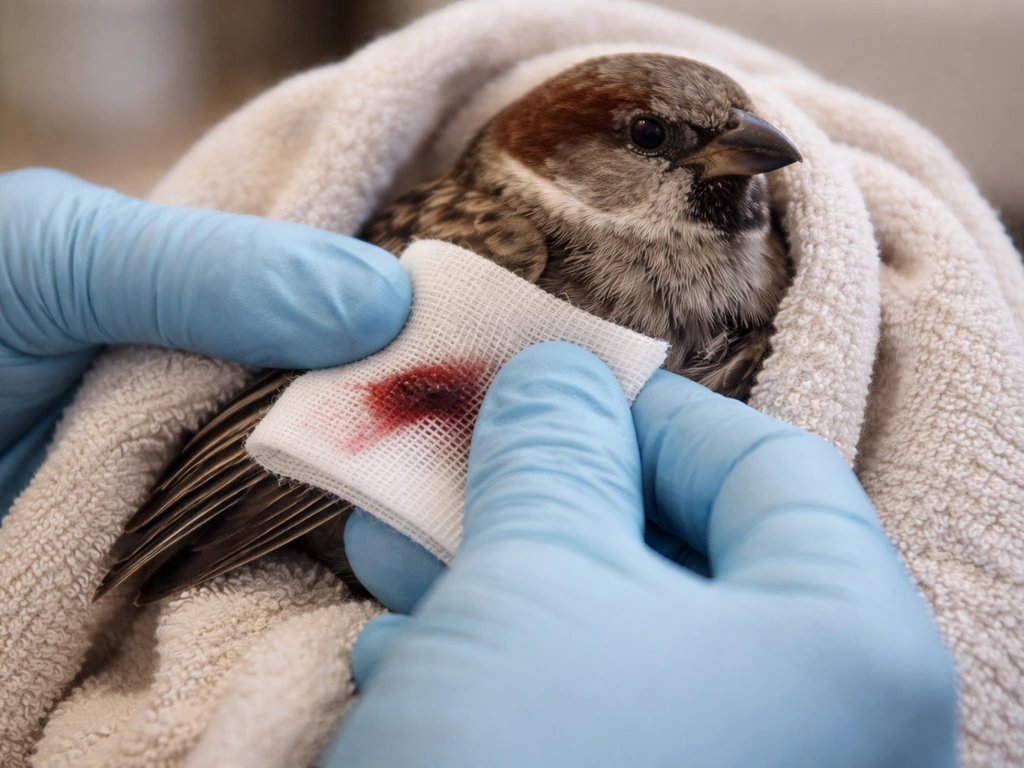
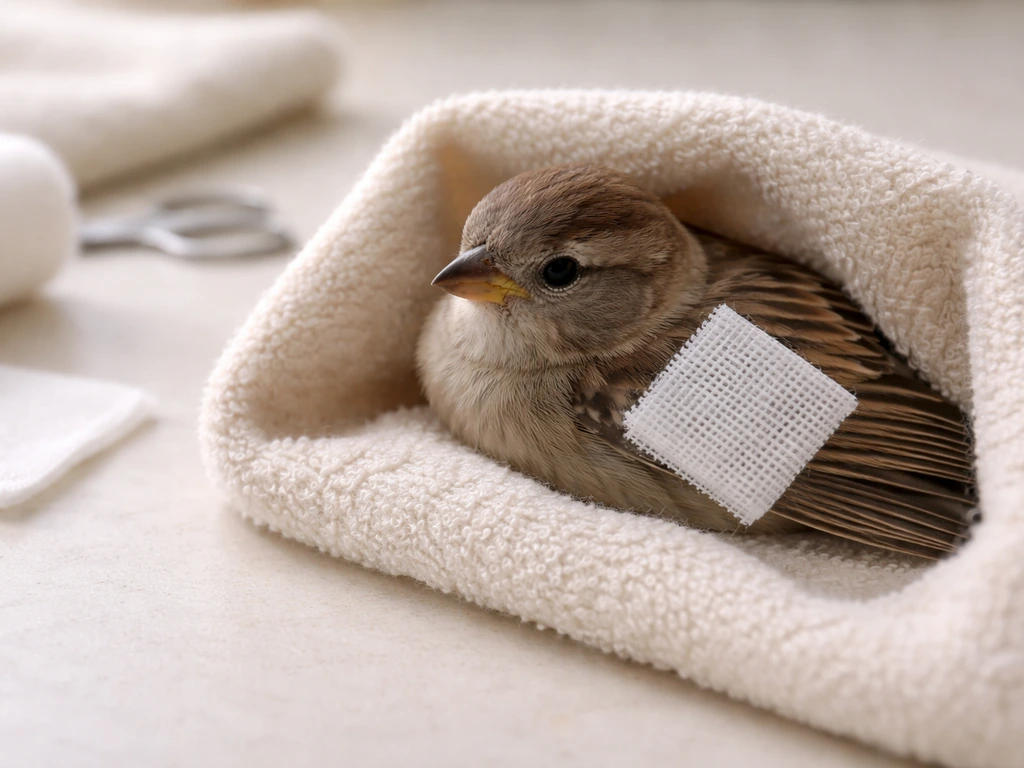
Direct pressure is your main tool. Use sterile gauze if you have it, or a clean cloth if you do not. Press gently but firmly onto the wound and hold for a minimum of three minutes. Do not lift the cloth to check, because peeking resets the clotting process. If blood soaks through, add more gauze on top rather than removing the first layer.
If bleeding does not slow within five minutes, reach for styptic powder. Apply a small pinch directly to the bleeding area and maintain pressure for about one minute. Cornstarch is a reasonable substitute if you have no styptic powder on hand. Styptic powder contains benzocaine, which helps constrict the area, but it should never be used in deep wounds, body cavities, or burns. For surface wounds and feather follicle bleeds, it works well.
Wing and under-wing bleeding
Wing injuries bleed more than they look like they should because the wing has good blood supply and the skin is thin. For a cut or abrasion on the outer wing edge or wingtip, apply gauze and pressure just as described. For bleeding under the wing, near where the wing meets the body, you are dealing with a more protected area that is harder to see and harder to hold pressure on. Get the bird wrapped in a towel so the wing is held gently against the body. This itself acts as a light pressure wrap. Then look under the wing with a flashlight. If you see a broken blood feather (a pin feather that is dark at the base and oozing blood), that is a specific situation covered separately in the blood feather guide. If you see an open wound from a bite or trauma, apply gauze with gentle pressure.
Never try to bandage a wing tightly at home unless you have been shown how. A bandage that is too tight cuts off circulation and can cause permanent wing damage within hours. If the wing is drooping, the bird cannot bear weight, or you can see bone or tissue, do not attempt first aid beyond gentle immobilization and get to an avian vet immediately.
Do not apply any ointment, cream, or antiseptic spray to the wound unless a veterinarian has specifically told you to. Products that are safe for human skin can damage bird feathers and be toxic when a bird preens and ingests them. If a bird is losing feathers, that can also be a sign of stress or skin irritation, so it is worth checking for other symptoms and getting avian help if you are unsure feathers and be toxic.
First aid for a bleeding nail, toe, or claw
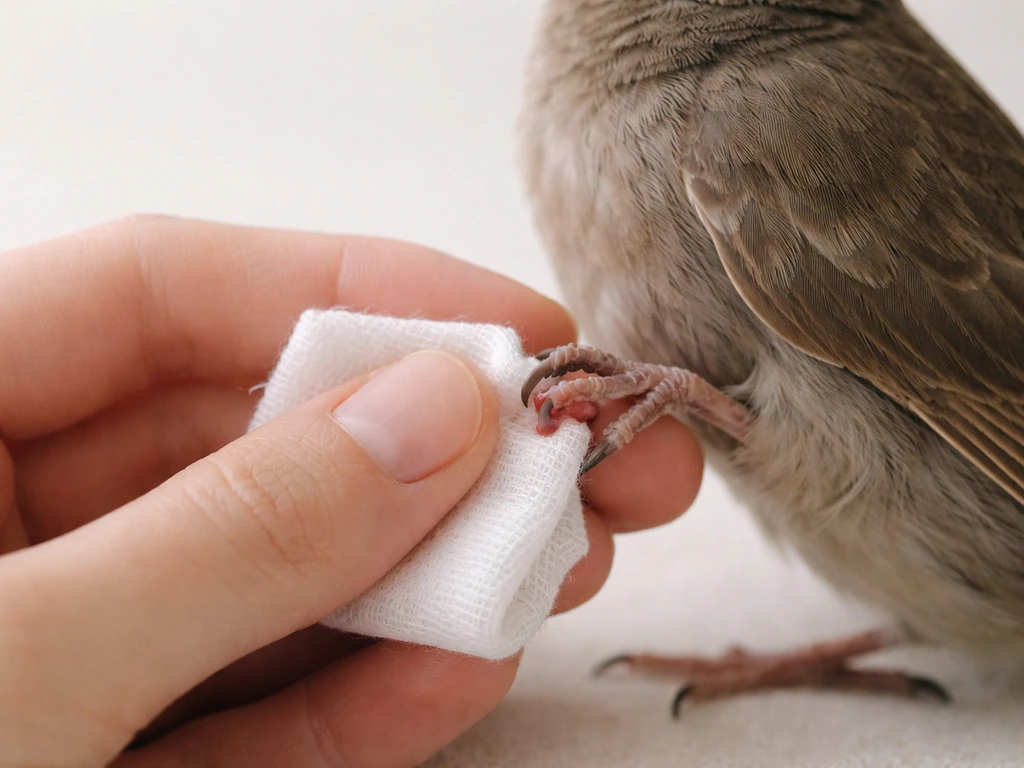
Nail and toenail bleeding is one of the most common bird first-aid situations, and it is usually the least serious. It most often happens after a nail trim goes a fraction too short and catches the quick. The quick is the blood vessel that runs through the nail, and it bleeds surprisingly well for something so small.
Here is what to do for a bleeding nail:
- Hold the bird gently with the affected foot accessible.
- Dip the tip of the nail directly into a small amount of styptic powder or press a pinch of it onto the nail tip with moderate pressure.
- Hold the pressure for about one minute.
- If you have no styptic powder, press the nail tip into a small piece of bar soap or cornstarch and hold for one to two minutes.
- Release and check. The bleeding should have stopped. If it has not, repeat once more.
- If bleeding continues past 10 minutes despite repeated attempts, call your avian vet.
Note that styptic powder is formulated for nail and minor surface use. Avoid getting it on the surrounding skin tissue, as it can cause irritation. Once the nail has stopped bleeding, keep the bird on a clean surface for an hour or two so it does not pick at the nail or contaminate the clot.
Most common causes of bleeding by location
Knowing why your bird is bleeding helps you understand how serious it might be and what to expect. Here are the most common causes organized by where you see the blood:
| Location | Most Likely Cause | Severity Indicator |
|---|---|---|
| Toenail / claw | Nail trim cut too short, catching on cage bars or fabric | Usually minor; stops quickly with styptic powder |
| Wingtip or wing edge | Collision with wall or window, bite from another bird or pet, fracture | Moderate to serious; check for bone involvement or shock |
| Under the wing / near body | Bite wound from cat, dog, or another bird; fall trauma | Potentially serious; cat bites in particular carry deep infection risk |
| Feather follicles (anywhere) | Broken blood feather (pin feather damaged before it matures) | Variable; can bleed heavily but is treatable |
| Beak or nares | Collision, impact trauma, fight with another bird | Moderate to serious; watch for breathing changes |
| Vent area | Egg-laying complications, cloacal prolapse, injury | Serious; requires prompt vet attention |
| Foot or leg (not nail) | Cage-wire entanglement, predator grab, fall | Moderate to serious depending on depth |
Cat and dog interactions deserve a special note. Even if a bird hit by a cat or dog shows only a small puncture or scratch, the bacteria in a cat's mouth in particular can cause fatal septicemia in birds within 24 to 48 hours. Any bird that has been in a cat's or dog's mouth needs an avian vet visit the same day, regardless of how minor the visible wound looks.
Window strikes are another common cause of wing and head bleeding. They can also cause internal trauma that is not visible. A bird that hit a window may appear stunned and have some blood near the beak or head. Keep it calm and warm and get expert guidance, because window strike injuries sometimes need treatment that only a licensed wildlife rehabilitator can provide.
When it's an emergency: red flags and urgency criteria
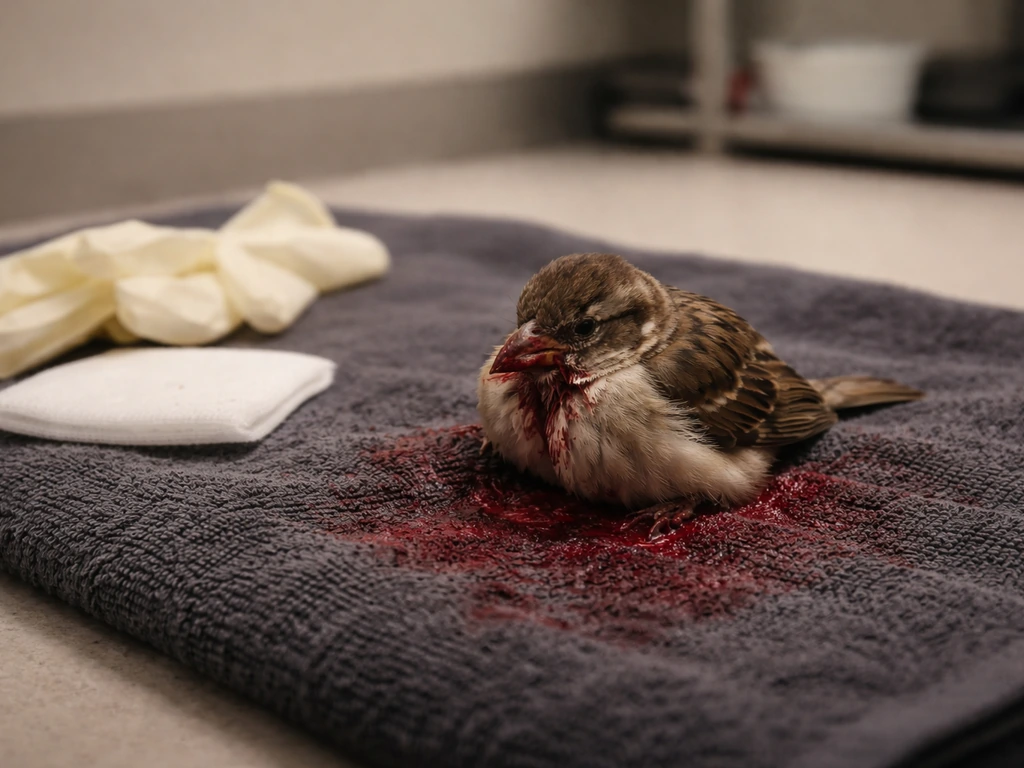
Some bleeding situations go beyond what first aid at home can handle. Go straight to an avian vet or emergency animal hospital if you see any of the following:
- Bleeding that is pulsating or spurting, which suggests arterial involvement
- Bleeding that does not slow or stop after 10 minutes of firm direct pressure
- Bone visible through the wound or an obviously broken wing hanging at an abnormal angle
- The bird is unresponsive, limp, or does not react to gentle handling
- The bird is sitting on the cage floor, eyes half-closed, feathers puffed, and not moving (signs of shock)
- Bleeding from the beak combined with labored or noisy breathing
- Any bleeding from the vent area
- The bird has been in the mouth of a cat or dog, even if wounds appear minor
- Blood on the bird but no obvious wound you can locate (internal bleeding is possible)
Birds hide illness and injury instinctively, which means by the time they look obviously sick they are often already in serious trouble. Trust your gut. If something feels wrong beyond just the bleeding, treat it as urgent. It is always better to make an unnecessary vet trip than to wait too long.
Aftercare and next steps: monitoring, transport, and locating avian help
Setting up a safe space while you get help
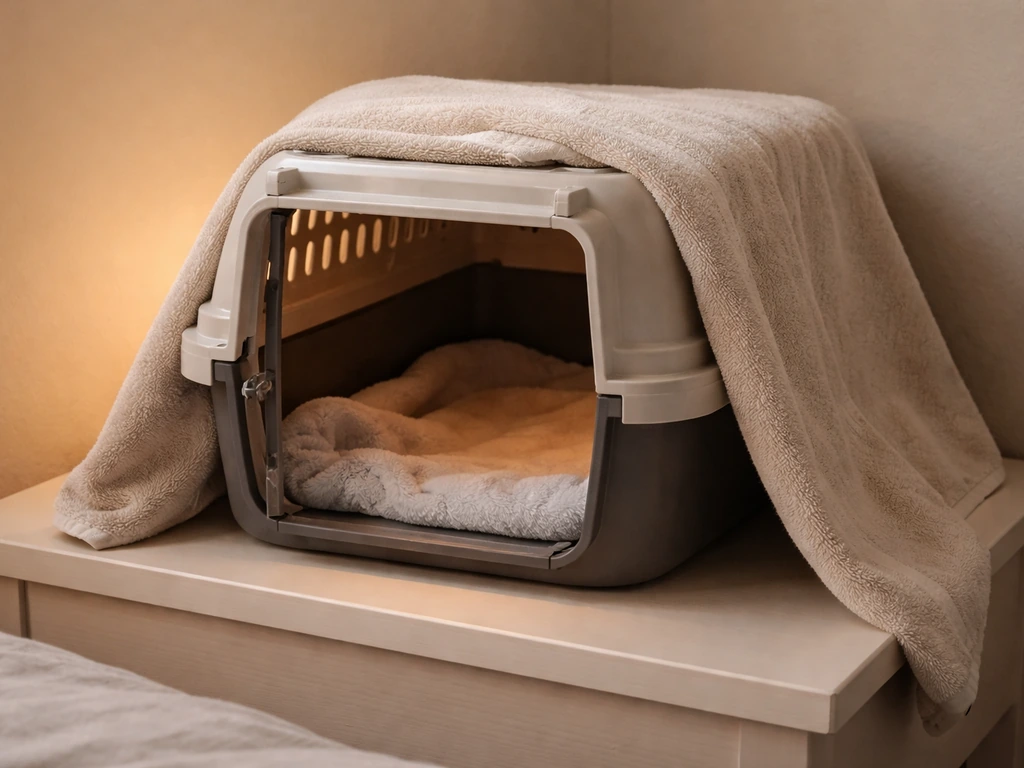
Once bleeding has slowed or stopped, place the bird in a small, clean box or carrier lined with a soft cloth. Keep the space warm: the target temperature is around 85°F (about 29°C). A heating pad set to low placed under half the carrier works, as long as the bird can move away from the heat if needed. Keep the environment dark and quiet. Do not offer food or water right now, especially if the bird is going to see a vet, because a stressed or injured bird can aspirate liquids, and a vet may need the bird to be stable before eating.
Transporting to the vet
Use the smallest carrier that safely contains the bird without letting it bang around. Drape a light cloth over the carrier to keep it dark. Keep the car warm, minimize loud music and sharp turns, and talk quietly if at all. Stress causes birds to deteriorate faster than the injury itself in some cases, so keeping the environment calm is genuine medical care, not just a comfort measure.
Monitoring at home if the bleed was minor
If the bleeding stopped quickly, the wound appears shallow, the bird is alert, eating, and behaving normally, you may be able to monitor at home for the next 24 hours. Check the wound every few hours for renewed bleeding, swelling, or discharge. Watch for any change in behavior: reduced appetite, fluffed feathers, sitting on the cage floor, or unusual quietness. If you notice feather loss or new bald patches, that can be a sign of skin irritation, bleeding, or ongoing stress, so it is important to get guidance on how to treat bird feather loss. Any of those changes warrant a vet call. Even if the bird seems fine, calling your avian vet to describe what happened is a smart move. The CDC also advises routine veterinary care for pet birds and notes that pet birds’ beaks can cause injuries if they bite or attempt to bite when handled blank" rel="noopener noreferrer">calling your avian vet. If you suspect poisoning, it can be time-sensitive, so use your avian vet call to ask specifically how to treat a poisoned bird and what to watch for next. They can tell you whether an in-person check is needed based on the specific situation.
Finding avian help near you
For pet birds, search for an avian-certified veterinarian rather than a general small-animal vet. Not all general vets have bird experience, and the difference in care quality can be significant. The Association of Avian Veterinarians (AAV) has a vet finder on their website. For wild birds, contact your state or provincial wildlife agency for a list of licensed rehabilitators in your area. Tufts Wildlife Clinic (508-839-7918) can provide phone guidance if you are unsure what to do. Audubon Society local chapters are also a practical first call for wild bird emergencies.
Finally, once the immediate crisis is resolved, it is worth building a basic avian first-aid kit so you are prepared next time. Styptic powder, sterile gauze pads, a small flashlight, a soft towel, and the phone number of your nearest avian vet are the core items. Nail bleeding, broken blood feathers, and minor cuts are common enough in pet birds that having these supplies on hand can make the difference between a five-minute fix and a panicked scramble.
FAQ
What if the bleeding stops after I apply pressure, can I just monitor at home?
Yes, it can be serious even if the bleeding seems to stop, especially with puncture wounds. The clot can form at the surface while bacteria or internal injury progresses, and birds can worsen quickly. If the cause involved a cat or dog mouth, or if you suspect a bite, trauma, or anything under a wing is hard to see, call an avian vet the same day even when bleeding pauses.
Should I rinse the wound or clean it before stopping the bleeding?
Remove the bird from the area first, then do not chase, shake, or rinse the wound. Use calm, gentle containment and keep the towel wrap in place while you manage the injury. If you must clean visible blood, wipe only the surrounding feathers or skin with a dry, clean gauze pad, and avoid getting water or cleaners into a puncture or deeper wound.
What if the blood soaks through the gauze again, do I reapply or switch to styptic powder?
If you can feel or see that the bird is leaking continuously, or it re-bleeds as soon as you release pressure, treat it as active bleeding and repeat direct pressure. If it has not clearly slowed after five minutes of firm pressure, use styptic powder (for surface/nail-type bleeding) and continue pressure for about a minute. If it keeps soaking through layers or keeps restarting, switch to urgent vet care rather than repeated home attempts.
My bird was scratched or bitten but the cut looks small, what should I do differently?
For a suspected bite or puncture, avoid ointments and do not put styptic powder into deep tissue or body openings. Instead, focus on gentle immobilization plus firm, direct pressure on the visible external site, and plan on an avian vet visit same day. Punctures often look small but can become infected quickly.
What if bleeding is on feathers and the feathers are clumped or coming out?
Do not clip or remove feathers around a wound unless a veterinarian tells you to, because it can worsen trauma and stress. If feathers are stuck to blood, you can carefully support them with a dry gauze wipe around the area, then continue covering with a clean gauze pad and towel wrap. If feathers are actively coming out or there is a patch of missing feathers, get avian guidance promptly.
Can I give my bleeding bird water or food right now?
Do not give food or water while the bird is still bleeding or in active distress, especially if it may need to travel to a vet. Aspiration risk is real in stressed birds, and some medications or procedures at the clinic may require an empty crop. Once a vet advises otherwise and the bird is calm and stable, follow their feeding instructions.
How should I prepare the carrier or transport if I need to go to an avian vet?
If you have to transport, use the smallest safe carrier and keep the bird warm and quiet, around 85°F (29°C) as a target. A low heating pad can go under half the carrier, but make sure the bird can move away from heat. Do not put the bird in a loose open box where it can bang the wound, and avoid loud driving conditions.
What symptoms mean this is more than minor bleeding and I should treat it as an emergency?
If the bird is weak, very quiet, breathing with effort, has pale gums, or blood is coming from the beak or you cannot identify the source clearly, do not delay. Those can be signs of internal injury or significant blood loss. Choose emergency care immediately rather than trying additional first-aid steps at home.
How long do I keep my bird quiet after stopping a nail or toenail bleed?
Use styptic powder cautiously on toenails and nails, but avoid getting it onto surrounding skin. After bleeding stops, keep the bird on a clean surface for an hour or two so it does not pick at the clot. If you see heavy bleeding that does not slow with firm pressure and styptic powder, or if the nail looks partially torn, get avian help urgently.
If I find blood on the cage or feathers but I cannot see a fresh wound, what should I check for?
The critical point is whether the wound is actively producing blood. Blood on cage bars or feathers can be old, but it still deserves monitoring. Check the bird for a specific source, and watch for renewed oozing, swelling, changed posture, or reduced activity. If you cannot find the source, or behavior changes, call an avian vet for direction.
Next Article
Can a Bird Live With One Wing? Survival and First Aid
Can a bird live with one wing? Injury outcomes and step-by-step first aid, plus when to get urgent help.