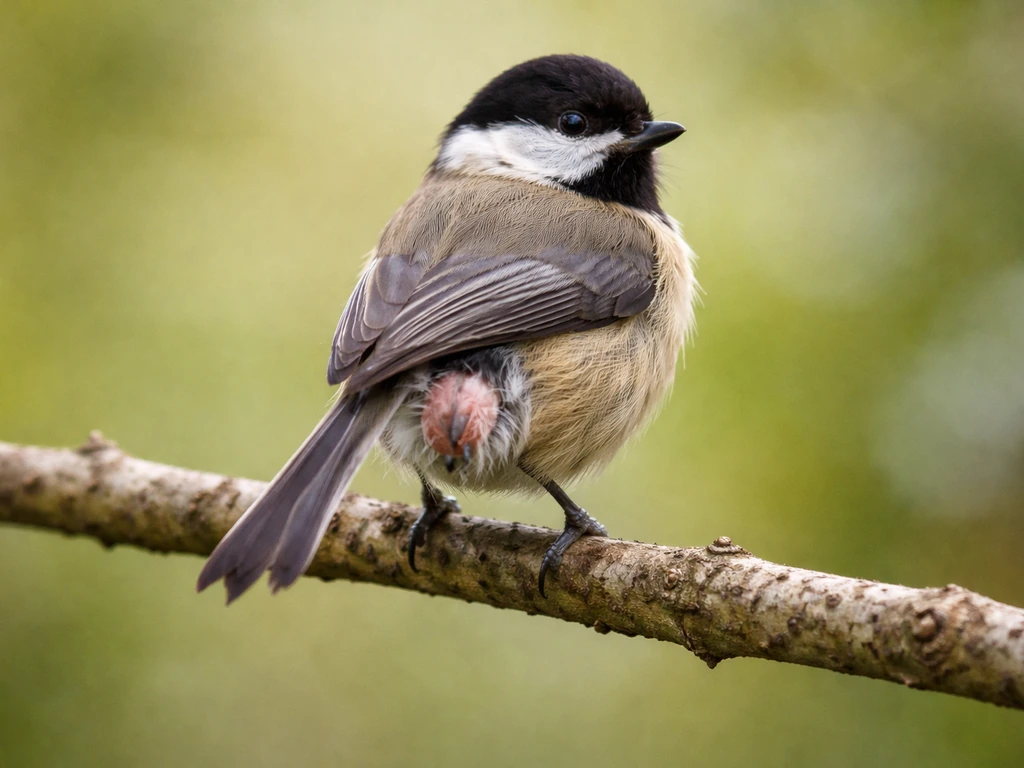
Losing a feather during normal molt does not hurt a bird. Most of the time, feathers fall out cleanly and the bird barely notices. But there is one important exception: if the feather is still growing (called a blood feather or pin feather), it has an active blood supply running through the shaft, and damaging or pulling it can absolutely cause pain and bleeding. So the honest answer is: it depends entirely on whether the feather was ready to come out or not, and what caused it to come off in the first place.
Does It Hurt When a Bird Loses a Feather? What to Do
Marcus Chen
21 May 2026
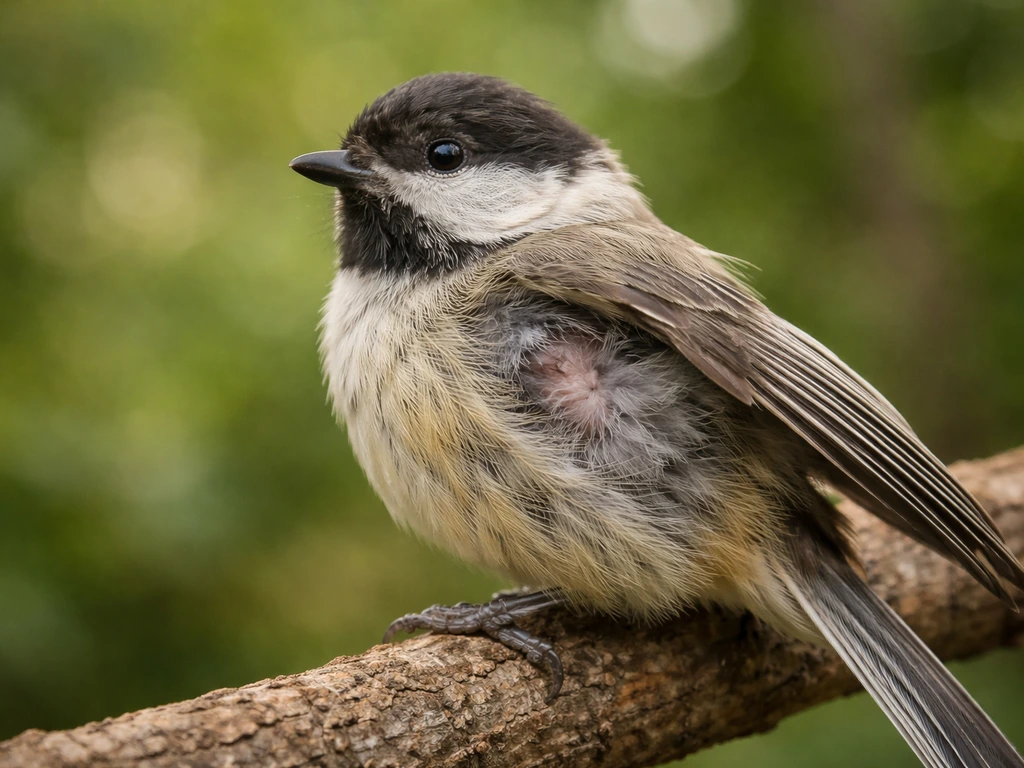
Does losing a feather always mean pain?
No, not always. A mature feather that has finished growing is a dead structure, similar to a human fingernail. When it detaches naturally during molt, the follicle simply releases it and there is no nerve signal involved. The bird goes about its day as if nothing happened.
The situation changes with blood feathers. These are feathers that are actively growing in, and you can usually spot them as dark, waxy-looking quills emerging from the skin. The dark color comes from the blood vessel inside. If a blood feather is broken, yanked, or severely bent, it bleeds and causes real pain to the bird. This is a genuine first-aid situation that needs calm, careful attention, and in many cases a call to an avian vet or wildlife rehabilitator.
Even when a mature feather comes off without pain, the reason it came off still matters. Feathers knocked loose by a window collision, pulled out during a cat attack, or lost because of a skin infection all point to an underlying problem that may need attention regardless of whether the bird felt the feather leave.
Natural feather loss vs injury-related feather loss
Normal molting is orderly and symmetrical. Birds replace feathers gradually, usually starting after breeding season, and the pattern is balanced on both sides of the body. If a bird drops a tail feather on the left, it typically drops the matching one on the right soon after. The skin underneath looks clean, smooth, and maybe has a few small pin feathers beginning to push through.
Injury-related or stress-related feather loss looks different. It tends to be patchy, asymmetrical, or concentrated in one area. You might see ragged edges on remaining feathers, bare skin that looks irritated or inflamed, feathers chewed off at different lengths, or blood in or around the follicle. These are the patterns the Merck Veterinary Manual flags as abnormal and worth investigating.
Here are the most common causes of injury-related feather loss that bring people to this site:
- Window collisions: impact can dislodge feathers and leave the bird in shock even when the body looks intact
- Cat or dog attacks: bites and scratches pull feathers out and puncture skin; cat saliva in particular can cause life-threatening bacterial infection even when the wound looks minor
- Barbering by other birds: cagemates or aviary companions chew feathers off, often at irregular lengths, which can progress to open sores
- Entanglement: string, wire, or netting can rip feathers and injure the wing or leg in the process
- Parasites, mites, or skin infection: chronic irritation causes a bird to over-preen or self-pluck, which can escalate from mild balding to self-mutilation
- Rough handling by people: grabbing a bird too tightly or pulling at it can strip feathers and crack blood feathers
Feather loss linked to systemic illness, toxin exposure, or malnutrition is also real, though these cases tend to develop slowly and come with other signs like weight loss or behavioral changes rather than sudden dramatic feather loss.
Quick at-home check: what to look for on skin, wings, and behavior
Keep handling to an absolute minimum. Every second you hold a stressed or injured bird increases its risk of going into shock. Do your visual check first, and only handle the bird if you genuinely need to contain it for safety.
What to look at on the skin and feathers
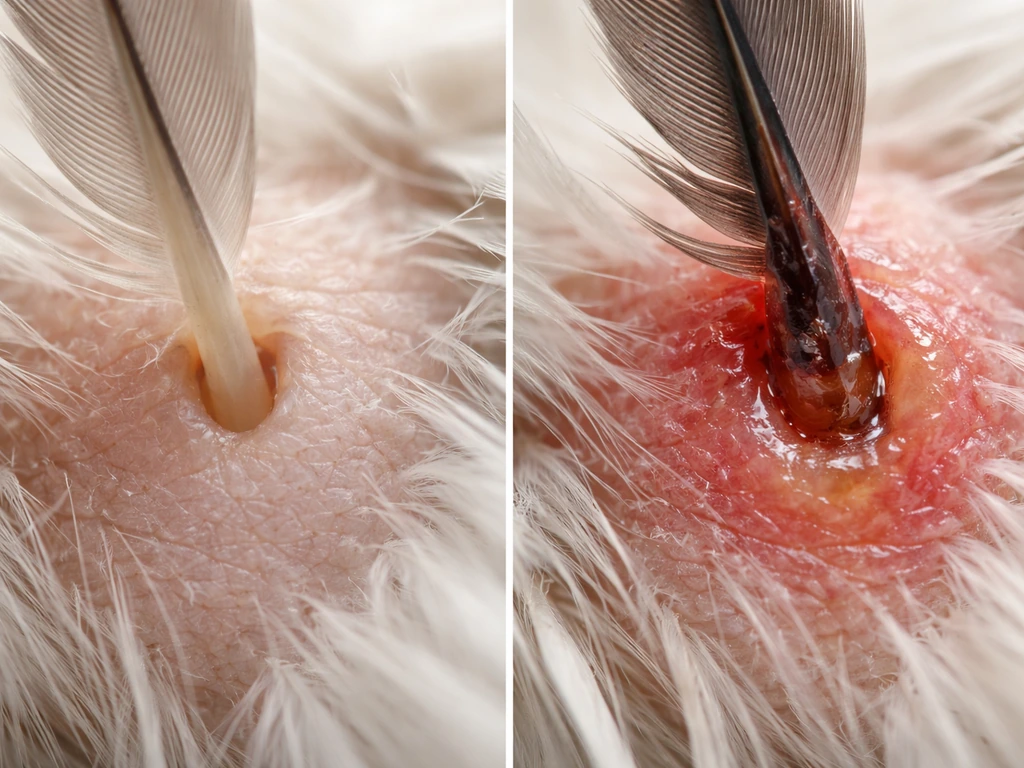
- Bare skin: is it clean and pale, or red, swollen, broken, or oozing?
- Blood feathers: look for dark, waxy quills at the base of bare patches; if one is bent or broken and bleeding, that needs prompt attention
- Feather edges: are nearby feathers intact, or do they look chewed, frayed, or snapped at irregular lengths?
- Wounds under feathers: gently part nearby feathers with a finger if you suspect a bite or scratch; puncture wounds can be completely hidden by surrounding plumage
- Matting: feathers that are clumped, sticky, or matted together often signal dried blood or fluid underneath
What to look at on the wings, legs, and posture
- Wing droop: one wing hanging lower than the other almost always means injury on that side
- Asymmetrical tail: if tail feathers are missing on one side only, look for impact or entanglement as a cause
- Limping or inability to grip: leg injury often accompanies feather loss from falls, collisions, or pet attacks
- Posture: a bird sitting fluffed up, hunched, or unable to hold its head upright is showing pain or shock signals
Behavioral warning signs
- Lethargy or unresponsiveness: a bird that does not try to flee when you approach is not tame, it is sick or in shock
- Open-mouth breathing: this signals extreme stress, respiratory distress, or overheating
- Trembling or shaking: a sign of shock, pain, or severe cold
- Eyes closed or half-closed during the day: birds almost never close their eyes when people are nearby unless they are very unwell
Immediate first-aid steps to reduce stress and prevent worsening
Your main job right now is to stabilize the bird, not to treat it. If you suspect the bird was poisoned, focus on keeping it calm and warm, avoid giving any home remedies, and contact an avian vet or wildlife rehabilitator for guidance on how to treat a poisoned bird keep it calm and warm. Most of the harm that happens to injured birds at the hands of well-meaning people comes from doing too much. Here is what to actually do:
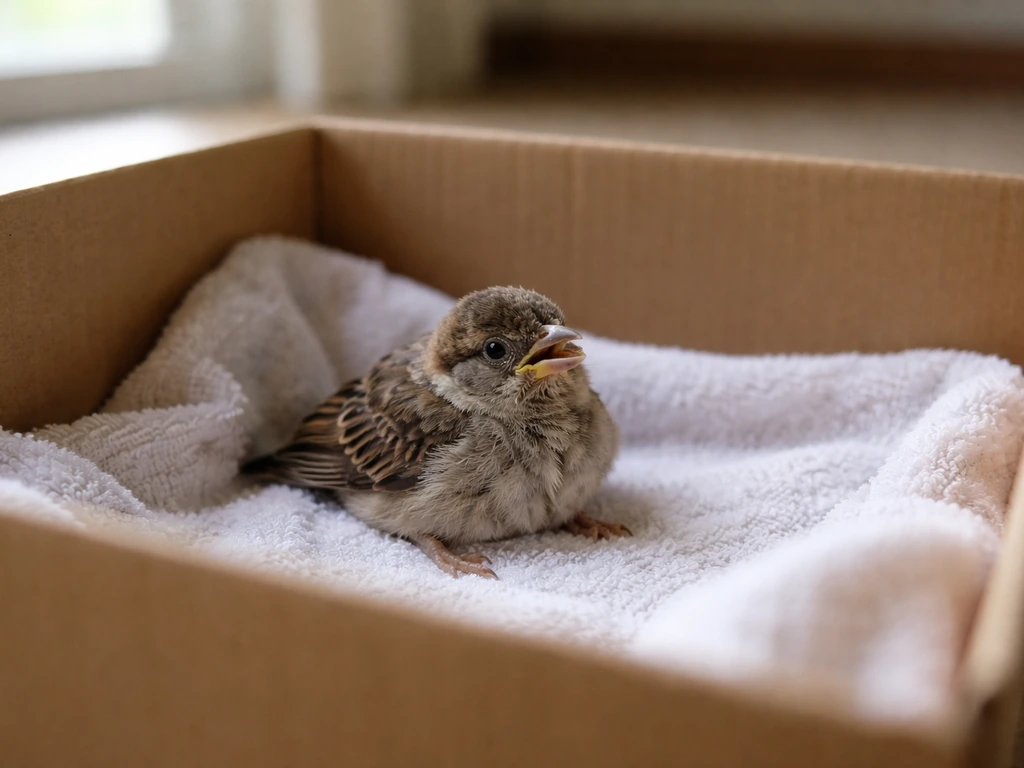
- Contain the bird calmly: place a light cloth over it first to reduce its visual stimulation, then gently scoop it into a cardboard box lined with a soft cloth or paper towels. A shoebox with air holes works well for small birds.
- Keep it warm and dark: put the box somewhere quiet, away from pets, children, and loud noise. If the bird feels cold to the touch, you can place the box half on top of a heating pad set to low, so the bird can move away from the heat if needed.
- Do not give food or water: this is consistent guidance from every major wildlife care organization. Giving water to a bird in shock can cause aspiration; giving the wrong food can make things worse. Wait until a professional advises you.
- Do not keep it outside: exposure to weather, predators, and additional stress can kill an already weakened bird quickly.
- Minimize peeking and noise: every time you open the box to check on it, you reset its stress level. Check once, then leave it alone while you arrange help.
- Protect yourself: use gloves or a cloth barrier if handling. Even small birds can bite and scratch, and as the CDC notes, germs can spread from bird bites and scratches even when they look minor.
If you can see an actively bleeding blood feather, do not try to pull it out unless you have been specifically instructed by an avian vet. Applying gentle pressure with a clean cloth for a minute or two is the safest at-home step. Pulling a blood feather incorrectly can tear the follicle and make bleeding worse. Handling a blood feather injury is something worth reading about in more depth before acting. If the feather injury is a bird bite, focus on stopping bleeding, minimizing handling, and getting avian-vet guidance for possible infection risk. If your bird is actively bleeding, the quickest next step is to follow the same first-aid guidance for what to do when a bird is bleeding, then contact an avian vet or wildlife rehabilitator what do i do if my bird is bleeding. If you are wondering how do you treat bird feather loss, start by identifying whether the loss is normal molting or injury- or illness-related, then take the safest first-aid steps based on what you see. If you suspect you are dealing with a blood feather, act carefully and follow the at-home steps for bleeding pin feathers.
When to call a wildlife rescue or avian vet

When in doubt, call. A five-minute phone conversation with a wildlife rehabilitator costs you nothing and could save the bird. That said, here is a clear decision framework:
| Situation | What to do |
|---|---|
| Bird is alert, feathers look symmetrical, skin is clean, and it is actively trying to escape | Monitor briefly from a distance; this may be normal molt or a minor fright response |
| Feather loss is patchy, asymmetrical, or the skin looks red, bare, or irritated | Contact an avian vet or wildlife rehabilitator for guidance |
| Any blood feather is broken or actively bleeding | Call an avian vet promptly; do not attempt to pull it without professional instruction |
| Bird was in contact with a cat or dog, even briefly | Call for help immediately; cat saliva bacteria can be fatal within 24-48 hours even with no visible wound |
| Bird hit a window and has feather loss along with signs of shock (lethargy, open-mouth breathing, trembling) | Stabilize in a dark, warm box and contact a wildlife rehabilitator right away |
| Bird has a wing droop, cannot stand, or is unresponsive | This is an emergency; contact a wildlife rehabilitator or avian vet immediately |
| Feather loss is accompanied by balding patches in a pet bird over days or weeks | Schedule an avian vet appointment; this may be feather destructive behavior with a medical cause |
You can find licensed wildlife rehabilitators through your state or provincial wildlife agency, the National Wildlife Rehabilitators Association directory, or by calling a local animal shelter or humane society who can refer you. The CDC recommends contacting a wildlife rehabilitator or your state wildlife office for any badly injured or very sick wild bird.
What not to do and common mistakes people make
These are the mistakes I see most often, and they are all made with good intentions:
- Pulling out remaining loose feathers: even a feather that looks like it is barely attached may be a blood feather. Pulling it without knowing what you are dealing with can cause serious bleeding and pain.
- Trimming feathers at home: do not attempt to trim or clip feathers to 'tidy up' after an injury. You risk cutting blood feathers and making things significantly worse.
- Applying ointments, oils, or hydrogen peroxide: these can damage feather structure, clog the bird's skin pores, or be toxic if the bird preens and ingests them. Use nothing on the feathers or skin unless an avian vet specifically tells you to.
- Giving food or water before getting professional advice: this comes up repeatedly in wildlife care guidance and it is important. Skip it until a professional weighs in.
- Bathing the bird: do not attempt to wash or bathe an injured bird. It causes thermal stress and strips natural oils from feathers that the bird needs for insulation.
- Keeping the bird outdoors or near pets: even a 'safe' outdoor spot exposes a weakened bird to predators, weather, and additional stress. A dog or cat in the same room, even behind a door, elevates a bird's stress hormones significantly.
- Waiting too long because the feather loss 'doesn't look that bad': feather loss after a cat bite may look trivial on the surface while a serious infection is already developing underneath. When in doubt, make the call.
Special scenarios: window collisions, pet injuries, and found-bird handling
Window collisions
A bird that has just hit a window may leave a feather smear on the glass and be sitting dazed on the ground nearby. The feather loss itself is not the main concern here. The bigger risk is internal injury and shock, which can be invisible from the outside. If the bird is sitting still and not fleeing, that is a shock response, not a sign it is calm. Put it in a dark, warm box, give it 30 to 60 minutes of quiet rest, and then reassess. WildlifeWelfare.org similarly advises putting the animal or box in a semi-dark, quiet location and warming it appropriately if it is chilled, and not giving food or water Put it in a dark, warm box. If it does not fly off strongly when you open the box outdoors, contact a wildlife rehabilitator. Do not assume a collision was minor just because the bird is still breathing.
Cat or dog attacks
This is the scenario where I always say: call for help immediately, full stop. Cat and dog saliva contain bacteria that can cause fatal infections in birds, and the timeline is fast. A bird that looks fine after a pet attack can deteriorate within 24 to 48 hours without antibiotic treatment. The feather loss you can see is just the most visible sign of what may be a much more serious wound underneath. Even a brief contact, a swat from a paw or a gentle mouth grip, is enough to introduce bacteria through the skin. Get the bird to an avian vet or wildlife rehabilitator the same day.
Finding a bird with missing feathers and no clear cause
Sometimes you find a bird on the ground with patchy feathers and no obvious explanation. Your first job is to assess whether it is a fledgling (young bird with some fluffy down mixed with new feathers, which is completely normal) or an adult with abnormal feather loss. Fledglings on the ground are often just learning to fly and do not need rescuing unless they are visibly injured or a cat is nearby. An adult with asymmetrical bald patches, irritated skin, or behavioral signs of distress is a different situation and warrants a call to a rehabilitator.
Pet birds with sudden or progressive feather loss
If your own pet bird is losing feathers, the approach shifts slightly. Sudden loss in a single area after rough handling or a scare may resolve on its own if the skin looks clean and the bird is behaving normally. But progressive balding, feathers chewed to uneven lengths, skin that looks red or inflamed, or any change in mood or appetite all point to a veterinary evaluation. Feather destructive behavior in pet birds can stem from medical causes including skin infections, systemic illness, parasites, toxin exposure, or malnutrition, and it can progress from mild over-preening to self-injury if left unaddressed. PetMD also notes that blank" rel="noopener noreferrer">feather destructive behavior like barbering or picking by other birds in cage or aviary situations can lead to pain and infections if it is not treated. An avian vet is the right call, not a wait-and-see approach once the pattern is clearly abnormal. You may also want to look at how feather loss is treated, and separately, what happens when a bird loses its tail feathers specifically, since tail feather loss has some unique considerations around flight and balance during recovery. Tail-feather loss is especially concerning because it can affect flight balance and how the bird recovers what happens when a bird loses its tail feathers specifically.
FAQ
How can I tell if the feather loss is normal molt versus something painful or urgent?
Normal molt loss is usually gradual, fairly symmetrical, and the skin looks smooth with only small new pin feathers starting. Urgent or painful situations often show patchy bald spots, ragged feather edges, visible irritation or redness, blood at a follicle, or a dark quill still emerging (blood or pin feather).
If I see a “blood” feather, should I wait for it to fall out on its own?
If the feather is actively bleeding or you suspect it is still attached and growing, do not pull it to “remove it faster.” The safer at-home step is gentle pressure with a clean cloth for a short period, then get avian vet or wildlife rehab guidance the same day, especially if bleeding continues.
Can a feather loss happen without blood, and still be an injury?
Yes. Some injuries cause feathers to loosen or break without obvious bleeding on the surface. That is why the cause matters, such as a window collision, a fall, or a pet bite, and why you should watch for shock signs (lethargy, failure to right itself, not flying strongly after warming).
What should I do if feathers are missing after a fright or rough handling by my hands?
Check the skin for redness, irritation, chewing damage, and whether feather shafts look unevenly broken. If the bird’s behavior, appetite, and breathing are normal and skin is clean, minor loss may settle, but if the pattern spreads or looks abnormal, switch to an avian vet plan rather than waiting.
Is it ever okay to touch the bird to “look at” the feather follicle?
Limit handling. Even short handling can increase stress, and touching a growing feather can worsen bleeding. Use a visual check first, only contain the bird if necessary for safety, and consult a vet or rehab if you see blood quills or inflamed skin.
How long should I wait after a window strike before assuming the feather issue is minor?
Do not judge by breathing or appearance alone. Put the bird in a dark, warm, quiet container for about 30 to 60 minutes, then reassess outdoors. If it cannot fly off strongly, contact a wildlife rehabilitator, because internal injury and shock are possible even when the feather loss looks “small.”
If my bird’s feathers look patchy, do I treat it like a feather problem or a skin/health problem?
Treat it as both a feather and a health issue. Patchy, asymmetrical loss can reflect parasites, infection, toxin exposure, or systemic illness. The key decision aid is pattern plus skin and behavior: redness, irritation, weight loss, or mood change means veterinary evaluation rather than home “feather repair.”
Do pet birds with over-preening need emergency care the same day?
Not always, but act faster if you see skin redness, open wounds, feathers broken to uneven lengths, a sudden change in appetite, or behavioral distress. Progressive chewing or self-injury that spreads over days is a strong reason to schedule an avian vet visit promptly, because medical causes are common.
What are the first signs of shock I should look for in a bird after feather loss?
Shock can look like unusual stillness, weak or unsteady movement, poor responsiveness, and not attempting to flee or perch normally. If the bird seems overly still or does not show expected strength after warming and quiet time, treat it as serious and contact a rehabilitator or avian vet.
Does tail-feather loss hurt differently than losing body feathers?
It can. Tail feathers affect balance and flight mechanics, so even if the feather itself came out without bleeding, recovery may be impaired. If tail loss is part of a larger abnormal pattern or occurred after trauma, prioritize rehab or avian vet guidance to prevent prolonged poor balance and falls.
Next Article
What Happens If a Bird Loses Its Tail Feathers
Learn why a bird’s tail feathers fall out, what to check, urgent signs, first aid, and when to call a vet or rescue.