
If you've found a bird that might be poisoned, your two immediate jobs are to contain it safely and get it to a professional as fast as possible. Do not try to feed it, wash it, or give it any medication. Put on gloves, place the bird gently in a ventilated box lined with a towel, keep it warm and dark and quiet, and call a wildlife rehabilitator or avian vet right now. That's the core of it. Everything below helps you do those steps correctly and tell the right story to the people who can actually treat the bird.
How to Treat a Poisoned Bird: Step-by-Step First Aid
Marcus Chen
22 May 2026
What a poisoned bird actually looks like
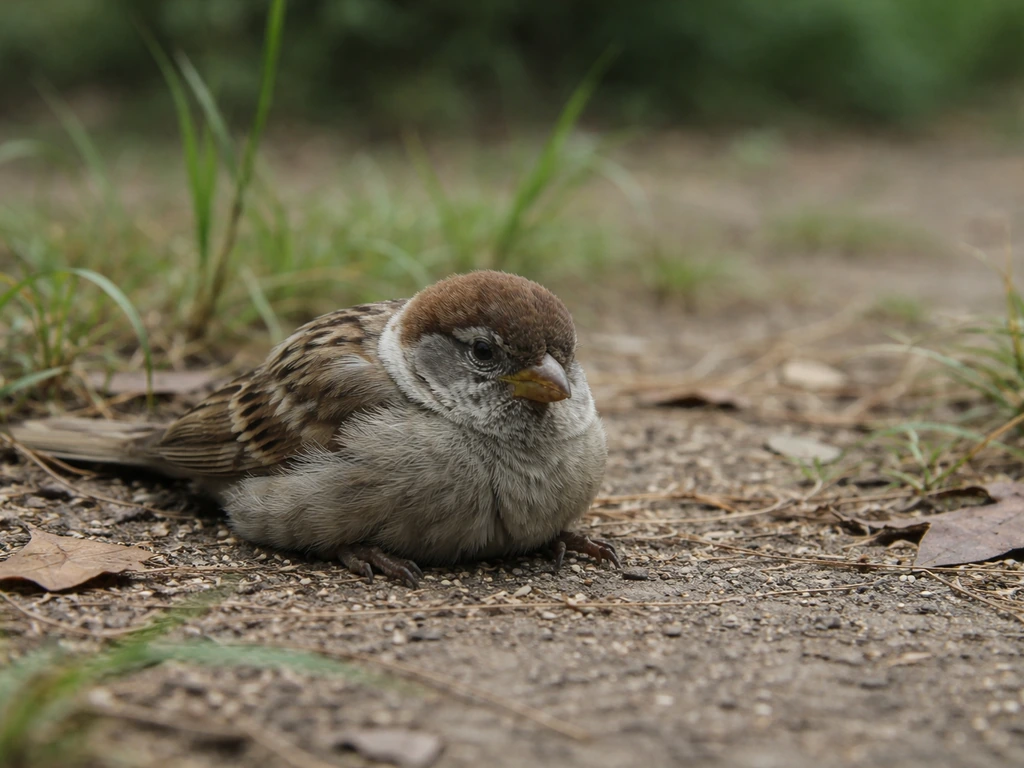
Poisoning doesn't always look dramatic at first. A bird might just seem "off", sitting on the ground when it shouldn't be, moving sluggishly, or not flying away when you approach. Those are already warning signs worth taking seriously. More obvious symptoms include seizures or muscle tremors, loss of coordination (stumbling, falling over), labored or open-mouthed breathing, bleeding from the nostrils, mouth, or vent, blood in droppings, and an inability to stand. A bird that's vomiting, limp, or unresponsive is in serious trouble.
One thing that catches people off guard with rodenticide poisoning specifically: the worst signs often don't show up until 3 to 5 days after the bird ate the bait. So a bird that looks only mildly unwell today might be bleeding internally and declining fast by tomorrow. Don't wait for things to get worse before acting.
Common poisoning sources in the real world
- Anticoagulant rodenticides (rat and mouse poisons containing brodifacoum, bromadiolone, diphacinone, or warfarin): birds of prey and scavengers are especially vulnerable because they eat rodents that have already ingested the bait — this is called secondary poisoning
- Non-anticoagulant rodenticides like bromethalin: cause rapid neurological symptoms including tremors, hindlimb paralysis, and seizures
- Pesticides and insecticides: birds can ingest treated insects or contaminated seeds
- Oil and chemical spills: toxic when ingested during preening; can also cause aspiration pneumonia
- Contaminated water sources or food: heavy metals, algae toxins, or chemicals in standing water
- Bait stations in gardens, parks, or farmland: both direct ingestion and secondary poisoning are real risks
First aid right now: stabilize and contain
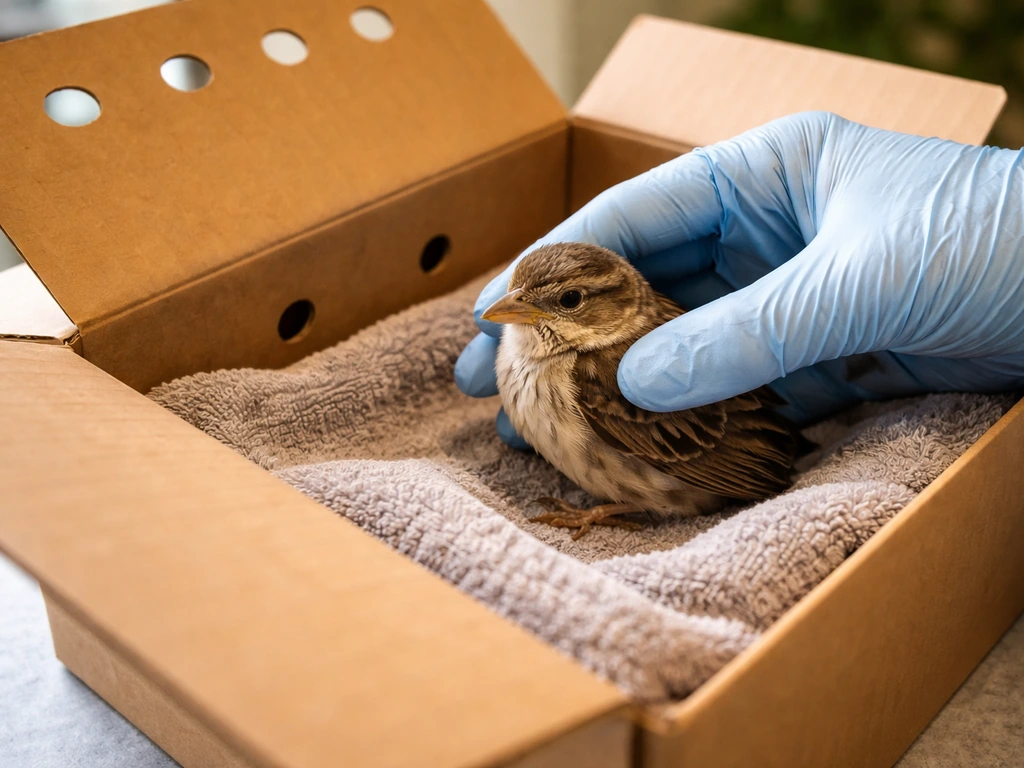
Your goal at this stage is not to treat the bird. If you’re dealing with a blood feather, you should still keep the bird contained and contact an avian vet or wildlife rehabilitator as soon as possible for guidance on safe first aid. It's to stop the situation from getting worse and get the bird into professional hands as quickly as possible. Here's how to do that safely.
- Protect yourself first: put on thick gloves before touching the bird. If the bird has visible residue, oil, or an unknown substance on its feathers, avoid touching those areas with bare skin. Some toxins can transfer to humans.
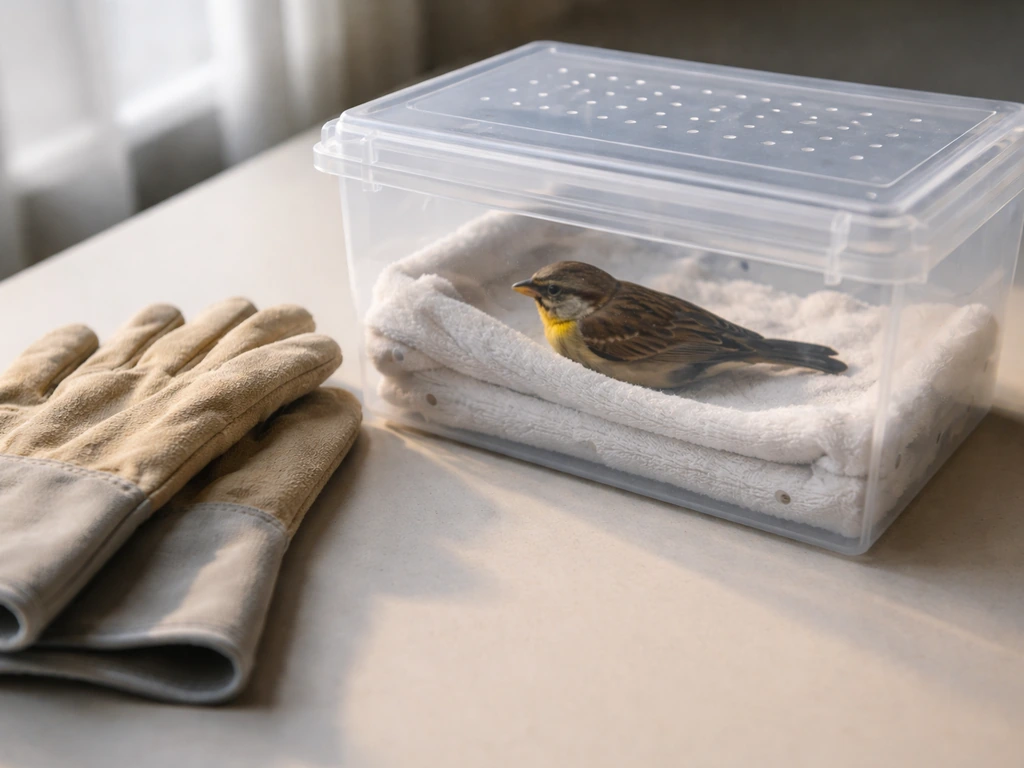
- Prepare a container: find a cardboard box or plastic bin with ventilation holes punched in the sides. Line the bottom with a folded towel or paper towels. The box should be big enough for the bird to sit upright but not so large it can thrash around.
- Pick the bird up carefully: approach from behind, cover it with a light towel to keep it calm, tuck the wings gently against its body, and lower it into the box. Keep your face away from the beak and talons.
- Add warmth: fill a water bottle or a zip-lock bag with warm (not hot) water, wrap it in a towel, and place it against one side of the box — not under the bird directly. Aim for a temperature around 80 to 90°F inside the container. Do not overheat.
- Close the box and put it somewhere dark, quiet, and away from children, dogs, cats, and foot traffic. A bathroom or quiet bedroom works. A car backseat with the heater on low works for transport.
- Call for help immediately: don't wait until morning if you can avoid it.
What not to do (this part really matters)
I know it feels wrong to just put the bird in a box and do nothing else. But several well-meaning actions can make things significantly worse. Here's what to avoid.
- Do not give food or water: a seriously ill bird cannot swallow safely and may aspirate. Feeding the wrong thing can also interfere with treatment.
- Do not try to induce vomiting: this is dangerous in birds and can cause further injury.
- Do not give any medication, home remedy, or supplement: no vitamins, no charcoal, no human medicines. None of these are safe without a vet's guidance.
- Do not attempt to decontaminate a seriously ill bird yourself: if the bird is in distress, do not try to wash off chemicals or residue. A bird that's seizing or barely conscious cannot tolerate being bathed. The ASPCA's guidance is clear: do not remove toxicants from feathers if the bird is seriously ill — leave that to the professionals.
- Do not let it roam loose indoors: an apparently calm bird can injure itself suddenly. Keep it contained.
- Do not leave it outside unattended: a debilitated bird is prey.
The one exception to the decontamination rule is if you're dealing with a lightly oiled bird that is otherwise alert and stable, and you are confident the bird is not in immediate distress. APCC clinician guidance also includes a warning not to remove toxicants from feathers if the bird is seriously ill blank" rel="noopener noreferrer">do not remove toxicants from feathers if the bird is seriously ill. In that specific case, gently wiping oil from the nostrils and mouth with a cotton swab and rinsing the eyes with warm sterile saline is appropriate while you wait. For feather cleaning, professionals use mild dish soap (like Dawn) with warm water and multiple rinses, but only when the bird is stable enough to tolerate it.
Call for help immediately if you see any of these signs
Some symptoms mean the clock is ticking fast. If the bird is showing any of the following, treat this as an emergency and call while you're still getting the box ready.
- Seizures or uncontrolled muscle tremors
- Open-mouthed breathing or gasping continuously
- Bleeding from the nostrils, mouth, vent, or any wound
- Blood in the droppings or visible bruising under the skin
- Complete inability to stand or hold its head up
- Unresponsive or barely conscious
- Suspected exposure to a fast-acting toxin like bromethalin (rat poison that causes rapid neurological collapse)
For any suspected poisoning in a companion bird (a pet parrot, canary, or similar), call the ASPCA Animal Poison Control Center at (888) 426-4435, it's available 24/7. For wildlife, search for your nearest licensed wildlife rehabilitator or wildlife rescue center. The National Wildlife Rehabilitators Association and the Wildlife Rehabilitator Directory at wildlifehotline.net are useful starting points. When you call, tell them the species if you know it, what symptoms you're seeing, when you found the bird, and where.
If you know or suspect what the toxin is
Having even a rough idea of what the bird was exposed to is genuinely useful to the vet or rehabilitator. It can change what bloodwork they run, what antidote they consider, and how urgent the timeline is. Here's a quick breakdown by scenario.
| Suspected toxin | Key symptoms to watch for | What to tell the vet / bring with you |
|---|---|---|
| Anticoagulant rodenticide (brodifacoum, bromadiolone, warfarin, etc.) | May look fine for 3–5 days, then sudden bleeding, bruising, respiratory distress, blood in droppings, weakness | Name of the product if known, any bait stations in the area, whether it's a raptor or scavenger (secondary poisoning is common) |
| Bromethalin (non-anticoagulant rat poison) | Rapid onset: tremors, hindlimb weakness or paralysis, ataxia, seizures | Product name and label if possible; speed of treatment matters here — early decontamination by a vet is critical |
| Pesticide or insecticide | Seizures, excessive salivation, muscle tremors, labored breathing | Name of pesticide if visible; note whether the bird was near sprayed crops, lawns, or treated insects |
| Oil or chemical spill | Visible residue on feathers, respiratory distress, lethargy | Type of oil or substance if known; photos of the scene; whether other birds in the area are affected |
| Unknown source | Any of the above | Photos of the location, any dead insects/rodents nearby, proximity to bait stations or treated areas |
One important note about rodenticide cases specifically: there is currently no single blood test in birds that definitively confirms anticoagulant rodenticide as the cause. Vets rely heavily on the history you provide and the clinical signs they observe. That's why taking photos of the scene, picking up any bait packaging, and noting the location matters more than it might seem.
Transporting the bird safely
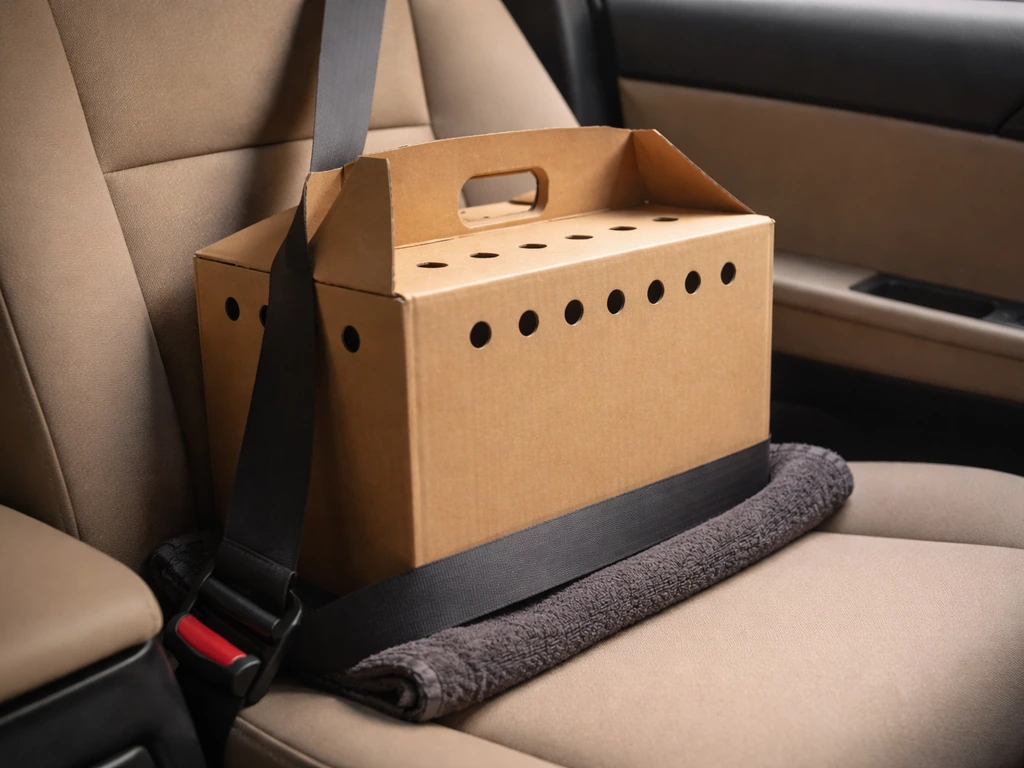
The box setup described above is also your transport setup. A few things to get right on the drive.
- Keep the box on a flat surface — the car floor or a seat with the box wedged so it won't slide
- Keep the car warm but not hot; somewhere around 75 to 85°F is reasonable
- Drive calmly; sudden stops and loud music add stress to an already compromised bird
- Do not open the box during transport to check on the bird
- Keep children and pets away from the box in the car
- If you handled a bird with obvious chemical residue, wash your hands and clothes before letting pets near you
If you genuinely cannot reach a rehabilitator until the next morning, keep the bird in its dark, ventilated box in a warm room overnight. Maintain the temperature, do not feed it, and contact help first thing in the morning. Ohio Wildlife Center's guidance is practical here: a secure, well-ventilated container in a warm, quiet, dark room is appropriate short-term holding when you have no other option.
What to bring and what to say when you get help
When you reach a vet or wildlife center, come prepared with as much information as possible. The more context you can give, the faster they can start appropriate treatment.
- The exact location where you found the bird (address or GPS coordinates)
- When you found it and what it was doing when you arrived
- Any packaging, labels, or photos of a suspected bait station, chemical product, or spill site
- Photos of the bird's symptoms or the surrounding area
- Whether you saw other affected birds, dead rodents, or evidence of pesticide application nearby
- What the bird species is, if you know it
- Any contact you've already made with poison control and what they advised
You don't need to have all of this to make the call. Call first, gather what you can while you're on the phone or on the way. A wildlife rehabilitator would rather hear from you before you have all the answers than after you've waited too long trying to figure it out yourself.
Keeping yourself and your household safe
A bird that has been poisoned, especially by a rodenticide or pesticide, may have residue on its feathers or in its system that poses a low but real risk to pets. If you also notice feathers missing or broken down, see how do you treat bird feather loss as an adjacent consideration while you keep the bird contained and professional care on the way. A bird losing its tail feathers can happen for different reasons, but it is still worth alerting a wildlife rehabilitator so they can assess what is going on. Keep dogs and cats completely away from the bird and the box. Wash any clothing that came into contact with the bird, and scrub your hands thoroughly after handling. If a pet has contact with the bird or its droppings, call your vet. This is also relevant if you're dealing with an oiled bird, petroleum residue on feathers can transfer and cause problems for animals that ingest it while grooming.
Poisoning cases are some of the more distressing rescues to deal with because you often can't do much visibly "helpful" in the moment. But keeping the bird contained, warm, calm, and in professional hands quickly genuinely saves lives. For holding and transport, Gibsons Wildlife Rehabilitation Centre prioritizes blank" rel="noopener noreferrer">warmth, darkness, and quiet, and suggests using a hot water bottle wrapped in a towel and secured so it does not roll. The most useful thing you can do is move fast, avoid interfering, and give rescuers the best information you can. If you are dealing with a bird bite, the safest approach is still to contain the bird and get professional medical or veterinary guidance right away move fast.
FAQ
Can I give the bird water, food, or activated charcoal while I wait for help?
No. Do not offer food, water, or any medication, including activated charcoal. In poisoned birds, swallowing can worsen respiratory distress or aspiration, and forcing anything into the beak can delay urgent stabilization and professional treatment.
Should I try to wash the bird if it looks dirty or covered in grime?
Avoid washing as a first step. Washing can spread residue, chill the bird, or increase the chance it inhales contaminated material. The right move is containment (warm, dark, ventilated) and a call to a rehabilitator or avian vet, unless the situation clearly matches the specific light oil scenario already mentioned.
What if the bird is covered in oil, but it is wobbling or not fully alert?
Only attempt the limited oil decontamination (nostrils and mouth wipe, eye rinse) if the bird is otherwise stable and not in immediate distress. If the bird is weak, breathing abnormally, unable to stand, or unresponsive, treat it as an emergency and skip wiping, keep it warm and dark, and call for guidance immediately.
Is it okay to handle the bird with bare hands if I do it carefully?
Use gloves. Even when you are not trying to “treat,” you can contaminate yourself and also transfer residue to pets or surfaces. Gloves also protect you if the bird is bleeding or has unknown chemicals on its skin or feathers.
How warm should the box be, and how do I avoid overheating?
Aim for warmth without cooking the bird. Use a safe heat source outside the container (for example, a heating pad under the box with a barrier), and check that the bird cannot contact the hot surface directly. If the bird seems panting or very hot, turn the heat down and prioritize getting professional help.
What should I do if I cannot tell whether it is poisoning versus illness, injury, or exposure?
Treat it as potentially poisoned if you see “off” behavior plus any red flags like tremors, seizures, bleeding, labored breathing, inability to stand, or sudden decline. Call anyway and describe the symptoms and timing, because the guidance for containment and urgency depends more on what you observe than on the final diagnosis.
What information should I gather before I make the call?
Collect the best timeline you can (when you found it, when it was last seen normal), the exact location, and any likely exposure clues such as rodent bait stations, spilled pesticides, or recently used lawn or pest treatments. If you can do so safely, photograph the scene and any bait packaging before cleanup.
If rodent bait poisoning can show up 3 to 5 days later, does that mean a bird with no symptoms yet is safe?
No. Mild or subtle symptoms today can escalate. If you suspect a bird ate or was exposed to bait, containment and professional consultation should happen immediately, even if the bird seems only slightly sluggish.
Do I need to keep it isolated from other animals only, or from people too?
Isolate from both people and pets. Keep household pets, especially dogs and cats, away from the bird and the box. Also limit handling by children or other adults to reduce exposure to residue and droppings.
What should I do with the bird’s box, towel, or bedding after transport?
Discard or bag it securely, or disinfect it if advised by professionals. Residue can remain in feathers or droppings, and pets can be exposed if they contact the box materials. If you reuse containers, wash thoroughly and let them dry completely before another animal is ever placed inside.
Should I bring the bird to the center alive, or is it better to wait for instructions first?
Usually bring it alive in the prepared dark, ventilated box, because that is part of the stabilization process. If you reach the center faster by calling first, do that while you get the container ready, then follow their transport instructions.
What if the bird bit or scratched me while I was trying to contain it?
Treat it as an additional safety issue. Contain the bird and seek medical or veterinary guidance for your own bite or scratch as soon as possible, and continue to contact the wildlife professional for the bird.