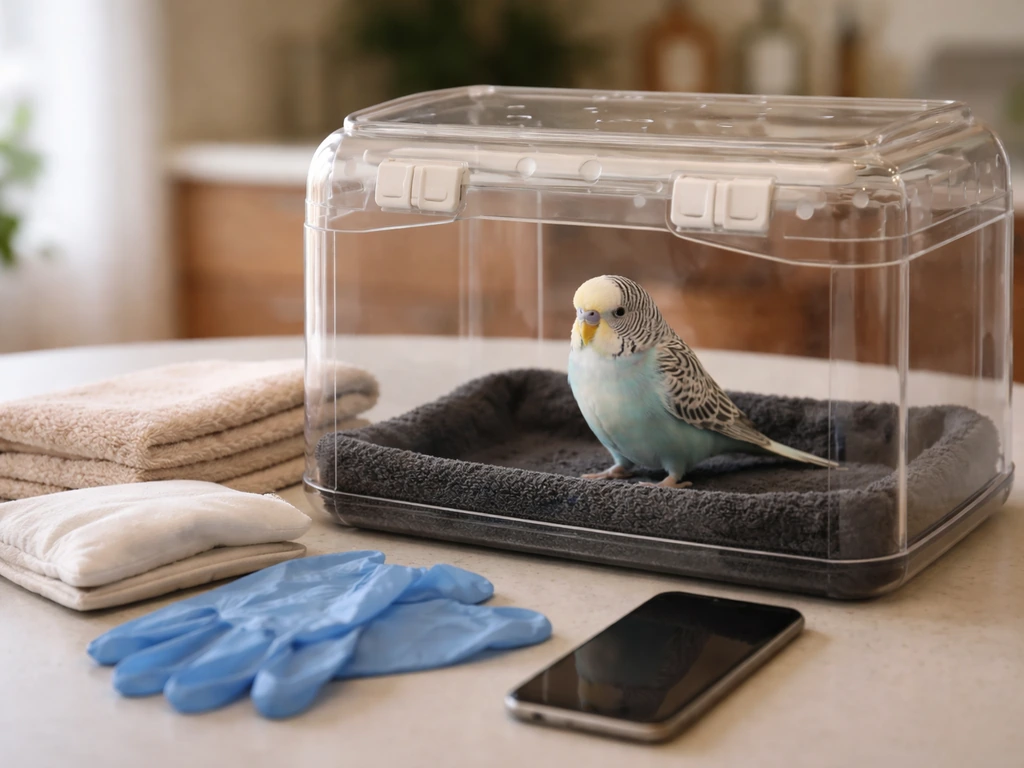
Put the bird in a small, dark, ventilated box, keep it warm and quiet, and get to an avian vet or wildlife rescue as quickly as you can. Call an avian vet or wildlife rehabilitator for guidance, and take the bird to the vet as soon as you can can i take an injured bird to the vet. That's the core of it. The details below will help you decide how urgent your situation is, handle the bird safely before and during transport, and know what to expect when you arrive.
How to Take a Bird to the Vet: Step by Step Guide
Marcus Chen
20 May 2026
When to get a bird to a vet immediately
Some situations can't wait. If you're looking at any of the following, stop reading and start moving. You can skim the transport section on the way.
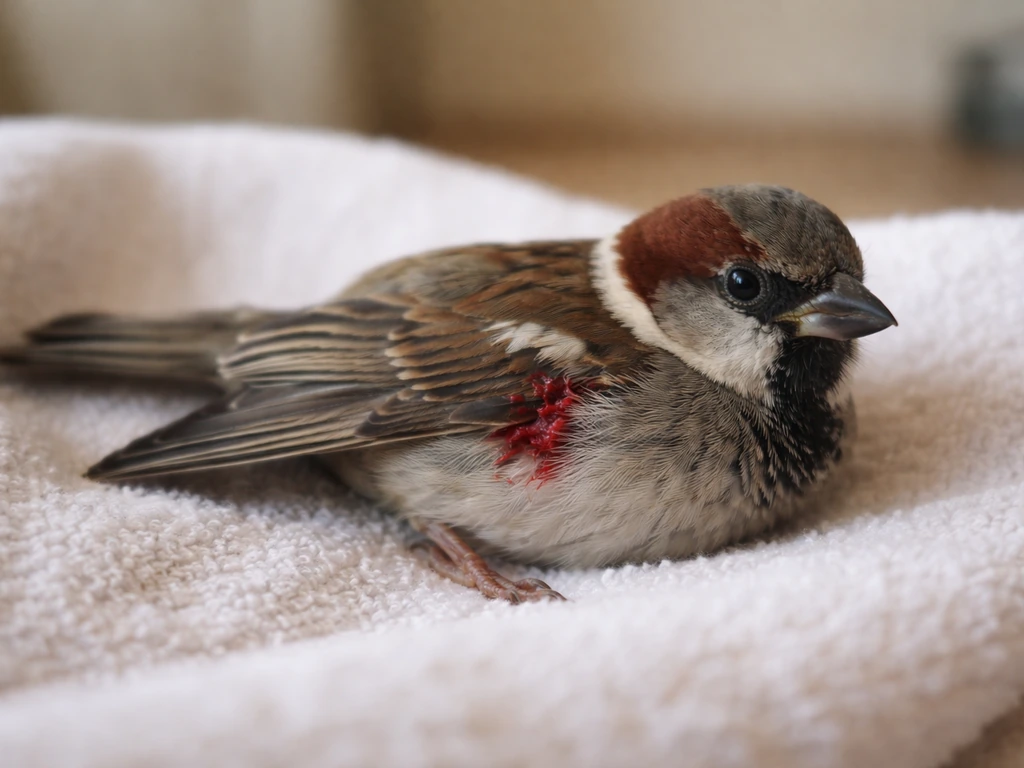
- Visible wounds or active bleeding that hasn't stopped on its own
- A wing or leg that looks clearly broken, bent at an odd angle, or is dragging
- The bird is unable to stand or hold its head up
- Rapid, labored, or open-mouthed breathing that has continued for two or more hours
- A cat or dog attack, even if you can't see obvious wounds (puncture wounds from claws and teeth carry serious infection risk and can be invisible under feathers)
- A window collision bird that is still unconscious or unresponsive after 30 minutes
- Seizures or trembling that doesn't stop
- A bird that is cold to the touch, limp, or barely responsive
The RSPCA flags active bleeding and fast breathing as two of the clearest signals that a bird needs professional help right away. For bleeding specifically, the Merck Veterinary Manual draws an important line: if bleeding has already stopped, leave it alone and don't disturb the clot. If it's still flowing, that's a veterinary emergency and every minute matters.
If the bird is alert, standing, and just seems a bit stunned (common after a window strike), it may recover on its own within an hour. Keep it contained in a quiet, dark box and reassess after 30 to 60 minutes. If it's not improving, treat it as urgent.
Quick first aid and safe handling before you leave
Before anything else, protect yourself. Even a small injured bird can bite and scratch hard, especially when frightened. Wear gloves if you have them. If not, use a light towel or cloth to pick the bird up. Wrap it loosely so its wings are held gently against its body, but don't squeeze. You want to control it, not crush it.
Do not give the bird food or water. This is one of the most common well-meaning mistakes people make. An injured or stressed bird may inhale water into its lungs, and forcing food on a bird that is in shock can cause serious harm. Tufts Wildlife Clinic and the Golden Gate Bird Alliance both specifically advise against it. The vet will handle nutrition if it's needed.
If there is active bleeding, you can apply very gentle pressure with a clean cloth or gauze for a minute or two. Don't dig around in the wound, don't apply antiseptic creams, and don't try to splint a broken limb yourself. You can cause more damage than you prevent. Your job right now is containment and transport, not treatment.
Keep the bird away from other pets, children, and loud noise. Stress alone can kill a bird that is already compromised. The calmer the environment from this point forward, the better its chances.
Choosing the right container and keeping the bird calm during transport
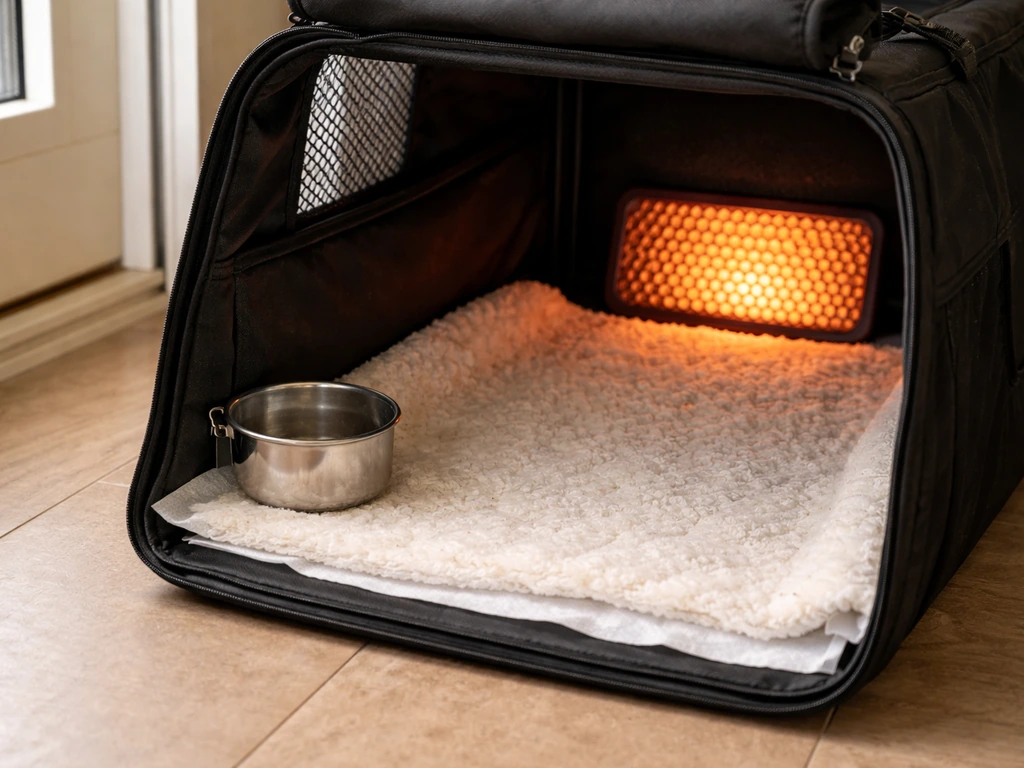
The Merck Veterinary Manual sums up the transport basics in three words: warmth, darkness, carrier. That's genuinely the whole framework. Here's how to apply it. For a smooth trip, focus on safe, calm bird transport to the vet, and plan how you will get the carrier ready before you leave.
Box vs. pet carrier: which to use
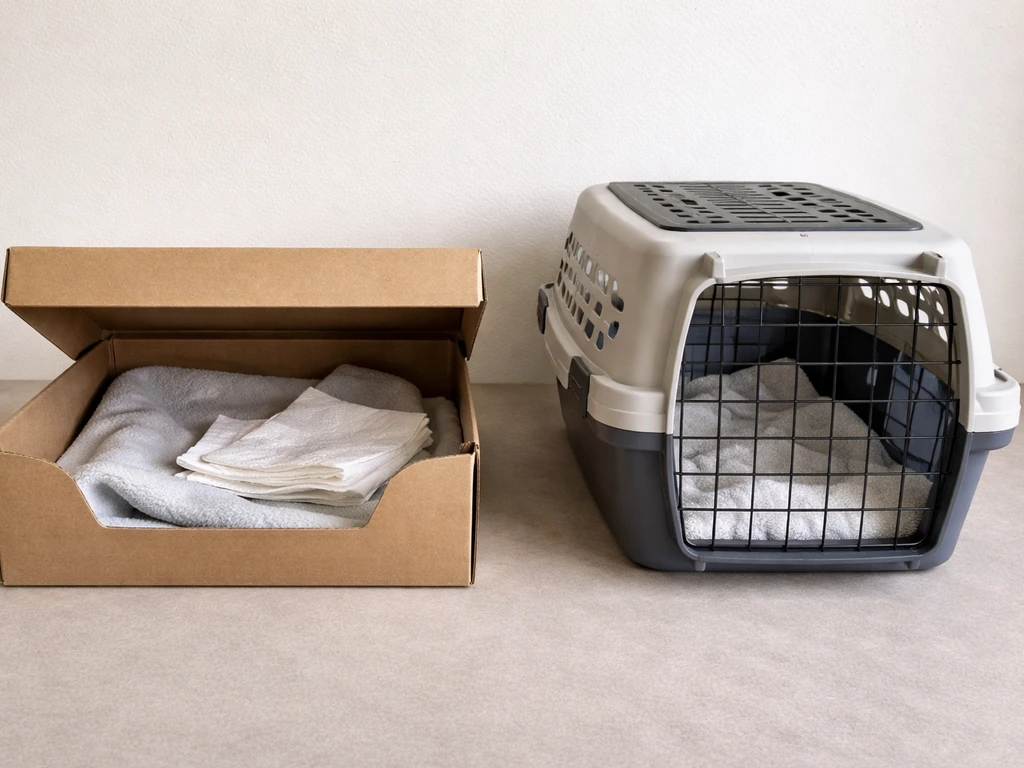
For most injured wild birds, a cardboard shoebox or small cardboard box is perfect. Line it with a soft cloth, paper towels, or even torn newspaper to give the bird something to grip. Poke several small holes in the lid or sides for ventilation, but keep them small enough that the bird can't get a wing or head through. A plastic pet carrier works well for larger birds or for pet birds that are already carrier-trained. Either way, the container should be just big enough for the bird to sit without being cramped, but not so large that it bounces around during the drive.
The goal is a secure, dark, quiet space. Darkness reduces panic. A bird in a dark box is significantly calmer than one in a clear container watching the world fly past at 60 mph. Put a loose cloth over any clear carrier if that's what you're using.
Keeping the bird warm
Injured birds lose body heat fast, especially small songbirds and birds that are in shock. You can warm one side of the box by placing it half on top of a heating pad set to low, or by putting a small hand warmer wrapped in a cloth next to (not under) the bird. The key is giving the bird the option to move away from the heat source if it gets too warm. Never put a heat source directly under an unresponsive bird, and never use a microwave to warm anything that goes near the bird.
During the drive
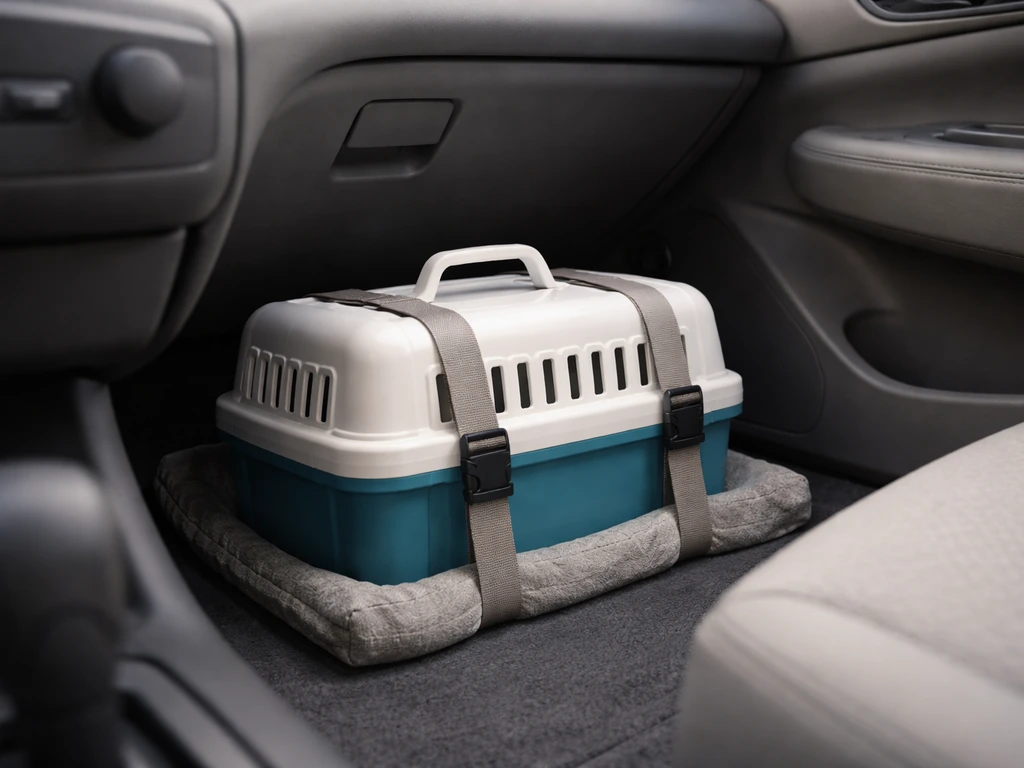
Keep the box on a flat, stable surface. The floor of the passenger seat, wedged so it won't slide, works well. Turn the radio off or keep it very low. Don't open the box to check on the bird during the trip. Every time you open it, you spike its stress level. If you have a passenger, they can hold the box steady but shouldn't be peeking in. The less stimulation the bird gets between now and the vet, the better.
Finding the right vet or rescue if you don't know where to start
Not every veterinary clinic sees birds. You want either an avian vet (a vet who specializes in birds) or a licensed wildlife rehabilitator, depending on whether this is a pet bird or a wild bird. These are genuinely different situations, and the right type of care matters.
For avian vets, the blank" rel="noopener noreferrer">Association of Avian Veterinarians (AAV) runs a searchable Find-A-Vet directory you can use to locate a specialist near you. If you are wondering where you can take your bird to the vet, start by calling an avian vet or a licensed wildlife rehabilitator. For injured wild birds, organizations like International Bird Rescue operate hotlines and can help you find a licensed rehabilitation facility in your area. A quick call before you leave can save you from driving to a clinic that will just refer you somewhere else.
If you're in a rural area or it's outside business hours, call your nearest emergency animal hospital first and ask if they have anyone experienced with birds on staff. Some general practice vets will provide stabilization care for wild birds even if they don't specialize in avian medicine, which can be the right call in a true emergency.
Preparing for the appointment: what to bring and what to tell them
The more information you can give the vet, the faster they can help the bird. Take two minutes before you leave to gather what you can.
- Note the time you first found or noticed the bird, and describe what it was doing (unable to fly, lying on side, found under a window, etc.)
- Try to identify the likely cause: window collision, cat or dog attack, nest fall, found tangled in netting, hit by a car, and so on
- Take a quick photo or short video of the bird before you box it, especially if there are visible injuries, unusual posture, or wing positioning
- For pet birds: write down what it normally eats, any medications it's on, and any recent changes in behavior
- For wild birds: note what species it appears to be if you know, or just describe the size, color, and markings
- Note whether you've given it anything (food, water, medication) so the vet can factor that in
You don't need to have all the answers. Vets and rehabilitators work with limited information all the time. But the more context you can offer, especially around the suspected cause of injury, the more targeted their assessment will be. Something like 'I think it hit the window about an hour ago and it's been sitting with one wing drooping since' is genuinely useful clinical information.
What the vet will likely do for common bird injuries
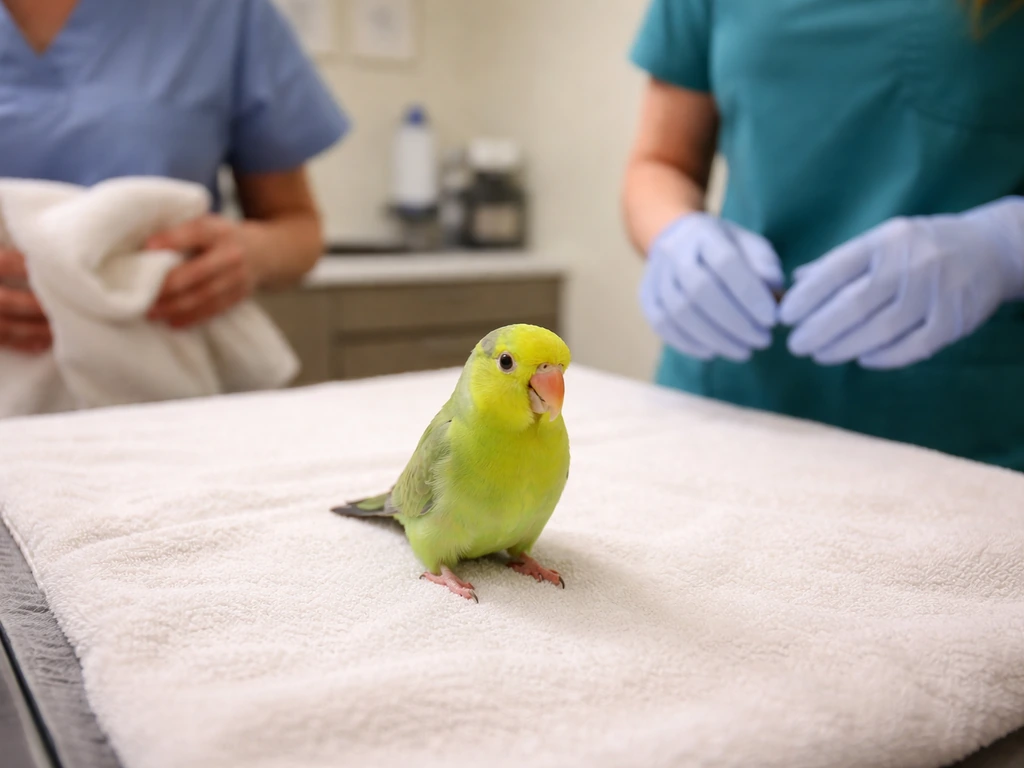
Walking into a vet visit with no idea what's going to happen is stressful. Here's a general picture of what evaluation and treatment often looks like for the most common scenarios.
| Injury or scenario | Typical vet approach |
|---|---|
| Window collision / head trauma | Physical exam for neurological signs, possible pain relief, supportive care, rest in a dark quiet space. Most recover with 24 to 72 hours of monitored rest if the injury isn't severe. |
| Broken wing | X-ray to confirm fracture type and location, figure-eight bandaging or splinting for stabilization. Some fractures need surgical repair; many heal well with conservative management. |
| Broken leg | X-ray, splinting or pinning depending on fracture severity. Small birds have fragile bones and even minor injuries need professional handling to avoid permanent damage. |
| Cat or dog attack (even without visible wounds) | Full physical exam, often including probing under feathers for hidden punctures. Antibiotics are almost always started immediately given the high infection risk from animal bites and scratches. |
| Bleeding wounds | Wound cleaning, possible suturing, antibiotics, pain management. Active bleeding is controlled first before any other assessment. |
| Nest-related emergencies (fallen chick, orphaned bird) | Assessment of age and developmental stage, warmth, rehydration if needed, and often transfer to a licensed wildlife rehabilitator equipped for hand-rearing. |
Not every bird will need all of these interventions, and not every clinic will have the same equipment. An avian specialist will have more diagnostic tools and experience than a general practice vet, which is one reason it's worth knowing the difference. The question of what a bird vet is actually called and what they're trained to do is worth understanding, especially if you end up needing ongoing care.
Aftercare: monitoring while you wait and once you're back home
If you're waiting to be seen, or waiting for a wildlife rehabilitator to take over, keep doing what you've been doing: dark, warm, quiet, no food or water, minimal handling. Check on the bird once every 30 to 60 minutes by listening at the box rather than opening it. A bird that is alive and breathing but quiet is usually coping. A bird that is thrashing around in the box may need the space to be smaller or darker.
After a vet visit with a pet bird, follow discharge instructions closely. Birds hide illness and pain extremely well as a survival instinct, which means a bird that 'seems fine' after treatment may still be compromised. Keep it in a calm, temperature-stable environment, away from drafts and other animals. If it's been prescribed medication, get clear instructions on dosing and delivery before you leave the clinic. Don't hesitate to call back if something looks off.
For wild birds that were treated and released, or handed off to a rehabilitator, your job is essentially done. Resist the urge to visit or follow up with a released bird. The goal was always to get it back to wild, independent life, and human contact from here on only works against that.
The most important thing to watch for in the days after treatment is any return of the original symptoms: a drooping wing coming back, breathing difficulty, refusal to eat, or a sudden drop in activity. Any of those is a reason to call the vet again. Those same urgent warning signs are why the bird may need to go to the hospital.
How often a bird should have routine vet checkups going forward is a separate question worth thinking about once this immediate crisis is resolved, but for right now, getting through the next 24 to 48 hours well is what counts.
If you want guidance on how often you should take your bird to the vet for checkups, it’s best to confirm a schedule with an avian vet based on your bird’s age, species, and health history how often should you take your bird to the vet.
FAQ
Can I use a towel cage or another soft bag to take a bird to the vet?
It’s usually better to use a rigid or semi-rigid carrier that won’t collapse, because loose bags can let the bird tumble, get its head trapped, or overheat. If you only have fabric, keep the bird in a small, dark box or container inside the bag, and make sure ventilation holes stay unobstructed.
My bird is pet and usually tame, do I still need to prevent bites and scratches?
Yes. Even calm birds can bite when injured or panicked, and restraint stress can worsen shock. Use gloves if you have them, otherwise a light towel to pick up the bird and keep wings gently against the body, avoid squeezing, and keep handling to the minimum needed to move the bird.
Is it okay to give a bird water or sugar water if it seems weak?
Avoid it. Inhaling liquids can cause aspiration into the lungs, and forcing fluids or food can be harmful when the bird is stressed or in shock. If you think it’s dehydrated or hypothermic, focus on warmth and fast veterinary care, and let the clinic decide on fluids or nutrition.
What if I’m not sure whether the bleeding has stopped or is still actively bleeding?
Treat ongoing bleeding as an emergency. If fluid is still seeping or the area keeps soaking through cloth, you should apply very gentle pressure with clean gauze for a short period and head to an avian vet or wildlife rehabilitator. Don’t keep removing the cloth to “check,” because that can restart bleeding.
Should I try to clean the wound or apply antiseptic on the way to the vet?
Typically no. Cleaning can disrupt clotting and increase stress, and antiseptic creams can be irritating or inappropriate for birds. Stick to containment and, if needed, brief gentle pressure with clean gauze until you arrive.
Can I travel with the bird in the car trunk or outside the car cabin?
Avoid it. Temperature extremes and vibration increase risk. Keep the carrier inside the passenger area on a stable, flat surface so you can maintain warmth and minimize jostling, and keep the radio off or very low.
How do I handle the carrier if I have to stop at a gas station or wait in a lobby?
Keep the carrier closed and mostly undisturbed, and cover clear carriers with a loose cloth to reduce visual stress. Limit how many people interact with you, shield the carrier from drafts and noise, and do not open it to “check” unless the situation is actively worsening.
If the bird is breathing but seems stunned, should I wait to see if it improves before going?
If it’s alert, standing, and only mildly stunned, reassess after 30 to 60 minutes in a quiet, dark, warm setup. If it is not improving within that window, escalate to urgent veterinary or wildlife care rather than continuing to wait.
What information should I write down before I call the vet or rehab hotline?
Provide the suspected cause (for example window strike, cat attack, exposed to cold, entangled), approximate time of injury, current symptoms (breathing rate, bleeding status, ability to stand, drooping wing), and what you have already done (no food or water, warmth applied, gentle pressure used). Even rough timing helps clinicians prioritize.
What should I do if I cannot find an avian vet or wildlife rehabilitator right away?
Call the nearest emergency animal hospital and ask whether anyone experienced with birds is available. If you reach a general practice clinic, request guidance specific to avian handling, stabilization, and whether they can keep the bird warm and stress-free while you arrive.
After the vet visit, when should I worry that the bird is getting worse even if the discharge looked okay?
Call promptly if you see return or worsening of the original signs (difficulty breathing, persistent or new drooping wing, refusal to eat, sudden drop in activity). Birds can mask problems, so also act if breathing pattern changes, posture becomes hunched, or energy fades unexpectedly over the first 24 to 48 hours.
For a wild bird released back to the wild, is it okay to check on it from a distance later?
It’s better to resist close follow-up. Even if it was released successfully, repeated human approach can increase stress and interfere with independence. If you must observe, keep distance and quiet, and only report outcomes if the rehabilitator asks for updates.
Next Article
When Should I Take My Bird to the Vet? Emergency Guide
Vet or emergency help for birds: instant signs, when to monitor, first aid before transport, and pet vs wildlife care.