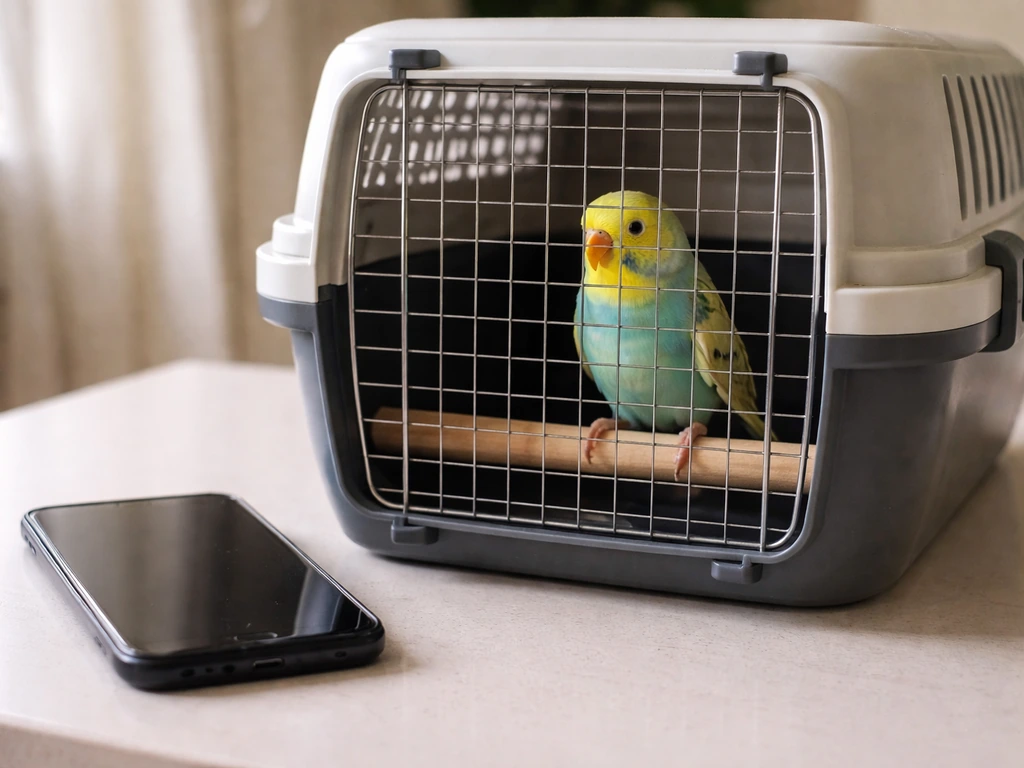
Yes, you can take an injured bird to a vet or wildlife rescue, and in most cases you should. You can often get a bird fixed by taking it to an avian vet or licensed wildlife rehabilitator as soon as possible can you get a bird fixed.
Can I Take an Injured Bird to the Vet? What to Do
Marcus Chen
19 Apr 2026
Time matters, and if you need a clear answer to when should i take my bird to the vet, an avian vet or licensed wildlife rehabilitator can guide you as soon as possible. If the bird in front of you has a drooping wing, visible blood, a head tilt, or has been sitting in the same spot for more than an hour without moving, it needs professional care today.
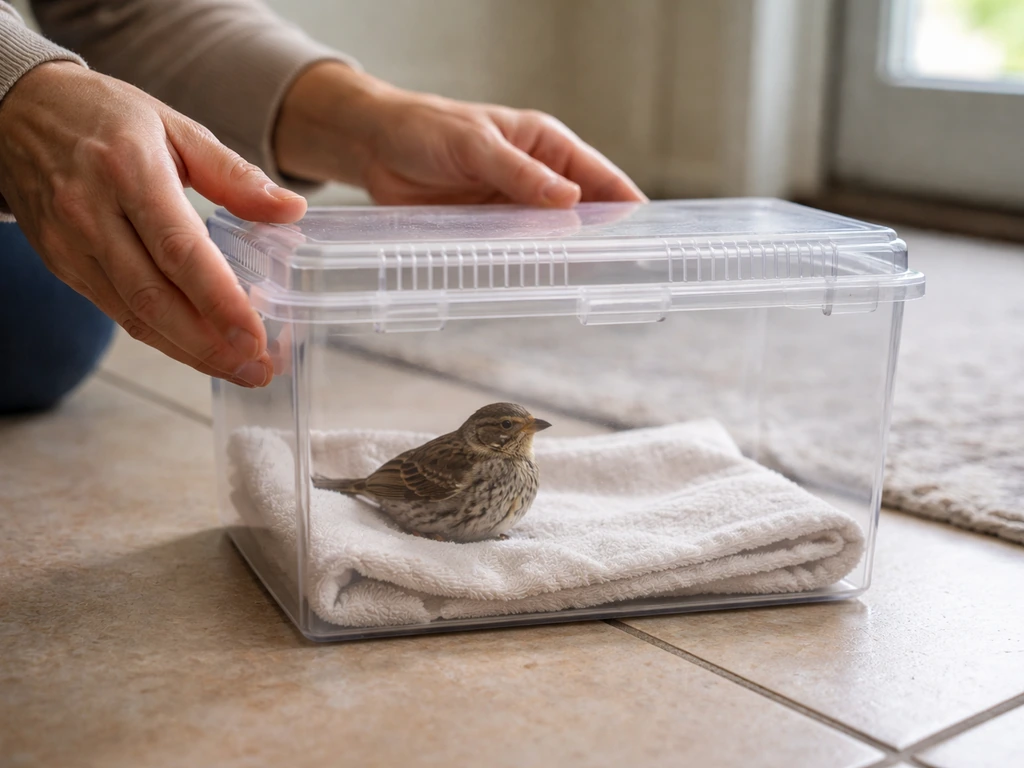
The short version: pick it up safely, put it in a dark, ventilated box, keep it warm and quiet, and get it to an avian vet or wildlife rehabilitator as fast as you can. The rest of this guide walks you through every step of that process.
Should you step in? How to decide in the moment
The first instinct when you see a bird on the ground is to help it, and that instinct is usually right. But not every bird you find actually needs rescuing. The U.S. Fish and Wildlife Service is clear on this: the best thing is often to leave a wild animal alone, unless it shows specific signs that it genuinely can't survive without intervention.
Intervene if you see any of the following:
- A visibly broken or drooping wing or leg
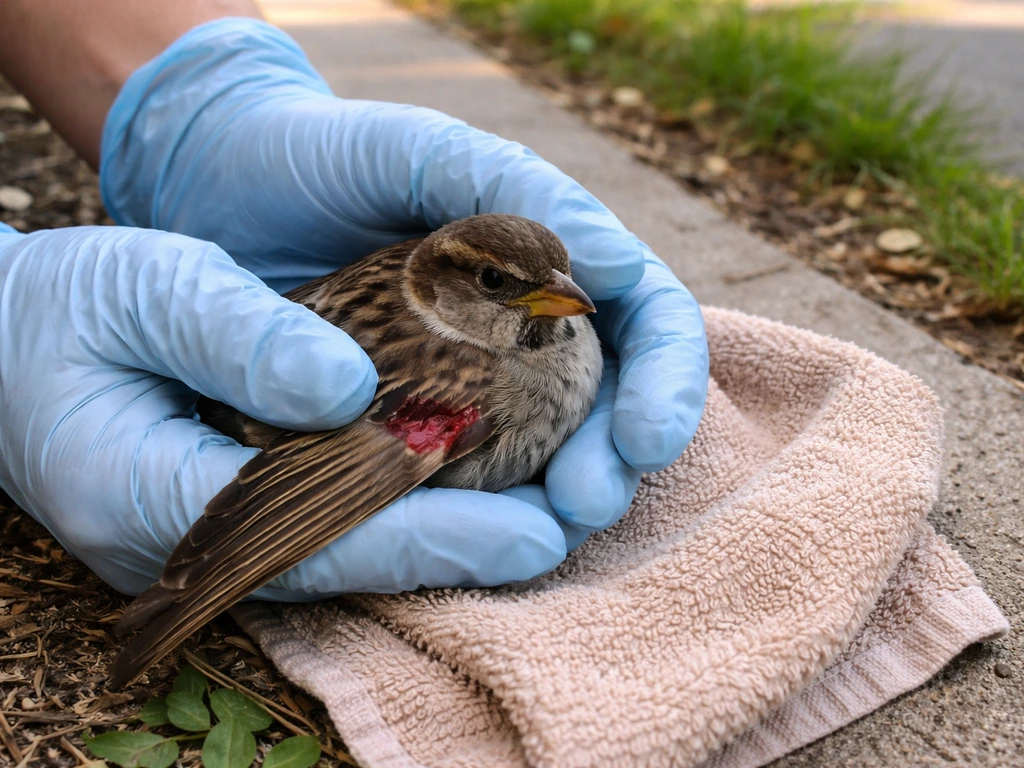
- Active bleeding or an open wound
- Blood around the beak, eyes, or nostrils
- The bird is shivering, limp, or unresponsive
- A head tilt or loss of balance (signs of neurological trauma)
- The bird has been grounded and not flying after more than one hour
- A dead or clearly absent parent, especially with a nestling present
- The bird is being actively stalked by a cat, dog, or other predator
Leave it alone if the bird is a fledgling (a young bird with some feathers, hopping on the ground) and appears uninjured. Fledglings are supposed to be on the ground; their parents are usually watching from nearby. Massachusetts wildlife guidance makes this point directly: baby birds may look helpless and usually don't need your help unless there are clear signs of injury like a broken wing. Scooping up a healthy fledgling does more harm than good.
There is one more scenario worth knowing: a bird that hit a window and is stunned but otherwise looks intact. If it's sitting with eyes closed and not moving, it may just need 30 to 60 minutes to recover on its own. Observe from a distance. If it doesn't fly away within an hour, or if it shows any of the injury signs listed above, that's when you step in.
When to go to a vet vs. when to leave the bird be
A useful rule of thumb: if you're unsure whether the bird needs help, call a wildlife rehabilitator or avian vet first and describe what you see. If you are trying to figure out what to call the right professional, a bird vet is usually referred to as an avian veterinarian. In addition to calling, you can ask your bird’s vet or a rehab facility how often follow-up visits are needed for the specific diagnosis and recovery plan how often should you take your bird to the vet. They can usually tell you over the phone whether to intervene. You don't have to guess alone.
The Tucson Wildlife Center puts it plainly: visible blood or wounds, not using its legs, drooping wing, or failure to fly after one hour are all signs the bird needs emergency medical treatment. If your question is why did the bird go to the hospital, the answer is usually that it needed emergency medical care for an injury or illness. If the bird passes those tests and is clearly a fledgling in otherwise good condition, let nature do its job.
One exception the AWARE Wildlife Center flags: if a bird has a wing injury but has clearly been managing for at least a week (the wing isn't dragging on the ground) and the bird lives near water with access to food, attempting a rescue may cause more stress than benefit. Use your judgment alongside a quick phone call to a rehab center.
First aid while you wait or prepare to transport
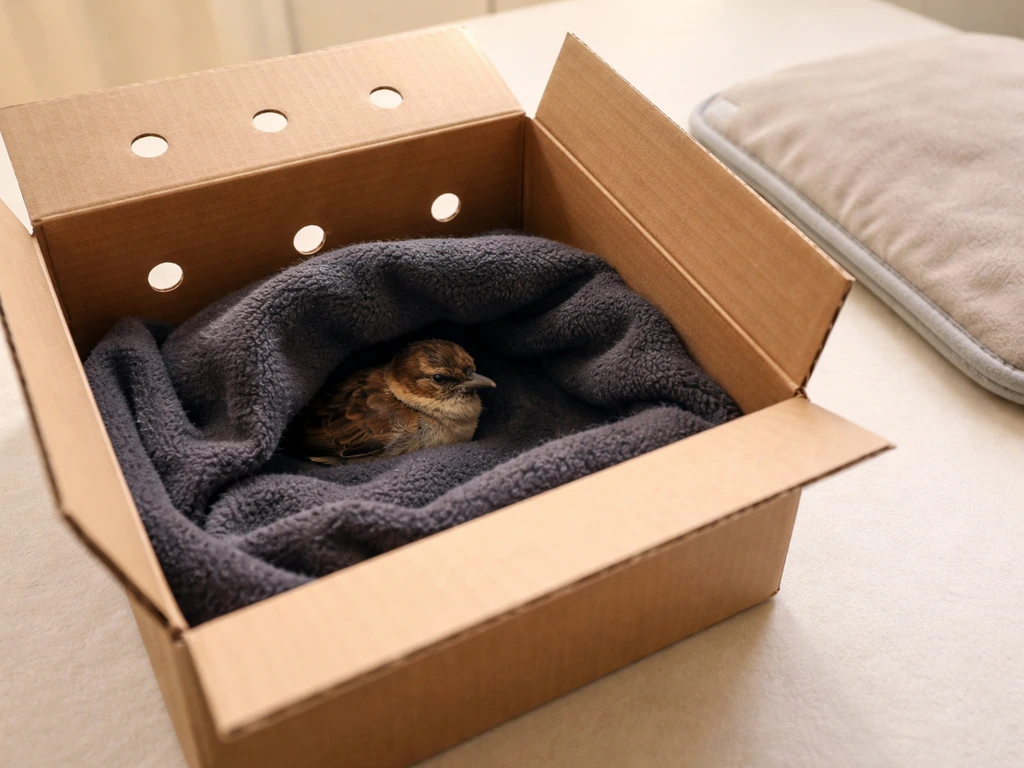
Your job before getting the bird to professional care is simple: keep it contained, calm, warm, and unharmed. You are not expected to treat it. Here is what to do for the most common situations.
Window strikes and shock
If the bird hit a window, gently scoop it up with a soft cloth or gloved hands. Place it in a small, dark box or paper bag with tiny ventilation holes. Keep it in a warm, quiet spot, like a closet or a room away from pets and noise. Do not check on it constantly; darkness and quiet are the actual medicine here. If it hasn't recovered and flown on its own within an hour, call a rehabilitator.
Broken wings or legs
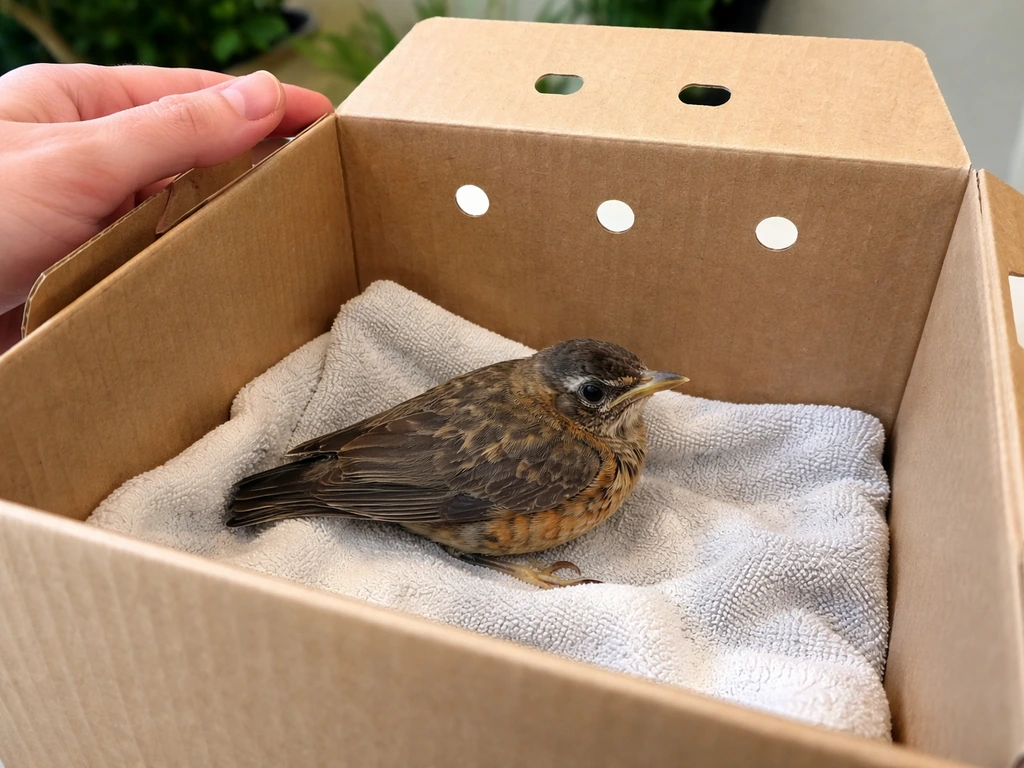
Do not attempt to splint or wrap the injury yourself. Improper splinting causes more damage and significant pain. Your only job is containment and warmth. Place the bird in a lined box (a towel or paper towels work well), keep it upright as much as possible, and get it to care quickly.
Bleeding
If there is active bleeding, you can apply very gentle, light pressure with a clean cloth for a minute or two. Do not press hard on a bird; their bodies are extremely fragile. Then get moving toward a vet or rehabilitator immediately. Bleeding birds need professional help fast.
What not to do (this matters a lot)
- Do not offer food or water. Both Alabama Wildlife Center and Seabiscuit Wildlife Shelter are emphatic on this: feeding an injured bird can cause aspiration, choking, or make injuries worse.
- Do not give any human medications or supplements. They are not appropriate for birds and can be fatal.
- Do not keep the bird in a brightly lit, noisy area. Stress kills birds in shock.
- Do not handle the bird more than necessary. Every touch is stressful.
How to transport the bird safely

Transport is one of the most stressful parts of this whole process for the bird, so keeping it simple and calm is the goal. If you need a step-by-step checklist beyond transport, see how to take a bird to the vet for what to do before you drive and what to say when you arrive. If you are wondering how to transport a bird to the vet safely, start with containment and a ventilated, dark box so the trip is as stress-free as possible how to transport a bird to the vet safely? (related guidance). You don't need special equipment.
- Find a container: a shoebox, a small cardboard box, or even a small unwaxed paper bag or cloth tote bag in a pinch. The NYC Bird Alliance specifically recommends these as solid emergency options for small birds.
- Line it with a soft, absorbent material: a folded towel, paper towels, or a piece of cloth.
- Make a few small ventilation holes if the container is fully sealed.
- Place the bird inside gently. Close or fold the container securely so the bird can't escape if it regains strength mid-trip.
- Keep the container in a warm part of your car, away from AC or heating vents blowing directly on it.
- Drive calmly. Sudden stops, loud music, and sharp turns all add unnecessary stress.
- Keep the container dark and avoid opening it repeatedly to check on the bird.
The AWARE Wildlife Center recommends getting injured wildlife to a rehabilitator as soon as possible. Time matters, especially with shock, internal injuries, or bleeding. Don't wait until tomorrow.
Finding the right place: avian vet or wildlife rescue?
This is the question most people get stuck on, and it genuinely depends on what kind of bird you have. Here's a quick breakdown:
| Bird type | Best option | Why |
|---|---|---|
| Wild bird (songbird, pigeon, crow, etc.) | Licensed wildlife rehabilitator | They have the permits and species-specific training. Avian vets can stabilize but may refer you to a rehabber anyway. |
| Wild raptor (hawk, owl, eagle) | Licensed raptor rehabilitator or avian vet | Raptors need specialized handling; a general avian vet can stabilize for emergency care. |
| Waterfowl (duck, goose, heron) | Licensed wildlife rehabilitator | Often managed by rehabbers who specialize in waterfowl. |
| Pet bird (parrot, cockatiel, canary, etc.) | Avian veterinarian | Pet birds are not covered by wildlife rehab permits. You need a vet who specializes in birds. |
To find a wildlife rehabilitator near you, search the National Wildlife Rehabilitators Association (NWRA) or the International Wildlife Rehabilitation Council (IWRC) directories online. They can also help you figure out where can i take my bird to the vet based on your location and what symptoms you’re seeing. Your state's fish and wildlife agency website usually maintains a local list as well. blank" rel="noopener noreferrer">For avian vets, the Association of Avian Veterinarians (AAV) has a vet finder on their website.
When you call, be ready to share: the species if you know it, where and when you found the bird, what signs of injury you see, and approximately how long it's been injured. This information helps the rehab center or vet prepare for your arrival and give you accurate advice over the phone.
Keep in mind that avian vets and wildlife rehabilitators are different professionals. A regular vet who sees cats and dogs may not have the knowledge or equipment to treat a wild bird well. It's worth making a quick call to confirm they handle birds before you drive across town.
What happens after you drop off the bird
Once the bird is in the hands of a licensed rehabilitator or avian vet, you've done your part. Here's a realistic picture of what typically comes next.
The bird will go through an intake assessment: the rehabber or vet checks hydration, body weight, injury type and severity, and neurological response. From there, treatment depends on what they find. A stunned bird from a window strike may recover in hours with warmth, fluids, and quiet rest. A fractured wing may need splinting or, in more complex cases, surgery. Internal injuries are harder to assess and often require x-rays.
For wild birds, the end goal of rehabilitation is always release back to the wild. This can take days, weeks, or in the case of serious injuries, months. Some birds with permanent injuries that prevent survival in the wild may be transferred to educational programs rather than released. Rehabilitators will be honest with you about prognosis if you call to follow up, though many facilities have limited capacity to provide updates given their caseloads.
Be realistic: not every bird makes it, even with excellent care. Finding an injured bird and doing everything right is still a good outcome. You gave it a chance it wouldn't have had otherwise.
Legal basics and keeping yourself safe
The legal side of wild birds
Most wild birds in the U.S. are protected under the Migratory Bird Treaty Act. A Congressional Research Service report on selected legal issues related to the Migratory Bird Treaty Act discusses the regulatory framework for taking or possessing migratory birds and the permit authorities involved. This means it is technically illegal for a member of the public to possess a wild bird without a permit. In practice, no one is going to penalize you for picking up a critically injured bird and rushing it to a rehabber. The intent of the law is to prevent people from keeping wild birds long-term without proper care or authorization.
Licensed wildlife rehabilitators hold a Federal Migratory Bird Rehabilitation permit that authorizes them to take in, transport, and temporarily care for injured, sick, or orphaned migratory birds. That permit is the reason you hand the bird off to them rather than keeping it at home yourself. Washington state law is typical of most states: possessing wild birds without a valid permit is illegal. Your role is rescuer and transporter, not long-term caretaker.
The one exception the U.S. Fish and Wildlife Service notes is humanely removing a wild bird that has become trapped inside a building when it poses a health or safety risk. That falls outside the permit requirement.
Keeping yourself safe while helping
Wild birds can carry diseases including Salmonella, and the CDC recommends washing hands thoroughly after any contact with wild birds, their droppings, or anything they've touched. Wear gloves if you have them available. If you don't, wash your hands immediately after handling the bird and before touching your face, other people, or pets. The Pennsylvania Game Commission specifically recommends gloves and good hygiene when handling anything a wild bird has contacted.
If you've been scratched or bitten, clean the wound with soap and water right away and contact your doctor, especially with raptors or larger birds. Most small songbirds pose very little physical risk, but taking basic precautions is smart practice regardless of the species.
The Wildlife Rehabilitation Center of Minnesota emphasizes that hands should be washed immediately after handling wildlife even when the animal appears healthy. That standard applies to you as a first responder too, not just professional rehabbers.
The short version if you're in a rush
- Check for clear injury signs: drooping wing, bleeding, not flying after an hour, shivering, or head tilt. If present, help.
- If it's a fledgling with no injuries, leave it alone and back away.
- If it hit a window and looks stunned, observe for up to an hour before intervening.
- Pick it up with a cloth or gloves, place in a dark, ventilated box lined with a towel.
- Do not feed it, give it water, or offer any medication.
- Keep it warm and quiet.
- Call a wildlife rehabilitator or avian vet immediately, describe what you see, and head there now.
- Wash your hands thoroughly after any contact.
FAQ
Can i take an injured bird to a regular vet, or do i need an avian vet or rehabber?
If the bird is wild, bring it to an avian vet or a licensed wildlife rehabilitator, not a regular appointment at a general clinic. Call first to confirm they treat birds, and ask whether they prefer you come as a walk-in or drop it off. If you cannot reach anyone immediately, follow the containment and warmth steps and keep trying the rehab helpline or an on-call avian vet.
What should i not do before i take the bird in?
After you put the bird in a dark, ventilated container, keep your contact time short. Do not feed it, give water, or try to administer medicine, even if you think it is just stunned. Handling and feeding attempts can worsen shock or cause choking, especially with small birds.
If the bird hit a window and seems okay, do i still need to go to the vet?
Yes, window strikes often recover without surgery, but only if the bird is fully able to move and fly off. Recheck from a distance after 30 to 60 minutes. If it still cannot fly, is wobbling, has blood, or shows a drooping wing or head tilt, treat it as injured and seek care.
What if the bird looks like a baby (fledgling) but i think it is injured?
If you found a fully feathered bird on the ground and it seems uninjured, it may be a fledgling and should usually be left where it is. Look for signs like drooping wing, visible wounds, blood, inability to stand or use legs, or staying in place for more than an hour. If none of those are present, observe and keep pets away rather than picking it up.
My first instinct is to wrap or splint the wing, is that okay?
Do not try to splint, wrap tightly, or tape a wing yourself. Instead, place the bird in a lined container to limit movement and keep it upright as much as possible. Quick, gentle containment reduces stress while the vet can assess whether splinting, imaging, or pain control is needed.
How do i control bleeding on an injured bird before transport?
If there is active bleeding, apply only gentle light pressure with a clean cloth for a minute or two, then stop and get to care. Continuous firm pressure can do more harm than good, and delays increase the risk of shock.
How urgent is it, and should i wait for the next day?
Transport timing matters, so aim to contact help immediately and move as soon as you have a plan. If you cannot get an appointment right away, ask the facility what “arrive time” they can accept, and whether you should wait or continue driving. Keeping the bird warm and quiet during the call helps while you coordinate.
What should i say when i call a rehabber or avian vet?
Yes. If you cannot identify a rehabber or avian vet quickly, ask whoever answers whether they handle that species and whether they can provide an intake recommendation. Have key details ready, including species (if known), where you found it, visible symptoms, and how long you have had it, because those factors determine triage priorities.
Can my pets or family get sick from a wild injured bird?
Be careful with other animals and household exposure. Keep the bird away from pets and do not let pets sniff the container. Wear gloves if you have them, and wash hands immediately after handling and before touching your face, food, other animals, or your phone if possible.
Is it illegal for me to hold a wild injured bird until it gets better?
Legally, wild birds are protected, so you should not keep one as a pet. Your role is short-term rescue and transport, then handoff to a licensed wildlife rehabilitator or an avian vet that works with wildlife. If a bird is trapped indoors and poses a safety or health risk, removing it for immediate release or transfer may be treated differently, but you still should contact the right local authority or rehab center.
Next Article
Where Can I Take My Bird to the Vet? Emergency Guide
Get urgent help fast: find an avian vet or wildlife rehab, what to ask, and how to transport your bird safely.