
To transport a bird to the vet safely, blank" rel="noopener noreferrer">place it in a ventilated cardboard box lined with a towel, keep it warm, dark, and quiet, handle it as little as possible, and drive directly to the vet or wildlife rescue without stopping to offer food or water. Yes, you can take an injured bird to an avian vet or a wildlife rehabilitator for immediate help place it in a ventilated cardboard box. That is the core of it. The details below will walk you through each step so you do not accidentally make things worse along the way.
How to Transport a Bird to the Vet Safely and Humanely
Marcus Chen
29 Apr 2026
Before you move the bird: assess urgency and safety first
The very first thing to do is pause for about 30 seconds and take stock of what you are dealing with. Some situations demand that you move immediately. Others give you a few minutes to prepare properly, which is actually better for the bird. Rushing to scoop it up before you have a box ready often causes more harm than good.
Get to a vet or wildlife rescue right away if the bird is showing any of these signs: If you are not sure where to go, call an avian veterinarian or a local wildlife rescue to ask where you can take your bird right now.
- Breathing with its mouth open, bobbing its tail with each breath, or making labored noises
- Bleeding that will not stop after gentle, firm pressure
- A broken bone where you can see exposed bone or the limb is at a grossly abnormal angle
- A deep or gaping wound or laceration
- Signs of electrical shock or burn
- Panting with its wings held out from the body (heat stroke)
- Completely unresponsive, limp, or collapsed on the bottom of the cage
If the bird is distressed but stable, you have a short window to set things up correctly. One important check: is this a baby bird or an adult? Baby birds that are feathered and hopping on the ground are often fledglings doing exactly what they should be doing. If it has no feathers or is clearly injured, it needs help.
For adult birds, the clearest sign that something is wrong is that it does not fly away when you approach. Birds that are injured after a window collision, a cat or dog attack, or a fall from a nest need professional care even when there are no visible wounds. Stress and internal injuries are real, and a bird can look fine on the outside while in serious trouble.
Before you touch anything, think about your own safety too. Stressed or injured birds can bite and scratch hard, especially larger species like crows, herons, or raptors. Keep your face away from the bird at all times. If the bird is thrashing aggressively and you cannot safely contain it, call a wildlife rehabilitator or animal control and let a professional handle the capture. There is no shame in that at all.
Setting up the right transport container
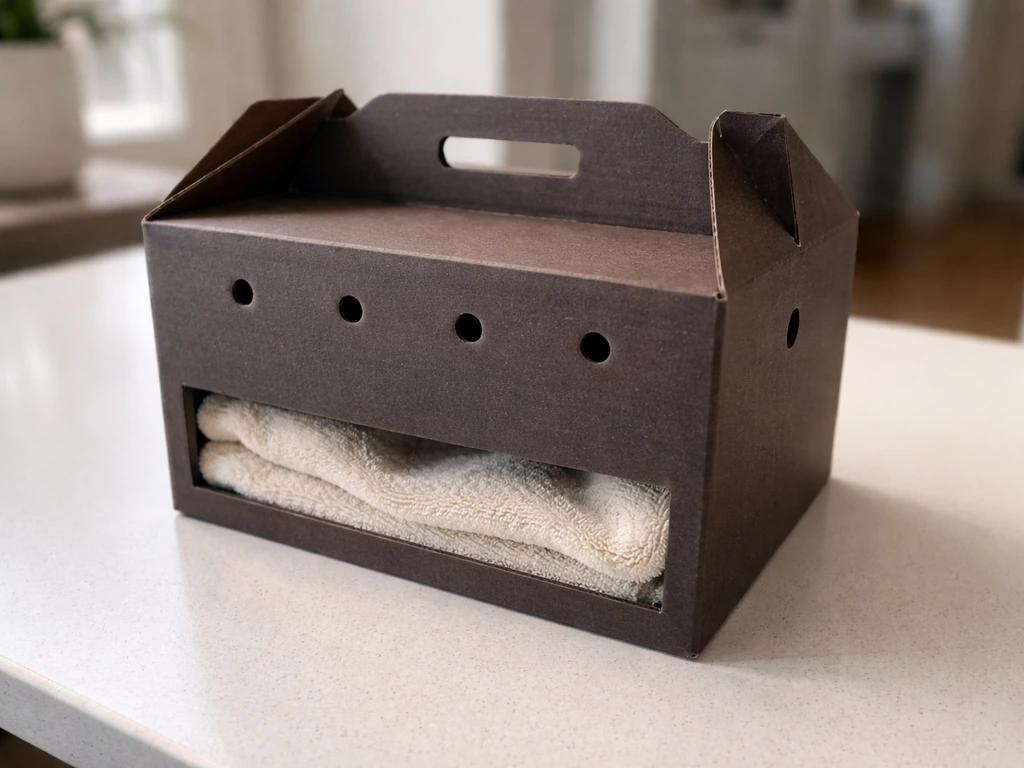
A plain cardboard box is genuinely the best option for most injured or wild birds. It is dark, which immediately calms the bird, it is easy to punch air holes into, and unlike a wire cage, it will not catch a broken wing or damage feathers. Do not use a metal bird cage for transport, especially if there is any wing injury. The risk of snagging the wing and making things dramatically worse is real.
Here is how to prepare the box before the bird goes in:
- Choose a box that is large enough for the bird to stand upright and extend its head, but not so large that it can thrash around and hurt itself further.
- Punch several small air holes (about the diameter of a pencil) in the sides and lid. Space them around the box so air circulates, but keep them small enough that the bird cannot poke its head or a foot through.
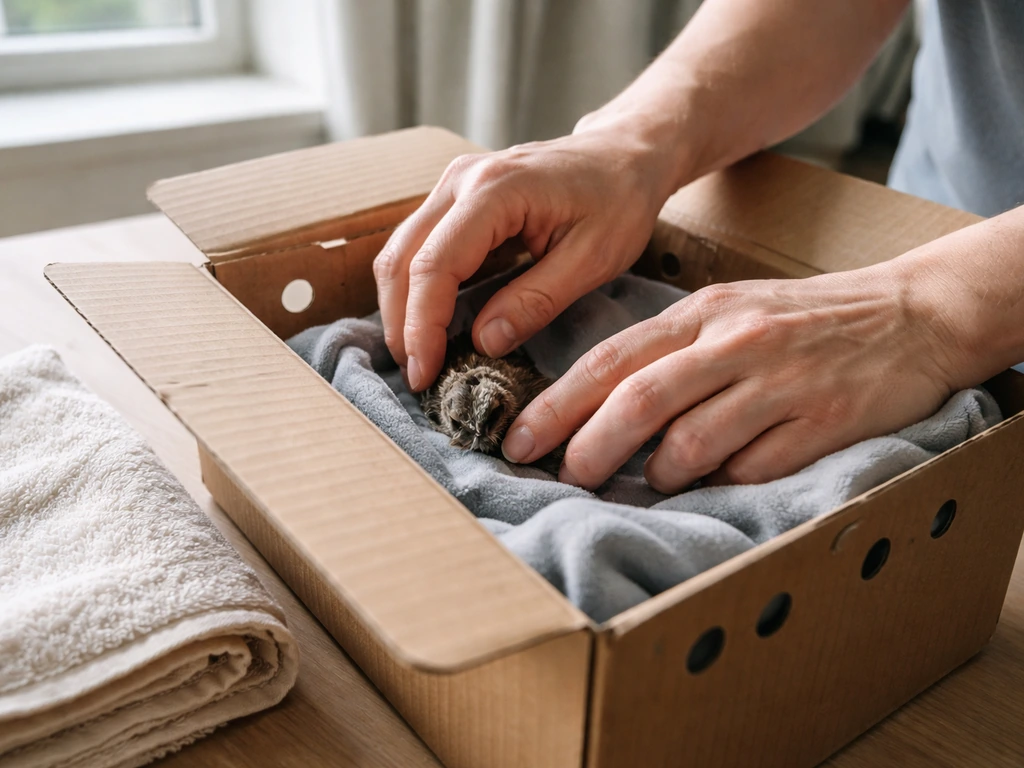
- Line the bottom with a folded towel or several layers of paper towels. This gives the bird grip so it is not sliding around, and it provides a little cushioning. Avoid anything with frayed edges or loose loops that a foot or nail can get tangled in.
- Close the box securely. If the lid does not stay shut on its own, tape it. A bird that escapes inside a moving car is a serious problem for everyone.
- Do not put a water dish inside the box. A bird that is weak, injured, or panicking can fall into even a shallow dish and drown during the drive.
If you have a proper plastic pet carrier with ventilation slots, that works fine as long as you cover it with a light towel to block out light and reduce visual stimulation. For very small birds like sparrows or finches after a window strike, a paper bag with air holes punched in it is a perfectly acceptable short-term option. The point is: dark, ventilated, secure, and escape-proof.
How to handle and pick up the bird without causing more harm
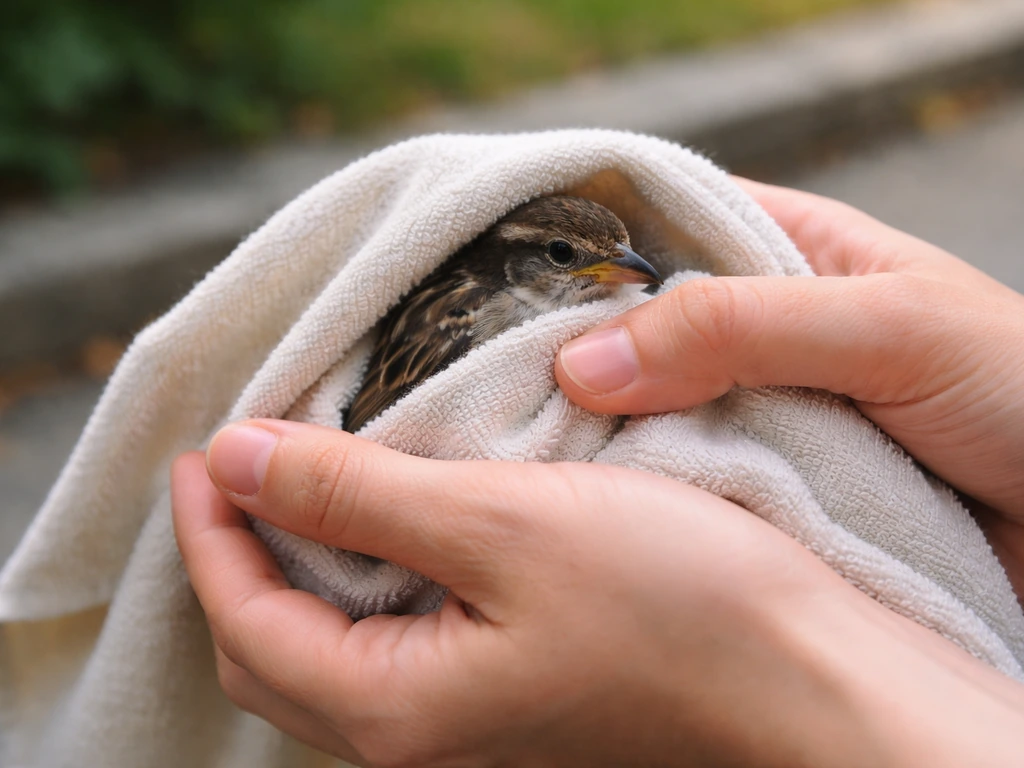
The safest tool you have for picking up an injured bird is a towel. Drape it gently over the bird, then cup your hands around the body through the towel so the wings are held lightly against the sides. You are not squeezing the bird. You are just preventing it from flapping, which is what causes further wing damage. Gently lower the bird into the prepared box and close the lid right away.
For specific injuries, keep these things in mind:
- Broken or suspected broken wing: do not try to splint it yourself. Just support the body so the wing stays as close to a natural position as possible, and get the bird into the box. Movement is what worsens a fracture.
- Broken or injured leg: the same principle applies. Do not attempt to wrap or stabilize the leg before transport unless a vet has walked you through it over the phone.
- Beak injury or bleeding from the face: do not attempt to clean it with ointments, petroleum jelly, or any oily substance. Gently contain the bird and go.
- After a window collision: many birds just need 20 to 30 minutes in a quiet, dark box to recover from the concussion. If the bird is not flying away after that time, treat it as an injury and head to a vet.
- After a cat or dog attack: call a licensed rehabilitator immediately even if the bird looks unharmed. Cat saliva in particular carries bacteria that cause rapid, fatal infections in birds. This is a time-critical situation.
- Broken or bleeding feather quills: do not try to trim or pull them. Trimming a broken quill can cause significant bleeding. Leave it alone and let the vet handle it.
If you are handling a wild bird (not a pet), wear gloves if you have them. This protects you and reduces the transfer of human scent, which matters more for some species than others but is a good habit regardless.
Managing temperature and stress during the trip
Birds are very sensitive to both cold and heat, and a stressed bird in the wrong temperature can deteriorate quickly. The target temperature range for most small birds during transport is roughly 75 to 85 degrees Fahrenheit (24 to 29 Celsius). Room temperature in a normal car with the climate control on is usually fine for short trips. If it is cold, or the bird is very young, weak, or in shock, you need a gentle heat source.
The safest way to add warmth is to place a hot water bottle wrapped in a towel next to the box, or if you are using a heating pad, set it on low and put two towels between the pad and the box, with one more on top. Never place a bird directly on a heating pad. The goal is gentle, ambient warmth, not direct heat. You want the bird to be able to move away from the heat source if it gets too warm, so do not cover the entire bottom of the box with the heat source.
Stress reduction during the drive matters just as much as temperature. Turn off the radio. Keep conversation in the car to a minimum. Do not tap the box or peek inside repeatedly to check on the bird. Darkness and quiet are the two most powerful calming tools you have. A stressed bird burns through energy reserves it cannot afford to lose, especially if it is already injured or in shock. Drive smoothly, avoid hard braking, and keep the box stable on a seat or the floor rather than letting it slide around.
Feeding, water, and medication: what not to do on the way
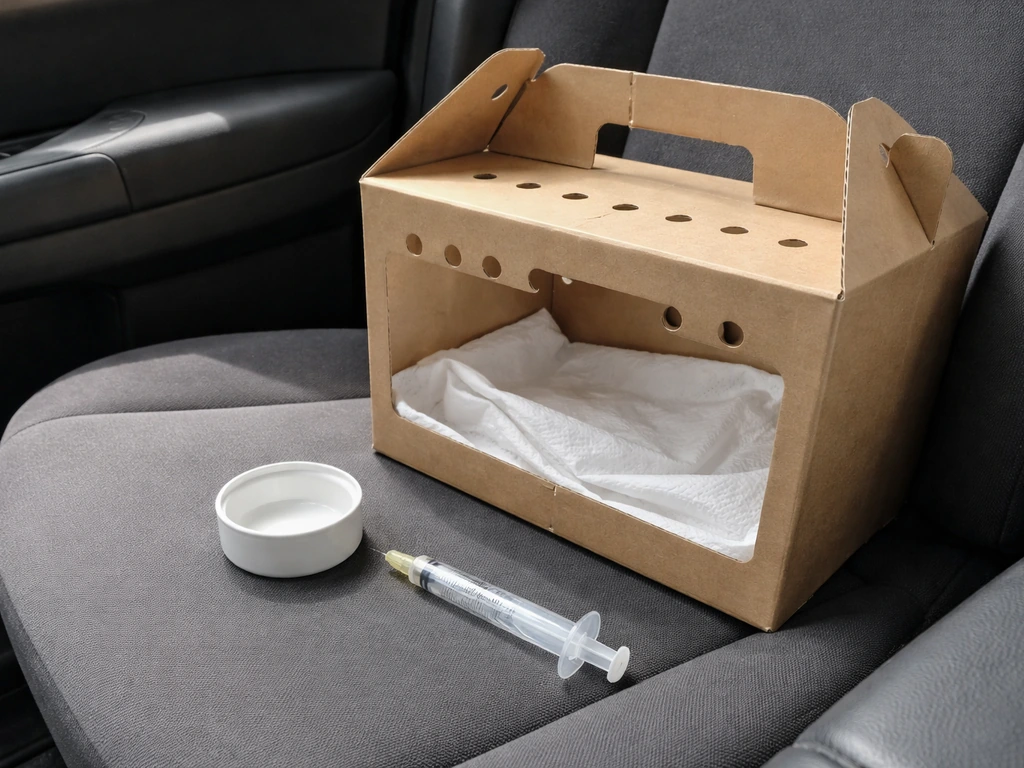
Do not give the bird food, water, or any medication during transport unless a vet or wildlife rehabilitator has specifically told you to. If you are heading out, plan your route so you can get to the vet as quickly and calmly as possible vet or wildlife rehabilitator. If you are unsure whether your bird needs emergency care, it is best to contact an avian vet or wildlife rehabilitator as soon as possible unless a vet or wildlife rehabilitator has specifically told you to. This is a hard rule and it is worth understanding why, because it goes against every instinct you have when you are trying to help.
Injured or shocked birds often cannot swallow safely. Trying to get water or food into a bird that is in distress can cause it to aspirate, meaning liquid goes into the lungs instead of the stomach. That can kill a bird that might otherwise have survived.
Medication that is safe for humans or other animals can be toxic to birds. And as already mentioned, a water dish in the transport box is a drowning risk. The bird will be in professional care shortly. You will typically be seen by a bird vet, also known as an avian veterinarian, or a wildlife rehabilitator depending on the situation <a data-article-id="3AAE704E-4DAC-45F7-8051-814F92F619FA">The bird will be in professional care shortly.
</a>. This is <a data-article-id="3710AB05-809F-4DE3-8DB5-D782DEA6D84C">why did the bird go to the hospital, and it can make the difference between survival and a worse outcome. The vet will assess whether it needs fluids and how to deliver them safely. Your job right now is simply to get the bird there.
The one exception is if you are on a very long drive (several hours) and a rehabilitator or avian vet has advised you by phone on exactly what to offer and how. Even then, follow their specific instructions, not general advice from the internet.
Arriving at the vet: what to say and what comes next
When you arrive, let the front desk know immediately that you have an injured bird. For routine and preventive care, you can ask the clinic how often should you take your bird to the vet based on its species, age, and health history. Do not wait in a general queue if the bird is showing acute distress signs like labored breathing or heavy bleeding. Most avian vets and wildlife clinics will triage an emergency case ahead of routine appointments. If you are wondering, "can you get a bird fixed," the best answer is yes when you get prompt veterinary or wildlife rehab care.
Be ready to tell them the following things. The more detail you can give, the better the vet can assess the bird quickly:
- Where you found the bird (exact location, indoor or outdoor, type of environment)
- When you found it and how long it has been in your care
- What you think happened, even if you are not sure (window strike, cat attack, found in yard, fell from nest, etc.)
- Any symptoms you observed: was it breathing oddly, bleeding, unable to stand, unresponsive?
- What you did, including whether you gave any food, water, or medication
- Whether it is a pet bird or a wild bird, and the species if you know it
If this is a wild bird, the vet or clinic may refer you to a licensed wildlife rehabilitator, depending on their setup. That is completely normal and not a brush-off. Wildlife rehabilitation specialists have specific training, equipment, and legal permits to care for native wild birds that most general vet practices do not. Follow their referral.
Once the bird is in professional hands, ask the vet or rehabilitator directly what happens next and whether there is anything you need to do for follow-up. If it is your pet bird, you will likely receive a care plan, medication instructions if needed, and guidance on recovery housing. If it is a wild bird, the outcome may be that it is treated and released, or transferred to a longer-term rehab facility. Either way, you have done the most important part: you got it there safely.
Quick reference: transport do's and don'ts
| Do this | Do not do this |
|---|---|
| Use a ventilated cardboard box lined with a towel | Use a wire or metal cage, especially for wing injuries |
| Keep the box dark, warm, and quiet | Play the radio or talk loudly near the bird |
| Use a towel to gently restrain the bird during pickup | Grab the bird by a wing, leg, or tail feathers |
| Drive directly to the vet or wildlife rescue | Make stops or delay getting professional help |
| Add gentle warmth with a towel-wrapped heat source if needed | Place the bird directly on a heating pad |
| Tell the vet exactly what you observed and what happened | Guess or downplay symptoms when describing the situation |
| Leave wounds, broken quills, and fractures alone | Apply ointments, trim quills, or attempt to splint at home |
| Skip food and water during transport | Offer food, water, or any medication without vet guidance |
FAQ
What should I do if I cannot get to a vet right away for the bird I’m transporting?
If you cannot reach a vet or wildlife rehabilitator immediately, focus on stability: keep the bird dark, ventilated, and quiet in the box, and avoid feeding, watering, or giving medication. If the bird is actively bleeding heavily or having trouble breathing, call ahead to an avian vet or animal control for triage directions while you transport.
Can I transport a bird in a plastic pet carrier instead of a cardboard box?
Yes, but only in a short, controlled way. If you have a known carrier, add a light towel to block light and reduce stimulation, keep ventilation uncovered, and ensure the bird cannot climb out. Do not use a wire cage, and never leave the bird where it can overheat in direct sun or near a heater vent.
Is a paper bag safe for transporting very small birds?
For tiny birds (like finches or sparrows) after a window strike, a paper bag with air holes can work briefly because it provides darkness and basic airflow. It should not be used for long trips, and the bird must be placed inside a warm, stable, escape-proof container so it does not get crushed or escape.
Should I offer water or food to keep the bird calm during the drive?
Do not try to “flush” or force liquids, and do not give water by syringe unless a professional instructs you. Birds that are in shock or distressed often cannot swallow safely, and fluids given during transport can increase aspiration risk. If possible, call the clinic for guidance based on your bird’s symptoms.
How often is it okay to check on the bird during transport?
Plan for minimal handling. If the box needs to be moved, keep it closed and support it fully so it does not swing. Peeking or tapping resets stress, and rough movement can worsen breathing problems or internal injuries even if the bird looks calm afterward.
What should I bring with me when transporting a bird to the vet or wildlife rehab?
It depends on the situation. If your bird is a pet and simply needs an exam, bring its normal food and any paperwork, but do not feed during transport unless told. If it is a wild bird, expect referral to licensed wildlife rehab, so bring the exact location where you found it, the time you found it, and any hazards it likely encountered (window, cat, fall, weather exposure).
What if the bird is actively biting or thrashing, and I can’t safely put it in the box?
Do not attempt to restrain a bird by pinning wings or using tape. For handling, use a towel to prevent flapping, keep your face away, and stop if you cannot contain it safely. If the bird is large and thrashing, call for professional help rather than risking bites, scratches, or additional injury.
How should I handle a bird if I suspect a fracture or head injury during transport?
For suspected fractures, internal injury, or head trauma, the key is gentle, stable transport and keeping wings lightly against the body using the towel. Avoid forcing posture changes, and keep the box positioned so it will not slide during turns or braking. Tell the vet if there was a fall, crash, or cat or dog attack even if there are no obvious wounds.
What is the safest way to keep a cold bird warm in the car?
Heat should be indirect and adjustable. Use a hot water bottle wrapped in a towel or a low heating pad with multiple towels between it and the box, and ensure part of the box remains cooler so the bird can move away. Never place the bird directly on heat, and remove extra warmth immediately if the bird seems overheated.
Is it okay to make quick stops on the way, like gas or groceries?
Drive conditions matter for survival. Use smooth acceleration and braking, keep the box secured on a seat or the floor with no loose items around it, and keep the car temperature steady. If you must make a stop, choose a quick, low-stress stop, keep the box covered and stable, and return to the vet as soon as possible.
What details should I tell the clinic right away when I arrive with a bird?
On arrival, you should immediately describe the bird’s species if known, what happened, when symptoms started, and what signs you noticed (bleeding, labored breathing, cannot fly, collision). If it was a window strike, mention that, because it often changes the urgency and the kinds of injuries the clinician screens for first.
Next Articles
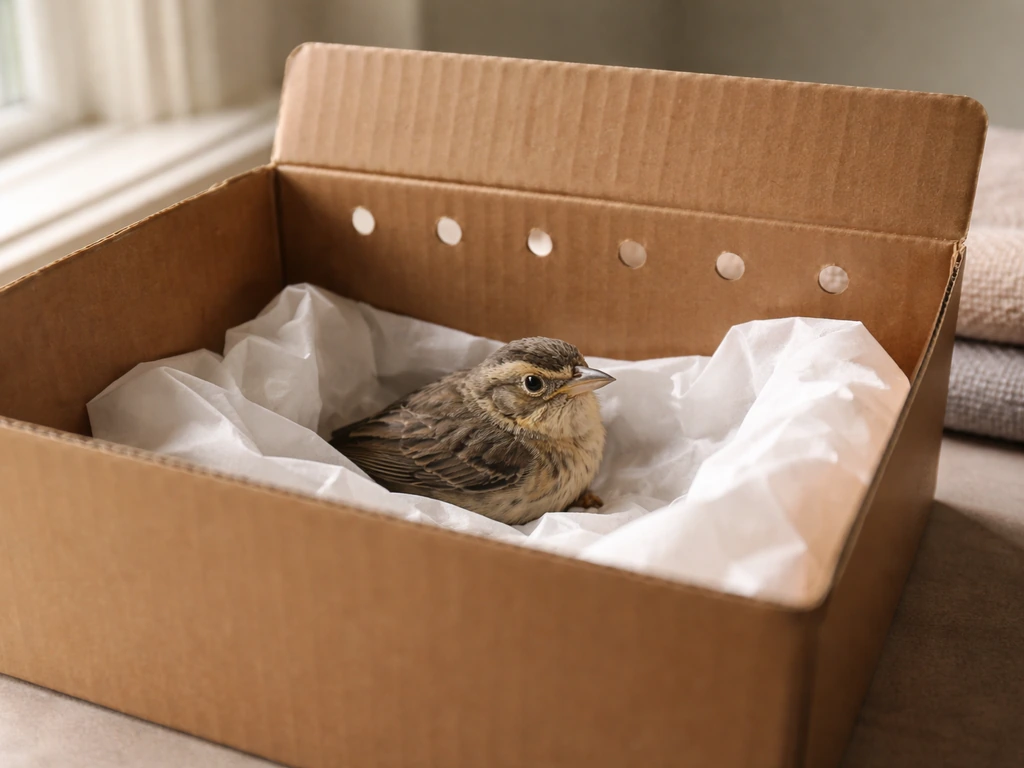
Can You Get a Bird Fixed? First Aid and When to Call Pros
Step by step bird rescue first aid: assess safely, treat common injuries, spot red flags, and know when to call pros.
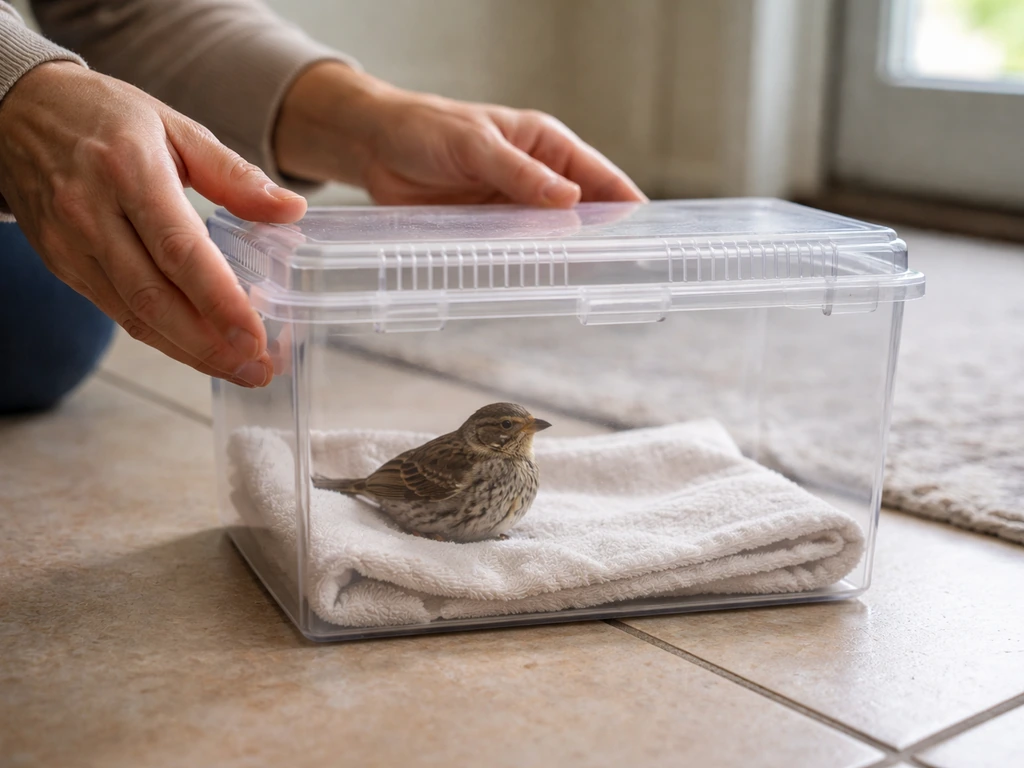
Can I Take an Injured Bird to the Vet? What to Do
Can you take an injured bird to the vet? Get safe transport, first aid steps, and when to call rescue.
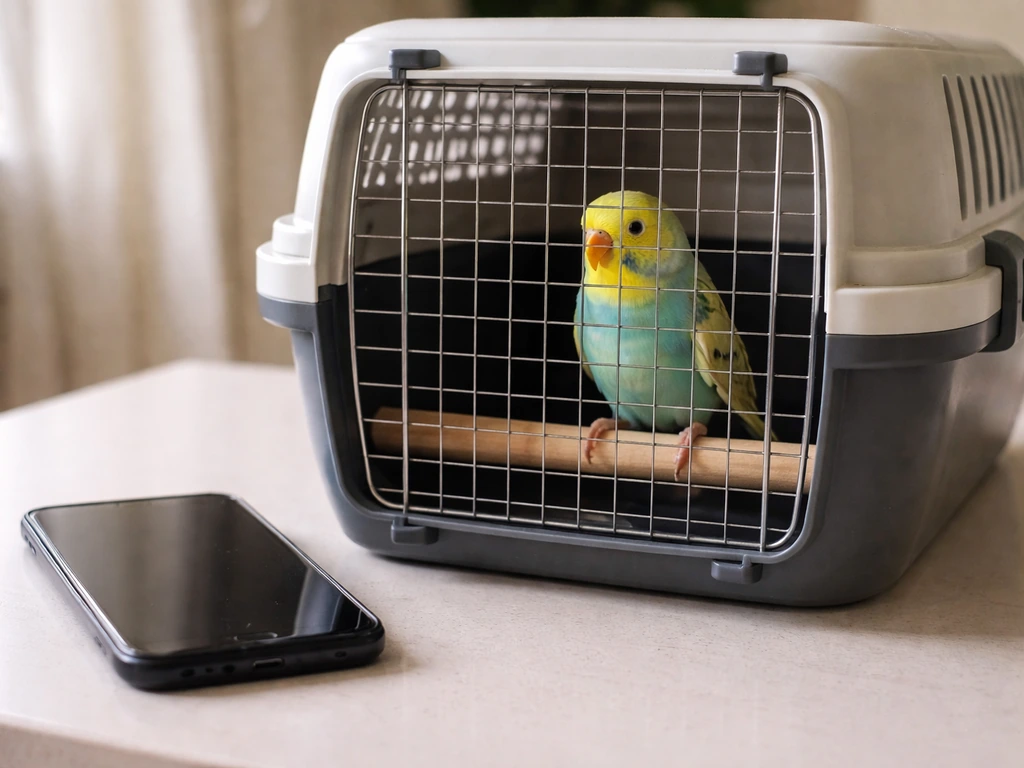
Where Can I Take My Bird to the Vet? Emergency Guide
Get urgent help fast: find an avian vet or wildlife rehab, what to ask, and how to transport your bird safely.