
For a healthy adult pet bird, once a year is the standard. An annual wellness exam with an avian vet is the baseline recommended by the Association of Avian Veterinarians, the AVMA, and the CDC. That said, brand-new birds should be seen within a few days of coming home, senior birds and birds with health problems often need visits every six months, and any bird showing injury or sudden illness needs care right away, not at the next scheduled appointment.
How Often Should You Take Your Bird to the Vet?
Marcus Chen
29 Apr 2026
The baseline schedule for healthy pet birds
Once a year is the floor, not the ceiling. A yearly wellness exam lets your avian vet blank" rel="noopener noreferrer">establish what's normal for your specific bird, including baseline blood values, weight, and feather condition. That baseline becomes invaluable later if something changes. Without it, vets are essentially working blind when something goes wrong.
If you just brought a bird home, don't wait for the annual cycle to start. Get a new-bird visit scheduled within a few days of adoption or purchase. This initial visit screens for infections, parasites, and nutritional issues that the previous owner or store may not have known about. It also gives you a health snapshot before any problems become serious.
So to summarize the core schedule simply:
- New bird: within a few days of bringing them home
- Healthy adult bird: once per year for a wellness exam
- Senior bird (typically 7+ years for small species, 15+ for large parrots): every 6 months
- Bird with a known health condition or recent illness: as directed by your vet, often every 3 to 6 months
- After any injury or emergency: follow-up schedule set by the treating vet
How age, species, and risk level change vet frequency
Not every bird fits the once-a-year mold, and it helps to think about your bird's individual risk profile rather than just following a generic rule.
Age
Young birds and seniors need more frequent attention. Juveniles are still developing and are more vulnerable to nutritional deficiencies and infectious diseases. Senior birds are more prone to organ changes, tumors, and arthritis, and those problems are far easier to manage when caught early. For most small species like budgies and cockatiels, the senior threshold is around 7 to 8 years. For larger parrots, it's more like 15 to 20 years. If you're not sure where your bird falls, ask your vet at the next visit.
Species
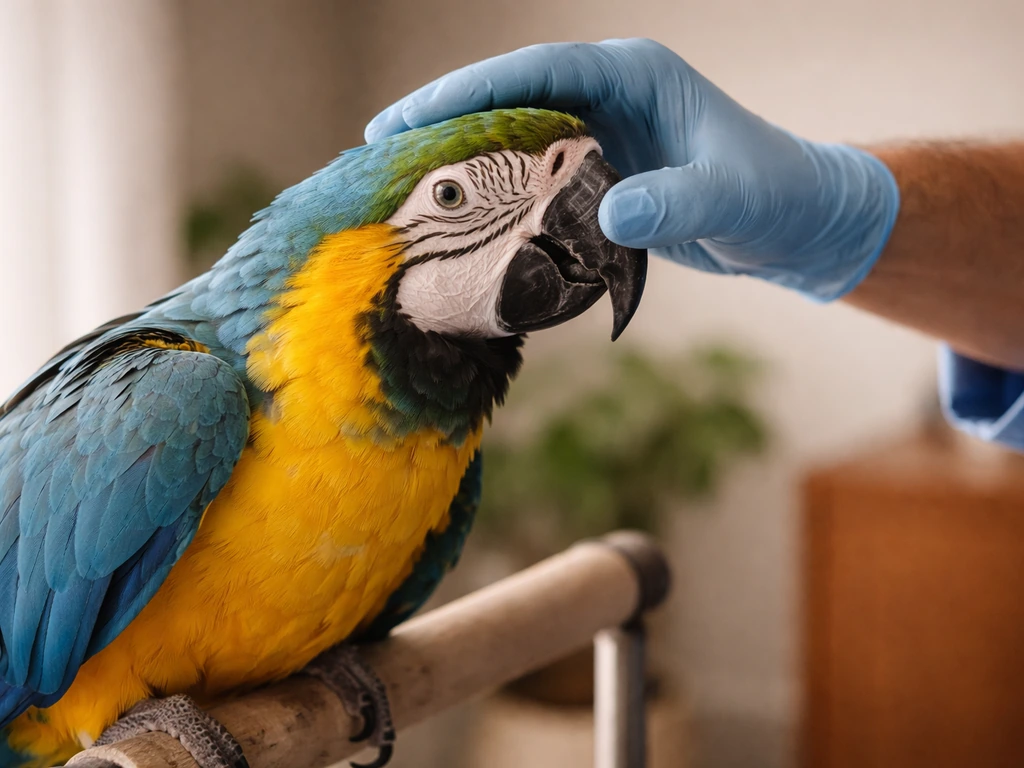
Long-lived species like macaws, cockatoos, and Amazon parrots have decades-long relationships with their vets. These birds are also more prone to psittacine beak and feather disease, fatty liver disease (especially on seed-heavy diets), and reproductive problems in females. Smaller species like finches, canaries, and budgies tend to have faster metabolisms and can decline quickly when ill, which makes annual monitoring just as important even if individual visits feel quick.
Risk factors that push visits closer together
- Recent introduction of a new bird to a multi-bird household
- Known exposure to sick birds
- History of illness, injury, or surgery
- Breeding birds or egg-laying females
- Birds on long-term medication
- Any bird whose health the vet considers 'not stable'
If any of those apply to your bird, follow your vet's recommended interval rather than the standard annual schedule. The AAV notes that frequency should increase whenever health is not fully stable, and that's a practical rule worth keeping in mind.
What actually happens at a routine bird vet visit
A lot of bird owners skip vet visits because they're not sure what they're paying for when the bird seems fine. Here's what a standard avian wellness exam typically covers, so you know exactly what you're getting.
- Full physical examination: the vet checks eyes, ears, nostrils, mouth, beak, skin, feathers, wings, legs, feet, nails, vent, chest, and abdomen for anything out of the ordinary
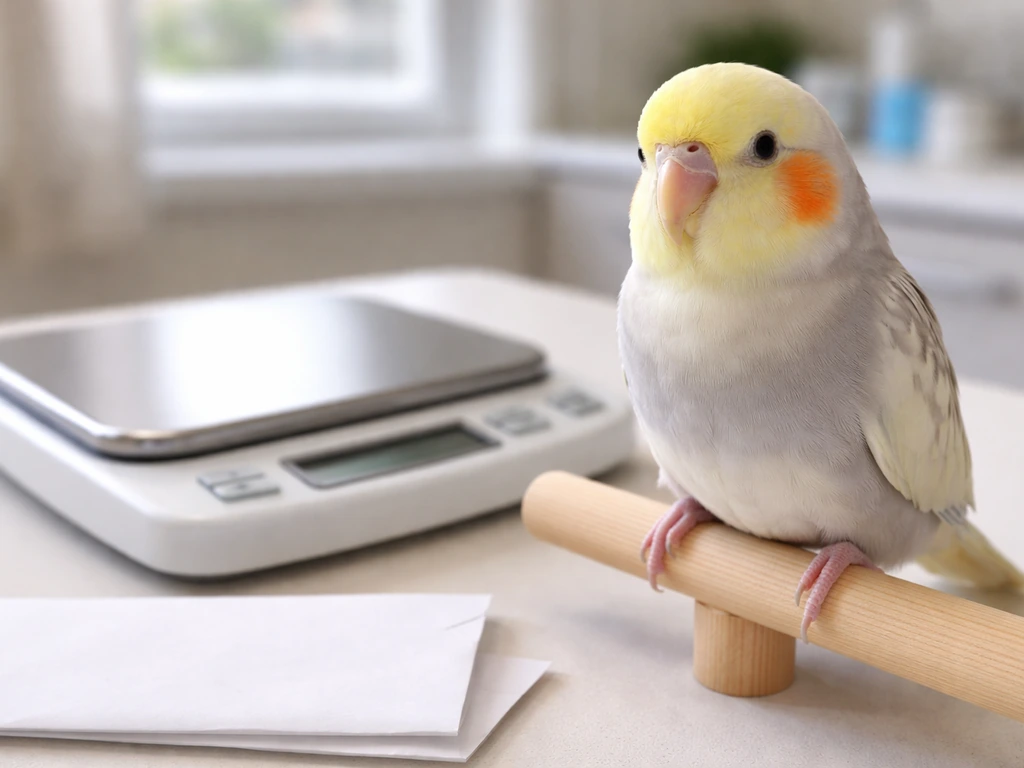
- Weight and body condition: weight loss in birds is often the earliest detectable sign of illness, so tracking it over time matters
- Fecal analysis: a fecal test screens for parasites, bacterial overgrowth, and yeast, all common issues in pet birds
- Blood work: a complete blood count (CBC) and biochemistry panel assess organ function, immune status, and red and white blood cell health; many vets recommend this annually, especially as birds age
- Radiographs (X-rays): whole-body X-rays can reveal organ abnormalities, masses, fluid accumulation, foreign bodies, and skeletal problems that a physical exam can miss entirely
- Husbandry review: the vet will ask about diet, cage setup, household exposures (non-stick cookware, air fresheners, candles), sleep schedule, and any behavioral changes you've noticed
One thing worth knowing: birds are prey animals and instinctively hide illness. By the time a bird looks sick to the naked eye, the problem has often been developing for weeks or months. Lab work and X-rays catch what the naked eye can't, which is exactly why they're part of routine care and not just emergency workups.
Red flags that mean don't wait for the annual visit
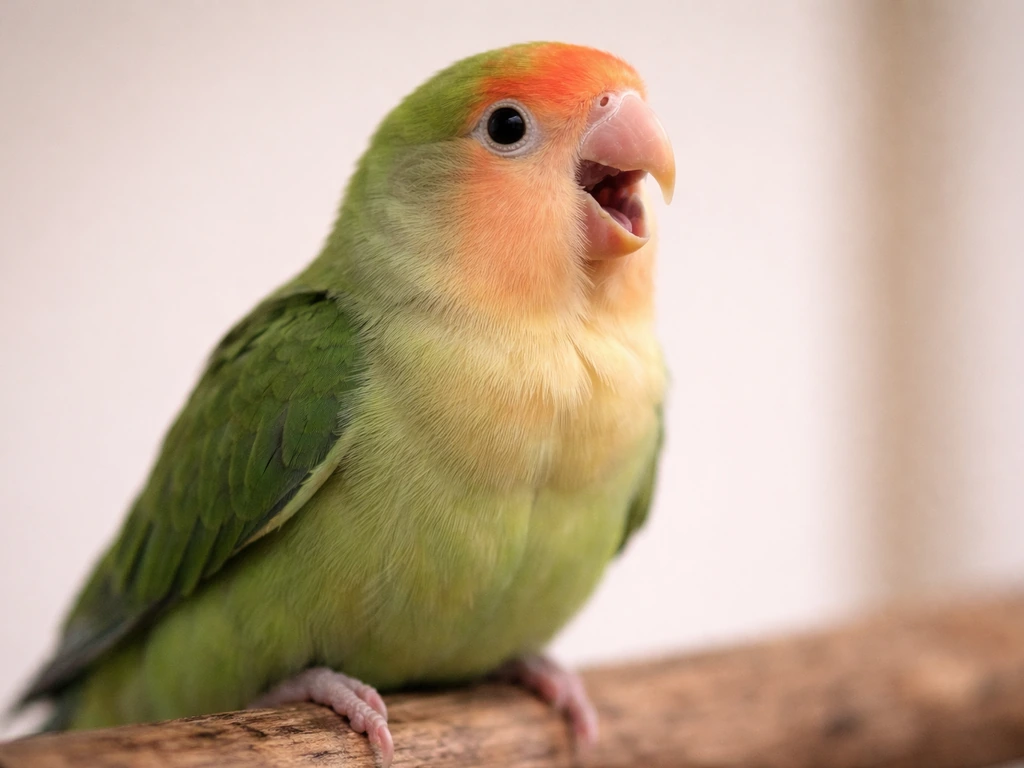
The annual schedule is for well birds. If your bird is showing any of the signs below, the right move is to call an avian vet today, not schedule something for next month. If you're unsure whether what you’re seeing counts as an emergency, our guide on why did the bird go to the hospital can help you judge urgency and next steps call an avian vet today. If you need to address a specific injury or problem, an avian vet can advise whether your bird can be treated or needs urgent care. Birds deteriorate fast once they stop hiding illness, and delay costs time you often don't have.
- Labored, open-mouth, or noisy breathing
- Active bleeding that doesn't stop with gentle pressure within a few minutes
- Seizures or sudden loss of coordination
- Drooping wing or wings, inability to perch
- Discharge from the nostrils, eyes, or mouth
- Fluffed-up feathers combined with sitting on the cage floor (not just resting on a perch)
- Complete loss of appetite for more than 24 hours
- Sudden dramatic weight loss visible to the eye
- Swollen or discolored beak, face, or feet
- Straining without producing droppings, or droppings that are consistently abnormal in color or consistency
- Exposure to a known toxin (non-stick fumes, smoke, cleaning chemicals, heavy metals)
- Known or suspected cat or dog contact, even without obvious wounds
Open-mouth breathing and seizures are both true emergencies. Don't observe and wait on those. Call ahead to the clinic so they can prepare, and get moving. The same applies to bleeding that won't stop and any bird that went through a window collision or predator attack.
Even if the bird looks physically okay after a trauma, internal injuries and shock can be fatal within hours. The Merck Veterinary Manual also emphasizes that an animal can look normal and stable on initial exam yet still have substantial underlying injury, so monitoring and hospitalization may be appropriate even when you do not see obvious problems [Even if the bird looks physically okay after a trauma, internal injuries and shock can be fatal within hours. ](https://www. merckvetmanual.
com/emergency-medicine-and-critical-care/specific-diagnostics-and-therapy/trauma-in-emergency-medicine-in-small-animals).
Follow-up care after injury or trauma
If your bird has been through a window collision, a broken wing or leg, a beak injury, or a predator attack, the initial vet visit is only the beginning. Follow-up frequency after trauma depends on the injury, but here's a general picture of what to expect.
| Injury Type | Typical Initial Visit | Common Follow-Up Timeline |
|---|---|---|
| Window collision / concussion | Same day if possible, within 24 hours at most | Recheck in 3 to 7 days; sooner if condition changes |
| Broken wing (fracture) | Emergency or same-day visit | Rechecks every 1 to 2 weeks during healing; X-ray to confirm union |
| Broken leg | Emergency or same-day visit | Weekly rechecks until stable; longer if splinting or pinning needed |
| Beak injury | Same day for cracks, breaks, or bleeding | Follow-up in 1 to 2 weeks; ongoing monitoring as beak regrows |
| Cat or dog attack | Immediately, even without visible wounds | 24 to 48 hour recheck; antibiotic course typically 7 to 14 days minimum |
| Bleeding (minor, controlled) | Same day if bleeding is significant | Recheck within a few days to assess healing and underlying cause |
Cat attacks deserve special mention. Cat saliva contains bacteria, particularly Pasteurella, that can cause fatal systemic infection in birds within 24 to 48 hours even when the physical wounds look minor. A bird that had any contact with a cat's claws or teeth needs a vet the same day. This one is not a wait-and-see situation.
After initial treatment, follow your vet's recheck schedule closely. Lab work after trauma is often more informative than the physical exam alone since internal inflammation and organ stress don't always show up on the outside. The Merck Veterinary Manual notes this specifically: avian physicals can be less revealing than exams in other animals, which makes follow-up bloodwork especially worthwhile after serious injuries.
Before the visit: what to bring and how to prepare
A little prep before the appointment makes the visit more efficient and gives your vet better information to work with.
What to bring
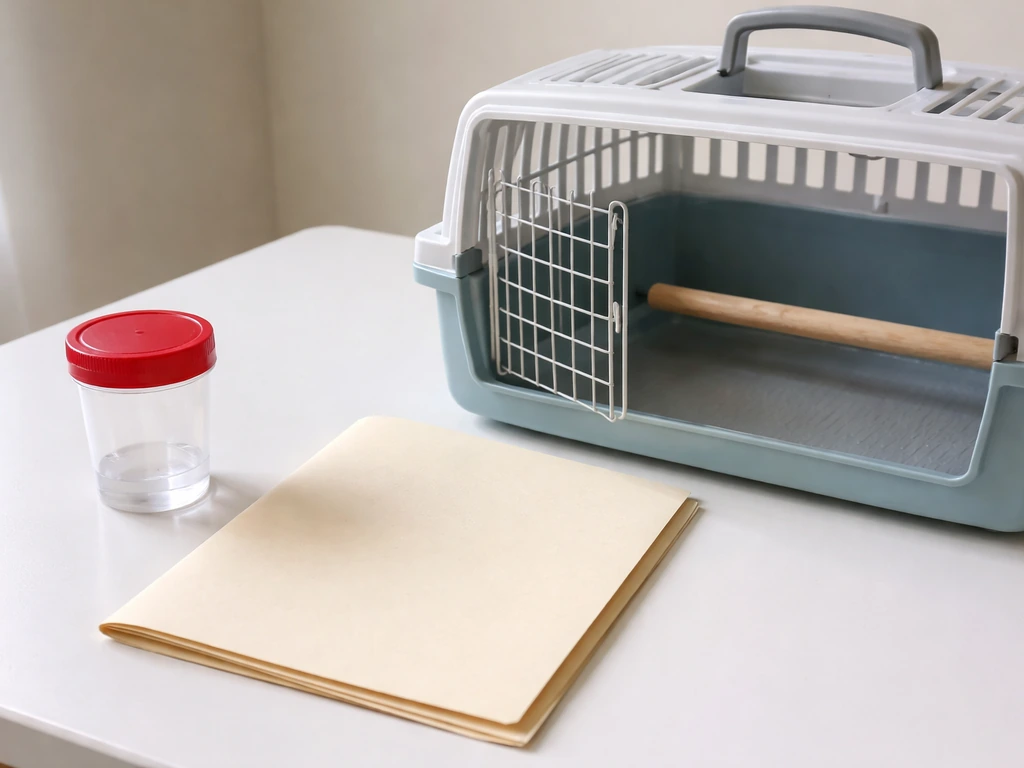
- Any previous vet records, vaccination history, or lab results
- A fresh fecal sample in a clean container if your vet requested one
- A list of everything the bird eats, including pellets, seeds, fruits, and any supplements
- Notes on any behavioral or physical changes you've noticed, including when they started
- The bird in a secure, appropriate transport carrier (more on this below)
How to transport your bird safely
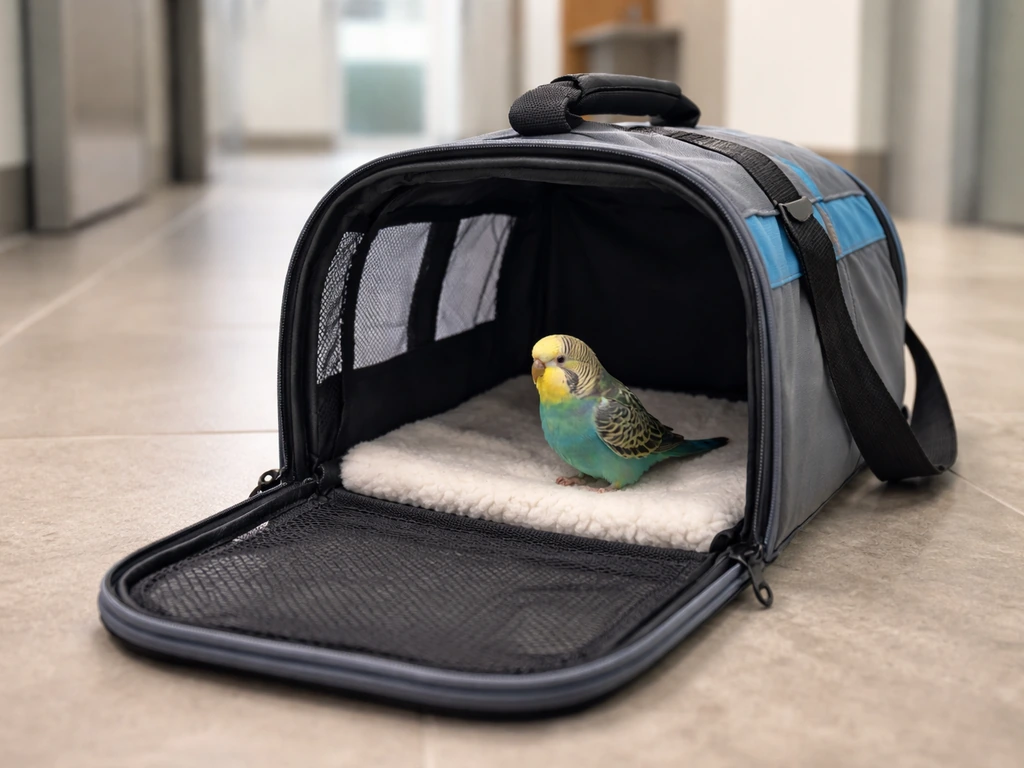
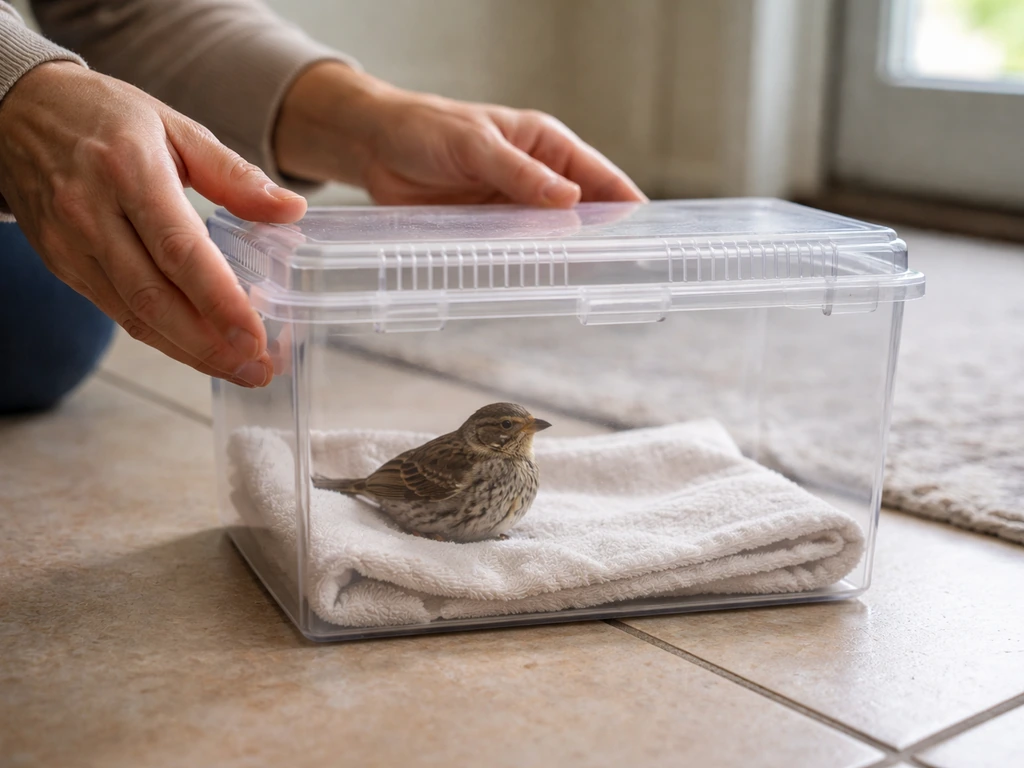
Use a carrier or small cage that's appropriately sized for your bird, not the everyday home cage if it's large. Line it with a soft towel or blanket to cushion movement and reduce stress. For injured or unwell birds, warmth matters: a warm water bottle wrapped in a cloth and placed near (not directly under) the bird can help prevent cold stress during the drive. Keep the carrier away from drafts, don't blast the air conditioning, and drive as smoothly as you can. If the trip is long, bring fresh water and offer it during stops.
If your bird is particularly anxious about handling, gradually acclimating them to being briefly toweled or held before vet visits can reduce exam stress over time. This matters practically because a stressed bird is harder to examine and more prone to injury during handling.
Finding an avian vet and knowing how urgent your situation is
Not every general practice vet is equipped to treat birds well. If you are asking what is a bird vet called, look for an avian vet because specialized bird care is what most general practice clinics cannot provide. Avian medicine requires specialized training, equipment, and experience that most small animal clinics don't have. The best starting point for finding a qualified avian vet is the Association of Avian Veterinarians' Find-a-Vet directory, which is searchable by location and lists members with avian-specific training.
If you have an injured wild bird or a situation where cost is a barrier, licensed wildlife rehabilitators are another option. Many rehabilitators work with injured birds and operate under wildlife permits that cover care costs differently than private vet practices. Your local animal control office, wildlife agency, or a quick online search for wildlife rescue in your area can connect you with those resources.
When you call, be upfront about what you're seeing. Describe the symptoms, when they started, and whether there was any known trauma. That helps the clinic triage correctly and tell you whether to come immediately or whether the next available appointment is fine. If you're wondering when to take your bird to the vet, this triage step helps you decide whether it can wait or needs care right away next available appointment. If you're ever unsure, err on the side of calling and letting the vet staff make that call. They'd rather hear from you and say 'this can wait until tomorrow' than have you wait on something that couldn't.
Quick urgency guide
| Situation | Urgency Level | Action |
|---|---|---|
| Open-mouth breathing, seizure, active uncontrolled bleeding | Emergency | Call immediately and go now |
| Known trauma (collision, cat attack, fall) | Same day | Call the clinic now, go today even if bird looks okay |
| Sudden behavior change, stopped eating, fluffed on cage floor | Urgent | Call today and get the earliest appointment available |
| Discharge, feather changes, mild weight loss | Soon | Schedule within a few days, monitor closely in the meantime |
| Healthy bird, no symptoms | Routine | Annual wellness exam; call if anything changes |
The site also covers related topics that connect to this one: knowing what type of specialist you're looking for, whether you can take an injured bird to a regular vet, and how to actually get your bird safely to the appointment are all questions worth having answered before you're in a stressful moment. If you need the quickest option, use the Find-a-Vet directory to locate an avian clinic near you. Having those answers ready in advance is part of being a prepared bird owner. If you are figuring out how to transport a bird to the vet, use the same careful planning so your bird stays calm and warm during the trip how urgent your situation is.
FAQ
My bird hasn’t seen an avian vet in a long time, should I still just book “once a year”?
If your bird’s last visit was years ago, don’t wait a full year from today. Schedule an appointment as soon as you can for a baseline exam and catch-up testing, then ask your avian vet when the next check should be (often sooner if age, diet, or past issues suggest higher risk).
Do I need to take my bird to the vet more often if I change its diet or routine?
Yes. If your bird is stable but you make a major change like switching seed types, starting pellet conversion, adding supplements, or changing breeding conditions, ask whether you should come in at the 4 to 8 week mark. Dietary transitions can change lab values and body condition before visible symptoms show up.
If I quarantine a new bird at home, do I still need a vet visit right away?
For many birds, a “new home” check is the first step, but quarantining does not replace veterinary screening. Even if the bird seems healthy and you’re already isolating it, a vet visit within a few days of arrival helps assess parasites and infectious risks that may not be obvious during quarantine.
What if my bird seems worse after a recent vet visit, should I wait for the follow-up date?
If your bird has not recovered as expected, treat it as a clinical reassessment rather than a calendar-based recheck. A practical rule is to contact the clinic immediately if appetite, droppings, breathing, posture, or activity level worsens at any point after treatment.
How can I tell if my bird should be seen before the next scheduled wellness exam?
Some issues can be missed even when the bird looks fine, so you still need routine intervals. Ask your vet whether your bird needs periodic body-weight checks at home between annual visits, especially if the species tends to decline quickly, so you can escalate care before it becomes obvious.
If my bird takes medication for a chronic condition, does “once a year” still apply?
A normal annual exam may not be enough for birds that have ongoing medication, chronic conditions, or fluctuating weight. In those cases, the clinic may set a shorter interval for repeat lab work or medication monitoring, even if the bird isn’t having an acute crisis.
How do I decide whether to call right now versus waiting, if symptoms are mild?
Because birds hide illness, your urgency decision should not rely on “how long it’s been.” Instead, go by the type and severity of signs, especially breathing changes, seizures, uncontrolled bleeding, collapse, or any trauma. If you’re unsure, call the clinic for triage.
My bird got scratched by a cat, it looks minor. Do I really need to go the same day?
If you suspect a cat-related exposure, treat it as urgent regardless of how small the wound looks. The key detail is the timing window, contact an avian vet the same day if there was any contact with claws or teeth, because systemic infection can progress quickly.
When I call the vet, what details should I say to help them judge urgency?
If you’re unsure which symptoms count as emergency, keep a short list and read it to the clinic staff: current breathing (open-mouth or not), mentation (alert versus lethargic), ability to perch, bleeding status, and any trauma details (window collision, fall, bite). Clear symptom reporting speeds correct triage.
Next Articles
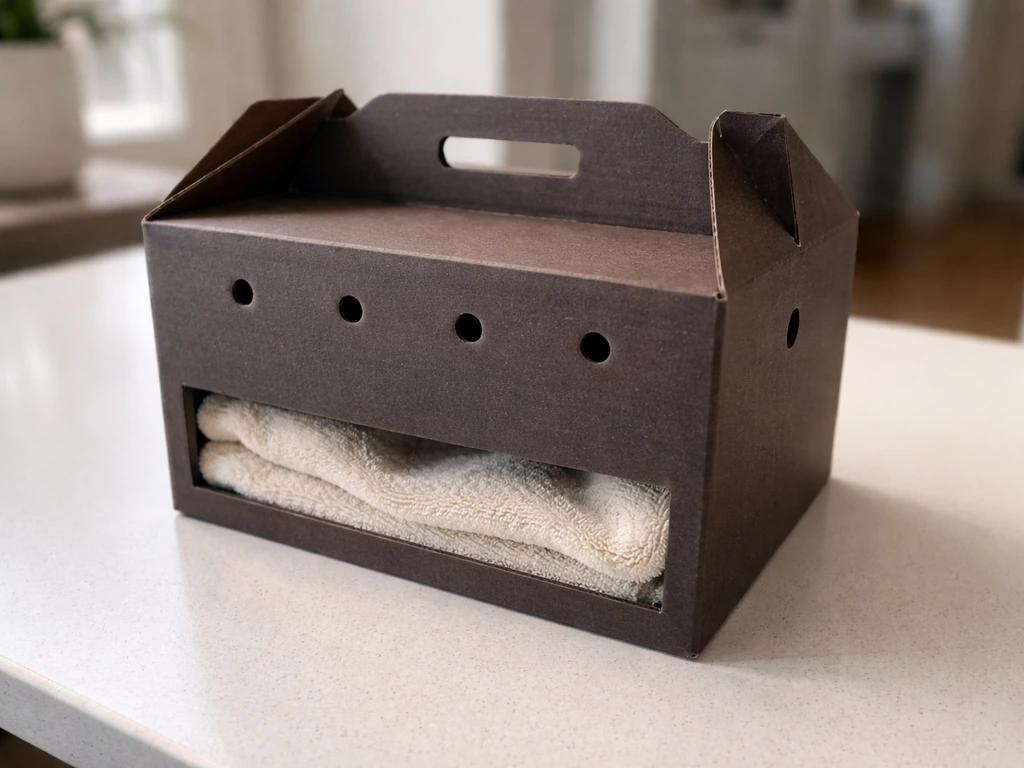
How to Transport a Bird to the Vet Safely and Humanely
Step-by-step guide on how to transport a bird to the vet safely, with carrier prep, injury handling, stress and arrival
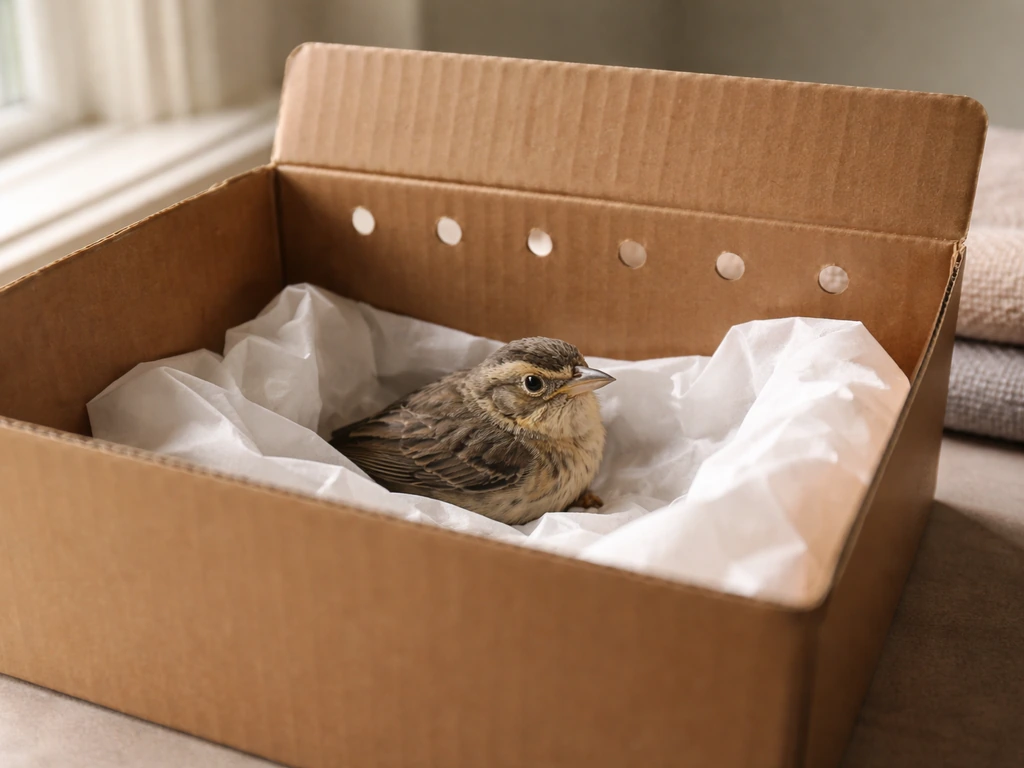
Can You Get a Bird Fixed? First Aid and When to Call Pros
Step by step bird rescue first aid: assess safely, treat common injuries, spot red flags, and know when to call pros.
Can I Take an Injured Bird to the Vet? What to Do
Can you take an injured bird to the vet? Get safe transport, first aid steps, and when to call rescue.