
Put the bird in a small, ventilated cardboard box lined with a paper towel, close it, and set it somewhere warm, dark, and quiet for up to an hour. That single step saves more stunned birds than anything else people try. Most birds that hit a window or get knocked around by a disturbance just need time to recover from the concussion-like shock, and the biggest thing that kills them in that window is stress, cold, and predators, not the original impact.
Stunned Bird: What to Do Right Now and Next Steps
Marcus Chen
4 Jun 2026
First 10 minutes: quick safety check for you and the bird
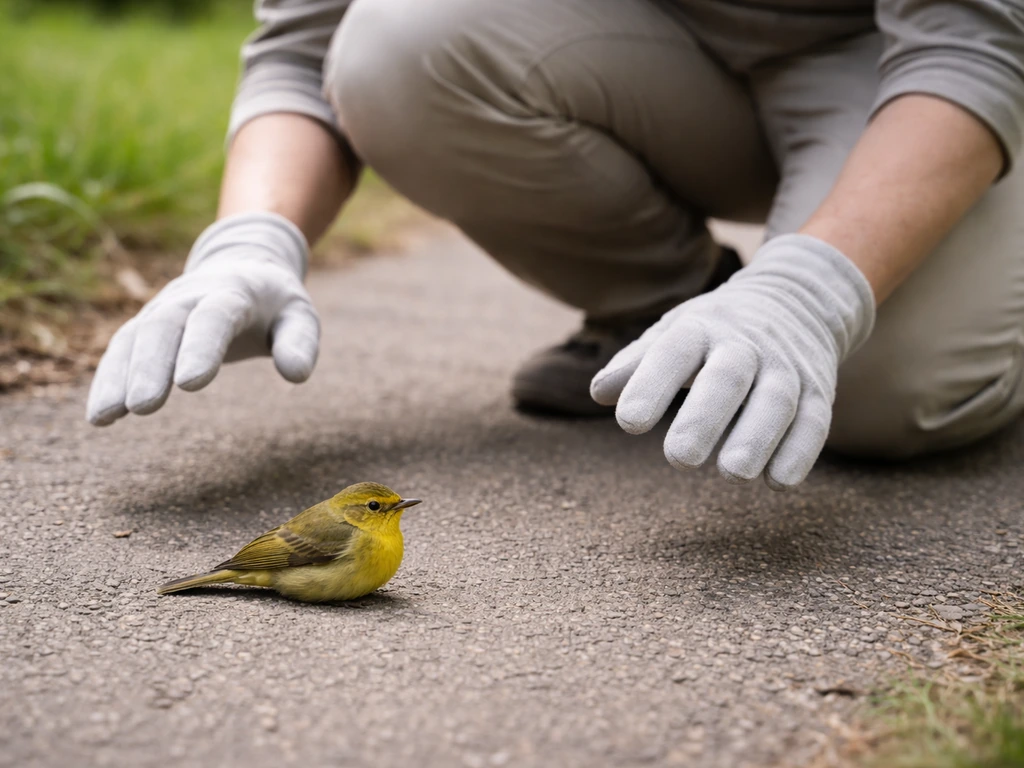
Before you touch anything, take five seconds for yourself. Birds can scratch and bite even when they look completely out of it, and birds of prey have talons that can puncture skin fast. Grab a pair of gloves if you can, even basic garden gloves. If gloves aren't nearby, use a folded towel. Wash your hands thoroughly after any contact.
Now look at the bird without touching it. Is it upright or on its side? Are its eyes open? Is it breathing with its mouth open? Can you see any blood, a wing dragging at an odd angle, or a leg that looks wrong? Just look for 30 seconds. That visual check tells you a lot before you ever pick it up, and it helps you describe the situation accurately if you end up calling a wildlife rescue.
Get pets and children away from the area immediately. A stunned bird sitting still on the ground is not a calm bird. It is a bird in survival shutdown, and every additional stressor, a curious dog, a kid leaning in close, you hovering over it, makes the situation worse. Clear the area first, then come back to help.
Stunned vs. injured: signs that tell them apart
A stunned bird looks dazed but is mostly intact. It might be sitting on the ground, fluffed up, blinking slowly, or slightly unsteady. SpectrumCare also lists quiet behavior, loss of balance or weakness, abnormal eye movements, tremors or seizures, and sitting fluffed at the bottom of the cage as reported concussion or head-trauma signs fluffed up, blinking slowly, or slightly unsteady. Its eyes are usually open or half-open, it's breathing through a closed beak, and there's no visible blood or deformity. Think of it like a person who just got their bell rung: disoriented and weak but fundamentally okay. Most window-strike birds fall into this category.
An injured bird looks different. Watch for these signs that point to something more serious than simple stunning:
- Bleeding anywhere, even a small amount, especially around the head, beak, or wing
- A wing drooping at an unnatural angle, or one wing held dramatically lower than the other
- A leg that looks twisted, hanging, or won't bear any weight
- Open-mouth breathing, gasping, or heavy tail bobbing with each breath
- Tremors or seizure-like shaking
- Eyes that look sunken, cloudy, or with different pupil sizes
- Inability to hold its head up at all
- Repeated falling over or circling movements
If you're seeing any of those signs, this isn't a wait-and-see situation. You still follow the same containment steps below, but you should be calling a wildlife rescue or avian vet at the same time, not an hour later. Open-mouth breathing in particular is a red flag that the bird is in serious respiratory distress and needs professional help fast.
Immediate first aid: warmth, calm, and containment
The goal here is not to fix the bird. It's to create the best possible conditions for the bird to stabilize on its own, or to stay alive until you can get it to someone who can actually treat it. Three things matter most: warmth, darkness, and quiet. If you need quick guidance on a bird in shock, follow the containment and warmth steps so it can recover safely bird in shock what to do.
Setting up the recovery box
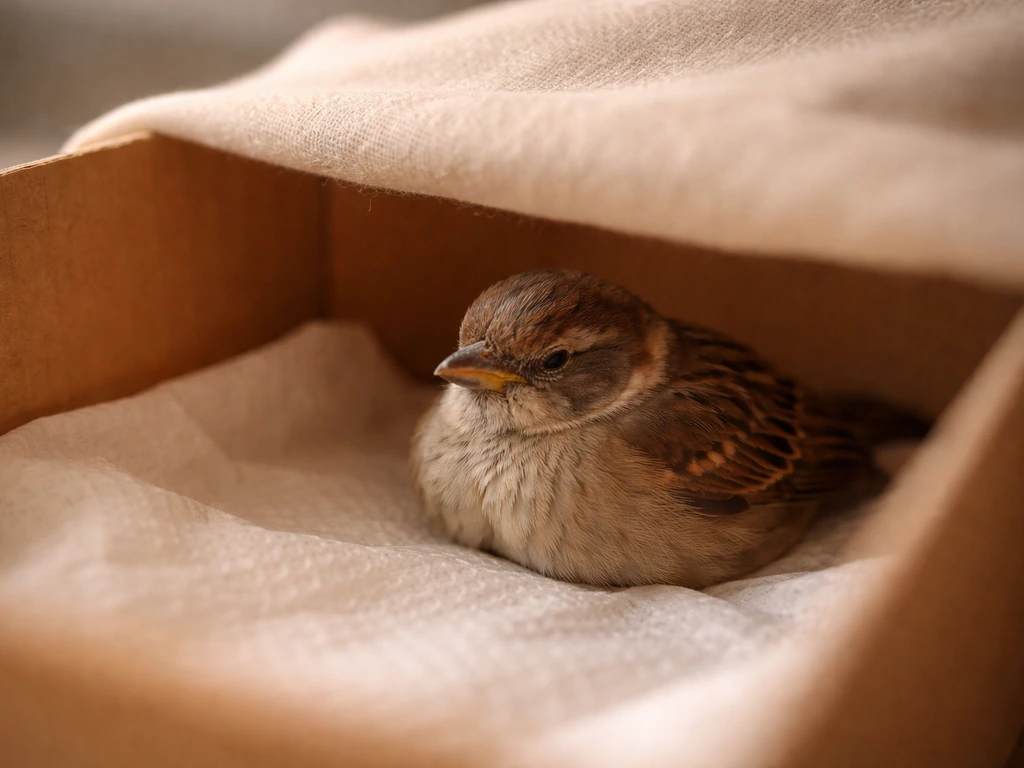
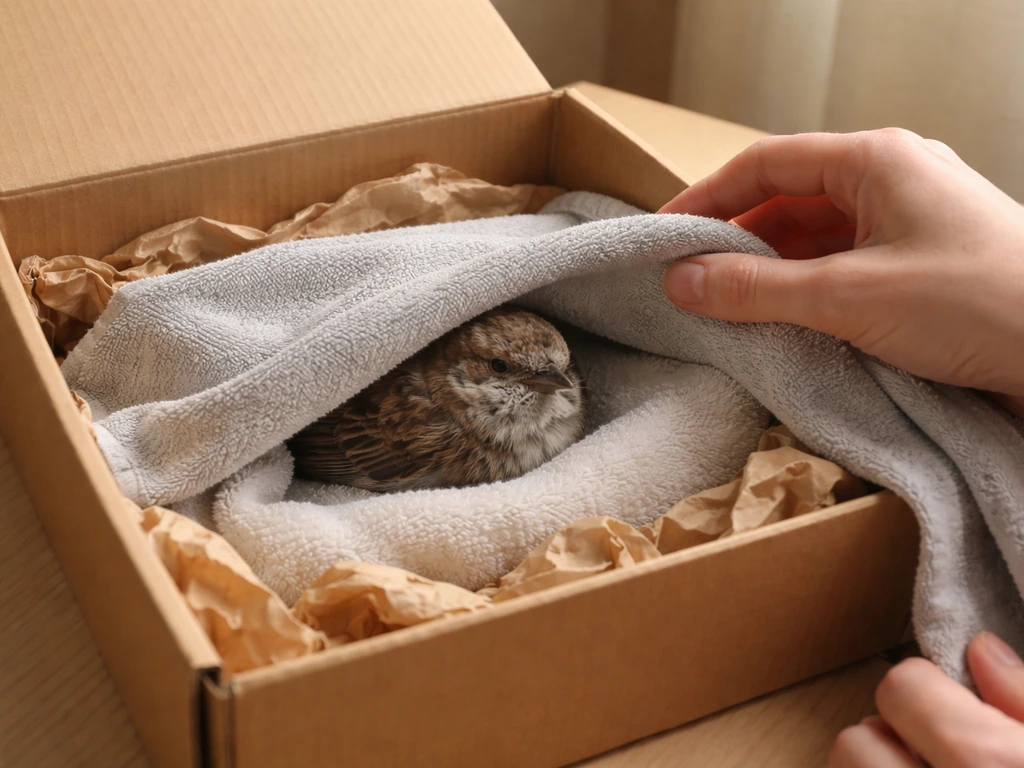
Use a cardboard box, a paper bag with air holes punched in, or a pet carrier. Line the bottom with a paper towel or a piece of cloth so the bird has something to grip. Make sure the container has ventilation, a few small holes if it's fully closed, but don't make it so open that the bird can see out easily. Darkness reduces stress significantly. Close the top securely.
To pick up the bird, cup it gently in both gloved hands or scoop it up with a folded towel. Cover it loosely so it can't see you. Lower it into the box and close the lid promptly. Minimize the time it's in your hands. The less handling the better.
Getting the temperature right
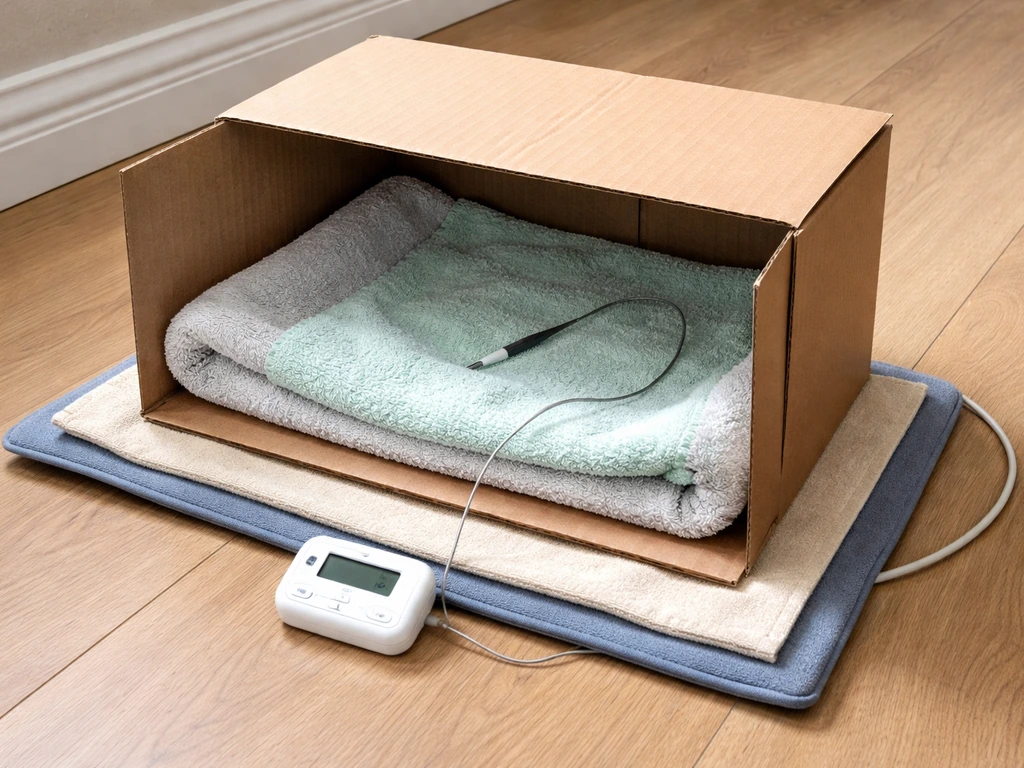
Warmth is genuinely life-saving for a stunned bird, especially if it's been on cold ground. The target is roughly 80 to 85 degrees Fahrenheit (27 to 29 degrees Celsius) inside the box. You can get there by placing one end of the box on a heating pad set to low, or by setting a warm (not hot) water bottle wrapped in a towel at one end of the container. Always leave one half of the box unheated so the bird can move away from the heat source if it gets too warm. Never put the bird directly on a heating pad or in direct sun.
Where to put the box
Put the box in a quiet room inside your home, away from noise, other pets, and foot traffic. Cover the outside of the box with a light towel on at least three sides if it's a carrier with visible openings. Keep it away from air conditioning vents blowing directly on it. Then leave it alone. No peeking every five minutes. Checking on it repeatedly is one of the most common mistakes people make, and it significantly raises the bird's stress level.
Things you should not do
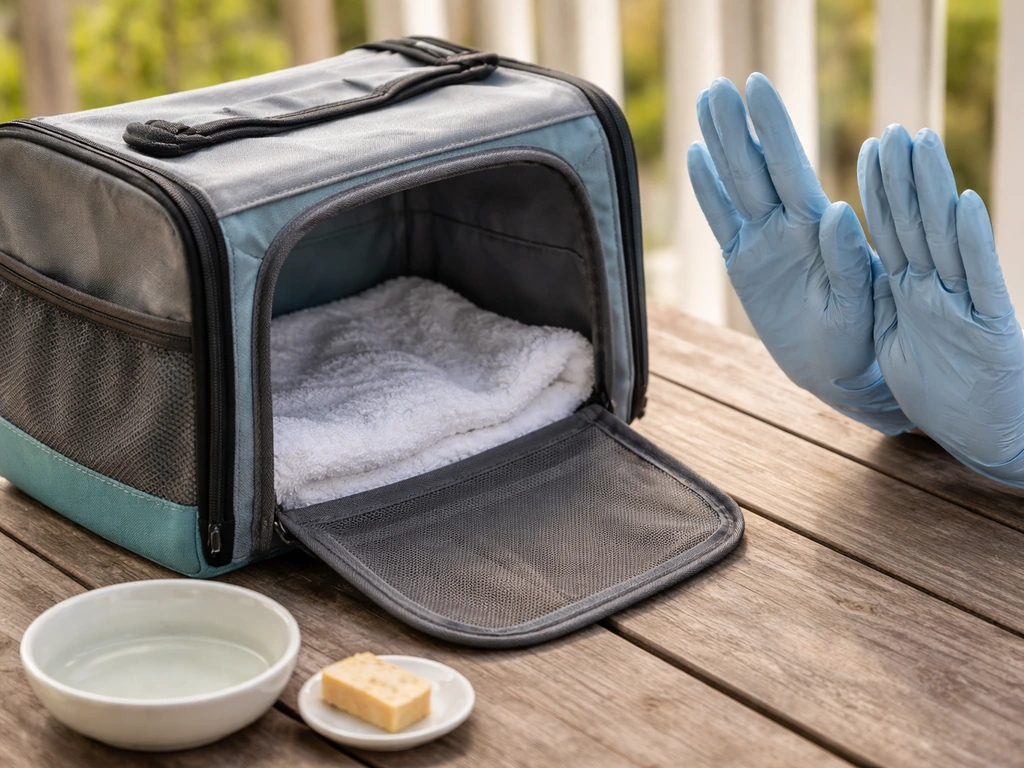
I've seen well-meaning people accidentally kill birds they were trying to help. If the bird is injured by an electric shock, the same calm containment steps apply, but you should also contact a wildlife professional right away. Most of the time it comes down to one of these mistakes:
- Do not give the bird food or water. Forcing food or water into a stunned bird is a serious aspiration risk, and it doesn't help. Even if the bird looks weak, skip it.
- Do not squeeze the bird's chest or body. Birds breathe by expanding their chest. Holding them too tight prevents that and can be fatal.
- Do not try to splint a broken wing or leg yourself. Improper splinting causes more damage. Containment and warmth are your job; repairs are the vet's job.
- Do not give any medications, including human pain relievers. Even small doses of common medications like ibuprofen are toxic to birds.
- Do not leave the bird outside in a box. Even in a shaded spot, the box heats up fast, predators are drawn to it, and weather changes quickly.
- Do not put the bird in a cage with vertical bars where it can flap around and injure itself further.
- Do not keep checking on it or opening the box repeatedly. Every look resets the bird's stress response.
Specific scenarios: window collisions, pet contact, and other causes
Window strikes
This is by far the most common reason people find a stunned bird. When a bird hits glass, the impact can cause swelling in the brain, similar to a concussion, that temporarily knocks out coordination and awareness. The bird often falls straight down and sits at the base of the window looking stunned. Most of these birds recover on their own within an hour if kept warm, dark, and quiet.
If you are searching for bird in distress what to do right now, focus on warmth, darkness, quiet, and getting professional help when warning signs show up. Box them up right away rather than leaving them on the ground where cats, hawks, or weather can get to them. After about an hour in the box, take it outside, open the lid, and step back. If it flies off, great.
If it doesn't, call a wildlife rehabber.
Cat or dog contact
This one is more serious than it looks. Even if the bird appears physically fine after a cat or dog grabbed it, bacteria from the animal's mouth, especially cats, can cause a rapid and fatal infection within 24 to 48 hours. A bird that a cat touched needs professional veterinary care and antibiotics, full stop. Do not watch and wait on this one. Box it up and call a wildlife rescue or avian vet today.
Outdoor disturbances and weather
Birds can become stunned or grounded after a near-miss with a vehicle, a sudden loud noise, a severe storm, or a predator attack. In these cases, look carefully for injury signs before assuming it's just stunned. A bird that survived a predator strike may have puncture wounds hidden under feathers that you can't easily see. If the bird was involved with a predator of any kind, treat it like a cat-contact case and get professional help.
Birds of prey
If the stunned bird is a hawk, owl, or other raptor, use thick work gloves without exception. Their talons cause serious injuries instinctively, even when the bird is barely conscious. Use a box that's slightly larger than the bird, add air holes, and close it right away. Do not attempt to hold a raptor on your arm or restrain it outside of a container. Call a wildlife rehabilitation center that specifically handles raptors, as general wildlife lines can usually direct you.
When to call a wildlife rescue or avian vet (and what to say)
Call immediately, before the one-hour wait, if the bird is bleeding, has an obvious broken bone, is gasping or breathing with its mouth open, cannot hold its head up, was caught by a cat or dog, or is a bird of prey. Don't wait to see if it improves on its own in these cases.
Call after one hour if it's a window-strike bird that still hasn't recovered and can't fly. Also call if it's nighttime and no rescue is open: keep the bird in the dark box overnight, then call first thing in the morning.
To find help, search for wildlife rehabilitators in your area through your state or provincial wildlife agency, or look for local Audubon society chapters and bird alliances, many of which maintain updated lists of licensed wildlife rehabilitators. The National Wildlife Rehabilitators Association and the Wildlife Center of Virginia both have online locator tools. When you call, be ready to tell them:
- The species if you know it, or a description of size and coloring
- How you found it and what likely caused the injury (window, cat, etc.)
- What symptoms you're seeing right now
- How long ago it happened
- Where you're located so they can direct you to the nearest facility
When you transport the bird to a rescue or vet, keep the box covered and in the passenger footwell or a secure spot in the back seat so it can't slide around. Keep the car quiet, skip the radio, and drive smoothly. Do not open the box in the car.
Recovery timeline and what to do if it doesn't improve
A bird that is simply stunned from a window strike typically shows improvement within 20 to 60 minutes. You might hear it moving around in the box, which is actually a good sign. After an hour, take the box outside to a quiet spot away from windows and predators. Open the flaps or lid and step well back. Give it a few minutes. Most birds that are going to recover fly off within moments of the box opening.
| Timeframe | What you might see | What to do |
|---|---|---|
| Under 20 minutes | Still dazed, barely moving, eyes half-closed | Keep in warm, dark box. Do not disturb. |
| 20 to 60 minutes | Starts moving, righting itself, alert eyes | Continue waiting quietly. Release check at the one-hour mark. |
| At one hour | Upright, responsive, trying to move | Open box outside, step back, let it fly. |
| After one hour, no improvement | Still weak, unable to stand or fly | Call a wildlife rehabilitator now. |
| Overnight (if rescue is closed) | Any condition, no improvement | Keep in dark box until morning, call rescue at opening time. |
If the bird doesn't recover within an hour or two, it almost certainly has an injury beyond simple stunning, whether that's internal trauma, a concussion that needs monitoring, or something you can't see. At that point, continuing to wait at home is not helping it. Getting it to a licensed wildlife rehabilitator is the only path to real recovery. If you are dealing with a weak bird and unsure what to do next, focus on warmth, darkness, and getting professional help as soon as possible. Home care is a bridge, not a treatment.
If the bird dies despite your efforts, please know that window strikes and other collision injuries are often severe internally in ways no one could see or fix without veterinary imaging and care. You did the right things. Sometimes the injuries are simply not survivable, and getting it somewhere warm, calm, and safe was still the kindest thing you could do.
For anyone who wants to go deeper on related situations, the steps for helping a bird in shock overlap closely with what's described here, and understanding how long recovery typically takes can help you make better decisions about when to wait and when to make the call for professional help. If you're wondering how to help a bird in shock, start with warmth, darkness, and quiet, then use the same recovery-box steps described above. Both are worth reading if you're working through a situation right now.
FAQ
Should I give the stunned bird food or water while it’s in the box?
No. Do not offer food or water. The bird needs warmth, darkness, and quiet to recover, and forcing water can cause choking or aspiration, especially if it is disoriented. Wait for a licensed wildlife rehabilitator if it does not recover quickly.
Can I put the bird outside after a short recovery if it still seems weak?
Only if it can stand and has coordinated movement. After about an hour for a window-strike bird, open the lid outside and step back. If it cannot fly off within moments, it needs a call to a wildlife rehabber rather than repeated attempts outside.
What if the bird starts flapping hard or panicking in the box?
Keep the environment quiet and confirm it has warmth and darkness. Avoid peeking or opening the container. If the bird is repeatedly thrashing, looks overheated (very hot to the touch, panting with open beak), or keeps escalating, contact a wildlife professional sooner rather than waiting the full hour.
Is it safe to cover the bird with a towel or use the wrong container?
Avoid anything that can overheat or trap the bird. A box or carrier needs ventilation, and the bird should be lined so it can grip (paper towel or cloth). Do not use plastic bags, tight cups, or fully sealed containers with no airflow.
How do I know the bird is too cold to wait at home?
If the bird feels cold to the touch, stays very limp, or cannot right itself after you warm the container, treat that as a higher-risk situation. Keep it warm in the recovery box and call a wildlife rehabilitator rather than extending home waiting.
What should I do if the bird has feathers sticking out or won’t settle?
Fluffed feathers can be a normal stress response, but persistent uneven posture, dragging a wing, visible blood, or repeated imbalance are not just “dazed.” Use the same containment steps, then call if you notice any injury indicators.
Does the one-hour wait rule apply to all birds?
No. Raptor, owl, hawk, and other birds of prey require immediate call and safer handling. Also call right away for mouth breathing, bleeding, suspected broken bones, cat or dog contact, or inability to hold the head up.
Can I transport the bird in my car if I do not have a covered box?
Use a secure container that can be kept covered. Keep it in a stable spot like the passenger footwell or back seat, where it cannot slide, and drive smoothly with minimal noise. Do not open the box in the car for “quick checks.”
What if I find multiple stunned birds at once?
Treat each bird separately. Use individual boxes or carriers so they cannot injure each other and so you can tell which one is improving. Keep them in a quiet, dim room and contact a wildlife rehabber, especially if it is an influx after a storm or large collision event.
What if the bird appears to recover in the box but later seems worse outside?
That can happen if the bird was injured beyond simple stunning. If it cannot fly off strongly, circles poorly, collapses, or seems to worsen within a few minutes of release, re-box it and call a wildlife rehabber promptly.
Is it okay to keep checking on the bird “just once in a while”?
Check as little as possible. Frequent peeking and opening the container raises stress, which can prevent recovery. If you must confirm warmth, do it quickly without removing the bird or repeatedly lifting the lid.
Next Articles
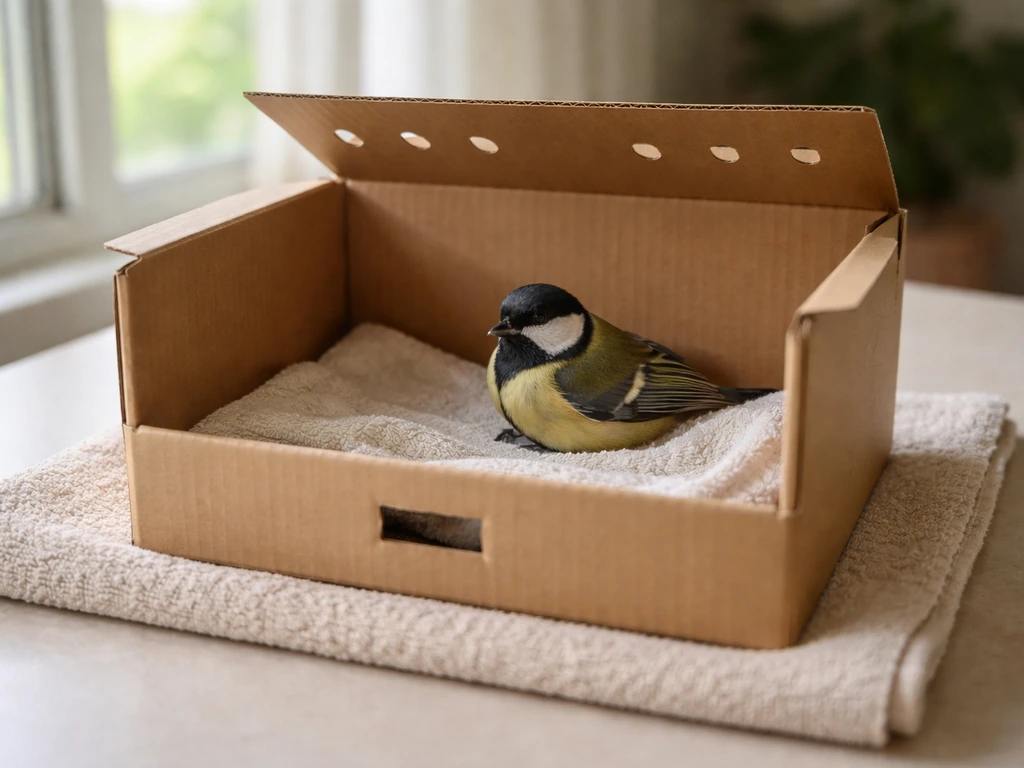
Bird in Distress: What to Do Right Now Step by Step
Step-by-step first aid for a distressed bird: assess safely, reduce stress, handle injuries, and get rescue fast.
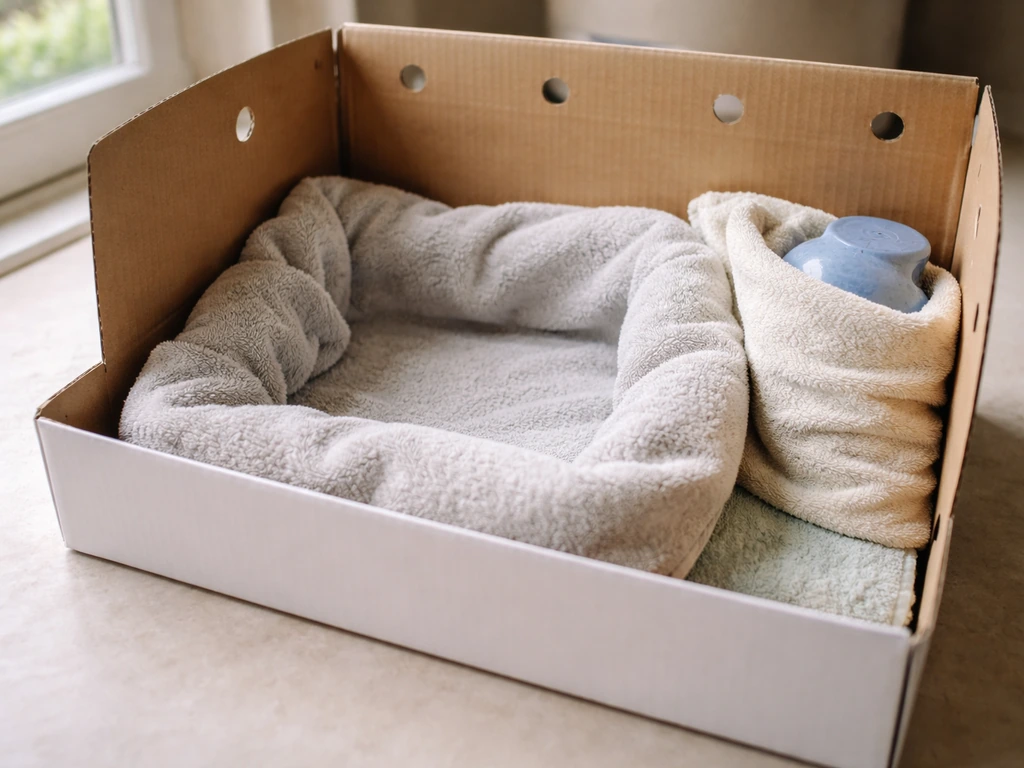
Weak Bird What Do I Do Now A Step by Step Guide
Step-by-step first aid for a weak, injured bird: safety checks, warmth, recovery box, and when to call a vet
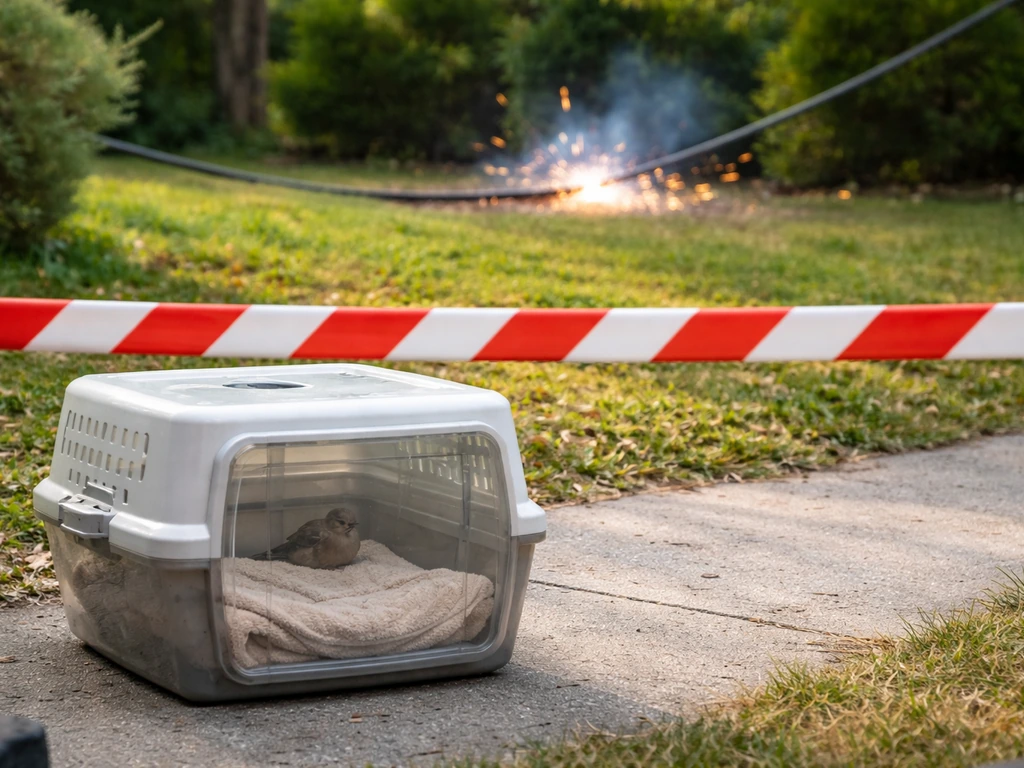
What to Do If a Bird Gets Electric Shock: First Aid Steps
Step-by-step first aid for birds after an electric shock: stay safe, turn off power, warm container, urgent vet signs