If you find a bird in distress right now, do this: stop, take a breath, and resist the urge to immediately scoop it up. If you’re dealing with a bird in shock, focus on keeping it warm, dark, and calm, then get professional help as soon as you can do this: stop, take a breath.
Bird in Distress: What to Do Right Now Step by Step
Marcus Chen
17 May 2026
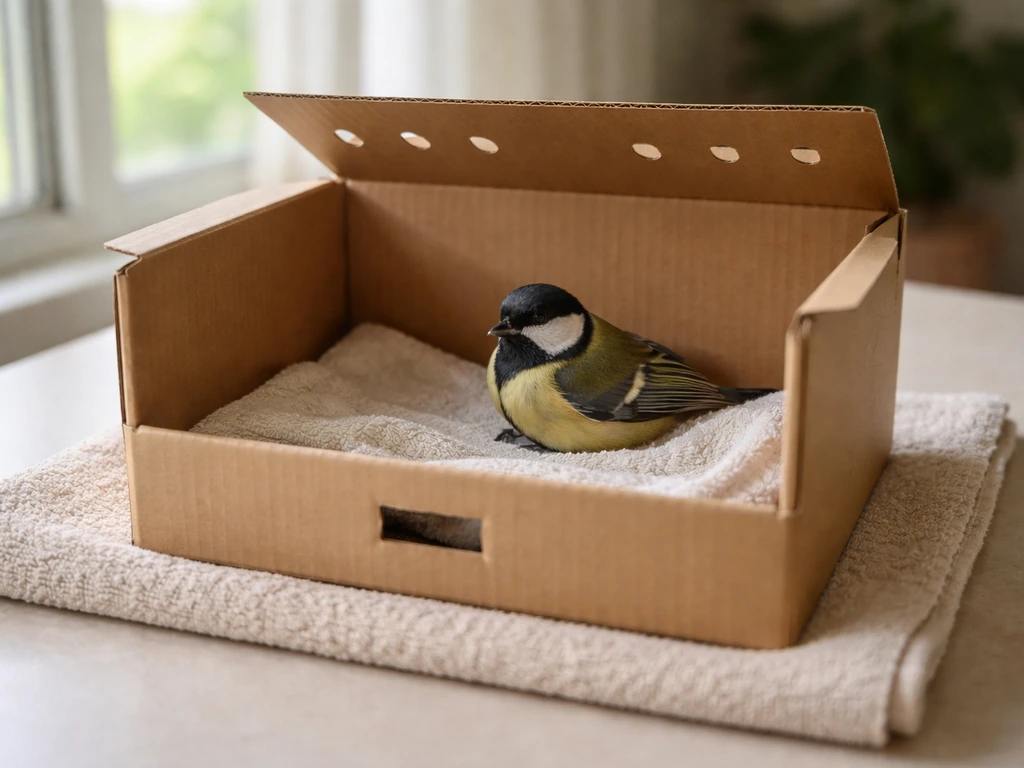
The safest first move is to watch from about 10 feet away for a few minutes, keep pets and kids back, and assess what you're dealing with. If the bird is bleeding, has a visibly broken wing or leg, or cannot move at all, it needs professional care today. In the meantime, your job is simple: contain it gently, keep it warm, dark, and quiet, and do not try to feed or give it water.
That combination alone will do more good than almost anything else while you arrange help.
How to assess a distressed bird safely
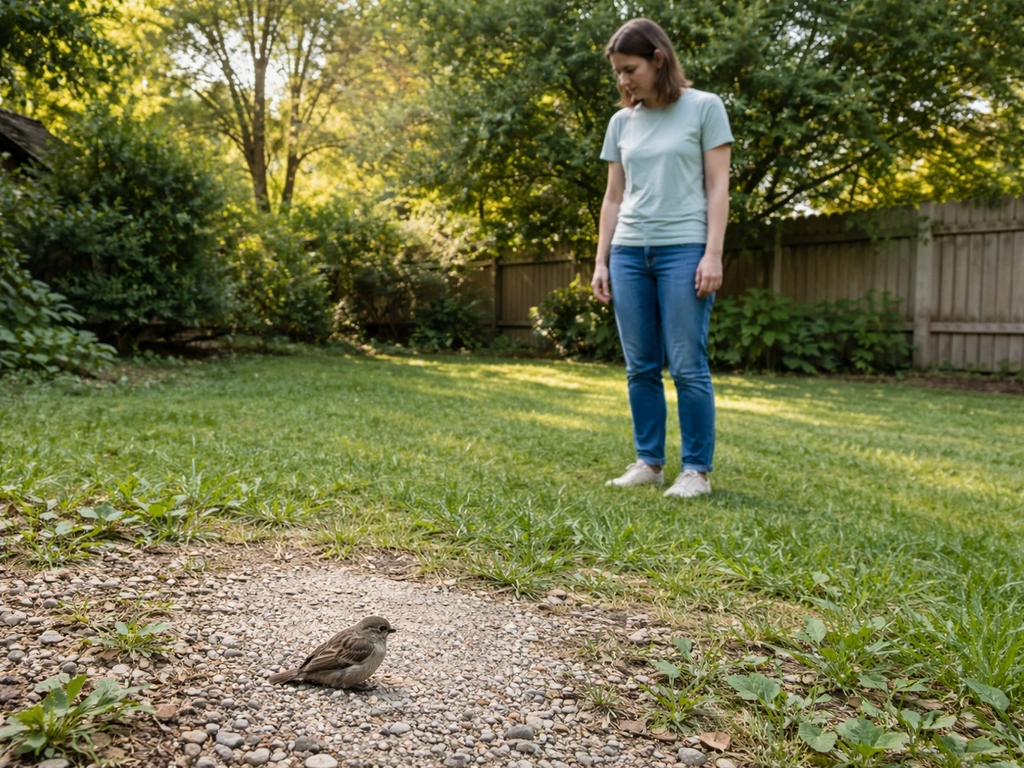
Before you touch anything, watch the bird from a distance for a few minutes. If the bird is in shock, focus on gentle containment, warmth, and quick contact with a wildlife rehabilitator bird in distress. You want to figure out how serious the situation is without adding more stress. A bird that's clearly dazed but sitting upright, blinking, and breathing may just need containment and quiet time. A bird that's lying on its side, bleeding, or unable to move at all needs you to act faster and call a wildlife rehabilitator immediately.
Keep children and pets well away. This is critical for the bird's safety and yours. Even small songbirds can scratch or peck when frightened, and birds that have been attacked by cats or dogs can carry bacteria in their wounds that affect both the bird and anyone handling it. Raptors like hawks or owls can cause real injury with their talons, so give them extra space and extra caution.
When you do approach, move slowly and quietly. Crouch down rather than looming over the bird. If it tries to flee, that's actually a good sign: the bird still has some fight left. If it just sits there and lets you walk right up to it, that's a red flag that something is seriously wrong.
- Assess from about 10 feet away before approaching
- Look for visible bleeding, a drooping wing, or an obvious leg injury
- Notice if the bird is upright or lying on its side
- Check whether the bird is breathing rapidly or gasping
- Keep all pets indoors and children at a distance before you get closer
- Never handle a hawk, owl, or other raptor without thick gloves if you have them
Immediate first-aid basics you can do right now
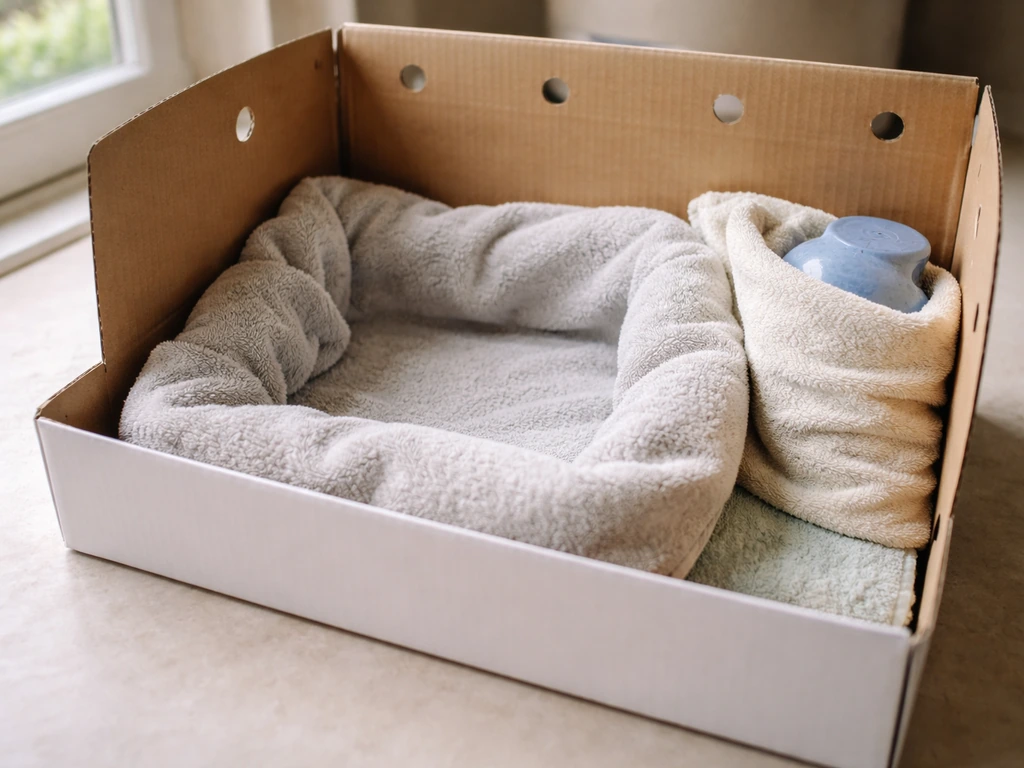
The most important thing you can do for a distressed bird is contain it safely and create a calm environment. Grab a cardboard box or a paper bag with a lid or towel draped over the top. Line the bottom with a soft cloth or paper towels. Gently place the bird inside using a light towel to cover it first, which helps calm it down and protects your hands. Close the box, make sure there are a few small air holes, and put it somewhere warm, dark, and quiet away from pets, loud noises, and drafts.
Room temperature, around 70 to 75 degrees Fahrenheit, is the target. If the bird seems cold or is shivering, you can place the box on top of a heating pad set to low, but put a folded towel between the pad and the box so it doesn't get too hot. Half the box should be on the pad and half off so the bird can move away from the heat if needed.
Here's the rule that surprises most people: do not try to give the bird food or water. It feels wrong to do nothing on that front, but feeding the wrong thing can cause serious harm, and even water can be accidentally inhaled by a stressed bird, leading to aspiration. Wildlife rehabilitators and multiple wildlife clinics are consistent on this point. Your job right now is warmth, quiet, and darkness, not feeding.
- Use a cardboard box or paper bag with air holes and a cloth lining
- Cover the bird with a light towel when placing it in the box
- Keep the box in a warm (room temperature), dark, quiet spot
- Do not give food or water under any circumstances
- Do not keep checking on the bird by opening the box repeatedly
- Keep the box away from pets, children, radios, and TVs
Common injury scenarios and what to do
Window collisions
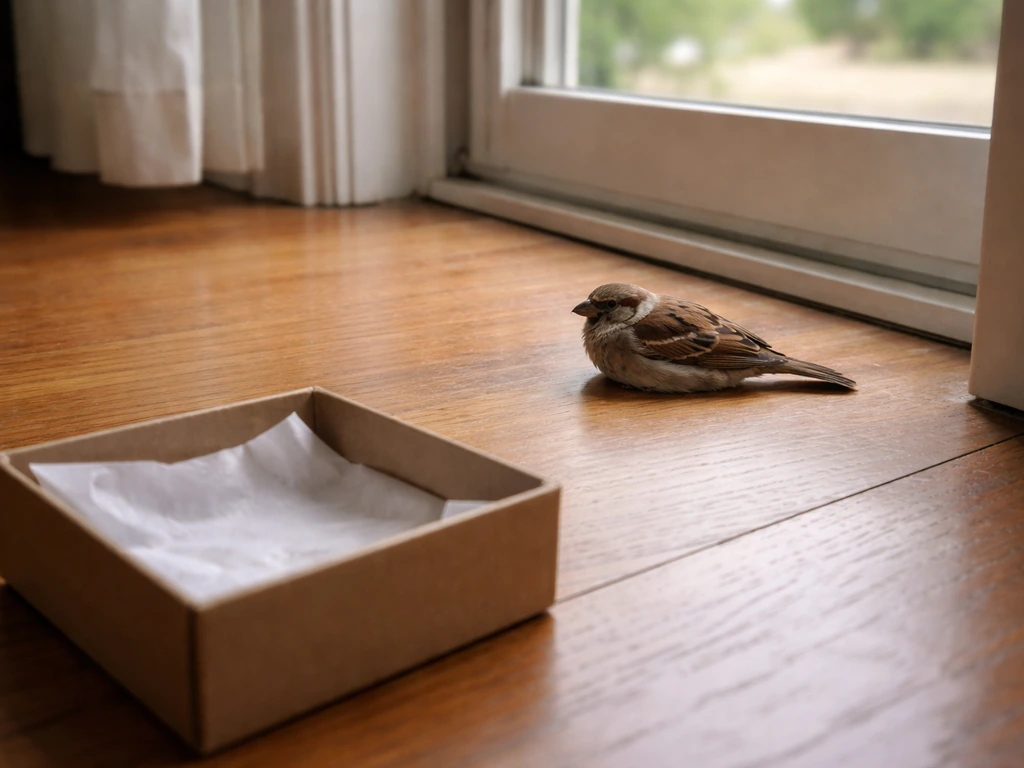
Window strikes are one of the most common reasons people find a bird in distress. The bird often looks stunned or dazed, sitting on the ground near the window. What's happening internally can be much worse than it looks: window hits can cause brain swelling and severe internal injuries, even when the bird appears to recover quickly. A bird that flies away after a few minutes may still be in serious trouble.
If a bird is dazed from a window strike, gently contain it in a shoebox or small cardboard box lined with a towel. Place it in a dark, quiet room and leave it alone for up to 15 to 20 minutes. If you are tracking a window-strike bird, the exact timing depends on the type of injury and whether symptoms improve with warmth and quiet how long does it take a stunned bird to recover.
If the bird recovers fully and seems alert, you can open the box outside and allow it to fly away. But if it's still dazed after 15 minutes, or if there's any bleeding or a limp wing, blank" rel="noopener noreferrer">contact a wildlife rehabilitator right away. If the bird may have been shocked by electricity, treat it as an urgent medical emergency and contact a wildlife rehabilitator immediately call a wildlife rehabilitator right away.
Do not put water in the box and do not open the box repeatedly to check on it.
Broken wings or legs
A drooping wing that hangs lower than the other, or a leg that looks bent at an unnatural angle, usually signals a fracture. Do not attempt to splint or bandage the injury yourself. Even trained rehabilitators follow strict guidelines for avian splinting, and an improper splint can make the injury significantly worse. Your role here is to contain the bird calmly in a box and get it to a wildlife rehabilitator or avian vet as quickly as possible. The faster you make that call, the better the chances of recovery.
Beak injuries
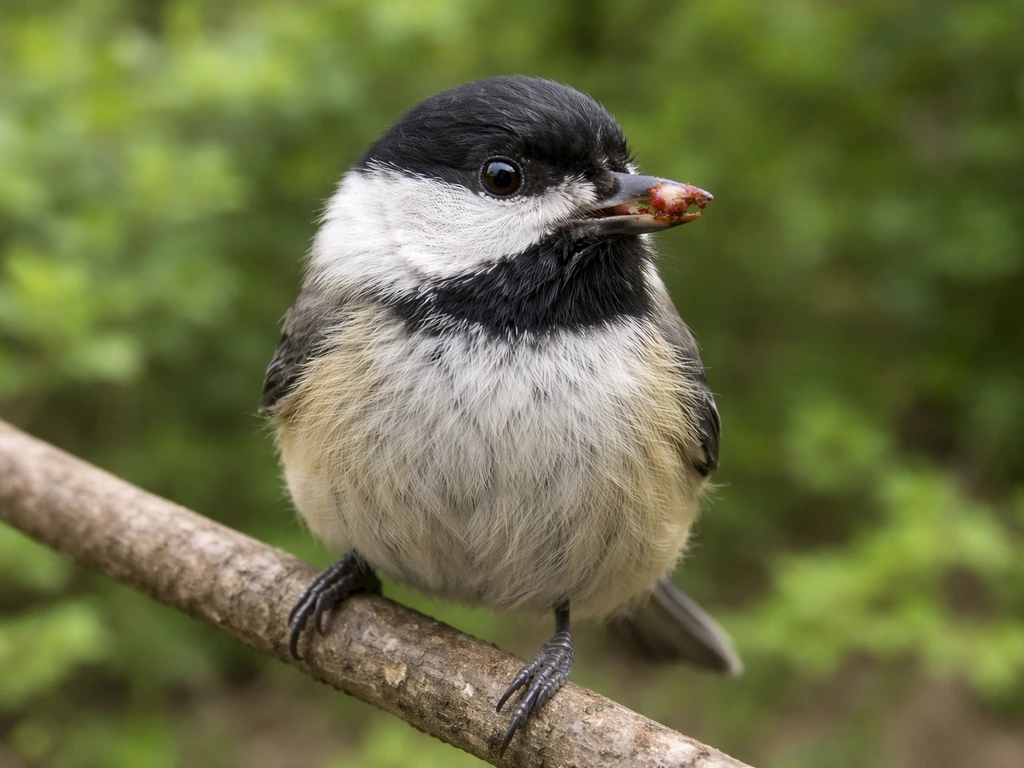
A damaged or misaligned beak is a serious problem because birds use their beak for feeding, preening, and self-defense. If you notice a cracked, bleeding, or severely misaligned beak, the bird cannot help itself and needs professional care immediately. Do not try to clean or bandage it. Contain the bird gently and prioritize getting it to a rehabber or avian vet.
Bleeding
Visible bleeding is always a reason to act quickly. If you can see blood, apply very gentle pressure with a clean cloth or paper towel while you prepare the transport box. Do not use cotton balls, as the fibers can stick to wounds. Once the bird is contained, get on the phone immediately. A bird that's actively bleeding is in urgent need of professional care. Don't wait to see if it stops on its own.
If a cat, dog, or other animal was involved
A bird that has been grabbed by a cat or dog is a genuine emergency, even if you can see no visible injuries at all. Cat saliva in particular contains bacteria called Pasteurella that can kill a bird within 24 to 48 hours if untreated. If a cat or dog has had the bird in its mouth even briefly, the bird needs antibiotic treatment from a wildlife rehabilitator or avian vet today. Do not wait and watch for symptoms.
For your own safety: if the bird scratched or bit you during handling, wash the area thoroughly with soap and water immediately. Then contact your doctor or a medical professional, especially if you had contact with a wild bird in an area where avian diseases or rabies (from other wildlife) are a concern. The CDC recommends contacting a medical professional after any wild animal bite or scratch depending on severity.
After a pet attack, contain the bird as described above and call a wildlife rehabilitator right away. Tell them a cat or dog was involved. That information changes the urgency and the treatment approach.
Baby birds and nestlings: when to help and when to step back
Finding a baby bird on the ground is one of the most emotionally charged scenarios, and it's also one where well-meaning people most often make things worse. The first question to ask is: is this bird a nestling or a fledgling? That distinction matters enormously.
| Feature | Nestling | Fledgling |
|---|---|---|
| Feathers | Mostly bare or covered in fluffy down only | Has most feathers, may look a little scruffy |
| Eyes | Often closed or just opening | Open and alert |
| Mobility | Cannot stand or hop well | Hops and may make short flights |
| Where found | Usually fallen from a nest | Normally on the ground or low branches |
| What to do | Try to return to nest; call a rehabber if you can't | Usually fine: parents are watching nearby |
If you find a nestling (a very young bird with no or minimal feathers), look around for the nest within a short radius. If you can locate it and safely reach it, you can place the bird back in the nest. The old idea that a parent will reject a chick you've touched is a myth: birds have a very limited sense of smell and the parents will almost always return. If the nest is destroyed or unreachable, call a wildlife rehabilitator.
If you find a fledgling (a feathered juvenile that looks like a small version of an adult), it is likely fine. Fledglings spend days on the ground while their parents continue to feed and monitor them. The best thing you can do is leave it alone, keep pets inside, and watch from a distance. If parent birds do not return within about an hour, or if the bird is visibly injured, call a wildlife rehabilitator. If the bird shows obvious injury signs like a limp, bleeding, or visible broken bone, call immediately regardless of age.
One practical note: it's actually illegal under the Migratory Bird Treaty Act to keep most native bird species without a permit, even temporarily with good intentions. This is another strong reason to contact a licensed wildlife rehabilitator rather than attempting to raise or care for a baby bird yourself.
When to stop DIY care and get professional help
Call a wildlife rehabilitator or avian vet immediately if the bird has any of the following: visible bleeding that doesn't stop, a drooping or clearly broken wing or leg, a damaged beak, it cannot stand at all, it's been in a cat's or dog's mouth, it was a stunned bird that hasn't improved after 15 to 20 minutes, a baby bird whose parents haven't returned in an hour, or any bird that was a nestling with no accessible nest to return to.
To find help fast, start with these resources. The USFWS National Wildlife Rehabilitator Directory and the Animal Help Now app (animalhelpnow.org) can locate licensed rehabilitators near you by zip code. You can also call your nearest Humane Society, wildlife sanctuary, or even a local avian vet to get a referral. When you call, be ready to tell them: what kind of bird it appears to be, where you found it, what condition it's in, what happened (window strike, cat attack, etc.), and how long ago you found it.
If it's nighttime and no local organization is reachable, keep the bird in its dark, quiet box overnight in a warm spot and call first thing in the morning. Avoid the temptation to check on it repeatedly. The less human contact the better while you wait.
Transporting the bird safely
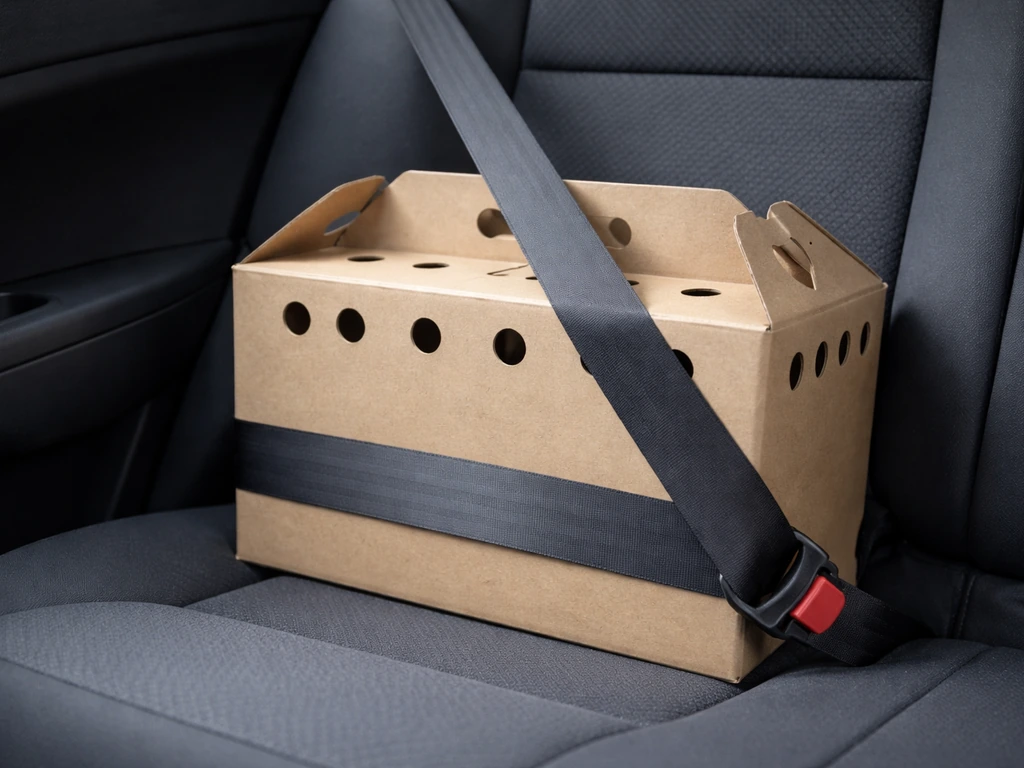
When you're ready to transport, keep the box closed and secure. Place it on the floor of the car or on a seat with a seatbelt around it so it doesn't slide. Turn the radio off and drive calmly. Heat and noise in the car are both stressors. Do not open the box en route to check on the bird. If the trip is more than an hour, make sure the box has adequate air holes, but otherwise just keep things quiet and steady until you arrive.
You're doing the right thing by seeking help quickly. The biggest mistakes people make with distressed birds are trying to feed them, handling them too much, and waiting too long to call a professional. If you are stuck on what to do for a weak bird, focus on warmth, darkness, and quiet, and avoid feeding trying to feed them. If you keep the bird warm, dark, and quiet while you arrange care, you've already given it its best chance.
FAQ
What if the bird looks mostly okay but seems a little shaky or unusually quiet?
If it is alert enough to stand but seems weak, still use the containment and warm, dark, quiet setup, then call a wildlife rehabilitator the same day. Subtle symptoms can be the first sign of internal injury, poisoning, or concussion, and waiting for it to “snap out of it” can delay treatment.
Can I release the bird back outside if it recovers after warming up?
Only if it becomes clearly alert, coordinated, and able to stand and move normally in the box after the quiet period, then you can open the box outdoors in a safe spot. Do not release if it keeps wobbling, shows a drooping wing, has any bleeding, or keeps acting dazed, even if it briefly looks better.
Is it safe to give a bird water if it is panting or very dehydrated?
No. Even small amounts of water can lead to aspiration if the bird is stressed, and dehydration is not something you can reliably correct at home. Keep the bird warm, dark, and calm, then arrange professional care.
What should I do if the bird is tangled in string, fishing line, or netting?
Do not pull or cut blindly while the bird is conscious and struggling, especially if it is supporting its weight with one wing. Contain it in a box first to stop thrashing, then contact a wildlife rehabilitator, because entanglement often injures nerves and may require specific removal.
If I have to handle the bird for containment, how do I avoid getting scratched or bitten?
Use the towel method to guide the bird into the container rather than grabbing directly, and keep your hands close to the bird only while moving it. For raptors, keep extra distance and use a box placement approach, since talons can cause serious injury even when the bird looks small.
Should I cover the bird completely with a towel or leave part of it uncovered for airflow?
For most containment setups, cover the bird so it stays calm, but ensure the container is not sealed and that there are small air holes. The key is warm and calm without overheating, so place it in a quiet spot and avoid putting it directly on a heat source with no barrier.
How long can I wait to call for help if it seems like only a minor daze?
If the bird is still dazed after 15 to 20 minutes of warmth and quiet, contact a wildlife rehabilitator immediately. For non-window causes (for example, after a dog interaction or suspected poisoning), err on the side of calling right away rather than waiting several hours.
What if it’s a baby bird and I am not sure whether it is a nestling or fledgling?
Use the presence of feathers as your guide: if it has little to no feathering, treat it as a nestling and try to locate and return it to the nest if accessible. If it has full feathers and can perch or flap, treat it as a fledgling and leave it alone while monitoring from a distance, calling if the parents do not return within about an hour or if there are injury signs.
Is it okay to keep the bird overnight until morning if I can’t find help now?
Yes, if you place it in a dark, quiet box in a warm spot and avoid repeated checks. Do not open the container to “see if it’s okay,” since frequent handling and light exposure increases stress and can worsen conditions.
What should I tell the wildlife rehabilitator when I call?
Give the bird type if you can (size, color, species guess), the exact location where you found it, what likely caused it (window strike, cat or dog, hit by car, tangled line, found on ground), and how long it has been since you discovered it. Also mention any visible signs like bleeding, drooping wing, or inability to stand.
Do I need to disinfect the area after a pet attacked the bird or after handling it?
If a cat or dog had the bird in its mouth, clean up any blood or drool with appropriate disinfectant and wear gloves if possible. Wash your hands thoroughly after handling, and avoid touching your face until you are done, since bacteria exposure risk is part of why these cases are urgent.
What if I touched the bird or got a scratch, do I still need medical advice?
Yes. Wash with soap and water immediately, then seek medical advice if you were scratched or bitten, especially if it involved a wild bird in an area where rabies or other wildlife-borne illnesses are a concern. When in doubt, contact a clinician based on the severity of the injury.
Next Article
Weak Bird What Do I Do Now A Step by Step Guide
Step-by-step first aid for a weak, injured bird: safety checks, warmth, recovery box, and when to call a vet