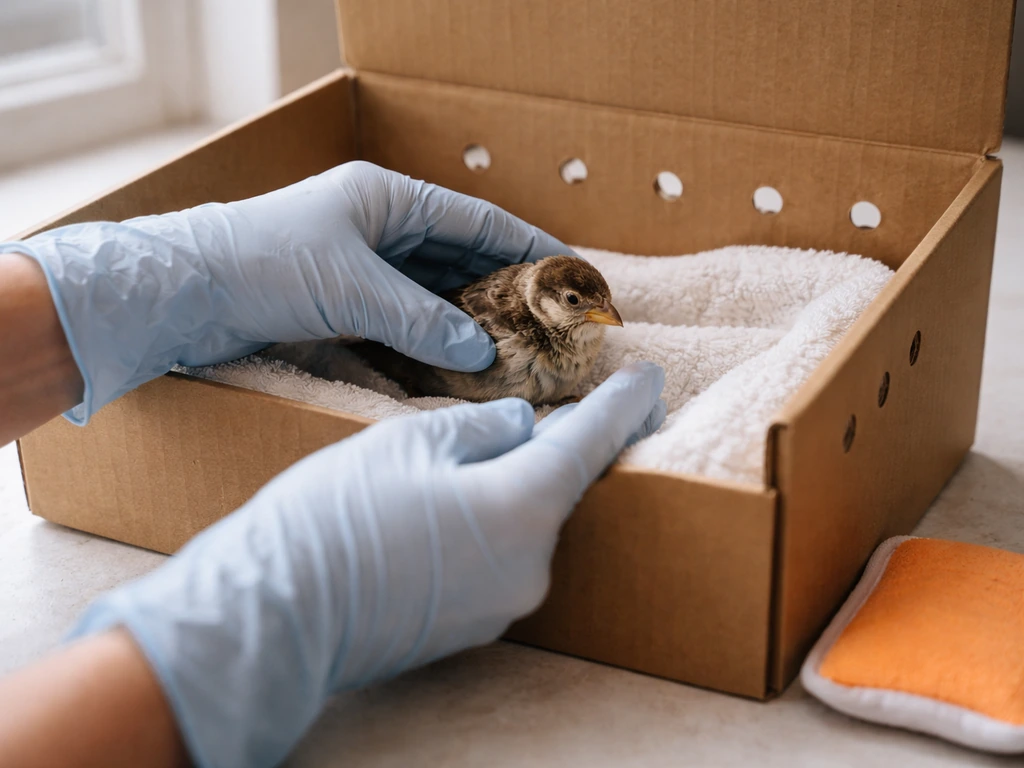
If a bird recovers from being stunned, it usually happens within 15 to 60 minutes. That's the honest answer. A mild stun after a window collision or brief scare can resolve in blank" rel="noopener noreferrer">as little as a few minutes. A more serious impact may take the full hour. But here's the thing: if a bird hasn't improved and isn't able to fly after about an hour, it's not just stunned. But here's the thing: if a bird hasn't improved and isn't able to fly after about an hour, it's not just stunned, and you should switch to stunned bird what to do steps and get professional help today. Something more serious is going on, and that bird needs professional help today.
How Long Does It Take a Stunned Bird to Recover?
Marcus Chen
19 Apr 2026
What 'stunned' actually looks like in a bird
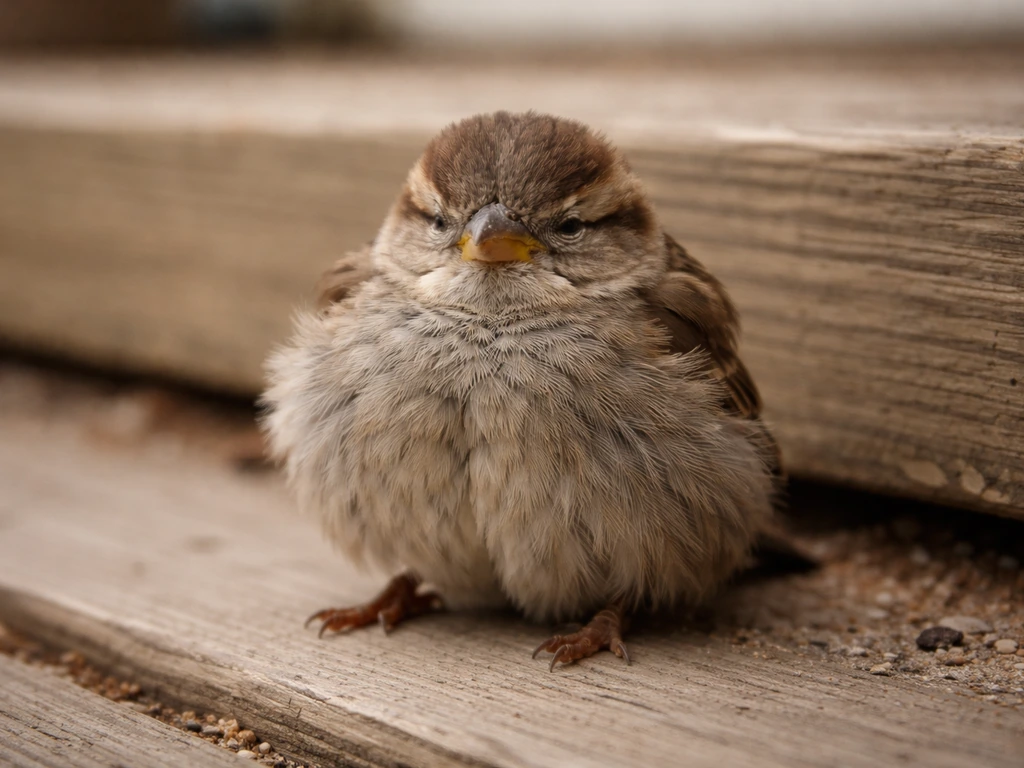
A stunned bird typically sits very still in a spot where it doesn't belong, like on the ground below a window, on a porch, or in the open. It may look dazed, with eyes half-closed or unfocused. It won't fly away when you approach, which is a dead giveaway that something's wrong, because a healthy wild bird almost always flees from humans.
Common signs of a stunned bird include: sitting with feathers fluffed out, holding the head low or resting it on the ground, breathing with an open beak, leaning to one side, or just sitting completely motionless. It may still be upright and balanced, which is actually a good sign. What you're seeing is the bird's nervous system trying to reset after a shock or impact.
The tricky part is that 'stunned' and 'seriously injured' can look identical from the outside. A bird with internal bleeding, head trauma, or a fractured skull will look exactly like a mildly stunned bird in the first few minutes. That's why the recovery timeline matters so much, and why you can't just set it down and walk away.
The realistic recovery timeline
Most wildlife rehabilitators and veterinary guidance points to the same general window: a stunned bird that's going to recover on its own will usually show clear signs of improvement within the first 15 to 30 minutes, and should be capable of flying within an hour. If you're checking on it every 15 minutes and it's gradually becoming more alert, able to hold its head up, and gripping with its feet, you're watching a real recovery.
If there's no meaningful change after an hour, that's your clear signal to stop waiting and get help. One hour is the standard cutoff used by wildlife centers and organizations across the country. It's not arbitrary. It accounts for the fact that even a harder impact can produce a recovery, but beyond that point the odds shift significantly toward a more serious underlying injury.
Several things affect how quickly (or whether) a bird recovers. Species and body size play a role: smaller birds like sparrows and warblers are more fragile and have less tolerance for trauma than larger birds like robins or pigeons. Age matters too, since juvenile birds and nestlings are far more vulnerable than adults. The severity and type of impact is obviously the biggest factor: a glancing blow off a window versus a direct, full-speed strike is a completely different situation, even if they look similar at first glance.
What to do in the first few minutes
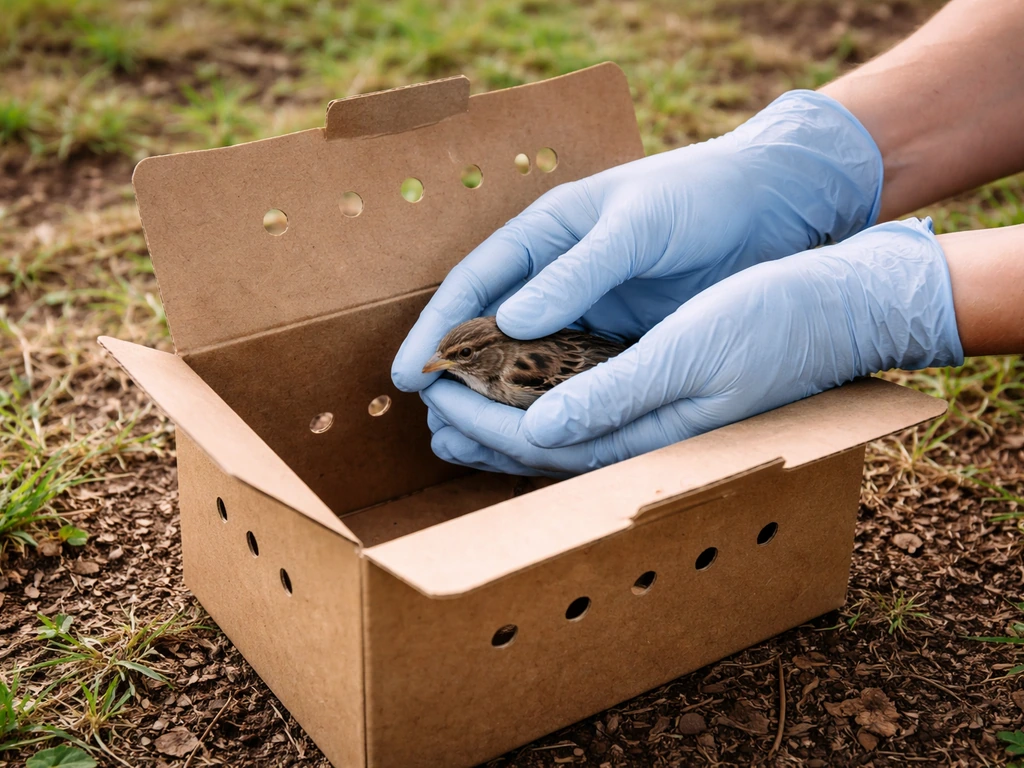
Your goal right now is to reduce stress and keep the bird stable while its body tries to recover. If you’re dealing with a weak bird right now, use the same first-hour steps: keep it warm, dark, and quiet, and call a wildlife rehabilitator if it isn't improving soon. Stress alone can kill a bird in shock, so the less you handle it, the better. Here's the basic sequence:
- Put on gloves if you have them (even garden gloves work), then gently scoop the bird with both hands or guide it into a box. Don't squeeze, just cradle it.
- Place it in a small cardboard box or paper bag with a few small holes punched in the sides for ventilation. A shoebox works perfectly.
- Put a piece of cloth or paper towel on the bottom so the bird has something to grip onto.
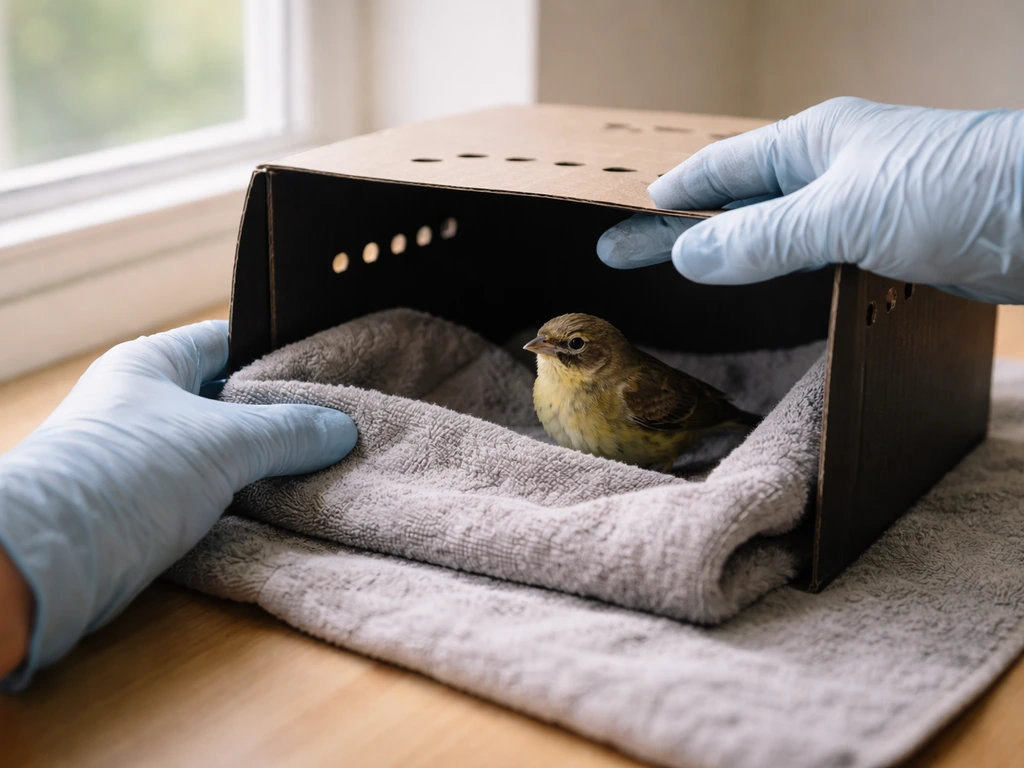
- Close the lid or fold the bag shut to make it dark inside.
- Put the box somewhere warm, quiet, and completely away from pets and children. Around 85°F is a good target temperature for a small songbird. If your house is cool, you can set the box near (not on) a heating vent or place a warm water bottle wrapped in a towel on one side of the box so the bird can move away from it if needed.
- Do not give it food or water. This is critical. A bird in shock can drown from even a few drops of water, and feeding the wrong thing can cause serious complications. Leave it alone.
Resist the urge to keep opening the box to check on it. Every time you open that lid, you're flooding the bird with light, sound, and stress. Check every 15 minutes by opening it briefly and calmly, then close it again.
Signs it's getting better vs. signs you need to call for help now
Knowing what to look for when you check on the bird is the most important skill in this whole process. Here's how to read what you're seeing:
| What you see | What it likely means |
|---|---|
| Holding head up, looking around | Good sign, nervous system recovering |
| Gripping the cloth or perch with feet | Good sign, coordination returning |
| Blinking, tracking movement with eyes | Good sign, alertness improving |
| Flapping when you open the lid | Very good sign, likely ready for release attempt |
| Still slumped, eyes closed after 30+ minutes | Concerning, monitor closely |
| Head tilting to one side | Neurological injury, call for help now |
| Drooping one wing noticeably | Wing injury or neurological issue, call for help now |
| Not using or standing on legs | Serious injury, call for help now |
| Labored breathing, open-beak breathing after 20+ minutes | Internal injury or shock, call for help now |
| Visible blood or wounds anywhere | Do not wait, contact wildlife rescue immediately |
| No change whatsoever after one hour | This bird needs professional care, stop waiting |
The head tilt is one of the most important things to watch for. It's a sign of neurological damage, often from head trauma after a window strike, and it won't resolve on its own at home. Same with a drooping wing. Tucson Wildlife Center’s guidance also flags a drooping wing and inability to fly after about an hour as a trigger for urgent professional treatment. These birds look like they're just stunned, but they're not going to recover without treatment.
When to stop waiting and make the call
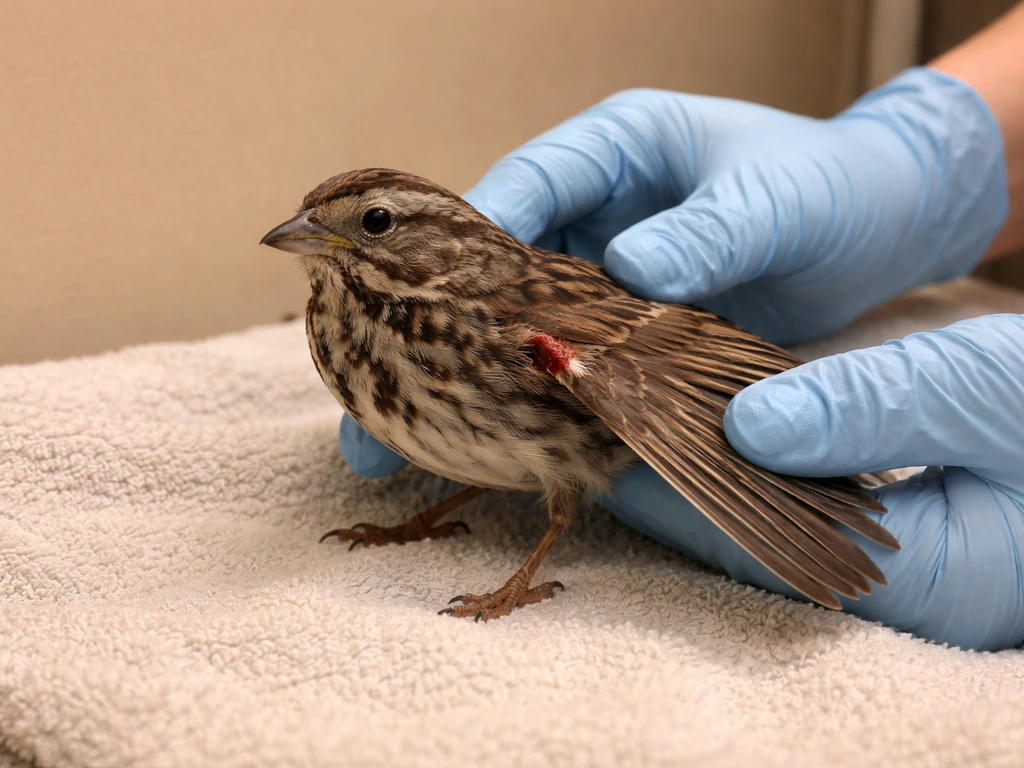
The general monitoring window is one hour for most causes of stunning. But there are specific situations where you should call a wildlife rehabilitator or avian vet immediately, without waiting at all:
- Any visible blood or open wound
- A wing or leg that's clearly hanging at a wrong angle
- A head tilt or circling behavior
- The bird is a nestling or very young juvenile (featherless or mostly down)
- A cat caught or attacked the bird, even briefly (cat bacteria cause fatal infections quickly)
- The bird hit the window at high speed and hit the ground hard
- Any entanglement with fishing line, netting, or other material around legs, wings, or beak
- Labored, open-beak breathing that isn't improving
If none of those apply and the bird just seems dazed, your one-hour window is reasonable. But if you're at 45 to 60 minutes and nothing has improved, don't give it another hour hoping for the best. Some wildlife centers say to call their hotline if the bird hasn't recovered by 45 minutes. Trust your gut here: if something feels wrong, it probably is.
To find help, search for 'wildlife rehabilitator near me' or 'bird rescue (your city/state).' The National Wildlife Rehabilitators Association and local Audubon chapters can also point you in the right direction. Many areas have 24-hour wildlife hotlines. Get the number before you need it so you're not scrambling while holding a bird in a box.
The most common causes, and what changes about the plan
Window strikes
This is by far the most common reason people find stunned birds. The bird hits the glass at speed, gets knocked unconscious or dazed, and ends up on the ground below the window. Many of these birds do recover on their own within an hour if the impact wasn't severe. Follow the box protocol described above, check every 15 minutes, and attempt release outside after an hour if the bird seems alert and coordinated. If it doesn't fly when you open the box outdoors (not inside, where it'll panic), contact a wildlife rehabilitator. Even birds that look fine after a window strike can have internal injuries or head trauma that aren't obvious at first, so don't skip the monitoring period just because it looks okay.
Cat or pet attacks
This is a situation where the one-hour rule doesn't apply. If a cat grabbed, pounced on, or chased a bird, even for a second, you should call a wildlife rehabilitator right away regardless of how the bird looks. Cat saliva contains bacteria (primarily Pasteurella) that enter even tiny puncture wounds and cause systemic infection that kills birds within 24 to 48 hours. The bird may look completely fine and still need antibiotics to survive. This is not an optional call.
Nest falls and young birds
If you find a very young bird (naked or with just downy feathers) on the ground, it's likely a nestling that fell or was knocked out of its nest. These birds aren't stunned in the traditional sense, they're just extremely vulnerable without warmth and parental care. If you can see the nest and safely return it, do that first. If the nest is gone or unreachable, keep the bird warm in a box and call a wildlife rehabilitator promptly. Don't monitor for an hour, these birds need expert help fast. Fledglings (birds with feathers who look like small adults but can't fly well) are different: they're often supposed to be on the ground and their parents are usually nearby. Observe from a distance before scooping them up.
Fishing line and entanglement
A bird caught in fishing line, netting, or similar material needs to be handled very carefully and seen by a professional as soon as possible. Fishing line wraps around legs and wings quickly, cuts off circulation, and causes tissue death faster than you'd expect. Do not try to cut the line yourself unless the bird is in immediate danger of drowning or the line is clearly only around one part. Specifically, do not yank or pull at a fishing hook as the barb will cause more damage coming out than it did going in. Get the bird contained, keep it calm and dark, and transport it to a wildlife center immediately. This is not a 'wait an hour' situation.
Caring for the bird while you wait or prepare to transport
Whether you're monitoring for recovery or waiting to transport, the care routine is the same. Keep the box warm, dark, and quiet. Don't put it outside in the sun (it overheats quickly), in a cold garage, or near a loud TV. Keep pets completely away from the room. Don't let kids hold the box or shake it to see if the bird is alive. The goal is to give the bird's nervous system the best possible chance to stabilize by eliminating every stressor you can control.
No food, no water. For detailed guidance, see bird in shock what to do. This can't be overstated. Birds in shock aspirate (inhale) liquids easily and can drown from a well-intentioned drop of water on their beak. Feeding the wrong food causes gut damage. A healthy bird can go several hours without food without harm. The risk of feeding is far higher than the risk of not feeding.
When it's time for release, don't just open the box inside your house or toss the bird into the air. Take the box outside to a sheltered outdoor area, away from windows and busy roads, and open the lid. Let the bird decide when to leave. A bird that's truly recovered will take off on its own quickly. If it hops out but can't fly, or if it flutters a few feet and lands again, it needs more help than you can give at home.
If you're transporting to a wildlife center, keep the box in the passenger area of your car (not the trunk), and keep it dark and as quiet as possible. Don't play loud music, and try to drive smoothly. The stress of transport adds to the bird's overall burden, so calm and quiet helps even in the car.
One last thing worth saying: it's genuinely hard to watch a bird struggle and not know if it's going to make it. Most people who find a stunned bird are anxious, want to do something, and feel helpless just sitting with a box. That instinct to act is good. But the most useful thing you can do for a stunned bird in the first hour is exactly what feels hardest: leave it alone in a warm, dark, quiet box and let its body do the work. If you are trying to figure out bird in shock what to do, focus on keeping the bird calm and stable for the first hour and get professional help if it is not improving. If you suspect the bird has more than a mild stun, use these steps to help a bird in shock until you can get professional care how to help a bird in shock. If the bird had an electric shock, treat it as an emergency and contact a wildlife rehabilitator or avian vet right away what to do if a bird get electric shock. If it doesn't recover, then you act. If you suspect the bird is in distress and need immediate guidance, follow the steps for bird in distress what to do. If you're wondering weak bird what do I do, the safest next step is to treat it as a potential emergency and get the bird evaluated by a wildlife rehabilitator or avian vet. That combination, patience followed by decisive action, gives it the best possible shot.
FAQ
What if the bird looks the same after 30 minutes, is it still possibly just stunned?
Yes. If the bird stays motionless but you see it become more responsive, hold its head up better, or show tighter gripping with its feet, that counts as meaningful improvement even if it still looks “dazed.” If there is absolutely no change by about 45 to 60 minutes, treat it as more than a simple stun and get help.
Can I just put a stunned bird outside and let it recover in the yard?
Avoid setting the bird down outdoors while you wait. Outdoor placement can expose it to cold or overheating, predators, and extra noise and handling. Use the same warm, dark, quiet box routine, and only attempt release outdoors once it is alert and coordinated and you are within the appropriate monitoring window for the cause.
How can I tell whether it is ready to be released or still too injured to go?
No. There is a difference between “not flying yet” and “cannot fly.” If the bird can stand upright with balance and alert posture but simply needs time to coordinate, it may still recover. If it hops out and cannot get lift, flutters a short distance and lands again, or shows a drooping wing or head tilt, that is a call for professional help rather than continued home monitoring.
What is the safest way to keep a stunned bird warm while it recovers?
Don’t use a heating pad directly on the bird or place it where it can overheat. Instead, provide gentle warmth to the box environment (the goal is steady warmth, not hot spots), and check that the bird is not getting damp from condensation or too hot to the touch.
How often should I check on the bird, and what counts as too much checking?
Check at your set interval, 15 minutes is suggested in the article, but do not keep “mini-checking” by repeatedly opening the lid. Briefly open and observe, then close again promptly. If you are already at the 45 to 60 minute point with no improvement, stop waiting and contact a wildlife rehabilitator.
Which warning signs mean it is not just a mild stun?
If you find blood, a visible wound, a drooping wing, a head tilt that does not improve, severe imbalance, open-mouth breathing that doesn’t settle, or signs of twisting/weak grip, these can indicate internal injury. In those cases, don’t wait the full hour, get professional guidance immediately.
Is it okay to “test” the bird’s awareness by waving or making noise?
With most window strikes, a healthy bird should be able to stand with some balance and gradually become more alert. One practical test is whether it can focus its head, respond to normal room sounds, and show coordinated movement. If it never progresses beyond a dazed, unfocused stare and still cannot hold itself upright after the cutoff, treat it as injured.
What should I do if the only space I have is a garage or near a window?
If the bird is in an enclosed garage or similar space where temperature and ventilation are uncertain, prioritize warming and airflow without adding stressors. Use the warm, dark, quiet box approach in a calm room rather than a cold garage, and avoid running fans directly on the bird.
What if I cannot contact a wildlife rehabilitator immediately, should I still wait?
If you cannot reach a wildlife rehabilitator right away, prioritize stabilization steps: keep the bird warm, dark, and quiet, keep pets and kids away, and transport as soon as someone can receive it. Do not feed or give water. Time matters most once the bird is not improving by the cutoff window.
Does the recovery timeline change if the bird might have been electrocuted?
If you suspect an electrical injury (for example, the bird was near power lines or a visible power source), treat it as an emergency and seek urgent avian care. Symptoms can be subtle early, so the “wait and see” timeline does not apply.
Next Article
How to Help a Bird in Shock: First Aid Steps
Step-by-step first aid for a shocked bird: recognize signs, keep it warm and calm, what not to give, and when to call a