
If you've found a bird sitting still on the ground, barely moving, or flopped on its side, your instinct to help is exactly right. A bird in shock needs calm, warmth, and darkness right now, and a lot of what you're about to do is actually about what NOT to do. Here's exactly what to focus on.
How to Help a Bird in Shock: First Aid Steps
Marcus Chen
15 Apr 2026
How to tell if a bird is in shock
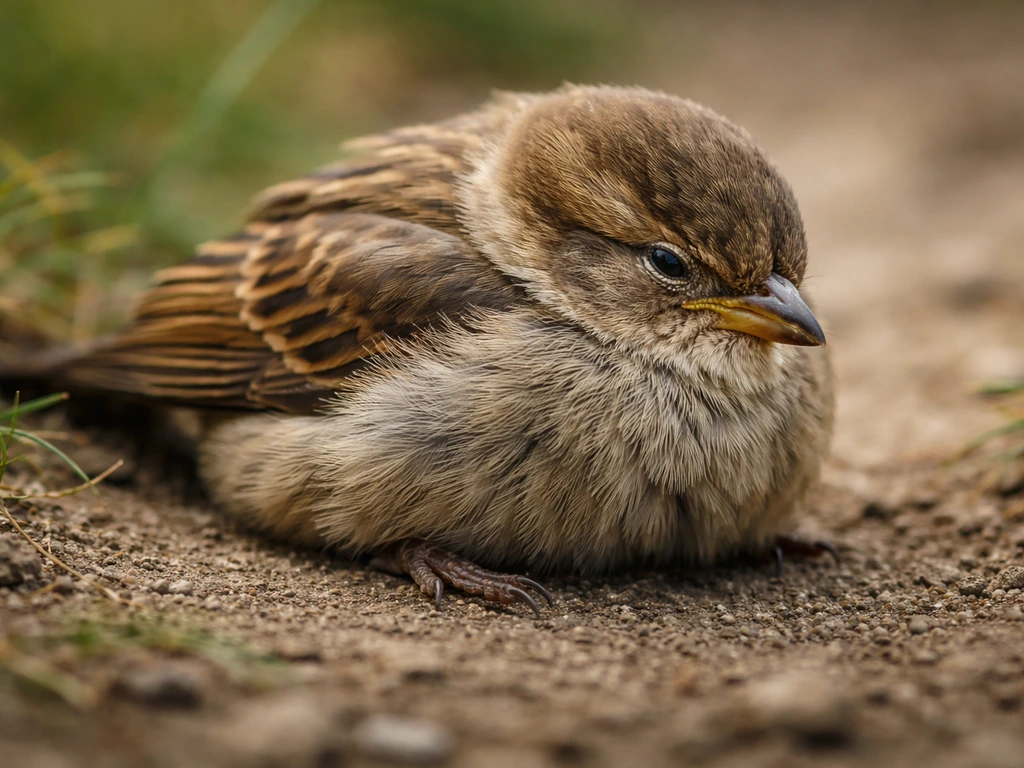
Shock in birds looks different from how we picture it in humans. The bird often appears eerily still. It may be sitting hunched with its feathers puffed up, eyes half-closed, or lying flat on the ground without trying to flee. That lack of a fear response is one of the clearest warning signs you'll see, because a healthy wild bird should be doing everything it can to get away from you.
If you can safely look at the bird's mouth or beak, check the color of the mucous membranes inside. Healthy birds have pink, moist oral tissue. Pale, bluish, or grayish membranes are a red flag and can indicate poor circulation, oxygen loss, or blood loss consistent with shock. You won't always be able to check this without stressing the bird further, so don't force it. Use it as a data point if the opportunity presents itself naturally.
Other signs of shock to watch for:
- Completely non-responsive or barely reacting to your presence
- Lying on its side or unable to right itself
- Rapid, shallow breathing or breathing with the beak open
- Cold feet or body (birds normally run between 103 and 106°F)
- Eyes closed or half-closed in a bird that's still alive
- Trembling or muscle weakness
- Head tilting or loss of coordination
If you're seeing several of these at once, treat the situation as urgent. For a broader look at what distress can look like before it becomes a full crisis, understanding what to do when you spot a bird in distress can help you catch problems earlier.
Shock vs. other emergencies: what you're actually dealing with
Before you decide how to help, it's worth doing a quick 30-second visual assessment from a small distance. Shock can look a lot like other urgent conditions, and some of those need a slightly different immediate response.
| Condition | What you might see | What makes it different from shock |
|---|---|---|
| Shock | Stillness, pallor, cold, non-responsive, puffed feathers | No obvious wound; bird seems 'shut down' overall |
| Active bleeding | Visible blood, wet feathers, open wound | Blood is the obvious sign; shock may develop alongside it |
| Broken wing or leg | Wing dragging, limb at odd angle, can't bear weight | Bird may still be alert and trying to flee |
| Respiratory distress | Open-beak breathing, tail bobbing, wheezing or clicking | Breathing trouble is the dominant and obvious symptom |
| Overheating (heat stroke) | Panting, wings spread away from body, very hot to touch | Usually happens after sun exposure; bird feels warm, not cold |
| Hypothermia / cold stress | Shivering, very cold body, sluggish movement | Similar to shock but often linked to wet weather or a cold environment |
The tricky part is that shock can develop alongside any of these problems. A bird that hits a window can have a concussion, a broken bone, AND be in shock simultaneously. That's why the stabilization steps below apply broadly. If there's visible bleeding, apply gentle pressure with a clean cloth or gauze before doing anything else, but don't skip the warmth and dark environment steps. Note that birds that have been electrocuted present a very specific set of injuries and symptoms, and if you suspect that's the cause, what to do if a bird gets an electric shock covers that scenario in detail.
What to do in the first few minutes
Speed matters here, but panicking won't help the bird. Move calmly and deliberately. The bird is already overwhelmed by whatever happened to it, and your job is to reduce the total load of stress on its system.
- Keep people and pets back. If you have kids or dogs nearby, ask someone to hold them at a distance. This alone can make a significant difference.
- Stop and observe for 30 seconds before touching. Is the bird breathing? Is it alert at all? Is there visible bleeding? This quick read helps you decide how urgently to act.
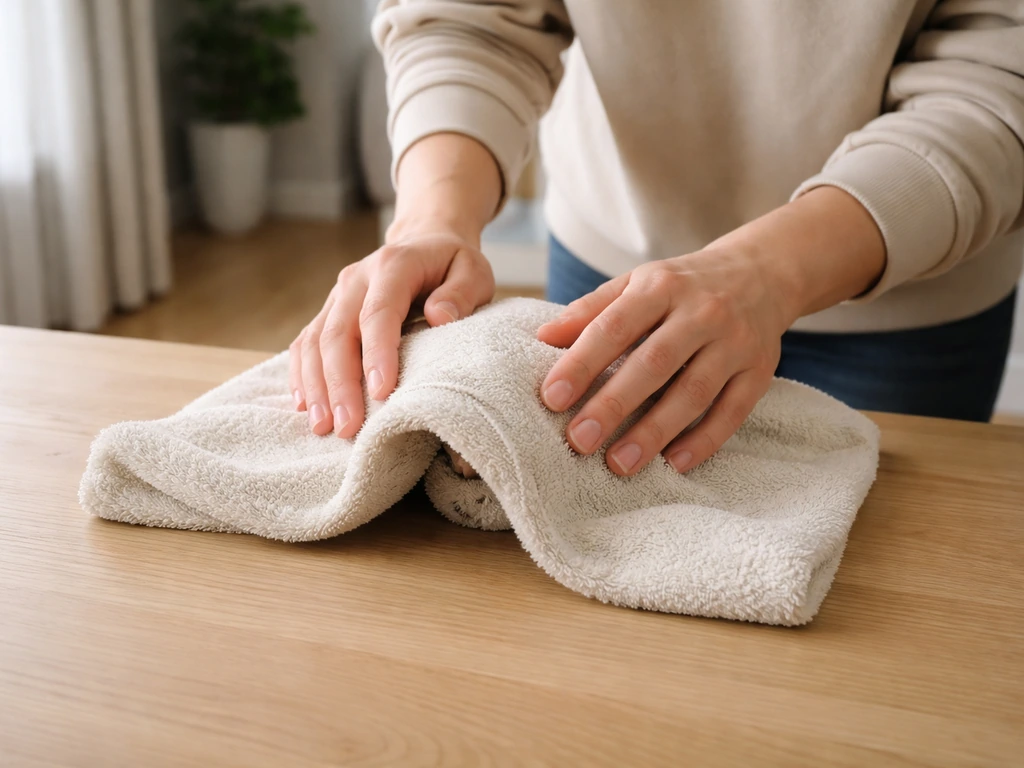
- If you need to pick it up, use a light towel or cloth, not bare hands. Drape it gently over the bird and scoop from underneath. Avoid grabbing wings or squeezing the chest, as that restricts breathing.
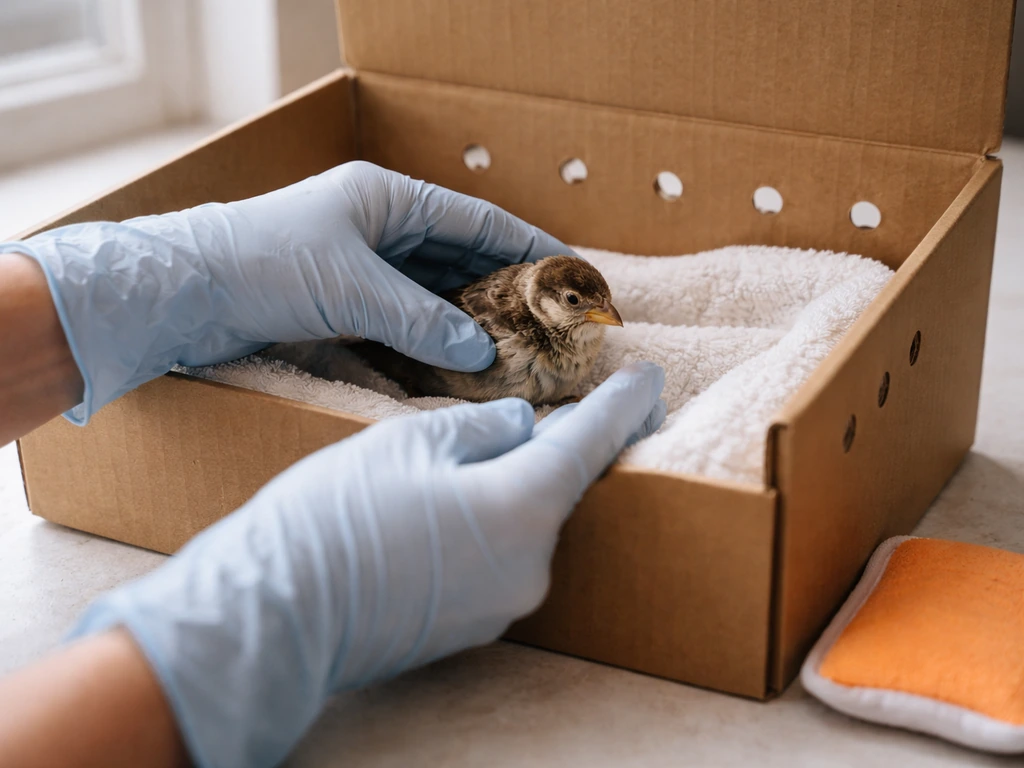
- Place the bird in a cardboard box with air holes punched in the lid. Line the bottom with a folded towel or paper towels so it has something to grip.
- Close the lid. Darkness is not cruel; it is genuinely calming for birds and reduces the physiological stress response.
- Move the box to a warm, quiet room away from noise, pets, children, and direct sunlight.
Handling should be the minimum needed to contain the bird safely. Every unnecessary touch adds stress to an already compromised system. Once it's in the box, leave it alone.
How to warm a bird in shock safely
Warmth is one of the most important things you can provide. A bird in shock is often unable to regulate its own body temperature, and when the body diverts energy to fighting shock, staying warm becomes impossible without help. The goal is gentle, ambient warmth, not direct heat.
The safest method is a heating pad set to its lowest setting, placed under HALF of the box only. This matters. The bird needs to be able to move away from the heat if it gets too warm. Never put a heat source directly on the bird, never use a heat lamp at close range, and never place the bird in direct sunlight or near a radiator. Consistent, mild warmth around 85 to 90°F on the warm side of the box is appropriate for most small birds in shock.
If you don't have a heating pad, fill a zip-lock bag or water bottle with warm (not hot) water, wrap it in a cloth, and place it against one side of the box. Check it every 20 minutes to make sure it's still warm. Hand warmers work too, but again, always wrapped and only on one side of the box.
Keep the room quiet. Turn off loud music, TVs, and try to prevent sudden noises near the box. Dim lighting in the room is better than bright overhead lights. The combination of warmth and darkness gives the bird's nervous system a genuine chance to stabilize.
What to give (and what to absolutely avoid)
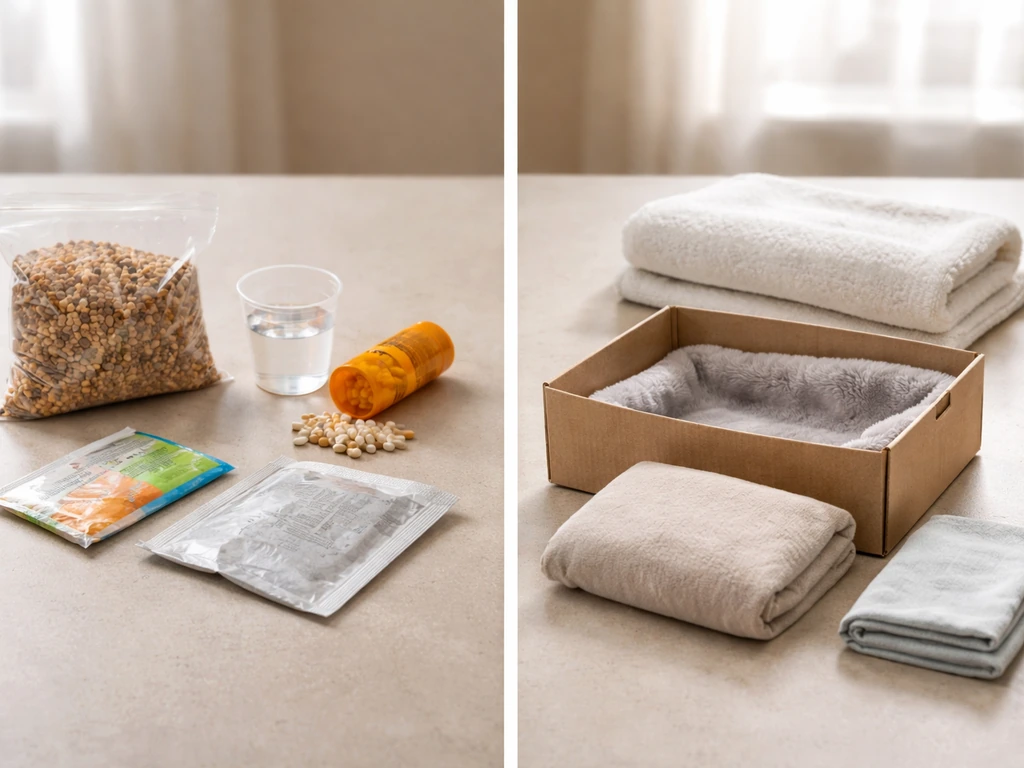
This is where most well-meaning people accidentally make things worse. Do not give the bird food or water. It sounds counterintuitive, but a bird in shock cannot safely swallow, and attempting to give fluids can cause aspiration (fluid in the lungs), which is fatal. Food can also interfere with any treatment a wildlife vet needs to give later. Even if the bird seems to want water, hold off.
Do not give any medications, vitamins, or supplements. No Pedialyte, no sugar water, no human electrolyte drinks, no bird seed soaked in anything. No homeopathic drops. Nothing. The only exception is if a licensed wildlife rehabilitator or avian vet has specifically instructed you to give something over the phone.
What you CAN offer, safely:
- A dark, quiet, warm environment (this is your most powerful tool)
- Gentle containment that prevents the bird from injuring itself further
- Light first aid for visible bleeding: clean cloth or gauze with gentle pressure, but no antiseptics or ointments
- Fresh air through ventilation holes, but no drafts or wind directly on the bird
If you're dealing with a bird that seems weak but not clearly in shock, and you're wondering what else you can do while waiting for help, reading up on what to do with a weak bird can fill in some gaps without leading you into territory that requires professional training.
Monitoring the bird while you wait
Once the bird is contained, warm, and in a quiet spot, your job is to check in briefly every 15 to 20 minutes without disturbing it more than necessary. You're looking for signs of improvement or deterioration, not trying to interact with it.
Gently lift the lid just enough to listen and look. Signs the bird is improving: it's sitting upright rather than lying flat, it responds to you (looks at you, tries to move away), its breathing looks slower and more regular, and it seems more alert overall. Signs things are getting worse: it's still or more limp than before, breathing appears labored, or it has fallen onto its side. If it's getting worse, this is no longer a wait-and-see situation and you need to contact a professional immediately.
Many birds, especially those that have hit a window, do recover on their own with just rest and warmth. But recovery timelines vary a lot. If you want to understand what a realistic recovery window looks like for a stunned or shocked bird, how long it takes a stunned bird to recover breaks that down clearly so you know when waiting is reasonable and when it isn't.
When to call a wildlife rescue or avian vet right now
Some situations mean you should already be on the phone while you're stabilizing the bird, not waiting to see how it goes. Contact a wildlife rehabilitator or avian vet immediately if:
- The bird is completely non-responsive and cannot be roused at all
- There is active, heavy bleeding that isn't slowing with gentle pressure
- The bird is having obvious trouble breathing (open beak, tail pumping, gasping)
- It has been more than one hour and the bird shows no signs of improvement
- You can see a visibly broken bone, especially if the bone is through the skin
- The bird was attacked by a cat (cat saliva carries bacteria that cause fatal infections within hours, even without visible wounds)
- The bird is a young nestling or fledgling that clearly fell from a nest
To find help, search for your local wildlife rehabilitator through your state or country's wildlife agency website, or call a local animal shelter and ask for a referral. Many areas have 24-hour wildlife hotlines. When you call, have ready: the species if you know it, where you found it, what happened if you saw it, and what symptoms you're seeing. This helps them triage whether you need to come in immediately or can monitor a bit longer.
Getting the bird to the vet safely
Transport the bird in the same dark, ventilated box you've been using. Don't switch containers right before leaving because that adds unnecessary stress. Keep the car quiet, skip the radio, and drive smoothly. Keep the box level and don't put it in a hot trunk or on a sunny seat. If it's cold outside, run the car heater before you put the bird in, and keep the box away from direct air vents.
If the bird has a visible injury that's actively bleeding during transport, keep the cloth or gauze in place with gentle pressure, but don't attempt to clean, bandage, or splint anything yourself. You can cause more harm than good, and the vet needs to assess the injury as-is.
If you're not sure whether what you're seeing classifies as shock or something slightly different, what to do with a bird in shock and how to handle a stunned bird both give you additional context for the most common scenarios people encounter, including window strikes and pet interactions.
Your next steps right now
If the bird is in front of you right now: get a box, add ventilation holes, line it, use a towel to gently pick the bird up, place it in the box, add a heat source to one side only, close the lid, and put it somewhere quiet and warm. Then look up your nearest wildlife rehabilitator or avian vet and have the number ready. Check on the bird every 15 to 20 minutes. That's it. You're doing everything right.
The most important thing to hold onto is this: your job right now is not to fix the bird. It's to give it the best possible chance until someone with the training and tools to actually fix it can take over. Warm, dark, quiet, and hands-off is genuinely the most powerful thing you can do.
FAQ
What should I put in the box besides a towel, and how much lining is too much?
Line the bottom with a soft towel or paper towel, then avoid overstuffing the box. A couple of centimeters of padding is enough, too much loose material can bunch up and tangle the bird or make it harder to keep the heat on only one side.
How warm is “warm enough” without overheating a bird in shock?
Aim for gentle ambient warmth on the warm side, you should be able to comfortably keep your hand near (not on) the box without it feeling hot. If the bird’s skin feels hot or it starts moving away from the heat side, reduce the heat source or lower the setting.
Can I use a towel to cover the entire box for darkness and warmth?
Partial coverage is safer than fully wrapping it. Fully sealing the box can reduce airflow and trap moisture, so use a dim, quiet room plus the box lid, and only drape a towel over part of the box if needed to block bright light.
Is ventilation holes in the box necessary, and where should they be placed?
Yes, add several small ventilation holes near the top half of the container to keep air moving while still blocking direct light. Avoid large gaps that let the bird’s feet or wings get stuck in the opening.
What if the bird keeps opening its beak or seems to be gasping, is that still shock?
Open-beak breathing can be a respiratory distress sign, not just shock. Keep it warm, dark, and hands-off, but treat it as urgent and contact an avian vet or wildlife rehabilitator right away rather than waiting for gradual improvement.
Should I check the bird’s heartbeat or breathing rate myself?
Do not put your face or hands close to the bird to measure it. Instead, do quick visual checks from a small distance every 15 to 20 minutes, look for changes in breathing regularity and posture rather than attempting a detailed exam.
If the bird is bleeding, when exactly do I apply pressure and when do I stop?
Apply gentle pressure only while you are arranging the box and getting the bird warmed and contained. Once bleeding is controlled enough to prevent active soaking, leave the site alone and focus on warmth and transport, since cleaning or bandaging can worsen injuries.
Can I move the bird to avoid sun or to put it in better light during recovery?
Yes, but only after it is already in the dark box and as calmly as possible. Sudden moves or frequent box relocation increases stress, so pick the final quiet location before fully closing the lid.
How often should I change the heating bag or hand warmer?
Check it every 20 minutes as a rule, replace it sooner if it cools quickly. The target is mild, consistent warmth on one side only, not a warming source that gradually grows too hot.
Do I need to keep the bird in the dark the entire time, even if I’m checking it?
Keep it dim during checks, briefly lift the lid only enough to observe. Repeated full exposure to bright light can increase struggling and delay stabilization.
Is it okay to place the bird on its back to make it easier to breathe?
No. Keep it in a natural position. Birds in shock often benefit from minimal handling, turning them onto a back increases stress and can worsen breathing if it displaces the body.
What if I suspect a window strike but the bird seems mostly alert, should I still treat it as shock?
A bird that appears dazed or has trouble righting itself can still be in a shock-like state after trauma. If it is lying flat, breathing oddly, or not trying to flee, stabilize with warmth and darkness and contact a rehabilitator, even if it occasionally looks more awake.
When should I stop monitoring at home and call immediately?
Call immediately if it becomes more limp, breathing turns labored or pauses, it falls onto its side, or there is uncontrolled bleeding. These are worsening signs, not “watch a bit longer” situations.
Can I keep the bird overnight if I cannot reach a rehabber right away?
If you cannot reach help, continue warmth, darkness, and quiet and keep transport prep ready. However, if symptoms are not clearly improving within a short period or you see worsening breathing or posture, treat it as an emergency and keep trying for a same-night professional response.
Next Articles
Can a Bird Live With One Wing? Survival and First Aid
Can a bird live with one wing? Injury outcomes and step-by-step first aid, plus when to get urgent help.
Can a Bird Survive With One Eye? What to Do Now
Learn if birds can cope with one eye and what to do now for an injured bird’s eye safely and urgently.
Can a Bird Survive With a Broken Beak? What to Do Now
Learn if a bird with a broken beak can survive, spot danger signs, and do safe first aid until a vet rescues it.