
If your bird is limping, falling over, dragging a foot, or can't bear weight, get them somewhere warm, quiet, and safe right now, then use this guide to figure out how serious it is and what to do next. Most walking problems in birds come down to a few common causes: a leg or foot injury, a wound, a trapped toenail, or something systemic like illness or toxin exposure. Some of those you can help with at home. Some need a vet today. Knowing which is which is the whole game here.
My Bird Can’t Walk Properly: First Aid and Triage Guide
Marcus Chen
31 May 2026
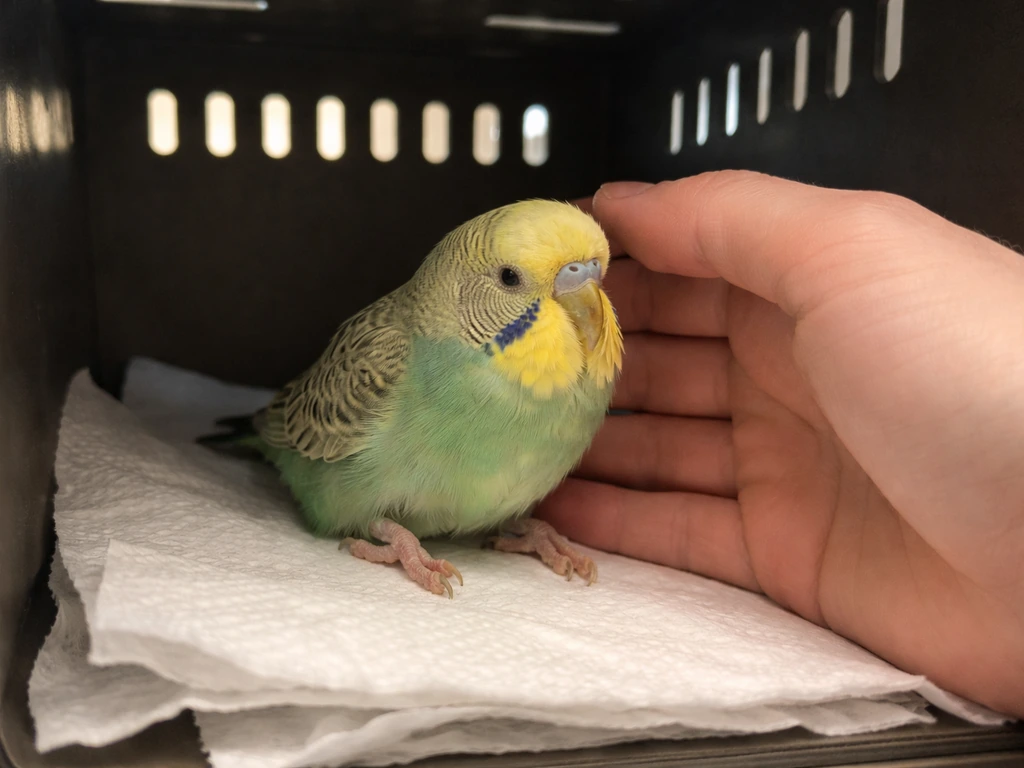
Quick triage: how bad is it and when to get help now
Before you do anything else, watch your bird for 60 seconds from a short distance. You're looking for signs that this is a true emergency versus something you can stabilize and monitor for a few hours. Don't skip this step. Birds decline fast, and a walking problem can sometimes be the first visible sign of something life-threatening happening inside.
Call an avian vet or wildlife rescue immediately if your bird shows any of these signs:
- Open-mouth breathing, tail bobbing up and down with every breath, or any labored breathing at all
- Bleeding that doesn't slow down or stop within 5 minutes
- A bone visibly poking through skin, or a limb at an unnatural angle
- Complete inability to stand, sit upright, or grip anything, or the bird is just lying on its side
- Eyes closed or half-closed and not responding to movement around them
- Huddled at the bottom of the cage, puffed up, not moving
- Visible head tilt, full-body tremors, seizure-like movements, or the neck collapsing (which can point to neurological problems)
- Blood in the droppings or discharge from any opening
- The bird was recently attacked by a cat or dog, even with no visible wound
If none of those are present and your bird is alert, responsive, and just clearly favoring one leg or moving awkwardly, you have a little more time. Keep reading. But "a little more time" still means contacting a professional today, not next week.
Common causes of bad walking in birds
Walking problems split into two broad buckets: stuff going wrong in the leg or foot itself, and stuff going wrong in the rest of the body that shows up as leg weakness. It matters which one you're dealing with because the approach is different.
Leg and foot injuries
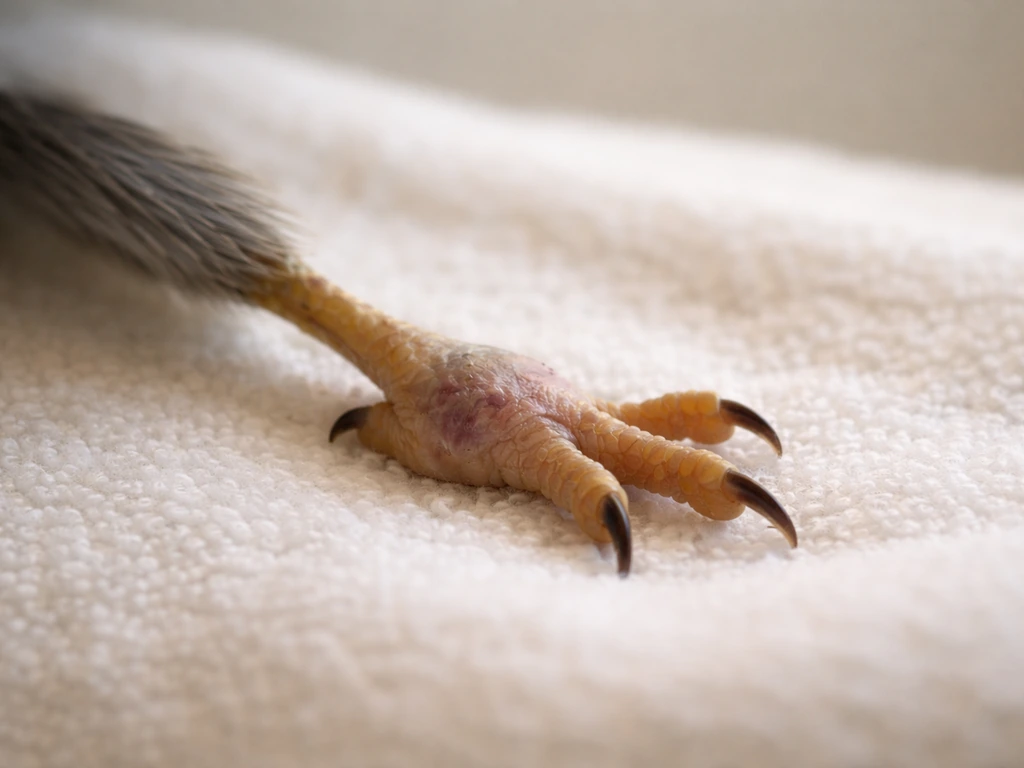
These are the most common cause of a limping or unsteady bird. If your bird is in a backyard area and can't fly, treat it as an urgent mobility and safety problem and get professional help promptly. A sprain, fracture, or dislocation can happen from a bad landing, a collision with a window, a fall from a perch, or a fight with another animal.
Fracture fragments in birds are unstable and can penetrate through the skin quickly, so what looks like a simple limp can escalate. Foot and toe wounds, a trapped or torn toenail, burns from a hot surface, or chemical contact with the feet are all causes too.
Check the feet and legs visually if the bird is calm enough, looking for swelling, cuts, discoloration, or anything wrapped around the leg like string, a leg band that's slipped, or a fiber from cage bedding.
Systemic causes that show up in the legs
This is the part people often miss. A bird stumbling or unable to stand isn't always injured. A bird that can't fly or has sudden flight trouble can have serious underlying problems too, so it still needs prompt professional care wild bird can't fly. Illness, toxin exposure, and nutritional problems can all knock a bird off its feet.
Birds that can't stand or seem weak all over may be dealing with the kind of underlying issue that can make them forget how to fly leg weakness. Heavy metal poisoning (lead, zinc, and iron are the most common culprits) causes weakness that can look like a leg problem. Botulism starts with leg weakness and flaccid paralysis that progresses upward, and it can be fatal fast.
If you also notice a bird failing to fly because its legs are weak, that can be part of the same kind of serious neurologic problem flaccid paralysis. Egg binding in female birds can cause lameness or even paralysis in the legs because a stuck egg presses on nerves. Nutritional deficiencies, particularly vitamin E, can cause muscle weakness.
If your bird has no obvious wound but seems weak all over, that's a red flag for something systemic, and it needs a vet's diagnosis, not just first aid.
This is also worth keeping in mind if your bird seems unable to move their legs at all rather than just limping. That scenario overlaps with something a bit more serious and shares ground with what happens when a bird can't move its legs entirely, which is a different but related situation. That scenario overlaps with what happens when a bird can't move its legs entirely, and it can be similar to what happens if a bird can't fly, so it still needs careful triage.
Immediate first aid you can do at home safely
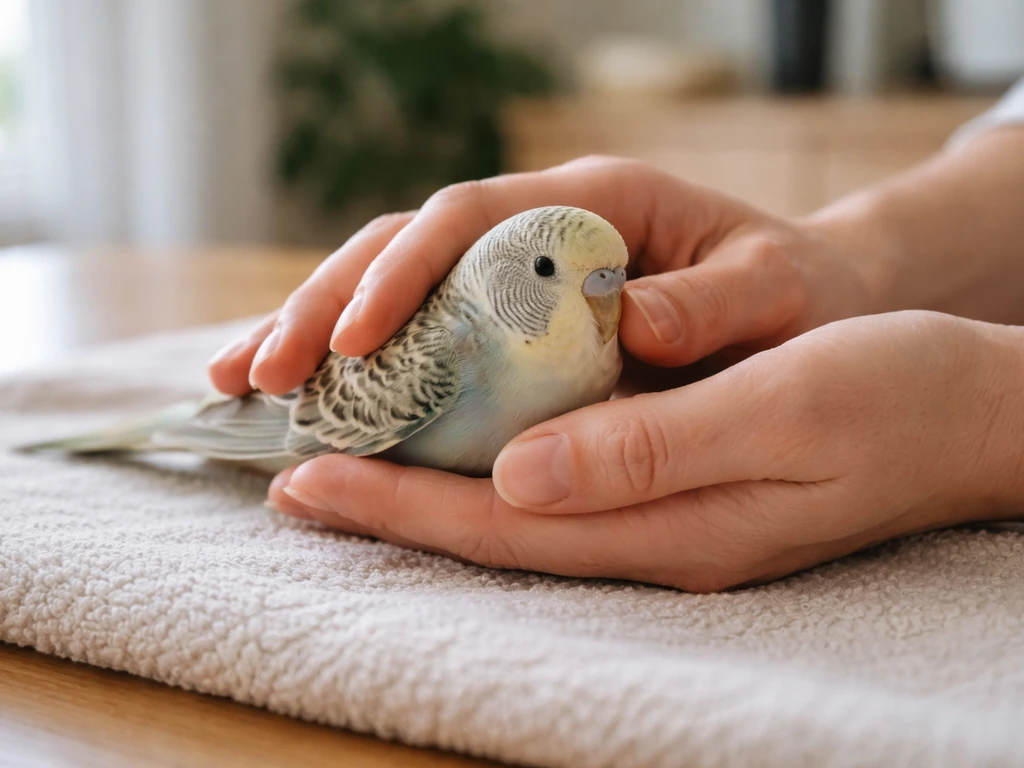
First aid for a bird with walking problems is about stabilizing them, not fixing them. Your job right now is to keep them from getting worse while you arrange professional help. Here's what to actually do: For lacerations or punctures, PetPlace recommends cleaning with povidone iodine or chlorhexidine as part of first aid before veterinary care.
- Pick them up gently. Wrap your hand around their back, keeping their wings lightly against their body. Never squeeze the chest — birds breathe using chest wall movement and chest compression can cause respiratory distress fast.
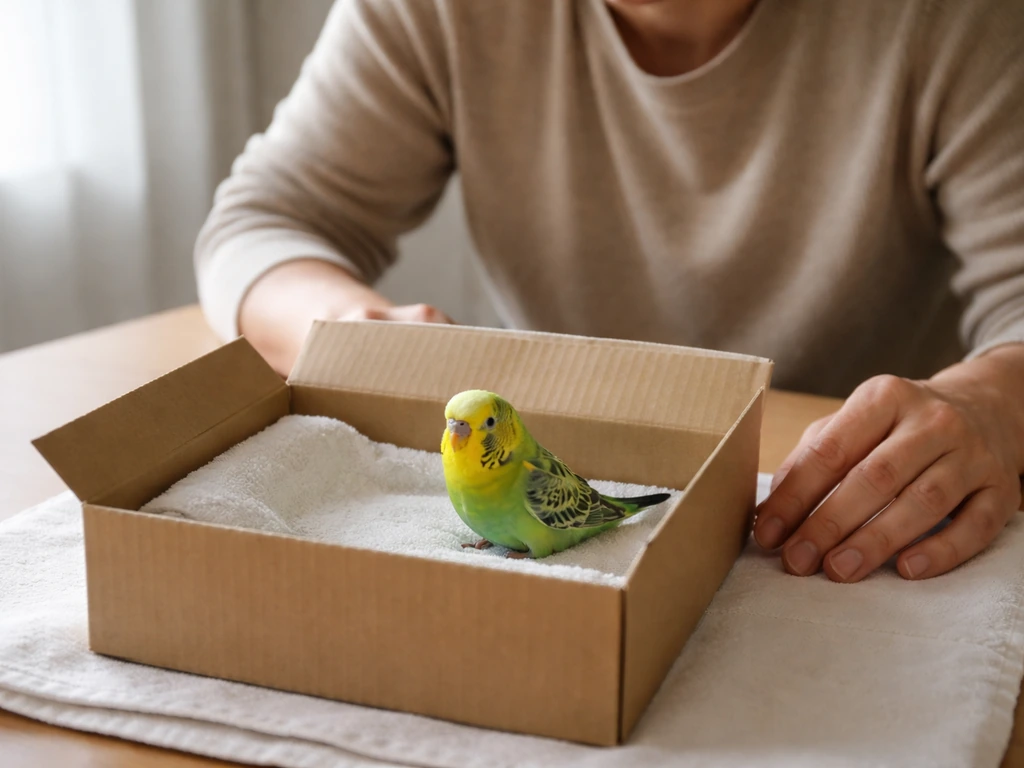
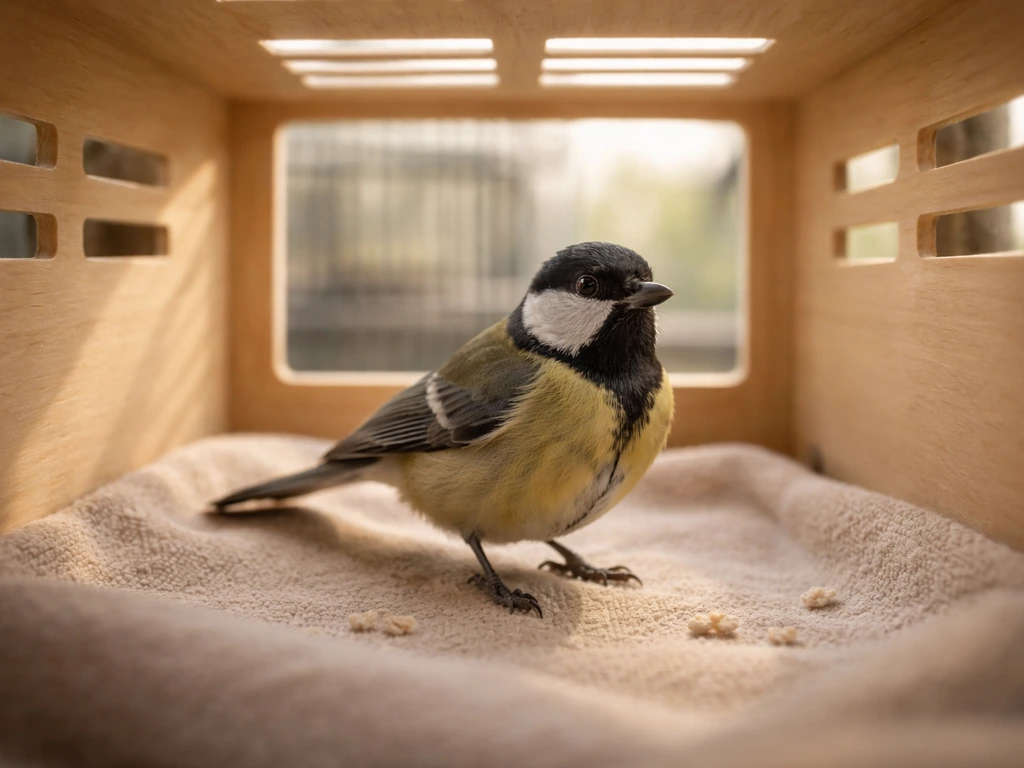
- Put them in a small, secure box. A cardboard box with ventilation holes punched in the sides works fine. Line the bottom with a non-slip surface like a folded towel or paper towels — not newspaper, which is too slippery. Low sides help because a bird that can't walk won't be able to climb out safely anyway.
- Keep them warm. A bird in any kind of distress loses body heat quickly. Aim for around 85 to 90°F (29 to 32°C) in the box. You can do this by placing a heating pad on its lowest setting under half of the box (so the bird can move away from the heat if needed), or by using a warm water bottle wrapped in a towel. Do not put the heat source directly against the bird.
- Keep it dark and quiet. Low light reduces stress and helps prevent panic, which burns energy a distressed bird can't afford to waste.
- Control any active bleeding. Apply gentle, steady pressure with a clean cotton ball or gauze. Hold the pressure, don't keep pulling it away to check — you'll disrupt the clot. If bleeding is from a broken blood feather or nail, styptic powder helps. If bleeding hasn't slowed at all within 5 minutes, that's an emergency. Get the bird to a vet.
- Clean visible wounds gently. If there's a cut or scrape you can reach without stressing the bird too much, clean it with a dilute povidone iodine or chlorhexidine solution. This is temporary hygiene only, not treatment.
- Don't try to remove anything wrapped around the leg. A leg band, string, or fiber that's cutting into the leg needs to be removed, but struggling to free a trapped limb dramatically increases stress and can cause more damage. If you can reach a vet fast, let them handle it.
What not to do
I've seen well-meaning people accidentally make things worse, so this section matters just as much as the steps above.
- Don't try to straighten, manipulate, or "set" the leg or foot. Fractured bone segments in birds can puncture surrounding tissue. Any movement of an unstable fracture makes things worse.
- Don't apply a homemade splint or wrap the leg tightly. Incorrect bandaging restricts blood circulation and can cause tissue death. Avian bandaging is a genuine skill that requires the right materials and training — it's not a DIY job.
- Don't give any human medications. Pain relievers like ibuprofen, aspirin, and acetaminophen are toxic to birds.
- Don't force food or water. A bird that's in pain, in shock, or having trouble swallowing could aspirate (inhale) food or water into their airway. If the bird is alert and approaching food on their own, that's fine. Otherwise, leave it alone until a vet advises.
- Don't repeatedly handle the bird to check on it. Every time you pick them up, you're adding stress. Check them visually from outside the box.
- Don't put them back in a cage with perches they might fall from. A bird that can't walk or grip can injure themselves further falling from a height.
Recovery setup: housing, warmth, footing, and monitoring
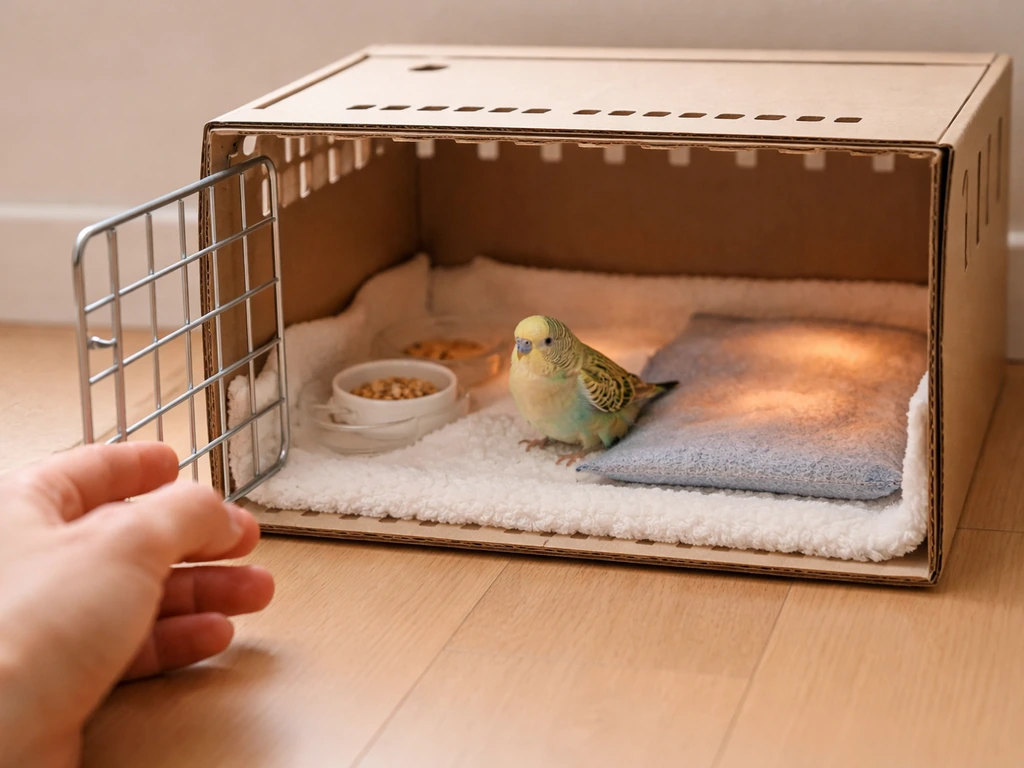
Whether you're waiting for a vet appointment in a few hours or managing overnight care, the setup environment matters a lot. Here's how to do it right.
The right housing
Keep the bird in a small, confined space at floor level, not a tall cage. A cardboard box or small pet carrier is ideal. The goal is to prevent falls and limit movement, which reduces the risk of a fracture becoming a compound fracture. Line the bottom with a soft, non-slip material. If your bird can still grip a little, you can offer a very low perch (a rolled towel or a thick wooden dowel placed at floor level) rather than a raised one. Make sure they can reach water by placing a shallow dish directly on the floor of the box.
Warmth
Maintaining warmth is one of the most genuinely useful things you can do. Injured birds lose body heat fast, and cold stress makes everything worse. Keep part of the box warm using a heating pad on low (under half the box only) or a warm water bottle wrapped in cloth. Check the temperature with a thermometer if you have one, aiming for 85 to 90°F. Avoid direct heat sources, drafts, and air conditioning.
What to monitor
Check on the bird visually every 30 minutes without picking them up. You're looking for signs of improvement or deterioration. Positive signs: the bird is sitting upright, eyes are open and alert, they're looking around, and they're bearing some weight on the leg. If your bird can't hold its head up, treat it as a serious warning sign and seek veterinary or rescue help right away sitting upright.
Warning signs that mean you need to move faster on getting help: breathing changes (any labored breathing, open-mouth breathing, or tail bobbing), the bird lying on its side or unable to right itself, worsening swelling or discoloration in the leg or foot, loss of circulation to the foot (toes turning white, blue, or feeling cold to the touch), or the bird becoming unresponsive to any stimulus. Write down the time and what you observed.
This information is genuinely useful to the vet.
Arrange professional care: what to tell the vet or rescue and how to find one
Even if your bird seems to be stabilizing, a walking problem needs professional assessment. A vet can diagnose whether this is a fracture, a soft tissue injury, a neurological issue, or something systemic, and none of those can be reliably distinguished at home. If it's a pet bird, look for an avian vet rather than a general small animal vet.
The Association of Avian Veterinarians (AAV) has a searchable "Find a Vet" directory online that's the fastest way to locate a qualified specialist near you. If it's a wild bird, contact a licensed wildlife rehabilitator or your state or local fish and wildlife agency. In the U. S.
, you can also search for a wildlife rehabilitator through the National Wildlife Rehabilitators Association.
When you call, give them this information upfront so they can triage your bird correctly:
- Species if you know it, or a description (size, color, wild or pet)
- What you observed: which leg or foot is affected, what the movement looks like, when you first noticed it
- Whether there's any visible wound, bleeding, or swelling
- Any known exposure: collision with a window, interaction with a cat or dog, access to toxic plants or metals, recent changes in food
- Current condition: alert or unresponsive, breathing normally or not, eating or not
- What you've already done: any first aid, what the bird is in, what temperature
If you can take a photo or short video of how the bird is walking (or trying to), do it. Several wildlife rescue services specifically ask for photos with the location to help them advise you or dispatch someone. Bring the bird in the same secure box you set up, don't transfer them to a new container right before transport if you can help it, since the extra handling adds stress.
If you're in a rural area or facing access barriers, call the clinic or rescue line and ask for phone guidance while you arrange transport. Many avian vets and wildlife hotlines have on-call staff who can walk you through specific steps for your situation. AWARE Wildlife Center’s quick help similarly emphasizes contacting wildlife experts for specific instructions and provides general guidance to help avoid further injury until help is reached on-call staff who can walk you through specific steps for your situation. You're not bothering anyone by calling. Getting a bird with a serious injury to the right hands quickly is exactly what these services are there for.
One last thing worth saying clearly: first aid at home is temporary stabilization. It can genuinely help, and doing the right things in the first hour can make a real difference to a bird's outcome. But it's not a substitute for diagnosis and treatment. A bird that can't walk properly is telling you something is wrong, and the faster you get them properly assessed, the better the odds of a good recovery.
FAQ
My bird is hopping or dragging one foot, but they seem alert. Does that mean it’s not an emergency?
Not necessarily. Alertness can stay normal early on, especially with fractures, trapped toenails, or chemical irritation. If they are not bearing weight, are repeatedly falling over, or this started suddenly, you should contact an avian vet or wildlife rescue the same day. Use the 30 minute checks to watch for breathing changes, worsening color to the toes, or loss of responsiveness, any of which increases urgency.
Should I try to massage the leg or straighten it to help them stand?
No. Don’t manipulate the limb, massage sore areas, or attempt to reposition a suspected fracture or dislocation. Bird bones can be unstable, and movement can convert a closed injury into a skin-penetrating one. Focus on limiting movement by keeping them in the small floor-level setup and getting professional guidance.
Can I use bandages or splints on my bird’s foot or leg?
Only if a professional specifically instructs you. Improvised wraps can cut off circulation, trap swelling, or leave pressure points that worsen injury. If you see something wrapped around the limb, only remove loose string or fiber carefully if it can be done without pulling on the limb. For wounds, stop at gentle protection and professional triage rather than constricting bandages.
What should I do if the toes look pale, blue, or cold?
Treat it as a high-priority circulation problem and seek urgent help. Pale or bluish toes plus coldness can indicate swelling, a tight wrap, or vascular compromise. Keep the bird warm, do not wrap tightly, and note the exact time you noticed the color and temperature change so the vet can act quickly.
My bird got something on its feet, like sticky residue or chemicals. How long should I wait before calling?
Call immediately. Even when you can’t see burns, chemicals can continue damaging tissue and skin. If the residue is dry and you can safely remove it without rubbing hard, do minimal cleanup, then keep the bird warm and still. Do not use strong household solvents or soak for long periods, and avoid soaking if you suspect a fracture or open wound.
My bird seems weak all over and can’t stand, but I don’t see an injury. What’s the most common mistake people make?
The mistake is assuming it’s “just a leg problem” and only doing mobility first aid. Systemic causes like heavy metal exposure, botulism, toxin exposure, egg binding, or nutritional issues can show up as leg weakness first. That’s why the right move is prompt veterinary evaluation, even if the bird is calm and not obviously bleeding.
How should I prevent worsening during transport to the vet or rescue?
Keep transport stress low. Use the same secure box setup you used for stabilization, avoid switching containers right before travel if possible, keep the box warm but not overheated, and minimize handling. If you need to move them, do it quickly and support the body to reduce bouncing.
Should I offer food or water while the bird is waiting for care?
Offer water in a shallow dish placed on the floor of the box so they do not have to balance on a perch. For food, use normal, easily accessed options only if they can reach and swallow comfortably. If they’re very weak, not alert, or have trouble swallowing, prioritize professional guidance rather than forcing intake.
What should I do if my bird won’t move one leg at all, but there’s no visible cut?
Treat it as more serious than a simple limp. Complete inability to move a leg can overlap with neurological or systemic conditions, so call for professional triage right away. Keep them warm and still, don’t test range of motion, and record whether the other leg moves normally so the clinician can narrow the cause.
Is it okay to wait overnight if my bird looks slightly better after warming up?
Sometimes warming improves comfort, but walking problems still require assessment. Improvement does not rule out fractures, toxins, infections, or neurologic problems. If any warning signs appear (labored breathing, worsening toe color, inability to right themselves, unresponsiveness), do not wait. If there are no warning signs, still contact an avian vet or rescue for next-step instructions the same day.
Next Articles
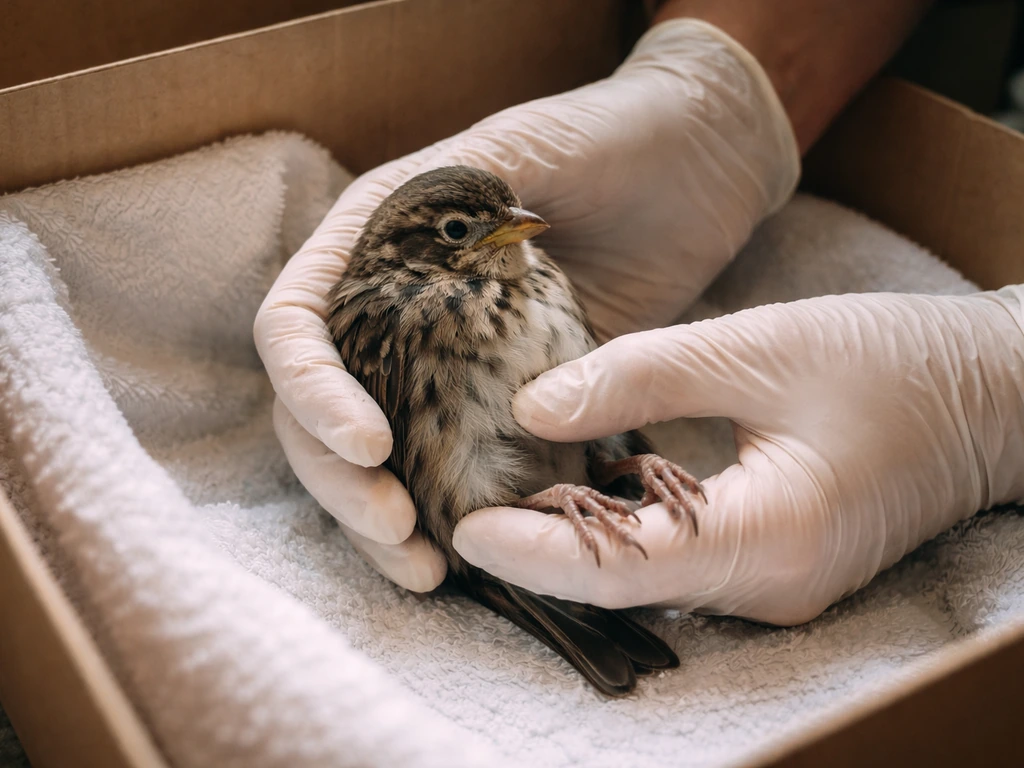
Bird Can’t Move Legs: First Aid Steps and When to Get Help
Step-by-step first aid for a bird with immobile legs, plus urgent signs, handling tips, and how to get help fast.
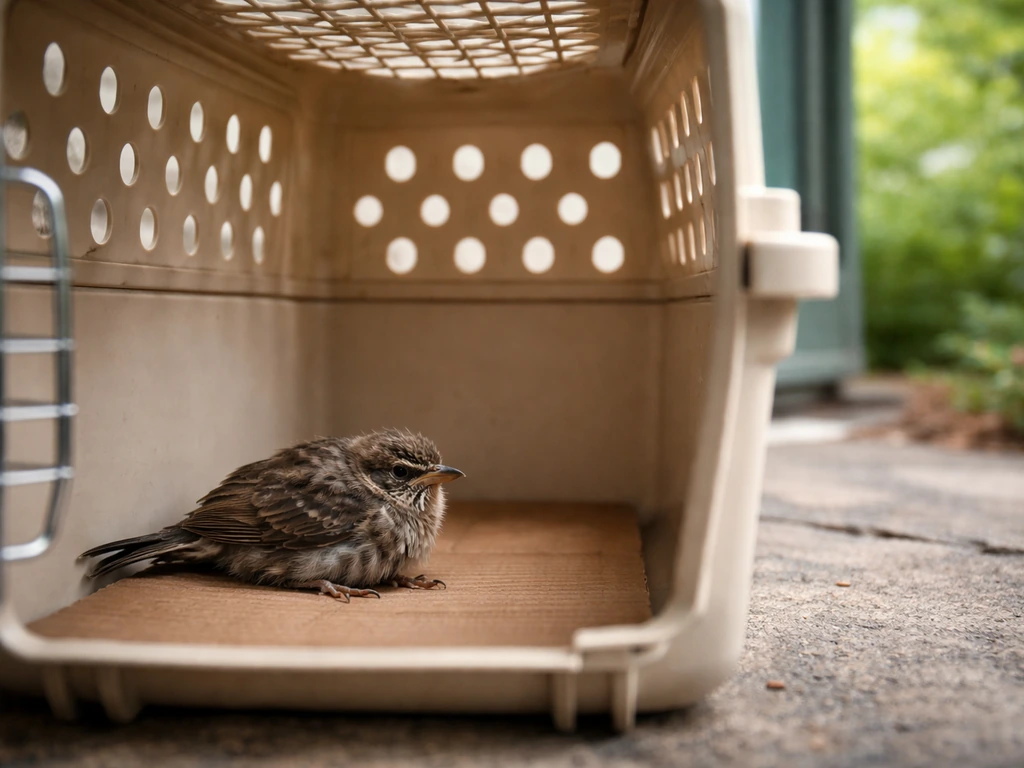
Wild Bird Can’t Fly: What to Do Step by Step
Step-by-step triage for a wild bird that can’t fly, from window hits to injuries, with safe first aid and rescue timing.
What Prevents the Caged Bird From Flying and What to Do Now
Causes of a caged bird that won’t fly, quick safe checks, first aid steps, and red flags for urgent avian help.