Call your avian vet or the ASPCA Animal Poison Control Center at (888) 426-4435 right now, before you do anything else. Avocado is genuinely toxic to birds, not just mildly irritating, and caged pet birds are considered especially sensitive to its effects.
What Should I Do If My Bird Ate Avocado? Steps Now
Marcus Chen
25 Apr 2026
If you saw your bird eat any part of an avocado, or you just found a piece missing and your bird is nearby, treat this as a real emergency and make that call while you read the rest of this guide. If you are dealing with a different pet, like a cat that ate a bird, you may need to worry about additional risks and contact a vet promptly my cat ate a bird should i be worried.
If your situation instead involves the cat side of things, see the related guide my cat killed a bird what should i do for what to do next my cat ate a bird should i be worried.
If you are dealing with a different pet, like a cat that ate a bird, you may need to worry about additional risks and contact a vet promptly my cat ate a bird should i be worried my cat caught a bird what should i do? (related guide) / get guidance now: my cat caught a bird what should i do? (related guide) / get guidance now: my cat caught a bird what should i do?
(related guide) / get guidance now: my cat caught a bird what should i do? (related guide) / get guidance now: my cat caught a bird what should i do? (related guide) / get guidance now: my cat caught a bird what should i do? (related guide) / get guidance now: my cat caught a bird what should i do?
(related guide) / get guidance now: my cat caught a bird what should i do? (related guide) / get guidance now: my cat caught a bird what should i do? (related guide) / get guidance now: my cat caught a bird what should i do? (related guide) / get guidance now: my cat caught a bird what should i do?
(related guide) / get guidance now: my cat caught a bird what should i do? (related guide) / get guidance now: my cat caught a bird what should i do? (related guide) / get guidance now: my cat caught a bird what should i do? (related guide) / get guidance now: my cat caught a bird what should i do?
(related guide) / get guidance now: my cat caught a bird what should i do? (related guide) / get guidance now: my cat caught a bird what should i do? (related guide) / get guidance now: my cat caught a bird what should i do? (related guide) / get guidance now: my cat caught a bird what should i do?
(related guide) / get guidance now: my cat caught a bird what should i do? (related guide) / get guidance now: my cat caught a bird what should i do? (related guide) / get guidance now: my cat caught a bird what should i do? (related guide) / get guidance now: my cat caught a bird what should i do?
(related guide) / get guidance now: my cat caught a bird what should i do? (related guide) / get guidance now: my cat caught a bird what should i do? (related guide) / get guidance now: my cat caught a bird what should i do? (related guide) / get guidance now: my cat caught a bird what should i do?
(related guide) / get guidance now: my cat caught a bird what should i do? (related guide) / get guidance now: my cat caught a bird what should i do? (related guide) / get guidance now: my cat caught a bird what should i do? (related guide) / get guidance now: my cat caught a bird what should i do?
(related guide) / get guidance now: my cat caught a bird what should i do? (related guide) / get guidance now: my cat caught a bird what should i do? (related guide) / get guidance now: my cat caught a bird what should i do? (related guide) / get guidance now: my cat caught a bird what should i do?
(related guide) / get guidance now: my cat caught a bird what should i do? (related guide) / get guidance now: my cat caught a bird what should i do? (related guide) / get guidance now: my cat caught a bird what should i do? (related guide) / get guidance now: my cat caught a bird what should i do?
(related guide) / get guidance now: my cat caught a bird what should i do? (related guide) / get guidance now: my cat caught a bird what should i do? (related guide) / get guidance now: my cat caught a bird what should i do? (related guide) / get guidance now: my cat caught a bird what should i do?
(related guide) / get guidance now: my cat caught a bird what should i do? (related guide) / get guidance now: my cat caught a bird what should i do? (related guide) / get guidance now: my cat caught a bird what should i do? (related guide) / get guidance now: my cat caught a bird what should i do?
(related guide) / get guidance now: my cat caught a bird what should i do? (related guide) / get guidance now: my cat caught a bird what should i do? (related guide) / get guidance now: my cat caught a bird what should i do? (related guide) / get guidance now: my cat caught a bird what should i do?
(related guide) / get guidance now: my cat caught a bird what should i do? (related guide) / get guidance now: my cat caught a bird what should i do? (related guide) / get guidance now: my cat caught a bird what should i do? (related guide) / get guidance now: my cat caught a bird what should i do?
(related guide) / get guidance now: my cat caught a bird what should i do? (related guide) / get guidance now: my cat caught a bird what should i do? (related guide) / get guidance now: my cat caught a bird what should i do? (related guide) / get guidance now: my cat caught a bird what should i do?
(related guide) / get guidance now: my cat caught a bird what should i do? (related guide) / get guidance now: my cat caught a bird what should i do? (related guide) / get guidance now: my cat caught a bird what should i do? (related guide) / get guidance now: my cat caught a bird what should i do?
(related guide) / get guidance now: my cat caught a bird what should i do? (related guide) / get guidance now: my cat caught a bird what should i do? (related guide) / get guidance now: my cat caught a bird what should i do? (related guide) / get guidance now: my cat caught a bird what should i do?
(related guide) / get guidance now: my cat caught a bird what should i do? (related guide) / get guidance now: my cat caught a bird what should i do? (related guide) / get guidance now: my cat caught a bird what should i do? (related guide) / get guidance now: my cat caught a bird what should i do?
(related guide) / get guidance now: my cat caught a bird what should i do? (related guide) / get guidance now: my cat caught a bird what should i do? (related guide) / get guidance now: my cat caught a bird what should i do? (related guide) / get guidance now: my cat caught a bird what should i do?
(related guide) / get guidance now: my cat caught a bird what should i do? (related guide) / get guidance now: my cat caught a bird what should i do? (related guide) / get guidance now: my cat caught a bird what should i do? (related guide) / get guidance now: my cat caught a bird what should i do?
(related guide) / get guidance now: my cat caught a bird what should i do? (related guide) / get guidance now: my cat caught a bird what should i do? (related guide) / get guidance now: my cat caught a bird what should i do? (related guide) / get guidance now: my cat caught a bird what should i do?
(related guide) / get guidance now: my cat caught a bird what should i do? (related guide) / get guidance now: my cat caught a bird what should i do? (related guide) / get guidance now: my cat caught a bird what should i do? (related guide) / get guidance now: my cat caught a bird what should i do?
(related guide) / get guidance now: my cat caught a bird what should i do? (related guide) / get guidance now: my cat caught a bird what should i do? (related guide) / get guidance now: my cat caught a bird what should i do? (related guide) / get guidance now: my cat caught a bird what should i do?
(related guide) / get guidance now: my cat caught a bird what should i do? (related guide) / get guidance now: my cat caught a bird what should i do? (related guide) / get guidance now: my cat caught a bird what should i do? (related guide) / get guidance now: my cat caught a bird what should i do?
(related guide) / get guidance now: my cat caught a bird what should i do? (related guide) / get guidance now: my cat caught a bird what should i do? (related guide) / get guidance now: my cat killed a bird and you should follow my cat caught a bird what should i do? (related guide) / get guidance now text for safety tips.
Please use anchor_text to link to. If the exposure involved a cat instead of a bird, you can use this guide for what to do next in the related topic my cat ate a bird should i be worried.
Why avocado can be risky for birds
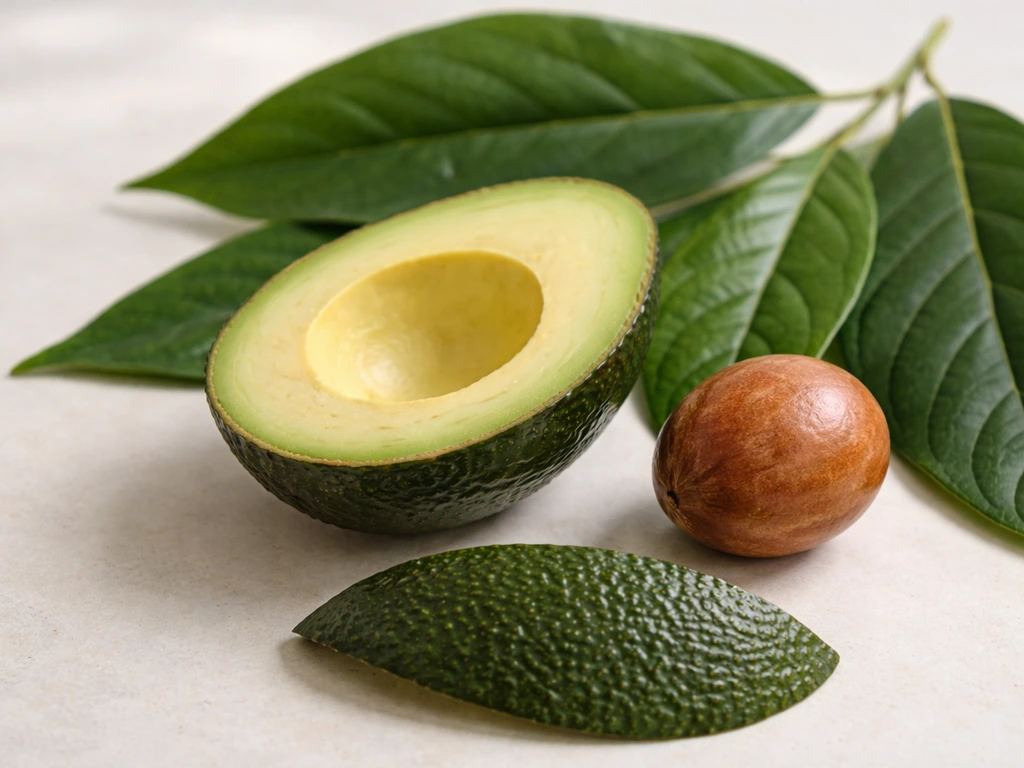
Avocado contains a compound called persin. It's found throughout the plant, including the flesh, skin, pit, and even the leaves. For people, persin is essentially harmless, but birds process it very differently. The ASPCA lists the clinical outcomes as respiratory distress, heart failure, and edema (fluid buildup in body tissues). At a biological level, persin can cause myocardial necrosis, which means it can damage heart muscle tissue directly. There is no antidote. That's not meant to panic you, but it does explain why the standard advice is "call a vet immediately" rather than "wait and see."
The part of the avocado that was consumed matters somewhat. The pit and skin carry higher persin concentrations, but the flesh isn't safe either. Even a small amount of flesh can be enough to cause serious effects in a small bird like a parakeet, canary, or finch. Larger parrots face the same risks, just sometimes with a slightly wider exposure window before symptoms appear. If you don't know which part your bird ate or how much, assume the worst-case scenario and get professional guidance immediately.
First steps right now
While you're getting ready to call for help, do a quick calm visual check on your bird. Don't stress it out by chasing it around the cage or handling it unnecessarily. Just observe from a short distance. You want to note a few things: Is it sitting normally or hunched up? Is it breathing normally, or do you see tail-bobbing, open-mouth breathing, or labored chest movement? Is it alert and reactive, or sitting low and unresponsive? Is it moving around, or staying in one spot?
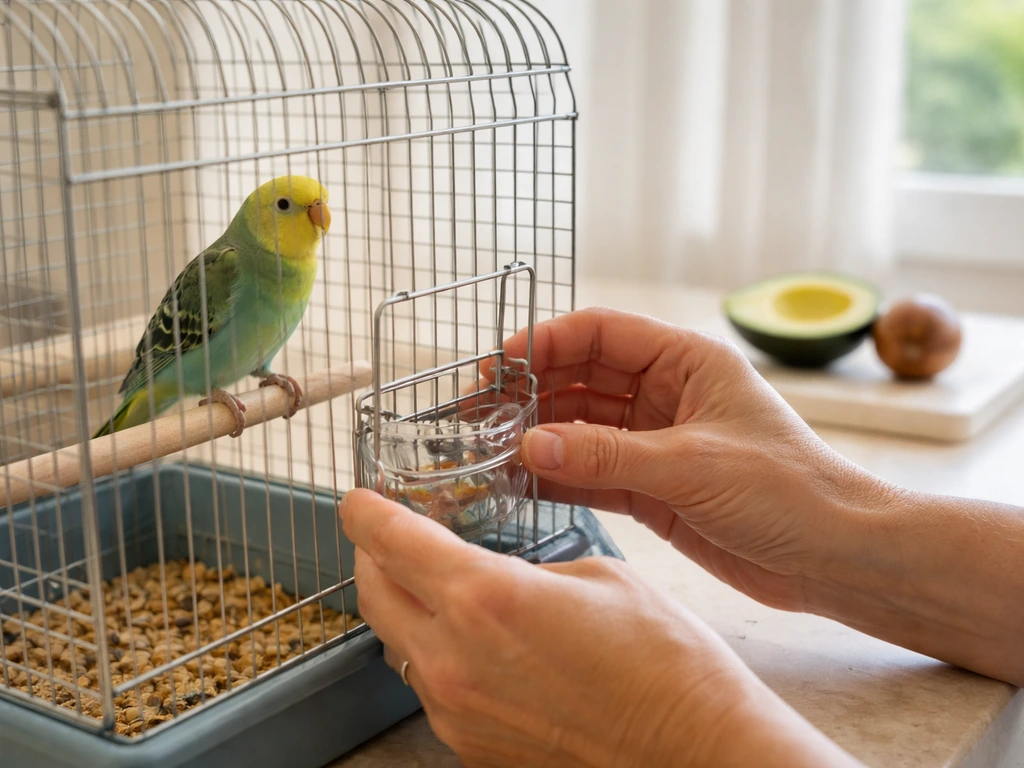
Remove any remaining avocado from the cage or the area where your bird has access. Don't leave it in reach. If there are pits, skin pieces, or guacamole residue anywhere the bird can get to, clear those out now. Then keep your bird in a calm, warm, quiet environment. Stress makes toxic reactions harder for a bird's body to cope with, so a low-stimulation setting is genuinely helpful while you wait for guidance.
Before you call the vet or poison line, try to gather these details. The person on the other end will ask you for them, and having the answers ready speeds things up considerably.
- What part of the avocado was eaten (flesh, skin, pit, guacamole with added ingredients, or unknown)
- Approximately how much was eaten, even a rough guess helps
- How long ago the ingestion happened, or your best estimate
- Your bird's species and approximate weight if you know it
- Any symptoms you're already seeing right now
What symptoms to watch for and how fast they can appear
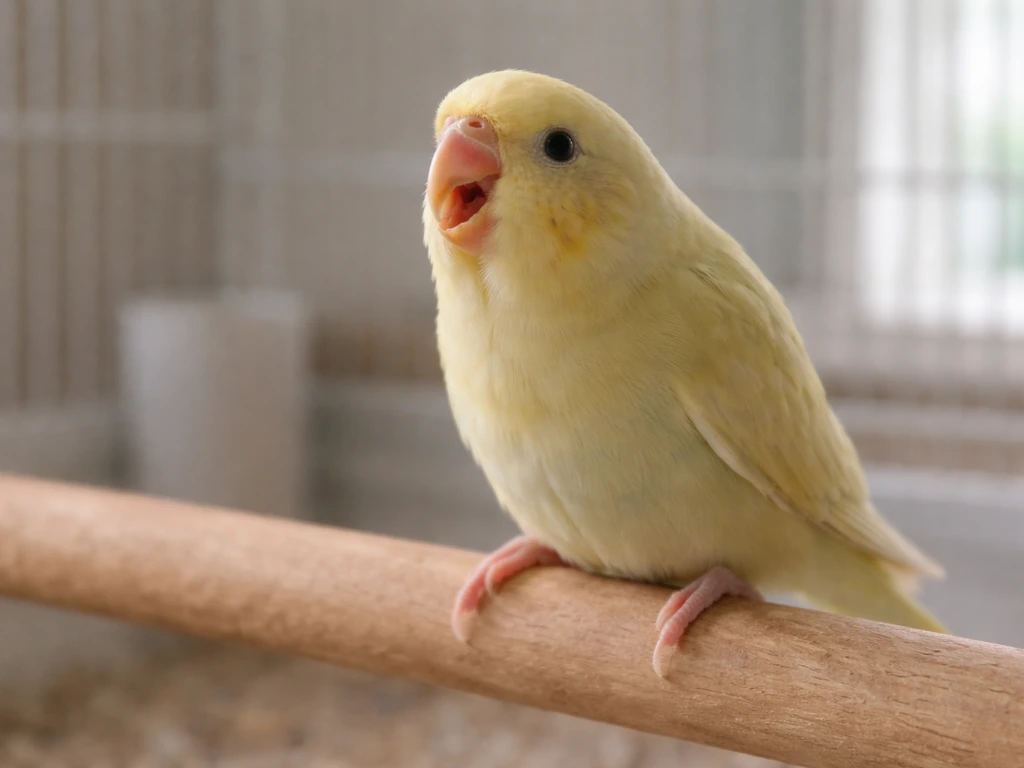
Clinical signs of avocado toxicosis in birds typically begin around 12 hours after exposure, though some birds show distress sooner than that. Once symptoms start, they can progress quickly. The window between the first signs and a life-threatening crisis can be as short as 24 to 48 hours. Merck Veterinary Manual's Food Hazards (poisoning) section describes a heart muscle injury time course in birds after avocado exposure, with potentially life-threatening respiratory signs and edema developing within about 24 to 48 hours. That timeline is why early action matters so much, even if your bird looks completely fine right now.
Here's what you're watching for during that monitoring window:
- Labored or open-mouth breathing, tail-bobbing, or any noticeable effort to breathe
- Lethargy, weakness, or sitting hunched at the bottom of the cage
- Loss of appetite or complete refusal to eat
- Puffed-up feathers or disordered plumage
- Visible swelling around the neck or chest area (subcutaneous edema)
- Rapid or irregular heart rate if you can observe it
- Abnormal or absent droppings
- Tremors, unsteadiness, or seizure-like movements
- General agitation or restlessness that seems out of character
One thing to keep in mind: birds are very good at hiding illness. A bird that looks okay in the first couple of hours may still be experiencing internal effects. Don't use "seems fine" as a reason to skip the vet call. One ASPCA guidance document recommends monitoring birds that have ingested avocado for at least 30 hours near an oxygen source if possible, which gives you a sense of how seriously the veterinary community takes even apparently mild exposures.
What to do and what not to do at home
Things you should do
- Keep your bird warm and quiet in a stress-free environment
- Make fresh water easily accessible, but don't force fluids
- Make sure food is available so your bird can eat if it wants to
- Monitor your bird closely and note any changes in behavior, breathing, or droppings
- Call the ASPCA Animal Poison Control (888-426-4435), Pet Poison Helpline, or your avian vet immediately
- Follow exactly what the vet or poison specialist tells you to do
Things you should not do
- Do not try to induce vomiting. Birds don't vomit the same way mammals do, and attempting this can cause serious harm
- Do not give activated charcoal or any home decontamination treatment unless a vet explicitly tells you to
- Do not offer milk, bread, or any folk remedies. None of these help and some can make things worse
- Do not handle or restrain your bird more than necessary. Stress worsens toxic reactions significantly
- Do not wait for symptoms to appear before calling for help. The point of early intervention is getting ahead of symptoms, not reacting to them
- Do not assume that because your bird ate avocado before with no visible reaction it will be fine this time
It's worth being direct here: there are no home treatments that counteract persin toxicity. There is also no diagnostic test currently available that confirms avocado toxicosis, so vets work entirely from clinical signs and exposure history. Supportive care is what treatment looks like, and a vet has the tools to provide that in ways you simply don't have at home. First aid is not a substitute for professional veterinary care in a situation like this.
When to call an avian vet or wildlife rescue immediately
Honestly, any avocado ingestion by a bird warrants a call to a professional. But these specific situations mean you should be rushing to an emergency vet rather than sitting at home monitoring:
- Any difficulty breathing, open-mouth breathing, tail-bobbing, or gasping
- Severe lethargy, inability to perch, or collapse
- Seizures, tremors, or loss of coordination
- Visible swelling around the neck or chest
- Uncontrolled or repeated vomiting
- Your bird ate the pit or skin (higher persin concentration)
- You don't know how much was eaten or which part was consumed
- Your bird is very small (canaries, finches, budgies, cockatiels)
- More than a few minutes have passed and you still haven't called anyone
To find help fast, call your regular avian vet first. If your cat ate a bird, it can still be urgent depending on what was bitten and how your cat is acting, so consider calling your vet or an animal poison hotline for guidance avian vet. If you don't have one, search "avian vet near me" or "emergency animal hospital" and call ahead to confirm they treat birds, since not all emergency clinics do.
The ASPCA Animal Poison Control Center at (888) 426-4435 is available 24 hours a day, 7 days a week, and can help you assess severity and guide next steps even if you can't get to a vet immediately. Pet Poison Helpline is another 24/7 option. If your bird is a wild bird rather than a pet, contact a local wildlife rehabilitation center as soon as possible.
How to reduce the risk next time
Prevention is really the only reliable strategy here since there's no antidote and treatment is purely supportive. The simplest rule for a bird household is: avocado and anything made with avocado (guacamole, avocado toast, dips) stays away from your bird's reach completely. That means not eating it near the cage, not leaving it on a counter your bird can access, and being careful about disposal so your bird can't get into the trash.
If you want to give your bird fresh food, there are plenty of genuinely safe options. Leafy greens like kale, spinach, and chard are good. Many birds enjoy carrots, bell peppers, broccoli, and cucumber. Fruits like apple (without seeds), mango, papaya, berries, and melon are generally well-tolerated. Always introduce new foods gradually and in small amounts.
A few other foods to keep away from your bird while you're doing a kitchen safety review: chocolate, onions, garlic, raw or cooked mushrooms, caffeine, alcohol, and anything with xylitol. The list of genuinely dangerous foods for birds is longer than most people expect, and avocado sits near the top of it specifically because of how fast and seriously it can act.
| Food | Safe for birds? | Notes |
|---|---|---|
| Avocado (any part) | No | Contains persin; toxic to birds, can be fatal |
| Apple (flesh) | Yes | Remove seeds and core, which contain cyanogenic compounds |
| Mango | Yes | Remove pit; flesh is safe and often enjoyed |
| Bell pepper | Yes | All colors; good source of vitamin C |
| Leafy greens (kale, spinach) | Yes | Offer variety; rinse thoroughly |
| Chocolate | No | Toxic to birds; avoid entirely |
| Grapes | Yes in small amounts | Fine as an occasional treat; limit quantity |
| Onion or garlic | No | Can cause digestive and blood cell damage |
| Berries (blueberry, strawberry) | Yes | Great enrichment food; birds tend to love them |
| Guacamole | No | Contains avocado; often also contains onion and garlic |
Keeping your bird safe from accidental poisoning is mostly about kitchen habits. Store avocados in a closed container or out of reach entirely. If your bird is free-roaming in your home, be extra careful about what's left on counters or tables. A few small changes to how you handle food around your bird can eliminate most of the risk going forward.
And if you ever find yourself in a situation where a bird has gotten into something unknown, the same rule applies as it does with avocado: call for professional help first and figure out the details while you wait for advice. If your bird flew away, you may be wondering will my bird come back, and the safest next steps depend on where it landed and how soon you start searching.
If your bird flew away, focus on getting it back safely as soon as possible, since recovery depends on the situation and timing my bird flew away will it come back.
FAQ
What should I do right now while I’m waiting to reach the poison line or vet after my bird ate avocado?
Put the bird in a calm, warm, quiet area and do a distance visual check (posture, breathing effort, energy level). Do not try to induce vomiting, offer water or food “to flush it,” or give any human medications. Also remove all avocado pieces, including pit fragments or residue, from the cage and surrounding area so there is no ongoing exposure.
If my bird ate only a tiny lick of avocado, do I still need emergency guidance?
Yes. For small pet birds, even small amounts can be clinically significant, and symptoms can start around 12 hours after exposure and then progress quickly. If you cannot confidently estimate the quantity, treat it as a higher-risk exposure and call for guidance.
How can I estimate how much avocado my bird ate if I only found missing food?
Do the best rapid inventory you can: check the container for remaining slices or dip, estimate how much was accessible, and note how long the bird had access (for example, how long it was out on the counter). Collect photos of what’s left and the cage setup, then share those details on the call, since exposure history is a major part of how clinicians decide next steps.
What avocado products are most dangerous, and should I treat guacamole differently?
All forms matter, but higher-risk pieces are the pit and skin because they contain more of the relevant compound. Guacamole can also be risky if it includes avocado plus other ingredients, so the safest approach is to treat any avocado product (including guacamole) as a full exposure and report the exact product ingredients to the vet or poison line.
My bird seems normal right now. Should I wait 12 hours to see if symptoms start?
Do not wait to start professional guidance. Because there is no antidote and birds can hide illness early, you should call immediately even if the bird looks okay. The monitoring window is for following veterinary instructions after your call, not for delaying it.
What signs mean I should go straight to the emergency clinic instead of just calling?
If you notice any breathing changes (open-mouth breathing, tail-bobbing, labored chest movement), unusual weakness or collapse, extreme hunching, or sitting low and unresponsive, treat it as an emergency and get to a bird-capable emergency clinic while continuing to speak with a poison line or the clinic for real-time guidance.
Should I bring the pit, skin, or packaging to the vet?
Yes. Save the pit fragment, any leftover avocado, and the package label or ingredient list. This helps the clinic confirm what was eaten and whether there were other potential hazards (for example, added flavorings or other ingredients in dips).
Can I give my bird anything at home to help, like activated charcoal or electrolytes?
Do not give home “treatments” unless a vet or poison specialist explicitly tells you to. There is no counteracting antidote, and giving the wrong product can complicate supportive care. Follow the instructions from the vet or poison line exactly.
Does the advice differ for different bird types or ages, like a canary versus a larger parrot?
The risk is still serious for all pet birds, but smaller birds can become symptomatic with smaller exposures and may deteriorate faster. Age and overall health can also change how aggressively clinicians recommend supportive care, so report species, weight if you know it, and any medical conditions.
If my bird is a wild bird instead of a pet, what should I do?
Contact a local wildlife rehabilitation center as soon as possible and do not delay while trying to monitor at home. If the bird is actively in distress or you have evidence of avocado ingestion, ask the rehabber what to do while you transport it, and keep the bird warm and quiet during transport.
How do I prevent this from happening again, beyond just keeping avocado out of reach?
Reduce exposure during cleanup: dispose of avocado skins, pits, and any residue in a sealed trash container, wipe counters promptly, and avoid eating avocado or guacamole near the bird’s play area. If your bird is free-roaming, create a separate “food zone” that stays off-limits during meals and preparation.