
Yes, you should pay attention, but you don't need to panic right now. Most cats that eat a bird will be fine, but there are real risks worth knowing about, and a handful of symptoms that mean you should call a vet today. Here's exactly what to do, step by step.
My Cat Ate a Bird: Should I Be Worried and What to Do Now
Marcus Chen
15 Apr 2026
First: what bird was it and how much did your cat actually eat?
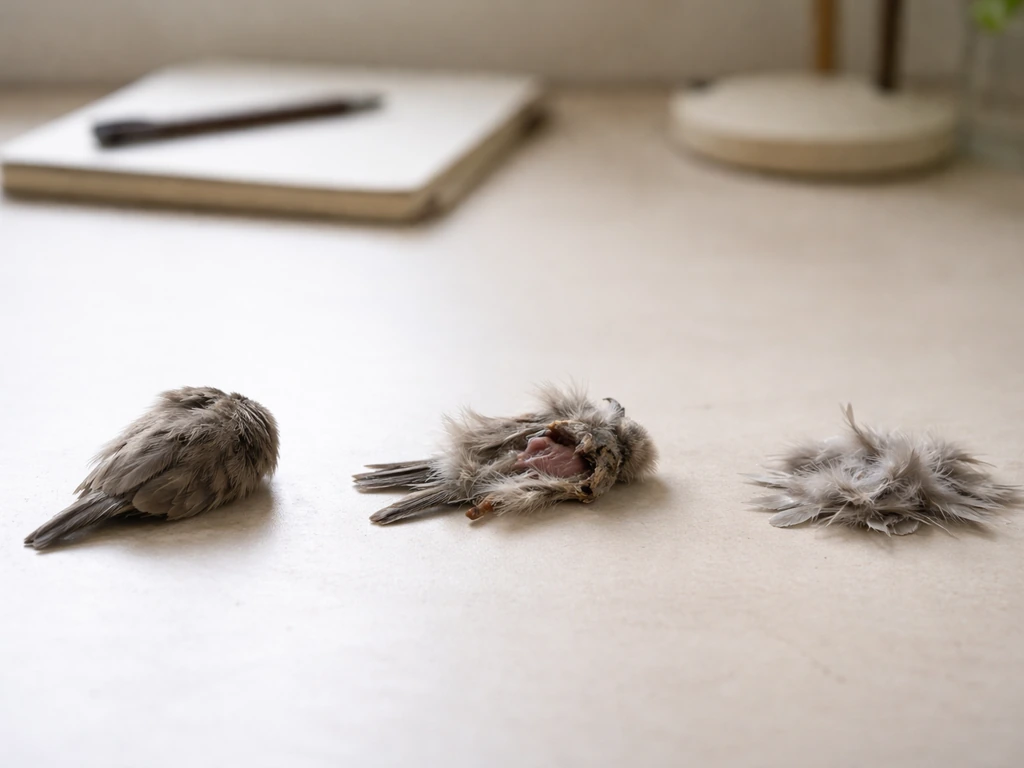
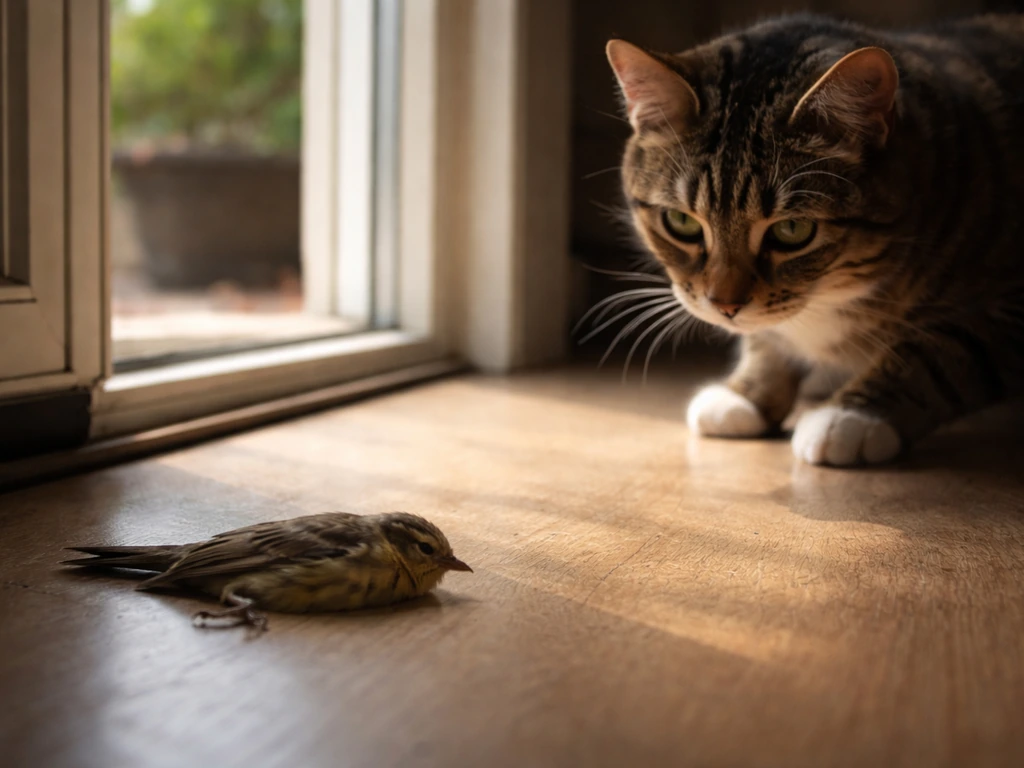
Before you do anything else, try to figure out what happened. Did your cat eat the whole bird, just part of it, or only a few feathers? A cat that swallowed a small bird whole is a different situation from one that chewed a wing and walked away. Small birds like sparrows, finches, or house wrens carry more risk of being swallowed in large pieces, while bigger birds usually mean your cat only got feathers and soft tissue.
Also try to identify the species if you can. Songbirds (the small, common backyard ones) are the most frequent victims of cat predation. Pigeons and doves are larger and less likely to be fully consumed. Waterfowl or birds of prey are rarely caught by domestic cats. The reason species matters: some birds, especially wild songbirds, are more likely to carry Salmonella and other pathogens that can affect your cat and even you.
If you can't identify the bird at all, treat it as a high-risk interaction and keep a close eye on your cat for the next 48 to 72 hours.
Health risks: your cat vs the bird
Risks to your cat
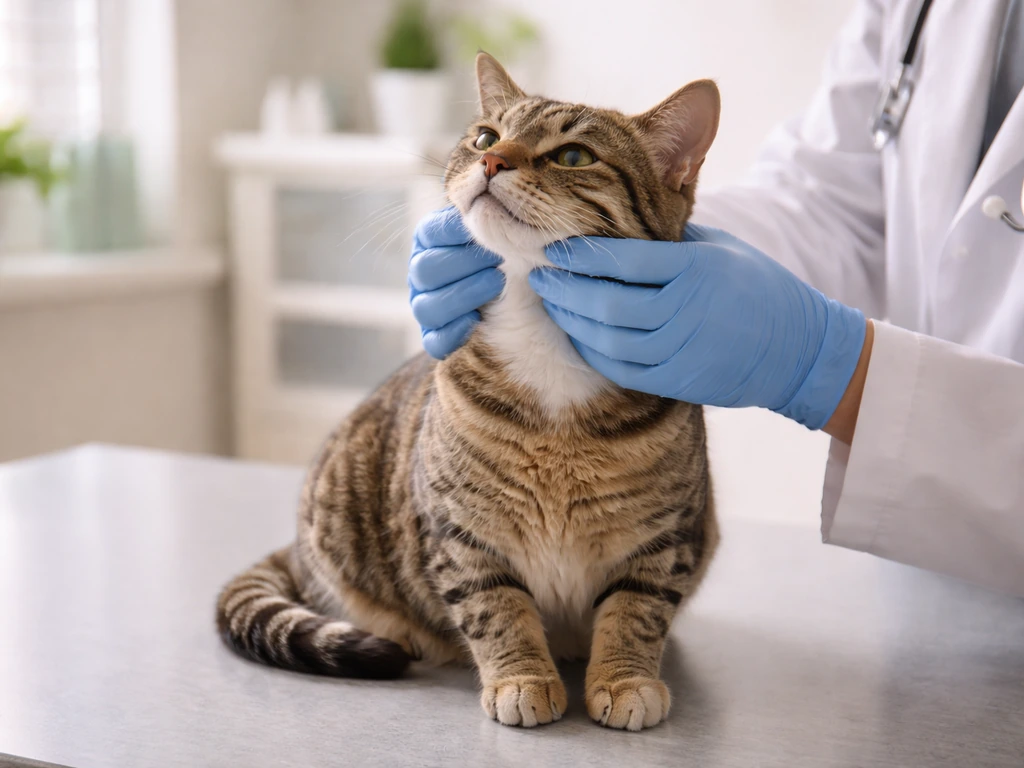
The most immediate physical risk to your cat is a foreign body obstruction. Bones, feathers, and beaks can lodge in the esophagus or further down the GI tract. Signs of obstruction include drooling, repeated vomiting or regurgitation, gagging, loss of appetite, and lethargy. If those signs appear, contact a vet promptly, because objects stuck in the esophagus may require endoscopic removal.
Beyond the mechanical risk, wild birds carry parasites. Roundworms, tapeworms, and other GI parasites can transfer to a cat that eats an infected bird. Cornell's feline health research notes that in severe cases, roundworm infections can cause serious anemia, especially in younger or already-compromised cats. Symptoms like vomiting, diarrhea, visible worms in stool, or a pot-bellied appearance warrant a vet visit and a fecal test.
There's also a disease risk. Wild songbirds have been linked to documented Salmonella outbreaks, and the CDC specifically flags that pets who contact wild birds or areas around bird feeders can become a bridge for Salmonella transmission, putting both the cat and people in the household at risk. Other pathogens like Campylobacter and Chlamydia species have also been documented in cats exposed to bird material.
Risks involving the bird
If you're worried about the bird itself, the honest answer is that a bird a cat has caught or partially eaten has very poor survival odds without immediate professional care. Cat saliva contains bacteria that are deeply toxic to birds, and even a single puncture wound can cause fatal infection within hours. what to do when your cat has killed a bird covers that situation in detail, but the short version is: if there's any chance the bird is still alive, it needs to get to a wildlife rehabilitator fast.
One thing worth noting: if your cat brings you a bird that it caught but didn't eat, that's a different situation. For that, guidance on what to do when your cat catches a bird walks through how to safely separate them and assess the bird for injuries.
Do this right now
- Move your cat indoors and keep it calm and contained. Don't let it go back to the area where the bird was.
- Don't touch the bird, feathers, or any bodily fluids with bare hands. Use gloves or a plastic bag turned inside out. Salmonella and other pathogens can transfer to humans through contact with infected bird material.
- If there are feathers, blood, or bird remains on the ground, don't clean it up yet until you've assessed whether the bird might still be alive nearby.
- Do NOT try to induce vomiting in your cat unless a vet or the Pet Poison Helpline has specifically told you to. Inducing vomiting incorrectly can cause aspiration or make an obstruction worse.
- Wash your hands thoroughly with soap and water after handling anything in the area.
- Monitor your cat closely for the next 48 to 72 hours and note any changes in behavior, appetite, or stool.
If you need to clean the area where the bird was, wet the surface before wiping it rather than dry-sweeping, which can aerosolize particles. This is consistent with CDC guidance on reducing exposure to bird-associated bacteria like Chlamydophila psittaci. Discard gloves after use and wash hands again. CDC guidance for people with bird exposure also emphasizes washing hands with soap and water after contact with wild birds and cleaning bird feeders and birdbaths regularly while wearing gloves wash hands again.
Red flags that mean call a vet right now
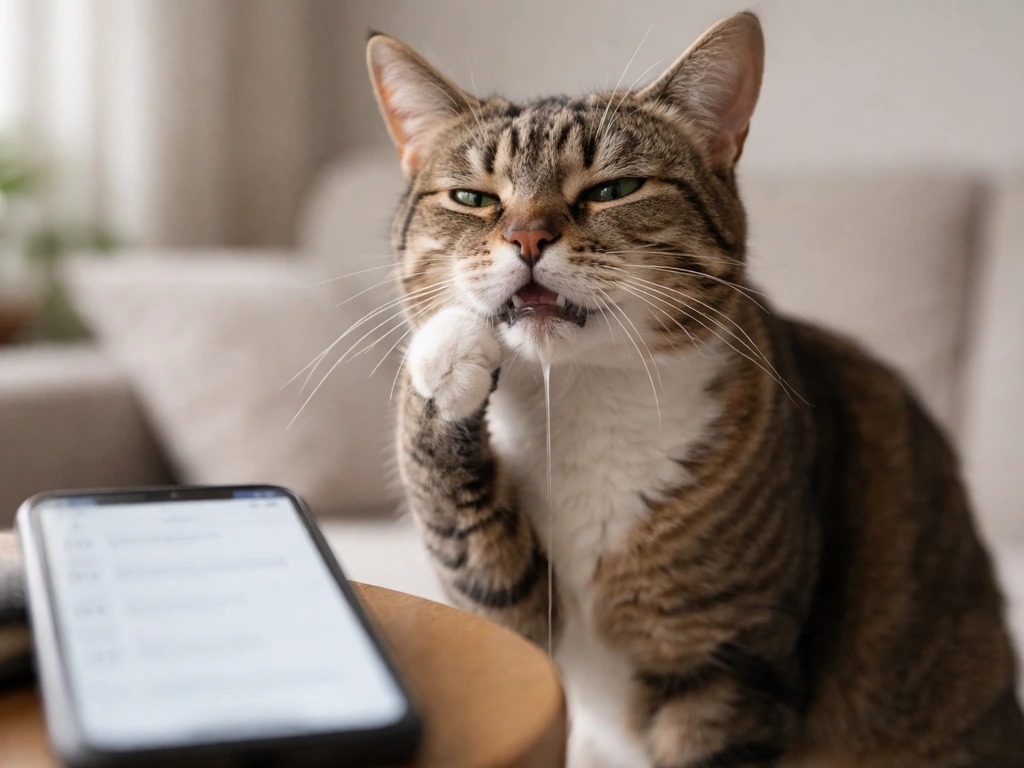
Most cats recover fine without intervention. But these symptoms mean you should stop reading and call your vet today:
- Repeated vomiting or regurgitation (especially if it keeps happening over more than an hour)
- Drooling excessively or pawing at the mouth
- Gagging, retching, or making swallowing motions without success
- Lethargy or unusual hiding behavior within the first few hours
- Bloody stool or diarrhea that's persistent
- Visible worms in vomit or stool
- Loss of appetite lasting more than 24 hours
- Any difficulty breathing
If it's outside of normal vet hours, call an emergency animal hospital or the Pet Poison Helpline. Don't wait until morning if your cat is visibly distressed or showing multiple symptoms. Foreign body obstructions in cats can escalate quickly, and early intervention leads to much better outcomes. The Pet Poison Helpline specifically warns that inducing vomiting in cats can damage the esophagus lining and can lead to the cat inhaling vomit, raising aspiration pneumonia risk inducing vomiting in cats can damage the esophagus lining and cause aspiration pneumonia risk.
What about the bird? Here's how to handle it
If you found evidence of the interaction and the bird appears to be dead, dispose of it carefully using gloves and a sealed plastic bag. Don't leave it where other animals or children could contact it.
If the bird is still alive (even barely), treat it as an emergency. A cat-caught bird has almost certainly been punctured, even if you can't see a wound. Your instinct to help is right, but DIY care alone usually isn't enough. The best thing you can do is contact your nearest wildlife rehabilitator before you attempt anything. Audubon's guidance is clear on this: reach out to a wildlife rehabilitation center first, because injured birds often need medical treatment beyond what a well-meaning person can provide at home.
While you're waiting for advice or arranging transport, place the bird in a secure box lined with paper towels. Keep it warm, dark, and quiet. Don't give it food or water unless a rehab worker specifically tells you to. The goal is to minimize stress, which can actually be fatal to an injured bird on its own. Wildlife rescue organizations consistently emphasize this: warm, dark, quiet, and contained is the best short-term care you can provide.
For identifying what kind of injuries a bird might have sustained, it helps to know what you're looking at. You can also review how to recognize common injuries like how bird ingestion incidents are assessed to understand what a wildlife vet will look for when examining a bird that's been through a traumatic encounter.
One more note: if you're dealing with a situation where your cat clearly ate a bird but you didn't witness it and aren't sure what happened next, the complete guide on what to do when your cat eats a bird covers the full range of outcomes and decisions you may face.
Risks at a glance: your cat vs the bird
| Concern | Risk Level | Action |
|---|---|---|
| Bone/feather obstruction in cat | Moderate to high | Watch for vomiting, drooling, lethargy; call vet if present |
| GI parasites in cat | Moderate | Schedule fecal test within a week if cat ate the bird |
| Salmonella / bacterial infection in cat | Low to moderate | Monitor stool and behavior; wash hands after any contact |
| Zoonotic transmission to humans | Low but real | Use gloves, wash hands, clean area safely |
| Bird survival after cat contact | Very low without pro care | Contact wildlife rehabilitator immediately if bird is alive |
| Stress-related death of injured bird | High without proper containment | Warm, dark, quiet box; no food/water unless instructed |
How to stop this from happening again
Free-ranging domestic cats are one of the leading human-linked causes of wildlife mortality, according to research published in Nature Communications. That's not a judgment on your cat, it's just a fact worth knowing. Cats are wired to hunt, and even well-fed, indoor-raised cats will pursue and kill birds given the chance. The single most effective prevention is limiting outdoor access.
If your cat goes outdoors, a brightly colored or reflective breakaway collar can give birds slightly more warning time. Supervised outdoor time (on a leash or in a catio enclosure) significantly reduces predation without eliminating your cat's outdoor experience. Keeping your cat in at dawn and dusk, when birds are most active on the ground, also helps.
Inside the home, if you have bird feeders or birdbaths near windows, be aware that birds gathering there are also potential targets for a cat waiting by a door or window. The CDC specifically recommends keeping pets away from bird feeders, baths, and surrounding areas to reduce pathogen exposure in both directions.
Window collisions are a separate but related risk: birds stunned or injured by a window strike are easy prey for a waiting cat. If window strikes happen at your home, placing deterrent patterns on the glass (spaced no more than 2 to 4 inches apart, as Audubon recommends) reduces collisions significantly. Products like Feather Friendly or UV-reflective decals are among the more effective options.
Sometimes a bird that escapes a cat encounter disappears, and you're left wondering whether it survived. If you've ever found yourself in that situation, understanding whether a bird will return after a traumatic escape can give you some realistic context for what birds do after close calls.
And if you've had a bird escape from your own home or aviary around the same time as a cat incident, the question of whether a bird that flew away will come back is worth reading through, since the answer depends heavily on species, weather, and local environment.
Your next steps, clearly laid out
Right now: contain your cat indoors, don't touch bird remains without gloves, and watch for the red flag symptoms listed above. If the bird is still alive, get it into a secure, dark, quiet box and contact a wildlife rehabilitator today. If your cat is showing any signs of distress, vomiting, or lethargy, call your vet or an emergency animal clinic now. For everything else, monitor closely over the next 72 hours and book a vet check within the week, especially to rule out parasites. Going forward, the most meaningful thing you can do for both your cat and local birds is manage outdoor access carefully.
FAQ
If my cat only chewed a few feathers, do I still need to monitor like it ate the whole bird?
Yes, monitor for 48 to 72 hours, but the risk is lower. Feathers and bone fragments can still lodge in the esophagus or GI tract even if the bird was not swallowed whole, so watch for drooling, gagging, vomiting/regurgitation, reduced appetite, or unusual hiding.
My cat vomited once after eating a bird. Does that mean it’s over?
Not necessarily. A single vomit can happen, but repeated vomiting, gagging, drooling, or regurgitation are obstruction red flags. If vomiting continues, your cat seems lethargic, or appetite stays reduced, contact a vet promptly rather than waiting.
Is it safe to give my cat food or water right now to “settle their stomach”?
Hold off on food until you’re sure there are no obstruction signs, especially if the cat swallowed anything larger than feathers. If your cat is drooling, gagging, or repeatedly vomiting, do not offer food or treats and call a vet, because eating can worsen a blockage.
What should I do if I can’t find the bird but my cat may have eaten it?
Treat it as higher risk by keeping the cat contained and observing closely for the next 48 to 72 hours. You cannot rule out internal foreign material, so prioritize monitoring for obstruction symptoms (drooling, gagging, vomiting/regurgitation, loss of appetite, lethargy) and seek veterinary care if any appear.
Do I need a vet visit even if my cat seems totally normal?
If your cat is fully normal and you only suspect small feather ingestion, many cats recover without intervention. Still, booking a routine check within a week can be useful to screen for parasites, particularly if the bird was wild or you live with young kittens, seniors, or an immunocompromised pet.
Could my cat get Salmonella from eating a bird, and is there any risk to people in the home?
Yes, exposure to bird-associated bacteria can affect both cats and people. Use gloves when cleaning, wet surfaces before wiping, and wash hands well. Avoid letting the cat lick your face, and keep children away from any bird remains.
My cat brought me a live bird but didn’t seem to eat it. Is the situation still urgent?
Often yes. Even puncture wounds can be invisible. If the bird is still alive (including barely), plan for urgent wildlife rehabilitator contact, and keep the bird warm, dark, and quiet in a secure box while you arrange help.
If the bird is dead, do I need to worry about infection risk to my cat after disposal?
Dispose of the bird carefully in a sealed bag and prevent further contact with the cat. Then wash hands and clean any area the cat or bird may have touched. If your cat later shows GI symptoms or lethargy, call your vet, because illness can still be triggered by ingestion or lingering contamination.
Should I try to remove any feathers or bone from my cat’s mouth or throat?
Avoid DIY removal. If you see something lodged and your cat is gagging or breathing abnormally, the safest move is veterinary care. Attempting to pull objects can injure the mouth or deeper tissues and doesn’t address foreign material that is already past the throat.
Will keeping my cat indoors stop future incidents completely?
It greatly reduces them, but “complete prevention” depends on access. If your cat has outdoor access, use a catio or supervised leash time, consider a reflective breakaway collar, and keep doors and windows managed, especially during peak bird activity around dawn and dusk.
Next Articles
My Cat Killed a Bird What Should I Do Right Now
Immediate steps after a cat kills a bird: secure pet, first aid, when to call an avian vet, safe transport, hygiene.
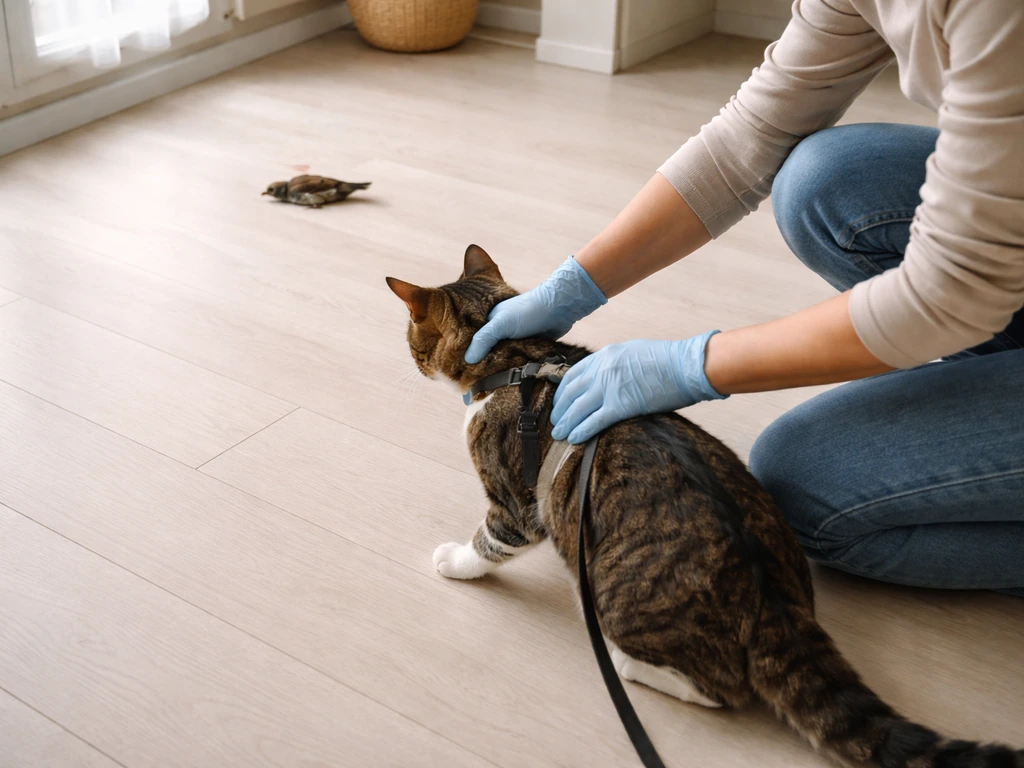
My Cat Ate a Bird What Do I Do Next 0–30 Minute Guide
0–30 minute steps if your cat ate or injured a bird, including safety, first aid, transport, and when to call experts.
My Bird Flew Away Will It Come Back? What to Do Now
Chances your bird returns after flying away or escaping, plus immediate search steps and injury signs to act fast.