If your cat just grabbed or attacked a bird, the next 30 minutes matter a lot. Here is exactly what to do, in order, whether the bird looks dead, stunned, or surprisingly okay. The short version: separate your cat, contain the bird safely, do not feed it or give it water, and get it to a wildlife rehabilitator or avian vet as fast as you can. Keep reading for the full breakdown.
My Cat Ate a Bird What Do I Do Next 0–30 Minute Guide
Marcus Chen
14 Apr 2026
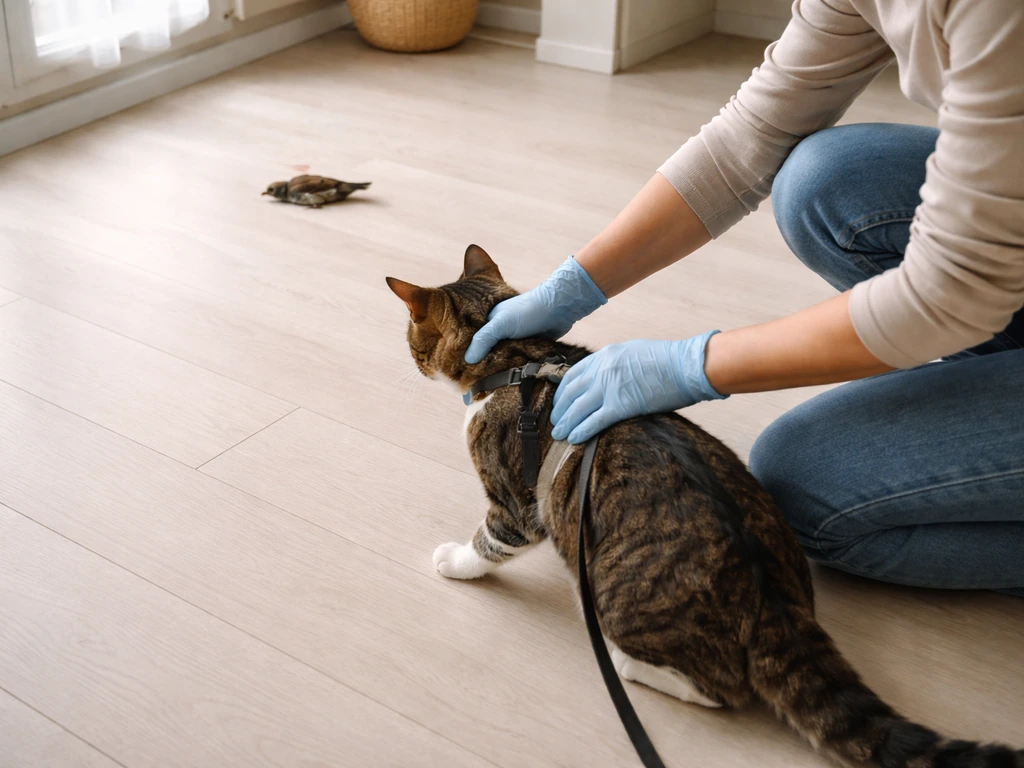
Immediate safety steps for you and your cat
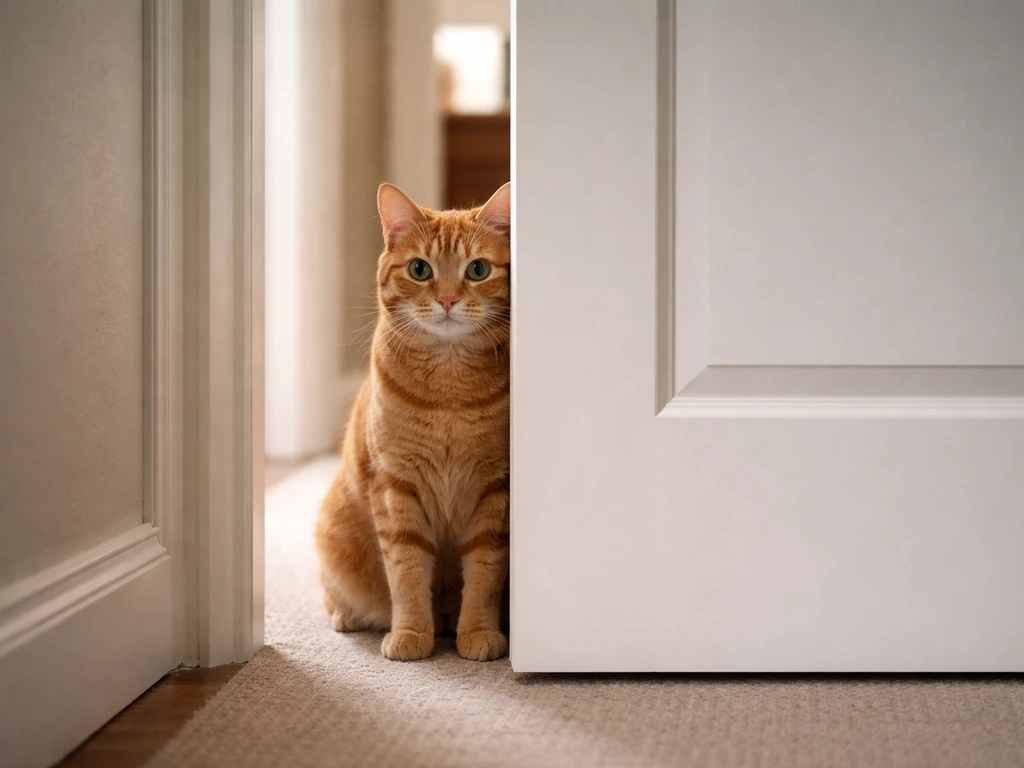
Your first job is separation. Get your cat away from the bird immediately and put it in another room or close it outside. Do this before anything else, even before you check on the bird. A cat will instinctively go back for the bird, and stress from being stalked will kill an already-traumatized animal faster than most injuries.
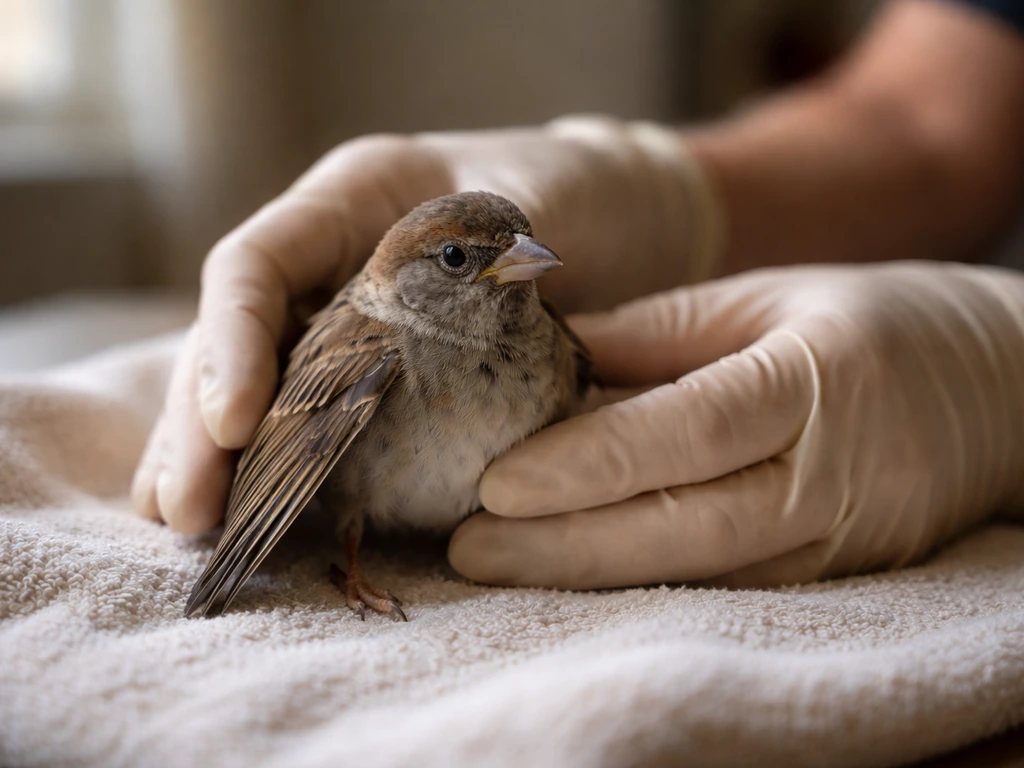
Before you touch the bird, protect yourself. Put on gloves if you have them, or use a folded cloth or thick paper towel as a barrier. Wild birds can bite and scratch when frightened, and their claws and beaks carry bacteria. Even a small scratch from a panicked bird deserves a soap-and-water wash afterward. This is not about being squeamish. It is just smart, especially when you are dealing with a stressed wild animal.
If your cat scratched or bit you during the whole situation, take it seriously. Cat bites in particular carry Pasteurella bacteria, which cause rapid and nasty wound infections in humans. Wash any bite immediately with soap and water for several minutes, and contact your doctor or an urgent care clinic, especially if the skin was broken. Depending on your vaccination history and the circumstances, you may need a tetanus update or further evaluation.
How to figure out what actually happened
When people search "my cat ate a bird," they usually mean one of a few different things: the cat killed the bird and consumed most of it, the cat grabbed the bird and it is now injured, or the cat caught the bird and it escaped but looks hurt. The situation you are dealing with changes what you do next.
If you find only feathers and remains, the bird is almost certainly gone and rescue is not possible. Focus on safe cleanup (wear gloves, bag the remains, wash your hands) and skip to the prevention section below. If the bird is still present and motionless, do not assume it is dead. Birds frequently go into a shock-like state after trauma, and what looks like death can be stunned stillness. Check from a distance for any chest movement or occasional eye blink before concluding the worst.
If the bird is moving but clearly struggling, that is your most urgent scenario. Even if your cat only had the bird in its mouth for a few seconds, treat this as a medical emergency. what to do when your cat catches a bird covers the catch-and-release scenarios in more detail, but the core rule applies here too: a bird that has been in a cat's mouth needs professional care right away, full stop, even if you cannot see any wound.
Immediate first aid for the bird before help arrives
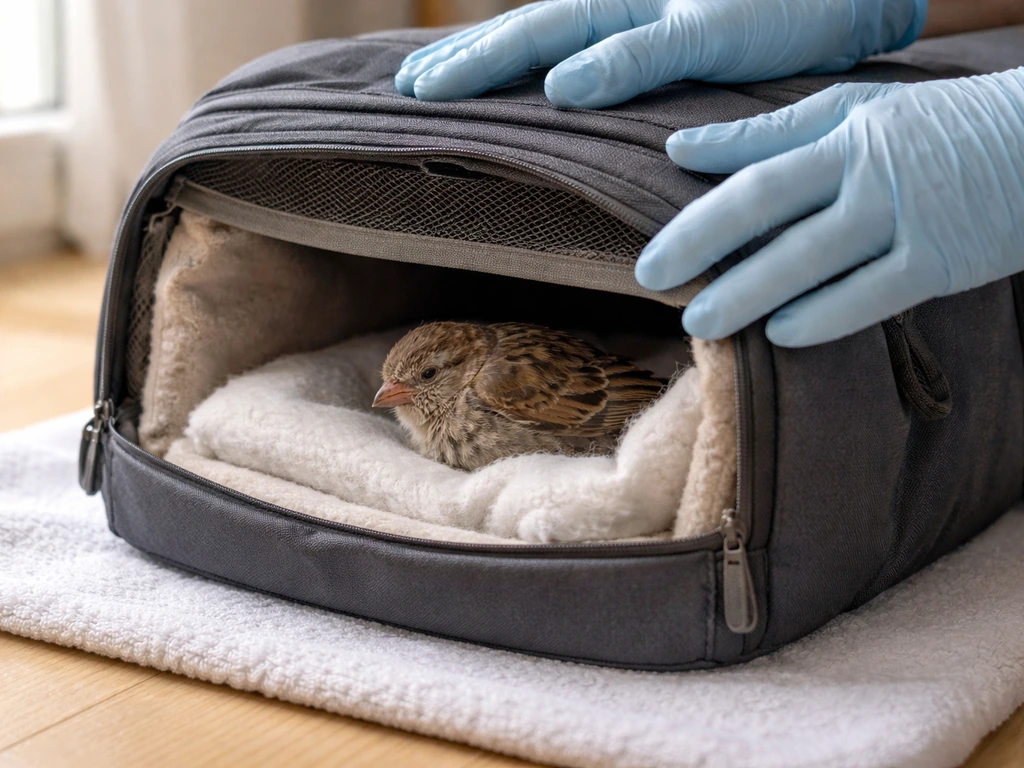
The goal of first aid here is not to treat the bird. It is to keep the bird alive and calm until a professional can take over. There is very little you should actively do, and quite a lot you should avoid.
If you see active bleeding, you can gently apply light pressure with a clean cloth or paper towel to slow it. Do not wrap the wings tightly or apply bandages. Wrapping a bird's wings incorrectly can cause serious harm and restrict breathing. Just hold light pressure if needed, then move on to containment.
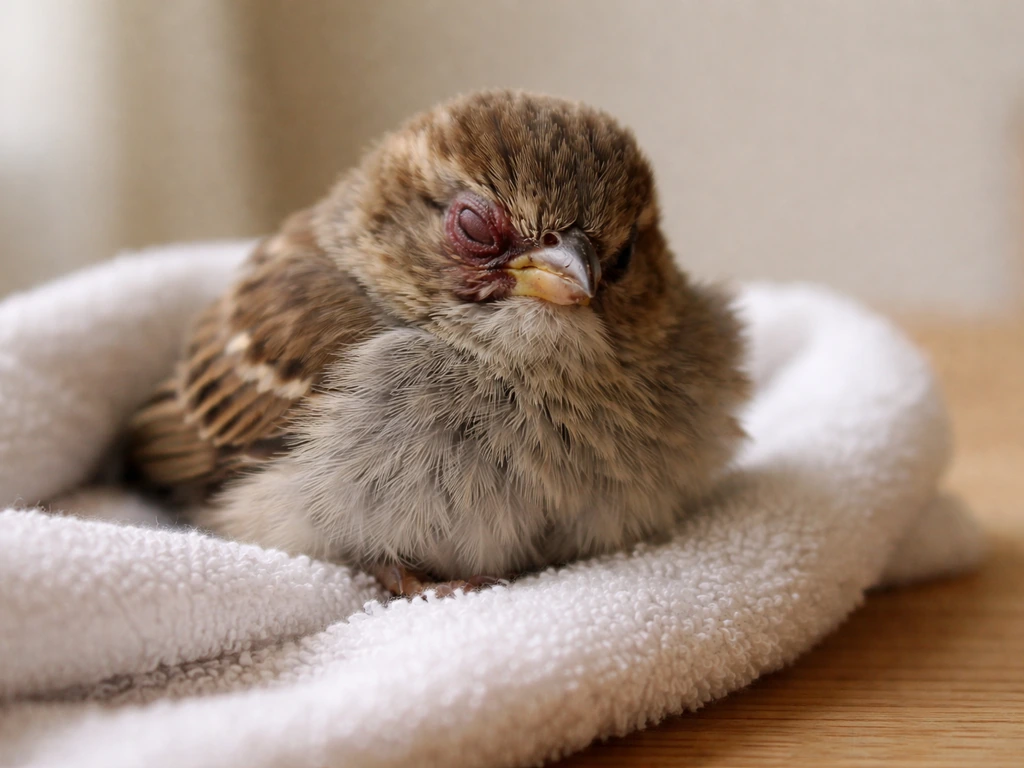
Get a cardboard box with a lid. Punch a few small holes in the sides for ventilation. Put a paper towel or thin cloth on the bottom so the bird has some grip underfoot. Gently scoop the bird into the box using gloved hands or a folded towel, keep it upright and as horizontal as possible, and close the lid. Place the box somewhere warm, dark, and quiet, away from pets, children, and noise. If you have a heating pad, set it to low, wrap it in a cloth, and place it under just one half of the box so the bird can move away from the heat if it needs to.
Now stop. Do not keep opening the box to check. Do not try to give the bird water, even if it looks dehydrated or is opening its beak. Do not offer food, seeds, worms, or anything else. This is not cruelty. Feeding or watering an injured bird without guidance can cause aspiration, which means fluid ends up in the lungs, and that is fatal. Baby birds are especially vulnerable to this. The safest thing you can do right now is leave the bird alone in that box while you arrange help.
Red flags that mean call for help right now
Any bird that has been in a cat's mouth needs a wildlife rehabilitator, period. Cat saliva contains bacteria that can cause fatal infections in birds within 24 to 48 hours even when there are zero visible wounds. But some signs mean you should be on the phone immediately rather than waiting even an hour.
- Active or heavy bleeding that is not slowing down
- Open-mouth breathing or tail bobbing with each breath (signs of respiratory distress)
- A wing hanging at an unnatural angle or dragging on the ground
- Inability to stand or use both legs
- Visible puncture wounds, lacerations, or exposed tissue
- The bird is completely unresponsive to your presence
- The bird is a raptor (hawk, owl, falcon) or a larger species
If any of these are present, do not wait an hour. The box-and-warmth approach buys you maybe 20 to 30 minutes while you locate help, not a reason to delay calling. guidance for when a cat has killed a bird has more detail on assessing severity when the outcome looks fatal, but when the bird is still alive and showing these signs, urgent professional care is what gives it the best chance.
What to do about your cat after a bird interaction
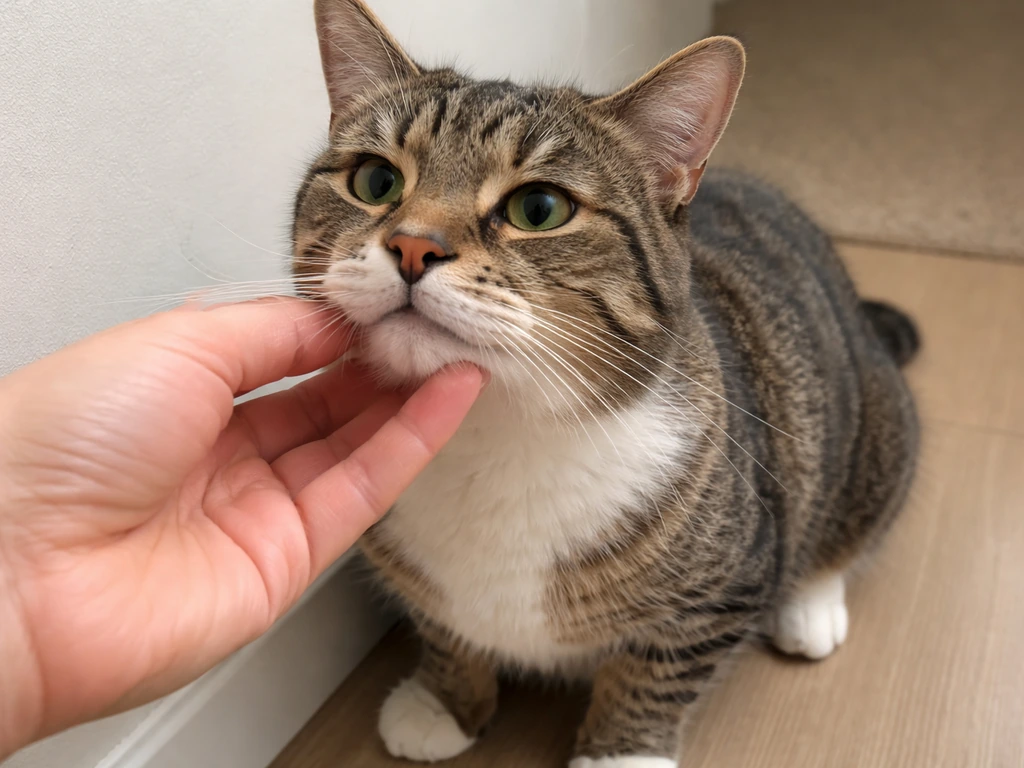
Once you have the bird contained, circle back to your cat. Check your cat's mouth, face, and paws for any scratches or cuts from the bird. Birds have sharp beaks and talons, and even a small wound can become infected. If you see anything concerning, call your vet.
More importantly, if your cat is unvaccinated or has been allowed to roam freely and came into contact with a wild bird, contact your vet for advice. Wild birds can carry diseases and parasites that are transmissible to cats, and your vet may want to do a check-up or recommend monitoring. This is also a good moment to think about whether your cat's rabies vaccination is current, since some wildlife interactions fall under local reporting requirements.
You do not need to panic about your cat, but you do need to be thoughtful. A quick call to your vet describing what happened will give you a clear picture of whether anything further is needed.
How to transport the bird and what not to do
If you are driving the bird to a rehabilitator or vet, keep the box on a flat surface (the passenger footwell works well). Do not put the box in a hot trunk. Keep the car quiet, skip the radio, and drive calmly. Sudden movements and loud sounds spike a bird's stress hormones, which can be genuinely dangerous for an already-traumatized animal.
Do not try to look at the bird during the drive by opening the box at red lights. Do not let children hold the box on their laps. Do not place the box next to a heating vent or in direct sunlight through the window. The dark, quiet, contained environment you set up at home is exactly what you want to maintain all the way to the drop-off.
One thing worth mentioning: wrapping the bird in a gunnysack or anything restrictive is a mistake. You want the bird to be able to breathe freely and to brace itself with its feet on a firm surface. The simple cardboard box with ventilation holes and a non-slip floor is genuinely the best option most people have access to at home.
How to find a wildlife rehabilitator or avian vet near you
Your fastest options for locating help are listed below. Animal Help Now also maintains a separate Rehab page that can help you access resources for contacting wildlife rehabilitator support blank" rel="noopener noreferrer">Animal Help Now Rehab page. Most of these work even in rural areas, though response time and availability vary by region. If you are outside Bi-State Wildlife Hotline’s service area, their “Find a Rehabber” page also points to Animal Help Now to help you locate a licensed wildlife rehabilitator blank" rel="noopener noreferrer">Find a Rehabber page can direct you to licensed wildlife rehabilitators.
- Animal Help Now (animalhelpnow.org): Enter your location and the type of animal, and it shows you the closest wildlife rehabilitators and emergency contacts. This is one of the most consistently reliable national tools available.
- WildlifeRehabber.org: Search by zip code to find licensed rehabilitators in your area by organization or individual name.
- American Eagle Foundation rehabber locator: Particularly useful if the bird involved is a raptor like a hawk or owl.
- Your local animal control or humane society: Many have on-call contacts or partnerships with wildlife rehabbers and can direct you quickly.
- An avian veterinarian: Search 'avian vet near me' or check the Association of Avian Veterinarians directory online. Avian vets can handle wild bird trauma if no rehabber is immediately reachable.
When you call, tell them the bird has been in a cat's mouth. That single piece of information changes the urgency level and helps them prepare. Do not minimize it by saying the cat 'just touched it' or 'barely grabbed it.' Let the professional assess severity.
Prevention and what comes next
Once this immediate situation is handled, it is worth thinking about how to prevent it from happening again. Outdoor and indoor-outdoor cats are among the leading causes of wild bird fatalities, and a few simple changes can dramatically reduce the risk.
- Keep your cat indoors, especially during dawn and dusk when birds feed and are most active at ground level
- If your cat goes outside, use a cat bib or brightly colored collar cover that disrupts a cat's hunting stealth
- Check screens and window gaps so your cat cannot access areas where birds perch or nest nearby
- Supervise outdoor time rather than leaving your cat unattended in the yard or garden
Cats are not doing anything wrong when they hunt. It is instinct. But as their owners, we can make choices that protect local wildlife. whether you need to worry when your cat eats a bird has a useful breakdown of health risks from a cat-owner perspective, which is worth reading once the immediate situation is resolved.
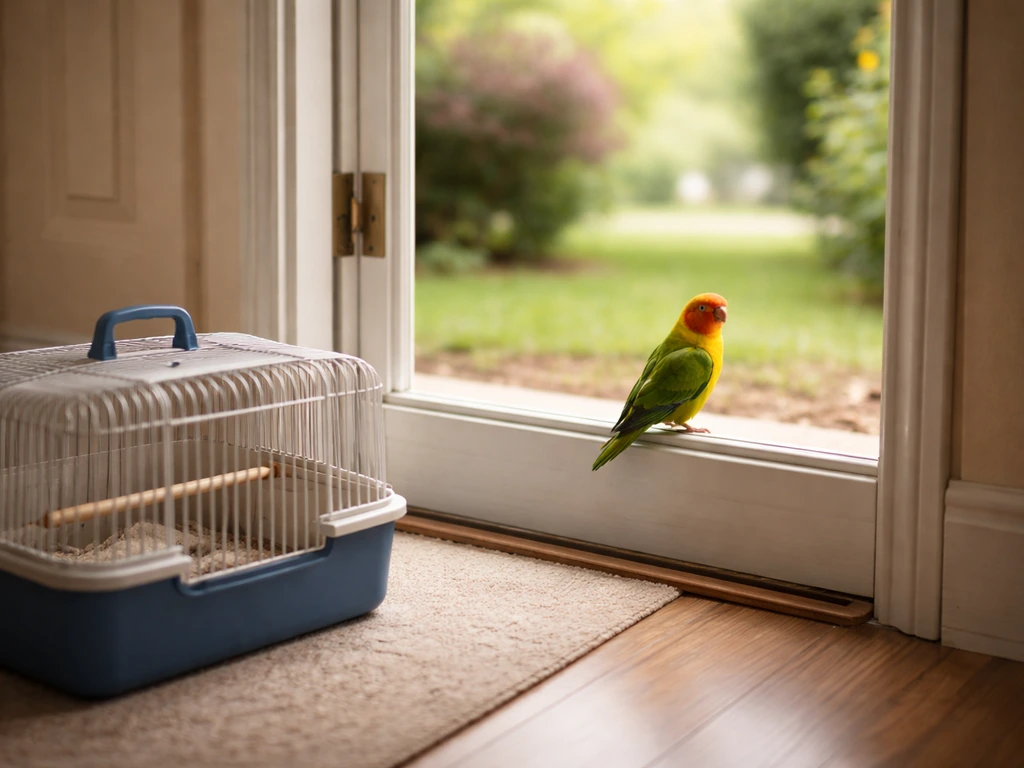
If the bird in your situation was a pet rather than a wild bird, the follow-up is different. Escaped or lost pet birds present their own challenges. Articles covering what happens when a bird flies away and whether it will return and a deeper look at the chances of a lost bird coming back address those scenarios directly.
Finally, if this situation prompted concerns about what your birds have been exposed to or ingested, it is a good reminder to keep toxic foods away from any birds in your care. For reference, what to do if your bird ate avocado covers one of the most common household toxin emergencies for pet birds, and the response approach shares a lot with what is described here: act fast, do not wait for symptoms to worsen, and call a professional.
Quick reference: the first 30 minutes
| Time | Action |
|---|---|
| 0-2 min | Separate your cat. Put it in another room. |
| 2-5 min | Put on gloves or use a cloth barrier before touching the bird. |
| 5-8 min | Gently place the bird in a ventilated cardboard box with a paper towel floor. |
| 8-10 min | If bleeding, apply very light pressure with a clean cloth. Do not wrap wings. |
| 10-12 min | Place box in a warm, dark, quiet location. Add a wrapped heat source under one half only. |
| 12-25 min | Call a wildlife rehabilitator or avian vet. Use animalhelpnow.org or wildliferehabber.org. |
| 25-30 min | Transport the bird in the closed box, keeping it flat, quiet, and away from heat vents. |
The honest truth is that a bird grabbed by a cat has a real fight ahead of it. But getting it to professional care quickly, keeping it calm and contained, and resisting the urge to feed or fuss over it genuinely improves its odds. You have already done the hard part by looking this up. Now act fast and get that bird to someone who can help.
FAQ
What if I only found feathers, no bird is in sight, my cat probably ate it?
If you are seeing only feathers, blood smears, or a bird-shaped “gone” area, treat it as unrecoverable and skip attempts to track the bird. Instead, bag any remains with gloves if you have them, wash hands and any contact surfaces, and call your vet about possible cat-related health checks if your cat got any bird blood or saliva on its face or paws.
The bird looks like it is breathing but very weak, can I give it water or food?
Do not give the bird water by beak or offer any food, even if it is opening its mouth or looks like it is trying to breathe. In the box, keep it warm and quiet, and call a wildlife rehabilitator or avian vet immediately because cat-saliva infections can develop before you see obvious wounds.
Can my kids hold the box or help look after the bird?
If you are worried about injury risk to a child, keep the bird box away from kids entirely and place it high on a stable surface or in a separate room while you call for help. The key is no handling, no shaking, and no opening the lid to “check” more often than necessary.
What if the bird is on the ground but seems “dead,” and my cat is still nearby?
If the cat is still with the bird area, prioritize securing the cat first. Even if the bird seems to have stopped moving, assume it may be stunned until a distant check confirms no chest movement and no blink, then proceed with cleanup and reporting to professionals if possible.
I separated them, should I examine or clean my cat, and what signs mean I should call my vet?
If you suspect a bite or scratch from the bird, wash the cat’s face, mouth corners, and paws with pet-safe saline or water only if needed to remove visible debris, and monitor. If your cat has an obvious puncture wound, limping, drooling, or swelling, call your vet because bird talon or beak injuries can abscess.
What should I do if I cannot find a wildlife rehabilitator right away?
If you cannot locate a wildlife rehabilitator, start with an avian vet or an emergency vet clinic and tell them the bird was in a cat’s mouth. If nobody can see it, ask for triage guidance on keeping it warm and contained (no feeding) until someone accepts intake.
Can I drive it myself to the nearest vet if it is after hours?
Yes, but only as a last resort and only if the bird is already in the ventilated box. Driving immediately is fine, just keep it on a flat surface, minimize movement and loud sounds, and keep the box dark and stable, not in direct sun or a hot trunk.
My cat ate part of the bird already, do I still need to treat the cat differently?
If your cat already ate part of the bird, the bird still needs professional care only if it is still alive. For the cat side, watch for GI upset, vomiting, or diarrhea in the next day, and call your vet if symptoms occur or if your cat has mouth wounds or excessive drooling.
Is it ever okay to wait 1 to 2 hours to see if the bird improves?
Most bird species that survive a cat attack can deteriorate quickly, so “wait and see” is not the safe choice. Call now and follow their instructions, especially if the bird was struggling, breathing oddly, bleeding, or remains in an upright, weak posture after you contain it.
If the bird is actually my pet bird and my cat got it, do I handle it the same way?
If the bird is a pet escapee (you know the bird is yours), the containment approach is similar, but you should contact your avian vet or a local emergency vet rather than a wildlife-only intake. Tell them it had contact with a cat so they can advise on infection risk and any species-specific needs.