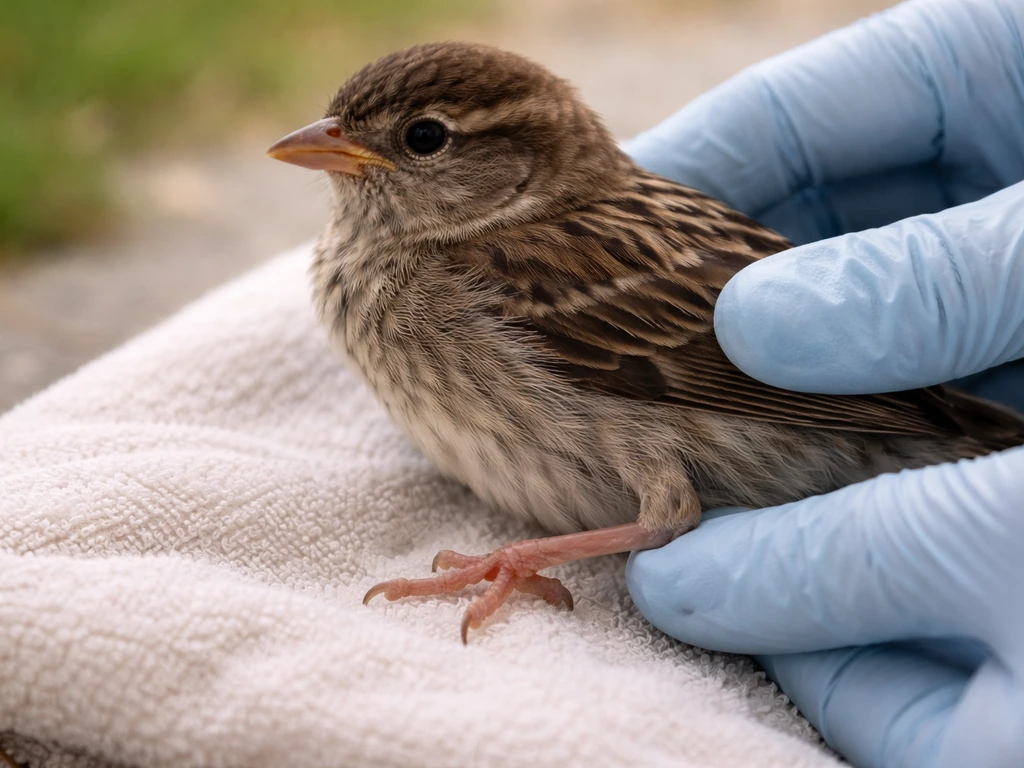
If you've found a bird with a hurt left wing, here's what to do right now: contain the bird gently in a dark, quiet, ventilated box lined with a towel, keep it warm, and contact a wildlife rehabilitator or avian vet as soon as possible. Do not try to feed it, give it water, or attempt to straighten the wing yourself. Most wing injuries need professional assessment today, not tomorrow.
The Bird Has Hurt Its Left Wing: First Aid Steps
Marcus Chen
6 Jun 2026
First: approach the bird safely
Before you do anything else, take a breath. An injured bird is already stressed, and a panicked human rushing at it makes things worse. Move slowly, stay low, and avoid making direct eye contact, which birds read as a threat. If you have gloves, use them. Even a small songbird can scratch, and larger birds like pigeons, crows, or waterfowl can bite hard. Keep pets and kids away from the area immediately.
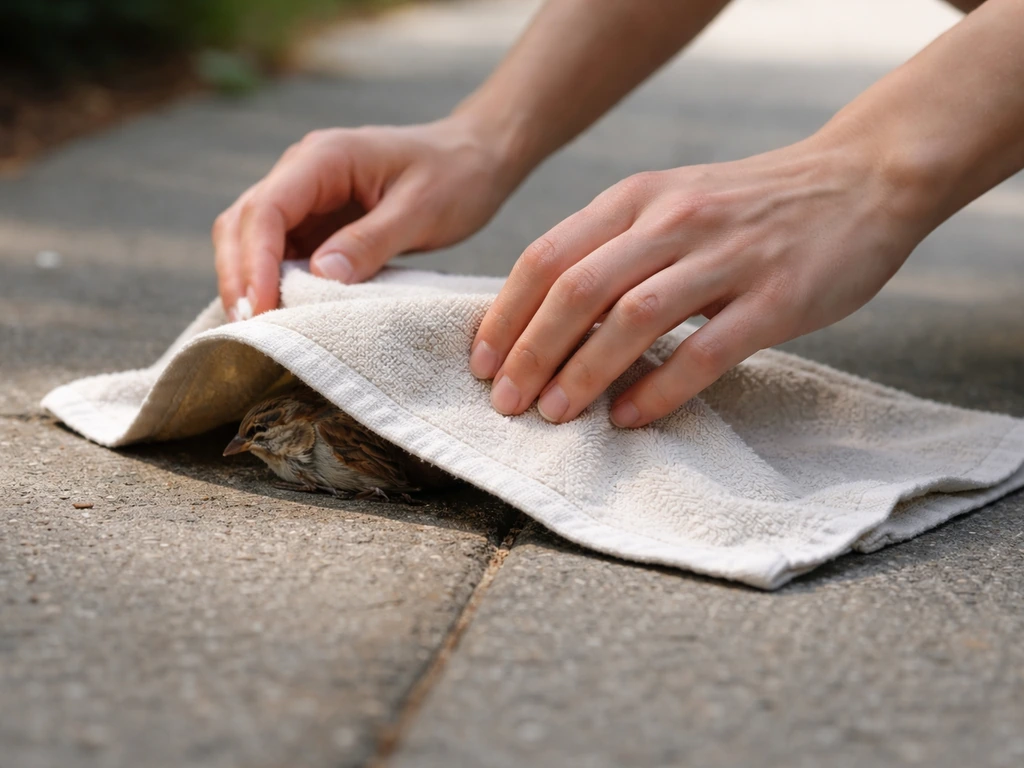
Drape a light towel or cloth gently over the bird before picking it up. This calms the bird almost instantly by blocking visual stimulation, and it protects your hands at the same time. Scoop the bird up from underneath using both hands, keeping the wings lightly pressed against the body so it can't flap and cause more damage. Hold it firmly but not tightly. You want to feel resistance, not pain.
One important thing to check before you assume a wing injury: a bird that isn't flying doesn't always have a broken or injured wing. Shock after a window collision, a head injury, or exhaustion can all ground a bird temporarily. Give it a quiet spot for up to an hour, and if it doesn't fly away on its own, that's your signal to get help. But if you can see a drooping wing, visible swelling, blood, or the bird is clearly in distress, don't wait. In some cases, symptoms can point to a neck injury too, so knowing how to tell if a bird broke its neck helps you act fast and get the right help.
How to assess the left wing: what you're looking for
You don't need to be a vet to do a basic visual check. Start by just watching the bird from a short distance before you handle it. A healthy bird holds both wings symmetrically, tucked close to the body. A hurt left wing will often look noticeably different from the right one. Here are the signs to look for: If you’re specifically trying to figure out how to tell if a bird has a broken leg, that assessment has its own signs, so you can compare them while you keep the bird contained.
- Drooping or tilting: the left wing hangs lower than the right, or angles outward in a way that looks unnatural
- Limping or holding position: the bird is leaning to one side, unable to stand or perch evenly
- Swelling or deformity: the wing looks puffy, bent at an odd angle, or has a visible bump or kink in it
- Open wounds or feather loss: missing feathers, exposed skin, or a visible cut or puncture wound
- Visible bone: in severe fractures, bone may protrude through the skin
- Bleeding: fresh blood on the wing feathers or body
- Flies or maggots: if you see these, the injury is not fresh and the bird needs emergency care immediately
- Flinching or vocalizing when touched near the left wing: a sign of pain localized to that area
A drooping wing is one of the most reliable indicators of a real wing injury. It can signal a fracture, a dislocation, or tendon damage. Any of these require professional treatment. A quick way to learn how to tell if a bird has a broken wing is to look for visible drooping and compare both wings side by side how to tell if bird has broken wing. If the wing looks symmetrical and the bird seems alert but grounded, it may be stunned rather than injured, so observe for that one-hour window before escalating. If you've already noticed any of the signs above, skip the waiting and move straight to containment and contact.
It's also worth checking whether the wing looks clipped rather than injured. A clipped wing is a deliberate cut made to the feathers (usually on pet birds) and looks like an abrupt, even trim on one side. If that's what you're seeing, the bird may be an escaped pet, not a wild bird in distress from an accident. In that case, the priority shifts to locating its owner and getting it to an avian vet.
First aid you can do right now
You don't have extensive options here, and that's actually okay. The best first aid for a wing-injured bird is mostly about doing less, not more. Here's what genuinely helps:
Keep the bird warm
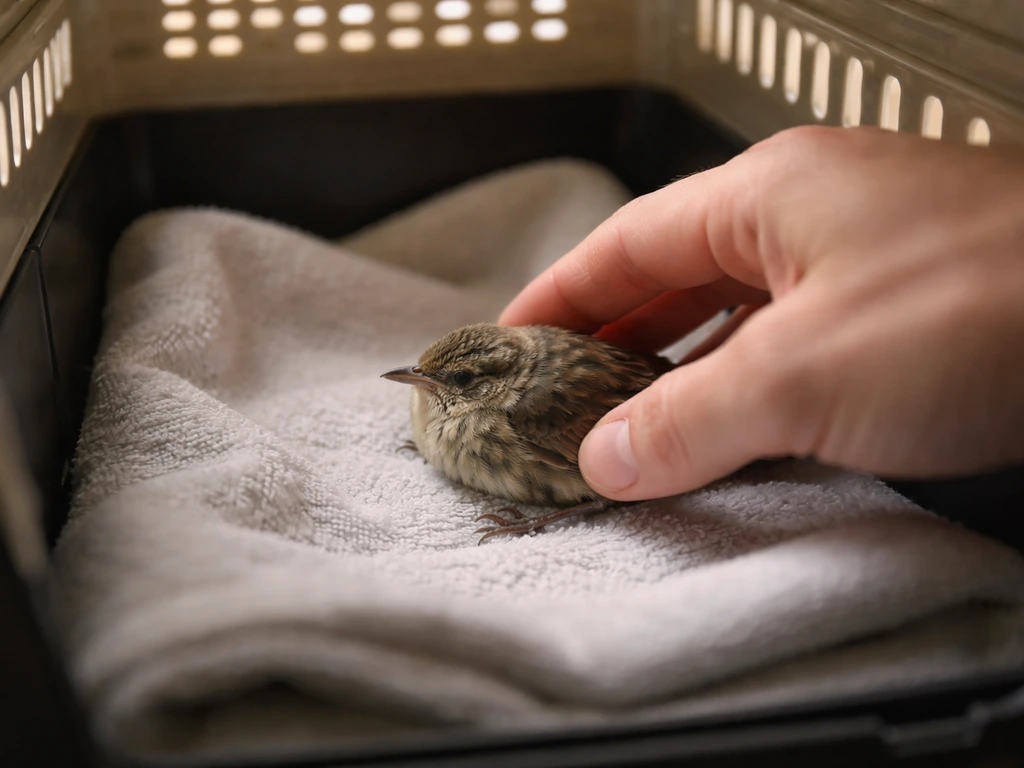
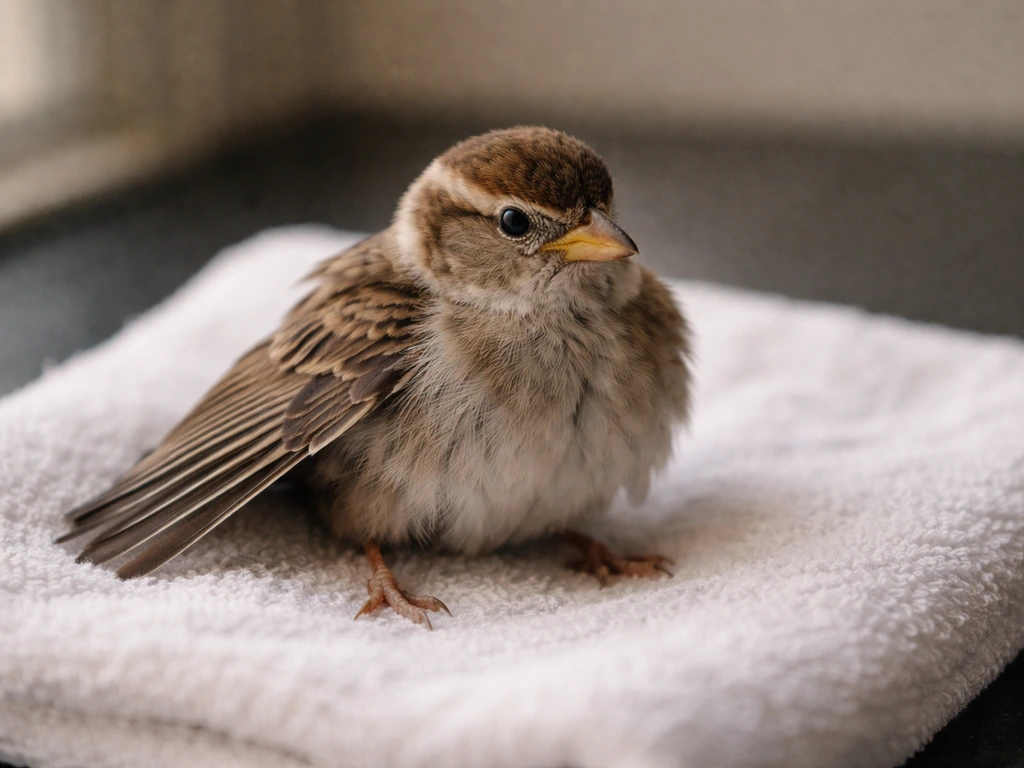
Injured birds go into shock quickly, and cold makes it worse. Place the bird in a box lined with a non-frayed, non-looping towel (looped fabric can snag toes and cause additional injuries). If the bird feels cold to the touch, place one end of the container on a heating pad set to low, or tuck a warm water bottle wrapped in a towel near one side of the box. Leave the other side unheated so the bird can move away if it gets too warm. You want the environment to feel gently warm, not hot.
Control bleeding if present
If there's active bleeding on the wing, apply gentle, steady pressure using a clean cloth or gauze for a few minutes. Don't poke around in the wound or try to clean it with antiseptic. Just hold pressure. If the bleeding is heavy and doesn't slow down within five minutes, that's a veterinary emergency and you should be on the phone immediately while applying pressure.
Minimize movement of the wing
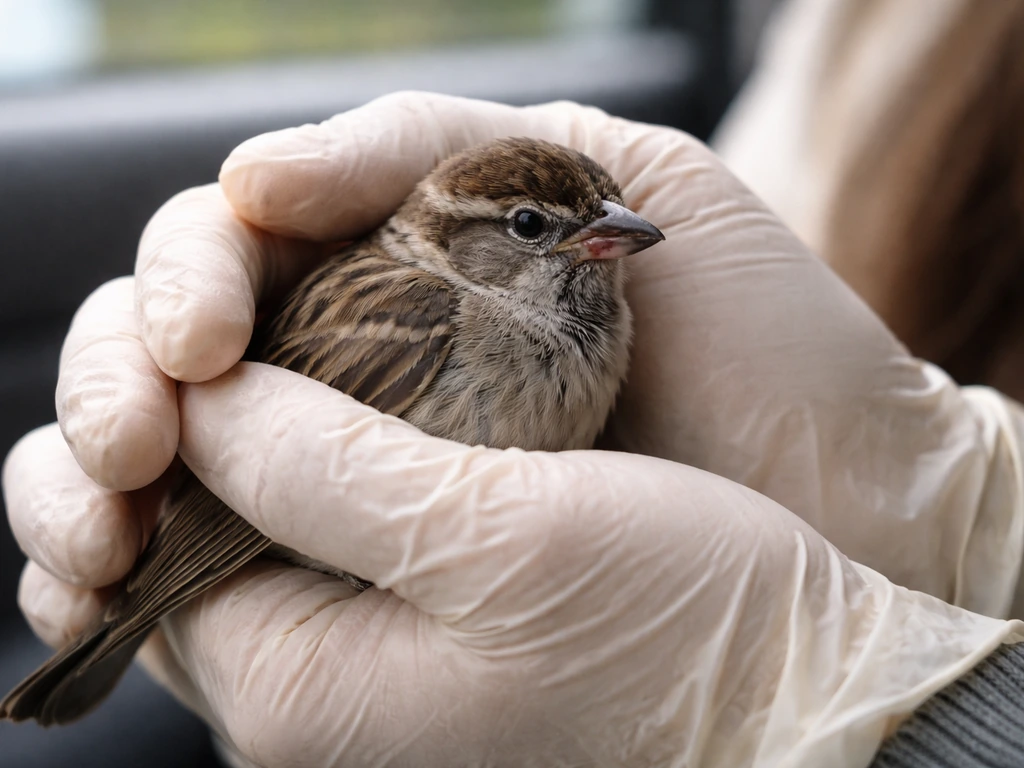
You do not need to splint or bandage the wing yourself. Improper bandaging can cut off circulation and cause permanent damage. The best immobilization right now is simply keeping the bird in a small, snug container so it can't flap. The walls of the box do the work. Keep the box in a dark, semi-dark, quiet place away from noise, other animals, and activity.
What not to do
This section matters as much as anything else here, because some of the most common instincts people have with injured birds can genuinely cause harm.
- Do not feed or give water to the bird. This is one of the most universal pieces of advice from every wildlife rehabilitator and rescue center. Injured, weak, or shocked birds cannot safely process food or water. Feeding them the wrong thing can cause aspiration, injury, or death. Wait for a professional.
- Do not try to straighten or set the wing yourself. Even if it looks bent in the wrong direction, manipulating the wing without knowing the injury type can make fractures worse, damage blood vessels, or cause the bird to die from shock.
- Do not apply antiseptic sprays, hydrogen peroxide, or ointments to wounds unless a vet has told you to. Many of these are harmful to birds.
- Do not keep the bird with other animals or in a noisy, bright environment. Stress kills injured birds. A quiet, dark box is genuinely the safest place for it right now.
- Do not assume it will be fine on its own if you've seen obvious injury signs. Wing injuries involving bone or tendon don't heal without treatment.
- Do not leave it outside in a box. Predators, temperature swings, and other birds can make the situation much worse.
When it's serious: signs you need help today, not tomorrow
Some wing injuries are urgent emergencies. If you see any of the following, your next step is a phone call, right now, to a wildlife rehabilitator or emergency avian vet:
- The bird is non-responsive or barely moving
- Breathing is labored, open-mouthed, or sounds wet or wheezy
- The bird is lying on its side and can't right itself
- There is heavy or ongoing bleeding that isn't slowing
- Bone is visible through the skin
- Flies or maggots are present on or near the wound
- The bird has obvious head trauma (found near a window, tilting head, spinning)
- The bird is completely limp and unresponsive to gentle touch
Even without these extreme signs, a drooping wing with visible swelling or deformity is not a wait-and-see situation. Fractures and dislocations are painful, and the bird's condition can deteriorate within hours. Wildlife rehabilitators also know to check for things you can't see from the outside, like head trauma or internal injuries that often accompany wing injuries, especially after window collisions or cat attacks. If you suspect a concussion after a head trauma, tell the rehabber right away so they can check neurological signs and keep the bird safe while it heals. Getting it assessed today dramatically improves the bird's outcome.
How to contain and transport the bird safely
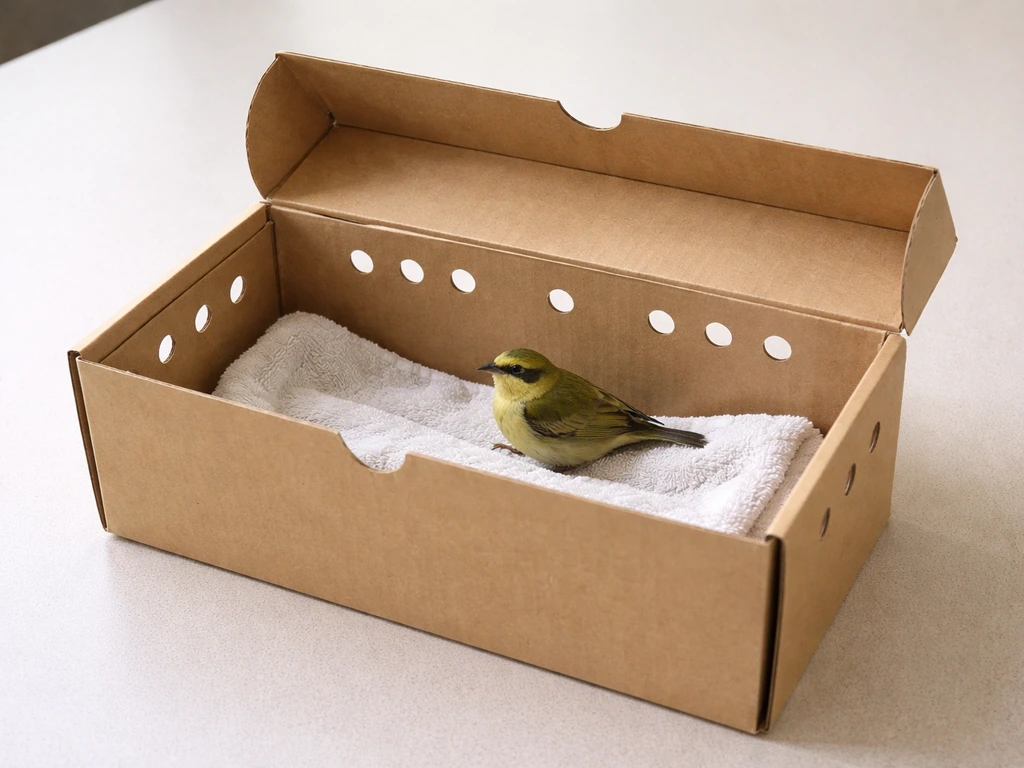
Once you've decided to take the bird in (or if you're waiting for someone to come to you), the transport setup matters. A shoebox or cardboard box with ventilation holes punched in the sides works perfectly. Line it with a non-frayed towel folded flat, so the bird has something to grip and won't slide around. Do not use newspaper or smooth surfaces alone.
Place the bird gently into the box while keeping the wings against the body. Close the lid or tape it shut with ventilation holes still clear. Keep the box in the car away from vents, speakers, and direct sunlight. Ride quietly. The bird does not need to see out, and it doesn't need company. Darkness and quiet are genuinely the best things you can provide during transport.
When you call ahead to the wildlife rescue or vet, tell them: the species (or your best guess), where you found the bird, what the left wing looks like (drooping, bleeding, visible bone, etc.), and how long ago you found it. This helps them prepare and prioritize.
Finding help near you
Your first call should be to a permitted wildlife rehabilitator in your area. If you're in the US, you can search online for your state's wildlife agency, which typically maintains a list of licensed rehabilitators. The Wildlife Center of Virginia, for example, can be reached at 540.942.9453 and can refer you to someone closer to you if needed. Virginia residents can also call the wildlife conflict helpline at 1-855-571-9003 (Monday through Friday, 8am to 4:30pm). For other regions, searching for your nearest wildlife rescue center or avian vet and calling ahead is the fastest path.
Wildlife rehabilitators handle wild birds. If the bird is a pet (parrot, cockatiel, canary, or other domestic bird), you want an avian veterinarian, not a wildlife rescue. The distinction matters for the type of care the bird receives.
While you wait: monitoring and what to watch for
Once the bird is in its box, resist the urge to check on it every five minutes. Every time you open the lid, you add stress. Check once every 30 to 45 minutes, and briefly. You're looking for signs of deterioration: increased labored breathing, blood soaking through the towel, or complete unresponsiveness. If any of these develop, escalate your urgency in reaching professional help.
Do not offer food or water during this time. It bears repeating because the instinct to help by feeding is strong, and it's the wrong instinct here. Weak, injured, or shocked birds can aspirate liquids and choke. Even birds that look alert and alert enough to eat should wait for a rehabber to assess them first.
Keep the room quiet and at a comfortable temperature, around 70 to 80 degrees Fahrenheit. If the bird is very small or you suspect it's cold, continue using the low-heat warm pad on one side of the box. Don't leave it in direct sun, a cold garage, or any space where temperature swings dramatically.
Preventing wing injuries from happening again
Window collisions are one of the leading causes of wing injuries in wild birds. Birds can't see glass and fly into it at full speed. If this bird was found near a window, consider adding window decals, screens, or exterior tape patterns to break up the reflection. Placing feeders either very close to windows (within 3 feet, so birds don't build up speed) or far away (more than 30 feet) also reduces strike risk significantly.
If you have outdoor cats, they are a serious risk to birds. Even a brief encounter with a cat that doesn't result in an obvious wound can be fatal to a bird within 24 to 48 hours due to bacteria in cat saliva. If a cat brought the bird to you or you found it near a cat, tell the rehabber immediately. It changes the treatment protocol. Keeping cats indoors, or using a cat enclosure (catio) for outdoor time, is the most effective protection for local birds.
For bird owners with pet birds, wing injuries often happen from flying into walls, ceiling fans, or other pets. Clipping wings by a vet can prevent flight-related injuries, but it comes with its own considerations for balance and exercise. If your pet bird has injured its wing, an avian vet visit is the right step rather than a wildlife rescue.
Finally, if you encounter injured birds regularly in your area, consider volunteering with or donating to your local wildlife rehabilitation center. They are almost always underfunded and understaffed, and the work they do to give birds like this one a real recovery is extraordinary.
FAQ
Can I use a shoebox to transport a bird with a hurt left wing?
Shoeboxes can work, but avoid open containers or cages with wide gaps because the bird can catch a toe or flap hard. Use a ventilated box lined with a towel that is folded flat (not looped), and keep the wings held gently against the body when transferring it, then close ventilation holes clear.
What should I do if the bird with the hurt left wing looks awake but is not flying?
If the bird is still breathing normally and is alert enough to move, don’t force it to stand or hop. Place it in the dark box and reassess after 30 to 45 minutes. If it becomes unresponsive, has labored breathing, or blood soaks through the towel, treat it as urgent and call immediately.
How warm should the box be for a bird that hurt its left wing?
Cold to the touch is a sign it may be in shock, but you should heat only part of the container. Warm one side using a low heating pad or a warm water bottle wrapped in a towel, so the bird can move away if it gets too warm. Check that the box is comfortably warm, not hot.
What if the hurt left wing is bleeding a lot?
If there is active bleeding, apply gentle, steady pressure with clean gauze or a clean cloth for a few minutes without digging or cleaning inside the wound. If bleeding is heavy and does not slow within five minutes, it is an emergency, call a vet or wildlife rehabilitator while continuing pressure.
Should I clean or disinfect the injured left wing?
Do not use antiseptic, hydrogen peroxide, ointments, or powders on wing wounds. These can delay proper assessment and may irritate tissue. The immediate priority is pressure for bleeding and keeping the bird warm and contained until a professional can examine it.
Why not bandage or splint a bird’s hurt left wing?
Do not attempt to bandage or splint. Improvised wraps can restrict circulation, create pressure points, or misalign tissue, leading to worse healing. The safest immobilization is a small snug container that prevents flapping without wrapping the wing.
Can a grounded bird with a hurt left wing just be stunned, and how long should I wait?
Yes, some birds that are grounded are stunned rather than injured, but you should only use the brief observation window if there are no obvious deformities, swelling, blood, or extreme distress. Let the bird stay quiet for up to an hour, and if it does not fly away or you see worsening signs, get professional help.
What if the hurt left wing looks like it was clipped instead of injured?
If you suspect a clipped wing, it is often a sign of an escaped pet rather than a wild accident. In that case, the next step is to look for the owner (local lost-and-found groups, shelters) and arrange an avian vet assessment, since wildlife rehab may treat differently.
How often should I check on the bird after containing it?
Limit how often you open the box. Aim for brief checks every 30 to 45 minutes, and only reopen if you need to reassess breathing, responsiveness, or whether bleeding is soaking through the towel.
Why should I not give water or food to a bird with a hurt left wing?
Avoid both feeding and giving water, even if the bird seems alert. Birds can aspirate liquids and choke, especially when stressed or weakened. Instead, keep it warm, contained, and get it assessed by a rehabber or avian vet.
Could a hurt left wing also mean a head injury, and what should I report?
It can, especially after window collisions, head trauma, or predatory encounters. Tell the rehabilitator about any signs like dazed behavior, head tilt, stumbling, or inability to right itself, so they can check neurological function and manage pain safely.
What if my cat was near the bird with the hurt left wing but there are no obvious bites?
If you found the bird after a cat encounter, even without visible wounds, alert the rehabber right away. Cat saliva bacteria can become fatal within 24 to 48 hours, which changes how they treat and monitor the bird.
How can I safely handle a small bird if it might scratch or bite?
Be ready to use gloves, but also use calm handling. Do not chase or restrain aggressively. Move slowly, stay low, avoid direct eye contact, and drape a light towel over the bird before scooping to reduce visual stress and protect your hands.
What if there is no wildlife rehabilitator available right now?
If you cannot find a licensed wildlife rehabilitator and the bird is actively bleeding, has deformity, or shows extreme breathing difficulty, call an emergency avian vet or local animal emergency service immediately. Continue applying gentle pressure to bleeding with clean cloth until help arrives.
How do I know whether to call wildlife rehab or an avian vet for a bird with a hurt left wing?
If the bird is a pet bird, go to an avian veterinarian instead of wildlife rehab. Species and ownership change the care plan, follow-up, and contact steps, so it is worth stating clearly when you call.
What can I do to prevent more window collisions after finding a bird with a hurt left wing?
If the incident involved a window, additional prevention matters after the bird is safe. Use window decals or screens, or place feeders either within 3 feet or more than 30 feet from windows to reduce future collisions.
Next Article
How to Tell If a Bird Has a Broken Leg and What to Do
Spot broken leg signs in birds, do a safe quick check, and give immediate first aid and urgent red flags.