If you're here because a bird just had a collision, a fall, or a cat attack and you're worried it broke its neck, here's the honest answer: you cannot confirm a broken neck at home. But you can read the signs, assess how serious things look, and take the right steps right now to give the bird the best possible chance. That's what this guide is for.
How to Tell If a Bird Broke Its Neck and What to Do
Marcus Chen
18 Apr 2026
Immediate triage: is this an emergency right now?
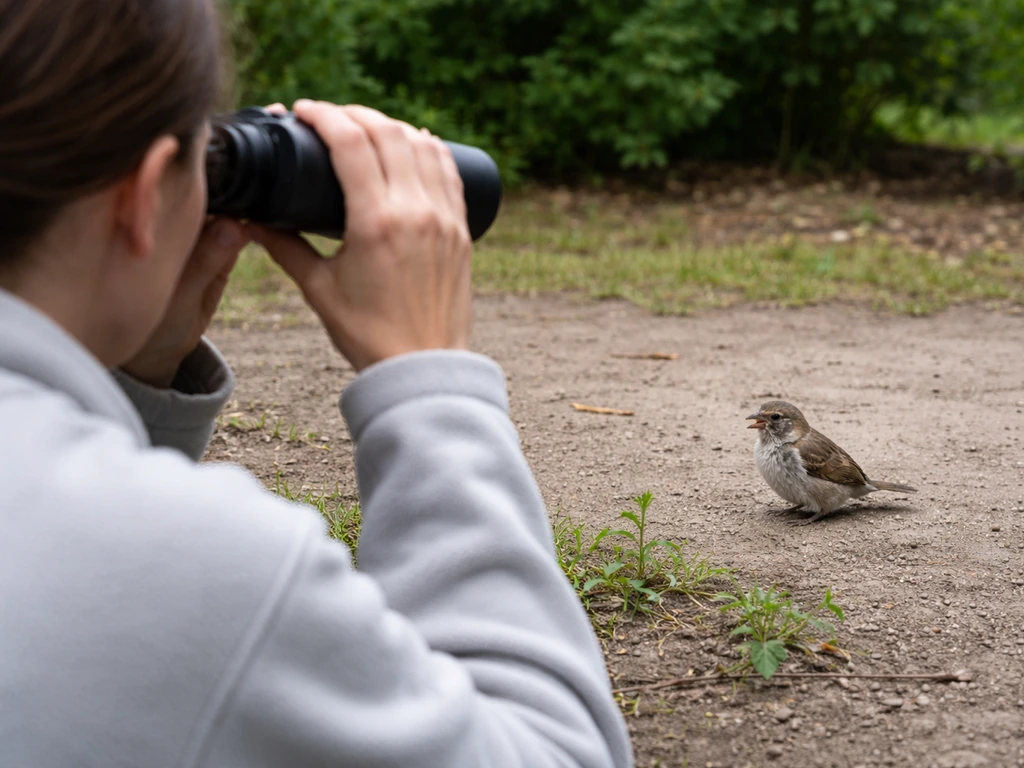
Before you do anything else, do a quick 10-second visual check from where you are. Do not pick the bird up yet. Just look. You're scanning for the signs that tell you this bird needs urgent professional help immediately, not in a few hours.
- Open-mouth breathing, or breathing with obvious tail bobbing up and down with every breath
- Visible bleeding that isn't slowing or stopping on its own
- The bird is completely limp, unresponsive, or unconscious
- The head is twisted at an abnormal angle or the neck looks visibly deformed
- The bird is convulsing, trembling uncontrollably, or having seizure-like movements
- Sudden paralysis: legs aren't moving at all, wings are dragging, or the bird can't hold itself upright
If you're seeing any of those signs, treat this as a veterinary emergency. Don't wait for things to improve on their own. Neck and spinal injuries can deteriorate fast, and signs like open-mouth breathing or full paralysis point to serious neurological or respiratory compromise. Skip ahead to the section on getting help and start making calls while you stabilize the bird.
Signs that suggest a broken neck
A broken neck in a bird means a fracture or severe damage to the cervical spine, the vertebrae in the neck region. Unlike in some movies or stories, a broken neck doesn't always mean instant death. Birds can sustain serious cervical injuries and still be alive but critically compromised. Here's what you're looking for.
Posture and head position
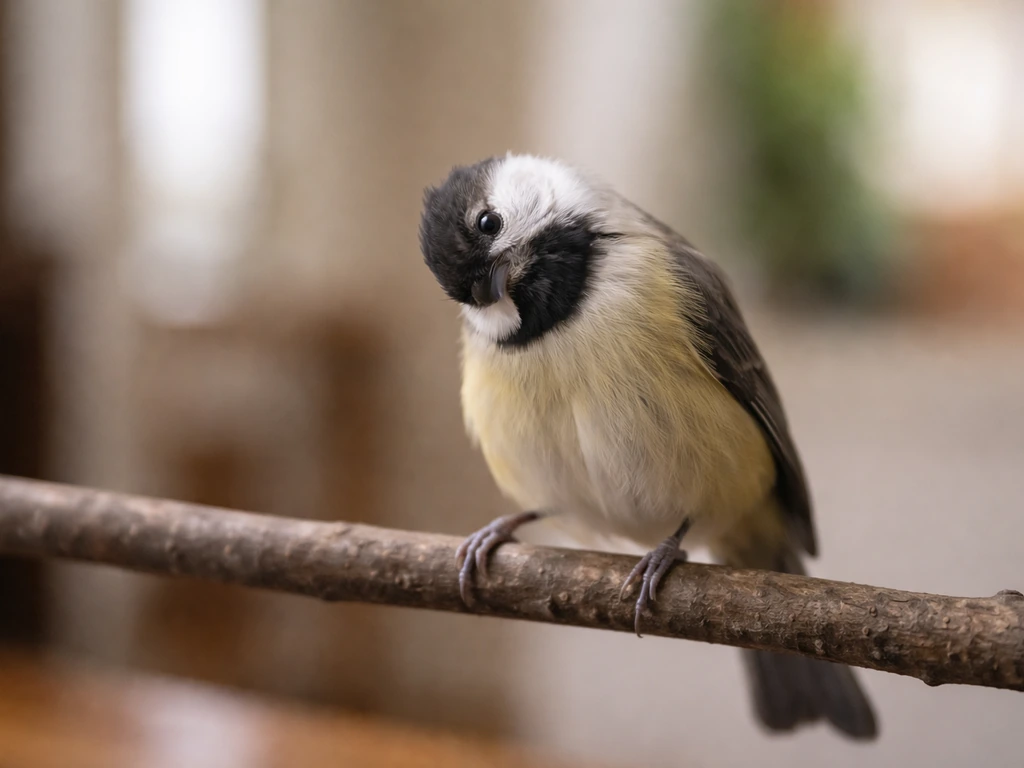
The most telling visual sign is abnormal head or neck posture. The head may hang low and to one side, tilt at an unnatural angle, or the neck may appear kinked or twisted. Some birds with severe neck injuries hold their head in a fixed, rigid position because movement is either impossible or extremely painful. If the bird is sitting hunched with its head drooping toward the ground and isn't correcting itself, that's a significant red flag.
Responsiveness and awareness
A bird with a neck injury may seem confused, unaware of its surroundings, or unusually still. It might not react normally when you approach, which in a healthy bird would usually trigger an attempt to flee. Reduced responsiveness combined with abnormal posture is a strong warning sign. Full unresponsiveness, where the bird doesn't react at all to touch or movement near it, is a critical emergency.
Movement and coordination
Watch how the bird moves, or tries to. A bird with a broken neck or severe cervical injury may show paresis (reluctant or limited movement) or full paralysis (unable to move legs, wings, or both). It might be unable to stand, keep falling to one side, or have weak and uncoordinated wing movements. If you see a bird dragging both legs or unable to hold its head up under its own muscle control, spinal or cervical damage is high on the list of causes.
Breathing
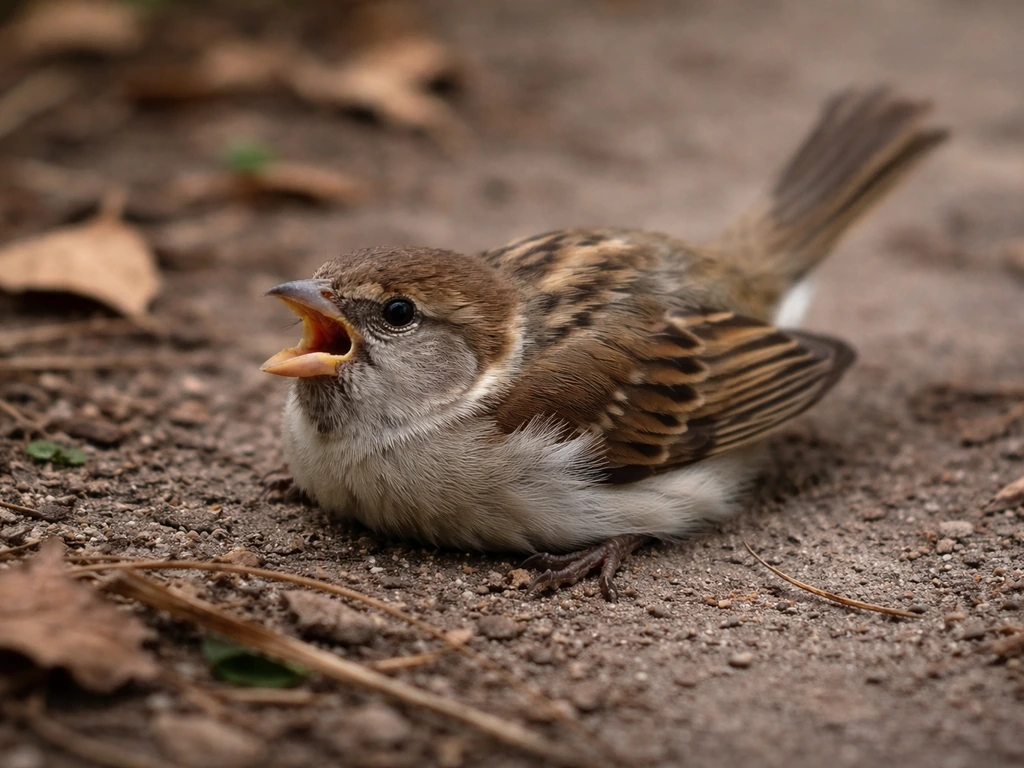
Cervical spinal damage can affect the nerves that control breathing muscles. If the bird is breathing with visible effort, keeping its beak open, or you see that characteristic tail-bobbing with each breath, respiratory function may be compromised. This is always treated as urgent.
How to safely check the bird without making things worse
The most important thing to understand before you touch this bird: unnecessary movement of a potentially damaged neck or spine can turn a survivable injury into a fatal one. The goal of your hands-on check is minimal and focused. You're not diagnosing the bird. You're assessing whether it's breathing, whether there's obvious bleeding, and whether it needs to be moved to safety.
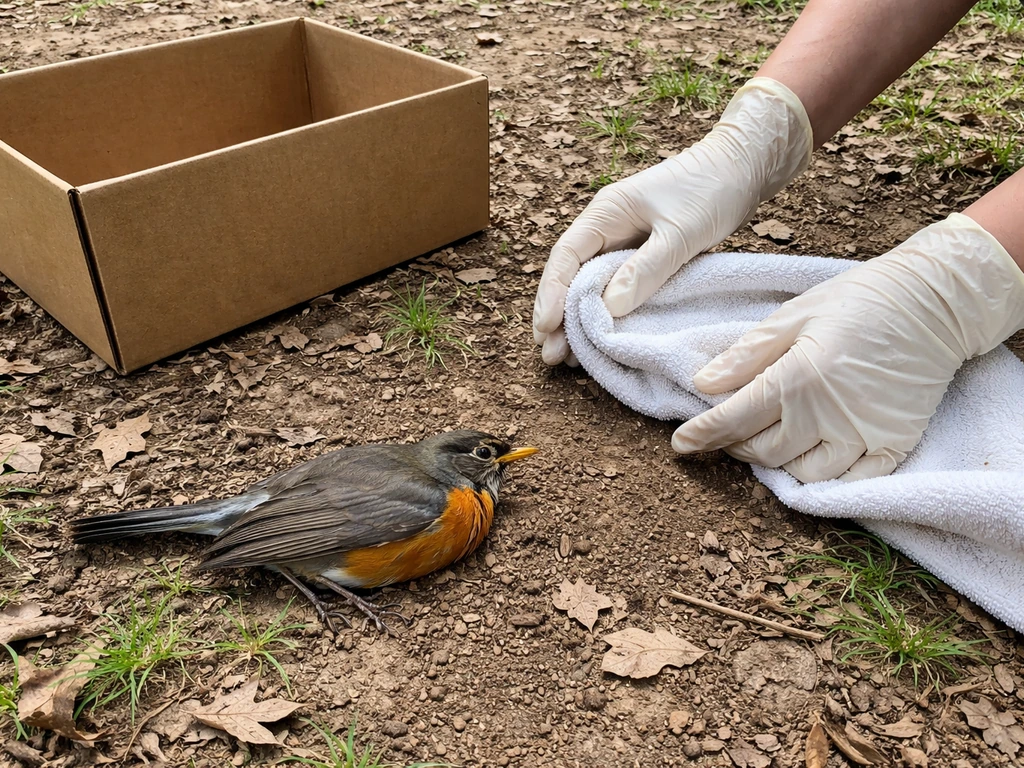
- Put on thin gloves if you have them (mainly for your own protection from bites and scratches, and to avoid transferring oils or stress chemicals onto the bird).
- Approach slowly and calmly. Sudden movements spike the bird's stress hormones, which can be dangerous in an already-compromised animal.
- If you need to pick the bird up, cup it gently in both hands with the wings held lightly against its body. Do not grab by the head, neck, or legs.
- Support the body from below. Do not let the head and neck flop or hang freely.
- Move the bird as little as possible. If it's in a safe spot (not in traffic, not in direct danger), consider stabilizing it in place rather than moving it at all.
- Check for breathing and visible bleeding with your eyes. Don't probe, poke, or manipulate the neck to test range of motion. Ever.
For suspected spinal or neck injuries specifically, the principle is the same one used for human spinal first aid: keep the head and neck as still and straight as possible when moving the animal. If you need to transport the bird, a flat, firm surface (like a small board or the flat bottom of a box) is better than cradling it in a way that lets the neck move around freely.
Neck injury vs. head injury, spinal injury, or limb damage
This is genuinely tricky even for trained professionals without imaging. But the signs below can help you get a working read on what you're dealing with, which helps you communicate more clearly when you call for help.
| Type of Injury | Key Signs | What Sets It Apart |
|---|---|---|
| Broken neck (cervical spine) | Abnormal head/neck angle, full or partial paralysis of legs and/or wings, possible breathing difficulty | Head or neck visibly twisted or drooping; symptoms involve the whole body below the injury |
| Head injury / concussion | Disorientation, circling, eye irregularities (dilated or unequal pupils), dazed but neck posture may look normal | Bird may be conscious and responsive but confused; signs of a concussion in birds often follow a window collision |
| Spinal injury (lower spine) | Paralysis or weakness confined mainly to legs, dragging legs, inability to perch | Wings often still functional; damage is further down the spine than the neck |
| Broken wing | One wing drooping, asymmetric posture, pain response when wing area is touched | Head and neck posture usually normal; how to tell if a bird has a broken wing covers the details here |
| Broken leg | Limping, one leg held up, inability to bear weight on one side | Flight may still be possible; head and neck normal; see guidance on how to tell if a bird has a broken leg |
In practice, trauma events like window strikes or cat attacks can cause multiple injuries at once. A bird that hit a window hard enough might have both a concussion and a cervical injury. A cat attack bird might have puncture wounds and a broken limb. Don't try to diagnose one single cause. Your job is to stabilize and get help, not to solve the puzzle yourself.
If you're unsure whether what you're seeing counts as a serious injury, a broader assessment can help. Learning how to tell if a bird is injured in general gives you a useful baseline for reading the bird's overall condition alongside any specific trauma signs.
What to do right now: stabilize, warm, and reduce stress
Whether you suspect a broken neck or you're not sure what's wrong, the stabilization steps are the same. These are the most important things you can do while you arrange professional help.
Warmth
Injured birds lose body temperature fast, and hypothermia on top of trauma can kill a bird that might otherwise survive. Aim for a warm environment around 28 to 30 degrees Celsius (approximately 82 to 86 degrees Fahrenheit). You can use a heating pad on the lowest setting, a warm water bottle wrapped in a cloth, or a warm room. Critically: always put a barrier (a folded towel or cloth) between the heat source and the bird. Direct contact with a heat source causes burns.
Darkness and quiet
Darkness reduces stress significantly for injured birds. Place the bird in a ventilated box or carrier lined with a soft cloth, cover it, and put it somewhere quiet away from pets, children, and noise. Do not keep opening the box to check on it. Every time you do, you're spiking the bird's stress response, which costs it precious energy. Once the bird is in a warm, dark, secure container, leave it alone unless something changes.
Transport preparation
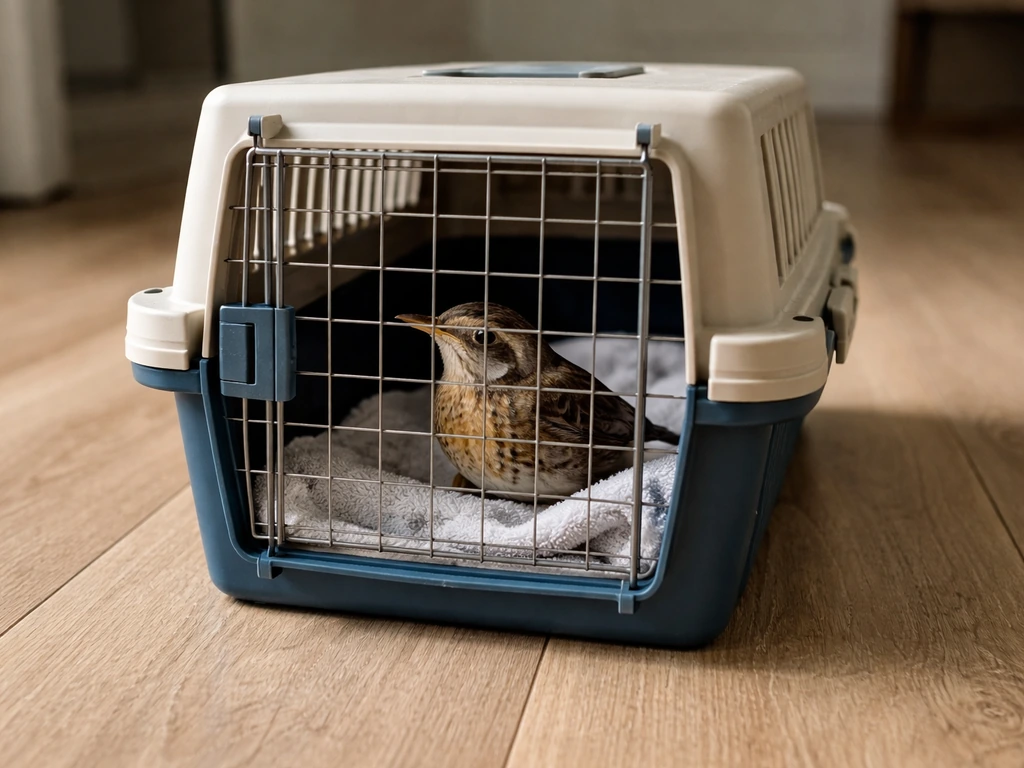
If you need to transport the bird to a vet or wildlife rescue, use a box or carrier that keeps the bird from moving around too much. For a suspected neck injury, a flat-bottomed box with soft padding is better than a round container. The goal is to limit jostling and movement of the head and neck during transport. Keep the car quiet and avoid blasting heat directly at the box.
What not to do
Some of the most common instincts people have when they find an injured bird are actually harmful. Here's what to avoid:
- Do not give the bird food or water. This is one of the most common mistakes. An injured bird may inhale liquid into its lungs (aspiration), and inappropriate food can cause serious harm. Wait until a rehabilitator or vet tells you it's safe to offer anything by mouth.
- Do not attempt to straighten or reposition the head or neck. If there's a cervical fracture, manipulating the neck can sever the spinal cord.
- Do not restrain the bird too tightly. You want to hold it securely but not compress the chest, which prevents breathing.
- Do not leave it outside unsecured. An injured bird on the ground is prey. Cats, dogs, and other animals can reach it quickly.
- Do not place it in direct sunlight or near a direct heat source without a barrier. Overheating is dangerous.
- Do not try to splint, bandage, or treat the neck injury yourself. This is beyond at-home first aid.
- Do not assume it will 'just recover' given time. Spinal and neck injuries do not heal on their own, and delay reduces the bird's chances significantly.
When and how to get professional help
If you suspect a broken neck, the answer is: call for help now. Not after a few hours of watching and waiting. A suspected cervical spine injury is in the same urgency category as open-mouth breathing or uncontrolled bleeding. Even if the bird seems calm or stable, neurological injuries can worsen without warning.
Who to contact
Your two best options are an avian veterinarian and a licensed wildlife rehabilitator. An avian vet can perform imaging (X-rays) to actually diagnose what's going on and provide pain management and stabilization. A licensed wildlife rehabilitator is often the right call for wild birds, since most avian vets primarily treat pet birds, though many will see wildlife in an emergency. Note that in the U.S., transporting injured migratory birds to a licensed rehabilitator is the standard and legally appropriate response for wild birds under federal guidance.
How to find help near you
Start by searching online for 'wildlife rehabilitation' plus your city or state. You can also call your local animal shelter or a general veterinary clinic and ask them to refer you to the nearest avian vet or wildlife rescue. Many areas have 24-hour wildlife hotlines. If you have a pet bird that's been injured, call your regular vet and ask if they have avian experience or can refer you to someone who does.
When you call, tell them: what species the bird is (if you know), what happened, what symptoms you're seeing (especially breathing issues, posture, paralysis), and what you've done so far. The more specific you are, the better they can advise you over the phone while you're on your way.
Setting realistic expectations
Some cervical spine injuries are survivable with professional care, especially if the bird gets to a vet quickly and the damage is incomplete (meaning the spinal cord wasn't fully severed). Others are not. That's a hard truth, but it's important to know. Your job right now is not to fix the injury. It's to get the bird warm, calm, and to someone who can actually help as fast as possible. You've already done a lot just by finding this guide and taking it seriously.
If the bird you're caring for is a pet and you've noticed something off before this happened, like a limp or balance issue that preceded the injury, that context matters too. Something like a bird that's been limping before a fall could point to a pre-existing condition that made the injury more likely. Mention everything you've observed to the vet.
And if you're dealing with a pet bird and you noticed any wing irregularities before or after the incident, it's worth knowing that clipped wings can affect a bird's ability to land safely and absorb impact, which may be relevant context for whoever is treating the bird. Similarly, if the injury seems isolated to a wing rather than the neck, a separate guide on a bird that has hurt its left wing may give you additional handling guidance while you wait for professional care.
FAQ
If the bird can still stand or move a little, does that mean it did not break its neck?
No. Many serious injuries can look similar, for example head tilt from a concussion, wing and leg paralysis from nerve or brain trauma, or shock that causes poor responsiveness. The practical approach is to treat any abnormal head or neck posture plus weakness, breathing effort, or inability to right the head as a cervical emergency until a veterinarian or wildlife rehabilitator confirms otherwise.
How often is it okay to pick up or check the bird’s head/neck posture while waiting for help?
Keep the bird in a warm, dark, ventilated container and limit handling. If you must check breathing, do it from a distance by watching chest movement or the posture of the beak, then stop. Avoid flipping the bird upright, straightening the neck, or repeatedly rotating the head, because even small movements can worsen spinal or nerve injury.
What if the bird is breathing quietly, do I still need to treat it as urgent?
Tail-bobbing, open-mouth breathing, or gasping mean respiratory stress, but some birds breathe quietly and still have severe nerve or spinal damage. If you see abnormal posture or weakness, do not rely on “no obvious breathing effort” to decide it is safe. Call for help promptly when posture or neurologic signs are present.
What is the safest way to transport a bird if I suspect a neck or spine injury?
Use a flat, firm base (flat-bottom box lid, small board, or a rigid tray) and prevent head and neck motion by adding soft padding around the body, not by holding the head in place. If the bird is in a container, use a towel to line it and partially block movement so the bird cannot roll or twist during transport.
What should I do about bleeding if I’m worried about a broken neck?
If the bird is actively bleeding, controlling bleeding takes priority. Apply gentle pressure with clean gauze or a cloth around the injury site, avoid covering the beak or interfering with breathing, and keep the bird warm and calm. If bleeding is heavy, uncontrolled, or the bird becomes unresponsive, treat it as an emergency even if posture looks “not too bad.”
The bird seems weak but not paralyzed. Should I try to help it perch?
If the bird is conscious but can barely perch or keeps collapsing, do not force it to stand. Place it on a flat, padded surface so it can stay still, keep the environment warm and dark, and arrange immediate professional care. Trying to “help it balance” can trigger more movement, pain, and further injury.
Could cold or shock make it look like the neck is broken?
Chills and stress can mimic injury signs like reduced responsiveness. That said, temperature issues do not explain fixed head tilt, kinked or twisted neck posture, or one-sided drooping. Warm the bird gradually (about 28 to 30°C using a barrier between heat and the bird) but still escalate for help if abnormal neck posture or neurologic changes are present.
Is it safe to offer water or food, or give any pain medicine while I’m waiting for a vet?
Do not give food, water, or medications unless directed by a licensed avian veterinarian or wildlife professional. If the bird is breathing with effort, the risk of aspiration is higher. For waiting care, focus on warmth, darkness, gentle stabilization, and contacting the right service.
Does the urgency change depending on whether it was a cat attack, window strike, or a fall?
Cat attacks can cause internal injuries even when the outside looks minor, and window strikes can cause concussion plus spinal damage. If there are punctures, swollen areas, or sudden imbalance after any trauma, treat the situation as urgent and communicate the exact trigger to the responder so they can prioritize imaging and pain control.
What if I can’t find a wildlife rehabilitator or avian vet right away?
If you cannot reach an avian veterinarian or wildlife hotline quickly, call a general emergency vet line or your local animal shelter for triage instructions. Ask specifically whether they can advise on suspected cervical spine injury care and the best transport plan, and keep the bird warm and minimally handled while you wait for direction.
Next Articles
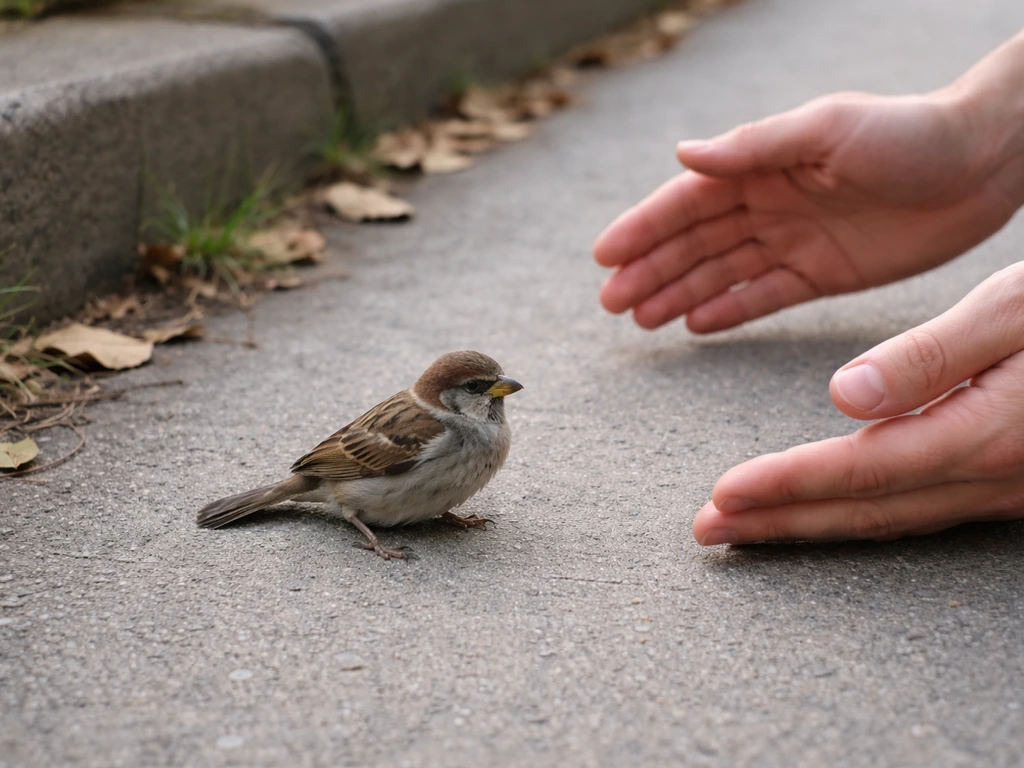
How to Tell If a Bird Is Injured: Quick Signs and Next Steps
Spot injured bird signs fast, tell pain from normal, and follow safe next steps for found wild birds.
How to Tell If a Bird Has a Broken Wing: Signs and First Aid
Learn signs of a broken wing in birds, what to do first, and when to get urgent avian help safely.
Can a Bird Live With One Wing? Survival and First Aid
Can a bird live with one wing? Injury outcomes and step-by-step first aid, plus when to get urgent help.