If your bird is limping right now, the first thing to do is stay calm and watch for a minute before you touch anything. Most limping birds need professional care, but your immediate job is to figure out whether this is a true emergency (act in the next few minutes) or something that needs a vet visit today. Look for active bleeding, inability to stand at all, or signs of shock like fluffed feathers, closed eyes, or labored breathing.
What Do I Do If My Bird Is Limping? Emergency Steps
Marcus Chen
26 Apr 2026
One such emergency is when a bird may have broken its neck, which can be hard to recognize without knowing what signs to look for. If you see any of those, skip ahead to the emergency section. If not, take a breath and work through this guide.
Quick triage: is this an emergency right now?
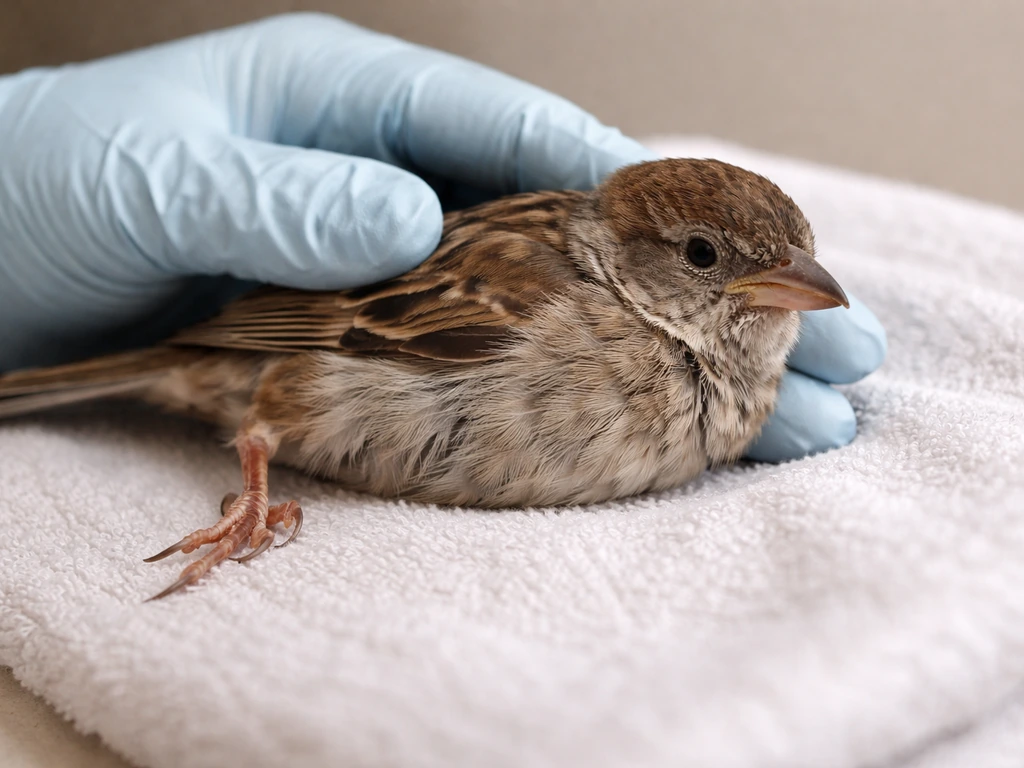
Not every limp is equal. If you are trying to learn how to tell if a bird is injured, start by comparing how it stands and moves to what is normal for that bird. If you suspect the bird has hurt its left wing, keep monitoring for pain and avoid putting pressure on that side until a vet can assess it how to tell if a bird is injured.
Some birds pull a muscle, some have a foot infection brewing for weeks, and some have just fractured a bone in a fall. The fastest way to sort them is to check for the following red flags. If any of these are present, you are dealing with an emergency and need to move quickly.
If you notice head trauma signs, compare them against how to tell if a bird has a concussion before you assume it is only a limb injury.
- Active, uncontrolled bleeding from the leg or foot that does not slow within 5 minutes of gentle direct pressure
- The leg is hanging at a clearly abnormal angle, visibly deformed, or the bird cannot bear any weight at all
- The bird is falling repeatedly off its perch or cannot perch at all
- Signs of shock: fluffed feathers, closed or half-closed eyes, labored or open-mouth breathing, listlessness, or the bird sitting flat on the cage floor
- A visible open wound, exposed bone, burn marks, or a foreign object embedded in the tissue
- Suspected toxin exposure (e.g., stepped in a chemical, cleaning product, or adhesive)
Any one of those means call an avian vet or wildlife rescue immediately, not after reading this article. If it is after hours, find an emergency animal hospital that sees birds and call ahead so they can prepare. Shock and infection can progress very fast in birds. If the limp is the only symptom and the bird is otherwise alert, eating, and holding its own weight, you have a little more time to assess carefully.
Common reasons birds limp (including the one-leg thing)
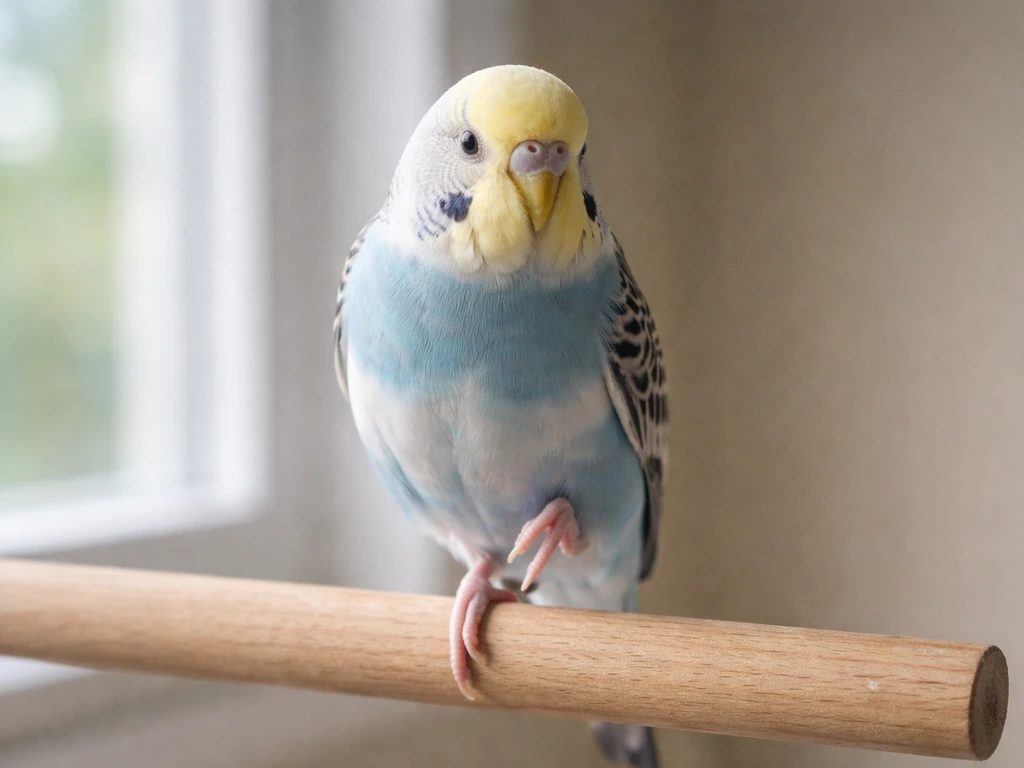
Birds stand on one leg constantly as a normal resting behavior, especially when warm and relaxed, so do not panic if you just noticed your bird perching on one foot. What you are looking for is a limp when the bird walks, reluctance to put weight on a leg, or a leg held oddly when the bird is active. Here are the most common causes.
Sprain, strain, or soft tissue injury
This is one of the most frequent culprits, especially in pet birds that had a fall or got a foot caught in a toy or cage bar. The leg looks normal in structure but the bird favors it. There is usually some swelling. These often improve with rest, but they still need a vet to rule out a fracture because you genuinely cannot tell the difference at home without an X-ray.
Fracture or dislocation
A broken or dislocated leg usually causes the bird to completely avoid bearing weight, and the limb may look twisted or hang at a wrong angle. Fractures and dislocations overlap in symptoms, which is why veterinary imaging matters. Do not try to splint the leg at home. Incorrect splinting, even well-intentioned, can worsen a fracture or cause soft tissue damage, and the stress of restraint alone can send a bird into shock.
Bumblefoot (pododermatitis)
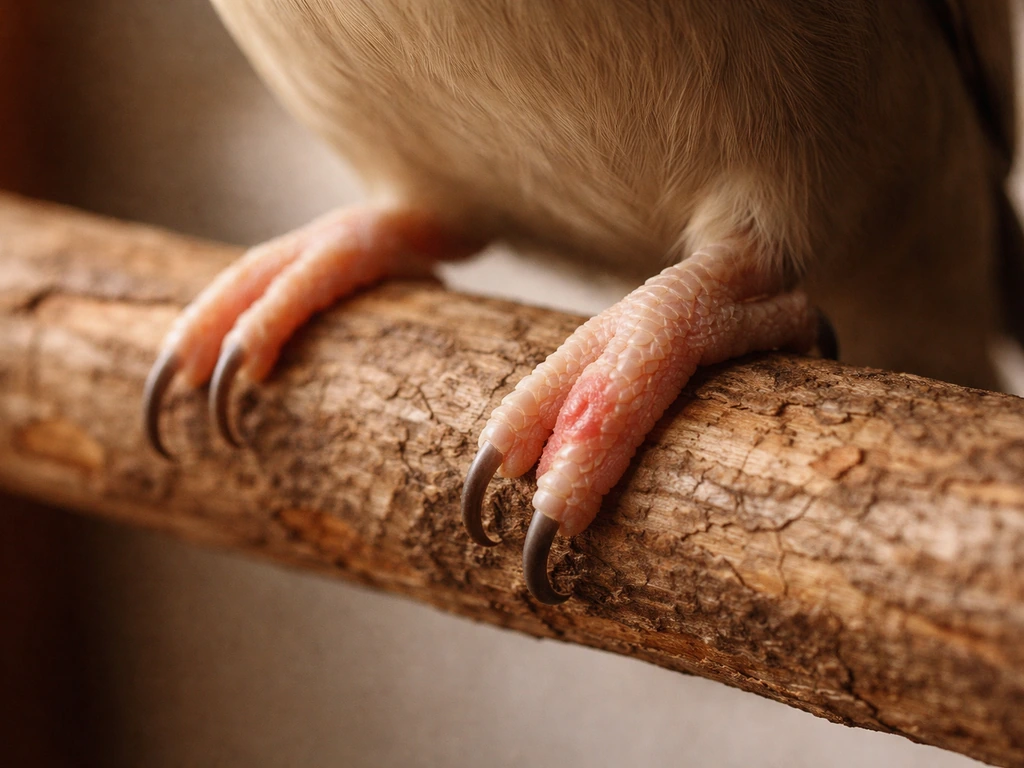
Bumblefoot is a bacterial infection of the foot pad. It starts as a pressure sore, often caused by perches that are too smooth, too hard, or the wrong diameter for the bird's foot size. Over time the area gets inflamed, then infected, and can form a hard lump or dark scab on the bottom of the foot. The swelling can track up the leg if it goes untreated. Signs include swelling, heat, limping, and the bird visibly avoiding one foot. This is a vet-required condition because it needs proper debridement and antibiotics, but it is not usually a minutes-matter emergency unless the foot is severely infected with systemic signs.
Cut, wound, or foreign object
Birds can cut a foot on wire, step on something sharp, or pick up a splinter or piece of debris. Look carefully at the foot pads and between the toes. Small wounds can get infected fast. If you see something embedded in the tissue, leave it alone and get to a vet. Pulling out an impaled object can cause more damage and bleeding.
Arthritis or joint disease
Older birds, particularly larger parrots and backyard chickens, can develop degenerative joint disease. The limp tends to be gradual, worse after rest, and involves stiffness rather than a sudden acute injury. This is manageable with veterinary guidance but still needs proper diagnosis.
Overgrown nails or constriction injury
A thread, hair, or piece of string wrapped around a toe or leg can cut off circulation quickly. This is known as a constriction injury, and it can be subtle at first. The toe or foot turns dark, swells, or feels cold. This is urgent. Similarly, nails that have grown too long can curl under and cause pain or get caught. Check carefully between the toes and around each nail base.
Immediate first aid: what to do right now
First aid for a limping bird is about stabilization, not treatment. LafeberVet emphasizes supportive care and stabilization for an injured bird, such as using a home hospital cage and supplemental heat, rather than trying definitive treatment at home blank" rel="noopener noreferrer">stabilization, not treatment. Merck Veterinary Manual notes that for pet birds with trauma, blank" rel="noopener noreferrer">stabilization comes first because birds presenting with trauma are often cold and stressed and have suffered blood loss. Your goal is to keep the bird calm, prevent further injury, and get it ready for professional care. You are not diagnosing or fixing the problem at home.
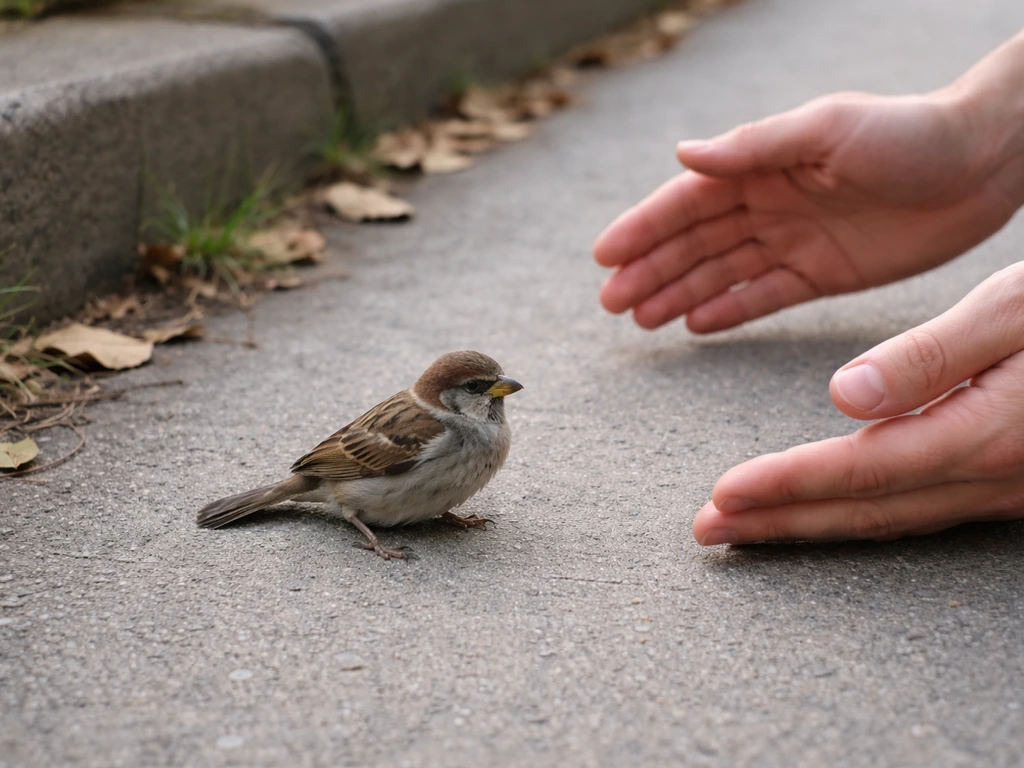
- Minimize handling. The more you handle a stressed or injured bird, the more energy it burns and the higher the risk of shock. Pick it up only if it needs to be moved to a safe space.
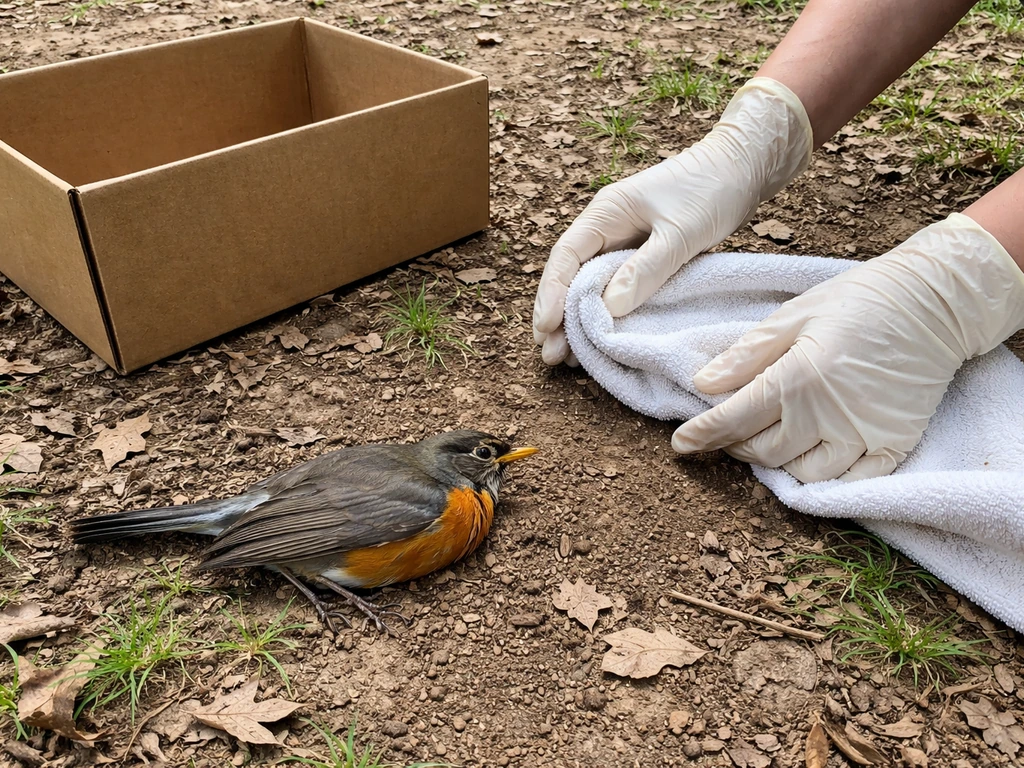
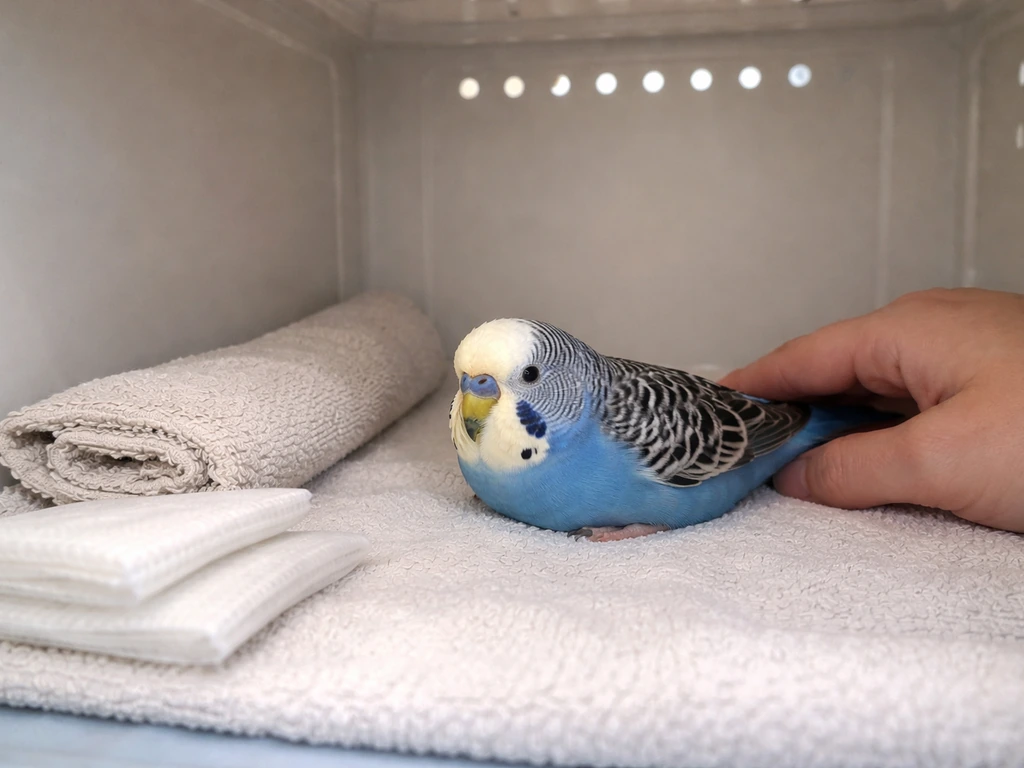
- Move the bird to a quiet, escape-proof container. A small cardboard box with ventilation holes or a travel carrier works well. Remove perches if the bird cannot stand steadily, and line the bottom with a soft, clean cloth so it can rest flat.
- Keep it warm. An injured bird loses body heat fast. Aim for around 75 to 85 degrees Fahrenheit (24 to 29 degrees Celsius) in the carrier. Place a heating pad set to low under one half of the box (not the whole floor) so the bird can move away from the heat if needed. Put a folded towel between the pad and the box to prevent burns.
- Cover the carrier. Drape a towel over at least three sides to reduce visual stimuli and keep the bird calm. Darkness reduces panic in most birds.
- If there is active bleeding, apply gentle direct pressure with a clean cloth or gauze. If you have styptic powder, it can be used on minor cuts. If bleeding does not slow within 5 minutes, that is a veterinary emergency.
- Do not offer food or water by hand. A stressed bird is unlikely to eat and may aspirate. Make sure water is accessible in the carrier if the bird is mobile and alert, but do not force anything.
- Call your avian vet or wildlife rescue while you are doing all of the above. Do not wait until you have figured everything out.
How to check the foot and leg (and what not to do)
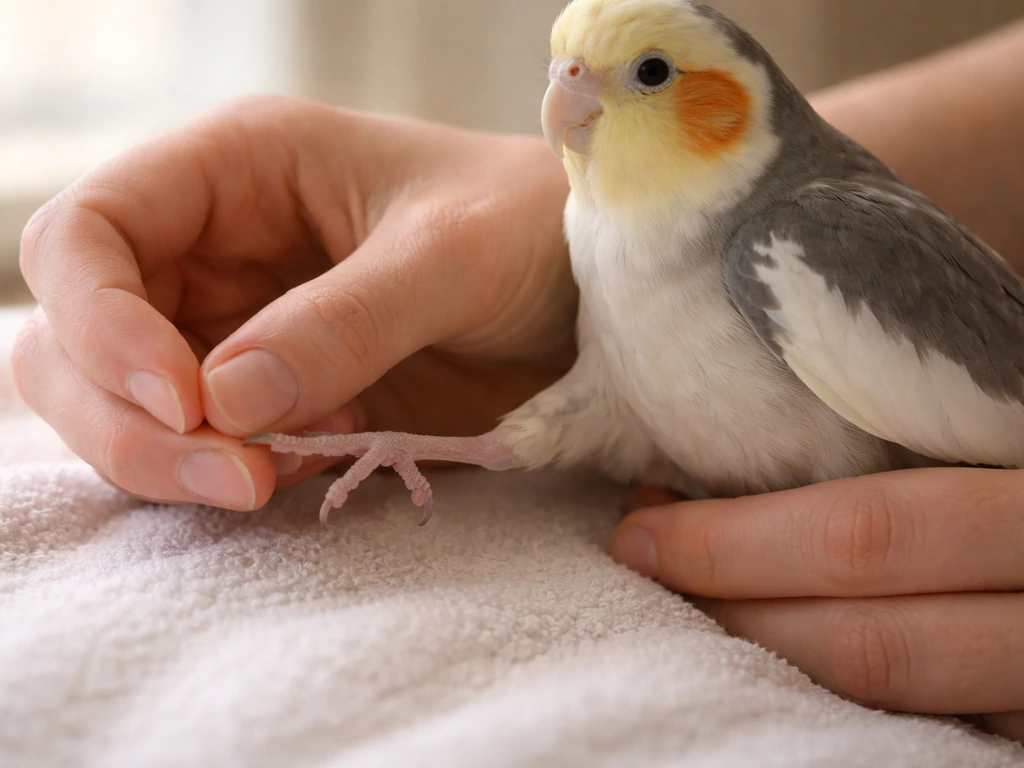
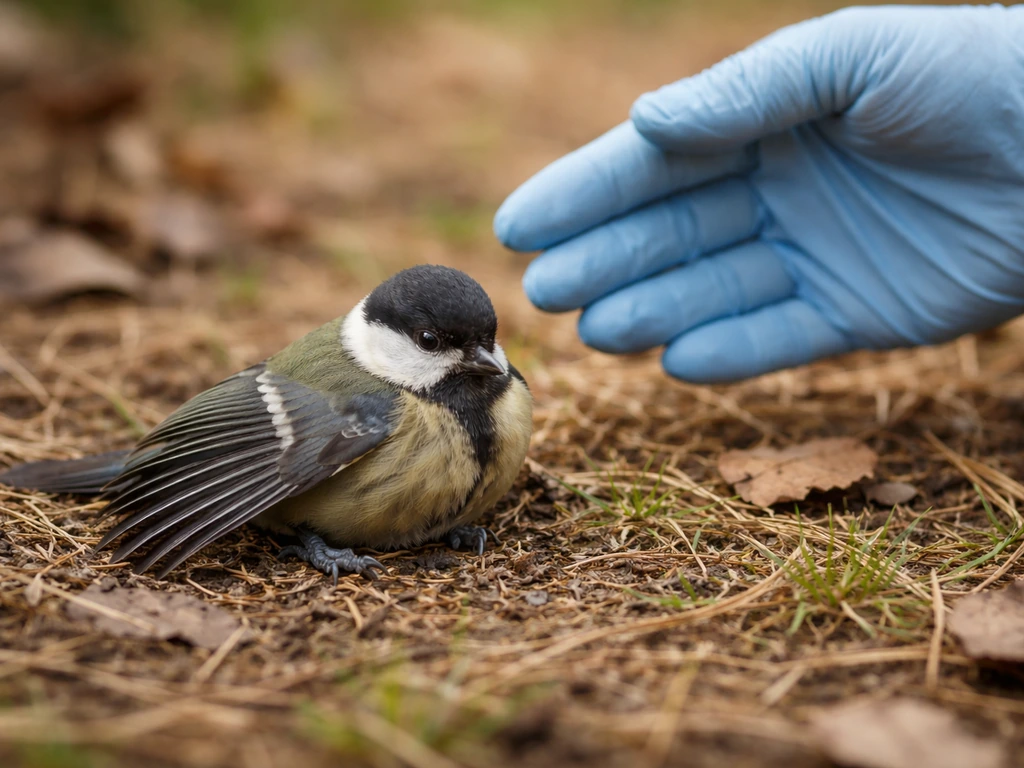
If the bird is calm and stable enough, a brief visual check of the foot and leg is helpful before you call the vet because the more detail you can give them, the better. Keep it short. Do not restrain the bird for more than about 30 to 60 seconds at a time.
Look at the leg from the hip joint down to the toenails. You are checking for visible deformity or abnormal angle, swelling or puffiness, heat compared to the other leg, redness, broken skin, discharge, dark discoloration of a toe or the foot, any thread or foreign material wrapped around a digit, and the condition of the foot pads (look for dark scabs, soft lumps, or open sores on the bottom of the foot). If you can get a photo or short video of the limp, do it. Vets and rehab workers find that extremely helpful.
What not to do is equally important. Do not try to straighten a leg that looks bent or deformed. Do not pull out anything embedded in the tissue. Do not apply a makeshift splint or wrap tightly with bandaging material unless you have been specifically instructed by a vet. Do not soak the foot or apply antiseptic creams not approved for birds. Many products safe for humans are toxic to birds, including certain antiseptics, essential oils, and some antibiotic ointments.
When to call an avian vet or wildlife rescue immediately
The honest answer is: if your bird is limping and you are unsure why, call a professional today, even if it does not look like a crisis. Limping rarely resolves on its own because the underlying cause almost always needs treatment. That said, here is how to decide who to call.
| Situation | Who to contact | How fast |
|---|---|---|
| Pet bird with limp, otherwise alert | Avian vet | Same day appointment |
| Pet bird with limp, bleeding, deformity, or shock signs | Avian vet or emergency animal hospital | Immediately |
| Wild bird found on the ground, limping or unable to fly | Licensed wildlife rehabilitator | Within hours |
| Wild raptor (hawk, owl, eagle) injured | Licensed raptor rehabilitation center or animal hospital | Immediately, call ahead |
| Fledgling or juvenile bird, unsure if injured or just grounded | Wildlife rehabilitator | Same day, call first to describe |
For pet birds, an avian vet is the right call. General practice vets vary widely in their bird experience, so if you have any choice, find someone with avian experience. For wild birds, contact a licensed wildlife rehabilitator. It is worth knowing that in most countries it is actually illegal to keep a wild bird in captivity without a permit, even with good intentions. The right legal and ethical path is to get it to a licensed professional as fast as possible.
When you call, be ready to describe what you saw (when it started, whether there was a fall or incident, any visible wound or swelling), the bird species if you know it, and the red flag symptoms from the triage section above. A clear description helps the vet or rehabber prioritize your case and give you accurate guidance over the phone.
Transporting safely and what comes after
Getting the bird there safely
Transport the bird in a secure, ventilated container with no sharp edges or protrusions. One bird per container. Cover the carrier with a towel on three or more sides. Keep the temperature comfortable, around 75 to 85 degrees Fahrenheit, using a heating pad on low under half the carrier if the bird is cold or shivering. Drive smoothly and avoid loud music or sudden noises. If someone else can drive while you monitor the bird, that is ideal.
If possible, bring any photos or video you took of the limp or injury. Note the timeline of when symptoms started and any incident you think may have caused it. For wild birds, note where exactly you found it and in what condition. All of this information saves time at the clinic or rehab center.
Aftercare and recovery at home
If the vet sends you home with the bird for rest and monitoring, follow their instructions precisely. Most leg and foot injuries in birds require reduced activity, meaning no climbing or jumping, a lower perch or no perch at all while healing, and a quieter environment. If you are managing bumblefoot, the vet will likely prescribe antibiotics and wound care instructions. Fractures and dislocations need proper veterinary splinting or surgery, and recovery can take weeks with restricted movement.
Preventing it from happening again
Once the immediate crisis is handled, it is worth looking at what caused it. For pet birds, check the cage and perch setup. Perches should vary in diameter so the foot does not grip the same position all day. Natural wood perches are better than smooth dowel perches because they give the foot uneven surfaces to grip, which prevents pressure sores. Avoid sandpaper perch covers, which actually cause abrasions rather than wearing down nails. Check the cage for any wire gaps, loose toys, or threads that could catch a foot.
Keep nails trimmed to a reasonable length, either by an avian vet or experienced groomer. Check feet regularly as part of your routine health check, especially the pads and between the toes. If you have a bird that is prone to falls (older birds, birds with clipped wings, or birds with balance issues), lower the perches and add soft bedding to the cage floor to reduce fall impact.
If you suspect your bird has clipped wings, that can change how it lands and carries its body, so look for limping right after falls or jumps birds with clipped wings. Recognizing subtle early signs of a leg or foot problem, the same way you might notice a slight change in how your bird carries its wing, can mean the difference between a simple vet visit and a serious injury.
FAQ
How can I tell if the bird’s one-leg resting is normal or a limp?
Normal resting usually looks like no weight-shift during walking, the bird uses the resting foot normally when it needs to move, and it shows no reluctance to step down. If you see a limp only when walking, a clear refusal to place weight, or the foot/leg looks held differently during activity, treat it as injury and call a vet.
Should I try to test the leg by gently touching or moving it?
Do only a very brief visual check if the bird is calm. Avoid manipulating joints, rotating the limb, or checking range of motion, because restraint and movement can worsen fractures or trigger shock. If you need more information, capture a short video of the limp instead.
What if I notice swelling in the foot but the bird is still eating and alert?
Swelling can still be a fracture, infection, or a circulation problem. Since birds can deteriorate quickly when infection or tissue damage is involved, plan a same-day call to an avian vet or wildlife rehabber, even if the bird seems otherwise okay.
What should I do if I suspect bumblefoot and the sore looks dark or has a scab?
Do not pick off scabs and do not soak the foot. Dark scabs can indicate deeper infection or tissue damage, which typically needs debridement and bird-safe antibiotics. Call for veterinary care and keep activity low until they advise further.
If I find a tiny cut or splinter, can I remove it myself?
If an object is embedded in tissue or you see active bleeding, do not pull it out. Even small wounds can become infected fast in birds. Instead, keep the bird calm, prevent further injury, and have a vet examine the foot.
My bird’s toe looks darker or cold. Does that mean a tight string injury even if I cannot see the thread?
Yes, discoloration plus swelling or a cold-feeling toe can be constriction injury. If you cannot confidently remove the material safely at home, treat it as urgent and call immediately, because circulation can be compromised quickly.
Can I use a human elastic wrap, boot, or splint to “protect” the injured foot?
Do not apply tight bandaging or make your own splint unless a vet has instructed you. Improper pressure can cut off circulation or increase inflammation. If support is needed, it should be guided by an avian professional.
Should I give pain medication I already have at home?
Do not give leftover human pain meds or veterinary meds not specifically prescribed for your bird. Many are unsafe for birds and can worsen outcomes. Focus on stabilization and get an avian vet on the phone for dosing guidance if they recommend medication.
Is it okay to soak the foot in warm water or use antiseptic cream?
No. Soaking can interfere with healing and encourage further tissue damage, and many antiseptics and creams formulated for humans can be toxic to birds. Stick to keeping the bird calm and dry, and follow whatever wound care instructions the vet provides.
What temperature should I keep my bird at during transport?
Aim for comfortable warmth, roughly 75 to 85 degrees Fahrenheit. If the bird is cold or shivering, use a heating pad on low placed under half the carrier so the bird can move away if it overheats.
Should I bring the bird’s regular food and water to the appointment or rehab?
Bring what the bird normally eats, but do not force water or food if the bird is stressed or you suspect shock. Offer only if the vet tells you it is safe. If you can, note whether the bird was actively eating before transport and report any vomiting or unusual droppings.
When should I choose an avian vet versus a wildlife rehabilitator?
Use an avian vet for pet birds. For wild birds, contact a licensed wildlife rehabilitator, because captivity rules and legal requirements vary, and rehabbers have the right intake setup for transport and recovery. If unsure, call one of them first and ask who should handle your specific case.
If the limp starts after a fall, is it always just a sprain?
Falls can cause fractures, dislocations, and internal injuries even when the bird looks “mostly fine.” If you see avoidance of weight, abnormal angles, significant swelling, or any head/neck concerns, treat it as more than a sprain and seek professional care right away.
What details should I prepare before calling the vet to speed up triage?
Have a timeline (exact start time or first noticed moment), any known incident (fall, caught foot, wire contact), species and age if known, what the bird is doing now (standing, eating, breathing), and a list of red flags you observed. If possible, be ready to describe the injury location from hip to toenails, and mention any visible swelling, heat, wounds, or dark toe discoloration.