
If you've found a bird sitting on the ground, not moving much, or acting strange, the most important thing you can do right now is slow down and observe before you touch anything. A bird that's injured and in pain will give you clear signals if you know what to look for. This guide walks you through exactly what to check, what it means, and what to do next.
How to Tell If a Bird Is Injured: Quick Signs and Next Steps
Marcus Chen
7 Apr 2026
Quick check: injured bird vs. just a scared bird
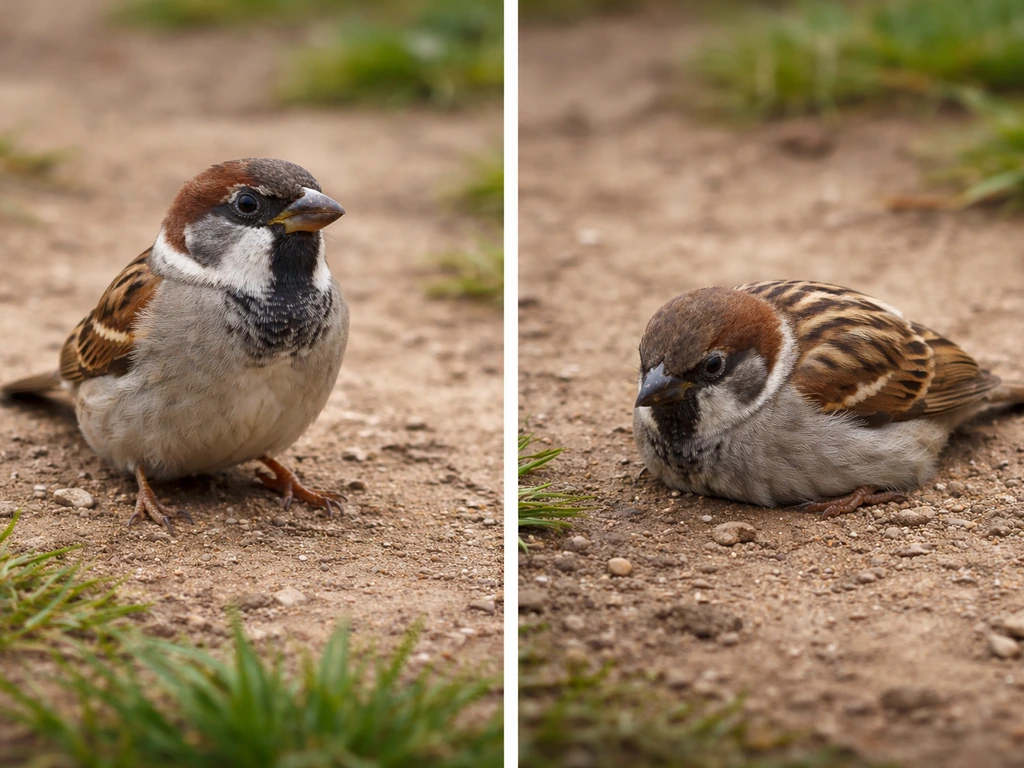
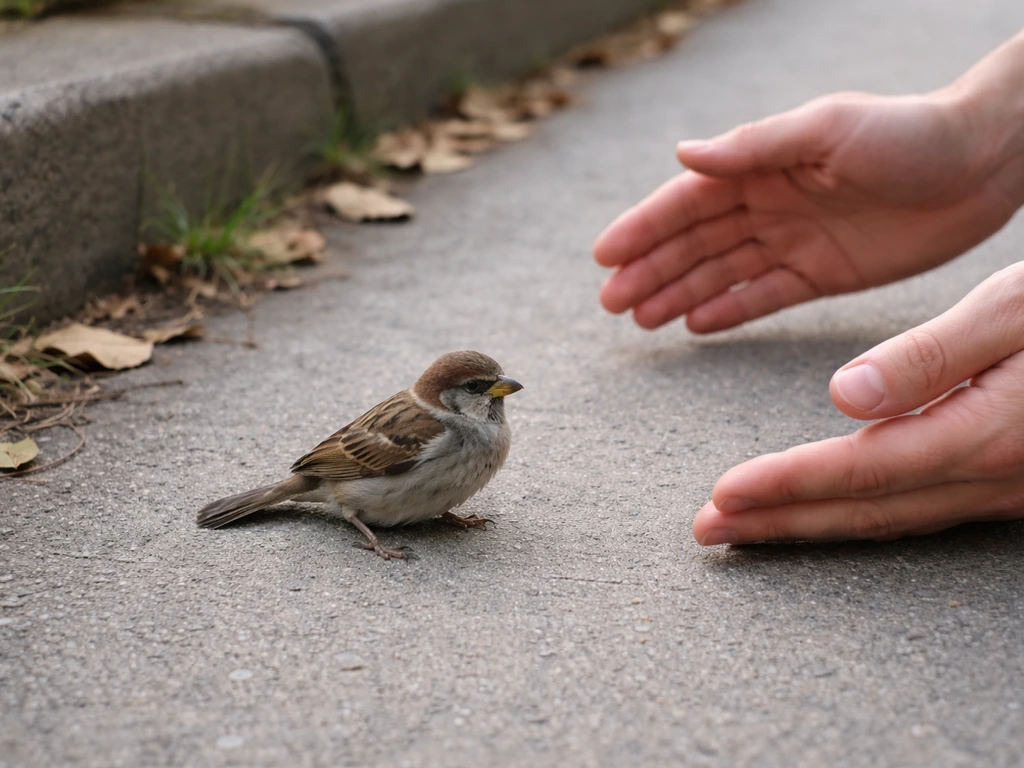
The first thing to understand is that a bird sitting still doesn't automatically mean it's hurt. Birds freeze when they're frightened. A healthy bird that's just scared will typically have bright, alert eyes, hold its body upright, and fly or run away the moment you get within a foot or two. If a bird lets you walk right up to it and doesn't try to escape, that's your first red flag.
Here's a fast visual checklist to run through from a short distance before you do anything else:
- Is the bird upright and holding its own weight, or is it slumped, tilting, or lying on its side?
- Are both eyes open, clear, and responsive to your movement?
- Are both wings held symmetrically against the body, or is one drooping lower?
- Is the bird breathing visibly hard (tail bobbing with each breath)?
- Does it attempt to move away when you approach, or does it stay completely still?
- Is there any visible blood, torn feathers, or obvious deformity?
If the bird passes all of those checks and flies off when you get close, it's almost certainly fine. If any of those raise a concern, keep reading.
Signs of pain and distress to watch for
Birds are hardwired to hide weakness because showing vulnerability in the wild attracts predators. That means by the time a bird is visibly unwell, it's often been hurting for a while. Don't wait for obvious drama. These are the real signs of pain and distress:
Body posture
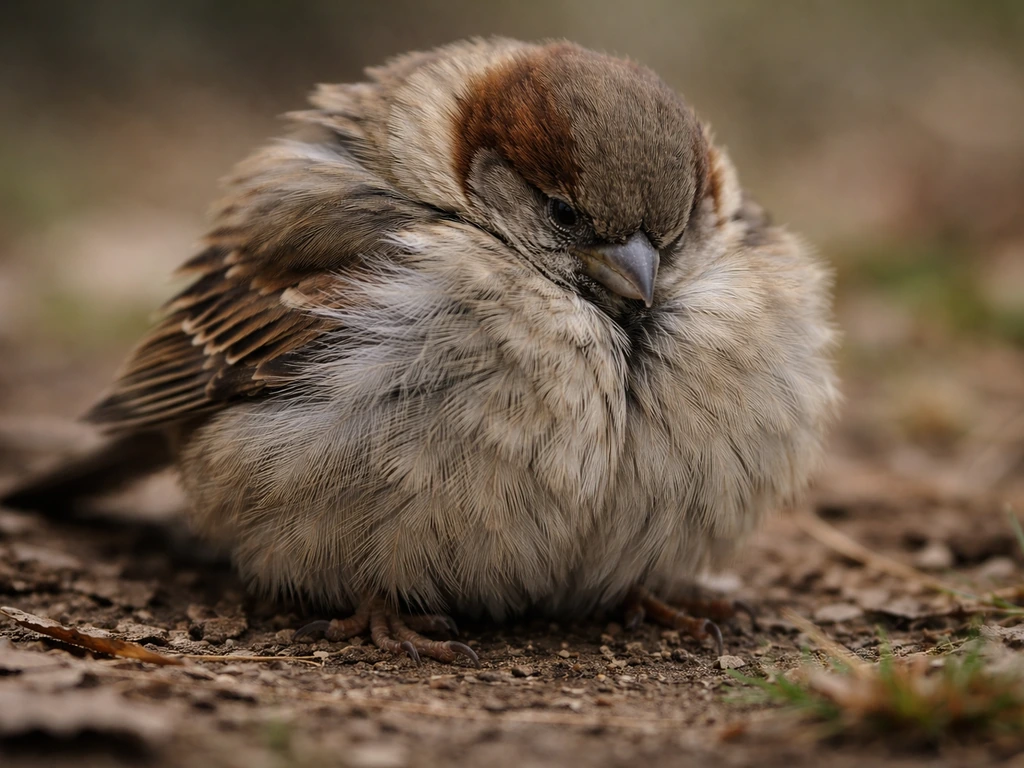
A bird in pain usually hunches up and fluffs its feathers out, which is its way of conserving heat and energy. It may tuck its head toward its chest or hold it at an odd angle. If it's a perching bird and it can't grip a branch or keep its balance, that's a serious warning sign.
Breathing
Normal birds breathe quietly and you can barely see it. An injured or distressed bird may breathe with an open beak, make clicking or rattling sounds while breathing, or show obvious movement in the tail and chest with every breath. Open-mouth breathing in birds is like gasping in a person. Don't ignore it.
Sound and behavior
Distressed birds may make repetitive alarm calls, weak chirping, or go completely silent and unresponsive. A bird that's disoriented might walk in circles, tilt its head severely to one side, or be unable to stand at all. These neurological signs can point to a head injury or internal trauma. If you're dealing with a bird that seems dazed, off-balance, or uncoordinated, recognizing the signs of a concussion can help you figure out what you're dealing with.
Common visible injuries and what they look like
Wing injuries
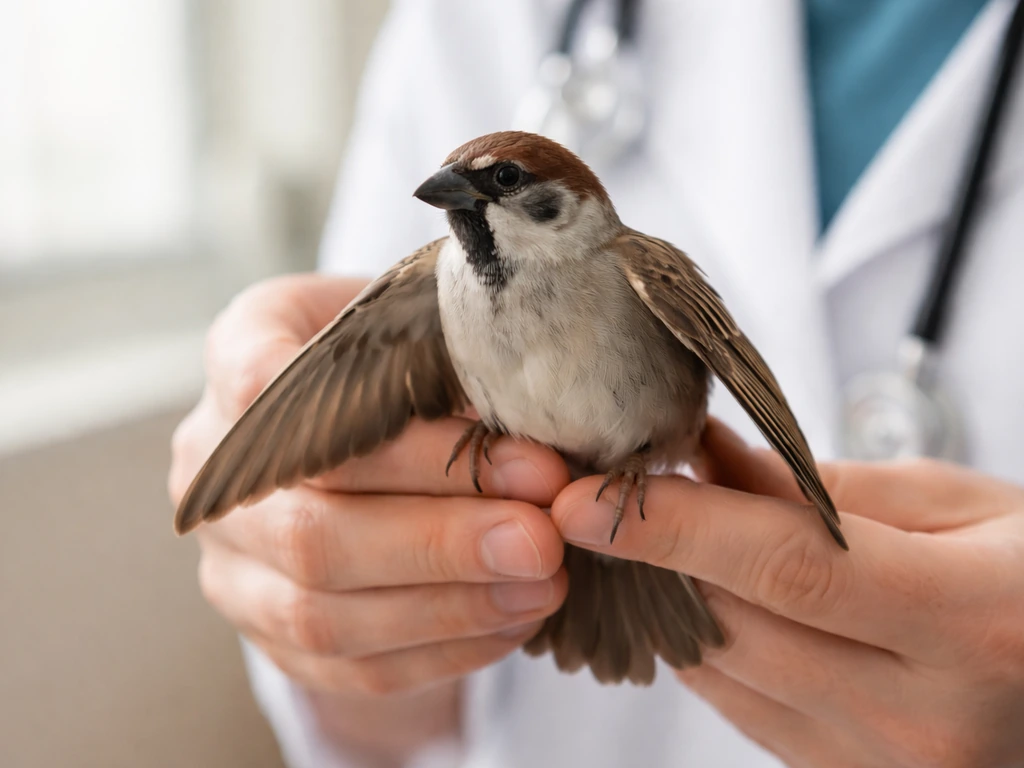
A drooping wing is the most obvious sign of a wing problem. If one wing hangs lower than the other, or the bird holds one wing out away from its body at a strange angle, there's likely a fracture or dislocation involved. The bird may attempt to flap and fail, or may not try at all. You can read more about how to tell if a bird has a broken wing to understand the specific signs in more detail.
Occasionally, a bird might have clipped wings (especially an escaped pet), which looks different from a break. Knowing how to tell if a bird has clipped wings matters here because a clipped bird isn't injured in the same way and has different immediate needs.
Leg injuries
A bird with a leg injury may hold one leg up against its body constantly, limp visibly, or be completely unable to stand. The affected leg might look swollen, bent at an unnatural angle, or be hanging loosely. For a more thorough breakdown of what to look for, the guide on how to tell if a bird has a broken leg covers the key indicators in detail. If the bird is limping but still moving around, what to do if your bird is limping gives you a clear starting point for next steps.
Beak and head injuries
A cracked, bent, or bleeding beak is a serious injury because birds use their beaks for everything. Even a small crack can make it impossible to eat. Head and neck injuries are harder to spot, but look for a bird holding its neck at an abnormal angle, or one that's completely limp and unresponsive. If the neck is involved, figuring out whether a bird has broken its neck is an important distinction, since neck injuries often require immediate triage decisions.
Bleeding and wounds
Visible blood anywhere on the bird means a wound that likely needs professional attention. Pay attention to areas around the wings, legs, and base of the tail. Puncture wounds from cat or dog bites are especially dangerous because they're often small on the surface but cause deep tissue damage and introduce bacteria that can kill a bird within 24 to 48 hours even when the wound looks minor.
Recognizing injuries in specific situations
Wild birds you find on the ground
Before assuming a grounded bird is injured, think about whether it might be a fledgling. Fledglings are fully feathered young birds that have recently left the nest and spend several days hopping around on the ground and low branches while their parents continue feeding them. This is completely normal. The Wildlife Center of Virginia notes that it's often fine to leave fledglings on the ground, keep pets and children back, and [monitor to see if parents return to feed them](https://dwr.
virginia. gov/wildlife/injured/birds/). The Washington Department of Fish & Wildlife echoes this, noting that these "branchers" typically return to flight within a few days. If the bird is mostly feathered and alert, watch it from a distance for 20 to 30 minutes before intervening.
Hatchlings and nestlings are a different story. These are tiny, mostly naked or lightly fuzzed birds that cannot keep themselves warm and cannot survive on the ground. If you find one, look for the nest nearby and return it if you safely can. The American Bird Conservancy confirms that the parent will not reject a nestling because of human scent, so handling it briefly to return it is fine.
Window strike birds

Birds hit windows regularly, and the injury severity ranges from a brief stun to a fatal brain injury. A window-strike bird may be lying on the ground directly below a window, sitting hunched and dazed nearby, or simply looking unresponsive. These birds often have concussions, internal bleeding, or spinal injuries that aren't visible externally. Even if the bird seems to recover and can fly away after a few minutes, there may be an underlying injury. The American Bird Conservancy advises that even a bird that appears able to fly might still have a potentially fatal injury, making it worth contacting a wildlife rehabilitator to assess.
Pet attacks (cat or dog bites)
If a cat or dog has grabbed a bird, treat it as an emergency regardless of how the bird looks. Cat saliva contains Pasteurella bacteria that is almost always lethal to birds without antibiotic treatment, and this needs to start within hours of the injury. Even if the bird looks okay and is sitting upright, a pet attack means you need to get it to a wildlife rehabilitator or avian vet the same day. Don't wait to see if it gets worse. The situation where a bird has hurt its left wing during a pet attack or similar incident is one of the scenarios where delaying care by even a few hours changes the outcome significantly.
Nest emergencies
A nest that has blown down, been damaged by a predator, or had one injured bird remain behind while others have flown is a different kind of emergency. If nestlings are on the ground and cold, they need warmth urgently. If one bird in a nest is obviously injured (bleeding, deformed, or unable to move) while others are fine, try not to disturb the healthy birds unnecessarily. Contact a wildlife rehabilitator for guidance before acting.
Immediate first-aid do's and don'ts
Once you've determined the bird likely needs help, your job is to keep it stable until you can reach a professional. Here's what actually helps versus what can make things worse:
| Do this | Don't do this |
|---|---|
| Place the bird in a cardboard box with small air holes and a towel on the bottom | Don't put the bird in a wire cage or open container where it can injure itself further |
| Keep the box in a warm, dark, quiet room away from pets and noise | Don't handle the bird repeatedly or let children hold it |
| Wash your hands before and after handling the bird | Don't give the bird food or water (Tufts Wildlife Clinic warns that an incorrect diet can injure or kill a bird) |
| Contact a wildlife rehabilitator or avian vet as soon as possible | Don't try to splint a wing or leg yourself without guidance |
| Handle the bird as little as possible and only when necessary to move it | Don't release the bird thinking it will be fine, even if it seems to recover briefly |
The dark and quiet part matters more than most people realize. Birds in shock or pain go into a calmer state in darkness, and noise or light can trigger a stress response that makes their condition worse. The American Bird Conservancy recommends placing an injured bird in a secure, ventilated box in a dark, quiet spot for about an hour while you arrange transport to a rehabilitator.
When to get help urgently and how to find it
Some situations need help today, not tomorrow. Get the bird to a professional the same day if any of the following apply:
- There is visible bleeding or an open wound
- The bird was caught by a cat or dog
- The bird cannot stand or is lying on its side
- There is obvious wing or leg deformity
- The bird is breathing with an open beak or making respiratory sounds
- The bird shows neurological signs: circling, head tilting, seizures
- It's a nestling (small, naked, no feathers) that can't be returned to a nest
To find help near you right now, the fastest approach is to search for "wildlife rehabilitator" plus your city or zip code. In the United States, the National Wildlife Rehabilitators Association (NWRA) and the Wildlife Rehabilitation Information Directory (WRID) both have searchable online directories. You can also call your local animal shelter, humane society, or nature center, as they almost always have a direct contact for wildlife emergencies. If you have a pet bird (not a wild bird) that is injured, an avian-specialist vet is your first call since not all general vets are trained to treat birds.
When you call, be ready to describe what you found, where you found it, what the bird looks like (species if you know it, approximate size), and what symptoms you're seeing. The more specific you are, the faster they can advise you on transport and triage. Most rehabilitators can help you over the phone even before you arrive, and many will walk you through safe handling and containment while you're on your way.
The honest truth from years of working with injured birds: the single biggest factor in whether a bird survives is how quickly it gets to someone qualified to help. Your job isn't to fix it. Your job is to keep it calm, contained, and warm until someone who can actually treat it takes over. You've already done the most important part by stopping to notice and taking it seriously.
FAQ
What if the bird is sitting still but also looks awake (is it just scared or really injured)?
If the bird is alert, can hop or perch briefly, and responds to your presence by moving away, it may be stunned rather than injured. Still keep pets and children back, watch from a distance for 20 to 30 minutes, and only intervene if breathing looks open-mouth, it cannot coordinate its movements, or it does not improve.
How should I pick up an injured bird without making things worse?
Handle a wild bird only long enough to move it into a secure container. Use a towel or glove to gently support the body, avoid squeezing the chest, and do not try to straighten legs or wings. If it is trying to bite or struggle hard, focus on containment and warmth rather than controlling posture.
What container should I use if I need to transport the bird before I can reach a rehabilitator?
If you do not have a box immediately, a shoebox or plastic container with ventilation holes works short term, as long as you keep it dark and quiet. Line the bottom with a soft cloth so it can rest without sliding. Avoid breathable mesh bags, where claws can tangle, and avoid loose towels that can slip into the face and restrict breathing.
Could the bird be overheated instead of injured, and how can I tell?
Yes. Heat stress can mimic distress. If the bird is breathing hard, panting with an open beak, or positioned with wings spread away from the body, move it to a cooler, shaded spot and do not place it on heating pads. For an already injured bird, warmth should be gentle and indirect, not hot.
If I only see a tiny bit of blood, is it still urgent?
Blood does not always mean the injury is superficial. Even a small smear can indicate a puncture, tear, or internal bleeding, especially from pet bites or sharp impacts. If you see blood anywhere (around the eyes, base of tail, wings, or beak), treat it as needing professional care the same day.
The bird seems dizzy or unable to balance. Should I try to feed it or give water?
If the bird has a head tilt, repeated circling, or is unable to stand, do not attempt to feed, give water, or administer medication. Those steps increase the risk of choking or aspiration and can worsen neurological injuries. Keep it in a dark, ventilated container and contact a wildlife rehabilitator for triage.
If a bird hit a window and flies away, should I still do anything?
For window strikes, do not assume recovery equals safety. Some internal bleeding or spinal injury can worsen after a few minutes of movement. Keep it contained in a dark, quiet box and contact a wildlife rehabilitator the same day if there was any fall, prolonged daze, abnormal breathing, or inability to fly.
How do I decide between a normal fledgling and an injured baby bird?
A fledgling can be normal even if it is on the ground, but it should usually look mostly feathered and reasonably alert, and you should see a parent activity nearby. If it is mostly naked, very cold, breathing abnormally, or clearly unable to stand, treat it as needing help immediately. If you are unsure, wait 20 to 30 minutes from a safe distance before intervening.
What should I do if I find a nestling that seems cold or weak?
Nestlings that are cold should be warmed, but use gentle, controlled warmth (a quiet, lined box kept at room temperature range, then slightly warmer if needed). Do not overheat, and place them back in the nest only if you locate it nearby and can do so safely. If you cannot locate the nest or the bird is bleeding or struggling, contact a rehabilitator.
What are the most important situations where I should call the same day, even if the bird looks okay?
Call a professional the same day for any bite or claw injury from a cat or dog, any open-mouth breathing, inability to stand, bleeding wounds, suspected wing fracture, or disorientation. If none of those are present and it seems only briefly stunned, monitoring may be reasonable, but any deterioration means you should escalate immediately.
What simple things should I do while I’m waiting for a wildlife rehabilitator?
You can reduce stress by limiting how long you look at it in direct light, keeping the container covered or placed in a dark area, and avoiding handling while you search for help. Once it is contained, let the bird rest instead of repeatedly checking reflexes or trying to move it onto a perch.
What if a cat or dog was around and the bird seems fine. Is it still an emergency?
If you see a pet nearby and the bird is still on the ground, treat it as an emergency even if it is upright. Also keep the bird away from the pet during containment, because additional stress and repeated handling can worsen shock. Arrange same-day avian care, preferably with wildlife rehab or an avian vet.
Next Articles
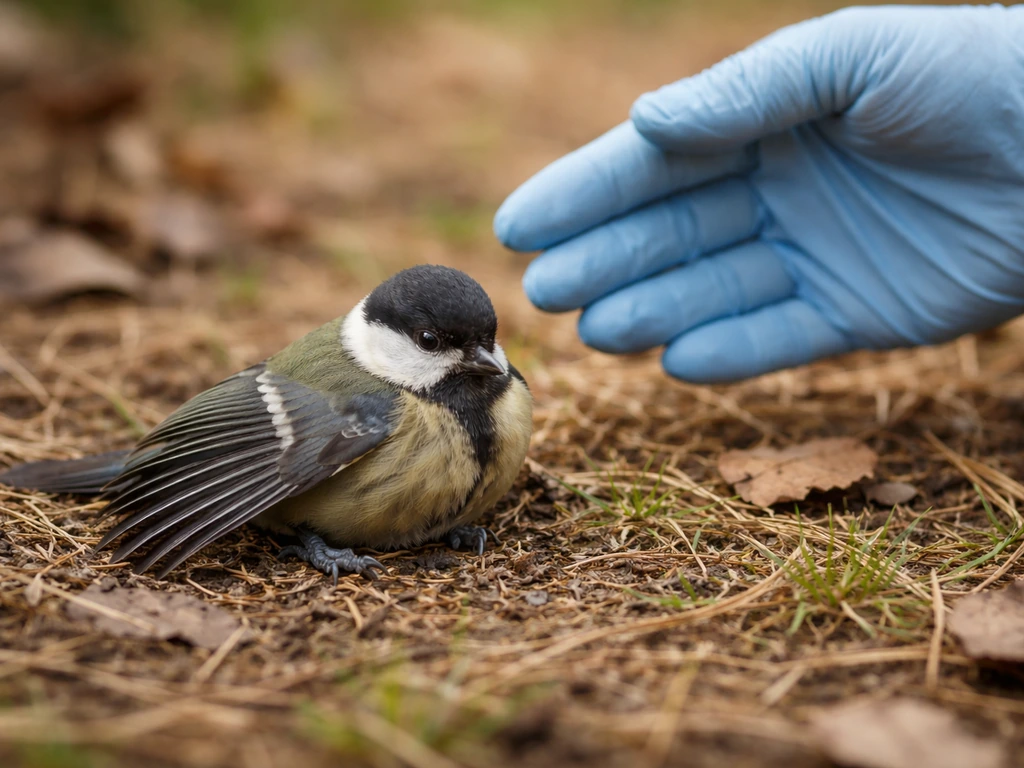
How to Tell If a Bird Has a Broken Wing: Signs and First Aid
Learn signs of a broken wing in birds, what to do first, and when to get urgent avian help safely.
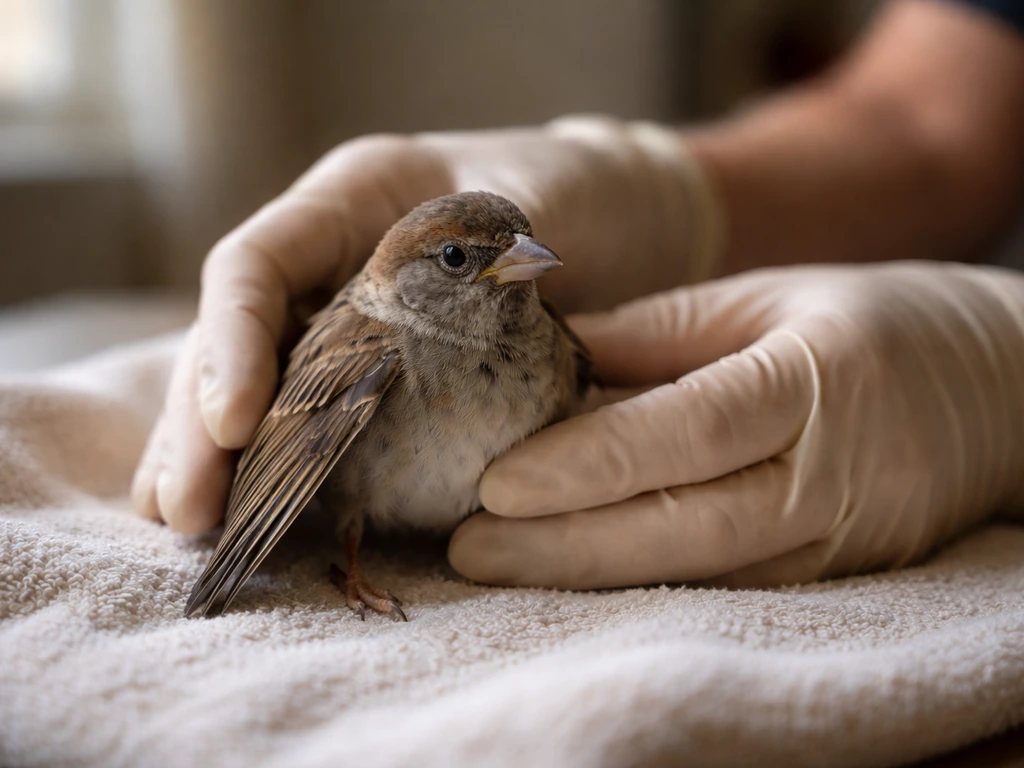
Can a Bird Live With One Wing? Survival and First Aid
Can a bird live with one wing? Injury outcomes and step-by-step first aid, plus when to get urgent help.
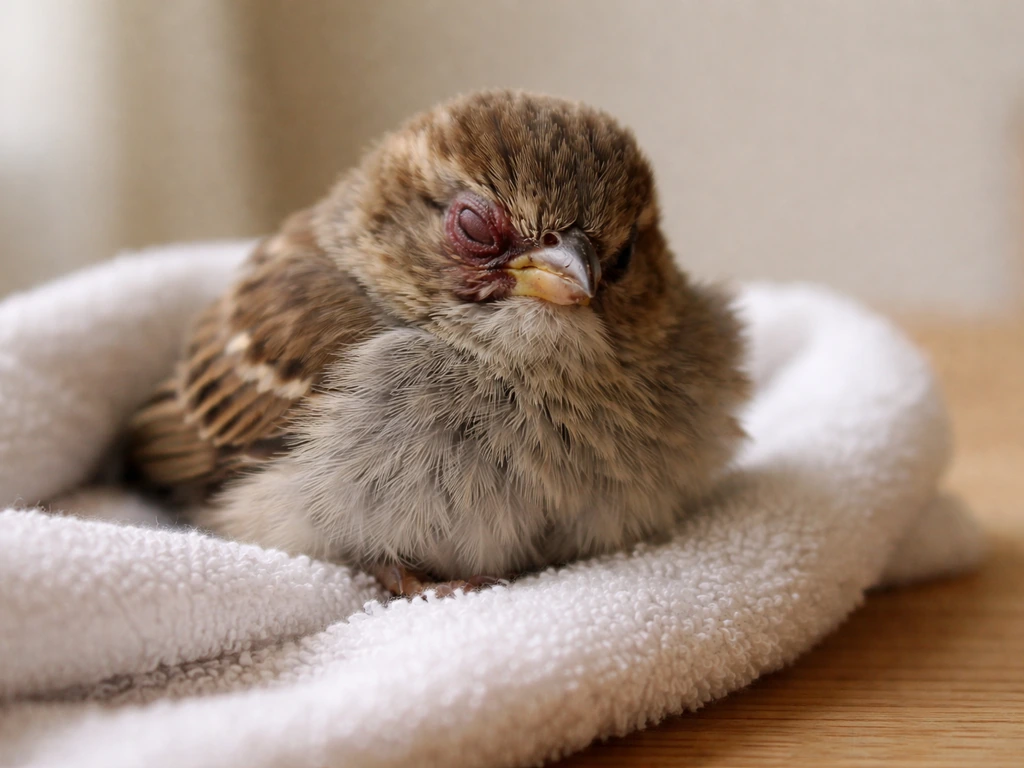
Can a Bird Survive With One Eye? What to Do Now
Learn if birds can cope with one eye and what to do now for an injured bird’s eye safely and urgently.