If a bird is holding one leg up, refusing to put weight on it, or the leg looks like it's pointing in a direction it shouldn't, there's a real chance it's broken. The clearest immediate signs are: the leg hanging loosely with no apparent control, visible swelling or a bend at an unnatural angle, the bird dragging or completely avoiding the leg, and toes that look dark, pale, or feel cold to the touch. If you're seeing any combination of those, treat it as a fracture until a professional tells you otherwise.
How to Tell If a Bird Has a Broken Leg and What to Do
Marcus Chen
29 May 2026
Immediate signs and behavior to look for
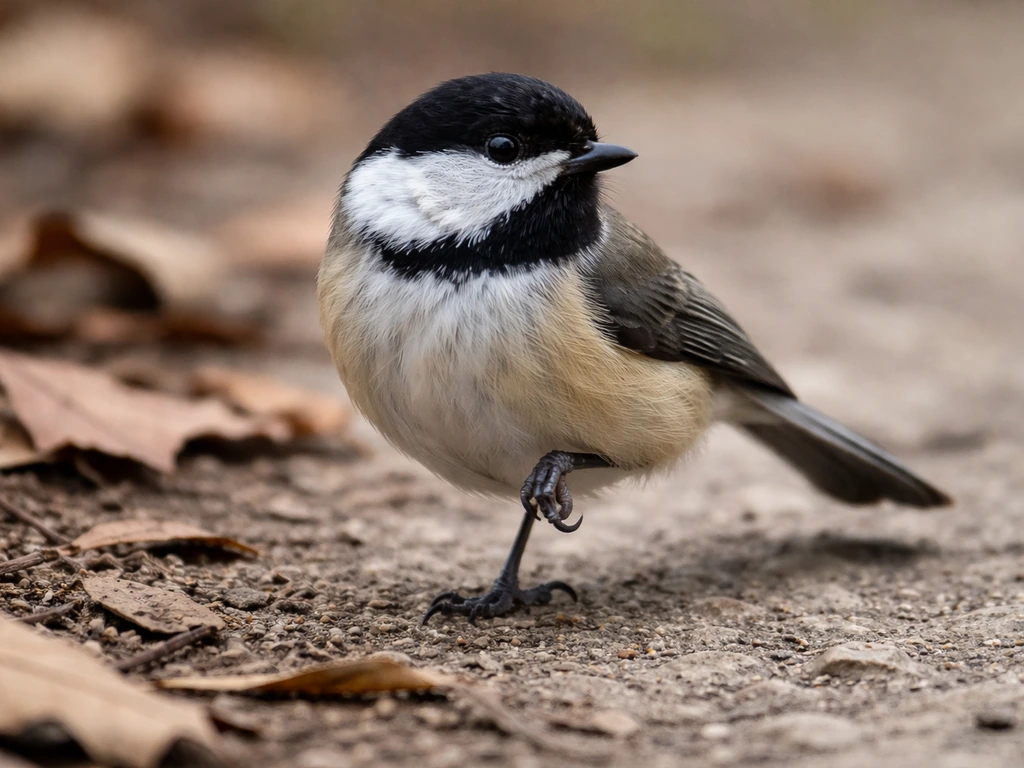
Behavior often tells you just as much as looking at the leg itself. Because clipped wings can look harmless at first, you should also watch for signs of pain, imbalance, or trouble keeping the wing folded normally. A bird with a broken leg will usually try to avoid using it entirely. In pet birds, that might look like staying on the cage floor instead of perching, clinging to the bars with wings for extra support, or sitting very low and hunched. In wild birds, you might see the bird hopping on one leg, flopped on the ground, or just sitting very still when it would normally flee from you.
- Refusing to bear any weight on one leg, or holding it up consistently
- Dragging the leg instead of using it normally
- Abnormal posture: leaning hard to one side, sitting flat on the cage bottom or ground
- Hopping on a single leg in a wild bird that would normally run or walk
- Fluffed feathers, lethargy, or huddled appearance (signs of pain and shock)
- Rapid or labored breathing alongside the leg problem (a stress/pain response)
- Crying out, flinching, or biting when the leg area is approached
Keep in mind that some of these behavior signs overlap with other problems. A sprain, dislocation, or even a neurological issue can look like a fracture from the outside. A concussion or other head trauma can also cause trouble with balance and coordination, so watch for those signs and seek veterinary advice if anything seems off neurological injury. Gout (common in pet birds, especially parrots on poor diets) causes painful swollen joints that can look like a break. You're not diagnosing in this step, just gathering enough information to know how urgently the bird needs help. If you're unsure whether it's a broken leg or something else, the related question of whether the bird is injured at all is worth thinking through carefully before you act. If you need help assessing the situation, this guide can also show you how to tell if a bird is injured.
Visual inspection: swelling, deformity, wounds, and toe color
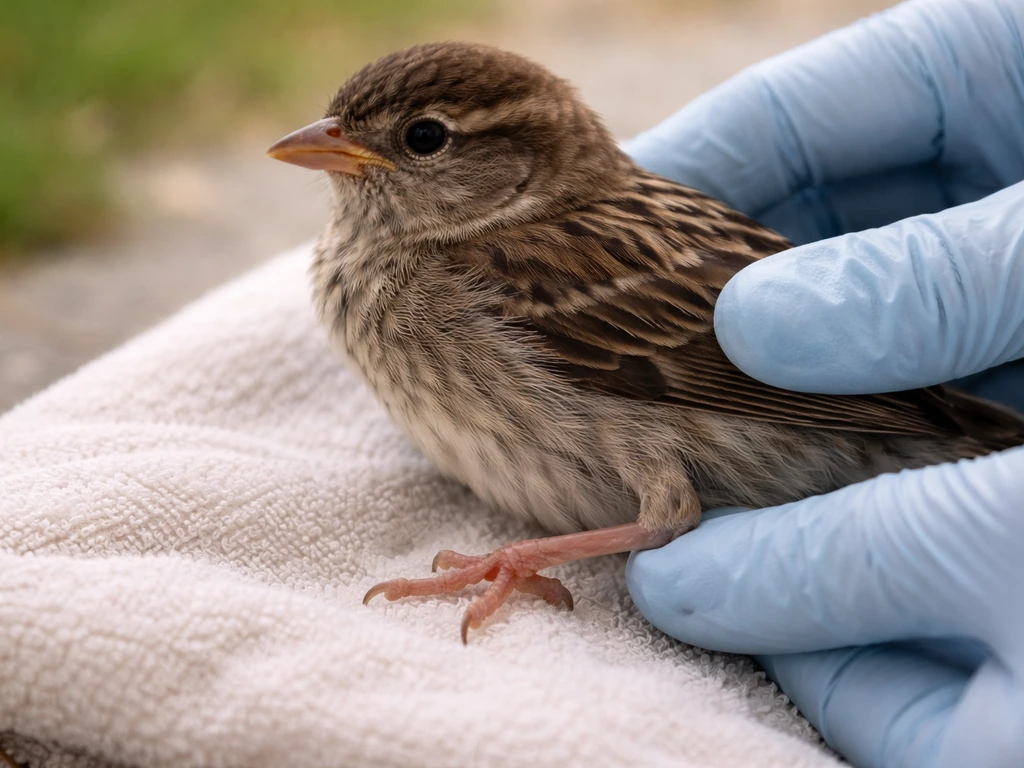
Once the bird is contained and calm (more on that in the next section), do a careful visual check without poking or prodding. You're looking for specific things that help separate a fracture from a soft-tissue injury.
- Visible deformity or abnormal angle: a leg that bends in a place it shouldn't, or rotates outward or inward awkwardly
- Swelling or bruising along the leg, knee joint, or ankle area
- An open wound, blood, or exposed bone (this is a veterinary emergency, full stop)
- The leg hanging completely limp with no muscle tension at all
- Toe color: healthy toes are pink or warm-toned depending on species; very dark, purple, or black toes suggest poor circulation and possibly a fracture with vascular damage
- Cold toes: if the toes feel noticeably cold compared to the rest of the body, circulation is compromised
- Skin tenting or unusual texture near the injury site
Darkening or discoloration of the toes is one of the most important things to check. Darkening or discoloration of the toes can help you tell if a bird has a broken wing, since circulation problems can show up in the digits. It's a red flag that blood flow is being cut off, whether from swelling around a fracture, a tight ring or band (in pet birds), or direct vessel damage. Don't ignore it. Similarly, any active bleeding or exposed bone means you should skip the full assessment and go straight to calling for help while providing basic stabilization.
Safe at-home assessment without making things worse
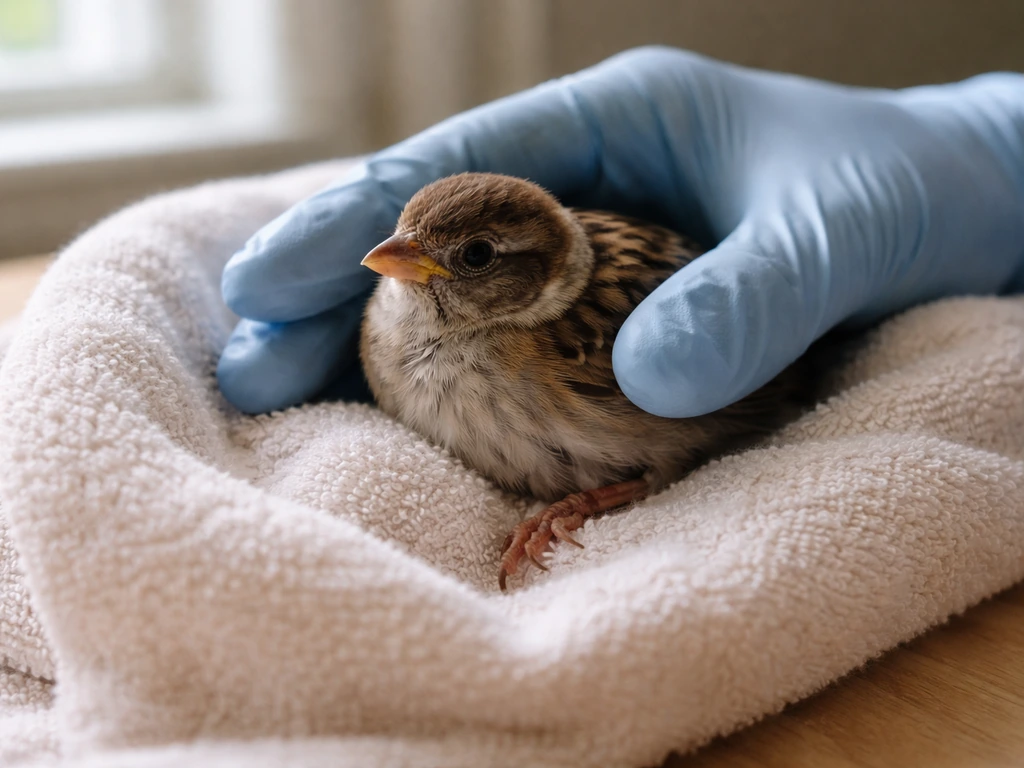
The biggest mistake people make when assessing an injured bird is handling it too much. Birds are fragile, and stress alone can kill them, especially small wild birds that are already in shock. The goal of your assessment is to observe more and touch less.
How to approach and contain the bird safely
For wild birds, approach slowly and quietly from the side rather than from above (which feels predatory). Drape a light towel or cloth over the bird to reduce visual stimulation and get a gentle two-handed hold around the wings and body. Don't squeeze. For pet birds, dim the room lights slightly before reaching into the cage and speak calmly. Once you have the bird, minimize the time you spend handling it.
How to check without causing more damage
Support the entire body weight in both hands so the bird isn't dangling by the injured leg. Look at the leg from multiple angles without rotating it. You can very gently extend the leg slightly to see if there's obvious deformity, but do not try to straighten it, compare it to the other leg by forcing it into position, or probe for crepitus (that grinding sensation at fracture sites). That level of examination needs to happen at a vet's office, not your kitchen table. Even if you suspect the bird has hurt its left wing instead of its leg, treat it as an injury and seek professional help urgently. Check toe color and warmth, note any wounds, and then place the bird in a secure container. That's enough.
One useful check: watch whether the bird can grip with the toes of the injured leg. If the toes have any grip strength at all, that's a positive sign for circulation and nerve function. Complete absence of grip or any movement in the toes alongside a limp leg suggests a more serious injury, possibly with nerve involvement, and should make you more urgent about getting professional help.
First aid and stabilization steps for a suspected broken leg
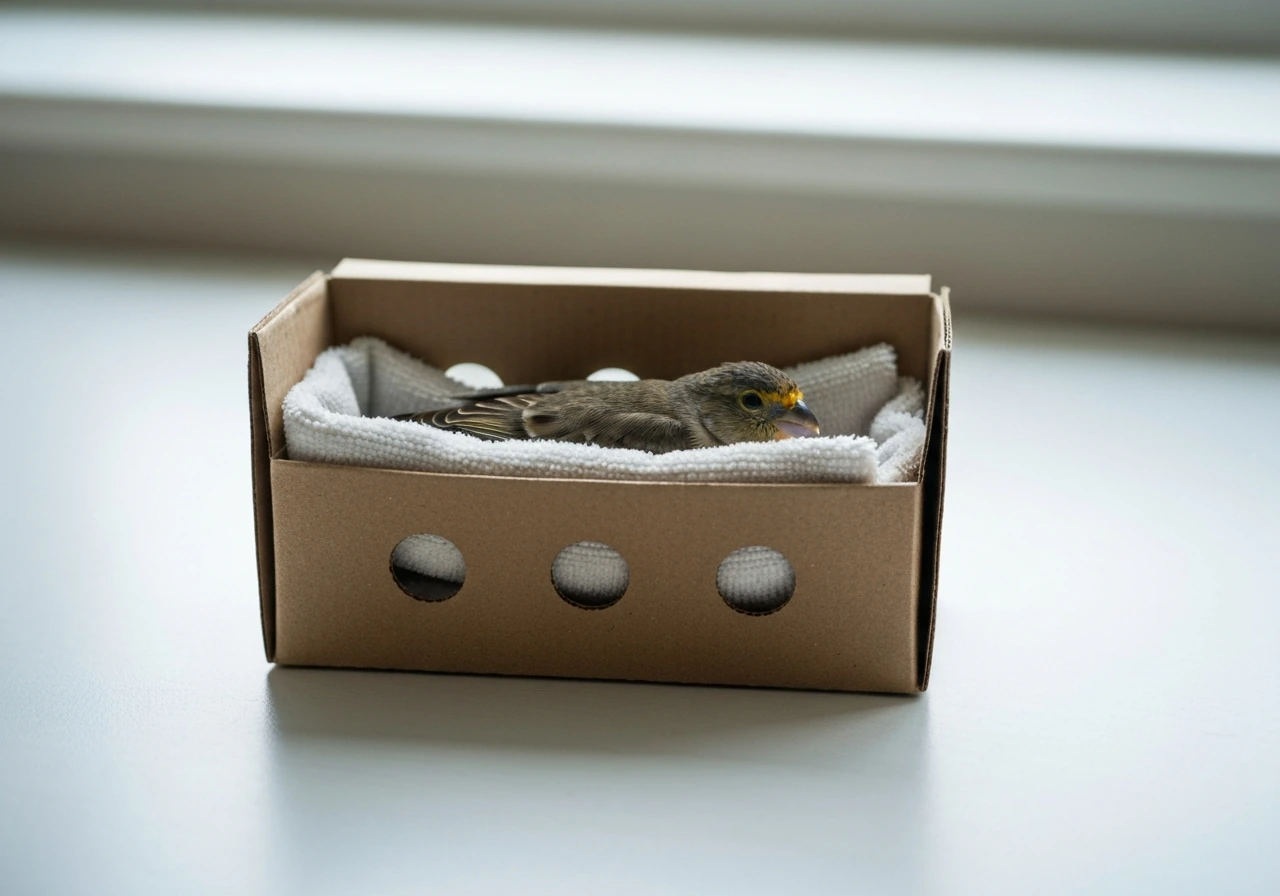
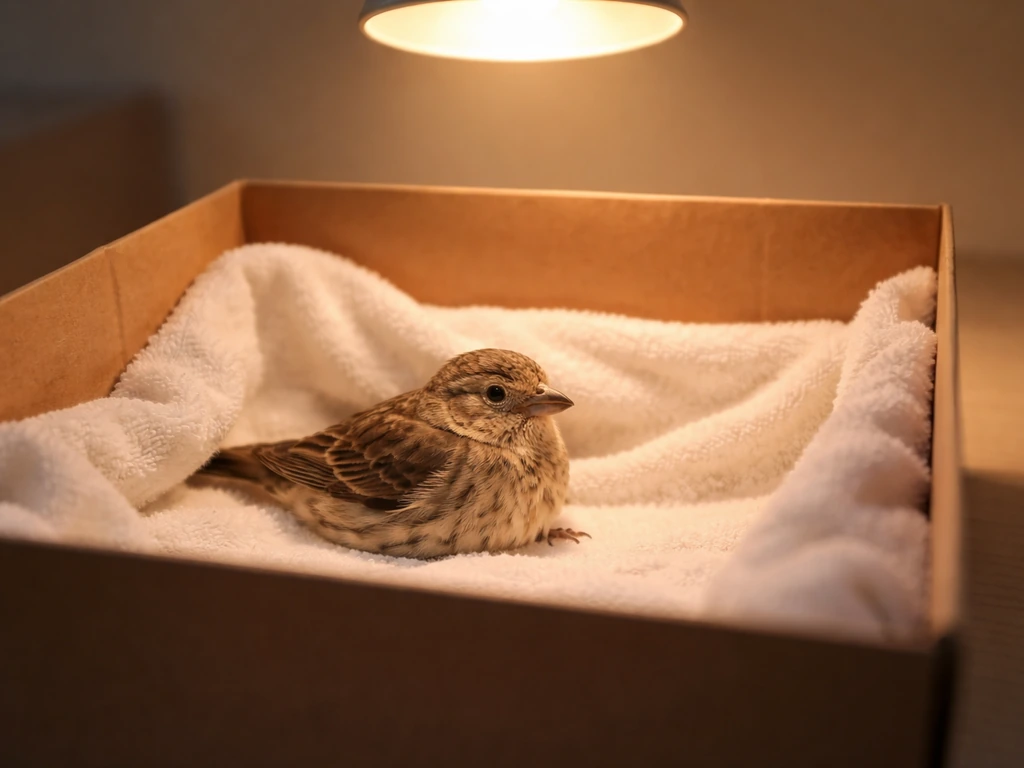
First aid for a bird with a broken leg is mostly about doing the right nothing: keeping the bird calm, warm, and still while you arrange real care. Tufts Cummings Wildlife Clinic recommends keeping the bird warm, dark, and quiet, and transporting it in a crate or box with the car quiet (radio off) blank" rel="noopener noreferrer">keeping the bird calm, warm, and still. If your bird is limping, treat it seriously and focus on keeping it calm, warm, and still until you can get professional help. Here's the practical sequence.
- Contain the bird immediately. A shoebox or small cardboard box lined with a soft cloth or paper towels works well. Make sure the container has ventilation holes but isn't so large the bird can thrash around.
- Darken the environment. Cover the box with a light towel or place it somewhere dim. Darkness calms birds significantly and reduces stress-related complications.
- Keep the bird warm but not hot. Place the box somewhere around 85-90°F if possible. A hot water bottle wrapped in a towel placed next to (not under) the container works well. Do not use a heat lamp, which can burn skin and dry out mucous membranes.
- Restrict movement. The more the bird moves, the more damage a fractured bone can do to surrounding tissue. A snug (not tight) box discourages movement without compressing the injury.
- Control active bleeding only. If there is a wound bleeding actively, apply gentle direct pressure with a clean cloth or gauze. Do not apply ointments, creams, or antiseptic sprays to feathers or skin unless a vet specifically tells you to. Commercial hemostatic powder (styptic powder) can help stop minor bleeding if you have it.
- Do not give food or water during transport. A stressed, injured bird can aspirate easily, and forcing food or water causes more harm than brief withholding.
- Call ahead. While the bird is resting in the box, start finding your nearest avian vet or wildlife rehabilitator right now.
When a splint might be appropriate vs. when to leave it alone
This is where honest advice matters: for most people reading this, splinting a bird's leg at home is not recommended. Bird bones are small, hollow, and fragile. An incorrectly applied splint can restrict circulation (leading to permanent damage or amputation risk), cause a simple fracture to become a compound one, and add a painful layer of stress to an already-compromised bird. Most professional guidance is clear: do not try to splint a limb yourself unless you have specific training.
The only scenario where minimal at-home immobilization might be appropriate is if you are genuinely hours away from any professional help and the leg is clearly fractured and moving freely in a way that's causing ongoing tissue damage. In that case, very light padding (a small folded piece of gauze or soft cloth loosely secured with medical tape, not wound tightly) around the leg to reduce movement is better than nothing. But even then, the goal is immobilization, not correction. Do not try to realign the bone.
| Scenario | Recommended action |
|---|---|
| Vet or wildlife rehabber reachable within 1-2 hours | No splint. Keep bird warm, dark, still, and transport immediately |
| No professional help available for many hours, leg moving freely causing damage | Very light padding only, no tight wrapping, do not align bone |
| Open fracture with exposed bone | Do not splint. Cover loosely with clean damp gauze, seek emergency help immediately |
| Suspected sprain or minor injury, no deformity | Rest and containment only, professional assessment still recommended |
| Pet bird with good owner experience and avian vet on call | Follow vet's phone guidance specifically rather than any general advice |
Urgent red flags and when to call a vet or wildlife rescue
Some situations don't need a decision tree. If you see any of the following, stop reading and start making calls right now.
- Exposed bone or an open fracture wound
- Bleeding that does not stop within a few minutes of gentle pressure
- Toes that are dark purple, black, or noticeably cold compared to the rest of the body
- Complete inability to stand even when carefully supported
- Signs of shock: fluffed feathers, eyes half-closed, cold to the touch, sitting flat, rapid or labored breathing
- The bird is completely limp or unresponsive
- Any head injury suspected alongside the leg problem (relevant if the bird hit a window, for example)
For pet birds, call your avian vet directly. If it's after hours, most avian vets have an emergency line or can refer you to an emergency exotic animal hospital. For wild birds, the fastest path is usually a licensed wildlife rehabilitator rather than a general vet, since rehabilitators are specifically trained and equipped for wild bird fractures. You can find one through your state or regional wildlife agency, the National Wildlife Rehabilitators Association directory, or by searching your local Audubon chapter's resources. When you call, have ready: the species if you know it, a description of what you observed, roughly how long the bird has been injured, and what you've already done.
Don't be discouraged if it takes a few calls. Wildlife rescue networks vary a lot by region and season. If one place is full or unavailable, ask them for a referral rather than hanging up. Most rehabilitators know their local network well.
Preparing for transport and supporting recovery
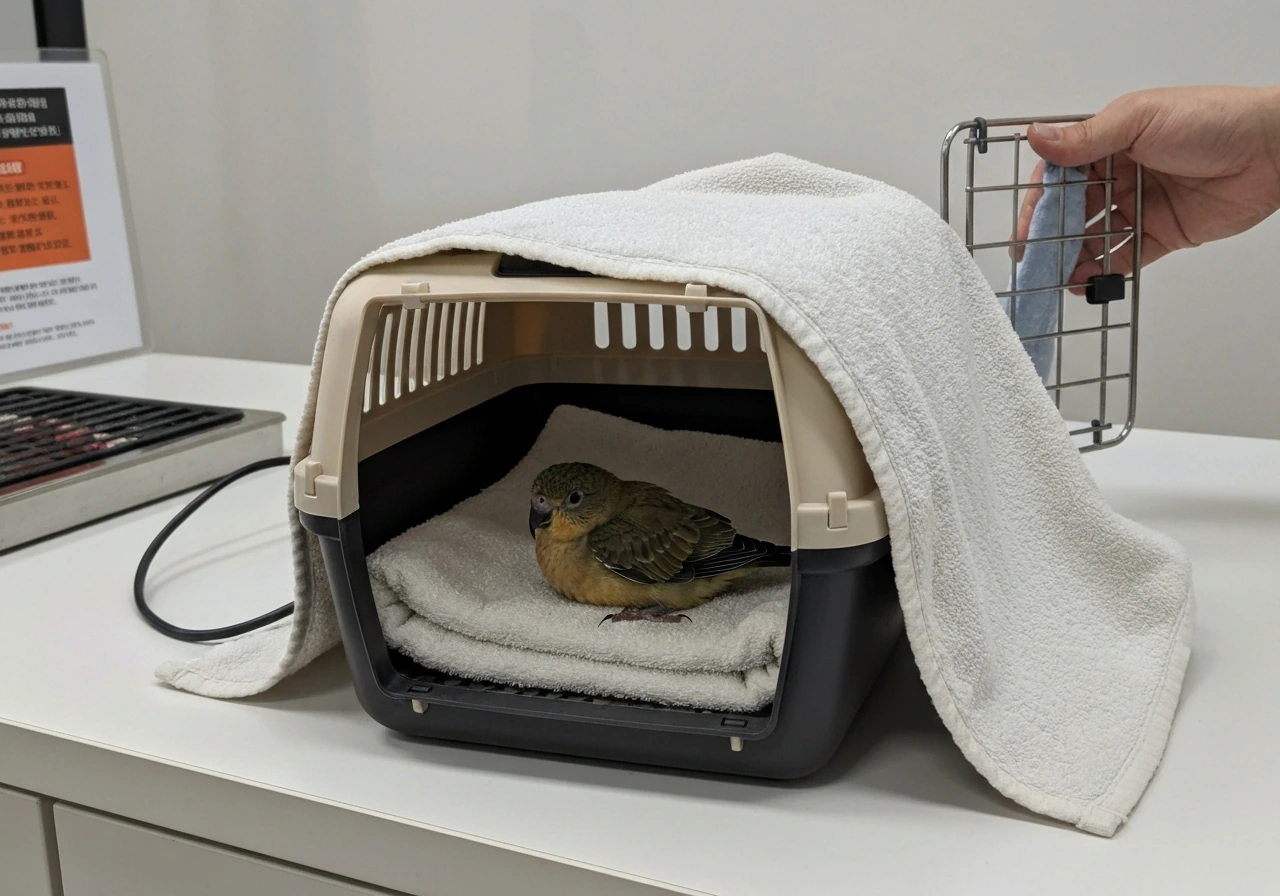
Once you have a plan and a destination, getting transport right matters more than most people realize. A bird can deteriorate significantly during a stressful car ride if the setup is wrong. AZ Wildlife Resource also advises keeping rescued wildlife warm, dark, and quiet during interim transport, and not offering food or water until professionals can assess the bird.
- Use a cardboard box or carrier large enough that the bird isn't pressed against the walls but small enough that it can't throw itself around
- Line the bottom with a non-slip surface: a folded cloth, paper towels, or a thin piece of rubber shelf liner
- Place a warm (not hot) water bottle wrapped in a towel beside (not under) the box if the bird seems cold or in shock
- Keep the box on the seat or footwell, secured so it won't slide
- Turn the radio off and keep conversation low during the drive
- Do not check on the bird every few minutes by opening the box. Let it rest
For pet birds you've had for years, it's worth starting a relationship with an avian vet before an emergency happens. General practice vets see birds occasionally, but avian specialists or vets with exotic animal experience make a real difference in fracture outcomes. Birds have faster healing potential than most people expect when they get proper care quickly, especially younger birds with good bone density.
At home after initial treatment, your role is mostly supporting the professional plan: restricting movement, keeping the bird warm and calm, and administering any prescribed medications correctly. Resist the urge to let the bird move around freely too soon. Fractures in birds can heal surprisingly fast, sometimes within a few weeks for small species, but early movement before the bone sets properly can mean a poor outcome. Follow the rehabber's or vet's guidance on activity restrictions and cage setup, and ask about appropriate perch height and surface texture during recovery, since those details really do affect how well the leg heals.
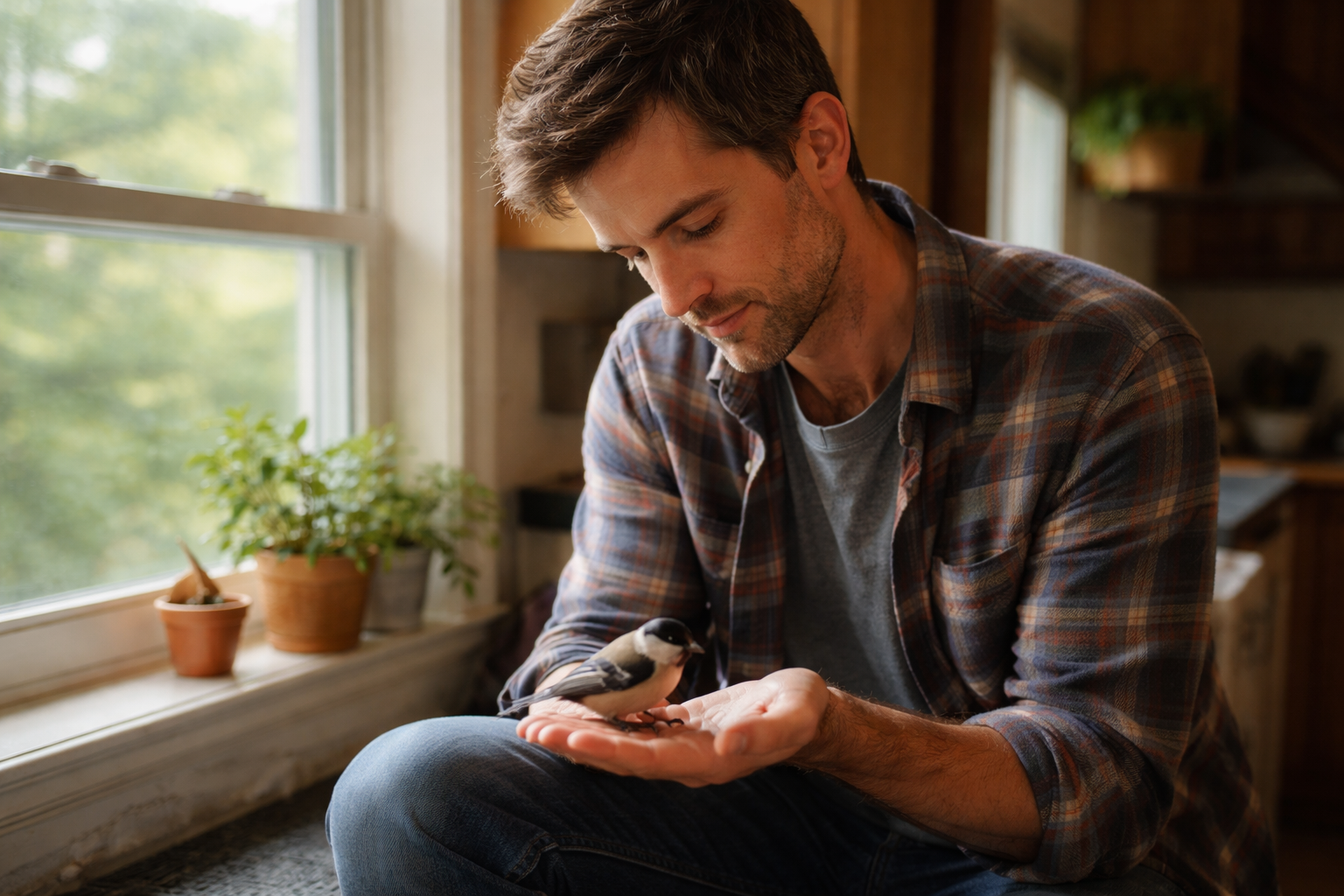
If you found a wild bird and are supporting its recovery temporarily, remember that keeping it as a permanent pet is illegal in most places without a permit, and habituating it to humans often reduces its chances of surviving after release. The goal the whole time is getting it to a professional and then back to where it belongs.
FAQ
Can a bird hold its leg up even if it does not have a broken leg?
Yes. Pain from a sprain, gout, or nerve-related problems can also cause leg-holding and refusal to bear weight. If the toe color is abnormal (dark, pale, or cold) or you see an unnatural bend, treat it as fracture-level urgency rather than waiting for it to improve.
How can I tell the difference between a fracture and a joint or toe injury?
A fracture often comes with visible swelling, a shape that looks off from multiple angles, or dragging that the bird cannot correct. Toe problems may show more localized swelling or discoloration in specific digits without the whole leg looking deformed. If you cannot clearly rule out a blood-flow issue, prioritize professional evaluation.
What does a “broken leg” look like in terms of bone deformity, and when should I stop checking?
Look for a leg that points in a direction the other leg does not, obvious angulation at one spot, or exposed bone and active bleeding. Once you notice bleeding or any bone exposure, do not continue a deeper exam, start arranging urgent care, and focus only on keeping the bird warm and still.
My bird’s toes look dark, but the leg does not look obviously crooked. Is that still serious?
It can be. Darkening or cold toes can indicate circulation problems from swelling, a tight ring, or vessel damage even when the overall leg alignment looks less dramatic. That toe circulation red flag is enough to treat the situation as urgent.
Should I remove a ring or band if it seems stuck on the injured leg?
If a band is on the leg and swelling is present, you should prioritize urgent care, but do not cut and remove it if you are not sure what you are doing. Swelling can trap tissue, and tightness can worsen circulation quickly. If the bird is cold, pale, or the toes are dark, calling immediately is the safest step.
Is it safe to splint a bird if I have medical tape or gauze?
In general, no, splinting at home is risky because improper immobilization can restrict circulation or increase pain. The only limited exception described is a very light, non-tight padding method when professional help is hours away and movement could be causing ongoing tissue damage, without trying to realign bone.
How do I check toe function without hurting the bird?
After the bird is calm and supported, watch rather than manipulate. Look for grip by gently observing whether the toes can curl and hold when the bird is supported. Avoid forcing position, and if toe movement or grip is completely absent with a limp, that is a stronger sign of a more serious injury.
What should I do if the bird is alert but keeps hopping or sitting low?
Those behaviors can still fit leg fracture or other serious issues, especially if weight-bearing is refused. The immediate goal is to minimize movement, keep it warm, and place it in a secure container for transport rather than letting it continue hopping around the enclosure.
How warm should I keep the bird while waiting for help?
Keep the bird comfortably warm, not overheated. Use gentle warmth such as a soft, controlled heat source near the container (so the bird can move away if needed). Avoid direct heat on the skin, and do not apply anything that could press on the injured leg.
Do I need to separate the injured bird from other pets or birds right away?
Yes, if there is any risk of pecking, chasing, or additional pressure on the injured leg. Stress and repeated minor trauma can worsen swelling and delay healing. Place the bird in a quiet, secure container away from other animals.
How should I transport a pet bird with a suspected leg fracture?
Plan for minimal jostling and minimal handling time. Use a secure carrier or ventilated container, keep the bird warm and dim the environment, and prevent the bird from climbing or stretching. The ride itself can cause rapid deterioration if movement and stress are not controlled.
What if I am not sure whether it is a leg injury or a wing injury?
Treat it as an injury that needs urgent professional input, do not assume it is just one body part. Support the full body, check toe color and warmth, and get help quickly, because serious circulation or nerve issues can be missed if you focus only on the most obvious limb.
If the bird improves after a few hours, can I wait to get care?
Do not assume improvement means the injury is minor. Some fractures and circulation issues can temporarily look better due to reduced movement or swelling changes. If there were red flags like unnatural angulation, refusal to bear weight, or abnormal toe color, get professional evaluation anyway.
Next Article
How to Tell If a Bird Has a Concussion and What to Do
Checklist for spotting bird concussion signs and first aid, with go-now red flags and next steps for vet care