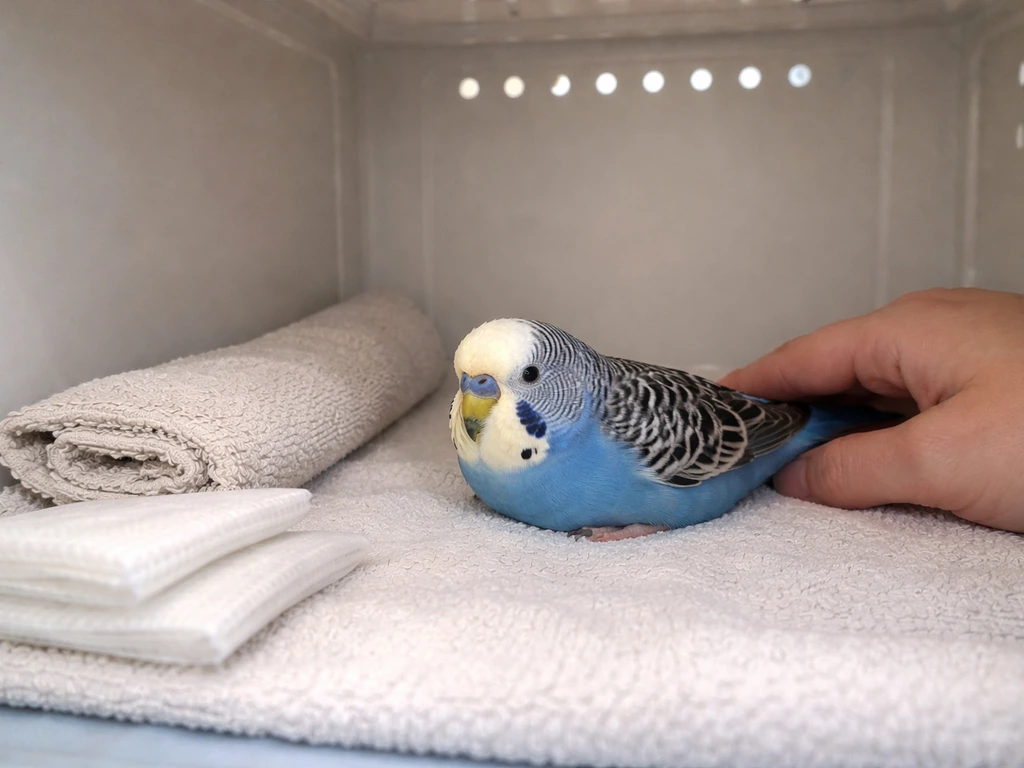
If a bird you've found can flap but can't gain height, lands awkwardly, or keeps gliding downward instead of flying up, clipped wings are a real possibility, especially if it's a pet bird. Clipped wings are trimmed intentionally: typically the outermost 5 to 6 primary flight feathers are cut about halfway between the base and the tip, leaving the bird grounded or nearly so. But clipped wings look and behave differently from a broken or sprained wing, and telling them apart quickly matters because one situation needs a wildlife rescue or vet call right now, and the other mostly needs safe containment and a calm environment while you figure out next steps.
How to Tell If a Bird Has Clipped Wings: Quick Steps
Marcus Chen
24 May 2026
Why the bird can't fly (and why clipping is worth considering)
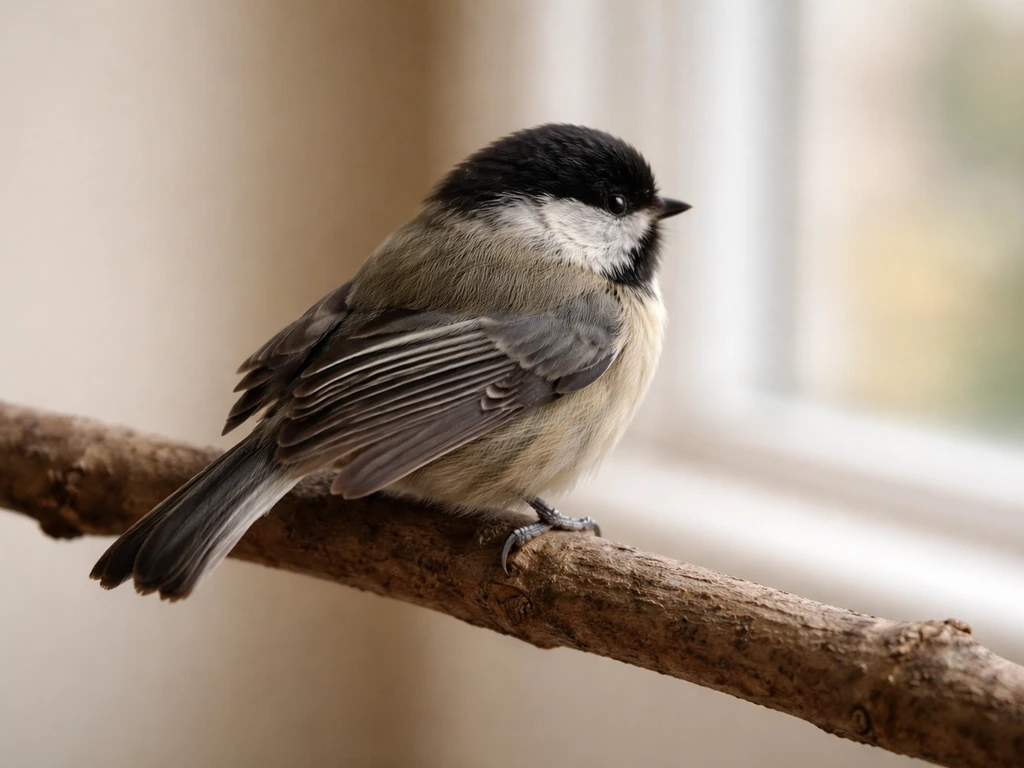
Not every bird that can't fly is injured. That sounds obvious, but it's easy to panic when you see a bird struggling to get off the ground. There are actually several common reasons a bird might be flightless or nearly so: a broken or sprained wing, a window collision leaving it stunned, a cat or dog attack, illness or shock, or intentional wing clipping done by an owner. This last one only applies to pet birds, so the first question to ask yourself is: where did you find this bird? A parrot, cockatiel, parakeet, or other obviously domestic bird found in a backyard or on a sidewalk is far more likely to have clipped wings than a sparrow or robin. Wild birds are never clipped, so if you're looking at a wild species and it can't fly, assume injury or illness until proven otherwise.
Pet birds escape more often than people realize, and a clipped bird that gets out has no way to fly back or escape predators. That's often how they end up in your yard looking helpless. So context matters a lot here. If the bird looks like a pet species (bright colors, calm around humans, no fear response), clipping is a strong possibility. If it looks wild and is acting frantic or is limp and unresponsive, you're almost certainly dealing with something else, and the guidance on identifying other injuries like a broken wing or signs of a concussion from a window strike may also be relevant.
What clipped wings actually look like
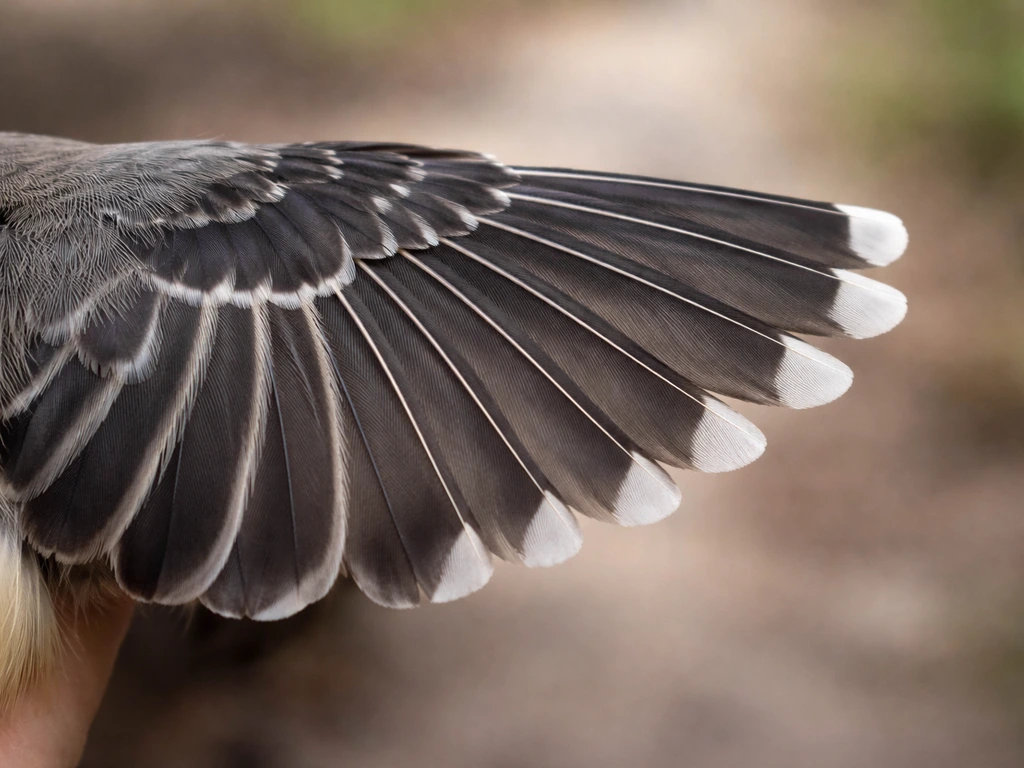
The most reliable visual clue is the feather tips when the wings are gently extended or even when the bird is resting with wings folded. In a healthy, unclipped bird, the primary flight feathers (the long feathers at the outer part of the wing) taper to a natural, smooth point. In a clipped bird, those tips are blunt and straight across, like someone took scissors to them, because they did. You're looking at cut ends rather than natural feather tips.
A typical clip removes about the outermost 5 to 6 primaries down to roughly halfway between the feather base and its natural tip. Some trims go shorter, cutting the primaries down to just below the level of the shorter covering feathers called coverts. Either way, the result is a visibly shortened outer wing with blunt, straight-cut feather edges. If the bird is partway through regrowing those feathers after a molt, you might see a mix of short blunt feathers and newer ones growing in, which can look uneven and a little ragged but is normal for a bird in the process of regaining flight.
One thing that can throw you off: some owners use a cosmetic clip that leaves the outermost one or two primaries intact, so the wing looks more normal at a glance. In that case you'd need to look more carefully at the feathers just inside those outer ones. Also watch for blood feathers, which are new feathers still growing in that have a dark, waxy shaft and a visible blood supply. These are normal during regrowth but are fragile and shouldn't be touched or pulled.
| Feature | Clipped Wings | Healthy Unclipped Wing | Injured Wing |
|---|---|---|---|
| Feather tips | Blunt, straight-cut edges | Smooth natural taper to a point | May be bent, missing, or bloody |
| Symmetry | Usually both wings clipped evenly | Both wings identical and full | Often one wing affected; asymmetrical droop |
| Wing position at rest | Normal, folded close to body | Normal, folded close to body | May hang lower, stick out, or be held awkwardly |
| Visible damage | No blood, no swelling, clean cuts | None | Possible bleeding, swelling, or bruising |
| Feather length | Shortened outer primaries | Full-length primaries | Feathers may be intact or damaged |
| Bird's demeanor | Often alert, calm, perching normally | Alert and active | Fluffed, lethargic, or in obvious distress |
Functional checks: what the bird does (and doesn't do)
How the bird moves tells you almost as much as how it looks. A clipped bird will typically flap enthusiastically but simply can't generate enough lift to fly upward. It may glide downward in a controlled way, land somewhat clumsily but without crashing, and then walk or hop around normally once on the ground. It can usually perch, grip, and balance without trouble. This is the key functional signature of a clipped bird: the legs and body work fine, the bird is alert and reactive, and the flapping motion itself looks symmetrical and strong even though it doesn't produce flight.
A bird with a broken or sprained wing behaves differently. If you suspect a neck injury, watch for signs like extreme weakness, difficulty standing, or an unusual head position, and seek urgent veterinary or wildlife help broken or sprained wing. It may hold one wing lower than the other, tuck the affected wing in an odd angle, or avoid using it altogether. If the bird holds one wing lower than the other, such as the bird has hurt its left wing, treat that as possible trauma rather than clipped-wing behavior. If you watch it try to flap, the movement is often uneven, with one side flapping normally and the other barely moving or moving at a strange angle. The bird may also be reluctant to move at all. If your bird is limping, that can be a sign of injury, shock, or pain, so you should treat it as urgent and contact an avian vet or wildlife rehab as appropriate. A wing fracture, sprain, or bite wound from a cat is real trauma, not just a flight limitation, and that's a critical distinction. If you suspect the injury is more than clipping, use these tips on how to tell if bird has broken wing to guide what you do next. Similarly, if the bird seems dazed, is sitting on the ground with eyes half-closed, or doesn't react when you approach, that's not a clipping issue.
Try to observe the bird for a minute or two without handling it if you can. Watch whether it holds both wings evenly, whether it tries to move and how it moves, whether it's responsive to your presence, and whether it attempts to perch or right itself. These observations are safer for the bird than picking it up immediately and will tell you a great deal.
Red flags that point to injury, shock, or something more serious
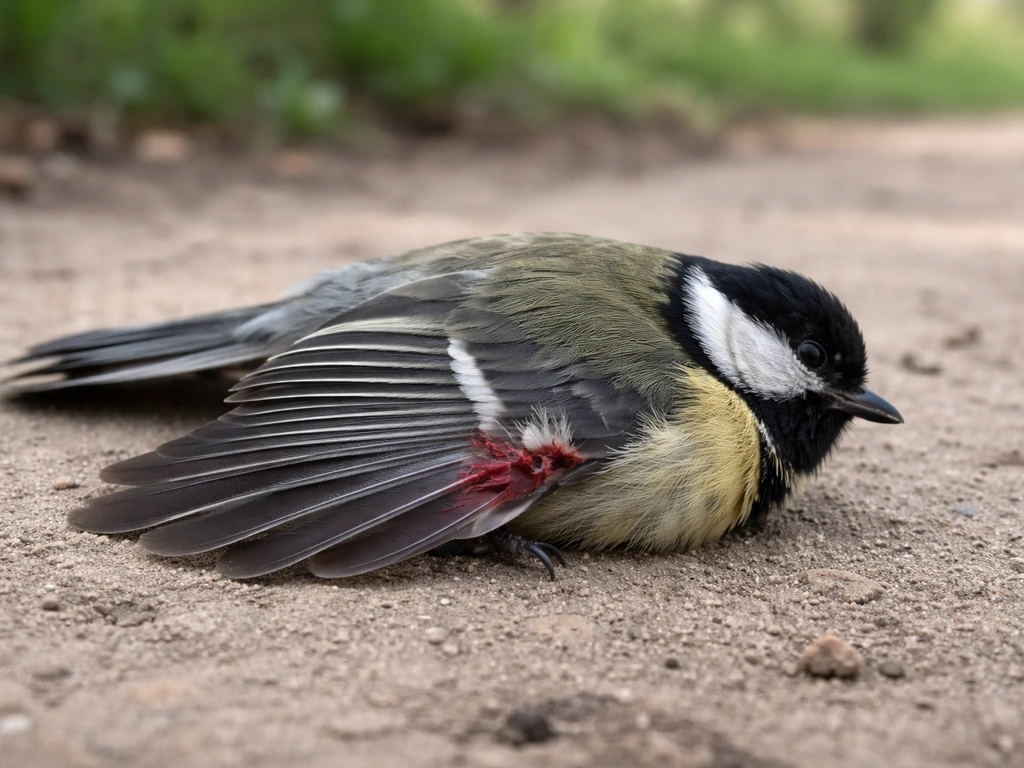
Even if you've spotted blunt feather tips and think you're looking at a clipped bird, do a quick check for these warning signs before you conclude everything is fine. Any of these means you treat the situation as a potential injury and get professional help:
- Visible blood anywhere on the wings, body, or feathers
- Swelling, deformity, or an obviously wrong wing angle (one wing hanging noticeably lower than the other)
- Open-mouth breathing, tail bobbing up and down with each breath, or labored breathing
- The bird is completely unresponsive or barely reacts to being approached
- Eyes closed or partially closed during daylight when the bird isn't clearly sleeping
- The bird is on its side or unable to right itself
- Inability to perch, grip, or bear weight on its legs
- Visible wounds, puncture marks, or missing patches of feathers (a sign of a cat or dog attack)
- Dragging a leg or one leg held at a strange angle
- Fluffed-up feathers combined with lethargy (a classic sign of illness or shock)
A wing drooping lower than the other after a known or suspected incident is one of the clearest indicators of a fracture or dislocation rather than simple clipping. Clipping doesn't cause asymmetry in wing position at rest. If one wing hangs and the other is held normally, you're looking at trauma. The same logic applies if the bird was found near a window (possible concussion from a collision), near a cat or dog, or in an area where it could have been hit by something. A concussion after a window collision can also cause confusion, unusual weakness, or trouble balancing, so treat it as a medical issue signs of a concussion. In those cases, the cause of the flight problem almost certainly isn't clipping.
What to do right now, before you can get help
Whether you're dealing with a clipped pet bird or a potentially injured one, the immediate steps are similar: contain the bird safely, minimize handling, keep it calm, and don't try to feed or treat it at home. Here's how to do that without making things worse:
- Prepare a container first. A cardboard box or a carrier lined with a soft towel works well. Make sure it has small air holes but is otherwise mostly dark and enclosed. Dark surroundings reduce stress significantly.
- Pick the bird up gently using a light towel or cloth, not your bare hands. Wrapping loosely keeps the wings against the body and prevents thrashing, which can cause or worsen injury.
- Place the bird in the container and close it securely. The bird should not be able to see out, which keeps it calmer.
- Put the container somewhere warm, quiet, and away from pets, children, and loud noises. Room temperature is fine for most situations. If the bird seems cold or the weather is cold, place a warm (not hot) water bottle wrapped in a towel against one side of the box so the bird can move away from it if needed.
- Do not give food, water, or any medication. This is consistent guidance from virtually every wildlife and avian organization. Food and water given incorrectly can cause aspiration or other harm, and you don't know yet what you're dealing with.
- Do not attempt to splint, bandage, or treat any injury yourself. First aid at home is interim care only, not a substitute for proper avian veterinary care.
- Keep the environment quiet during transport. Turn off the car radio and avoid talking loudly near the container.
If you're confident you're looking at a clipped pet bird with no signs of injury (alert, responsive, symmetrical wings, no blood or swelling, perching normally), the urgency is lower but you still need to act. A clipped bird outside is completely vulnerable to predators and exposure. It needs to be contained safely and either reunited with its owner or assessed by an avian vet who can confirm the feathers are the only issue.
Rescue and wildlife rehab vs. avian vet: which call to make
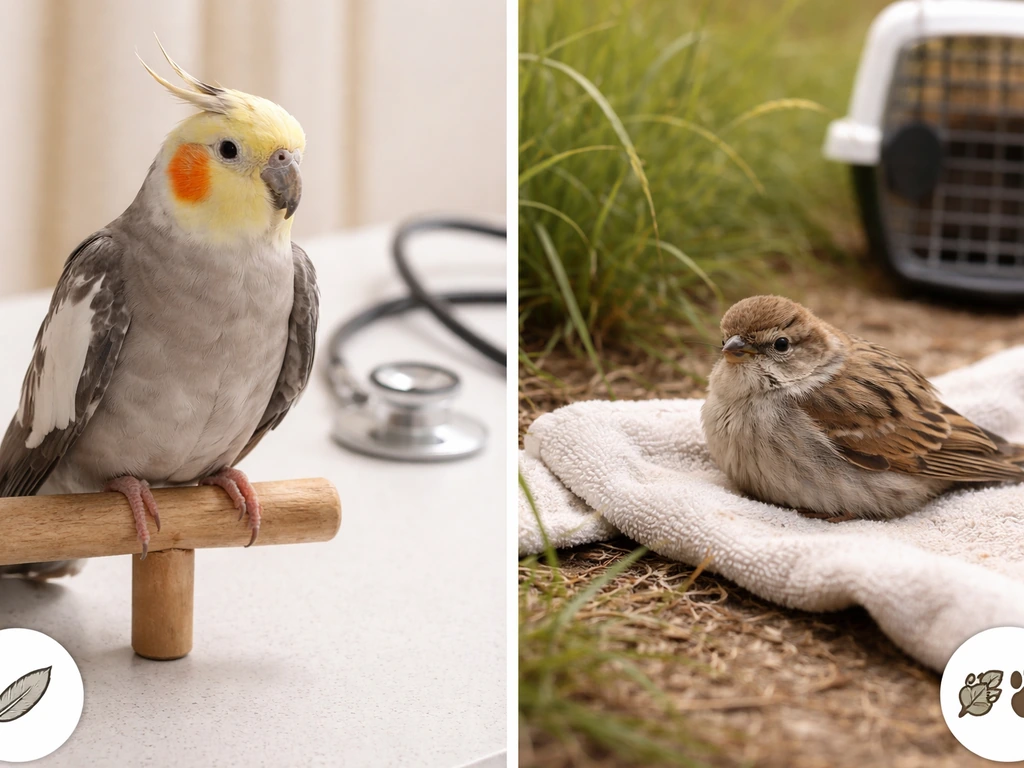
The decision comes down to two things: is this a pet bird or a wild bird, and does it show signs of injury beyond the clipping? Use this as a quick guide:
| Situation | Who to contact | How urgent |
|---|---|---|
| Pet bird, clearly clipped, alert, no injury signs | Avian veterinarian (to check the bird and confirm no other issues) | Same day if possible |
| Pet bird with any red-flag injury signs | Avian veterinarian, urgently | As soon as possible today |
| Wild bird that can't fly, any reason | Wildlife rehabilitator or wildlife rescue | Immediately |
| Wild bird after window collision, stunned but recovering | Wildlife rehabilitator, and monitor closely | Within the hour |
| Any bird with bleeding, open wounds, or signs of shock | Avian vet or wildlife rehab, whichever you can reach first | Right now |
To find a qualified avian veterinarian near you, the Association of Avian Veterinarians (AAV) runs a public Find-a-Vet directory at their website where you can search by location. LafeberVet also lists veterinary locator services online. For wild birds, search for your local wildlife rehabilitator through your state or provincial wildlife agency, or call a local humane society who can usually refer you quickly. The Wisconsin Humane Society's model is typical: contain the bird safely first, then call a licensed rehabilitator before doing anything else.
One common mistake people make is assuming that because a bird looks mostly okay, it can wait. Birds are very good at hiding how bad they feel, a survival instinct that can work against them in rescue situations. If you saw the bird involved in a collision, a cat grab, or any kind of impact, treat it as an injury even if it seems fine. The same applies if you're just not sure: when in doubt, call a professional. A five-minute phone call to an avian vet or wildlife rehab can save you from making a situation worse and can save the bird.
A quick decision checklist
If you're still not sure what you're looking at, run through this fast:
- Is this a pet bird or a wild bird? Wild birds are never clipped. If wild, go straight to wildlife rehab.
- Look at the feather tips on the outer wing. Are they blunt and straight-cut, or natural and tapered? Blunt tips suggest clipping.
- Are both wings held at the same height and angle at rest? Asymmetry points to injury.
- Is the bird alert and reactive, or dull, fluffed, or unresponsive? Dull behavior means potential illness, shock, or serious injury.
- Any blood, swelling, wounds, or labored breathing? Yes to any of these means treat as an injury emergency.
- Can the bird perch and grip normally? If not, there may be a leg or systemic problem, not just a wing issue.
- If everything checks out as 'probably clipped': contain safely, don't feed or water, call an avian vet same day to confirm.
Figuring out what's wrong with a bird you've just found is stressful, and it's okay not to know for certain. Your job right now isn't to diagnose the bird; it's to keep it safe, calm, and contained while you get it to someone who can. You've already done the most important thing by stopping and paying attention.
FAQ
If the wing feathers look blunt, does that automatically mean the bird was clipped?
Not necessarily. Blunt tips can also be caused by molt feather loss, harsh plucking, or damage from a prior injury. The key tie-breaker is whether the bird flaps symmetrically and can perch, with no drooping asymmetry, swelling, or signs of pain. If the bird holds one wing differently or looks dazed, treat it as trauma instead of clipping.
How can I tell if the feathers are cut versus naturally worn down?
Cut ends usually look straight and uniform across the outer primary tips, with a consistent “scissor-like” edge. Natural wear tends to be more irregular, with tapered or uneven fraying rather than a clean, level cut. Compare both wings, if one looks clearly more trimmed and the bird cannot gain height, clipping is more likely.
What if only one wing has clipped-looking feather tips?
Clipping is often symmetrical, but some pet birds may be trimmed unevenly. Even so, one wing hanging lower than the other, a wing tucked at an odd angle, or uneven flapping strongly suggests a fracture, dislocation, or bite wound. In that case, prioritize injury assessment by an avian vet or wildlife rehabilitator.
Can I confirm clipped wings by watching the bird try to fly for a moment?
Yes, observe briefly without handling if the bird is safe. A clipped bird typically flaps strongly but cannot lift upward and may slide or glide downward. However, if the bird seems weak, dazed, or unable to stand, do not rely on movement testing, treat it as potential concussion or injury and get professional help.
Do clipped birds perch normally, or will they always fall off?
Most clipped birds can perch, grip, and balance, because clipped primaries affect flight, not leg coordination. If the bird cannot perch, is falling over, or shows abnormal head position, that points away from clipping and toward illness, shock, or a wing or head injury.
How do blood feathers factor into deciding between clipped wings and an injury?
Blood feathers can appear during regrowth and may show a dark waxy shaft, but they are fragile and should not be pulled or touched. Their presence does not prove clipping or injury by itself. If there is active bleeding, swelling, or pain when the wing is moved, treat it as injury and get veterinary or rehabilitator guidance.
Is it safe to pick up a possibly clipped bird to check its wing tips?
Avoid immediate handling if you can. A quick external observation from a short distance is safer and reduces stress. If you must contain the bird, do so gently and support the body fully, since an injury is still possible. If you see drooping, asymmetry, blood, or unresponsiveness, seek professional help rather than repeated handling.
What should I do if the bird was found near a window or after a collision, even if it seems alert?
Treat it as more than clipping when there was an impact. Window strikes can cause concussion, weakness, or balance problems that might not be obvious right away. Keep the bird warm and calm, minimize movement, and contact an avian vet or wildlife rehab for a safety check.
Can weather or illness make a bird look like it has clipped wings?
Yes. Illness, shock, or exhaustion can make a bird appear unable to gain height, but the pattern is different from wing clipping. In clipping, flapping often looks strong and symmetrical while flight fails. If breathing seems labored, the bird is lethargic, or it cannot stand or respond normally, contact a professional urgently.
If I suspect clipped wings and the bird is a pet species, should I try to rehome it myself?
Reuniting with the owner is ideal, but do not delay proper confirmation. A pet bird outside may still have pain, a regrowing feather issue, or a hidden trauma. Instead of trying to “fix” the feathers, focus on safe containment and then contact an avian vet or wildlife rehabilitator to confirm it is truly only clipping.
What are the fastest decision triggers that mean “do not assume clipping”?
Do not assume clipping if you see wing drooping at rest, a wing held lower or at an odd angle, uneven flapping, limping or inability to perch, unresponsiveness or dazed behavior, or any signs of cat or dog involvement. These are consistent with trauma or concussion, so prompt professional help is the safer move.
Citations
One common pet-bird trimming approach described is cutting only the first 2–5 primary feathers (on each wing) to limit flight.
https://www.birdsauthority.com/clipping-budgie-wings/
A commonly used wing-trim method is trimming primary flight feathers so the bird is temporarily less flight-capable; the technique is done on the primaries and is temporary until the bird molts and regrows feathers.
https://www.petmd.com/bird/grooming/how-clip-birds-wings
A typical trim described by VCA is trimming about the outermost 5–6 primary feathers about halfway between the base and the tip.
https://vcahospitals.com/know-your-pet/wing-
Best Friends describes a practice at their parrot facility: clipping about halfway up the first five primary feathers and making sure there are no ragged edges that could rub.
https://bestfriends.org/pet-care-resources/clipping-bird-wings-what-know-about-wing-trims
Reported trimming techniques vary by how many primary feathers are cut and how much of each feather is left; a common clip trims primary flight feathers down below the level of the primary coverts (often removing about half to a third of the flight feather length).
https://en.wikipedia.org/wiki/Wing_clipping
Pet trims may be made so the bird’s wings look more “cosmetically” like they are not clipped (for example, leaving the outermost two primary feathers intact), which can reduce how obvious the clip looks from folded-wing view.
https://www.petmd.com/bird/grooming/how-clip-birds-wings
Trimming only one wing is discouraged because it can cause unbalanced descent to the floor, implying uneven/one-sided trimming creates a distinctive functional imbalance risk.
https://vet.purdue.edu/hospital/small-animal/articles/general-husbandry-of-caged-birds.php
Purdue notes that before trimming, owners should check wings for “blood feathers,” referencing the presence of active feather-supply/vascularized feather anatomy as a distinguishable feature in wing feather issues.
https://vet.purdue.edu/hospital/small-animal/documents/exotic-animals/general%20husbandry%20of%20caged%20birds.pdf
When a clipped feather has molted and a new feather regrows, it may need clipping again—suggesting that uneven regrowth/molt can produce different visible feather lengths or “partial clip” appearances.
https://bestfriends.org/pet-care-resources/clipping-bird-wings-what-know-about-wing-trims
Wing clipping leaves the cut ends potentially exposed; the article notes some clips can leave exposed cut ends that may lead to chewing, which is relevant to visible feather stubs/irregular tips.
https://en.wikipedia.org/wiki/Wing_clipping
Recommended first-response handling is to place the bird in a warm, dark, quiet place (e.g., a lined shoebox), and not attempt to provide food or water.
https://goldengatebirdalliance.org/birding-resources/birding-information/injured-birds/
Tufts Wildlife Clinic advises: keep the bird in a warm, dark, quiet place and do not give food or water.
https://vet.tufts.edu/tufts-wildlife-clinic/found-wildlife/what-do-if-you-found-sick-or-injured-songbirds
Audubon advises keeping the bird in a quiet place for one hour and not offering food or water.
https://www.audubon.org/debs-park/about-us/what-do-if-you-find-injured-or-orphaned-bird
NYC Bird Alliance recommends keeping the bird calm by using a container/bag so it cannot see out, and advises not attempting to give food or water.
https://www.nycbirdalliance.org/take-action/help-a-bird-in-trouble/what-to-do-if-you-find-an-injured-bird
HelpWildBirds states: do not feed the bird any food, water, or liquids; keep the bird in a quiet place.
https://helpwildbirds.org/found-a-bird/
Wisconsin Humane Society recommends securely closing the container and placing the bird in a dark, quiet, warm place away from pets/children, then calling a local wildlife rehabilitator; it also says not to give food/water/medication unless directed by a licensed rehabilitator.
https://www.wihumane.org/resource/injured-bird/
LafeberVet’s avian first-aid guidance says to keep the bird calm and quiet.
https://lafeber.com/vet/wp-content/uploads/Avian-First-Aid.pdf
The same LafeberVet document instructs not to pull a blood feather and to contact an avian veterinarian immediately for serious issues.
https://lafeber.com/vet/wp-content/uploads/Avian-First-Aid.pdf
LafeberVet’s PDF includes a caution against providing supplemental heat (stated as a “do not”) as part of first-aid decision-making.
https://lafeber.com/vet/wp-content/uploads/Avian-First-Aid.pdf?srsltid=AfmBOoqwBBsUGNq9OMfzcYIYjE_b_R4Z_LRZeYMdAH_qoqdLCGxFnC_s
LafeberVet’s PDF says first aid is initial treatment and is not a substitute for qualified avian care.
https://lafeber.com/vet/wp-content/uploads/Avian-First-Aid.pdf?srsltid=AfmBOoqRJSPd4bU8WoplT-5UoFn0lhHePu7bMR1c3KSVZ6IRA1i4Shr3
Tufts advises warming using a water bottle wrapped with a towel and keeping the car quiet during transport (radio off).
https://vet.tufts.edu/tufts-wildlife-clinic/found-wildlife/what-do-if-you-found-sick-or-injured-songbirds
Golden Gate Bird Alliance instructs not to attempt to provide food, water, or first aid, and to keep it in a warm, dark, quiet place.
https://goldengatebirdalliance.org/birding-resources/birding-information/injured-birds/
LafeberVet emphasizes that an avian medical emergency requires immediate veterinary attention (first aid is interim).
https://lafeber.com/vet/wp-content/uploads/Avian-First-Aid.pdf
SpectrumCare lists fracture/dislocation/bite-wound or persistent wing droop with swelling/abnormal wing angle as reasons to see an avian vet, and frames those findings as trauma indicators rather than mere trimming.
https://spectrumcare.pet/birds/conditions/pet-bird-wing-injuries
SpectrumCare notes that emergency care is important if a wing hangs lower than the other after a known injury, or if a bird is fluffed on the cage floor, suggesting more than superficial clipping concerns.
https://spectrumcare.pet/birds/symptoms/bird-drooping-wings
SpectrumCare lists urgent red flags such as bleeding, swelling, an odd wing angle, open-mouth breathing, tail bobbing, weakness, inability to perch, dragging a leg (and shock-like unresponsiveness), distinguishing more severe trauma/system stress from simple wing impairment.
https://spectrumcare.pet/birds/parakeet/symptoms/parakeet-wing-drooping
A “wing clipping” definition on this page states the common practice is cutting the outermost primary flight feathers so the bird temporarily cannot fly.
https://farm.parrotsking.net/knowledge-base/article/wing-clipping-everything-you-need-to-know
AAVAC’s wing-clipping procedure describes trimming a small number of primary flight feathers (e.g., “two or three” primaries) even with/just shorter than the coverts as one described technique.
https://www.aavac.com.au/files/1997-09.pdf
The Parrot Society UK describes the preferred method (in their cited guidance) as cutting primary feathers along the line of the coverts, which affects the visible look at the feather tips when wings are folded.
https://theparrotsocietyuk.org/site/index.php/parrot-information/veterinary-advice/wing-clipping/
The Association of Avian Veterinarians provides a searchable “Member Search” directory to locate avian veterinarians (including member vet/technician/student listings) in the U.S.
https://www.aav.org/search/Default.asp
AAV’s Find-a-Vet directory provides a public “Find-a-Vet” search interface for locating a veterinarian in the community.
https://www.aav.org/page/FindAVet/Find-A-Vet-Search.htm
A general veterinary directory lists an “Avian / bird vets” category and can be used to find bird/avian-capable practices near a location (useful as a secondary directory).
https://wowvets.com/
LafeberVet lists veterinary locator services such as using the AAV directory to find local avian veterinarians.
https://lafeber.com/vet/veterinary-locator-services/
Wisconsin Humane Society’s guidance emphasizes calling a local wildlife rehabilitator after safe containment; it frames food/water/medication as not to be given unless directed by a licensed rehabilitator.
https://www.wihumane.org/resource/injured-bird/
Tufts Wildlife Clinic guidance instructs immediate containment and “contact” with appropriate professional care rather than home treatment, reinforcing the decision to seek help quickly.
https://vet.tufts.edu/tufts-wildlife-clinic/found-wildlife/what-do-if-you-found-sick-or-injured-songbirds
Next Article
What Do I Do If My Bird Is Limping? Emergency Steps
Emergency steps for limping birds: check likely causes, give safe first aid, know red flags, and get vet help fast.