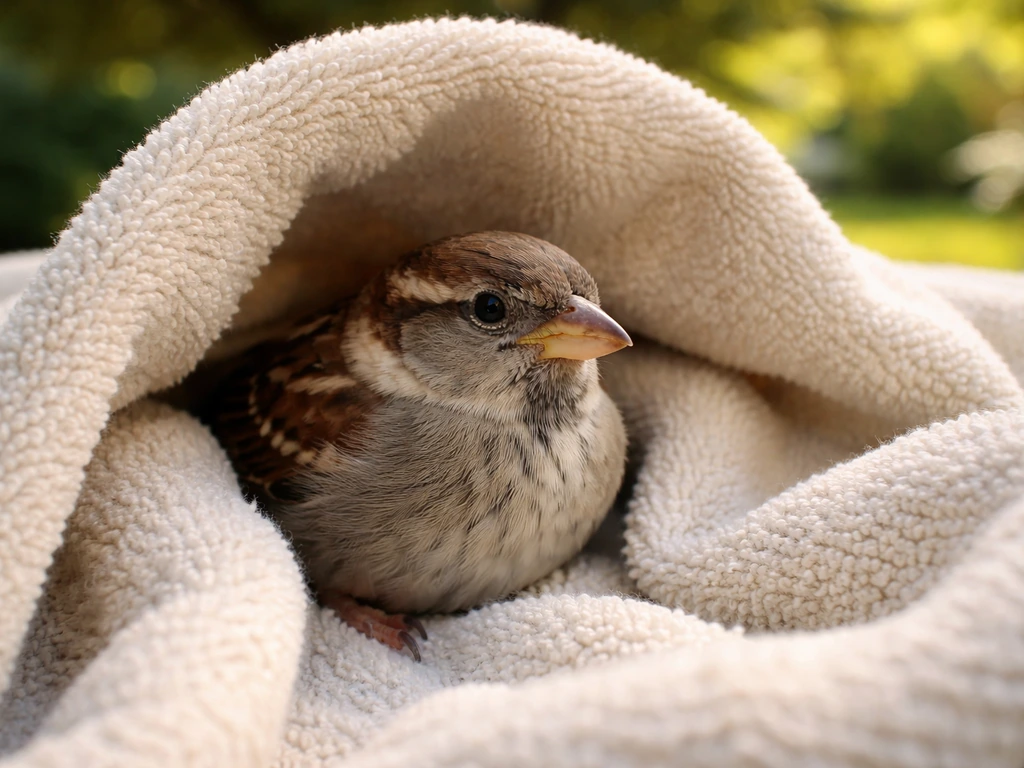
A bird having a seizure will typically lose control of its body suddenly: you'll see frantic jerking or paddling of the wings and legs, stiffening, trembling, or a complete collapse with no response to your voice or touch. It may fall off its perch, thrash on the cage floor, or go rigid. After the episode ends, expect a period of confusion, exhaustion, or wobbly coordination that can last a few minutes. If you're watching that right now, dim the lights, remove food and water dishes, don't try to hold the bird down, and call an avian vet or wildlife rescue immediately. A prompt call for guidance is also a key part of how to treat bird seizures. Knowing how to stop a bird seizure means focusing on safety, minimizing stress, and getting the right avian help right away. Knowing how to help a bird having a seizure also means acting fast and calling the right wildlife or veterinary help right away.
How to Tell If a Bird Is Having a Seizure
What a seizure actually looks like in a bird
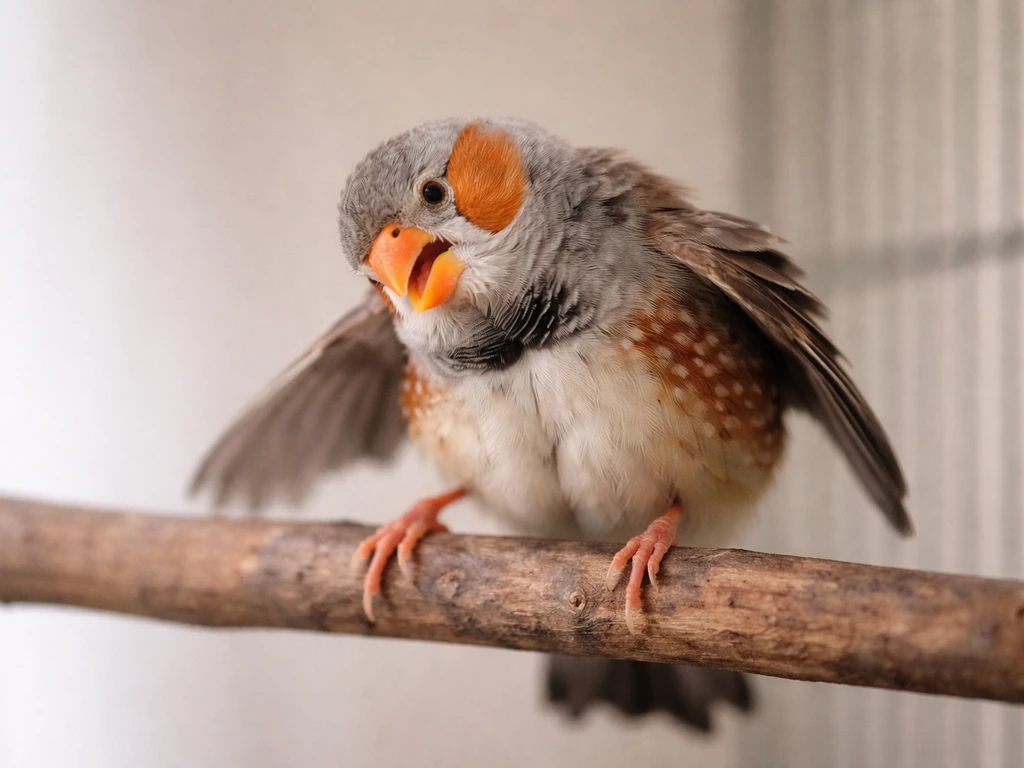
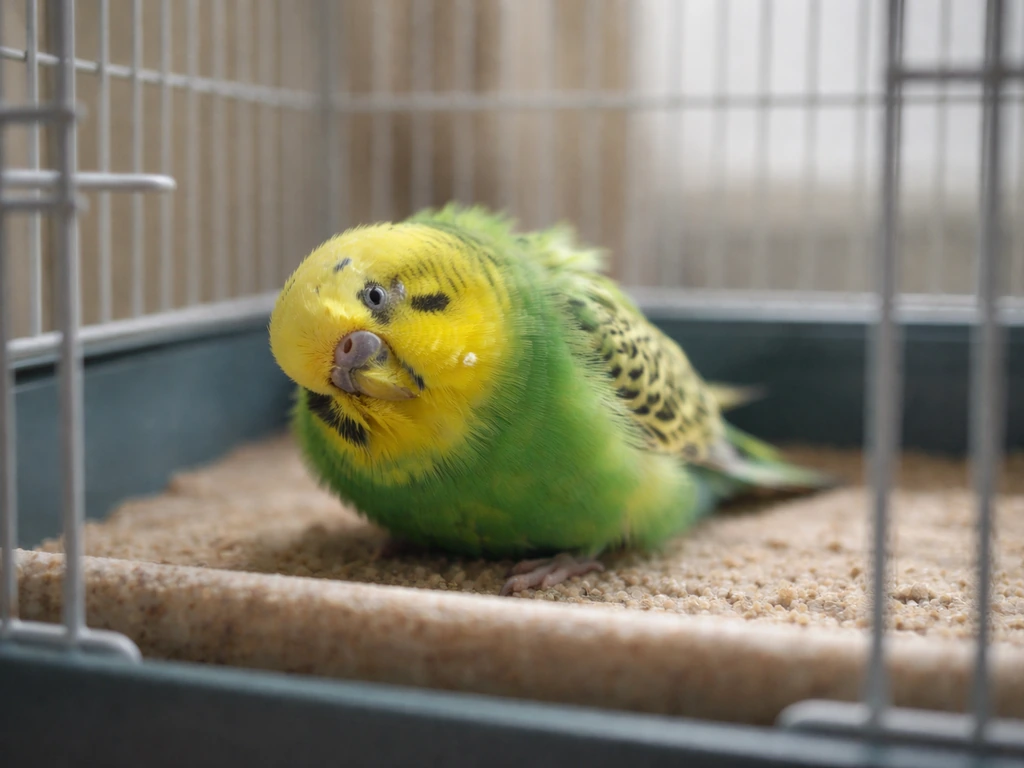
Birds don't show seizures the same way dogs or cats do, so it's easy to second-guess what you're seeing. The clearest signs are sudden and dramatic: the bird loses coordination and falls, starts paddling its legs and flapping its wings without any directional purpose, or goes stiff with its head thrown back. You might see rhythmic jerking, muscle tremors running through the whole body, or the bird spinning in circles it can't stop. Some birds vocalize during the episode, others go completely silent.
Breathing may change too. It can become fast and shallow, or the bird may hold its breath briefly. The eyes may be open but unfocused, or they may be closed entirely. The bird won't respond normally to you, even if you speak or gently tap near it. That unresponsiveness during the episode is one of the most telling signs.
When it ends, watch what happens next. A bird coming out of a seizure usually has a postictal period: it looks dazed, weak, or confused for several minutes. It may sit hunched on the cage floor, be unable to perch, or seem to stare at nothing. This recovery phase is actually useful information, because it strongly suggests what just happened was neurological rather than something like a panic response or a brief faint.
Red flags that point toward a seizure (not something else)
When you're trying to decide whether what you saw was actually a seizure, these are the signs that push the likelihood higher:
- Sudden, unprovoked onset with no obvious trigger (no loud noise, no hands reaching in, no temperature spike)
- Full or partial loss of body control: falling, paddling, rolling, or stiffening with no ability to self-correct
- Unresponsive or minimally responsive during the episode, even to your voice or gentle stimulus
- Episode lasts more than 30 to 60 seconds, or repeats in quick succession
- Distinct recovery period afterward: confusion, weakness, sleepiness, or balance problems that weren't there before
- No obvious respiratory symptoms (open-mouth breathing, tail bobbing, wheezing) as the dominant sign
- No clear environmental heat exposure or recent trauma as the more likely explanation
None of these alone confirms a seizure, and that's important: causes like toxin exposure, low calcium, infection, heat injury, and head trauma can all produce true seizures. An “Avian First Aid” PDF from Niles Animal Hospital also notes that there are many possible causes of avian seizures and that diagnostic testing is needed to determine the underlying cause. But the pattern above tells you that something serious is happening neurologically, and that means a vet needs to evaluate the bird, even if the episode has already stopped.
Things that look like seizures but might not be
This is where most people get stuck, and honestly it's the most useful thing to think through. Several common bird emergencies can look almost identical to a seizure if you don't know what else to watch for. If you can record a short video on your phone, do it: vets say video footage is extremely helpful because fainting, severe weakness, and tremor disorders can all look the same to an untrained eye in the moment.
Shock or collapse after a window collision or injury
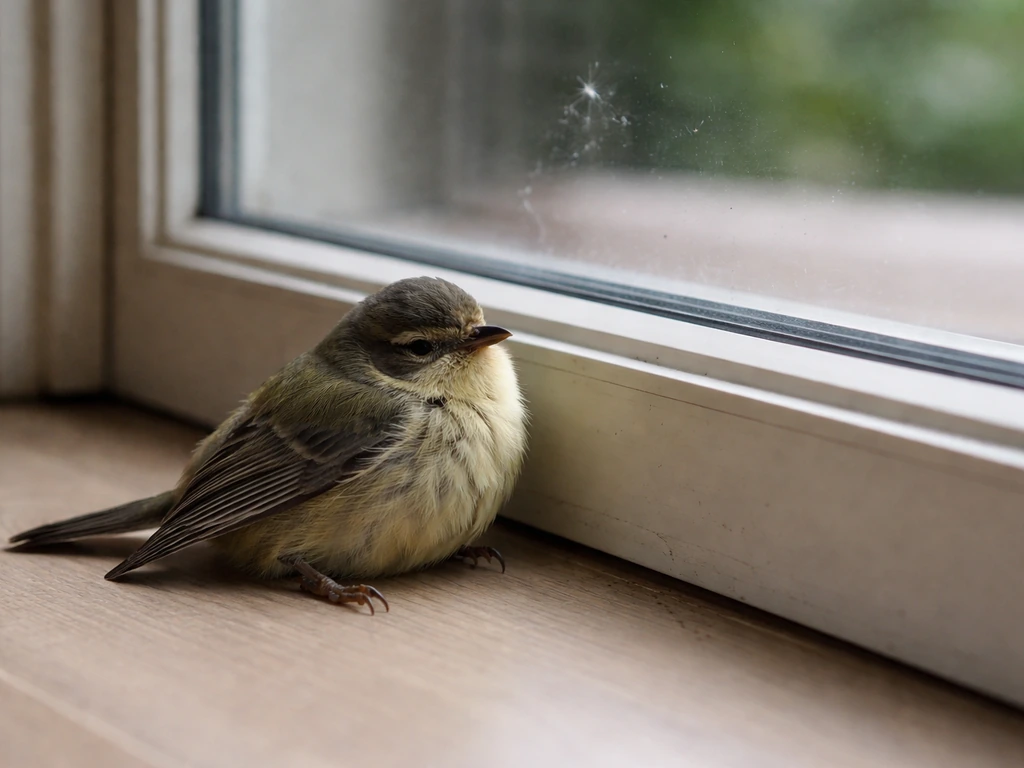
A bird that has just flown into a window or been struck by something may collapse, twitch, or appear completely unresponsive. The twitching here is often brief and tied directly to the impact. The bird may go still quickly rather than continuing to seize. Head trauma can also cause a true seizure, so the line isn't always clean, but if you know a collision just happened, that context matters enormously. Treat it as an emergency either way.
Heat stress and heatstroke
An overheated bird will pant with its beak open, hold its wings away from its body to dissipate heat, and may become uncoordinated or collapse. Poor coordination alongside panting and visible heat exposure is a strong signal that heatstroke is the primary problem rather than a neurological seizure. Once you suspect heatstroke, follow the proper steps to help a bird with heat stroke while you arrange urgent avian care. That said, severe heatstroke can trigger actual seizures, so again these aren't mutually exclusive. The environment is your biggest clue: was the bird in direct sun, a hot car, or a very warm room?
Toxin or poisoning exposure
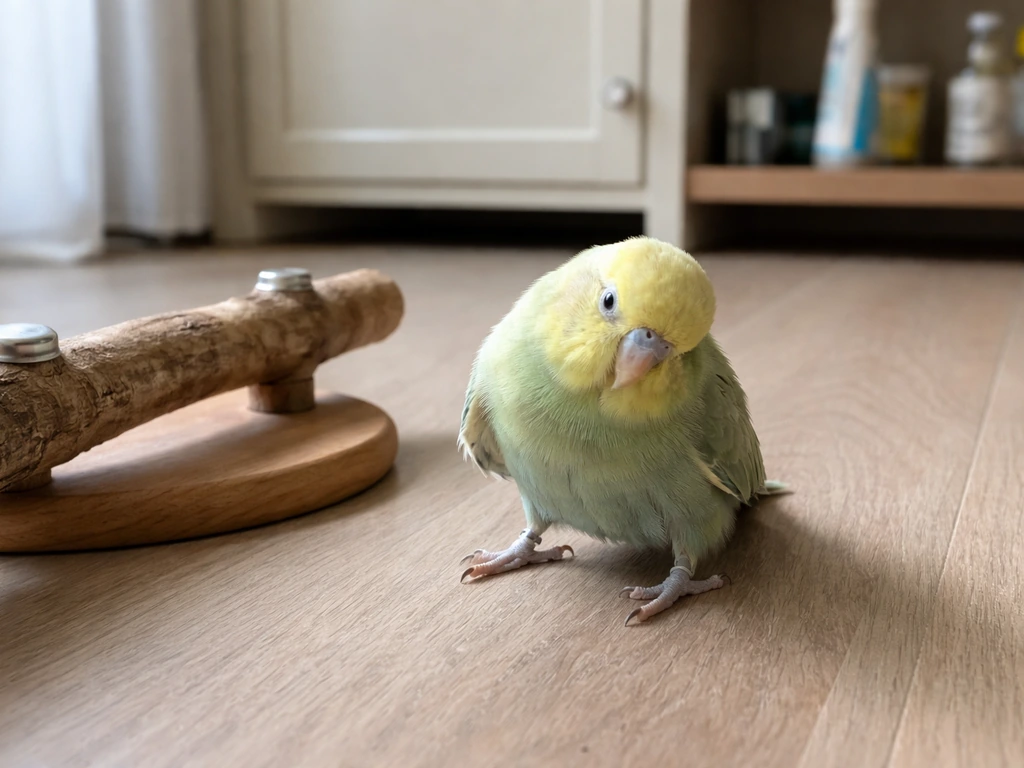
Lead poisoning is one of the most commonly documented toxin problems in pet birds, and it can cause tremors, ataxia (stumbling, loss of balance), weakness, altered mental state, and seizures. Other household toxins, fumes from overheated non-stick cookware (PTFE), and certain plants or foods can also produce neurologic signs that look like seizures. If your bird had access to anything it shouldn't have, or if you used non-stick cookware recently in an enclosed space, tell the vet immediately. This is never a wait-and-see situation.
Hypoglycemia (low blood sugar)
Low blood glucose can cause weakness, trembling, and collapse that looks very much like a seizure. This is more common in very small birds, birds that haven't eaten, or birds with underlying illness. A vet can check glucose and calcium through blood testing, which is one reason that even a resolved episode warrants an exam.
Respiratory distress
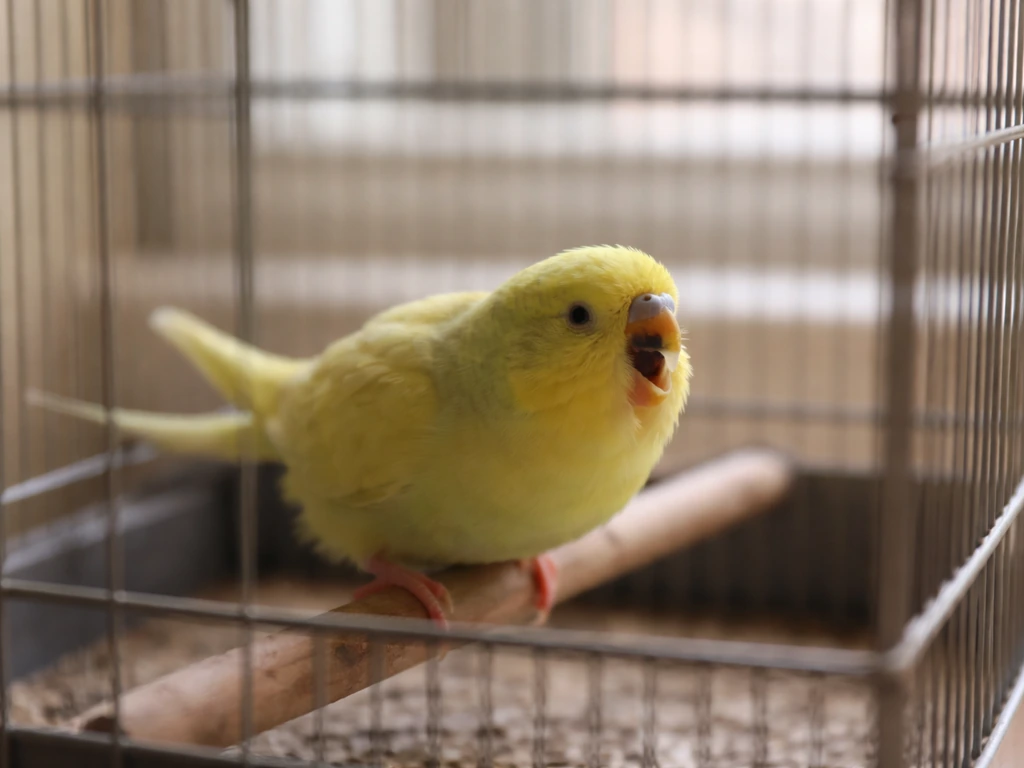
A bird struggling to breathe can thrash and lose balance, and it's easy to read this as a seizure. The distinction: blank" rel="noopener noreferrer">look for open-mouth breathing, tail bobbing (the tail pumps up and down with each breath), wheezing, or clicking sounds. If those respiratory signs are the dominant feature, the bird's airway is the emergency, not a neurological event. Both are serious, but the management differs.
Severe fear or panic
A genuinely terrified bird can flap wildly, thrash against cage bars, and appear completely out of control. The key difference from a seizure: a panicking bird is reactive. It responds to stimuli, it knows where it's going (even if in a blind panic), and once the trigger is removed or the environment calms, the bird usually stops and may perch. A bird in a seizure is not directing its movements and won't respond to reassurance.
Spasms from pain or injury
A bird with a broken wing or leg may shake or tremble from pain. These tremors are usually localized to the injured area rather than whole-body, and the bird remains aware of its environment. If you know an injury occurred, spasm from pain is a reasonable possibility, but it still needs veterinary attention. Pain in birds is an emergency symptom, so do not give pain medicine unless an avian vet tells you exactly what and how much to use what to give a bird for pain.
| Condition | Key distinguishing signs | Environment clue |
|---|---|---|
| Seizure | Whole-body jerking/paddling, unresponsive, confused afterward | Often no clear trigger |
| Window collision/shock | Brief twitching, then stillness; impact known | Bird found near window or wall |
| Heatstroke | Panting, wings held out, beak open, wobbly | Hot room, direct sun, car |
| Toxin/poisoning | Tremors, weakness, ataxia, vomiting, altered mental state | Access to toxins, fumes, non-stick cookware |
| Hypoglycemia | Weakness, trembling, collapse; no sustained jerking | Hasn't eaten, very small bird, unwell |
| Respiratory distress | Open-mouth breathing, tail bobbing, wheezing, clicking | Respiratory signs dominate |
| Panic/fear | Reactive, directional movement, stops when trigger removed | Predator, loud event, handling |
| Pain spasm | Localized tremor near injury, bird remains aware | Known trauma or injury site |
What to do right now while you're figuring it out
Your instinct may be to pick the bird up and hold it, but resist that urge unless the bird is in immediate physical danger (like falling into water or getting stuck somewhere). Handling during or right after an abnormal episode adds stress and can make things worse. Here's what to do instead:
- Dim the lights in the room. Reducing visual stimulation helps calm the nervous system and lowers the chance of triggering another episode.
- Remove food and water dishes immediately. A bird with impaired coordination can easily aspirate water or food particles, which adds a choking risk on top of everything else.
- Clear the space around the bird. If it's in a cage, remove perches temporarily so it can't fall from height. If it's on a flat surface, keep it away from edges.
- Don't try to restrain the bird forcefully during jerking movements. Let it move, just protect it from hard surfaces or sharp objects.
- Start a timer or note the time. How long the episode lasts matters. So does whether it stops completely or keeps going.
- Record a short video if you safely can. Even 20 seconds of footage is incredibly useful for a vet trying to diagnose what happened.
- Note any recent triggers you can think of: fumes in the house, something the bird may have chewed, recent temperatures, any known impact or fall.
- Check breathing once the active movements slow. Is the chest moving? Is the beak open? Can you hear wheezing? Note what you observe.
Don't give food, water, or any medication during or immediately after the episode. If you’re wondering what to give a sick bird right now, start by avoiding food, water, and medication unless an avian vet directs you. Not human medications, not supplements, not anything, unless an avian vet tells you to do so while you're on the phone with them. Well-intentioned interventions like these can cause serious harm.
After the episode: what recovery looks like and when it's an emergency
If the episode stops and your bird starts looking around, vocalizing, and trying to move normally, that's a good sign. But don't mistake 'looks calmer' for 'is fine.' Even a single seizure that resolves quickly is a medical event that needs a vet visit, because the underlying cause could be serious and potentially fatal if not treated. Problems that develop after a seemingly resolved episode are well documented.
During recovery, keep the bird warm (around 85°F or 29°C is a commonly cited target for a recovering bird), quiet, and in a safe enclosure where it can't fall or injure itself. A small box or carrier lined with a soft towel works better than returning it to a large cage with full perches while coordination is still off.
These signs after the episode mean you need emergency care right now, not a same-day appointment:
- The seizure-like activity continues without a clear end or keeps restarting
- The bird collapses and doesn't regain any responsiveness
- Breathing is labored, open-mouthed, or you can hear abnormal sounds
- The bird has had more than one episode in a short window
- The bird remains completely unresponsive or unable to hold its head up after several minutes
- There's any reason to suspect toxin exposure, head trauma, or severe overheating
When to call an avian vet or wildlife rescue (and what to tell them)
The honest answer is: call after any episode that looks like what's been described here, even if the bird seems to have recovered. This is not an overreaction. A seizure in a bird can be the first visible sign of poisoning, trauma, a serious infection, low calcium, or organ disease. You can't tell from the outside which one it is, and waiting to see if it happens again is a gamble with the bird's life.
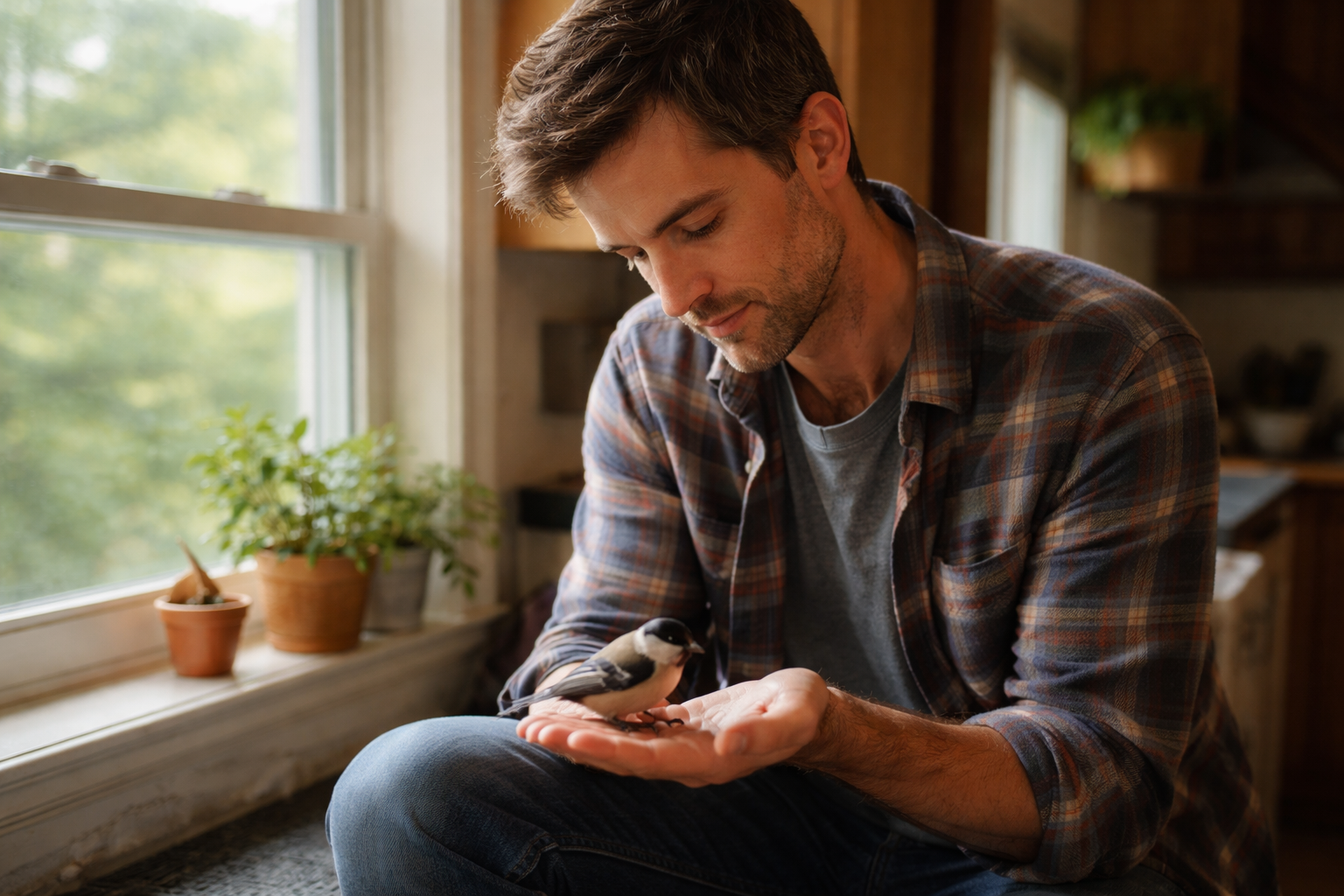
If you have a pet bird, your first call is to an avian vet. Not all general vets are comfortable treating birds, so if you don't already have one, search for 'avian vet near me' or contact the Association of Avian Veterinarians. If you're dealing with a wild bird, contact your nearest licensed wildlife rehabilitation center.
When you call, have this information ready:
- Species and approximate age of the bird (if known)
- Exactly what you observed: the movements, the duration, whether the bird was responsive
- When it happened and how long the episode lasted
- Whether there were any episodes before this one
- Anything in the environment that might be relevant: recent fumes, new foods, possible toxin access, temperature, any known impact
- What the bird is doing now: is it alert, confused, perching, or still down on the floor?
- Your video footage if you have it (you may be able to send it or describe what it shows)
Transport and at-home first aid: do's and don'ts
If you need to transport the bird to a vet or rescue, keep it contained in a small, secure box or carrier lined with a soft towel. Small and dark is better than large and bright: it reduces stress and limits movement that could cause injury. Poke ventilation holes if using a cardboard box. Don't place the bird in a wire cage for transport if it's still unsteady, because it can injure itself on the bars.
Keep the environment warm during transport. You can place a heat pack wrapped in a cloth against one side of the box (not directly under the bird) or use a warm (not hot) water bottle. Target around 85°F (29°C). Don't cover the entire box in a way that blocks all airflow.
Here's a quick do's and don'ts summary for the whole event:
| Do | Don't |
|---|---|
| Dim the lights and reduce noise | Restrain the bird forcefully during active jerking |
| Remove food and water dishes immediately | Offer food or water until the bird is fully alert and coordinated |
| Record video of the episode if safe to do so | Assume the bird is fine because it stopped seizing |
| Note timing, duration, and any triggers | Give any medication without direct vet guidance |
| Keep the bird warm (around 85°F / 29°C) | Place the bird in a large cage with high perches while still unsteady |
| Call an avian vet or wildlife rescue right away | Wait to see if another episode happens before calling |
| Transport in a small, dark, lined box | Use a wire travel cage if the bird can't perch safely |
| Minimize handling unless the bird is in physical danger | Handle repeatedly to check on the bird |
Once you've called the vet and are waiting or on your way, the most useful thing you can do is keep the bird's environment as calm as possible. Lower light, low noise, stable warmth, and minimal disturbance. If you're also managing something like heat exposure or a suspected collision alongside the seizure episode, those factors need to be mentioned to the vet because treatment priorities may shift. Related situations like helping a bird recover from heat stroke or managing a bird after a collision involve some of the same stabilization steps, so the calm-and-warm approach applies broadly while you get professional guidance.
You don't need to know exactly what's causing this to do the right thing in the first few minutes. Keep the bird safe, keep it warm, reduce stimulation, don't add food or medication, and get a professional on the phone. You may also be wondering how to help a cold bird, but avoid adding food or medication unless an avian vet instructs you. That's the whole job until you have expert help on board.
FAQ
How long does a bird seizure usually last, and when is it considered an emergency?
Seizure activity in birds is often sudden and short, but if jerking or unresponsiveness continues beyond about 5 minutes, treat it as an emergency status. Also call immediately if the bird has repeated episodes back-to-back within an hour, because cluster events can worsen dehydration, low oxygen, and underlying toxins.
Should I cover the bird with a towel during a seizure to prevent injury?
You can help reduce stimulation by using low light and a calm approach, but avoid fully wrapping or tightly restraining the bird while it is actively seizing. Instead, move hazards out of the way and prepare a small, secure carrier for transport once the episode ends or if it collapses and is at risk of falling.
Can I tell the difference between a seizure and hypothermia or shock?
Shock or cold stress can cause weakness and abnormal posture, but seizures are typically abrupt, whole-body neurological activity with loss of coordination and unresponsiveness. Cold or shock also tends to come with prolonged lethargy and slowed responses, so the safest approach is warm the environment gradually and still contact an avian vet after any episode with collapse, jerking, or staring.
Is it safe to offer sugar water or a vitamin supplement if I suspect low blood sugar?
Do not give food, water, or supplements during or right after the episode unless an avian vet tells you to. Low glucose can look similar to seizures, but giving the wrong substance can be dangerous if the cause is toxin, overheating, or another metabolic issue, and it can also interfere with proper guidance on what to monitor.
What should I record for the vet if I suspect a seizure?
If possible, record a short video that includes the bird before it collapses, the full abnormal movement, and how it behaves during recovery. Also write down the timeline (start time, duration), recent exposures (new foods, house fumes, non-stick cookware use), temperature conditions, and any injuries or falls you noticed earlier.
My bird is trembling after it falls. Is that still a seizure if the shaking is localized?
Localized shaking after a known impact can be pain-related or brief twitching from trauma, but it can also be part of a neurological event triggered by head injury. If the bird is unresponsive, falls without coordination, spins, or shows whole-body tremors, treat it as seizure-like and get avian care the same day or urgently.
What if my bird recovers quickly and seems normal again, do I still need to call?
Yes. Even a brief episode with collapse, unresponsiveness, or paddling counts as a medical event. The underlying cause (for example toxin exposure, low calcium, infection, or trauma) may not be visible once the bird seems calm, and some causes can lead to recurrence without warning.
Should I put my bird back on its perch right after the episode ends?
No, not until coordination returns. During recovery, birds may be wobbly and unable to grip properly, so keep them in a smaller safe enclosure lined with a soft towel to prevent falls and fractures.
If I suspect heatstroke instead of a seizure, do I still treat it the same way?
You still need urgent avian guidance either way. Heatstroke may include panting, wing spreading, and collapse, but severe overheating can also trigger true seizures, so focus on gentle environmental cooling and immediate vet contact rather than waiting to see which diagnosis fits.
Can birds have seizures during sleep, and what would be different from normal sleep behavior?
True seizures are usually abrupt and dramatic, with loss of coordination and abnormal movements plus reduced or absent response. Normal sleep is consistent and rhythmic with the bird remaining in a stable position, whereas seizure-like episodes often involve sudden falling, stiffening, paddling, or frantic thrashing followed by confusion.
How to Help a Bird With Heat Stroke: Step by Step
Step-by-step heat stroke first aid for birds: signs, safe cooling, water guidance, monitoring, and when to get vet help.