
Do not give a bird any human pain medication. If you are looking for something to calm a sick bird, skip jokes and focus on safe first aid and professional guidance sick bird safe first aid. Not ibuprofen, not acetaminophen, not aspirin. These are toxic to birds and can kill them faster than the injury itself. The safest and most effective things you can do right now are warmth, darkness, quiet, and gentle containment. If you are wondering what to give a sick bird, stick to warmth, darkness, quiet, and professional guidance instead of any human medicine. Those four things reduce pain and shock more than anything else available to a non-veterinarian. If a bird genuinely needs pharmaceutical pain relief, a vet can give butorphanol or another appropriate drug at a safe dose. Your job until then is to stabilize, not medicate.
What to Give a Bird for Pain: Safe First Aid Steps
Check these urgent red flags first
Before you think about pain relief, run through a quick safety check. Some situations need immediate action before anything else, and pain management is secondary to keeping the bird alive.
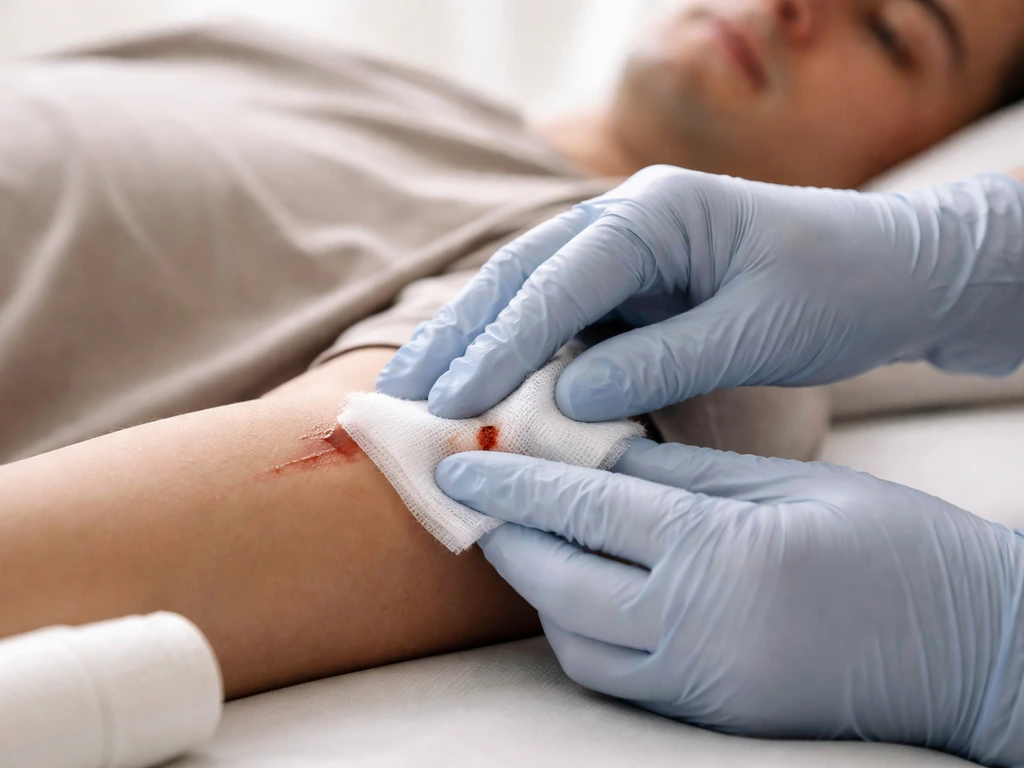
- Active bleeding that won't stop within 5 minutes of gentle pressure: this is your most urgent priority. Apply a nonstick pad and gentle pressure. If it keeps bleeding after 5 minutes, get to an avian vet or wildlife rehabilitator immediately.
- Labored breathing or panting that has lasted more than two hours: this is a serious red flag. Get help now.
- The bird is unconscious or completely unresponsive: treat this as a critical emergency.
- Head tilting, wobbling, seizure-like trembling, or a tail cocked consistently to one side: possible spinal or neurological injury. Minimize movement entirely and call a rehabilitator.
- Large bubbles or swelling under the skin, or visible maggots: needs a wildlife vet, not home care.
- Cat bites or other puncture wounds: even small ones introduce bacteria that cause fatal infection within 24 to 48 hours in birds. This is always a vet call, no exceptions.
- The bird is gasping or has blood coming from the mouth or nostrils: get professional help as fast as possible.
If none of these red flags are present, you have a little time to stabilize the bird safely at home while you arrange professional care. Take a breath. Move carefully and quietly.
The most effective pain relief you can give right now (no medication needed)
Stress is genuinely one of the biggest killers of injured birds, and reducing it is the single most impactful thing you can do before a vet takes over. A bird in pain and fear burns through its energy reserves rapidly and can go into shock. Everything on this list works directly against that.
Warmth
Injured birds lose body heat fast, especially small species. Place a heating pad on its lowest setting under half of the container (not the whole floor, so the bird can move away if it gets too warm). A hot water bottle wrapped in a cloth works too. The goal is warm to the touch, not hot. You should be able to hold your hand on the heat source comfortably. Overheating is a real risk and causes additional stress and injury, so always give the bird a cooler zone to retreat to. Cold birds still need the same safe first-aid steps, so focus on warmth, quiet, and timely veterinary or rehabilitator guidance how to help a cold bird.
Darkness and quiet
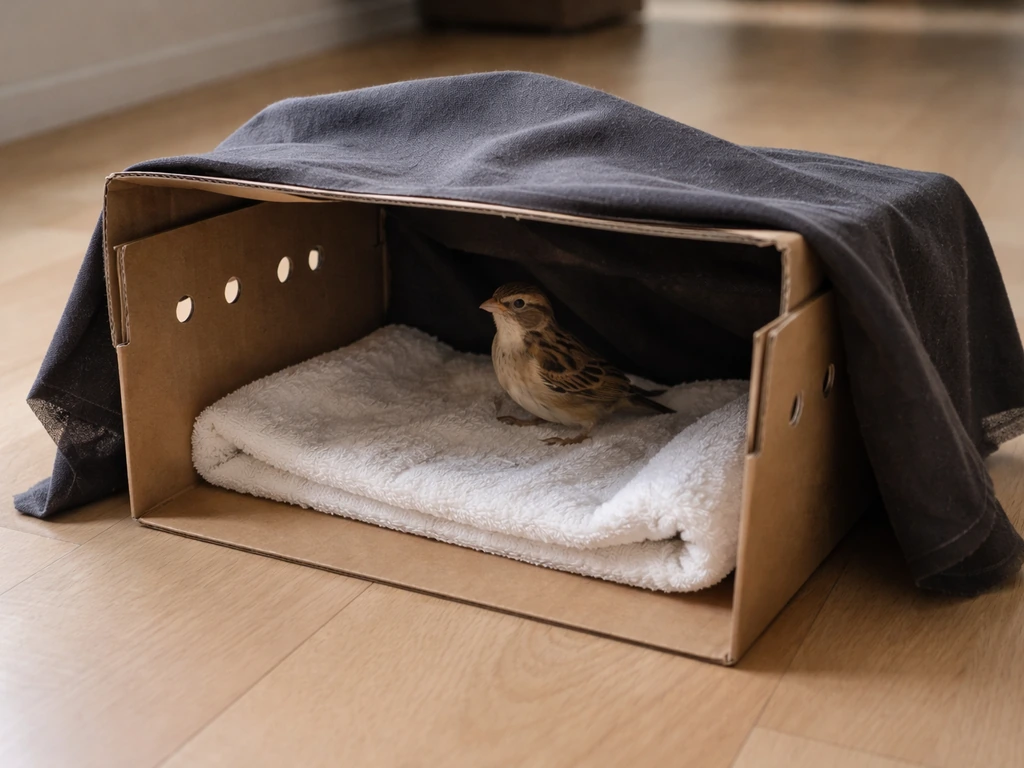
Cover the box or container with a towel or cloth to create dim, semi-dark conditions. Keep the bird away from TVs, pets, children, and loud activity. Darkness calms birds significantly because it reduces visual stimulation and mimics nighttime, which naturally lowers their stress hormones. This is not optional or cosmetic. It is genuinely therapeutic and buys you time.
Gentle containment and immobilization
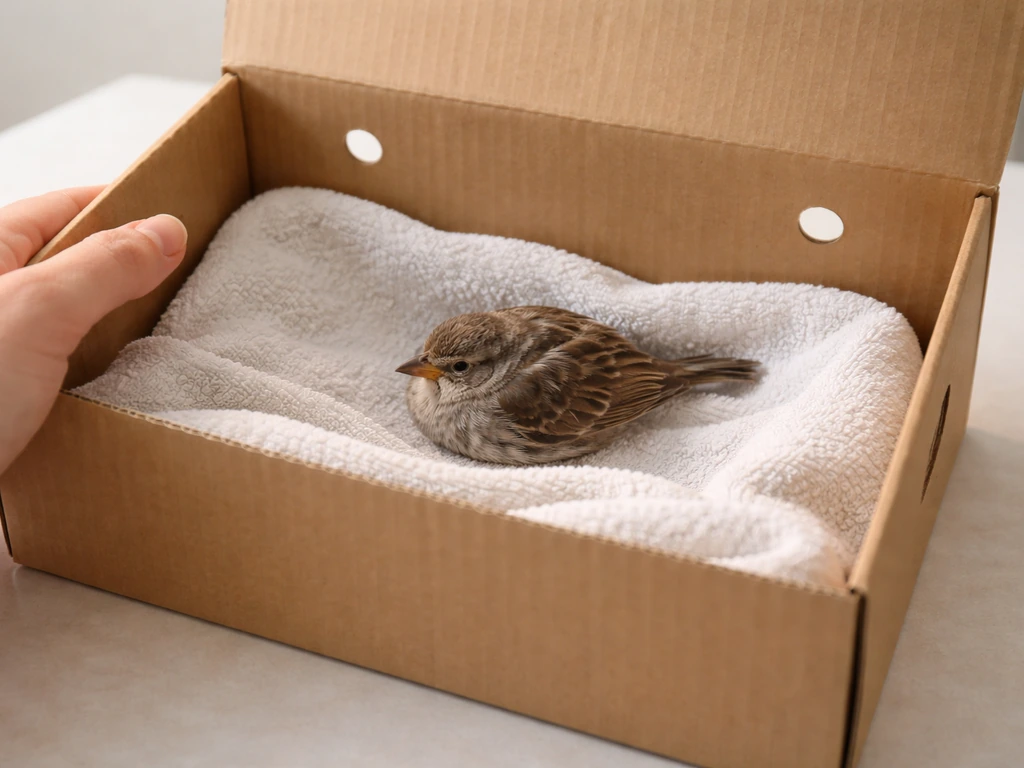
Put the bird in a cardboard box or a container with ventilation holes, lined with a non-slip surface like a folded towel or paper towels. The box should be just big enough for the bird to sit upright but not large enough for it to flap and re-injure itself. Limiting movement is one of the best ways to reduce pain from fractures and wounds. Keep handling to the absolute minimum. Every time you pick it up or look at it, you reset its stress response.
Wound protection
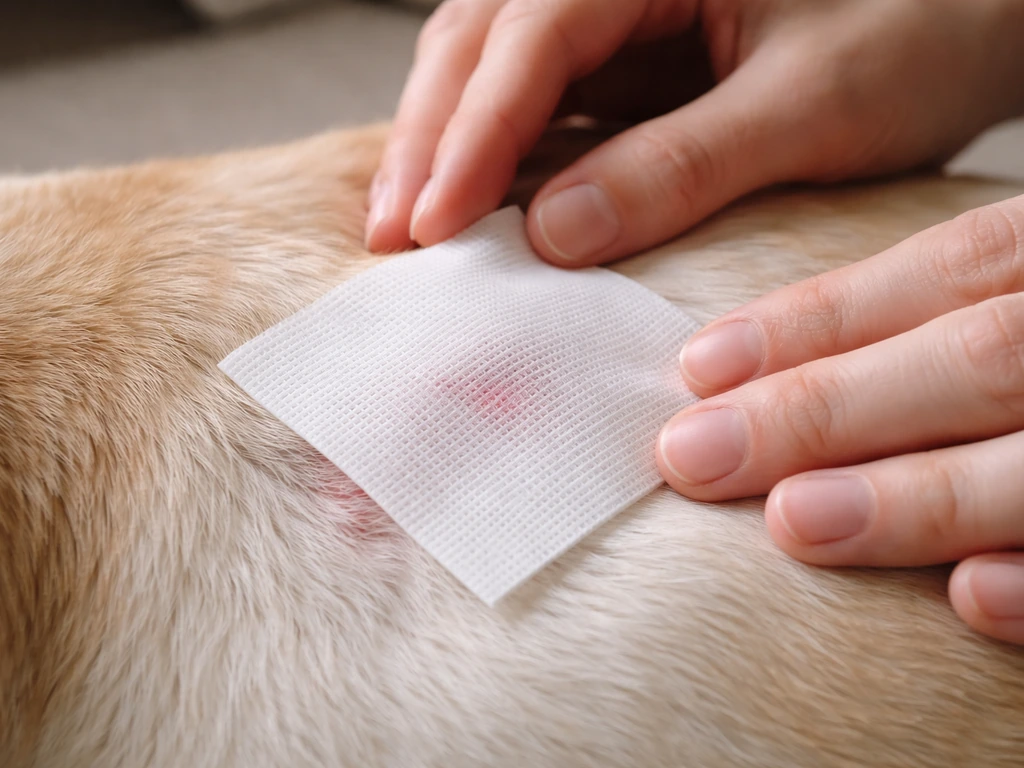
If there is a visible wound that is no longer actively bleeding, you can cover it loosely with a nonstick pad to protect it from the bird picking at it. Do not use hydrogen peroxide, it damages tissue. Do not use petroleum jelly, ointments, or thick creams on feathers or skin unless a vet has specifically told you to. These can mat feathers, interfere with temperature regulation, and cause further harm. If you need to clean a wound, a very diluted betadine or chlorhexidine solution applied gently is the safest option, but only away from the eyes, mouth, and ear canals.
Water and food: more complicated than you'd think
Most wildlife rehabilitators and veterinary organizations advise against giving food or water to an injured wild bird unless you are instructed to by a professional. This is not because water is harmful in general, it is because a bird in shock or with internal injuries can aspirate liquids, and food can interfere with later treatment or make an already compromised digestive system worse. Hummingbirds are a notable exception because they crash quickly without sugar water, but for every other species, hold off until you have spoken to a rehabilitator or vet.
What about pain medication? Here is the honest answer
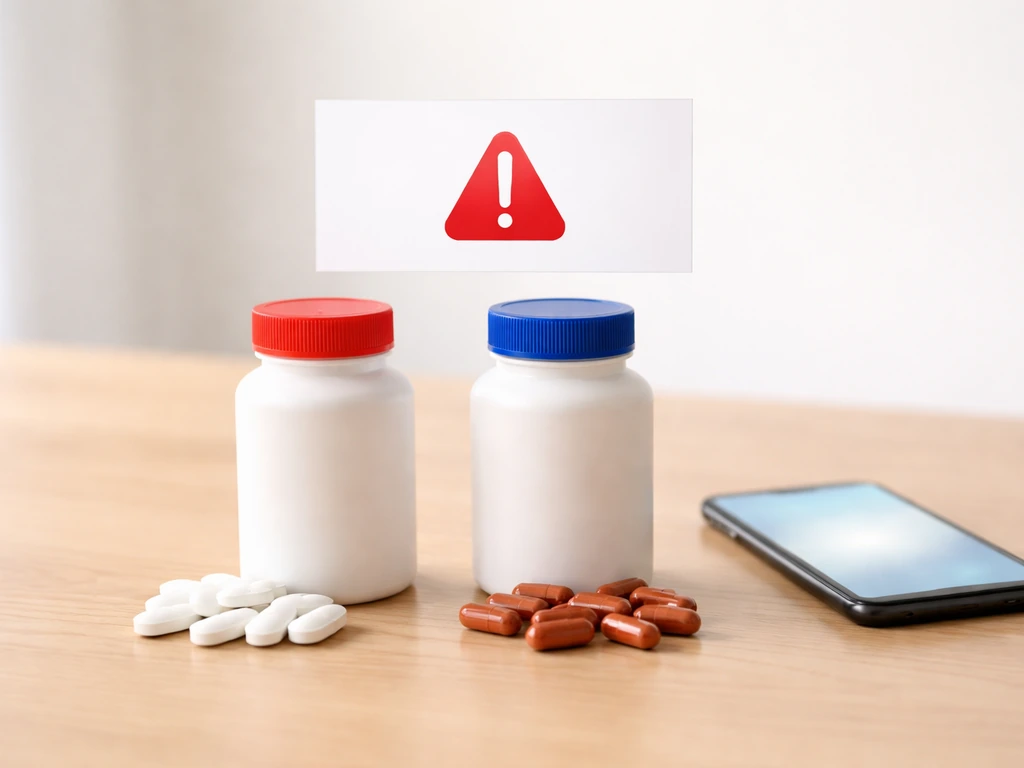
This is the question most people are really asking, so here it is straight: there is no over-the-counter human or pet pain medication that is safe to give a bird at home. Full stop.
Acetaminophen (Tylenol) causes liver damage and death in birds. NSAIDs like ibuprofen and aspirin are highly toxic at even small doses. The FDA has made this explicit for animals broadly, and birds are especially sensitive because of their fast metabolism and small body mass. A dose that seems tiny to you is enormous to a bird that weighs 50 to 100 grams.
What vets actually use for bird pain is a drug called butorphanol, given by injection or intranasally, at a precisely calculated dose based on the species and the bird's weight. It can also be combined with midazolam for sedation in severely distressed birds. None of this is something you can safely replicate at home, and attempting it without training and the right drug would cause more harm than the injury itself.
Similarly, do not attempt any form of local anesthesia on a conscious bird. Handling and restraint are already severely stressful for birds, and amateur attempts at numbing a wound area cause more harm than they prevent.
The practical takeaway: your warmth, darkness, and quiet protocol IS pain and stress management. It is not a consolation prize for not having medicine. It is genuinely what the bird needs most right now, and it buys time for professional pain management to happen properly.
Common injury types and what to do for each one
Different injuries have slightly different immediate priorities. Here is a quick rundown of the most common scenarios you will encounter.
Broken wing
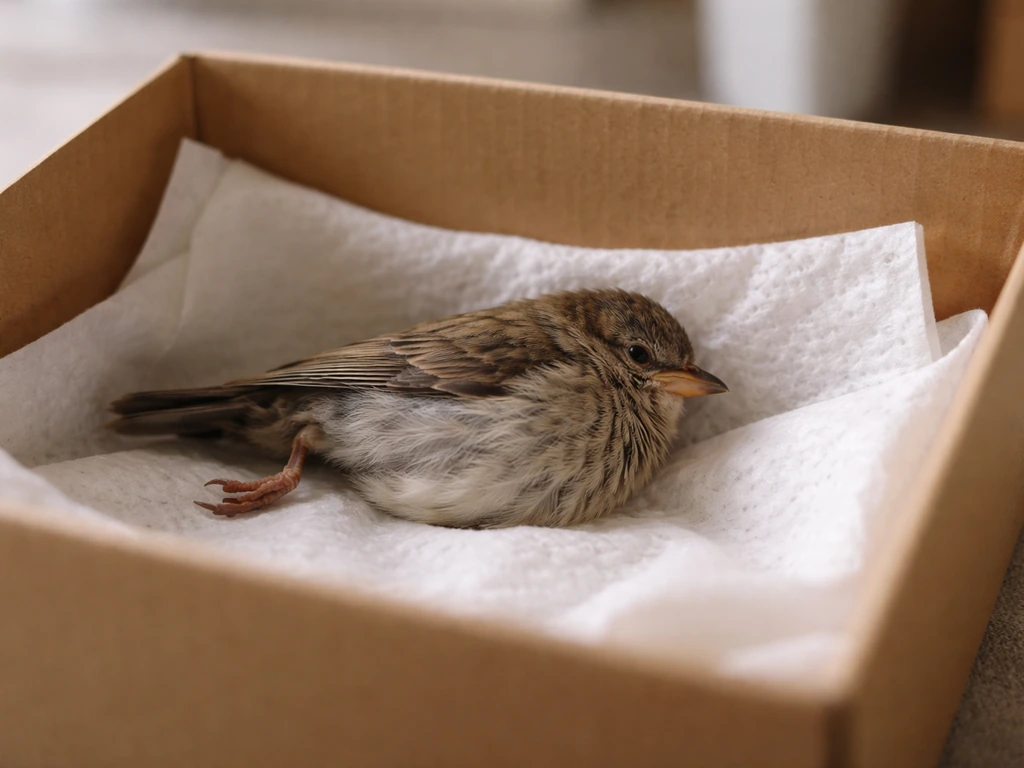
A bird with a broken wing will often hold it at an odd angle or droop it. Do not attempt to splint or tape it yourself unless a rehabilitator walks you through it specifically. Incorrect wrapping can cut off circulation or compress the chest and make breathing harder. Keep the bird in a small box where it cannot flap. Darkness and warmth reduce the bird's impulse to struggle, which is what you want.
Broken or injured leg
A bird sitting in an odd position, not bearing weight, or with a visibly bent or swollen leg likely has a fracture or dislocation. Again, do not try to splint it at home. Line the box floor with soft material so the bird is not putting pressure on a hard surface, and minimize any movement that involves picking it up. Small birds especially can die from the stress of repeated handling.
Beak injuries
Cracked or broken beaks are painful and often bleed. If there is blood, apply very gentle pressure with a clean cloth or gauze. Beaks do not reset themselves and almost always require veterinary repair. Do not try to glue or tape a broken beak. Do not offer hard food if the beak is damaged.
Open wounds and cuts
Apply gentle pressure with a nonstick pad if bleeding. If it clots and is not actively bleeding, protect the area and leave it alone. Do not use hydrogen peroxide, ointments, or sprays unless directed by a vet. Get to a vet quickly because open wounds in birds become infected rapidly. If a cat was involved, this is an emergency regardless of how minor the wound looks.
Burns
Burns are painful and prone to infection. Cool the area gently with room-temperature water (not ice cold), then cover loosely with a clean dry cloth or nonstick gauze. Do not apply butter, oils, or any home remedies. Burns in birds require veterinary treatment quickly.
Window collision
This is one of the most common situations. A bird that has hit a window is often stunned rather than structurally broken. Place it in a dark, quiet box with ventilation. Keep it warm. Give it 30 to 60 minutes undisturbed. Many window-collision birds recover and can be released. If it is still unable to fly after an hour, or if it is listing to one side, has a head tilt, or seems to be having seizure-like tremors, contact a rehabilitator. If the tremors look seizure-like, follow guidance on how to treat bird seizures while you contact a wildlife rehabilitator immediately. If the tremors look seizure-like, follow guidance on how to treat bird seizures while you contact a wildlife rehabilitator immediately how to stop a bird seizure. If the bird is having seizure-like tremors, focus on keeping it warm, dark, quiet, and safely contained while you contact a wildlife rehabilitator immediately <a data-article-id="3BCC891B-C411-406D-887C-52303C3C02AA">how to help a bird having a seizure</a>. Head injuries from collisions can also cause symptoms similar to a seizure, which is a separate problem from a standard fracture.
Pet attack (especially cat bites)
Treat this as a time-sensitive emergency every single time. Cat saliva contains Pasteurella bacteria that cause fatal septicemia in birds within 24 to 48 hours of a bite, even from tiny puncture wounds that look harmless. The bird needs antibiotics from a vet, not just wound care at home. Do not wait to see if it seems okay.
Choosing the safest option while you find help
The decision of who to contact depends partly on whether you are dealing with a wild bird or a pet bird.
| Situation | Best first contact | What to tell them |
|---|---|---|
| Injured wild bird (songbird, pigeon, waterfowl, raptor) | Licensed wildlife rehabilitator | Species if known, injury type, how long you've had it, your location |
| Injured pet bird (parrot, canary, cockatiel, etc.) | Avian veterinarian | Species, weight if known, what happened, symptoms you see |
| Injured raptor (hawk, owl, eagle) | Raptor center or wildlife rehabilitator, call before you go | Size, injury description, where you found it, your transport situation |
| Uncertainty about wild vs. escaped pet | Wildlife rehabilitator or avian vet (either is fine) | Describe the bird and situation as clearly as you can |
To find a licensed wildlife rehabilitator in the US, you can search through the National Wildlife Rehabilitators Association or call your state's wildlife agency. In the UK, the RSPCA or RSPB can direct you to local resources. When you call, describe the bird's symptoms clearly: what you see, when you found it, whether it is bleeding, whether it is breathing normally, and whether it has been exposed to a cat. This information lets them triage over the phone and give you specific instructions for your situation rather than generic advice.
If you cannot reach anyone immediately, the box protocol described above is safe for several hours for most injuries. A warm, dark, quiet, contained bird is in a much better position than one being repeatedly handled or offered inappropriate food or medication.
Keeping the bird stable until professional help arrives
Once the bird is in its box and you have made contact with a vet or rehabilitator, your job becomes watching and waiting without interfering. Here is what to monitor and what to do.
- Check breathing every 20 to 30 minutes without opening the box. Listen for any wheezing, clicking, or labored sounds through the cardboard. A bird breathing quietly is a good sign.
- Do not keep opening the box to check on it visually. Every time you lift that lid, you spike the bird's stress hormones. Trust the warmth and darkness to do their job.
- If bleeding restarts or the bird appears to be deteriorating rapidly (going limp, unable to hold its head up), this changes the timeline and you need to get to emergency care immediately.
- Keep pets and children away from the box. Even the smell of a cat or dog through the cardboard can send an injured bird into a fatal stress response.
- If you are transporting the bird to a vet or rehabilitator, keep the car warm, play no music, and drive steadily. Put the box on the seat with something preventing it from sliding, not in the boot or trunk where temperature and noise are worse.
- Do not try to force-feed or water the bird during transport or while waiting unless a rehabilitator has specifically told you it is appropriate for that species and situation.
- Document what you can with photos or a short video before boxing the bird. This helps the vet or rehabilitator assess the injury without additional stressful handling when you arrive.
Signs the bird is stabilizing (good)
- Sitting upright on its own rather than slumped to the side
- Eyes open and tracking movement when you briefly open the box
- Breathing is quiet and regular
- No new bleeding from wounds
- Alert enough to react to your presence (even with fear, which is normal)
Signs that require urgent escalation
- Panting or labored breathing persisting beyond two hours
- Unresponsive or unable to hold its head up
- Seizure-like trembling or muscle twitching
- Renewed active bleeding
- The bird feels cold even with heat applied
- Head tilting or spinning behavior
Birds that are cold, seized, or experiencing heat-related distress alongside an injury are dealing with multiple problems at once, each of which can compound the others quickly. If you suspect heat stroke, focus on cooling the bird safely while still keeping it warm enough to avoid shock, and contact a vet or rehabilitator right away. If you are seeing signs of both injury and a neurological or temperature-related crisis, treat the situation as urgent rather than stable. Getting to professional care fast matters more than anything else in those cases.
You cannot replicate what a vet can do, and that is okay. What you can do, warmth, quiet, darkness, wound protection, and limiting handling, is genuinely meaningful first aid that gives the bird a real chance. Stay calm, move slowly, make that call, and let the professionals take it from there.
FAQ
Can I give my bird Tylenol or ibuprofen for pain?
No. Do not give any human pain medicine, even small “leftover” doses, even if you think the bird is similar in size to a pet. Birds are extremely sensitive, and the safe approach is to provide warmth, darkness, quiet, and rapid professional help instead of attempting medication at home.
Is it ever safe to give a sick wild bird water or food to “help with pain”?
Do not give pain relief in the form of pills, drops, or liquids by mouth unless a vet specifically instructs you. In shock or with internal injuries, a bird can aspirate liquids, and food or drink can interfere with later treatment.
What should I do if the bird is bleeding but I’m worried about pain?
If the bird is bleeding actively, apply gentle pressure with clean gauze or a nonstick pad and keep it in a warm, dark, quiet container. If bleeding stops, protect the area and do not apply ointments, creams, sprays, or hydrogen peroxide. Then arrange veterinary or rehabilitator care.
How should I treat a bird burn if it seems very painful?
Yes, burns need cooling, but not with ice and not with oils or home remedies. Use room-temperature water to gently cool the area, then cover it loosely with clean dry cloth or nonstick gauze, and treat it as urgent for veterinary care.
Can I use topical lidocaine or another local anesthetic to reduce pain?
For a conscious bird, do not try to numb the wound with topical anesthetics or inject anything yourself. Restraint and amateur numbing can increase harm, delay proper care, and make breathing and tissue assessment harder.
Should I splint a broken wing or dislocated leg at home to reduce pain?
Do not splint or tape a wing or leg unless you receive specific instructions from a rehabilitator or a vet. Incorrect wrapping can restrict circulation or compress the chest, worsening shock and breathing.
If I cannot reach a vet right away, what’s the safest way to manage pain until help arrives?
There is no practical at-home option to “stretch” time by giving pain medication. Focus on reducing stress (warmth, darkness, quiet, minimal handling) and contacting a vet or rehabilitator immediately, especially for cat bites, head injuries, and seizures or seizure-like tremors.
What if a window-collision bird has tremors or can’t stand normally?
If the bird appears to be having seizure-like tremors or is listing to one side after a window collision, contact a wildlife rehabilitator urgently. Keep it warm, dark, and quiet while you call, and treat it as time-sensitive rather than waiting for it to “wake up.”
Is hydrogen peroxide okay to clean a bird wound?
Hydrogen peroxide should be avoided on bird wounds because it can damage tissue and slow healing. Prefer gentle cleaning only when needed, and if cleaning is required, use a very diluted antiseptic solution and keep it away from eyes, mouth, and ear canals.
Can I put ointment or petroleum jelly on a bird’s wound to stop it from hurting?
Petroleum jelly, ointments, and thick creams can mat feathers, interfere with temperature regulation, and cause additional harm unless a vet specifically told you to use them. If you need to cover a wound, use a nonstick pad loosely or cover lightly per professional instructions.
How warm should I make the container if the bird feels cold?
If the bird is cold, you still need the same containment and stress reduction, but use warmth carefully. Place the heating pad on the lowest setting under half of the container so the bird can move away, and aim for warmth you can comfortably hold your hand near.
What are the signs I’m overheating the bird with a heating pad?
If the bird is too hot (overheating risk), it can worsen shock and cause additional injury. Always provide a cooler retreat zone, remove the bird from heat if it feels overheated, and contact a vet or rehabilitator promptly if the situation seems more than minor.
My bird was bitten by a cat, it looks fine now. Is that still an emergency?
Cat bites should be treated as an emergency, even if the punctures look small and the bird seems okay. Septicemia can develop within 24 to 48 hours, so you need vet antibiotics and should not rely on home wound care alone.
What should I do if the bird’s beak is cracked or bleeding?
For a cracked or broken beak, do not glue or tape it and do not offer hard food. Apply gentle pressure only if there is active bleeding, protect open areas, keep the bird calm and warm, and get veterinary care quickly because beaks usually require repair.
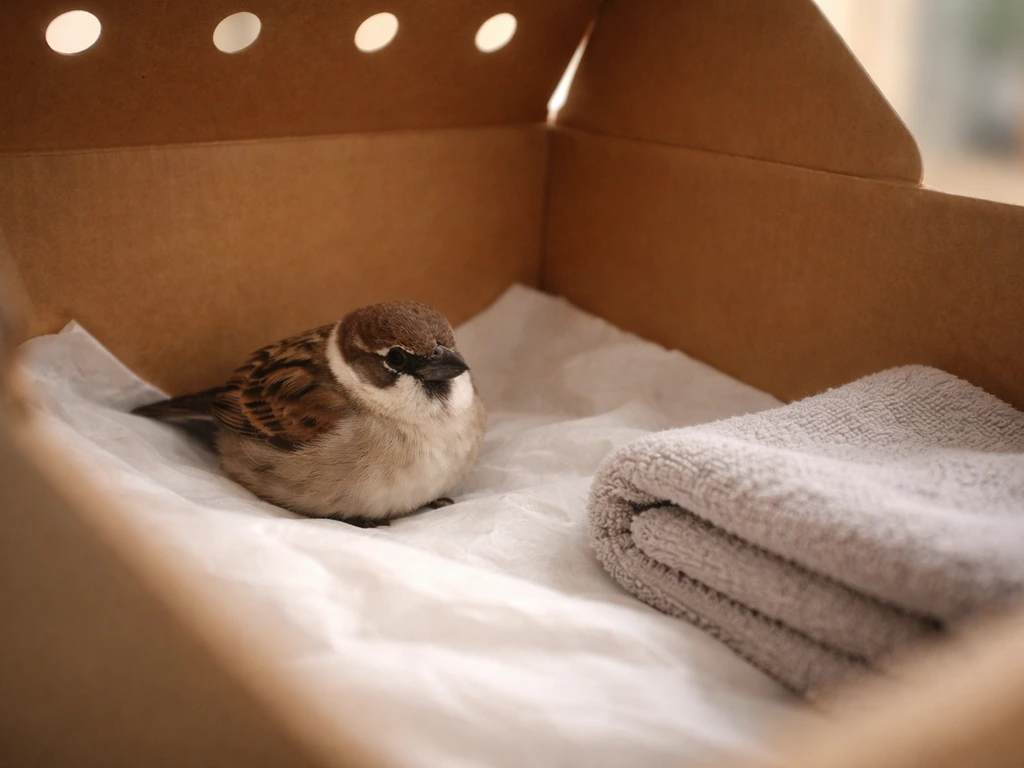
Step-by-step first aid for a bird seizure: keep calm, protect the bird, what not to do, and when to seek urgent vet help
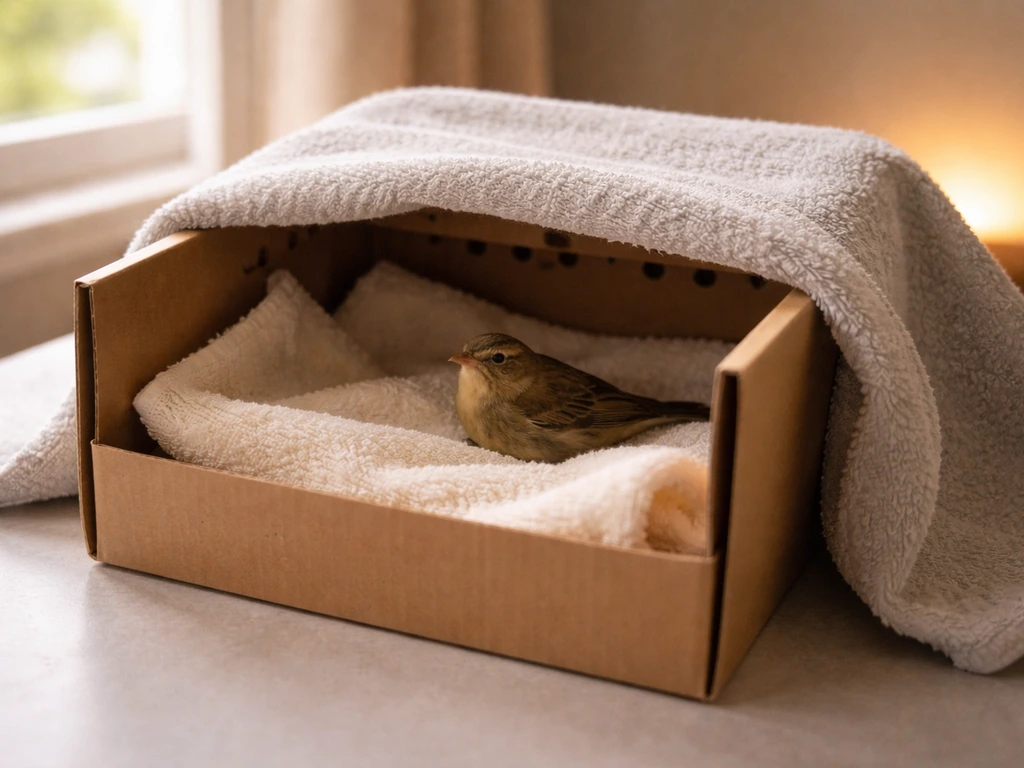
Step-by-step first aid for a sick bird: what to give, what to avoid, and when to call an avian vet.
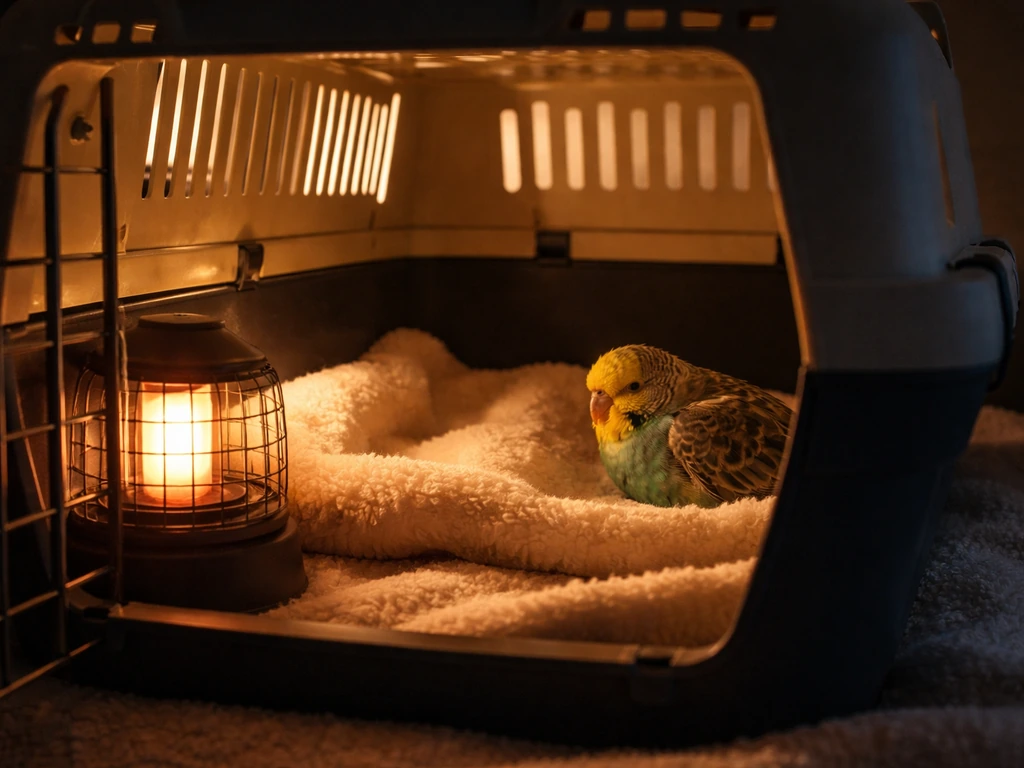
Step-by-step safe first aid and what to feed a sick bird, including when not to, hydration, and dangers of force feeding