
Move the bird to shade immediately, gently dampen its feet and the feathers around its belly with cool (not cold) water, and set it in a ventilated box or carrier away from heat and noise while you call an avian vet or wildlife rescue. If you suspect a seizure is happening, focus on keeping the bird safe, minimizing stress, and contacting an avian vet immediately how to stop a bird seizure.
How to Help a Bird With Heat Stroke: Step by Step
Marcus Chen
24 Apr 2026
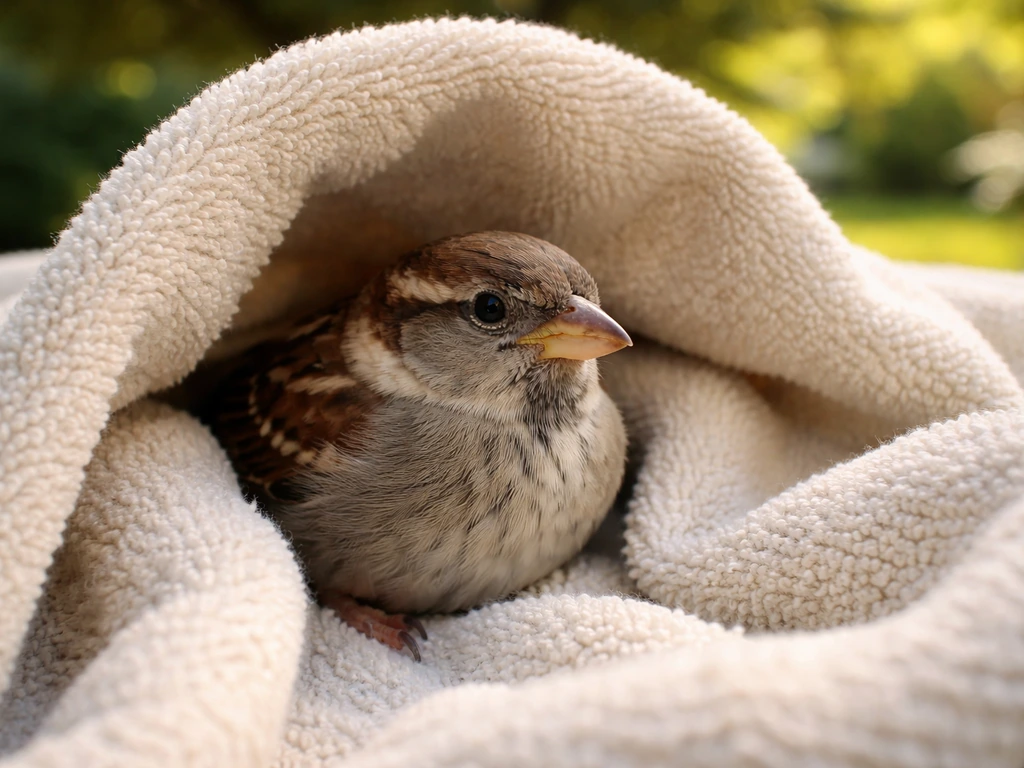
If you suspect the bird is cold, focus on gentle, gradual warming and avoid shocking it with sudden heat Move the bird to shade immediately. That is the core of what to do right now. If you’re dealing with seizures, review how to treat bird seizures while you act fast on cooling and urgent care. Everything else below fills in the details so you can do it safely and avoid making things worse.
How to recognize heat stroke in a bird
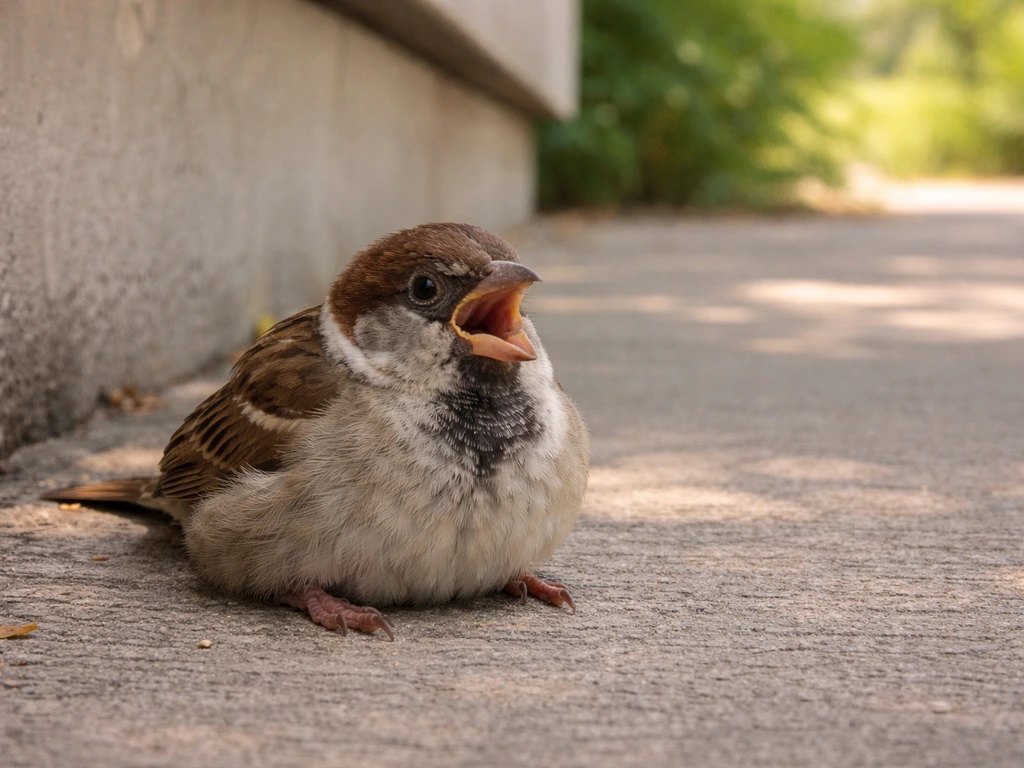
Heat stroke is not always obvious at first glance. A bird sitting on the ground in summer might look stunned from a window collision, or it might be dangerously overheated. The two situations need different immediate responses, so knowing what you are actually looking at matters.
The clearest sign is open-mouth breathing, sometimes called panting. Birds do not pant like dogs do, so if a bird is breathing with its beak open and you can see its throat moving rapidly, that is a serious warning flag. Look for these other signs at the same time:
- Open-mouth breathing or rapid, visible panting
- Wings held away from the body (the bird is trying to shed heat)
- Hot skin, especially noticeable on the bare parts of the legs and around the face
- Lethargy or inability to fly when you approach
- Loss of coordination, stumbling, or falling to one side
- Drooling or regurgitating
- Collapse or complete unresponsiveness
Any bird showing the last three symptoms on that list is in a life-threatening emergency. Even if you think it is only overheating, be aware that heat stroke can lead to seizures, so treat it as urgent and move toward professional care. Do not wait to see if it improves on its own. Even open-mouth breathing combined with lethargy is enough to treat this as urgent.
Heat stroke can cause organ damage and seizures quickly, especially in small birds, and a bird that looks like it is just resting may be losing the fight. If your bird is having seizures, focus on keeping it safe and getting immediate avian help how to help a bird having a seizure.
Immediate first aid: cool the bird safely without sending it into shock
The goal is to bring the bird's body temperature down gradually. Cooling too fast is genuinely dangerous and can cause shock, so resist the instinct to soak the bird in cold water or hold it under a faucet. Here is the right way to do it.
- Get the bird out of direct sun immediately. Move it to shade, indoors with air conditioning, or to the coolest spot you can find. This alone stops the situation from getting worse.
- Wet a cloth or paper towel with cool tap water (not ice water, not refrigerator-cold water). Gently dab the bird's feet, legs, and the feathers along the belly. These are the areas where birds lose heat most effectively.
- Do not submerge the bird, do not spray it forcefully, and do not soak the head feathers. A wet bird that cannot regulate its own temperature can cool too fast or develop breathing problems from waterlogged feathers.
- Set the bird on a cool surface, such as a damp towel laid over a tile floor, and allow airflow around it. A gentle fan nearby (not blowing directly on the bird at full force) is fine.
- Keep the room dim and quiet. Stress burns energy and generates heat. A panicked bird in a bright, noisy room will overheat faster even if the air temperature is lower.
The cooling process should be gradual and steady. If the bird is alert enough to react to your touch, that is a good sign. Continue cooling and move to the next steps. If the bird is limp or unresponsive, keep it positioned safely (more on that below) and get on the phone with a wildlife rescue or avian vet right now.
Hydration and airflow: lungs, breathing, and keeping stress low
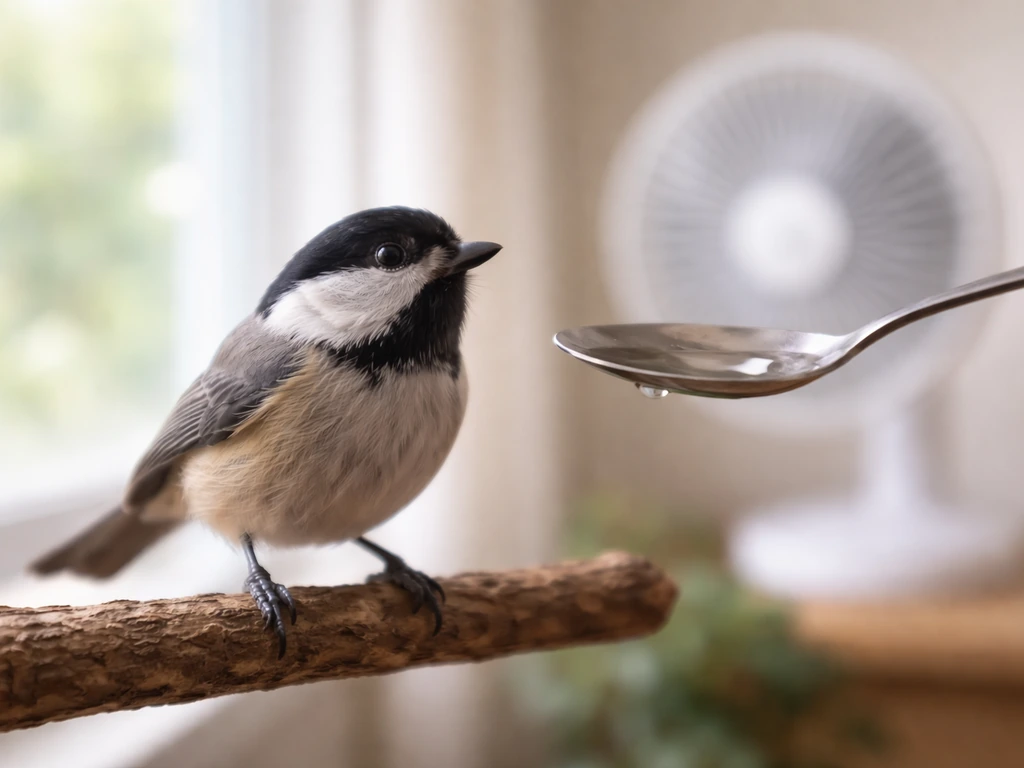
One of the hardest things to watch is a bird panting in obvious distress. Your instinct will be to give it water. In most cases, you should not attempt to give water directly into the bird's mouth, even if it looks dehydrated. For a sick bird, the safest approach is to focus on cooling and airflow first, and only offer water when a trained vet or wildlife professional says it is appropriate give water directly into the bird's mouth. A bird that is disoriented, weak, or panting can easily aspirate fluid into the lungs, which can be fatal. This is the same reason wildlife rehabilitators often advise against offering food or water to an injured animal before professional assessment.
If the bird is alert, upright, and actively trying to drink from a shallow dish you place in front of it on its own, you can allow that. Shallow is the key word: no more than half an inch of water in the dish. Never tilt the bird's head back and drip water in. Never use a syringe unless you have hands-on wildlife experience. For a bird that is not clearly capable of drinking voluntarily, hold off and focus on cooling and airflow instead.
Airflow matters a lot. Birds have a respiratory system that relies on continuous air movement, and a stuffy, stagnant space will make breathing harder. Keep the bird in a ventilated container, crack a window in the room, or run a fan at low speed nearby. The goal is fresh, room-temperature air circulating gently, not a cold draft blowing directly onto a wet bird.
What to do if the bird is panting, uncoordinated, or unconscious
A bird that is uncoordinated or collapsed needs careful positioning so it does not injure itself further. If the bird is on its side, gently move it so it is upright and resting on its keel (its chest), with its legs tucked naturally underneath. You can use a small rolled-up towel on either side to prop it in position. Do not leave a collapsed bird lying flat on its back: that position can restrict breathing and is stressful to birds instinctively.
If the bird is completely unresponsive, check for breathing by watching the chest rise and fall. Do not attempt bird CPR unless you are a trained rehabilitator. What you can do is keep the bird in a safe, supported position in a cool, ventilated space and call for professional help immediately. Time is the critical variable here.
Monitor these things every few minutes while you wait for help or transport the bird: If you suspect a bird is having a seizure, treat it as an emergency, keep the environment safe and calm, and contact an avian vet or wildlife rescue right away.
- Is the breathing rate slowing down? (A good sign.)
- Is the beak closing more? (Open-mouth breathing decreasing means the bird is cooling.)
- Is the bird holding its head up on its own? (Improving alertness.)
- Is the bird attempting to move or right itself? (Recovery in progress.)
- Is the bird's body still feeling very hot to the touch? (Continue gentle cooling if so.)
A bird that was alert and panting but begins to look drowsy or progressively less responsive is getting worse, not better. That is your signal to get moving toward professional care without further delay.
Common mistakes that make things worse (and what to do instead)
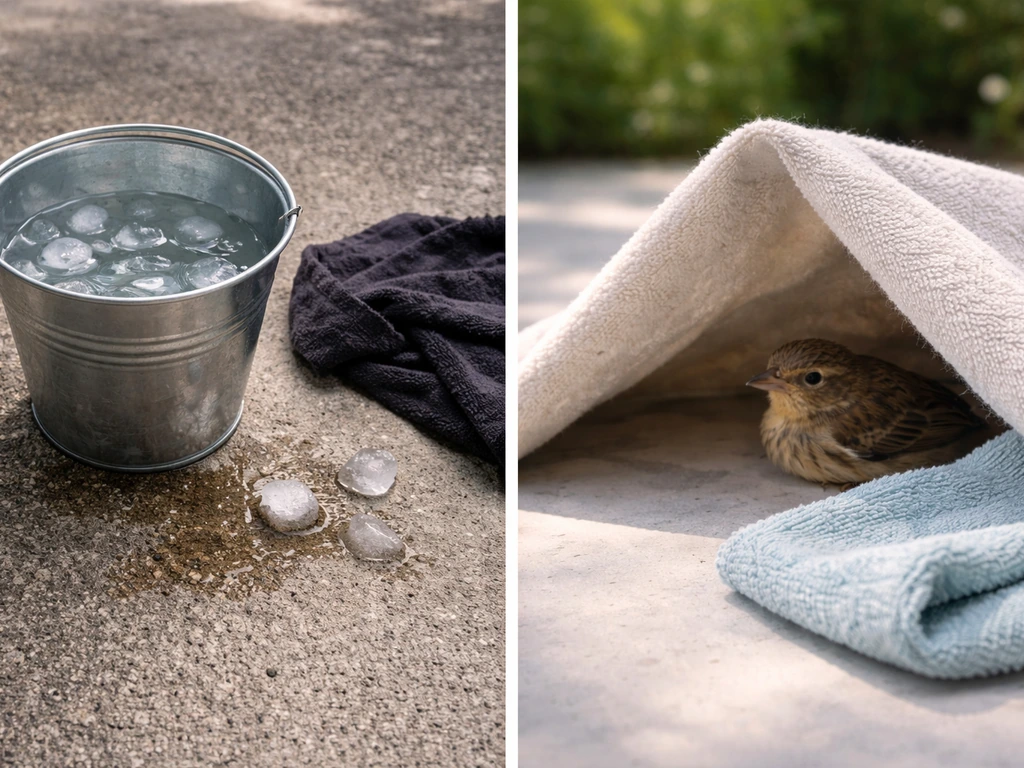
A lot of well-meaning first aid goes wrong because the instinct to act quickly and decisively can push people toward approaches that harm the bird. This kind of question is often why people also ask what to do for a sick bird instead of trying to joke around it what do you give a sick bird joke. Here are the specific things to avoid:
| Don't do this | Do this instead |
|---|---|
| Dunk the bird in cold or ice water | Dab cool (not cold) water on feet, legs, and belly only |
| Force water or food into the bird's mouth | Allow the bird to drink voluntarily from a shallow dish only if it is alert and upright |
| Leave the bird in direct sunlight to 'warm up later' | Keep the bird in shade or a cool, ventilated indoor space the entire time |
| Use a hair dryer to dry wet feathers | Allow feathers to air dry naturally in a ventilated space |
| Give the bird alcohol, sugar water, or supplements | Offer plain cool water in a shallow dish if the bird can drink on its own |
| Handle the bird repeatedly to check on it | Minimize handling; check visually and keep disturbance low |
| Keep the bird in a sealed or poorly ventilated box | Use a ventilated carrier or box with air holes, away from heat |
Food is worth a specific mention: do not offer seeds, fruit, or any other food to a bird in heat stroke distress. Food requires digestion, which generates internal heat, and it can complicate treatment if a vet needs to examine or medicate the bird shortly after. Keep things simple until professional help takes over.
When to call an avian vet or wildlife rescue right now
The honest answer is: you should be making that call at the same time you are starting first aid, not waiting to see if first aid works. Heat stroke in birds can cause internal organ damage that is not visible from the outside, and a bird that looks recovered after cooling may still have serious underlying problems. Professional assessment is not optional; it is the goal.
Call immediately if any of these apply:
- The bird is unconscious or not responding to touch
- The bird is having a seizure or full-body tremors
- Open-mouth panting has not decreased after 10 to 15 minutes of gentle cooling and shade
- The bird was found in an enclosed hot space like a vehicle, greenhouse, or sealed room
- The bird is a nestling or very small species
- You have any doubt at all about whether it is improving
To find help, search for a licensed wildlife rehabilitator in your area (in the US, the National Wildlife Rehabilitators Association and the Wildlife Center of Virginia both maintain directories), or call a local avian veterinarian directly. When you call, tell them the species if you know it, the symptoms you are seeing, and what first aid you have already done. They can advise you over the phone and help you decide if you need to transport immediately.
How to transport the bird safely
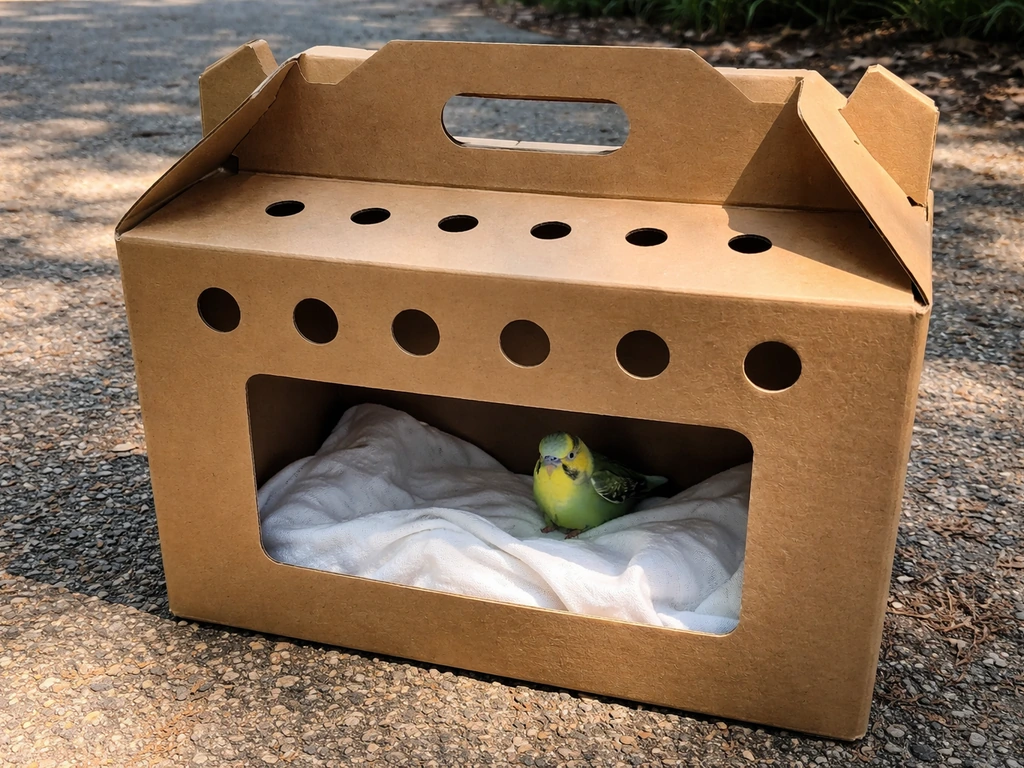
Use a cardboard box or pet carrier with ventilation holes. Line it with a clean, non-fluffy cloth like a cotton t-shirt or a paper towel. Place the bird inside and keep the box in the coolest part of your car, either in the air-conditioned cabin or with the windows cracked. Do not put the box in a hot trunk. Drive calmly: loud music, sharp braking, and erratic driving all increase the bird's stress. Keep handling to a minimum once the bird is secured, and resist the urge to keep checking on it by opening the box during the drive.
Aftercare and keeping it from happening again
If the bird is a wild one and it recovers under professional care, release timing and location will be determined by the rehabilitator. Do not release a bird that has been treated for heat stroke on your own until a professional clears it. Birds can look completely normal while still being compromised internally.
For pet birds, heat stroke is often preventable. Keep cages away from direct sun exposure, especially near windows in summer. In extreme heat, birds may die from heatstroke when they cannot evaporate enough water to stay cool, so shade and water are key helps you can provide cages away from direct sun exposure. Afternoon sun through glass can turn a room into an oven surprisingly fast. Make sure your bird always has fresh cool water, and never leave a pet bird in a car, even for a few minutes with the windows cracked.
For backyard and garden birds, a shallow bird bath with fresh water changed daily makes a real difference during heat waves. For extreme heat, the National Wildlife Federation recommends adding ice to birdbaths to keep the water cool and available for birds seeking relief a shallow bird bath with fresh water changed daily makes a real difference during heat waves. Place it in a shaded area rather than full sun. Native plantings that provide natural shade and cover give birds a place to cool down during the hottest part of the day, typically between noon and 4 p.m. in summer.
High-risk situations to keep in mind include hot weather combined with window collisions (a bird stunned by a window strike can bake on hot pavement quickly), cats or dogs that hold birds in their mouths even briefly (the stress and physical compression can trigger heat and shock simultaneously), and birds near greenhouses, metal roofs, or south-facing walls that radiate heat. Knowing your yard's heat traps helps you check in faster when temperatures spike.
Heat stroke is one of the more treatable emergencies when caught early and handled correctly. The birds that fare worst are usually the ones found too late or cooled too aggressively. If you stay calm, cool gradually, minimize stress, and get professional eyes on the bird quickly, you are doing everything right.
FAQ
How can I tell if the bird needs cooling for heat stroke versus it just got stunned from something like a window strike?
If the bird is showing open-mouth breathing, rapid throat movement, or progressive weakness, treat it as heat stroke and cool gradually. A simple stunned bird may be closed-mouth and breathing normally, but if it is panting or worsening over minutes, prioritize cooling and immediate professional help, even if you suspect trauma.
Should I put ice on the bird or use very cold water to cool it faster?
No. Do not use ice or very cold water because fast cooling can trigger shock. Use cool (not cold) water only on the feet and belly area, and remove the cooling once the bird is stable enough to be in a ventilated, shaded carrier for transport.
Can I dunk the bird in a bowl of water or hold it under a faucet while I cool it?
Avoid dunking or prolonged exposure to water. Water temperatures can be too cold, and wet, confined conditions can increase stress and aspiration risk. Instead, focus on shade, gentle cooling of specific areas (feet and belly feathers), and airflow, then contact a wildlife rehabilitator or avian vet immediately.
What if I accidentally gave water into the bird’s mouth, will it be okay?
Do not try to “fix” it by forcing more water. Place the bird in a ventilated, cool, shaded carrier and monitor breathing. If it coughs, struggles, worsens, or starts panting with an open beak again, treat it as urgent and seek immediate professional care because aspiration can develop quickly.
The bird seems alert but is heavy-breathing. When is it safe to stop cooling and just wait?
Do not wait to see if it improves on its own. Continue gradual cooling and keep airflow going while you contact a professional. Stop or reduce active cooling only when the bird is clearly improving (less open-mouth breathing, more coordinated posture), and still transport or get vet guidance if symptoms were severe.
What position should I use if the bird is lying on its back, and should I cover it with a blanket?
If it is on its back, gently rotate it so it is upright and resting on its keel (chest), legs tucked naturally. You can lightly cover it with a clean cloth for calm, but do not block airflow or trap heat, and never use thick bedding or fluffy materials inside the carrier.
Is it safe to give food or water to a heat-stroked bird if it seems thirsty?
In most cases, no. Do not offer seeds, fruit, or other food, and avoid directing water into the mouth because digestion and aspiration risk can complicate treatment. Only allow drinking if the bird is alert, upright, and actively drinking from a shallow dish on its own, with no more than about half an inch of water.
Do I need to run the fan directly on the bird, or can I just crack a window?
Aim for gentle, room-temperature airflow, not a cold blast. Cracking a window helps if the air is not hot, but a low-speed fan nearby is often better. Keep the bird away from direct drafts and avoid chilling it while it is wet.
What if the bird is collapsed and not moving, how do I check breathing without stressing it?
Keep handling minimal. Watch for chest rise and fall in short, calm intervals, and keep it supported in a ventilated shaded container. Do not attempt CPR unless you are trained, and escalate immediately to a wildlife rehabilitator or avian vet for urgent guidance.
How often should I monitor the bird while I wait for help or transport?
Check every few minutes for breathing pattern and responsiveness. If it starts drowsy, then becomes more lethargic or less responsive, treat that as deterioration and move toward professional care without delay. Avoid repeatedly opening the container during monitoring.
If I transport the bird in my car, where should I place the carrier and what should I avoid?
Keep the ventilated carrier in the coolest part of the car, ideally in the air-conditioned cabin, not the hot trunk. Drive calmly, minimize loud sound and sudden stops, and keep the carrier stable so the bird does not fall or get jostled.
When can a rehabilitated wild bird be released after heat stroke treatment?
Do not release it yourself. Release timing and location should be determined by the rehabilitator after they confirm the bird has recovered adequately, since internal damage can remain even when outward signs improve.
How can I prevent heat stroke for backyard birds during heat waves beyond a water dish?
Use shaded, refreshed water daily and place bird baths out of direct afternoon sun. Also look for natural cover and shade (native plantings), since birds often seek refuge between about noon and 4 p.m. Add multiple smaller water stations so birds can choose cooler spots and avoid crowds.