If a bird in front of you is convulsing, falling, paddling its legs, or losing consciousness, move it to a small, dark, quiet box right now, keep your hands away unless it's in immediate danger, and call an avian vet or wildlife rescue while it's resting. That sequence, calm the environment first, then get professional help on the line, is the single most useful thing you can do in the next five minutes. Here’s how to stop a bird seizure by keeping the environment calm, reducing stimulation, and getting urgent avian help.
How to Treat Bird Seizures: First Aid and Next Steps
Marcus Chen
24 Apr 2026
Recognize seizure signs and rule out look-alikes
A true seizure in a bird usually looks like one or more of these: uncontrolled wing flapping or paddling movements, sudden collapse, muscle rigidity or trembling, rolling onto the back and being unable to right itself, a glazed or blank expression, loss of grip on a perch, or rapid involuntary eye movements. The episode may last anywhere from a few seconds to a couple of minutes, and the bird often appears disoriented or exhausted afterward.
Here's the tricky part: several other serious conditions can look almost identical. A vestibular episode (an inner-ear or balance problem) causes disorientation, head tilt, and abnormal rolling eye movements without being a true seizure. Syncope, which is a sudden faint from a drop in blood pressure, causes sudden collapse and brief unconsciousness with quick spontaneous recovery, basically the bird falls over and then snaps out of it within seconds. Choking or respiratory distress causes open-mouth breathing, bobbing, and collapse that can look frantic and seizure-like. Heat stroke can cause twitching and unresponsiveness. Heat stroke can be a life-threatening emergency, so focus on rapid cooling and immediate veterinary or wildlife rescue help how to help a bird with heat stroke. These distinctions matter because the first-aid response varies, but the good news is that the immediate safety steps below apply to all of them while you figure out what's going on.
A few quick visual checks can help you sort things out. Look at the eyes: are the pupils the same size, or is one much larger than the other? Unequal pupils strongly suggest head trauma. Is the bird making any swallowing or gasping motions that might indicate something is lodged in its throat? Is the chest heaving rapidly or is breathing obviously labored? Does the bird recover and look relatively alert between episodes, or does it stay collapsed and unresponsive? Note all of this, because you'll want to tell the vet or rescue exactly what you observed.
Immediate safety and first aid during an episode

Your job during an active episode is to prevent the bird from hurting itself and to reduce stimulation, not to hold it still or try to stop the movements. Attempting to restrain a seizing bird can cause broken bones, internal injury, or serious stress, so resist the urge to grab it unless it's about to fall into water, off a high surface, or into something sharp.
- Clear the immediate area. If the bird is on a hard floor, slide a soft towel under it. Remove anything it could crash into, including perches, food bowls, toys, or cage bars it might hit repeatedly.
- Dim the lights. Turn off overhead lights or close blinds. A dark environment significantly reduces the sensory input that can prolong or worsen an episode.
- Reduce noise. Turn off TVs, music, and fans. Ask anyone nearby to leave the room quietly. Even well-meaning onlookers create stress.
- Do not offer food or water during the episode. A bird that is convulsing or semi-conscious can aspirate liquid into its lungs, which is life-threatening.
- Time the episode. Use your phone to note when it started. If it lasts more than two to three minutes, or if the bird has multiple episodes within a short window, that is a veterinary emergency with no exceptions.
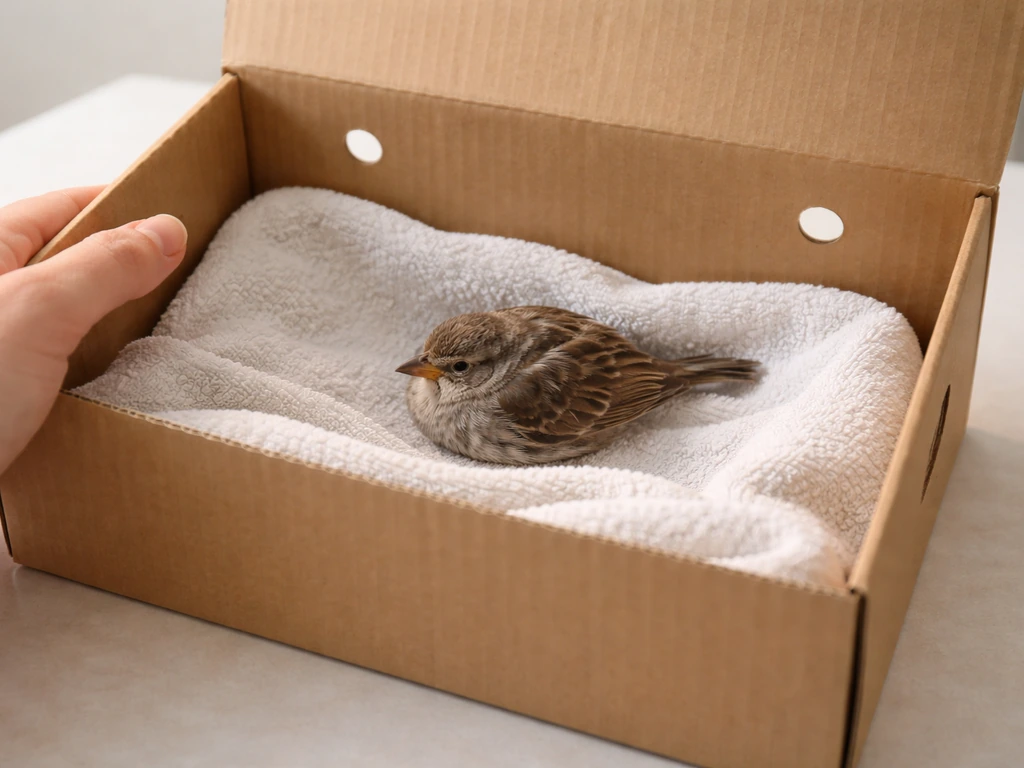
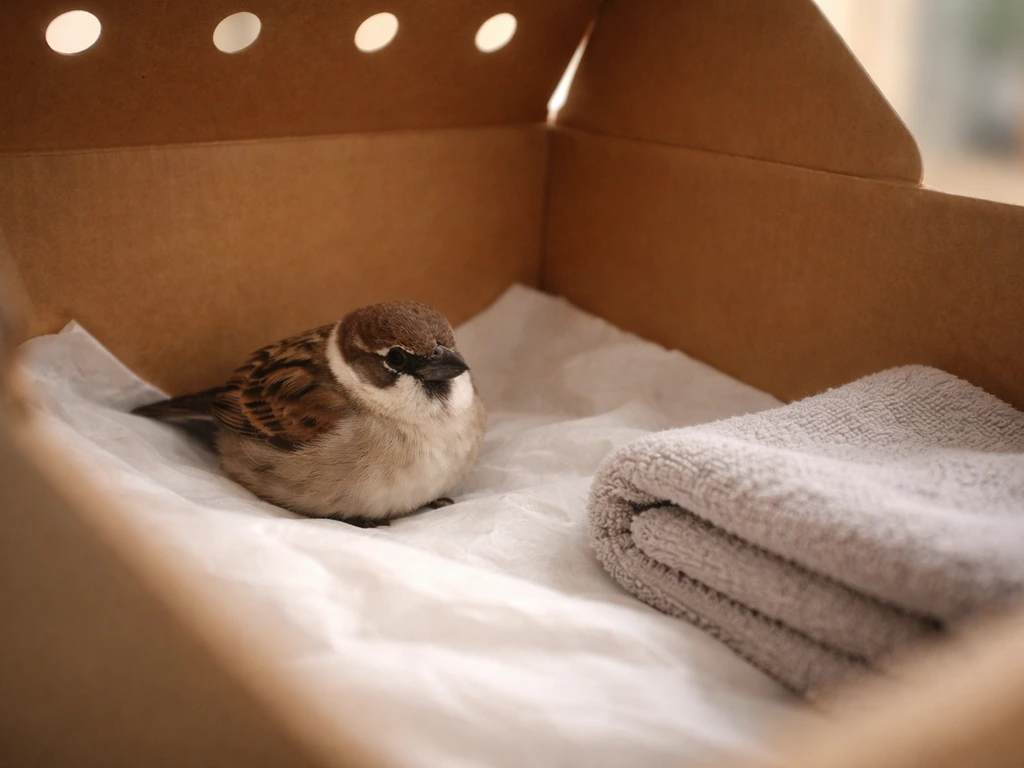
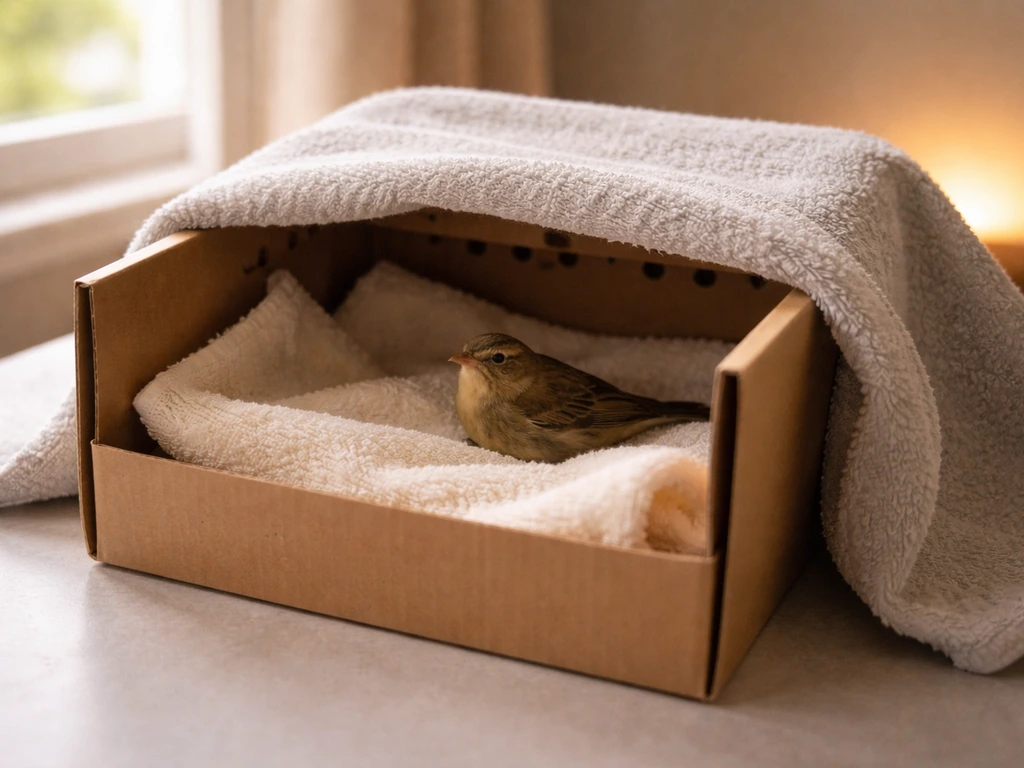
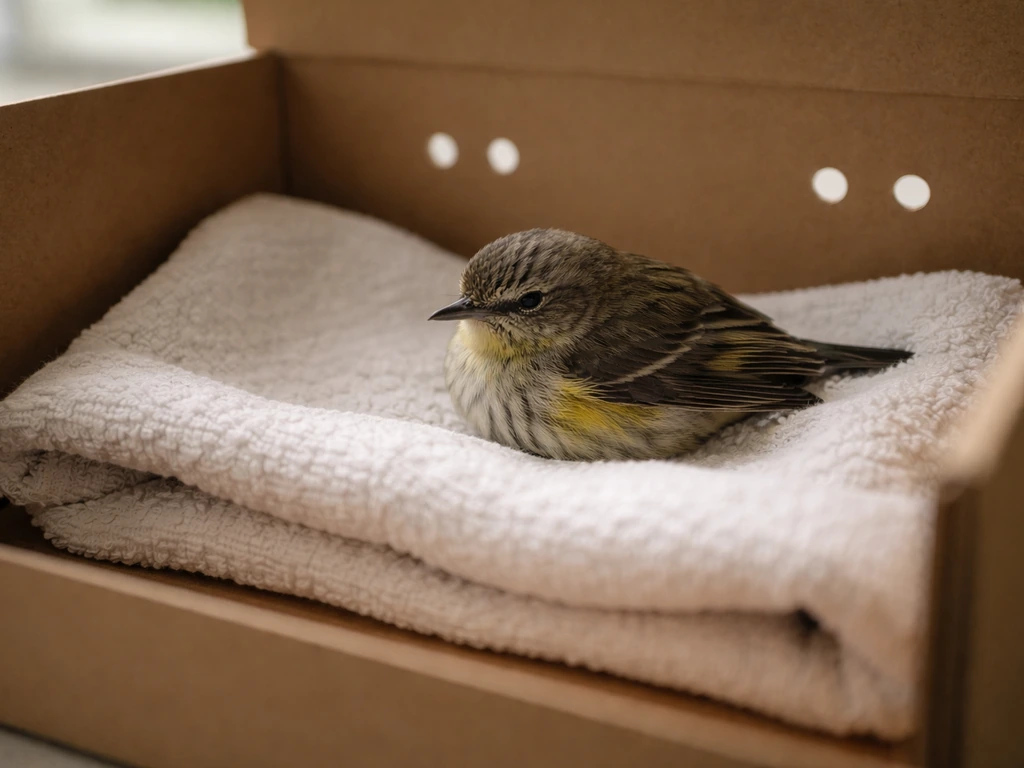
- Once the active seizure stops, gently place the bird in a small cardboard box lined with a soft cloth or paper towels. Poke air holes in the lid. Close it loosely so it stays dark and quiet, then set it somewhere warm and draft-free while you make calls.
Quick triage: check for head trauma, choking, and toxin exposure
Once the bird is in a safe, quiet box and the episode has stopped, take 60 seconds to think through the most likely cause. This matters because it changes what you tell the vet and how urgently you need to move.
Head trauma
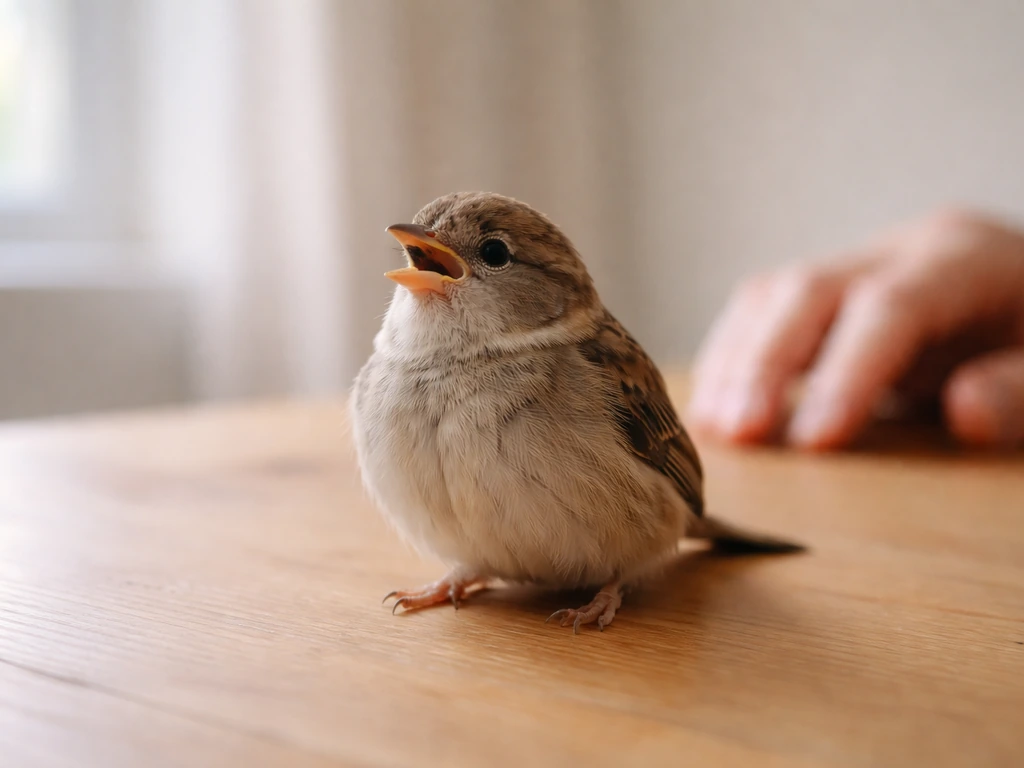
Was the bird near a window, glass door, or any surface it could have hit at speed? Window strikes are one of the most common causes of bird seizures and neurological episodes. Signs of head trauma include unequal pupil size, a visible wound or blood near the head, an asymmetric posture (leaning or twisting to one side), and extreme disorientation that doesn't improve. If any of these are present, treat this as a high-priority emergency.
Choking or airway obstruction
If the bird was eating right before the episode and is making exaggerated swallowing motions, stretching its neck repeatedly, or breathing with its mouth open, choking is possible. A bird that is actively choking needs hands-on intervention from a vet, not a wait-and-see approach. Call immediately.
Toxin exposure
Think about what the bird had access to in the last few hours. Common culprits include lead (old paint, fishing weights, certain metal cage components), pesticide-treated plants or insects, non-stick cookware fumes (PTFE/Teflon releases toxic fumes when overheated), smoke, scented candles, air fresheners, or cleaning products used nearby. For wild birds, rodenticide (rat poison) ingestion is a real possibility. If toxin exposure is suspected, that information is critical for the vet, so try to identify and photograph any potential source.
Metabolic causes
Seizures in birds can also be caused by low blood calcium (hypocalcemia), low blood sugar (hypoglycemia), or dehydration. These are especially common in young birds, malnourished birds, or birds that haven't eaten recently. Heat stroke is another real trigger. Knowing what the bird has (or hasn't) eaten and whether it's been in a hot environment helps narrow this down quickly for whoever treats it.
When to seek emergency avian care (and how to find help nearby)
Honestly, any bird that has had a seizure should be seen by a professional. If you want to know how to help a bird having a seizure in the moment, focus on keeping the bird safe and reducing stimulation until veterinary care is available. If you are wondering how to tell if a bird is having a seizure, focus on the specific outward signs and duration described above before you act. But these situations require you to move fast, not wait until morning.
- The seizure lasted more than two to three minutes
- The bird has had more than one episode within an hour
- The bird remains unconscious or completely unresponsive after the episode ends
- You can see blood, a wound, or obvious injury
- The pupils are unequal in size
- You suspect toxin exposure of any kind
- The bird is a baby or juvenile
- The bird is not breathing normally between episodes
To find help: search for an avian veterinarian (not just a general vet) in your area, since not all vets are equipped to treat birds. In the US, the Association of Avian Veterinarians has a member finder on their website. For wild birds, search for a licensed wildlife rehabilitator through the National Wildlife Rehabilitators Association or your state's fish and wildlife agency. When you call, tell them immediately that the bird is seizing or has seized, describe the species if you know it, and mention any suspected cause. This gets you triaged faster.
Safe supportive care while you're arranging transport
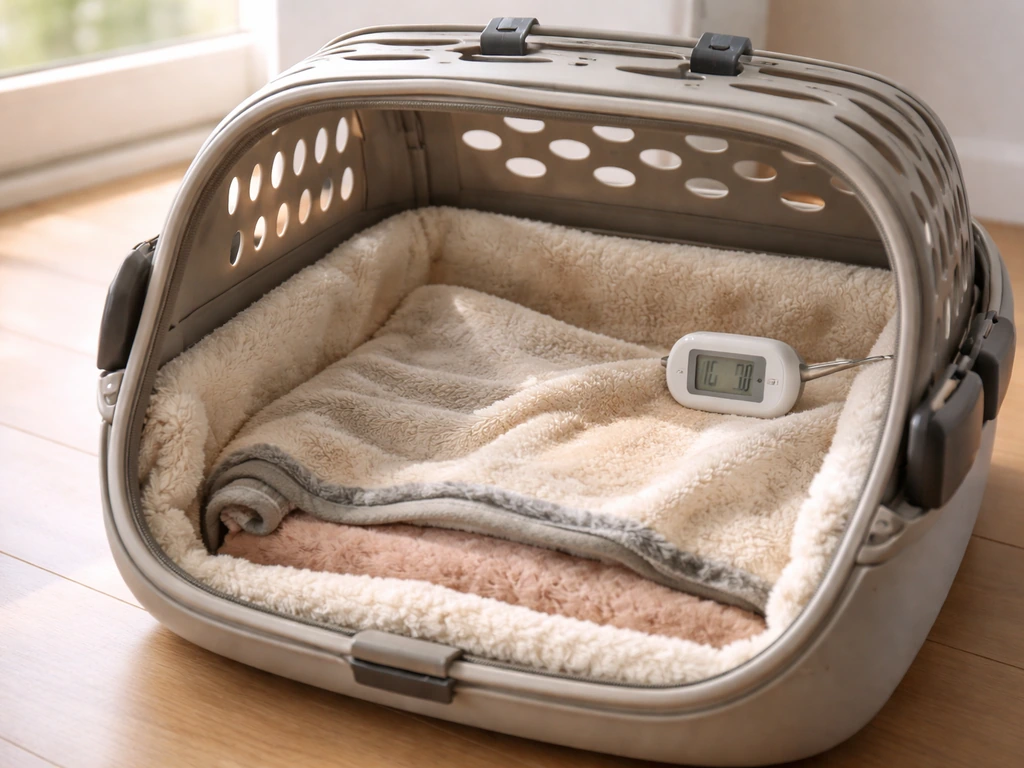
The window between the episode ending and getting the bird to a vet may be an hour or more, depending on where you live. Here is how to keep the bird as stable as possible during that time. In the same way, you can use safe supportive care and quick triage to help a cold bird until you can reach an avian professional how to help a cold bird.
Warmth is the most important factor. A bird that is sick or injured loses body heat rapidly, and hypothermia makes almost every condition worse. Place a heating pad set on its lowest setting under one half of the box (not the whole bottom, so the bird can move away if it gets too warm). Alternatively, wrap a warm water bottle in a cloth and place it against the outside of the box. Target a temperature around 85 to 90 degrees Fahrenheit inside the box for most small birds.
Keep the environment dark and quiet. This isn't just comfort: reduced sensory stimulation genuinely lowers the chance of another episode in birds whose nervous systems are already stressed. Resist the urge to keep checking on the bird by opening the box every few minutes.
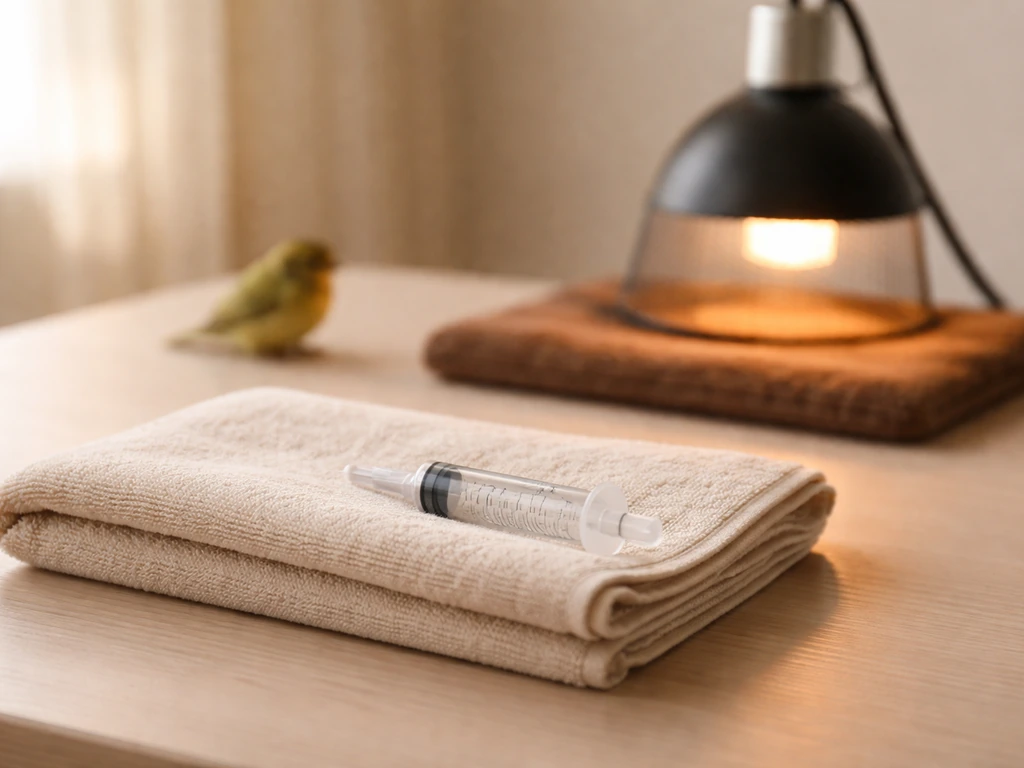
Do not attempt to give the bird food or water unless instructed by a vet or licensed rehabilitator. A bird that is still disoriented or semi-conscious after a seizure can easily aspirate liquid. If a professional has confirmed the bird is alert and swallowing normally, a few drops of plain, room-temperature water on the beak (not forced into the mouth) may be appropriate, but when in doubt, skip it.
Do not give any medications, supplements, or home remedies without professional guidance. This includes human pain relievers, which are toxic to birds, and well-intentioned things like sugar water or vitamin drops. If you're wondering <a data-article-id="E091CF2D-2497-4B23-8ABD-ADE9A6841888">what to give a sick bird</a> for supportive nutrition or pain, that's a question for the vet handling the case. If you find yourself thinking about “what do you give a sick bird joke” or anything similar, remember this is the kind of question to confirm with the vet after seizure and safety steps, because the right supportive help depends on the cause what to give a sick bird. If you’re looking for what to give a bird for pain, call the vet handling the case first, because many common human pain relievers can be dangerous or fatal to birds.
What vets and rescues typically do for bird seizures
Understanding what happens next can help you feel less helpless while you wait, and it also helps you answer the questions you'll be asked when you arrive.
The first priority for any vet seeing a seizing bird is stabilization, not diagnosis. That means warmth, minimal handling, supplemental oxygen if available, and sometimes an IV or intraosseous fluid line to correct dehydration and support blood pressure. If hypocalcemia (low calcium) is suspected based on the bird's history or species, calcium gluconate is often given fairly quickly because it can stop seizures rapidly in those cases. Dextrose may be given if hypoglycemia looks likely.
Once the bird is stable, the vet will work on finding the underlying cause. Diagnostics typically include blood work (checking calcium, glucose, kidney and liver values, and signs of infection), X-rays to look for metal ingestion or trauma, and sometimes heavy metal screening if lead or zinc poisoning is suspected. A physical neurological exam will check balance, reflexes, eye movement, and pupil response.
Treatment depends entirely on what's found. Bacterial or viral encephalitis gets antibiotics or antivirals. Lead poisoning is treated with chelation therapy. Trauma-related swelling may be managed with anti-inflammatories. Heat stroke requires aggressive cooling and fluid support. Some birds respond within hours; others need days of inpatient supportive care. The vet team will give you a realistic picture once they have more information.
Aftercare, monitoring, and preventing future episodes
If the bird is discharged into your care (as a pet) or you are a permitted rehabilitator overseeing recovery, the follow-up period is critical. Here's what to track and what to change.
What to watch for at home
- Any recurrence of the same behaviors you saw during the original episode
- Changes in balance, posture, or the ability to grip a perch
- Unusual eye movements, persistent head tilt, or circling behavior
- Appetite and droppings: both should return toward normal within 24 to 48 hours
- Lethargy or unresponsiveness that doesn't improve over time
Keep a simple written or phone-photo log of anything unusual. Date, time, duration, and what the bird was doing before it happened. Vets find this genuinely useful for adjusting treatment, especially if episodes continue or recur weeks later.
Preventing future episodes
For pet birds, do a full audit of your home environment. Remove or secure any lead-containing objects (old cage hardware, stained glass, fishing weights, certain ceramics), stop using non-stick cookware or at least ensure the kitchen is completely separate from where the bird lives, and switch to unscented cleaning products. Make sure the bird's diet is nutritionally complete and species-appropriate, since metabolic seizures caused by calcium or vitamin deficiencies are entirely preventable with the right diet.
For wild birds that had a window-strike seizure, the best prevention is treating the windows that caused the collision. UV-reflective window film, external screens, closely spaced vertical tape strips, or window stickers placed densely (within 2 inches of each other) all reduce strike risk significantly. Single large stickers in the center of a window do almost nothing, despite what's commonly believed.
Temperature extremes deserve attention too. A bird recovering from a heat-stroke seizure needs access to shade and water at all times, and a bird prone to cold-related episodes needs a reliably warm enclosure. If the bird is recovering from something stress-related, minimizing loud sounds, sudden movements, and handling until it's fully stable gives the nervous system the best chance to recover.
Finally, keep the number for your nearest avian vet and a wildlife rehabilitation hotline saved in your phone now, before you need it again in a panic. The few minutes that search takes during an emergency can feel like forever when a bird is in crisis in front of you.
FAQ
How long is too long for a bird seizure before I treat it as an emergency?
Do not try to “time” the seizure by repeatedly opening the box or shining lights into the bird. Instead, note the start and end in one continuous way (for example, check a clock when you first notice it, then when you see it stop), and observe breathing patterns and posture afterward. If the bird is not clearly improving within a couple of minutes or starts having back-to-back episodes, treat it as urgent and escalate the call while you wait.
Should I hold or restrain my bird during the seizure to keep it from hurting itself?
For safety, assume it could be dangerous for both of you to pick up a seizing bird. Only move it if it is in immediate danger (near water, about to fall, or close to sharp edges), then keep hands away until the movements stop. If you must reposition, use a towel as a barrier and support the body without squeezing the chest or forcing the head.
When can I offer water or food after the seizure ends?
Yes, but only in a way that does not add stimulation or cause aspiration. The article emphasizes keeping the bird warm and quiet, and skipping food or drink unless the bird is fully alert and swallowing normally. If you are instructed by a vet or rehabilitator, offer only tiny, room-temperature drops on the beak (not forced into the mouth), and stop immediately if breathing becomes labored or the bird coughs.
What if my bird is still on its back or cannot perch normally after the seizure?
If the bird is breathing but cannot right itself, treat it like a medical emergency and prioritize warmth plus minimal handling, then get professional help. Warming should be gentle (heat source under part of the box) so the bird can move away if it gets too warm, and you should not attempt to “flip” the bird upright repeatedly. Let it stabilize while you arrange transport or advice.
If I think it might be poisoning, what should I do at home while waiting for the vet?
If you suspect a toxin, do not try to “counteract” it at home with sugar, activated charcoal, or home remedies unless a vet tells you to. What helps most is removing the bird from exposure, ventilating the space if it is safe, saving packaging/labels of cleaners or foods, and calling the avian vet or wildlife rehabilitator with what product or substance it may have contacted and approximately when.
My bird had unequal pupils, does that always mean it hit its head?
Unequal pupils suggest possible head trauma, but it is not the only clue. If you notice blood, a wound, abnormal twisting/leaning to one side, extreme disorientation that does not improve, or the bird is very young or frequently flutters into glass, you should treat it as high priority even if the seizure-like episode was brief.
How can I tell if it is choking versus a seizure, and what should I do in each case?
Do not attempt to examine the throat, stick fingers into the beak, or perform home “removal” if choking is suspected. Instead, call immediately for hands-on guidance and keep the bird stable, warm, and minimally stimulated. If breathing is open-mouth or labored, that is more consistent with respiratory distress or lodged material than a simple seizure.
Once the episode stops, does my bird still need to see a professional?
If the bird stops seizing and is breathing normally, you still should not assume it is safe. Transport decisions depend on cause and recovery speed, but as a general rule, any bird that had a seizure needs professional evaluation, especially if it is disoriented, has abnormal eye signs, or had a suspected window strike or toxin exposure.
What’s the safest way to handle possible heat stroke without making it worse?
When heat is suspected, do not overcool. Use gentle, controlled warming and cooling approaches as directed by an avian professional, because inappropriate temperature changes can worsen outcomes. For heat-related emergencies, the goal is rapid, safe cooling and immediate veterinary or wildlife rescue help, and you should avoid covering the bird in thick towels that trap heat.
What details should I write down or video for the vet when a seizure happens?
Yes, and it is useful for triage. Include the exact time the episode started and ended, what the bird was doing right before it (eating, flying, panicking, sleeping, exposed to smoke or fumes), the species, and any observations like eye rolling, swallowing motions, labored breathing, or unequal pupils. If you can, take a short video, but only if it does not delay calling or change your safety steps.
What if the seizures keep happening, even if each one seems to stop on its own?
If your bird has frequent episodes, do not “wait and see” between them, even if each episode ends. Recurrent seizures suggest an ongoing metabolic, toxic, infectious, or structural issue, and the vet will likely want to correlate timing with meals, lighting, cleaning routines, cookware use, and environmental temperature changes.
What daily habits can reduce the chance of another seizure in the future?
For prevention, the article highlights removing likely toxin sources, auditing the diet for completeness, and addressing temperature extremes and window strike risk. A practical add-on is to keep a consistent routine, reduce sudden household changes (new fragrances, air fresheners, new cleaners, or changes in cookware), and treat “new product introduced recently” as a suspect when episodes recur.