
You cannot stop a bird seizure the way you might stop a nosebleed. What you can do is keep the bird safe during the episode, reduce every possible stressor, get it into a warm dark box, and call an avian vet or wildlife rescue immediately. If you can, have an avian vet or wildlife rescue evaluate the bird as soon as possible. Most seizures in birds last only a few seconds to about 3 minutes. Your job during that window is to protect the bird from injuring itself, then get professional help on the phone as fast as possible.
How to Stop a Bird Seizure: Emergency Steps and Aftercare
Marcus Chen
2 May 2026
Is it actually a seizure? What to look for (and what to rule out)
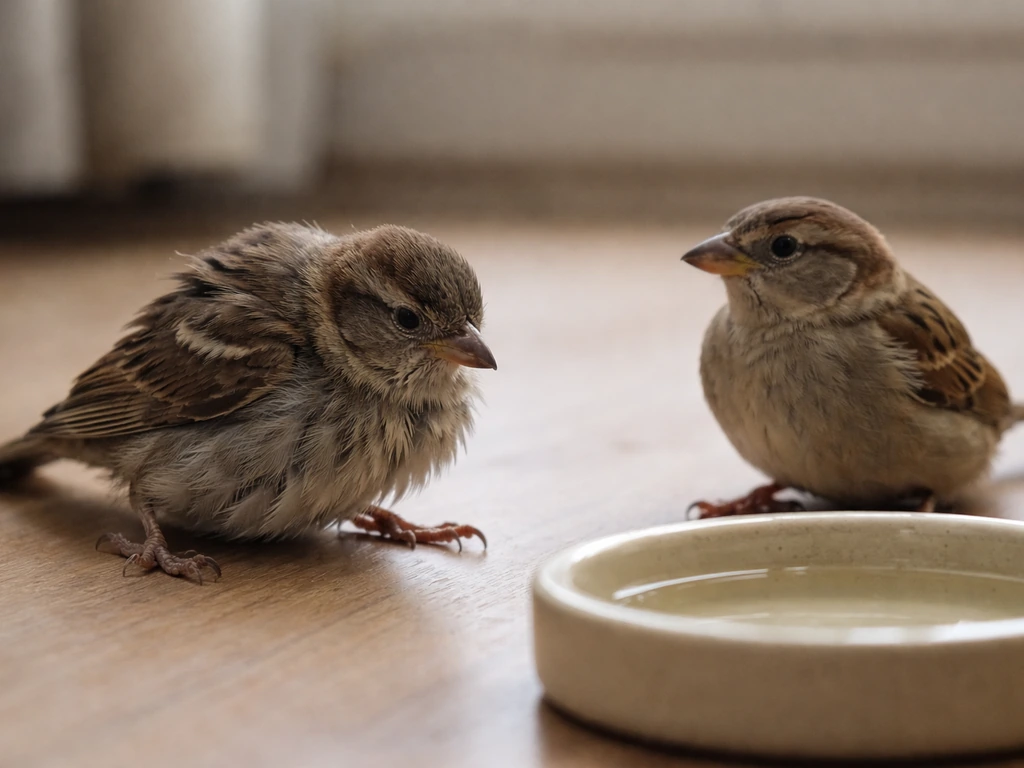
Before you do anything, it helps to know what a bird seizure actually looks like, because a few other emergencies can look almost identical. If you are wondering how to tell if a bird is having a seizure, these signs and the common lookalikes can help you decide what to do next. A true seizure usually involves some combination of: falling to one side, body stiffening, rhythmic jerking or paddling of the legs and wings, possible loss of bladder or bowel control, and a brief period after the episode where the bird is disoriented and unable to coordinate properly. The bird is not responsive or in control during the episode itself.
What can mimic a seizure? Quite a few things. A bird that hit a window may look like it is convulsing when it is actually stunned from head trauma. A bird in shock from a cat attack may tremble violently and not respond to you. A bird with a respiratory obstruction may thrash and flail in a way that looks like a seizure. Heat exhaustion can cause collapse and twitching. All of these situations need urgent help, and most of the immediate steps overlap, but knowing the difference matters for what you tell the vet or rescue when you call.
| What you see | Likely scenario | Key distinguishing sign |
|---|---|---|
| Stiffening, rhythmic jerking, falling to side, paddling limbs | Seizure | Full loss of muscle control, often brief, disoriented afterward |
| Limp, eyes closed, minimal movement | Shock or severe weakness | No active convulsing; still and unresponsive |
| Sudden collapse after window strike, head tilt | Head trauma / concussion | Recent impact event; may have asymmetric symptoms |
| Open-mouth breathing, tail bobbing, thrashing | Respiratory distress or choking | Labored breathing is the main feature |
| Panting, wings held away from body, collapse | Heat stroke | Found in hot environment; high ambient temperature |
If you are not sure which one you are dealing with, treat it as a seizure emergency and call for help. You will not make things worse by being cautious.
Keep yourself and the bird safe right now
The first thing to do is step back and take a breath. Rushing in to grab a convulsing bird usually makes things worse, not better. Birds are extremely sensitive to stress, and excessive handling during or right after a seizure can trigger another episode or cause fatal cardiovascular collapse. Here is what to do in the first 60 seconds.
- Clear the immediate area of hazards. If the bird is in a cage, remove perches, swings, toys, and food and water dishes so it cannot fall onto hard objects or drown.
- If the bird is loose in a room, gently guide it away from stairs, open windows, fans, or hard furniture edges without picking it up yet.
- Keep other pets and people (especially children) out of the room. A dog or cat nearby adds enormous stress to an already critical situation.
- Dim the lights if you can. Bright light increases stress. A darker room helps calm the bird's nervous system.
- Start timing the episode the moment you notice it. This information is critical for the vet or rescue.
Do not try to restrain the bird forcefully during active convulsing. Holding a bird too tightly while it is seizing can injure its fragile bones or prevent it from breathing. Your goal right now is to limit what it can crash into, not to stop its movement.
What to do while the seizure is happening
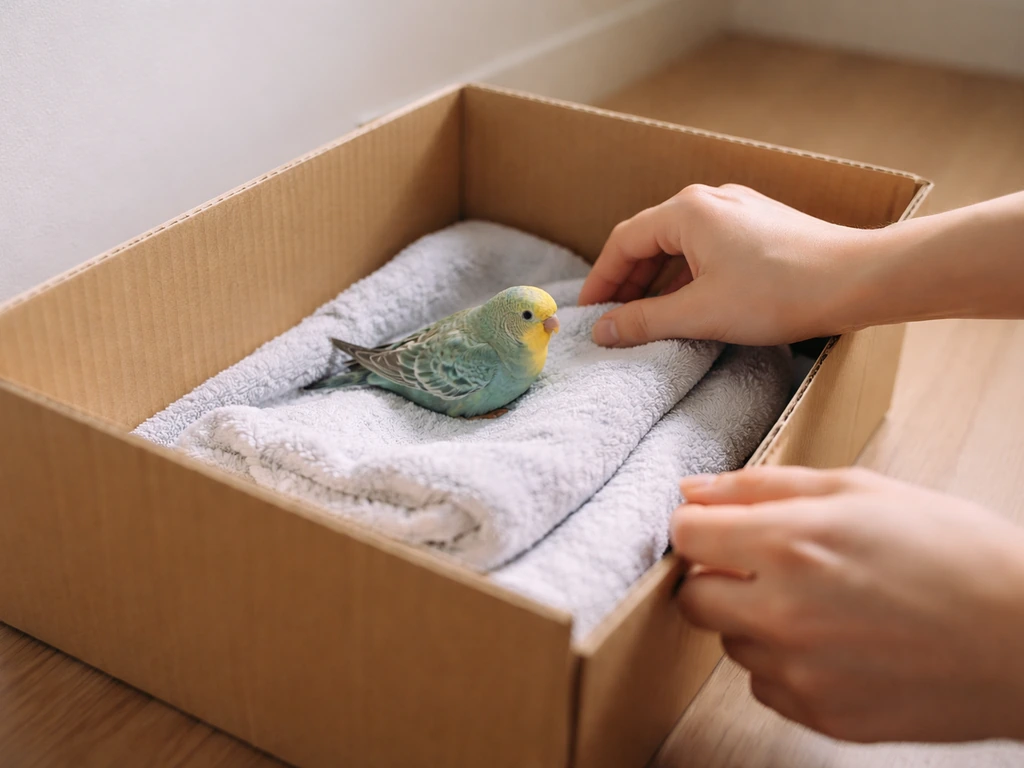
Once the environment is cleared, place soft bedding on the floor of a box or cage. A folded towel, cloth, or paper towels all work. If the bird is on a hard surface, gently slide something soft underneath it without lifting it. Position the bird so its airway is not blocked: ideally on its side or in a natural resting position where the head is not pinched against a surface. Do not tuck it beak-down into anything.
Temperature matters a lot. A seizing bird is burning energy rapidly and often goes into a cold, shocky state after the episode. If you suspect the bird is cold, prioritize gentle, gradual warming and monitor it closely until you can get avian vet or wildlife rescue help help a cold bird. A warmed water bottle wrapped in a towel placed near (not against) the bird provides gentle warmth. Avoid direct heat sources like heating pads set to high, heat lamps too close, or placing the box in direct sun.
Clear do's and don'ts during the episode
| Do | Do not |
|---|---|
| Pad the area with soft cloth or towels | Restrain the bird forcefully |
| Time the seizure start to finish | Put fingers in or near the beak |
| Dim lights and reduce noise | Force food, water, or any substance into the beak |
| Remove hard objects from the immediate area | Use home remedies or oils |
| Place a warmed (not hot) water bottle wrapped in a towel nearby | Shake or tap the bird to try to 'wake it up' |
| Call a vet or rescue immediately | Wait and see if the bird has a second seizure before calling |
Never give a seizing or post-seizure bird food or water. If you are wondering what do you give a sick bird, the safest answer is usually nothing to eat or drink until an avian vet advises you what do you give a sick bird joke. Aspiration (inhaling liquid into the lungs) is a real and immediate danger when a bird is disoriented or not fully in control of its swallowing reflex. This is one of the most common mistakes well-meaning people make.
Right after the seizure stops: what to watch for
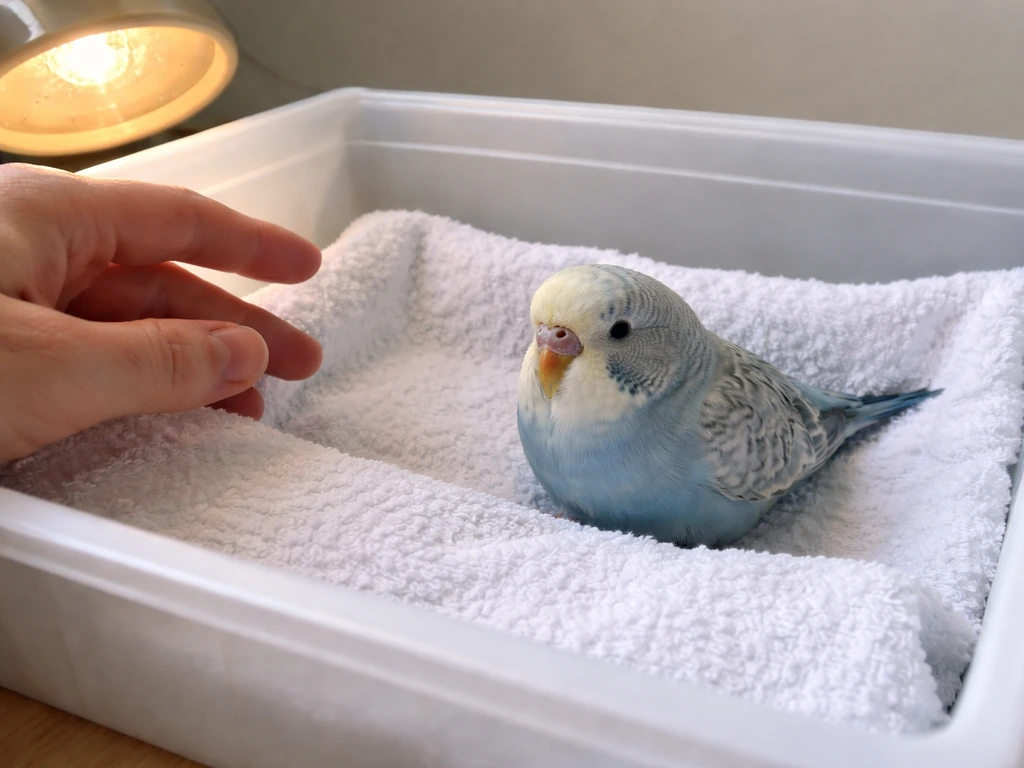
Most birds go through a brief disoriented phase after a seizure. They may sit very still, look glassy-eyed, sway, or be unresponsive to your presence for a few minutes. This is normal and does not mean the bird is dying, but it does mean you should not disturb it yet.
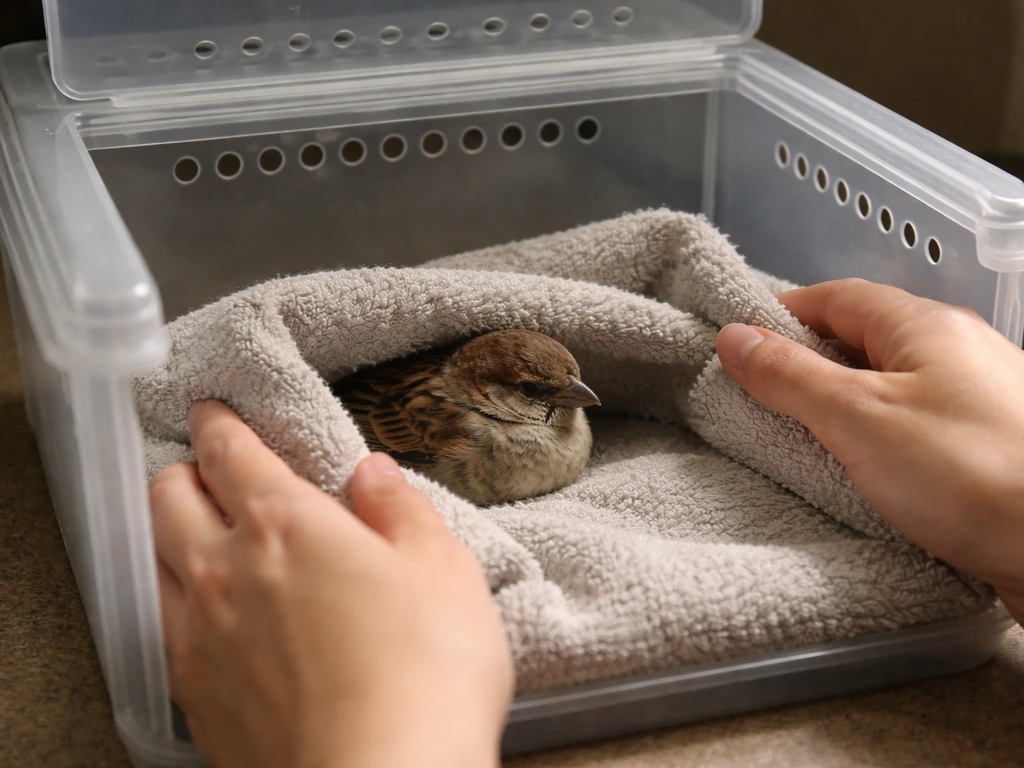
Once the active episode ends, transfer the bird into a box or container with soft bedding, a ventilation hole or two (not a gap big enough to escape through), and a lid that blocks light. Keep it in a warm room, away from noise, pets, and drafts. Leave food and water out until the bird is clearly alert, standing steadily, and showing normal balance. A related r/Ornithology discussion about a fledgling also warns that aspiration risk increases when fledglings have trouble breathing or swallowing, so food and water should be avoided until a rehabilitator directs otherwise aspiration risk increases when a fledgling is not fully in control of swallowing. Even then, do not force anything.
Check on the bird every 10 to 15 minutes without opening the box, listening for movement. Signs that things are stabilizing: the bird is upright, responds to sound, and is breathing quietly. Signs that things are not improving or are getting worse: prolonged unconsciousness (more than 10 minutes post-episode), visible bleeding, limbs held at abnormal angles, labored breathing, a second seizure, or complete unresponsiveness.
Also take a moment to document what happened. Note the time the seizure started and ended, what the bird was doing beforehand, any unusual smells or recently used household products in the area, and whether there is any possibility of a window strike, cat contact, or access to toxins. This information is exactly what a vet or wildlife rehabilitator will ask you when you call.
When to call a wildlife rescue or avian vet immediately
Any bird that has had a seizure needs professional evaluation. That is not a hedge: it is the honest reality. Seizures in birds are almost always a symptom of something else going on, and an at-home observer has no way to diagnose the cause or treat it safely. Call an avian vet or wildlife rescue as soon as you have the bird contained.
Call immediately and do not wait if you see any of these red flags.
- The seizure lasts longer than 3 minutes
- The bird has two or more seizures in a short period
- The bird is bleeding or has visible injuries
- The bird remains completely unresponsive for more than 10 minutes after the seizure ends
- You suspect poisoning (chemical smells, known toxin exposure, or rodenticide access)
- The bird was struck by a vehicle, hit a window, or was in contact with a cat or dog
- The bird is showing breathing difficulty alongside the seizure symptoms
- The bird is a wild species (wildlife rehabilitators are legally permitted to treat them; most regular vets are not)
When you call, have this information ready: the species if you know it (or a description), the bird's approximate size and weight if possible, exactly what you observed and when, how long the seizure lasted, what the bird's behavior was before the episode, any recent household product use or known hazard exposure, and your location. A vet will typically start with a full physical exam and history, so the more detail you can give, the faster they can help.
If you suspect poisoning specifically, call the ASPCA Poison Control Hotline at 888-426-4435 or the blank" rel="noopener noreferrer">Pet Poison Helpline at 855-764-7661 in addition to your vet or rescue. These lines are equipped to advise on bird toxin cases and can relay critical information to the treating vet. ASPCApro’s Animal Poison Control hotline for animal poison emergencies is (888) 426-4435 blank" rel="noopener noreferrer">Animal Poison Control hotline number.
How to transport the bird safely

Use a cardboard box or container with air holes, lined with a soft towel or paper towels. Place a warmed water bottle (wrapped in a cloth so there is no direct contact) at one end so the bird can move toward or away from the heat. Cover the box to keep it dark and quiet. Do not put the bird in a wire cage for transport if you can avoid it: wire can cause injury during any residual disorientation. Keep the car warm and drive calmly. Avoid music, air conditioning blowing directly on the box, and any unnecessary stops.
What might have caused this: common triggers to consider
You will be asked what you think caused the seizure, and it is worth thinking through the possibilities before you call. Here are the most common real-world causes.
Poisoning and household toxins
Birds have extremely sensitive respiratory systems, and fumes that barely affect humans can be lethal to them. Overheated non-stick cookware releases fumes that can kill a bird within minutes. Other common culprits include aerosol sprays (hairspray, air fresheners, perfume), insecticidal fumigants, tobacco smoke, paint fumes, glues, and automobile exhaust. Rodent poisons are another serious hazard, especially for outdoor or free-flying birds: anticoagulant rodenticides like brodifacoum, bromadiolone, and warfarin can cause neurological symptoms including seizures. If any of these were recently used near the bird, tell the vet immediately.
Head trauma
Flying into a window or glass door is one of the most common causes of sudden neurological symptoms in birds. Trauma to the brain can trigger seizures that appear minutes to hours after the impact. If there is any chance the bird hit a hard surface, mention it when you call: it changes the urgency and treatment approach.
Heat stroke, cold exposure, and metabolic issues
Extreme temperatures in either direction can push a bird into a seizure. Heat stroke is a common cause in birds left in hot cars or exposed to direct sun without shade. On the other end, a bird that has been cold and wet for an extended period can have metabolic collapse that mimics seizure activity. Nutritional deficiencies, particularly in captive birds, can also trigger episodes. If no other cause is obvious, a vet will look at metabolic and nutritional factors as part of their workup.
Infections and other medical causes
Bacterial, viral, fungal, and chlamydial infections can all affect a bird's brain and trigger seizures. Tumors and vascular events affecting the brain are also possible causes, particularly in older pet birds. In some cases, after a full workup, no cause is found and the condition is classified as idiopathic epilepsy. All of these require professional diagnosis: there is nothing you can determine or treat at home for these causes.
After the emergency: reducing the chances of it happening again
Once the bird is in professional care and you have some breathing room, it is worth going through your environment to reduce the risk of a repeat episode. Many seizure triggers are preventable once you know what to look for.
Eliminate household fume and toxin hazards
If you have a pet bird, non-stick cookware is the single most dangerous item in most homes. Replace it with stainless steel or cast iron. Never use aerosol sprays, scented candles, air fresheners, or cleaning products in or near a room where a bird lives. Ventilate the home well when painting or using any chemical product. Keep rodenticide products out of any area a bird can access, and be aware that outdoor birds can be exposed to these toxins through the food chain.
Window collision prevention
Window strikes are one of the leading causes of head trauma and seizures in wild birds. You can reduce collisions significantly by applying window alert decals, tape strips, or external screens to glass surfaces that reflect sky or vegetation. Patterns need to be spaced no more than 2 inches apart vertically and 4 inches apart horizontally to be effective. Moving feeders either very close to the window (within 3 feet, so birds cannot build speed) or more than 30 feet away also helps.
Keep pets separated from birds
Cat bites and puncture wounds from dogs are a major cause of bird injury, internal bleeding, and neurological trauma. Even a brief contact that leaves no visible wound can introduce bacteria (particularly Pasteurella) that causes fatal infection within 24 to 48 hours. If a cat or dog touched the bird, that is critical information for the vet. For ongoing prevention, always supervise interactions and never leave a caged bird accessible to a cat, even briefly.
Safe handling and stress reduction
Repeated or rough handling is itself a trigger for seizure-like episodes in stressed birds. If you regularly handle a wild or injured bird before it is ready, you are creating risk. Follow the warm, dark, quiet principle every time you house a bird in your care, and limit check-ins to brief, quiet observations rather than hands-on contact. If the bird is a pet with a history of seizures, your avian vet will guide you on handling protocols specific to its condition and any ongoing medication it may need.
The main thing to take away from all of this: you can do real good in those first few minutes by keeping the bird calm, contained, and warm. But the treatment for whatever caused the seizure has to come from a professional. If you’re wondering what to give a bird for pain, don’t guess; ask an avian vet for the right option based on the cause. After the seizure, follow up with your avian vet or licensed wildlife rehabilitator for the right treatment plan for what caused the seizures treat bird seizures. Getting the bird to an avian vet or licensed wildlife rehabilitator quickly is the most important thing you can do.
FAQ
Should I hold my bird or restrain it during a seizure to stop it from moving?
No. If the bird is actively convulsing, keep your hands off unless you must slide something soft underneath to protect it from impact. After the episode, only check breathing and responsiveness from outside the box, because trying to “hold still” can trigger another collapse or interfere with breathing.
When can I offer food or water after the seizure ends?
Usually, you should not. Use gentle warmth only, then wait for alertness and normal balance before offering anything. If you suspect the bird is dehydrated, aspiration risk still exists, so hydration should be directed by an avian vet, not by hand-feeding or syringe attempts.
What seizure length or repeat pattern should make me call right away instead of monitoring?
A single seizure still needs urgent professional evaluation, but the highest concern is anything beyond the typical brief window. If a seizure lasts longer than about 3 minutes, repeats within the same hour, or the bird is not back to normal coordination after several minutes, treat it as an emergency that requires immediate guidance while you transport or wait for rescue.
How do I handle drool, foam, or anything in the beak or throat during or after a seizure?
If the bird is disoriented or gasping, do not try to “clear” the mouth unless there is an obvious, removable blockage you can see without digging. Instead, keep the bird positioned so the head is not pinned and the airway is likely unobstructed, then call for avian guidance.
Can I give human seizure medicine or leftover bird medication to stop the next episode?
It depends on the suspected cause, but in most cases, stop further exposure and start professional care. Do not give medications unless a vet tells you what to use, because many human anti-seizure drugs are unsafe for birds and wrong dosing can worsen breathing or heart rhythm.
What is the safest way to warm a cold, seizing bird without overheating it?
Do not place the bird in direct sunlight or use a heating pad on high. Warmth should be gentle and indirect, with a warmed bottle wrapped in cloth near one side so the bird can move away. If the bird feels hot or you see panting, overheating may be the driver, and you should cool gradually while you contact help.
If my bird hit a window and then seemed fine, can a seizure still happen later?
Yes, seek help immediately if the bird hit a window, glass door, or hard surface, or if you cannot rule out head trauma. Brain injury seizures can appear minutes to hours later, so even if the bird seems “okay” briefly afterward, you still need evaluation.
If it might not be a true seizure, what clues should I mention to the vet or rescue?
Yes. Collapse, twitching, and thrashing can look seizure-like but be due to shock, breathing blockage, poisoning, heat stress, or trauma. That is why the safest approach is to treat it as a seizure emergency and relay what you observed, especially any signs like rapid panting (heat), chemical odors (fumes), or a possible bite (cat or dog).
What information should I write down so the avian vet can help faster?
Before transport, you can take a few quick details without delaying help: the start and end time, whether it fell to one side, whether there were rhythmic jerks, any bleeding, the bird’s behavior before it happened, and any recent exposures (non-stick cookware, aerosols, rodenticide, smoke, cats). Avoid lengthy handling or taking the bird out of the box.
What are the most urgent red flags during the post-seizure period?
If the bird goes limp, shows labored breathing, has visible bleeding, has a second seizure, or remains unresponsive for more than about 10 minutes after the episode ends, get immediate guidance. If you are already waiting for a rescue, update the caller with those specific changes so they can prioritize treatment decisions.