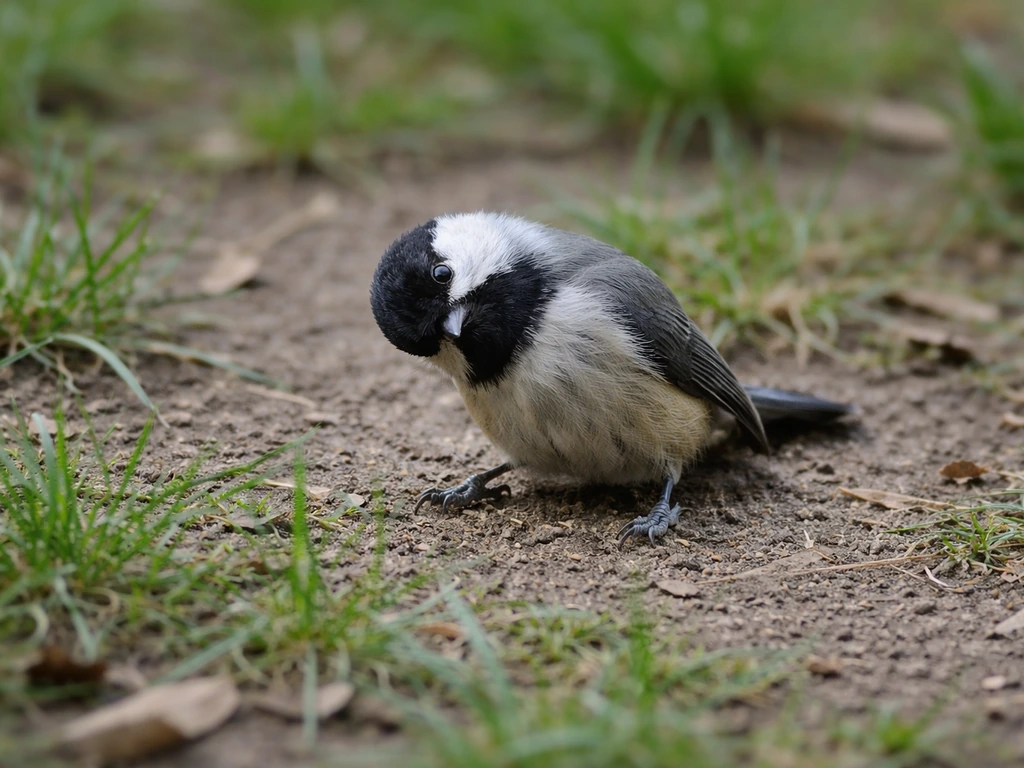
Yes, a bird can recover from ataxia, but whether it does depends heavily on what's causing it and how quickly care starts. Some causes, like calcium deficiency or mild toxin exposure caught early, respond well to treatment and birds can bounce back significantly. Other causes, like advanced lead poisoning or severe neurological damage, carry a much harder road. The most important thing you can do right now is keep the bird safe, warm, and calm while you arrange professional help, because ataxia in birds is almost never something to watch and wait on.
Can a Bird Recover From Ataxia? Causes, Prognosis, Next Steps
Marcus Chen
23 May 2026
What ataxia looks like in a bird
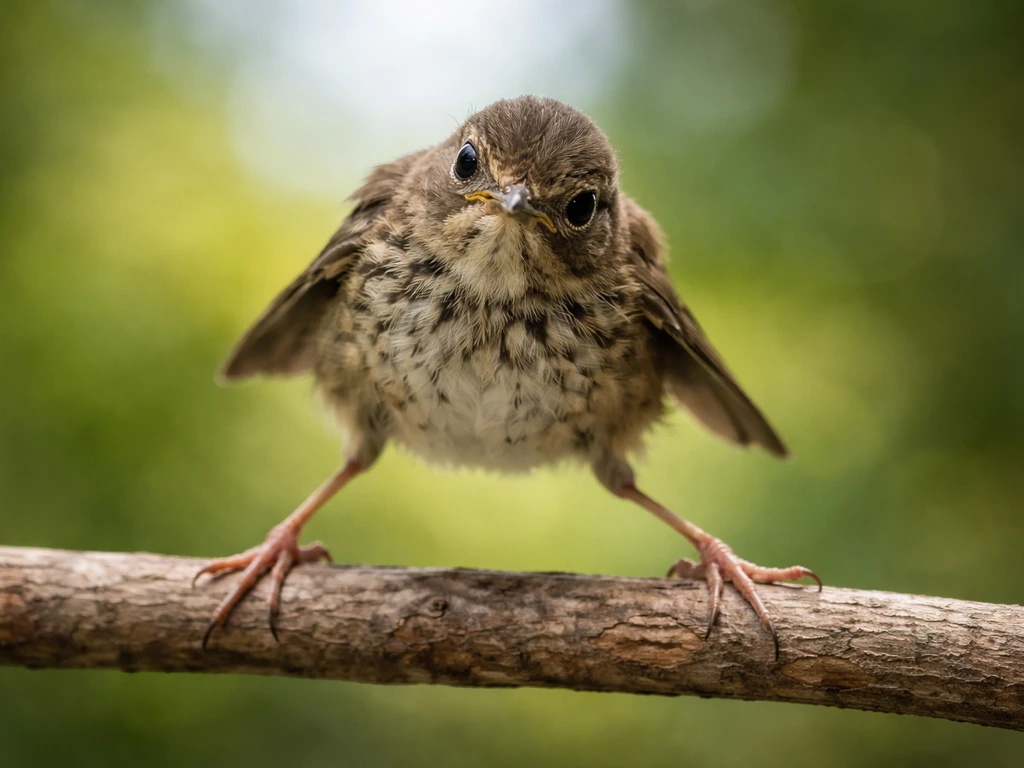
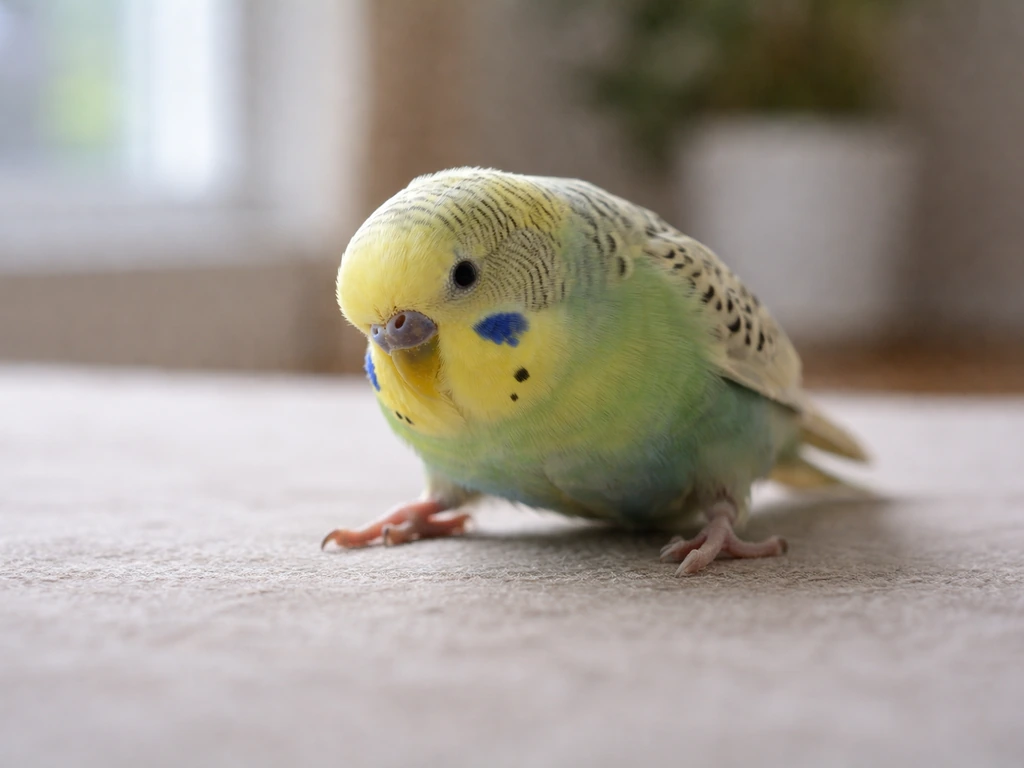
Ataxia is the medical word for poor coordination and unsteady movement. In birds, it shows up in some pretty specific ways that are worth knowing so you can describe them clearly when you call a vet or wildlife rescue.
- Wobbly or staggering movement, almost like the bird is drunk
- Standing with legs spread wide apart to try to keep balance
- Hooking the beak onto the cage bars or a branch just to stay upright
- Falling off the perch or unable to get onto one at all
- Head tilt to one side, or the head bobbing and trembling
- Circling in one direction
- Weakness in the legs, dragging one or both
- Inability to grip with the feet properly
One thing worth knowing: ataxia is not the same as simple weakness, though they can look similar. A bird with ataxia has a coordination problem, not just low energy. That said, severe anemia can also create unsteadiness that looks a lot like ataxia, which is one reason a proper diagnosis matters. If the bird is also showing tremors, seizures, or seems mentally confused or dull, treat that as an escalating emergency.
What causes ataxia in birds
There's a long list of things that can cause a bird to lose coordination. The most common ones you're likely to encounter fall into a few categories:
Toxins and heavy metal poisoning

Lead is one of the most frequent culprits, especially in wild birds and raptors. Birds can ingest lead through contaminated water, fishing weights, spent ammunition fragments in prey, or old paint. Lead directly attacks the nervous system and can cause everything from wobbling to full seizures. VCA Animal Hospitals notes that lead exposure can affect the nervous system, not just the blood and gastrointestinal tract, and advises contacting a veterinarian immediately if lead exposure is suspected Lead directly attacks the nervous system. At blood lead levels above 60 micrograms per deciliter, neurological disease is common and outcomes are often poor. Other toxic substances, including certain plants, pesticides, and household fumes, can also produce ataxia, tremors, disorientation, and seizures.
Nutritional deficiencies
Hypocalcemia, meaning low calcium, is a surprisingly common cause of neurological signs in pet birds, particularly species like African Greys. It can present as mild wobbling and weakness all the way up to tremors and seizures. The good news is that when calcium deficiency is the cause, birds can respond well to calcium therapy and dietary correction.
Infections and inflammation
Viral, bacterial, and fungal infections can all affect the brain and nervous system in birds. Avian encephalomyelitis, for example, causes tremors and ataxia that can progress from leg weakness to paralysis if not addressed. Avian vacuolar myelinopathy, a condition affecting wild birds like American coots and eagles, causes ataxia in the vast majority of affected birds, along with proprioceptive deficits, head tremors, and beak or tongue weakness.
Physical trauma and neurological injury
Window collisions, cat or dog attacks, or falls can cause head trauma or spinal injury that leads to sudden loss of coordination. This is often what people are dealing with when they find a bird sitting stunned on the ground. Trauma-related ataxia can sometimes improve with supportive care, but it depends entirely on the severity and location of the injury.
Vestibular disease
Problems with the inner ear or the vestibular system can cause head tilting and loss of balance that looks very similar to other forms of ataxia. This is worth mentioning to your vet because vestibular disease sometimes has a better prognosis than central nervous system damage.
Can a bird actually recover? What decides the odds
Recovery is genuinely possible, but it is not guaranteed and the honest answer is that the cause matters more than almost anything else. For many injured birds, recovery is possible, but the key is getting the cause identified and treated quickly injured bird can survive. Here's what pushes the odds in one direction or the other:
| Factor | Better prognosis | Worse prognosis |
|---|---|---|
| Cause | Calcium deficiency, mild toxin exposure, vestibular disease, early-stage infection | Severe lead poisoning (blood lead >60 µg/dL), advanced AVM, severe head trauma |
| Speed of treatment | Care starts within hours of symptom onset | Symptoms present for days without treatment |
| Severity of symptoms | Wobbling, mild imbalance, still eating and alert | Seizures, paralysis, recumbency, unresponsive |
| Age and species | Young, otherwise healthy bird | Old bird, already debilitated, or immune-compromised |
| Access to professional care | Avian vet or wildlife rehabilitator involved early | No professional evaluation, home care only |
The hard truth with something like lead toxicosis is that even with chelation therapy and full supportive care, many birds are too severely affected by the time they reach treatment for it to be successful. That's not meant to discourage you, it's meant to underline why acting fast matters so much. Acting fast can be the difference between a bird improving and the problem becoming too severe to recover from can a sick bird recover on its own. The window for a good outcome is real, but it closes.
What you can do right now at home
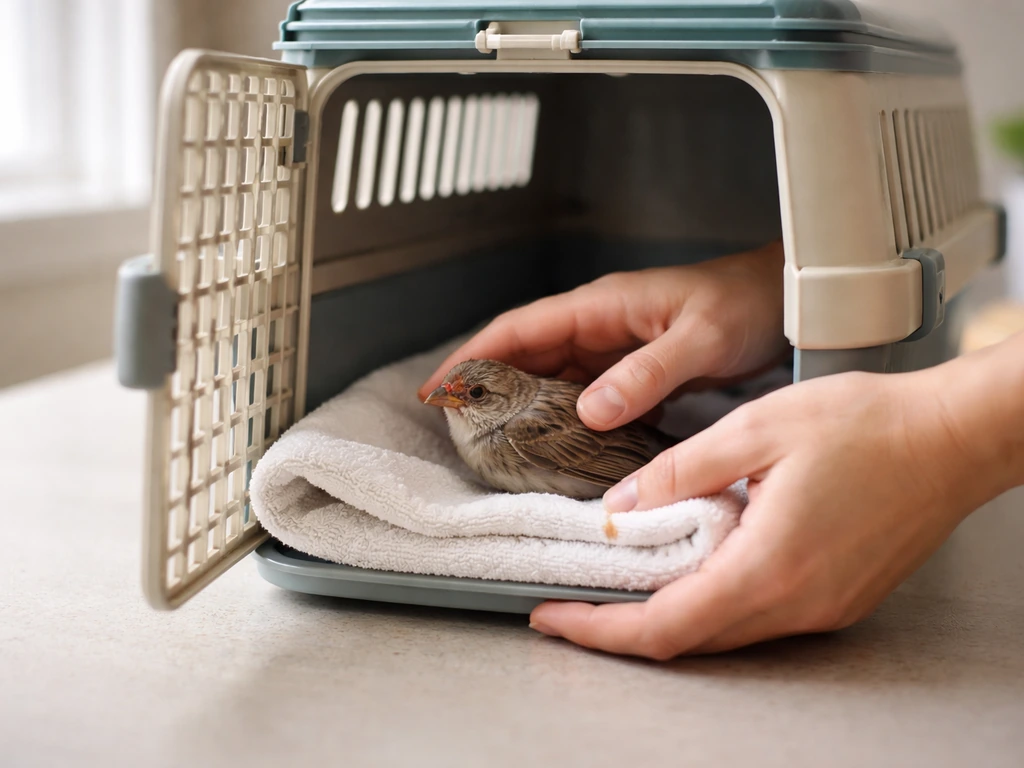
Your job in the next hour is not to fix the bird. Your job is to keep it stable and safe while you get help. Here's exactly what to do:
- Put the bird in a small, secure box or carrier lined with a non-slip surface like a folded towel. A cardboard box with small air holes works fine for a wild bird. For a pet bird, remove all perches from the carrier so the bird is on the floor and can't fall.
- Keep the environment warm. A bird in neurological distress loses body heat fast. Aim for around 85 to 90 degrees Fahrenheit by placing a heating pad set to low under ONE HALF of the box only, so the bird can move away from the heat if needed. Never cover the whole box.
- Make it dark and quiet. Stress makes neurological symptoms worse. Cover the box with a light cloth and put it somewhere away from pets, children, noise, and bright light.
- Place food and water directly on the floor of the container, right in front of the bird. An ataxic bird cannot reach a raised dish. Keep the water shallow so the bird cannot fall in and drown.
- Do not try to feed the bird by hand or force water into its beak. Aspiration is a real risk with a bird that can't coordinate properly.
- Do not handle the bird more than necessary. Every pick-up adds stress. Get it contained once, then leave it alone.
- Call an avian vet or wildlife rescue line while you set things up. Most clinics can guide you over the phone while you prepare.
When to stop waiting and get help immediately
Any bird showing ataxia should be seen by a professional as soon as possible, but these signs mean you should treat it as an emergency and go now rather than waiting for a morning appointment:
- The bird is having or has had a seizure
- Symptoms came on suddenly and are getting worse over hours, not better
- The bird is completely unable to stand, sit upright, or hold its head up
- There are other neurological signs alongside the wobbling: tremors, circling, blindness, or unresponsiveness
- You know or strongly suspect exposure to lead, toxins, or poisonous plants
- The bird is a wild raptor, waterfowl, or protected species (wildlife rehabilitation is legally required for most wild birds in the US and many other countries)
- The bird has stopped eating or drinking for more than a few hours
- A cat or dog was involved, even if there's no visible wound (puncture wounds from claws cause serious internal infection very quickly)
If you're not sure whether what you're seeing qualifies as an emergency, err on the side of calling. An avian vet or wildlife rehabilitator would much rather talk you through it on the phone than have you wait too long. This is similar to the situation with any other sudden neurological change in a bird, whether it's a stroke-like episode or suspected aspiration, where fast action genuinely changes outcomes. From there, treatment and recovery depend on whether suspected aspiration caused pneumonia or respiratory injury.
What treatment and recovery actually look like
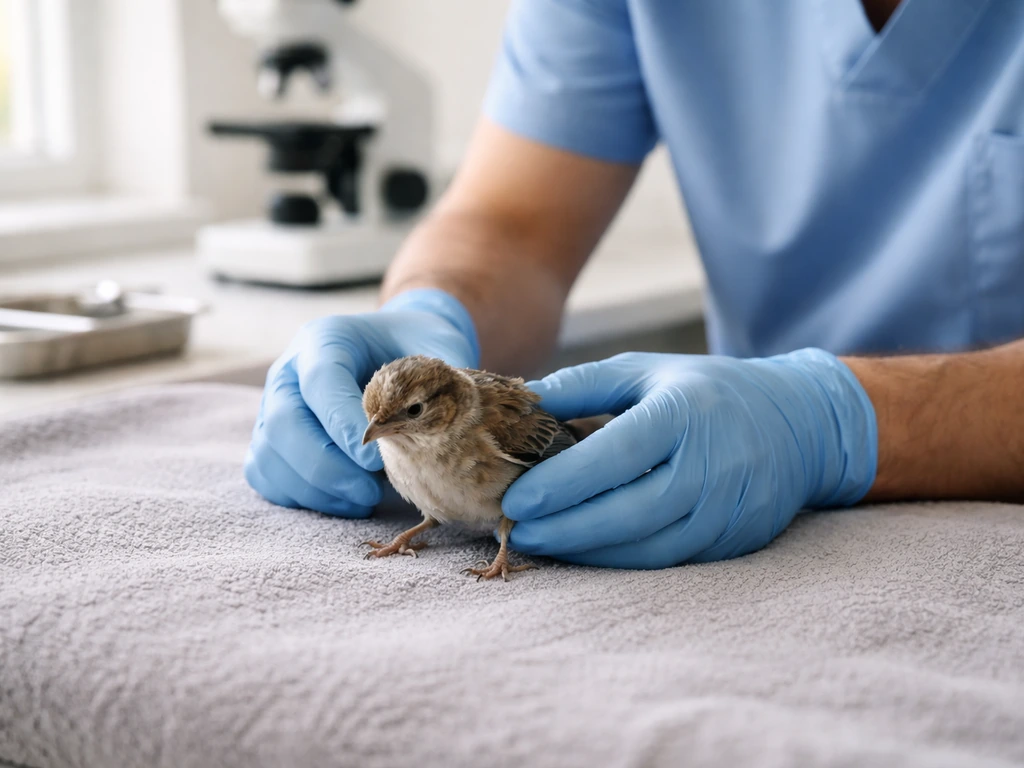
When a bird with ataxia reaches a vet or wildlife rehabilitator, the first goal is to figure out the cause. That usually involves a physical and neurological exam, blood work, and possibly X-rays to check for heavy metal fragments or bone changes. From there, treatment is tailored to what's causing the problem.
For toxin or heavy metal cases
Lead poisoning is typically treated with chelation therapy, starting with injectable calcium EDTA and then following up with oral DMSA. Supportive care runs alongside this: fluids, warmth, assisted feeding if needed, and medication to manage seizures or tremors. Prognosis is described as guarded even with the best care, and birds with very high blood lead levels often do not recover fully. Early intervention dramatically improves the odds.
For nutritional causes
Hypocalcemia can respond quickly and well to calcium supplementation, sometimes within hours to a few days. Once stabilized, the bird's diet gets restructured to prevent recurrence. This is one of the more optimistic scenarios in avian ataxia.
For infections and inflammatory causes
Treatment depends on the specific organism involved. Antifungals, antibiotics, or antivirals may be used alongside supportive care. Recovery timelines vary widely, from days to weeks, and some viral infections have no specific treatment, only supportive management to give the bird its best chance.
For trauma cases
Supportive care is the mainstay: rest, anti-inflammatories, pain management, and time. Some birds show meaningful improvement over days to weeks. Others plateau or deteriorate. Signs that recovery is unlikely include no improvement after two to three weeks of proper care, worsening neurological symptoms despite treatment, or complete paralysis of the limbs.
Preventing another episode and knowing when to follow up
Once the immediate crisis is handled, it's worth thinking about what led to it and whether it can be prevented. For pet birds, review the diet with your vet, especially if the bird was on a seed-heavy diet that could contribute to nutritional deficiencies. Make sure the cage environment has no lead-containing materials, old paint, zinc-coated hardware, or unsafe plants nearby.
For wild birds, especially raptors and waterfowl, the main preventable cause is lead exposure through contaminated prey or water sources. If you care for or feed wild birds, using non-toxic fishing gear and advocating for lead-free ammunition in hunting areas makes a real difference at the population level.
After a bird is treated and sent home or released, follow-up matters. For pet birds, schedule a recheck appointment as your vet recommends, typically within one to two weeks after a neurological episode. Watch for any return of wobbling, balance problems, or behavioral changes and report them immediately. Some conditions, like hypocalcemia, require ongoing dietary management and periodic bloodwork to stay ahead of a relapse. If a bird recovered from one episode and you see early signs returning, catching it fast the second time gives a much better outcome than waiting to see if it gets worse on its own.
Ataxia in birds is frightening to see, but the window to help is real. Get the bird contained and warm, call a professional today, and give an honest account of what you saw and when it started. That information directly shapes what gets treated and how fast. You can make a genuine difference in whether this bird recovers.
FAQ
How long after the symptoms start can a bird still recover from ataxia?
Recovery odds generally drop as neurological injury progresses. If the bird is improving day by day after treatment, that is a good sign, but a lack of improvement within about 2 to 3 weeks of appropriate care is a red flag. For suspected toxin or calcium problems, earlier treatment can make a much bigger difference than waiting, even by a few hours.
Can I give my bird calcium at home if I suspect hypocalcemia?
It can be dangerous to guess, because other causes of ataxia need different treatment. Before giving supplements, call an avian vet or wildlife rehabilitator, especially if the bird is seizing, very dull, or has trouble swallowing. If hypocalcemia is confirmed, calcium therapy is often effective quickly, but dosing and route should be clinician-guided.
Is ataxia ever caused by something non-neurological, like low blood oxygen or anemia?
Yes. Severe anemia can look like poor coordination, and systemic illness can cause weakness that resembles ataxia. That is why blood work matters, because the treatment for anemia or infection is not the same as for lead or vestibular disease.
What if the bird is still eating and perching but looks unsteady, should I wait?
Do not wait, even if the bird seems “okay-ish.” Ataxia can worsen quickly depending on cause, and some treatments work best early (for example, chelation for lead or calcium correction for low calcium). Call a professional as soon as you can and describe the exact onset and what movements look abnormal.
What should I tell the vet about timing and symptoms to improve the chances of correct diagnosis?
Provide when you first noticed the wobbling, whether it was sudden or gradual, and any associated signs such as tremors, seizures, head tilting, dullness, abnormal vocalization, loss of appetite, or falls. Mention potential exposures you suspect, like chewing on paint, being near batteries or weights, new plants, fumes, or recent diet changes.
If the bird had a fall or cat/dog attack, can supportive care alone be enough?
Sometimes, but trauma can involve head injury or spinal damage, and outward improvement may be misleading early on. A vet assessment is important to check for fractures, internal injury, and whether stabilization and pain control are needed. Also, delayed neurological decline can happen, so monitor closely until examined.
What emergency signs mean I should treat it as urgent right now?
Treat as an emergency if the bird has seizures, frequent tremors, sudden inability to stand or perch, head/neck abnormalities with rapid progression, marked mental dullness, open-mouth breathing, or suspected aspiration. If you are unsure, it is safer to call right away because professional guidance helps you decide whether to rush to care immediately.
Do vestibular problems have a better recovery chance than central neurological disease?
Often, yes. Vestibular disease is sometimes more responsive to supportive measures than central nervous system injury, and it can cause head tilt and balance issues that mimic ataxia. A clinician exam can help distinguish vestibular signs from deeper neurologic damage, which affects prognosis.
What home setup helps most while waiting for the vet or wildlife rehabilitator?
Keep the bird warm and calm, reduce movement, and prevent falls. Use a quiet, dim space and a stable container where the bird cannot get tangled. Avoid forcing food or water if swallowing seems unsafe, because aspiration can worsen quickly.
After treatment, how can I tell if the bird is truly recovering versus temporarily compensating?
Look for improving coordination and stamina over days to weeks, not just short-lived steadiness. Report early return of wobbling, new head tremors, or changes in posture, appetite, or alertness. For conditions like hypocalcemia, the risk of relapse means follow-up testing and diet adjustments are often necessary.
Next Article
What Causes a Bird to Have a Stroke-Like Episode
Learn what causes stroke-like bird symptoms and how to give safe first aid and get help fast.