
A bird can show stroke-like signs for several different reasons, and true strokes (where a blood vessel in the brain is blocked or bleeds) are actually just one possibility. Head trauma from a window collision, toxin exposure, seizures, infections, nutritional deficiencies, or heat loss can all produce the same alarming picture: a bird lying on its side, tilting its head, circling, twitching, or unable to stand. Knowing what you're looking at doesn't change your immediate first aid steps much, but it does change how urgently you need professional help and what you should tell the vet or wildlife rescuer when you call.
What Causes a Bird to Have a Stroke-Like Episode
Marcus Chen
14 May 2026
How to recognize signs of a bird stroke or similar emergency
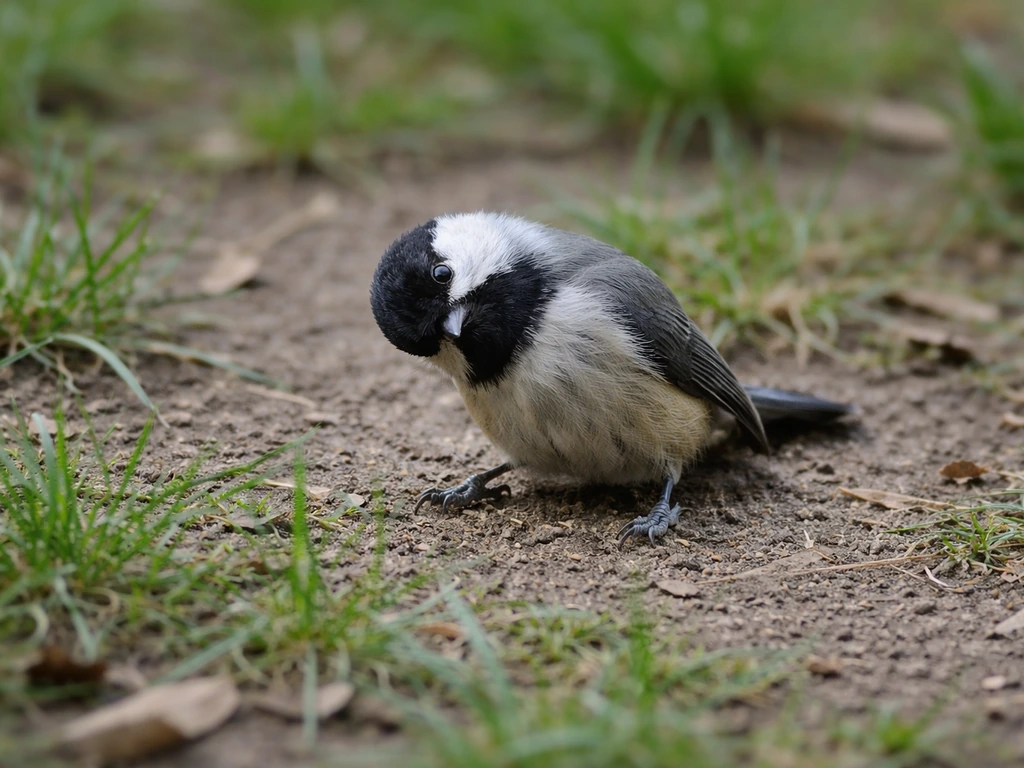
Birds hide illness remarkably well, so by the time you can visibly see something is wrong, it's usually serious. Stroke-like and other neurologic emergencies tend to appear suddenly, which is the first clue that you're dealing with something urgent rather than a slow illness.
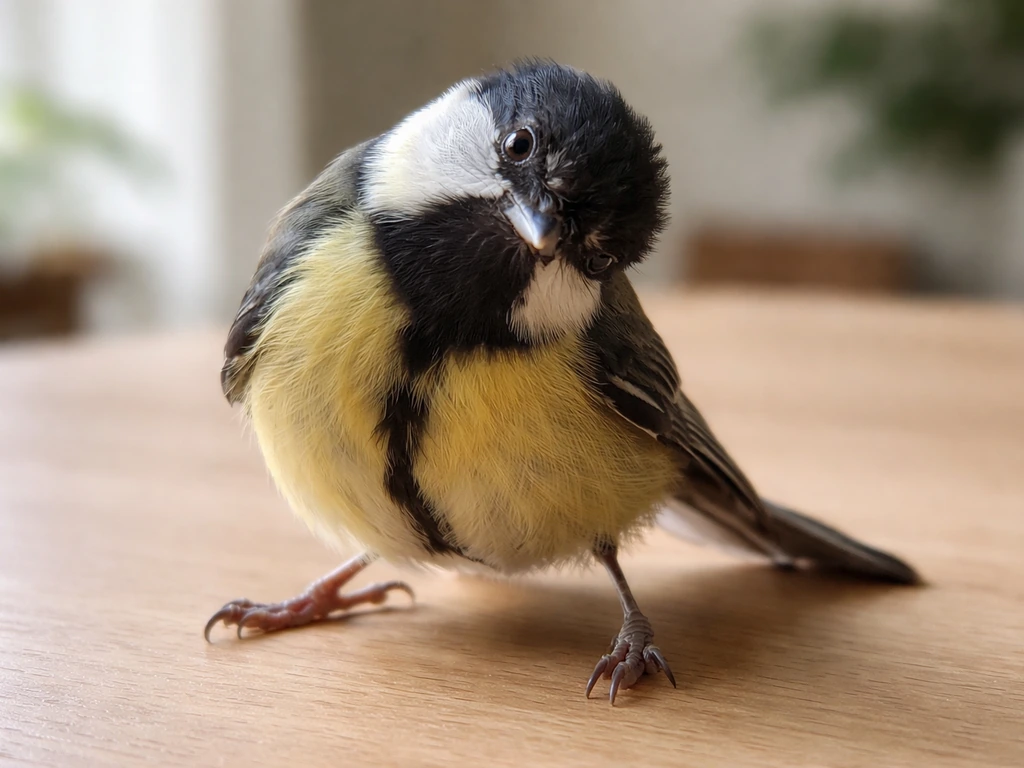
The signs to watch for include a head tilted to one side (one ear held noticeably lower than the other), circling in one direction, falling or rolling over repeatedly, tremors or rhythmic twitching, sudden paralysis or weakness on one side of the body, an abnormal posture like the neck twisted backward, seizures (which can look like violent thrashing or sudden stiffening), and a bird that simply can't stand up or coordinate its wings. A bird that flew into a window and is sitting dazed with its head lolling is showing neurologic signs. So is a pet parrot that suddenly falls off its perch and can't grip. These are not situations to wait and see on.
Head tilt on its own is more often a sign of vestibular dysfunction (a balance system problem) than a classic stroke, and that distinction matters to a vet figuring out the cause. But from your position as the person who found the bird, treat any sudden neurologic sign as an emergency and get professional help involved as quickly as possible.
Most common causes: blood clots, reduced blood flow, and vascular events
A true stroke happens when blood flow to part of the brain is suddenly disrupted, either because a clot blocks a vessel (ischemic stroke) or a vessel ruptures and bleeds (hemorrhagic stroke). Birds can experience both. When brain tissue is deprived of oxygen, even briefly, the result is sudden neurologic dysfunction, and the signs depend on which part of the brain is affected. A bird with a brainstem stroke may lose its sense of balance catastrophically. One with a cerebral stroke might show weakness or paralysis on one side of the body.
Conditions that increase stroke risk in birds include atherosclerosis (plaque buildup in blood vessels, common in older parrots and cockatiels fed high-fat diets), severe dehydration, heart disease, and clotting disorders. Obesity, lack of exercise, and chronic nutritional imbalances all contribute over time. For wild birds, strokes are harder to document because the bird is usually found after the fact, but vascular events do occur, especially in older or nutritionally stressed individuals.
Brain and nerve injuries that can look exactly like a stroke
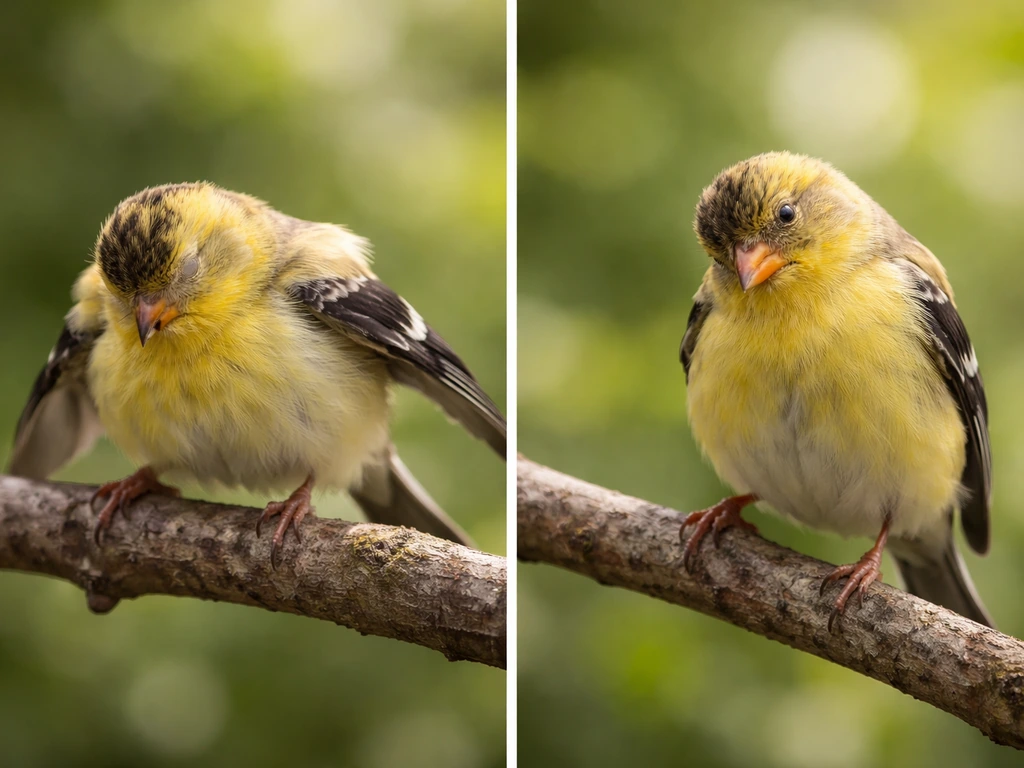
This is where it gets genuinely complicated, because several conditions produce signs that are nearly indistinguishable from a stroke without diagnostic equipment. Head trauma is probably the most common one you'll encounter in a bird-rescue context. A bird that hits a window at speed, gets caught by a cat, or is struck by something can suffer bruising or bleeding inside the skull. The neurologic signs, head tilt, circling, inability to stand, can appear immediately or even hours after the impact.
Seizures are another major look-alike. A bird mid-seizure or post-seizure (the recovery phase is called the postictal period) can appear completely disoriented, weak, and unable to coordinate movement. Seizures in birds can be difficult to tell apart from fainting (syncope), and both can look almost identical to a stroke from the outside. Syncope happens when blood flow to the brain drops suddenly, causing a brief collapse and loss of consciousness, which is why the overlap with stroke presentation makes sense. Tumors, abscesses, or inflammation pressing on brain tissue can also produce gradual or sudden neurologic deficits that mirror stroke signs.
Infectious, inflammatory, and nutritional conditions that can cause neurologic symptoms
Several infections can affect a bird's brain or nervous system and produce stroke-like signs. Bacterial infections that spread to the brain (bacterial encephalitis) can cause sudden changes in balance, coordination, and consciousness. Viral diseases like Pacheco's disease in parrots, West Nile virus in wild birds, and Newcastle disease can all have neurologic components including tremors, paralysis, and seizures. Fungal infections, particularly Aspergillus, can spread to the nervous system in immune-compromised birds. Parasitic infections, though less common, can affect the brain in some species.
Nutritional deficiencies are underappreciated causes of neurologic disease in birds. Vitamin E and selenium deficiency can cause a condition called nutritional muscular dystrophy that affects coordination and muscle control. Thiamine (vitamin B1) deficiency produces severe neurologic signs including head tremors and seizures, and it's a real problem in raptors fed an unvaried diet or in fish-eating birds whose prey contains thiaminase. Calcium imbalances, especially hypocalcemia, are a known trigger for seizures in African grey parrots. These nutritional causes are more likely in captive birds on poor diets, but wild birds under stress can also be affected.
Environmental and human-related triggers to know about
Window collisions are the most common human-related cause of sudden neurologic signs in wild birds. The bird hits glass at speed, suffers concussion or internal head bleeding, and is found dazed, tilted, or unable to fly. The signs can look exactly like a stroke. Pet interactions are another major one: a cat's bite or scratch can cause septicemia (bacterial blood poisoning) that leads to rapid neurologic deterioration, sometimes within hours of an attack that looked minor on the surface. This is a particular emergency because the bacteria Pasteurella multocida from cat mouths is rapidly fatal in birds without antibiotics.
Poisoning and toxin exposure can produce dramatic neurologic signs very quickly. Lead poisoning (from ingesting lead shot, paint chips, or fishing weights) causes tremors, seizures, weakness, and blindness in birds. Pesticide exposure, particularly organophosphates and carbamates, affects the nervous system and causes muscle twitching, seizures, and paralysis. Household toxins relevant to pet birds include PTFE (Teflon) fumes from overheated non-stick cookware, avocado, certain houseplants, and heavy metal contamination from toys or cage materials. Carbon monoxide exposure can also cause sudden neurologic collapse.
Hypothermia (dangerous heat loss) is something people don't always think of, but a cold, wet, or exhausted bird can show signs that look neurologic: unresponsiveness, poor coordination, inability to move. This is especially common in grounded wild birds found in cold weather. Heat stroke, on the other extreme, also causes neurologic signs including seizures and collapse in birds exposed to direct sun or high temperatures without shade or water.
What to do the moment you notice it
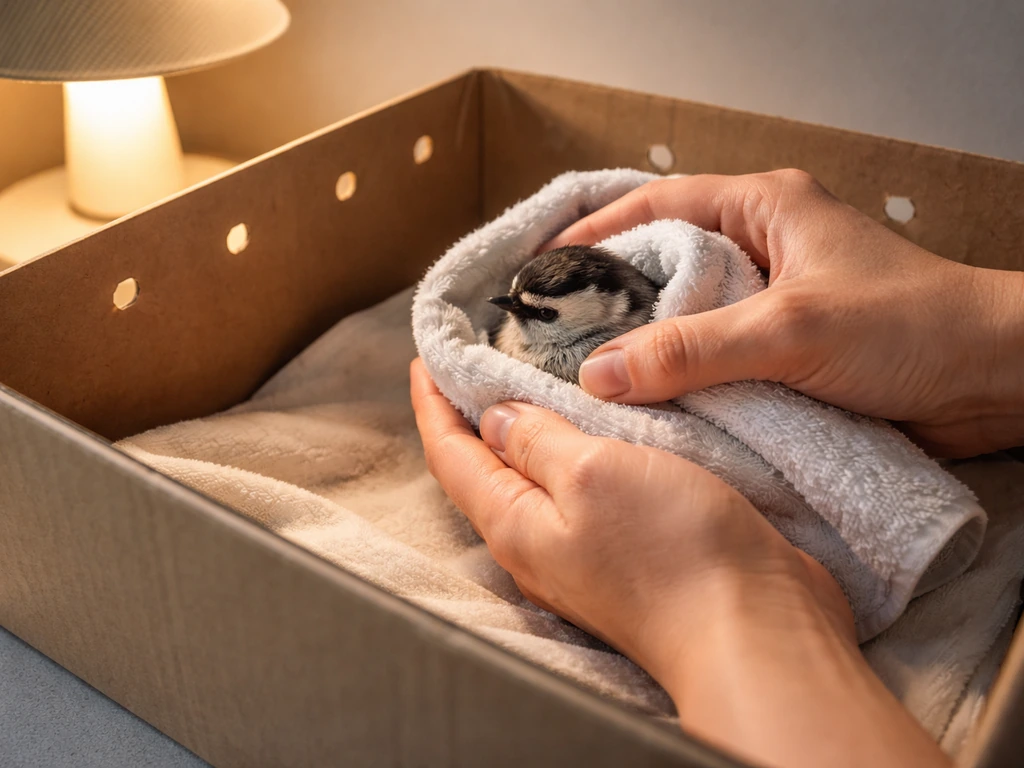
Stay calm and move slowly. Birds are prey animals and stress alone can be dangerous, especially for one already in neurologic crisis. Your first job is containment and warmth, not diagnosis.
- Pick the bird up gently using both hands or a soft towel, cupping it so it can't flap and injure itself further. Support the body and hold the wings lightly against its sides.
- Place it in a cardboard box with air holes, lined with a soft cloth or paper towel. The box should be dark and quiet, which reduces stress significantly.
- Keep it warm: aim for around 85 to 90 degrees Fahrenheit (29 to 32 degrees Celsius) for a small bird. A heating pad on the lowest setting placed under half the box works well, so the bird can move away from heat if needed. Alternatively, wrap a warm water bottle in a towel and place it beside the bird.
- Do not give food or water by mouth. A bird with neurologic signs cannot swallow safely and can inhale liquid into its lungs (aspiration), which makes the situation much worse.
- Do not try to force the bird upright or hold its head in a normal position. Let it rest in whatever position is most comfortable.
- Keep the environment quiet: no loud noises, no other pets, no children crowding around. Cover the box with a towel to block light.
- Do not give any medications, supplements, or home remedies. Human pain relievers like ibuprofen and acetaminophen are toxic to birds.
Check on the bird every 15 to 20 minutes without disturbing it. Note whether it's improving, staying the same, or getting worse, because this is useful information for the vet or wildlife rescuer.
When and how to get veterinary or wildlife help fast
A bird showing stroke-like neurologic signs needs professional evaluation today, not tomorrow. In many cases, an injured bird can survive if it gets urgent treatment and supportive care can an injured bird survive. Clinical neurologic signs in birds associated with vestibular or brain dysfunction can include blank" rel="noopener noreferrer">head tremors, head tilt, circling, torticollis, and ataxia, which are especially important to consider when triaging stroke-like cases. There is no safe window to wait it out. Some of the underlying causes, like lead poisoning, bacterial infection after a cat bite, or internal bleeding from trauma, are rapidly progressive and require treatment that is only possible with diagnostics and medication you cannot provide at home.
For a wild bird, contact a licensed wildlife rehabilitator or wildlife rescue organization immediately. In the US, you can find one through the National Wildlife Rehabilitators Association (nwrawildlife.org) or by searching the Wildlife Rehabilitator Finder at hww.org. Many animal shelters can also connect you with a local wildlife contact. For a pet bird, call an avian veterinarian specifically. General practice vets often have limited bird experience, so if you can, find someone with avian expertise. Emergency exotic animal clinics exist in many cities.
When you call, be ready to give them the following information clearly and quickly:
- What species or type of bird it is (wild songbird, pigeon, parrot, raptor, etc.) and its approximate size
- Exactly what signs you are seeing and when they started (sudden onset vs. gradual)
- Any known or suspected trigger: did it hit a window, get caught by a cat or dog, escape outdoors, or were there any potential toxin exposures at home
- For pet birds: its normal diet and any recent diet changes, whether it lives near non-stick cookware, recent renovations, new toys or accessories, or any unusual fumes in the home
- Whether the signs are improving, staying the same, or getting worse since you found it
- How far you are from the clinic or rescue center and whether you need transport guidance
When transporting the bird, keep the box covered and in a warm part of the car. Avoid music or loud conversation. Drive smoothly. The goal is minimal additional stress on a nervous system that is already under serious strain.
What happens next and what to realistically expect
A vet or wildlife professional will try to narrow down the cause through physical examination, blood work, and sometimes imaging. Treatment varies enormously depending on the underlying cause. A bird with lead poisoning needs chelation therapy. One with bacterial infection needs antibiotics. A concussed bird may need anti-inflammatory medication and supportive care. A bird with a true vascular stroke may need time, supportive care, and careful management of secondary complications.
Recovery is possible for many of these conditions, but it depends heavily on the cause, the severity, and how quickly care was started. Whether a bird can recover from ataxia depends on the underlying cause and how quickly effective care begins Recovery is possible for many of these conditions.
Aspiration can cause respiratory or neurologic trouble, so recovery depends on how severe the inhaled material damage is and how quickly veterinary care begins can a bird recover from aspiration. Birds can sometimes recover from ataxia, vestibular dysfunction, and even some forms of head trauma with appropriate treatment and time.
Whether a sick or injured bird can recover on its own is a different question, and for neurologic emergencies specifically, the honest answer is that the odds are much better with professional intervention than without it. The most important thing you can do is get the bird contained, warm, unstressed, and in front of a qualified professional as fast as you reasonably can.
FAQ
If my bird seems alert but can’t stand or is circling, is it still a stroke emergency?
A “sudden” neurologic change counts as an emergency even if the bird looks awake. If you notice new head tilt, circling, inability to perch, rhythmic twitching, or falling over, do not wait for it to “settle,” contact a wildlife rehabilitator or avian veterinarian immediately and transport as soon as you can.
Can I give my bird water, food, or medication while I wait for the vet?
Do not give food, water, or medications by mouth. Neurologic birds often swallow poorly and can inhale liquids or food, which can worsen breathing and neurologic status. Keep the bird warm and contained, and let the professional assess hydration, temperature, and swallowing ability.
If the symptoms improve after an hour, should I still get emergency care?
A “one-time” event does not rule out serious causes. Some problems, like seizures, aspiration-related breathing issues, or internal bleeding after trauma, can fluctuate, then worsen again hours later. That is why reassessing every 15 to 20 minutes and calling urgently still matters.
How should I warm or cool a bird with stroke-like signs?
Yes, and the approach is different. If the bird is cold, wet, or lying limp, gentle warmth is helpful. But if the bird is panting, has hot skin, or was in direct sun, focus on cooling with shade and airflow and avoid rapid chilling. If you are unsure, prioritize steady, gentle warmth in a dark, covered container and call for guidance.
What signs besides paralysis mean the situation is getting worse fast?
Watch for eyes staying open or blinking normally, breathing effort, and whether the bird can regain balance briefly when supported. If breathing is labored or the bird cannot right itself at all, treat it as more urgent. Breathing changes can mean aspiration, overheating, toxin effects, or severe brain involvement.
What should I tell the vet or wildlife rescuer when I call?
Take note of any specific exposure you suspect, but do not delay getting help. Useful details include: window collision, cat or other pet contact, possible toxin sources (non-stick cookware fumes, plants, pesticides), lead or fishing weight ingestion risk, and whether the bird ate something unusual. These can narrow the cause quickly.
My bird has head tilt but no obvious weakness, could it still be a stroke-like emergency?
Yes. Head tilt alone often points more toward vestibular dysfunction than a classic vascular stroke, but it still requires professional evaluation because infections, toxins, trauma, and other neurologic conditions can look similar. Treat sudden onset as urgent regardless of the likely cause.
What’s the safest way to transport a neurologic emergency bird?
For transport, use a secure box with ventilation and line it with a soft, non-slip surface. Covering the container reduces stress and prevents flailing, and smooth driving limits additional head movement. Avoid handling, rotating, or trying to “test” balance.
My bird was scratched by a cat, now it is weak and unsteady. Is that still an emergency?
If a cat is involved, assume a bacterial infection risk even if the bite looks minor, and seek emergency treatment. Pasteurella-related infections can deteriorate rapidly in birds and require antibiotics that you cannot provide at home.
What should I do if I suspect toxin or fumes like PTFE (Teflon) exposure?
If you suspect fumes, move the bird to fresh air immediately and ventilate the area, then call right away. If the bird was exposed to overheated non-stick cookware, keep the bird warm and unstressed, but do not wait for improvement. Some toxin-related neurologic collapse can progress.
How do I handle a bird that is actively having tremors or seizures?
If the bird is seizing, do not restrain it or put anything in its mouth. Reduce stimulation by keeping the box quiet and dark. Time the seizure if possible, and after the event note how long it takes to recover consciousness, because postictal duration can help clinicians differentiate seizure-like events from fainting or stroke.
What are the chances my bird will recover without treatment?
Many neurologic problems can cause balance issues, including vestibular disease and vitamin-related conditions. A “recovery on its own” can happen in some vestibular or mild trauma cases, but sudden neurologic signs generally have a worse prognosis without prompt assessment, especially when toxins, internal bleeding, seizures, or infection are possible.
Next Articles
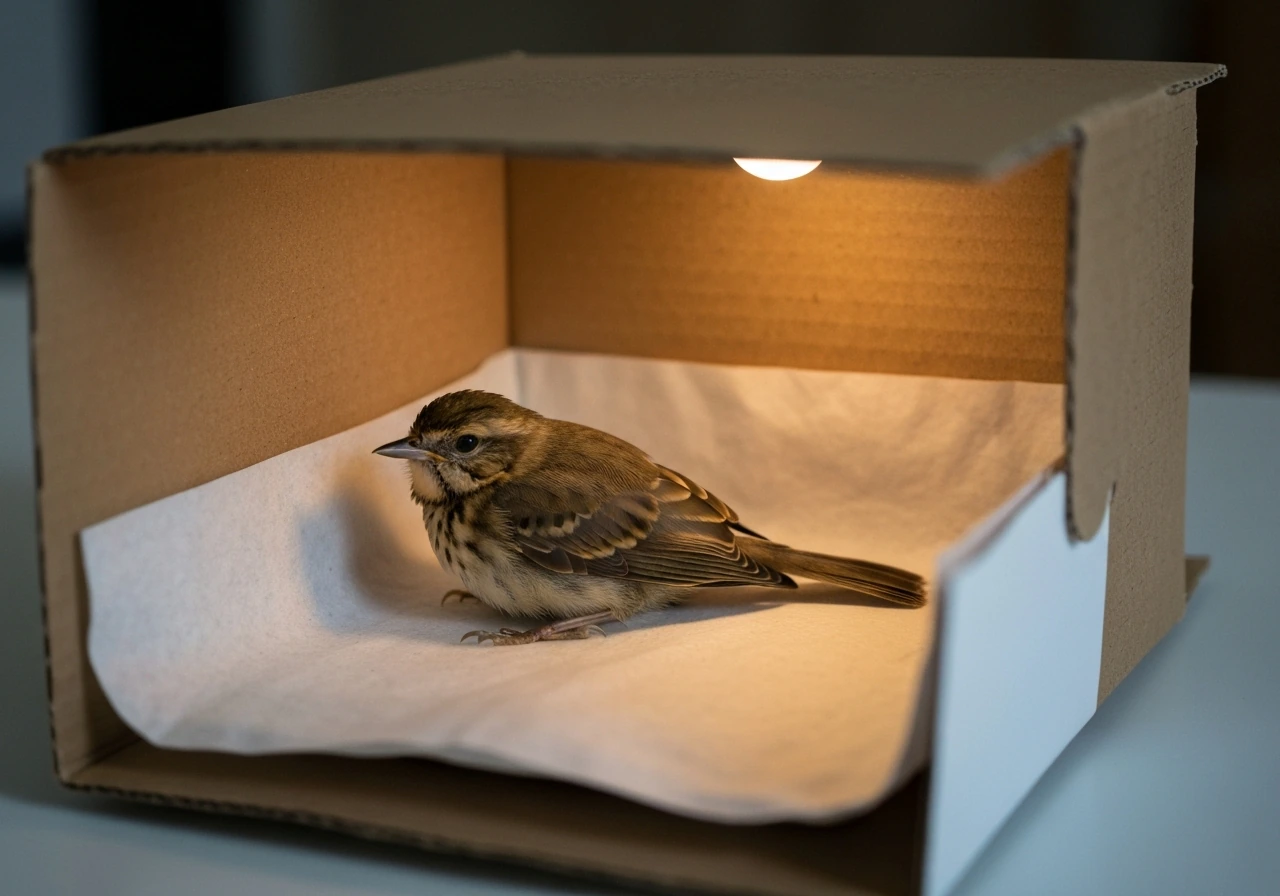
Can a Sick Bird Recover on Its Own? When to Help or Call
Yes sometimes, but many sick birds need urgent help; learn signs, red flags, and what to do today.
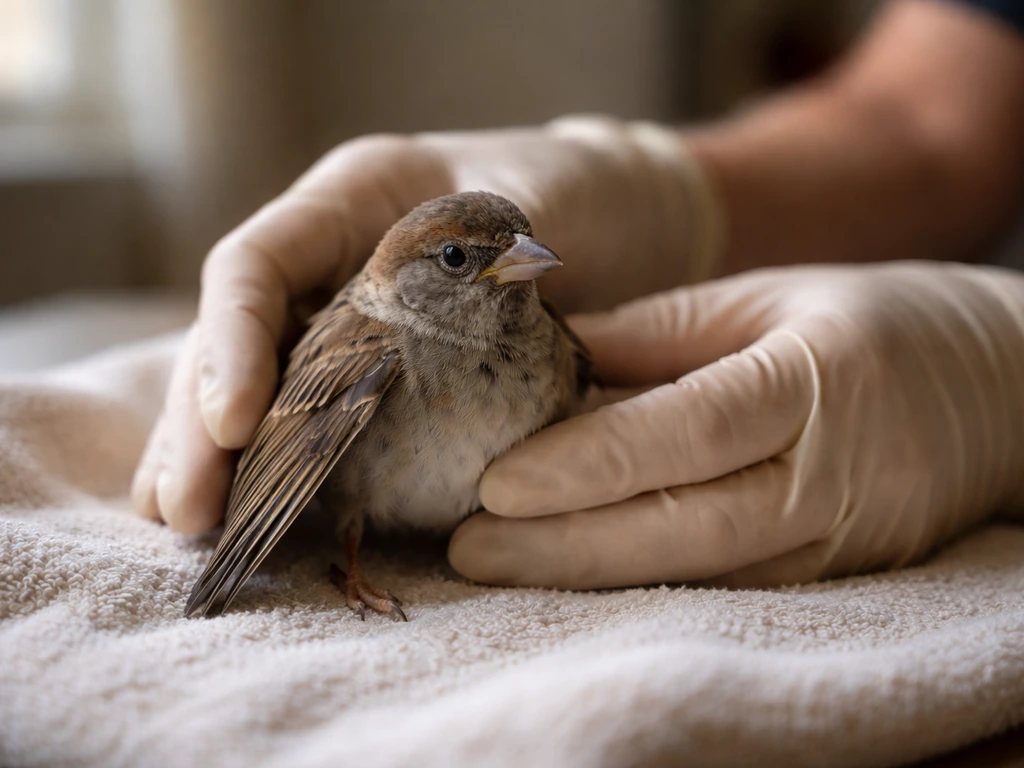
Can a Bird Live With One Wing? Survival and First Aid
Can a bird live with one wing? Injury outcomes and step-by-step first aid, plus when to get urgent help.
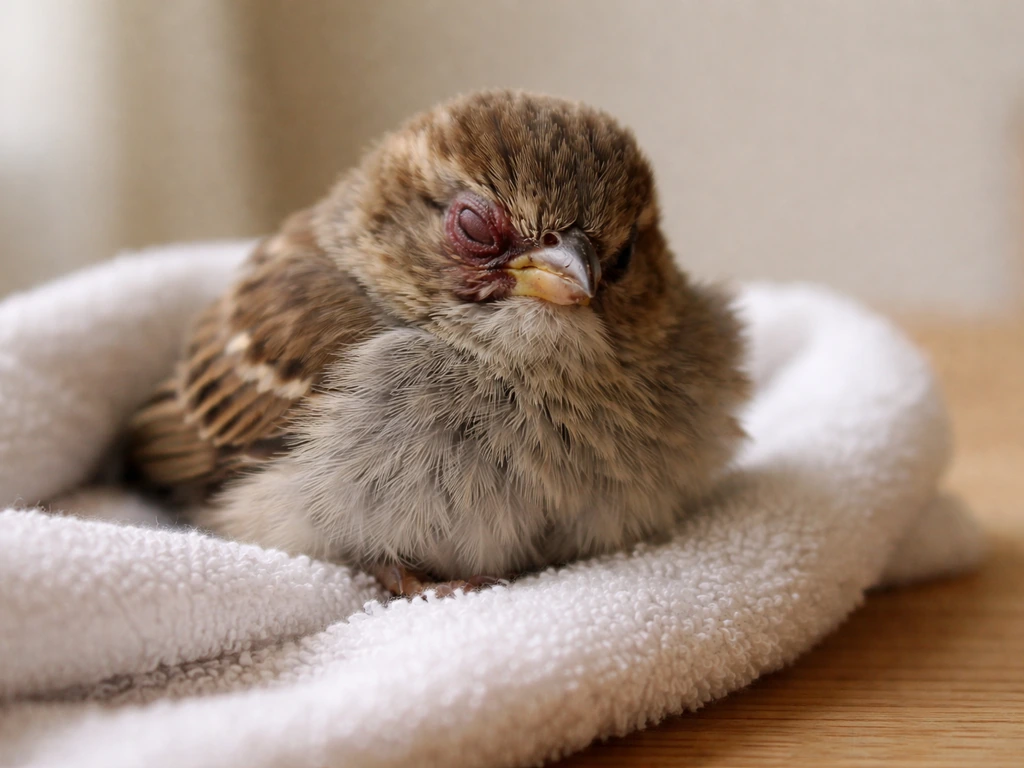
Can a Bird Survive With One Eye? What to Do Now
Learn if birds can cope with one eye and what to do now for an injured bird’s eye safely and urgently.