
Yes, a bird can recover from aspiration, but whether it does depends heavily on how quickly you act, how severe the exposure was, and whether a secondary infection develops. Mild aspiration caught early, with prompt professional care, gives a real shot at survival. Severe cases, or those left untreated for too long, can progress to aspiration pneumonia and become life-threatening. The most important thing you can do right now is stop any feeding or watering attempts, keep the bird warm and still, and get it to an avian vet or wildlife rehabilitator as fast as possible.
Can a Bird Recover From Aspiration? What to Do Now
Marcus Chen
31 May 2026
What aspiration actually means in birds
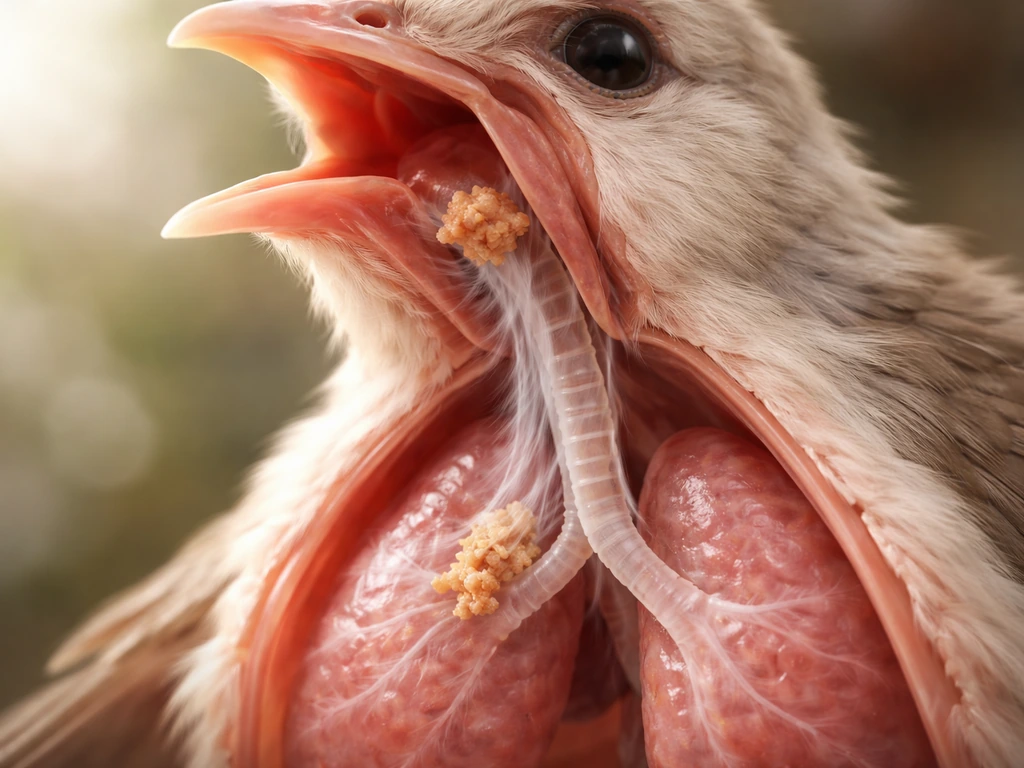
Aspiration happens when a bird inhales something into its airway that should not be there. That could be food, water, formula, saliva, vomit, medication, or any foreign material that finds its way into the trachea and down into the lungs. Birds have a very different airway anatomy from mammals, and they are surprisingly easy to aspirate accidentally, especially baby birds and weak or injured adults.
Once something enters the lungs, it can cause harm in a few different ways. The material can trigger a chemical inflammatory reaction called aspiration pneumonitis, which is inflammation without infection. That sometimes resolves on its own within a few days, but it can also progress to full bacterial pneumonia. Alternatively, the inhaled material can physically block part of the airway, or cause a reflex spasm that makes breathing even harder. Each of those pathways carries a different prognosis, which is why professional assessment matters so much.
Recovery is most likely when: the aspiration event was brief and minor, care starts early, the bird is not already weakened or dehydrated, and there is no secondary bacterial infection. Larger, otherwise healthy birds tend to have more reserve than tiny songbirds or nestlings. But even small birds can recover with the right treatment, so do not give up based on size alone.
Signs of aspiration vs. other problems that look similar
The tricky part is that aspiration can look like several other conditions you might encounter in a rescued or injured bird. Here is what to watch for and how to tell things apart.
Signs that point specifically to aspiration
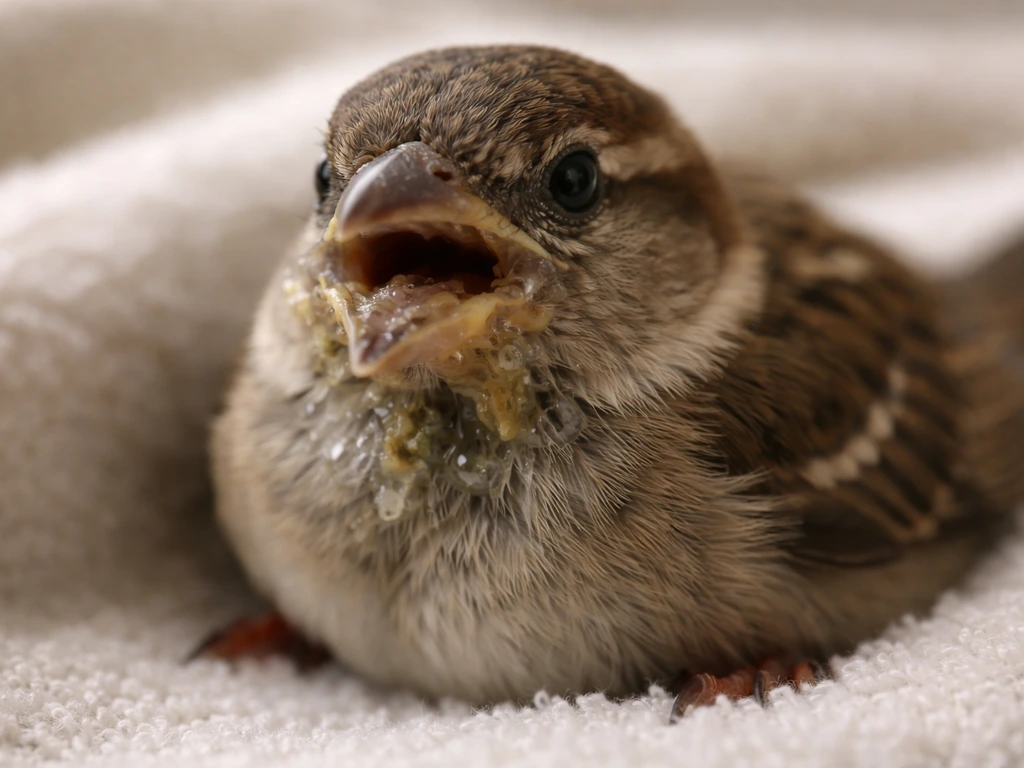
- Gurgling, bubbling, or wet-sounding breathing, especially after eating or being given fluids
- Coughing or gagging movements, sometimes with material coming back up through the beak or nostrils
- Nasal discharge that looks bubbly or foamy
- Wheezing or clicking sounds on inhale or exhale
- Open-mouth breathing that starts suddenly after a feeding or liquid administration
- Tail bobbing with each breath (the tail pumping up and down is a sign of significant respiratory effort)
- Blue or grayish tint to the tongue, gums, or skin around the beak, which signals low oxygen
- Sudden lethargy or refusal to eat after a feeding attempt
- Head shaking repeatedly, especially right after eating
How it differs from other common rescue scenarios
| Condition | Key distinguishing signs | Aspiration overlap |
|---|---|---|
| Window collision/concussion | Found near a window, may be stunned but breathing normally at first | Can develop aspiration if vomiting occurs while unconscious |
| Choking/obstruction | Sudden onset, bird may be pawing at face, no breathing sounds | Both cause open-mouth breathing; aspiration often has wet sounds |
| Seizure or stroke | Falling, tremors, loss of coordination, often no respiratory sounds | Both cause sudden collapse; aspiration follows eating, stroke does not |
| General weakness/illness | Lethargy, fluffed feathers, but normal or near-normal breathing sounds | Aspiration has audible respiratory changes; weakness alone does not |
| Broken wing or leg | Obvious physical injury, usually normal breathing | No respiratory component unless bird also aspirated during trauma |
If you are unsure whether what you are seeing is aspiration or something else, treat it as an emergency either way. Other respiratory conditions like ataxia-related breathing difficulty or post-collision complications can look very similar and all of them need professional evaluation quickly.
What to do (and absolutely not do) right now
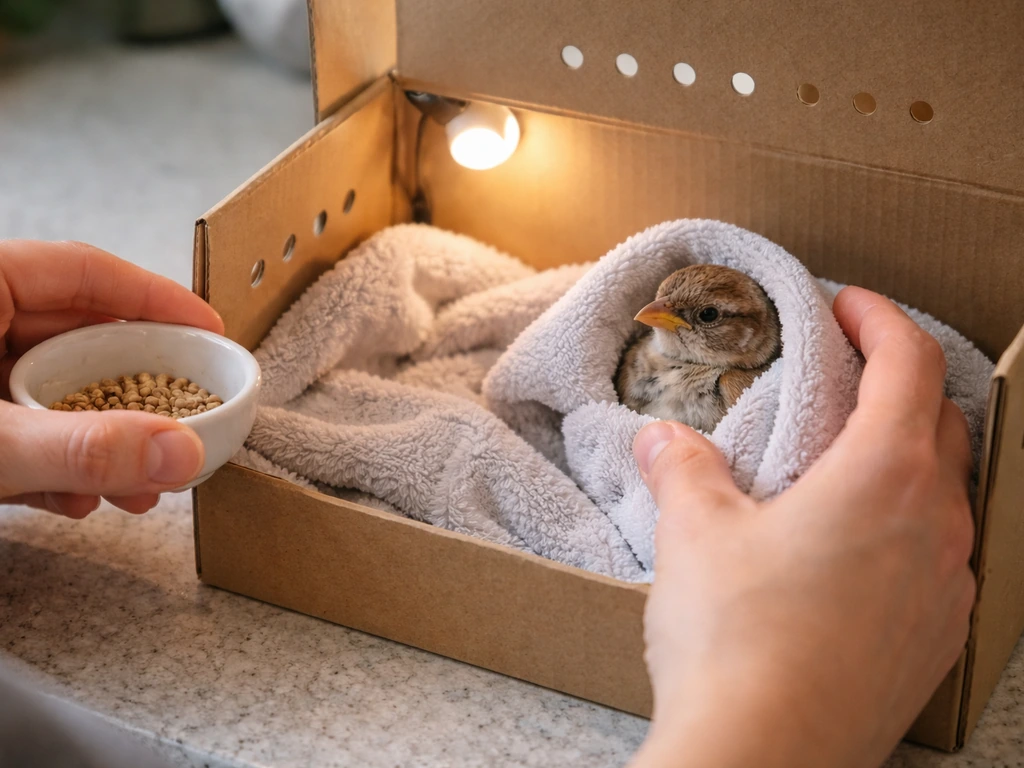
I know it feels urgent to do something, and that instinct is right. But doing the wrong thing here can make aspiration dramatically worse. Follow these steps carefully.
Do this immediately
- Stop any feeding or liquid administration instantly. Do not give water, formula, food, or medications by mouth unless a professional has specifically told you to and shown you the correct technique.
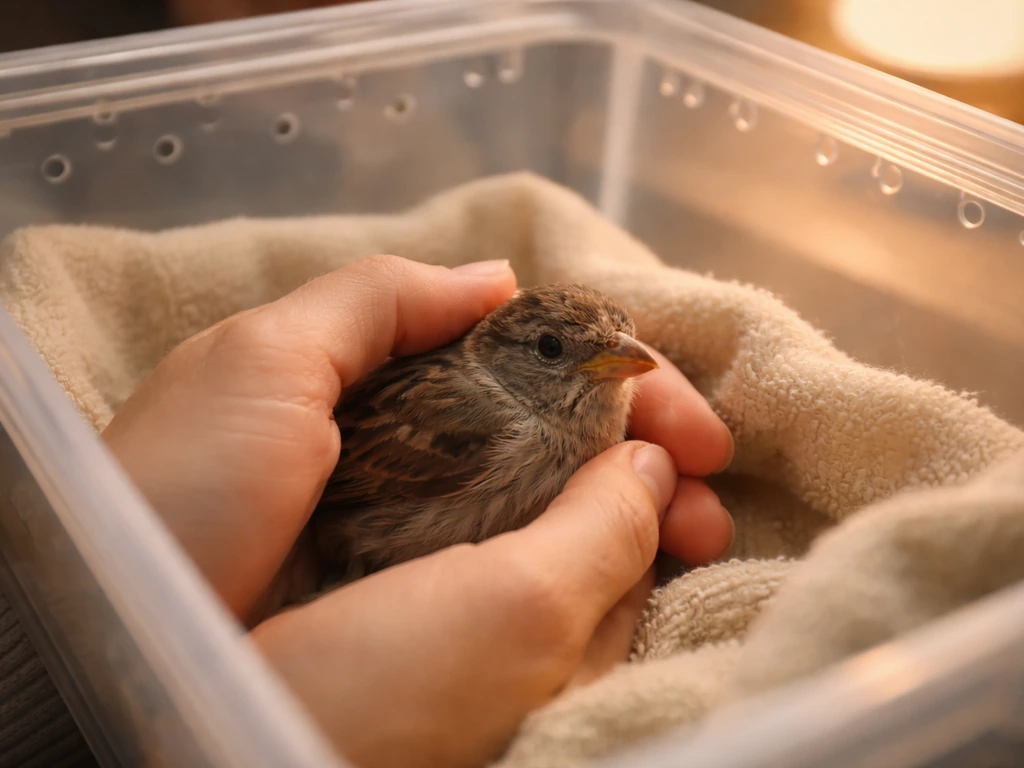
- Place the bird in a small cardboard box lined with a soft towel. The box should be just big enough for the bird to stand or rest comfortably, not so large that it can flap around.
- Keep it warm. A temperature around 85 to 90 degrees Fahrenheit is ideal for most injured birds. You can put a heating pad on its lowest setting under half the box so the bird can move away from the heat if needed. Never cover the entire floor of the box with heat.
- Keep it dark and quiet. Darkness reduces stress, and stress worsens respiratory distress. Resist the urge to check on it constantly.
- Do not restrain or hold the bird unless you are actively transferring it. Handling a bird in respiratory distress is stressful and can accelerate decline.
- Note the time the aspiration event happened, what was given or inhaled, and any symptoms you have seen. This information is genuinely useful to the vet or rehabber.
Do not do these things
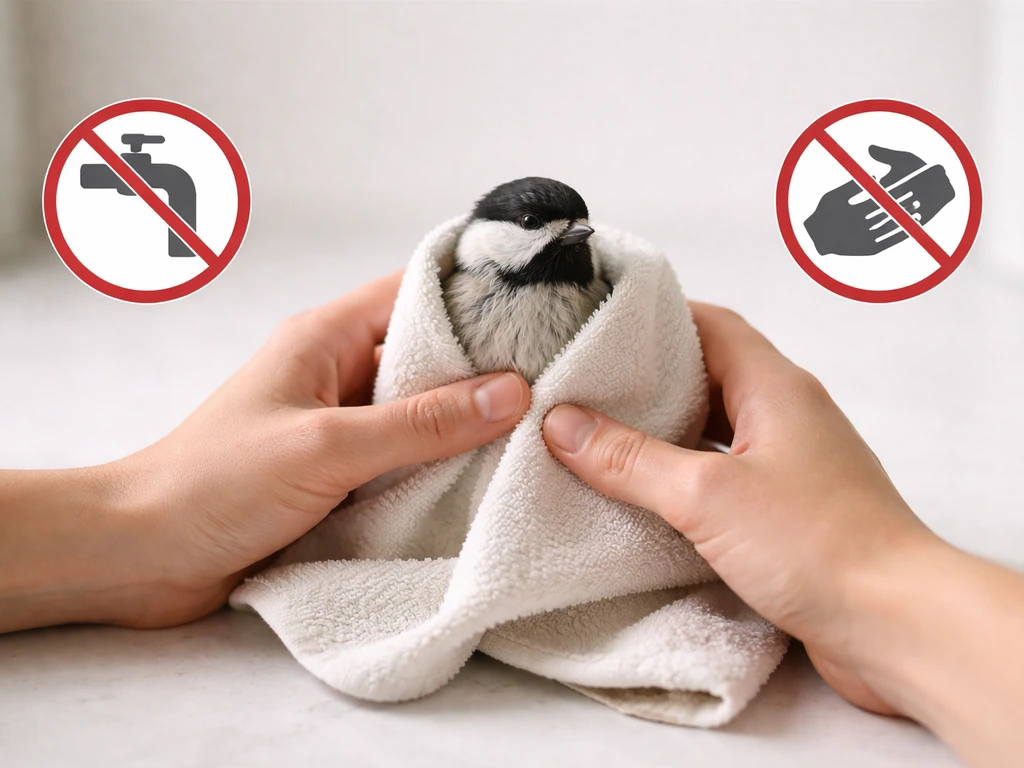
- Do not try to flush the bird's airway with water or any liquid
- Do not attempt to tilt the bird upside down or shake it to dislodge material
- Do not squeeze or compress the chest, which prevents normal breathing movement
- Do not offer food or water to 'help it recover' while waiting for professional help
- Do not try to treat at home with leftover antibiotics, vitamins, or human medications
- Do not leave the bird in a cold, drafty, or noisy environment
- Do not assume it is fine just because it looks slightly better after a few minutes; internal damage can worsen over hours
When to treat this as a genuine emergency
Any bird showing open-mouth breathing, tail bobbing, blue-tinged skin or tongue, or gurgling breath sounds needs emergency care right now, not in a few hours. Bird strokes can also present as sudden breathing or neurologic problems, so emergency evaluation is important when a bird’s condition changes fast what causes a bird to have a stroke. These are signs of serious oxygen deprivation and respiratory failure. Do not wait to see if it improves.
Even if the bird seems to stabilize and breathe more normally after an aspiration event, do not stand down. Chemical pneumonitis can look like it is resolving and then flip into bacterial pneumonia over the next 24 to 72 hours. A bird that seemed okay this morning can be critically ill by tonight.
Who to call and how to find them
- Wildlife rehabilitator: For wild birds, this is your first call. In the US, search the National Wildlife Rehabilitators Association directory or your state's fish and wildlife agency website. Many areas have 24-hour wildlife hotlines.
- Avian veterinarian: For pet birds or when a rehabber is not available, search for a vet certified by the Association of Avian Veterinarians in your area. A general vet is better than nothing, but avian vets have specific equipment like oxygen chambers and avian-scale dosing.
- Emergency animal hospital: If nothing else is available and the bird is in acute distress, go. Any oxygen support buys time.
- State or provincial wildlife agency: They often maintain lists of licensed rehabbers and can direct you quickly.
When you call, describe the symptoms clearly: when it happened, what the bird was exposed to, and exactly what the breathing looks like right now. That helps them triage the situation over the phone and tell you if you need to drive fast or if you have a little time.
What professionals actually do for aspiration
When a bird with suspected aspiration arrives at an avian vet or wildlife clinic, the first priority is stabilizing the respiratory system before anything else. Severely distressed birds are often placed in a warm, oxygenated incubator immediately, before the vet even does a full hands-on examination. Handling a bird that cannot breathe properly can kill it, so professionals minimize restraint until the bird is more stable.
From there, treatment typically involves several elements depending on severity:
- Supplemental oxygen to address low blood oxygen levels, which is often the most urgent immediate need
- Assessment of the airway, including whether suctioning is appropriate to clear inhaled material
- Chest radiographs (X-rays) to evaluate the extent of lung involvement and guide ongoing monitoring
- Antibiotics if bacterial pneumonia is present or likely, continuing until X-ray findings resolve or stabilize
- Supportive fluids and nutrition, delivered carefully to avoid further aspiration, often via tube feeding by experienced hands or IV fluids if the bird cannot swallow safely
- Warmth and low-stress housing throughout recovery
- Monitoring for deterioration over the first several days, since secondary infections can develop even after initial improvement
- Management of any underlying problem that caused the aspiration, such as a swallowing disorder or weakness from another illness
Aspiration pneumonitis, the chemical inflammation type without bacterial infection, is treated primarily with supportive care and sometimes resolves within a few days. Aspiration pneumonia with confirmed bacterial infection requires targeted antibiotic treatment and carries a more guarded prognosis. Severe cases can progress to acute respiratory distress syndrome, which significantly reduces survival odds. This is why time from aspiration to treatment is one of the biggest factors in outcome.
What recovery looks like and red flags to watch for
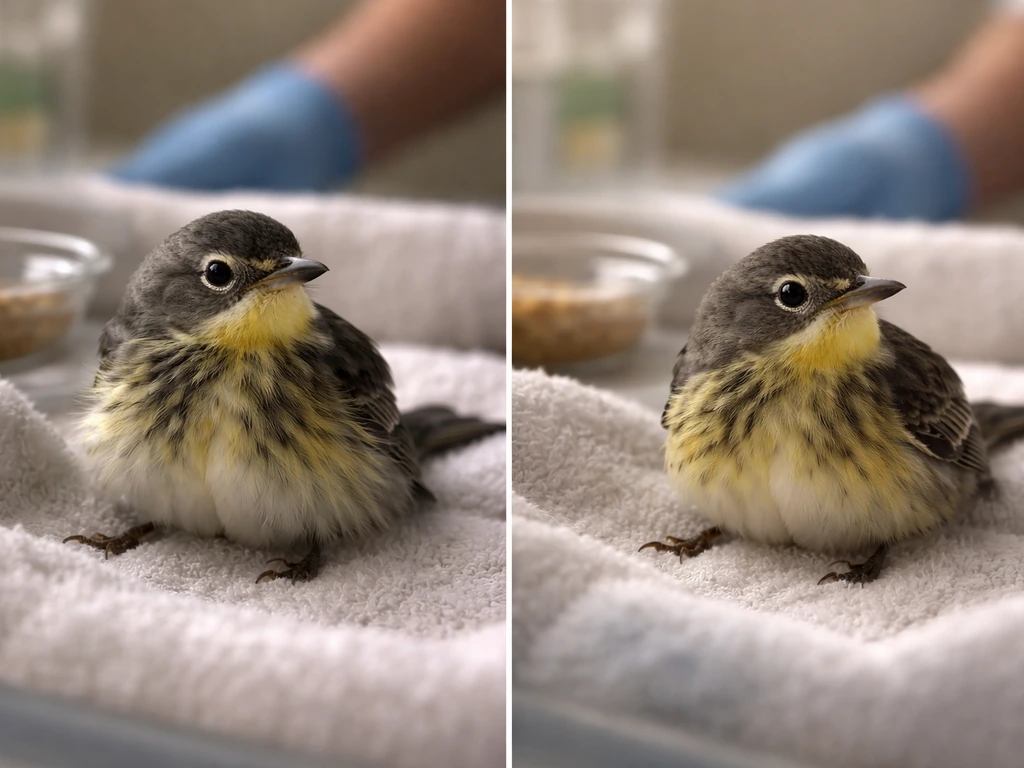
If a bird is going to recover, you typically start to see stabilization within the first 24 to 48 hours under professional care: breathing quiets down, the bird becomes more alert, and it starts showing interest in food again. These are encouraging signs. Do not confuse a brief early improvement with full recovery though, because the bacterial pneumonia window runs from roughly 24 hours to 72 hours or more after the initial event.
Signs the bird is improving
- Breathing becomes quieter and less effortful, with no tail bobbing
- The bird holds its head up and appears more alert
- Normal tongue and skin color returns (pink, not blue or gray)
- It shows interest in food and swallows normally without gagging
- Energy improves gradually over several days
- Nasal discharge clears up
Red flags that mean you need to go back immediately
- Breathing worsens again after a period of apparent improvement
- New gurgling, wheezing, or bubbling sounds develop
- The bird becomes more lethargic or stops eating after initially doing better
- Blue or grayish coloring returns to the tongue or skin
- Tail bobbing comes back or intensifies
- The bird sits puffed up with its eyes closed for extended periods
- Any new nasal discharge or coughing appears days into recovery
Full recovery from aspiration, when it happens, can take anywhere from a few days for a mild case to several weeks if pneumonia developed. Some birds that survive the acute phase are left with reduced lung capacity, which affects their long-term prognosis for release in the wild. Your vet or rehabber will be honest with you about those outcomes as treatment progresses. Whether or not a bird fully recovers from aspiration has similarities to the question of whether an injured bird can survive other serious events: it comes down to severity, timing, and the quality of care.
How to prevent aspiration in the first place
A significant portion of aspiration cases in rescue settings happen because a well-meaning person tried to help by feeding or watering the bird incorrectly. Here is how to avoid causing it accidentally.
If you are caring for a baby bird
- Never feed a baby bird that is not actively gaping (opening its beak and begging). If the feeding response is not strong, there is a high risk that food will go into the airway instead of the stomach.
- Do not give water by dropper or syringe. Baby birds get hydration from their food, and droppers directed into the mouth can easily spill into the trachea.
- Do not use a syringe to push formula into the beak. Pressure feeding is a leading cause of aspiration in nestlings.
- If you must feed before reaching a rehabber and have been specifically instructed to do so, aim any food toward the side of the mouth, not straight down the throat, and feed tiny amounts at a time with pauses to allow swallowing.
For injured or ill adult birds
- Do not offer water by tipping the bird's beak into a dish or dripping water into its mouth. Birds in distress do not drink normally and the liquid goes straight to the lungs.
- Do not give medications orally unless an avian vet has instructed you and shown you the correct technique, including aiming at the commissure (corner) of the mouth and waiting for the bird to swallow.
- Minimize handling and stress, because a panicked bird breathes faster and harder, which increases aspiration risk if anything is in the airway.
- After a window collision, keep the bird contained and still. Collision victims can vomit from the impact, and a semiconscious bird lying in vomit can aspirate silently.
- Do not offer food or water immediately after any stressful event, including transport. Let the bird settle for at least 30 minutes under professional guidance before any oral intake is attempted.
The single most protective thing you can do is resist the urge to feed or hydrate a bird you find in distress. It feels like help, but it is one of the most common ways people accidentally cause or worsen aspiration. Warmth, quiet, darkness, and a quick call to a professional are almost always the right answer while you figure out next steps. Wild Bird Recovery Center advises placing an injured bird on a towel in a cardboard box, keeping it warm and dark and minimizing stress, then waiting for their call for next steps Warmth, quiet, darkness, and a quick call to a professional.
FAQ
If I already gave the bird a little water or formula, does that eliminate the chance of recovery?
Not necessarily. One small exposure can still be aspirated, and the outcome depends on how much got into the airway and how fast professional care starts. Stop further feeding immediately, keep the bird warm, and contact an avian vet or wildlife rehabilitator, because the next 24 to 72 hours determine whether irritation stays mild or turns into infection.
How can I tell aspiration from drowning or being chilled?
Aspiration often comes with gurgling, open-mouth breathing, or tail bobbing, and it may start right after exposure to food, vomit, or liquid. Drowning or severe chilling can also cause breathing trouble, but the key decision aid is timing and context: if symptoms began after a feeding, dribbling, or wet exposure, treat it as aspiration and seek urgent care.
Should I try to “clear the airway” by tipping the bird or using suction at home?
No. Tipping, squeezing the chest, or attempting suction can worsen breathing, cause more aspiration, or injure delicate tissues. The safer home approach is minimal handling, warmth, and immediate veterinary or rehab evaluation.
Is it okay to keep the bird warm and watch for improvement for a few hours?
Usually no if the bird has any respiratory signs. If you see open-mouth breathing, tail bobbing, gurgling, blue tongue or skin, or worsening effort to breathe, it is an emergency, and waiting can allow aspiration pneumonitis to progress to bacterial pneumonia.
What should I do if the bird is alert and seems to breathe normally after the incident?
Even if it looks better, monitor closely and still get professional assessment. Chemical inflammation can appear to improve early and then deteriorate later, especially during the 24 to 72 hour window. Keep it warm, avoid feeding or watering, and follow the clinician’s guidance.
Can aspiration happen from inhaling air dust or smoke, not food or water?
Yes. Any foreign or irritating material that reaches the lower airway, including medication residue, aerosols, smoke particles, or contaminated bedding, can trigger similar respiratory distress. Report the specific exposure (what material and when) so the vet can decide whether it is aspiration, chemical injury, or another respiratory problem.
Do antibiotics help if it is aspiration pneumonitis without infection?
Antibiotics are not automatically the right treatment if there is no confirmed bacterial pneumonia. Clinicians typically provide supportive care for chemical inflammation, but they may add antibiotics if the course suggests infection or if diagnostic findings support bacterial pneumonia. Do not start antibiotics at home without an avian professional.
How is aspiration pneumonia diagnosed in birds?
Diagnosis is based on the bird’s history and clinical signs, plus exam findings and sometimes imaging or other tests to check for pneumonia or airway obstruction. Because imaging and treatment decisions depend on how stable the bird is, prioritizing oxygenation and rapid professional assessment is often more important than trying to self-diagnose.
Will a rescued bird always be safe to release if it recovers?
Not always. Some birds recover from the acute episode but have reduced lung capacity or ongoing respiratory limitations, which affects their fitness for release. Rehabilitators may recommend additional time and monitoring to confirm breathing endurance before any release decision.
What information should I have ready when I call a vet or wildlife rehab center?
Share the approximate time of the event, what the bird was exposed to (food, water, medication, vomit, smoke, bedding material), and the exact breathing signs you see now (open-mouth breathing, tail bobbing, gurgling, color change, effort level). Also mention age (nestling or adult), body condition, and whether the bird has eaten at all since the incident.