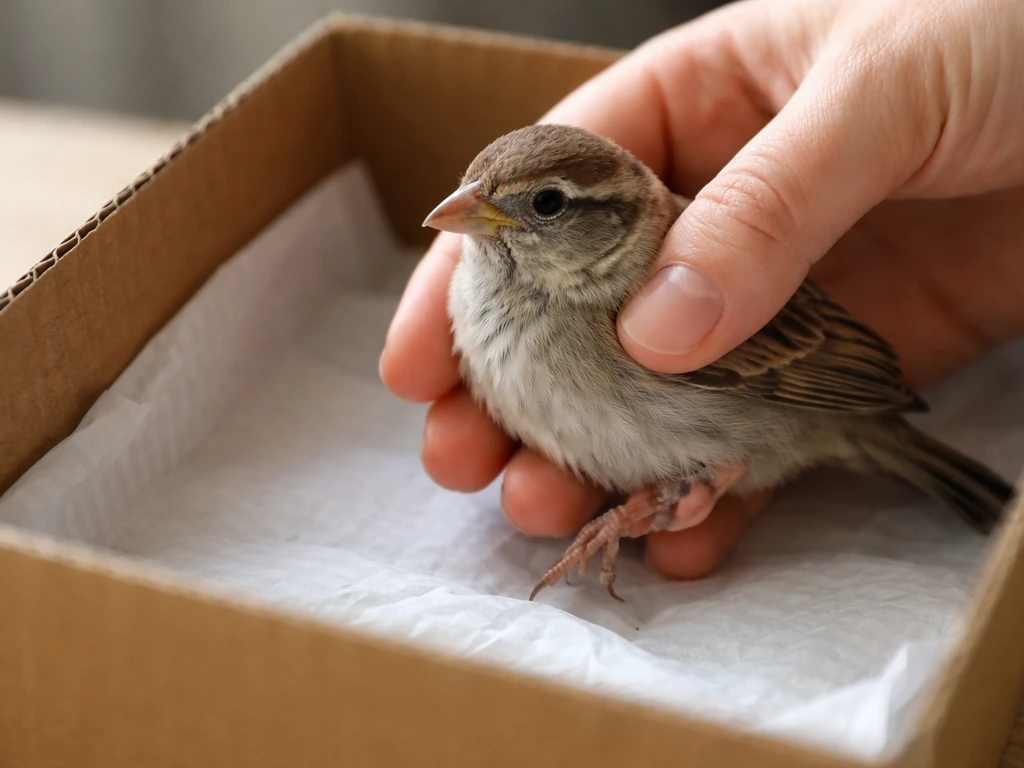
If you've found a bird with its head drooping, neck flopped to one side, or body completely limp, your first move is to gently contain it without touching or moving the neck, keep it warm and dark and quiet, and call an avian vet or wildlife rehabilitator immediately. Do not try to straighten the neck, force-feed the bird, or give it water. A suspected broken neck is a genuine emergency, and the difference between survival and death often comes down to what happens in the next 30 minutes.
Bird Broken Neck Treatment: First Aid and Next Steps
Marcus Chen
2 Jun 2026
How to tell if it's actually a broken neck (or something else)
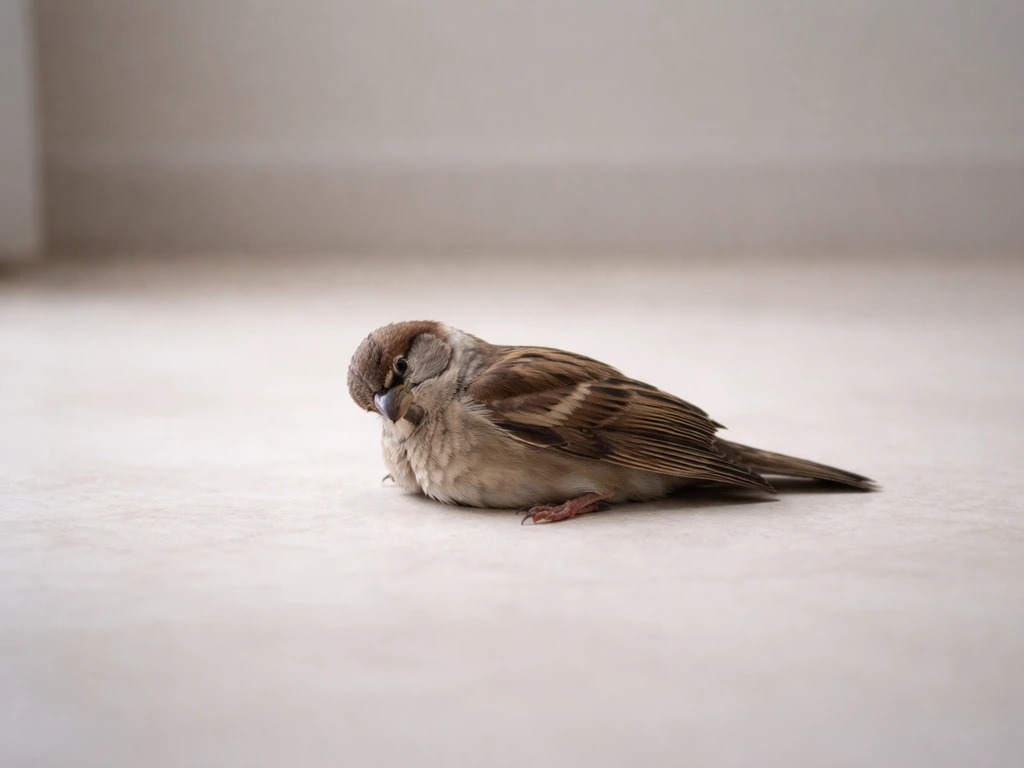
This is hard to know for certain without imaging, and honestly, you don't need to be sure before acting. But understanding what you're likely looking at helps you describe it clearly when you call for help, and it shapes how carefully you handle the bird.
A genuinely broken neck (cervical vertebral fracture or dislocation) is not the most common outcome after a bird collision or fall. What you're more likely seeing is one of these:
- Concussion or head trauma from a window strike: The bird is stunned, may be limp or tilting, but can recover in 20–60 minutes with minimal intervention.
- Spinal injury lower on the back: The head may look normal but legs are paralyzed or wings drag.
- Neck muscle or ligament injury: The head tilts or droops but the cervical spine itself may be intact.
- Neurological disease or inner ear infection: Causes head tilting, circling, or rolling that looks dramatic but isn't trauma-related.
- Severe weakness from blood loss, poisoning, or shock: The whole bird collapses and can't hold its posture at all.
Signs that specifically suggest a cervical (neck) fracture rather than just a stun include: the head hanging completely unsupported at an abnormal angle, the bird showing no response to touch on its body below the neck, labored or irregular breathing with no wing movement, or a visible deformity or swelling along the upper spine. A tilted head alone, especially after a window strike, is more likely concussion. But here's the truth: you cannot tell from the outside, and the handling risk is the same either way. Treat it as a possible spinal injury until a professional says otherwise.
Immediate first aid: what to do right now
The goal in the first few minutes is simple: stop things from getting worse. That means minimizing movement of the neck and spine, reducing stress, and keeping the bird warm. You are not trying to fix anything.
Containing the bird safely
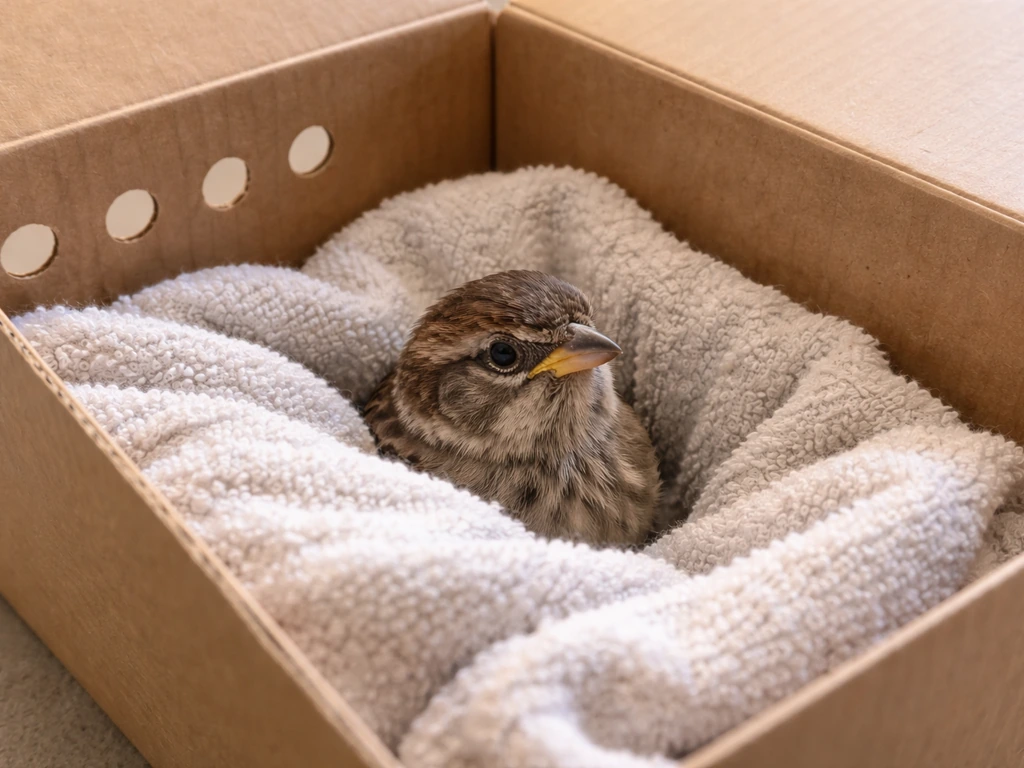
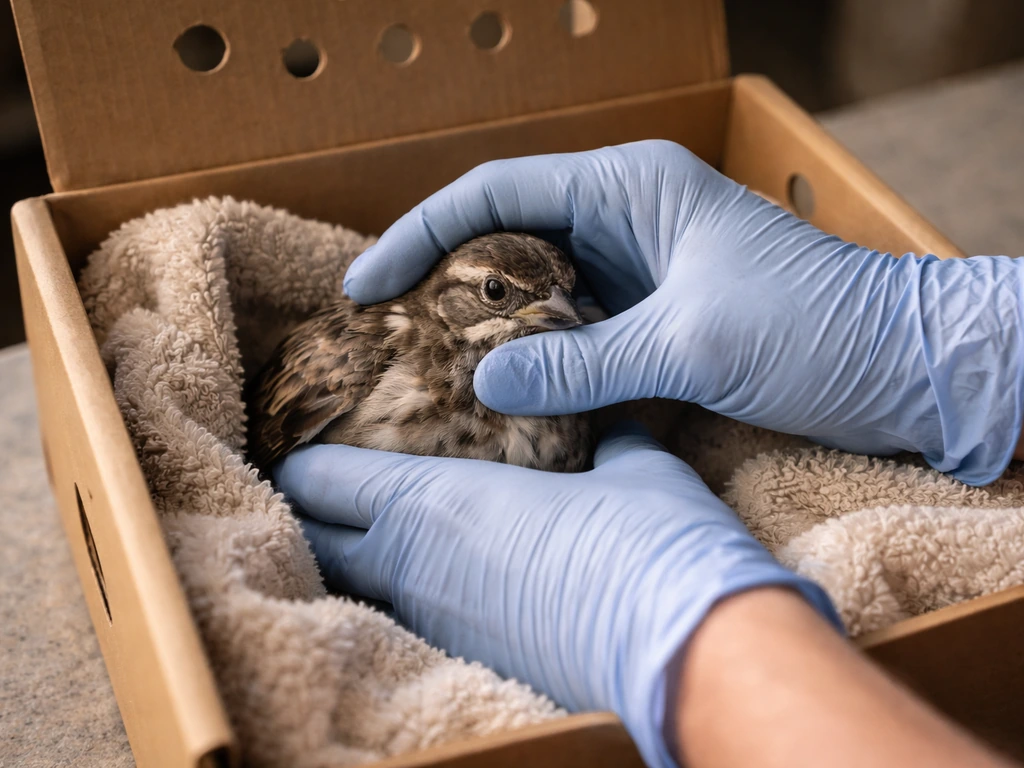
- Find a cardboard box with a lid, or any container with ventilation holes. Line the bottom with a soft, crumpled towel or paper towels to create a nest-like hollow that supports the body.
- If the bird is on the ground and conscious, place one hand gently over its body to prevent wing flapping, then scoop it up with both hands supporting the full length of the body. Do not grab or manipulate the neck.
- Lower the bird into the box in whatever position it's already in. If it's lying on its side, let it stay on its side. Do not try to prop it upright if it can't hold itself up, as this can put pressure on a fractured vertebra.
- Close the box and put it somewhere warm, dark, and quiet. A bathroom with the light off, a closet, or the back seat of a car with the heat on low all work. The darkness reduces panic and lowers the bird's heart rate.
- Do not open the box repeatedly to check on it. Every peek adds stress.
What not to do (this matters as much as what you do)
- Do not try to straighten, brace, or support the neck with your hands or any improvised splint. Movement of a fractured cervical vertebra can compress the spinal cord.
- Do not give water or dropper-feed the bird. A bird that cannot hold its head up cannot swallow safely, and fluid in the airway is fatal. This is an explicit rule from NSW wildlife guidelines and multiple rehab centers.
- Do not give food, even soft food. The stress of forced feeding plus the aspiration risk makes this dangerous.
- Do not place the bird in a cage with perches it can fall from.
- Do not leave it outside in the sun or somewhere drafty, even in warm weather.
Warmth and monitoring
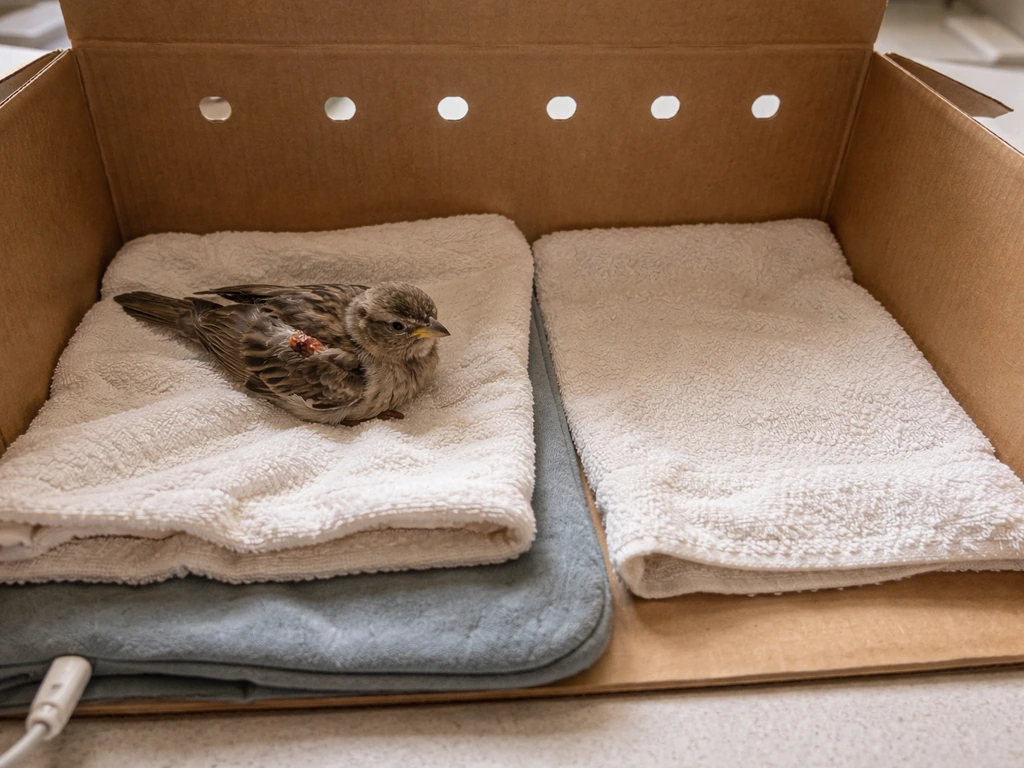
Injured birds go into shock fast, and cold kills them faster than almost anything else. Place a heating pad set to its lowest setting under half of the box (not the whole bottom, so the bird can move away from the heat if it gets too warm). A warm water bottle wrapped in a towel works too. The target is a gentle, steady warmth, around 85 to 90 degrees Fahrenheit for most songbirds. While you get help organized, listen for changes in breathing through the box. Labored, open-mouthed, or gurgling breathing is an escalation sign.
Handling and transport without making it worse
How you move the bird to a vet or rehab center matters. Massachusetts wildlife rehabilitation guidance emphasizes that efficient capture and transport are the first step to successful rehabilitation, and that an inappropriate transport setup can increase injury risk and stress. The transport itself is a risk, and a few simple rules dramatically reduce that risk.
- Keep the box level and stable. Put it on the seat beside you or on the floor rather than in a bag that can tip.
- Turn the radio off and don't talk loudly near the box. Auditory stress elevates a bird's heart rate significantly, and stress hormones worsen spinal swelling.
- Keep the car warm, around 75 to 80 degrees Fahrenheit at minimum.
- Drive directly to your destination without stopping. Every extra minute matters with a neurological injury.
- If a helper is riding with you, they should hold the box steady, not open it.
Make sure the box is large enough that the bird isn't cramped but not so large that it slides around. The container should allow the bird to extend its head if it regains that ability, so avoid anything so small the bird is folded up inside.
When to call for help and exactly what to say
Call while you're getting the box ready, not after. You can handle a bird safely with one hand while holding a phone. The sooner a professional knows what's coming, the better they can prepare.
Who to call
- An avian veterinarian: Search 'avian vet near me' or check the Association of Avian Veterinarians directory online. These are the best equipped for diagnostics and treatment.
- A licensed wildlife rehabilitator: In the US, the National Wildlife Rehabilitators Association (NWRA) and Wildlife Rehabilitators Association maintain searchable databases. Your state's fish and wildlife agency website usually has a hotline or directory too.
- Local animal control or Humane Society: They can often connect you to wildlife resources even if they can't treat the bird themselves.
- In the UK, RSPCA (0300 1234 999) handles injured wild birds directly.
What to tell them
Be specific and calm. Tell them: what species the bird appears to be (or describe its size and coloring), where you found it and what likely caused the injury (window strike, cat attack, fall from a tree), what position the bird is in right now and whether it's conscious, whether it's breathing normally or showing open-mouthed or labored breathing, and whether there is any visible bleeding or obvious bone deformity. If there is a bird broken nail bleeding issue, describe where the nail is hurt and how much bleeding you can see so they can bring the right supplies visible bleeding. This helps them triage the bird before you even arrive and tells them what equipment to have ready.
Head tilting, inability to hold the head up, and major injuries like broken bones or cat puncture wounds are explicitly listed by wildlife authorities as signs requiring immediate professional evaluation, not watchful waiting at home.
What professionals will actually do once they take over
Once the bird is in professional hands, here's a general picture of what happens. Understanding this helps set realistic expectations, and it can be reassuring to know the bird is heading toward real medical care.
Stabilization and diagnostics
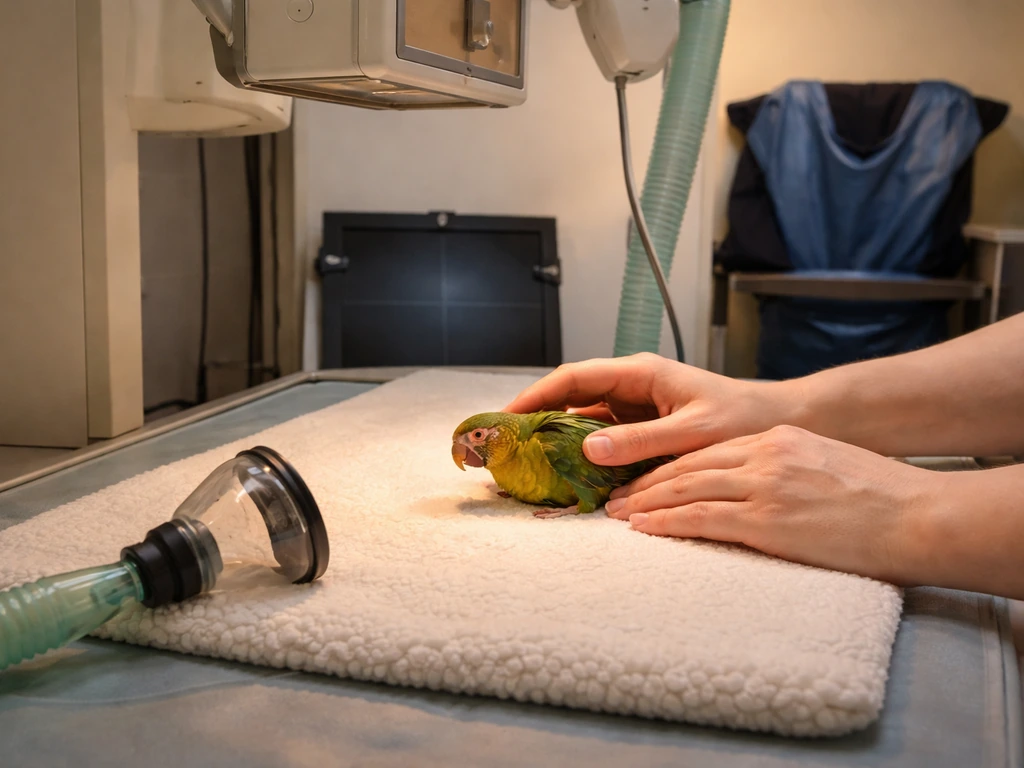
The first priority is always stabilization: warmth, fluids if the bird is stable enough to receive them, oxygen if breathing is compromised, and pain control. Avian vets are cautious about sedation with spinal injuries but can use appropriate analgesics to reduce suffering and limit stress-induced spinal swelling.
Imaging comes next. Standard radiographs (X-rays) can reveal vertebral fractures, dislocations, or bone fragments. For neurological cases where the soft tissue matters as much as the bone, advanced imaging is often needed. CT scans give detailed 3D bone mapping, and MRI can directly visualize spinal cord compression and soft tissue injury. Research in bald eagles has shown MRI to be superior to plain radiography for evaluating spinal cord trauma21[196:MRIIST]2.0.), and similar protocols are used across species. This kind of imaging is available at university veterinary teaching hospitals and some specialty practices.
Treatment paths depending on severity
| Injury Type | Likely Treatment | Realistic Prognosis |
|---|---|---|
| Concussion / stun (no fracture) | Supportive care, rest, warmth, anti-inflammatories | Good to excellent; often recovers in hours to days |
| Stable cervical fracture (no cord damage) | Cage rest, anti-inflammatories, pain management, restricted movement | Guarded but possible; weeks of recovery |
| Fracture with partial cord injury | Stabilization, anti-inflammatories, possible surgery; intensive supportive care | Guarded; some function may return over weeks |
| Complete cord transection or severe crush | Palliative/comfort care; euthanasia often recommended | Poor; full recovery is not realistic |
Surgery is possible in some cases, particularly in larger birds like raptors or parrots, where the anatomy allows for fixation or decompression. In very small birds like sparrows or finches, surgery at the cervical spine is rarely feasible. The vet will give you an honest prognosis based on the imaging and the neurological exam, and euthanasia may be the kindest option if the spinal cord is severely damaged.
If you're told to monitor at home while waiting for help
Sometimes you can't reach a rehabber until the next morning, or the vet tells you to observe the bird overnight before deciding on next steps. Here's how to do that without making things worse.
Warmth and housing
Keep the bird in its lined box with the heating pad underneath half of it. Check the warmth by placing your hand inside briefly: it should feel like a warm (not hot) summer day. Do not use a full heat lamp directly overhead, which can dehydrate a small bird quickly. Keep the room dim or dark and away from household noise, pets, and children.
Feeding and water
Do not feed or water the bird unless a licensed rehabilitator or avian vet has specifically instructed you to and told you exactly how. This is one of the most consistent pieces of guidance across every wildlife rehab authority, and it's especially important here: a bird with a neck injury may not be able to swallow safely. Aspiration pneumonia from well-meaning dropper feeding is a real cause of death in injured birds.
What to watch for (escalation signs)
Check on the bird every hour or so by listening rather than opening the box. Signs that mean you need to find emergency help right now, even at night:
- Open-mouthed breathing or audible wheezing or gurgling
- Seizure activity (visible through the box or audible thrashing)
- Complete absence of any movement or response for more than 10 minutes
- Visible bleeding that has soaked through the towel in the box
- The bird goes from semi-alert to completely unresponsive
If you see any of these, don't wait for morning. Search for an emergency exotic animal hospital or 24-hour wildlife emergency line in your area. University veterinary teaching hospitals often have after-hours emergency services and are usually comfortable with wild birds.
Signs the bird may be improving
If the injury was a stun or mild concussion rather than a true fracture, you may see the bird start to right itself, hold its head up, or show alert eye movement within an hour or two. That's genuinely good news. Even so, don't release it or consider it recovered until a professional has assessed it. A bird that appears to improve can still have underlying spinal instability that makes release dangerous.
A word on realistic expectations
A true broken neck is one of the most serious injuries a bird can sustain, and not all birds survive it even with expert care. That's a hard truth, but it's worth knowing. What you can control is doing everything right in the first critical window: contain without movement, warmth, darkness, quiet, no food or water, and professional help as fast as possible. Those steps give the bird its best possible chance, and that's exactly what a good rescue looks like. If the outcome is still poor, that's not on you.
If you're dealing with a bird that's alive but with an obviously injured neck, you may also find it helpful to read about what to expect when a bird with a broken neck is still alive and showing signs of life, since that scenario has its own specific decisions around triage and comfort care. And if you're juggling multiple injuries, such as a wing or leg injury alongside a head or neck concern, the guidance on broken wing first aid and broken leg treatment costs can help you prepare for the full picture of what professional care may involve. For a wing injury, follow the same no-food-or-water first aid principles and focus on safe restraint, warmth, and getting a wildlife rehabilitator or avian vet as soon as possible broken wing first aid. Because bandaging a broken wing correctly matters for comfort and recovery, it helps to review bird broken wing bandage guidance as well broken wing first aid. Costs for treating a bird's broken leg can vary widely based on the type of injury and what surgery or splinting is needed broken leg treatment costs.
FAQ
Can I give a bird with a suspected bird broken neck treatment a little water to prevent dehydration?
Do not give water unless a licensed avian vet or rehabilitator has directed you to. Neck and throat control may be impaired, so “safe” swallowing attempts can cause aspiration pneumonia. Instead, focus on warmth, darkness, and rapid professional care until they tell you otherwise.
Should I remove a head tilt by gently straightening the neck if the bird seems calm?
No. Even if the bird looks calm, straightening can worsen a spinal fracture or dislocation. Keep the neck and body as still as possible, avoid repositioning, and let the vet determine whether it is concussion versus spinal injury.
What temperature setting should I use for the heating pad for bird broken neck treatment?
Use the lowest setting and heat only half the container so the bird can move away if needed. Check by touch inside the box, you want a warm environment similar to a warm summer day, not hot. If the bird feels hot to your hand, reduce heat immediately or use a different heat source.
Is it okay to cover the bird with a towel for warmth and darkness?
Light coverage inside the container can help reduce stress, but avoid anything that presses on the bird’s head or neck. Keep ventilation in mind (no airtight wrapping), and make sure the heating source remains safely under half the box so airflow and escape from heat are possible.
If the bird seems to breathe better after 10 to 20 minutes, can I release it?
No. Temporary improvement can happen with shock or concussion, but spinal instability can still be present. Release only after a professional evaluates the bird, because underlying injury may worsen after the bird becomes active.
How can I tell if the bird broken neck treatment needs emergency help at night versus waiting until morning?
Any open-mouthed breathing, gurgling, severe irregular breathing, visible neurological signs (such as no response below the neck), or obvious deformity or swelling along the upper spine are “do not wait” signs. If you see any of these, contact a 24-hour wildlife or exotic emergency service immediately.
Can I hold the bird for a longer time while I drive, or should it stay in the box the whole time?
Keep it in the box and minimize handling. Handling increases neck and spine movement, even when you are careful. During transport, secure the container so it does not tip or slide, and avoid sudden braking and turning as much as possible.
What should I put in the box besides a towel lining?
Use simple, stable padding that does not bunch or slip. Avoid loose bedding that can entangle legs or press against the neck area. Do not use perches, wheels, or anything that encourages posture changes or head repositioning.
Should I try to feed or medicate for pain with over-the-counter human products?
Do not. Do not feed, and do not give human pain medication unless a vet specifically prescribes it for that species and weight. Many common medicines are unsafe for birds and can worsen breathing or cause toxicity.
If the bird also has bleeding from a broken nail or wound, do I treat it differently?
You still avoid moving the neck and you still prioritize warmth and professional care. If there is external bleeding, gently note where it is, how much bleeding you see, and whether it appears actively bleeding. Do not apply tight bandages to the torso or anything that changes breathing, and avoid disturbing the injury area beyond what is necessary to observe.
What information is most useful when I call a vet or wildlife rehabilitator for bird broken neck treatment?
Include species (or size and coloration if unsure), where you found the bird and likely cause (window strike, cat, fall), its current posture (head unsupported, abnormal angle), whether it is conscious, breathing pattern (normal versus open-mouthed or labored), and any visible deformity or bleeding location and amount. This helps them triage immediately and bring the right supplies.
Next Article
Bird Broken Leg Cost: What It Usually Costs and What to Do Now
Bird broken leg cost ranges, what to do now, and urgent first aid, vet vs rehab options, and price drivers